ACT I
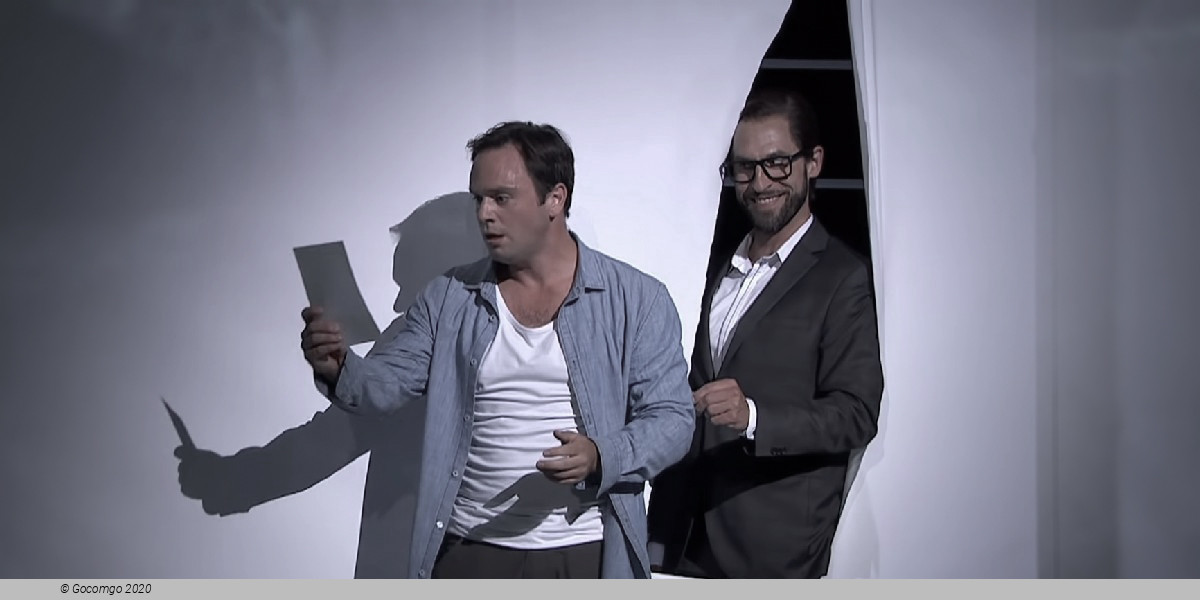
In the garden of her father’s country house, Anne Trulove and her fiancé, Tom Rakewell, celebrate springtime. Trulove, who has doubts about Tom’s character, has arranged an accountant’s job for him in the city, but Tom declines the offer. Alone, he declares his intention to trust his good fortune and enjoy life. When he expresses his wish for money, a stranger appears and introduces himself as Nick Shadow. He tells Tom that a forgotten uncle has died, leaving him a fortune. Anne and Trulove return to hear the good news. Shadow suggests accompanying Tom to London to help settle his affairs, and Tom agrees to pay him for his services in a year and a day. As they leave, Tom promises to send for Anne as soon as everything is arranged. Shadow turns to the audience announcing, “The progress of a rake begins.”
At a brothel in the city, Tom recites the catechism Shadow has taught him to the madam, Mother Goose: to follow nature rather than rules and to seek beauty and pleasure. When asked about love, he becomes momentarily terrified. He is eager to escape as the clock strikes one, but Shadow turns it back an hour and assures Tom that time is his. Tom responds with reflections on love, which he feels he has betrayed, but then accepts Mother Goose’s offer to spend the night with her.
As night falls, Anne wonders why she hasn’t heard from Tom. She leaves her father’s house, determined to find him.
ACT II
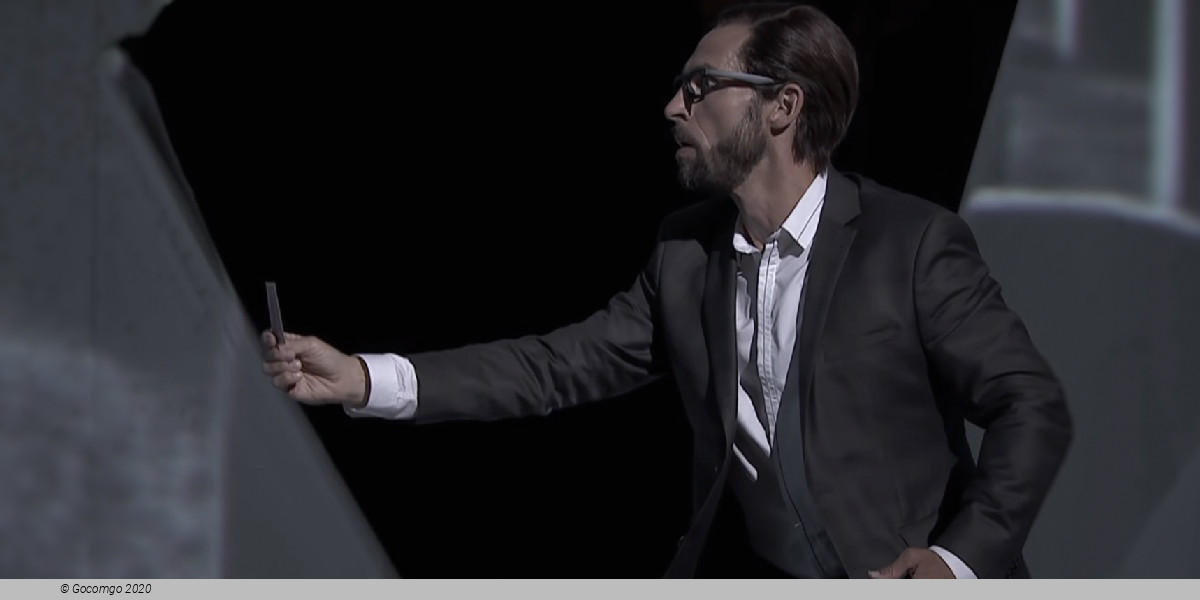
Tom, in his house in the city, is bored and disillusioned with his decadent life and no longer dares to think of Anne. He pronounces his second wish: for happiness. Shadow appears and shows him a poster of Baba the Turk, a bearded lady on display at the fair. He suggests that Tom marry her to express his freedom and thus know true happiness. Amused, Tom agrees.
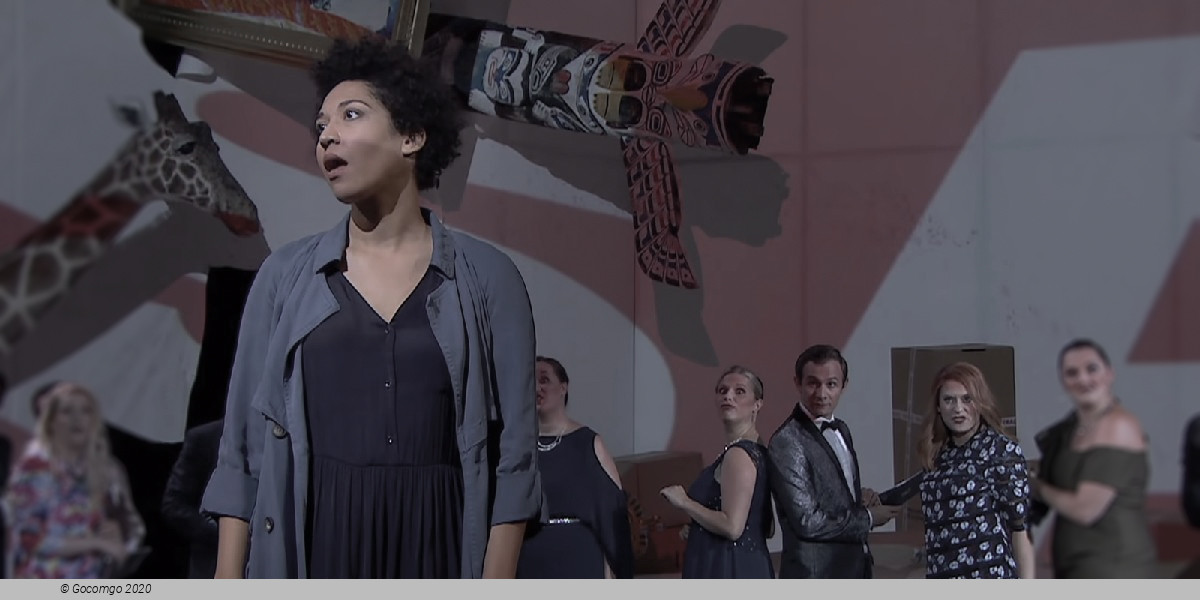
Anne comes to Tom’s house, surprised to see servants enter with strangely shaped packages. Tom arrives in a sedan. Startled at the sight of Anne, he declares himself unworthy and tells her to leave and forget him. Baba calls out from the sedan, and Tom admits to the astonished Anne that he is married. Both wonder what might have been, while Baba interrupts with impatient remarks. Anne faces reality and leaves, as a crowd of passers-by hails Baba.
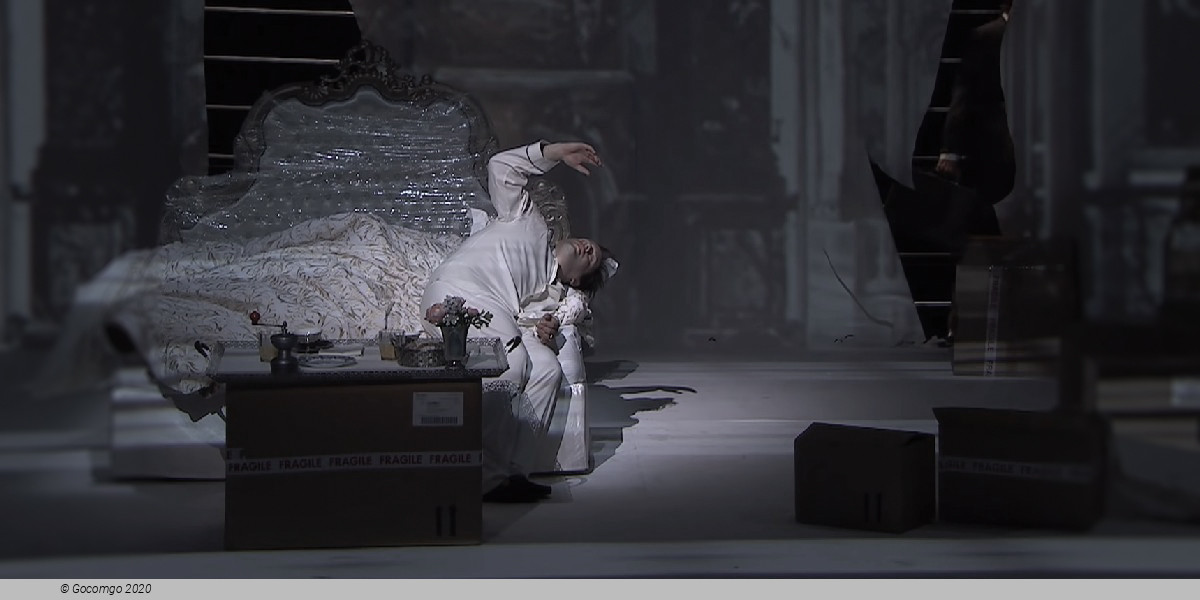
In his morning room, Tom sits sulking while Baba chatters away. When he refuses to respond to her affection, she complains bitterly. Tom silences her, then falls into an exhausted sleep, as Baba remains motionless. Shadow wheels in a strange machine that seems to turn stones into bread. Tom awakes, saying “I wish it were true”—only to realize that the machine is what he saw in his dream. Elated, he wonders if in return for doing one good deed he might again deserve Anne. Shadow points out the device’s usefulness in fooling potential investors.
ACT III
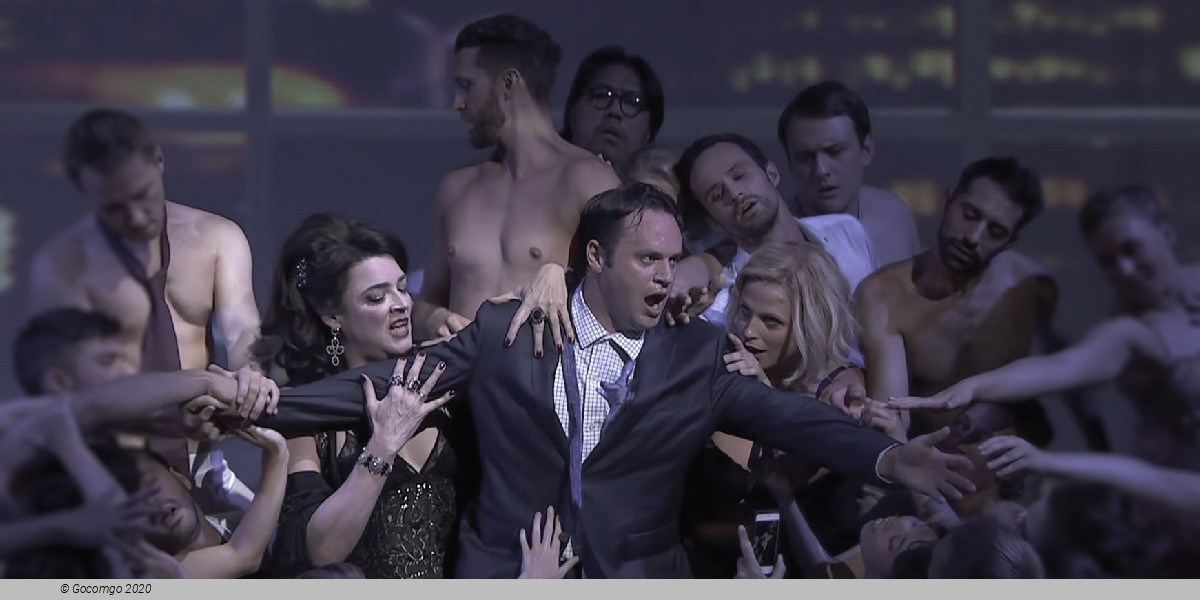
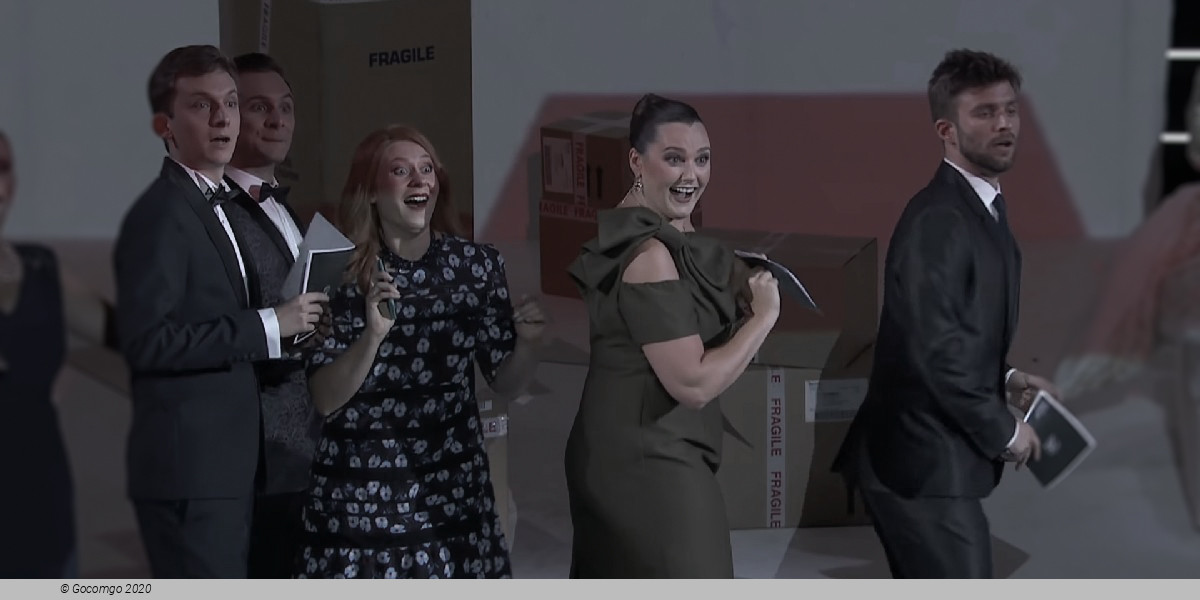
Tom’s business venture has ended in ruin and his belongings—including Baba, who has remained in the same position—are up for auction. As gossiping customers examine the objects, Anne enters looking for Tom. The auctioneer, Sellem, begins to hawk various articles. When the crowd bids for Baba, she resumes her chatter and, indignant at finding her possessions up for sale, tries to order everyone out. She advises Anne to find Tom, who still loves her. Tom and Shadow are heard singing in the street and Anne rushes out after them while Baba makes a dignified exit.
Shadow has led Tom to a graveyard with a freshly dug grave and reminds him that a year and a day have passed and his payment is due. Tom must end his life by any means he chooses before the stroke of midnight. Suddenly, Shadow offers an alternative: they will gamble for Tom’s soul. Placing his trust in the Queen of Hearts, Tom calls upon Anne as her voice is heard. The defeated Shadow disappears, condemning Tom to insanity in retaliation. As dawn breaks, Tom imagines himself Adonis, the lover of Venus.
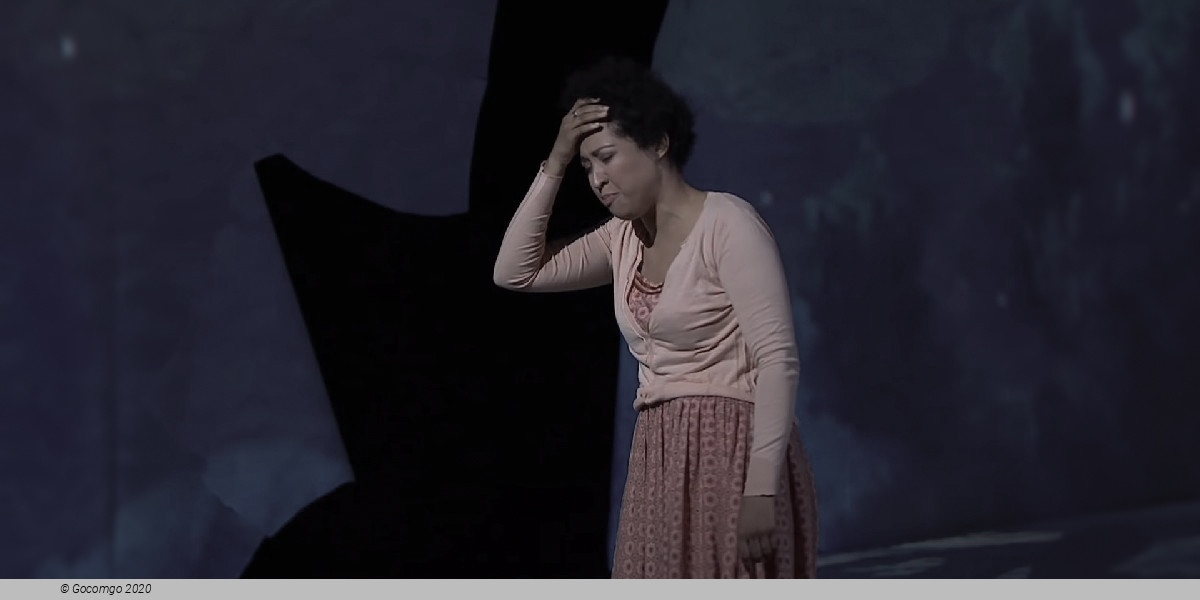
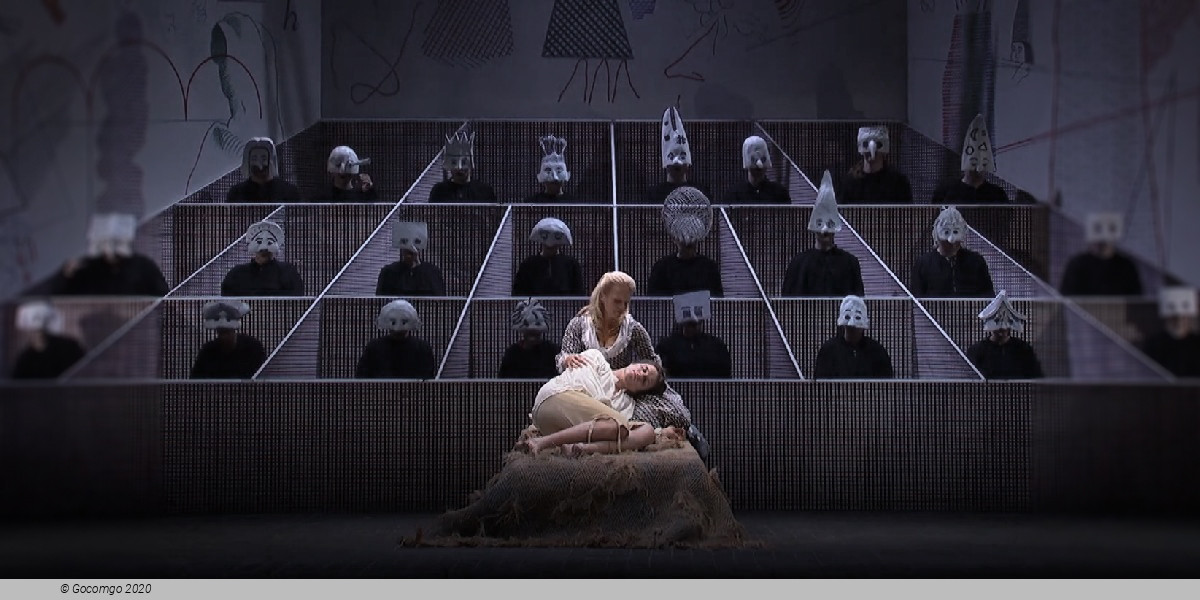
In an insane asylum, Tom awaits his wedding to Venus, mocked by the other inmates. The Keeper admits Anne. Believing her to be Venus, Tom confesses his sins, and for a moment they imagine timeless love in Elysium. Tom asks her to sing him to sleep. The other inmates are moved by her voice. Trulove comes to fetch his daughter and Anne bids the sleeping Tom farewell. When he wakes to find her gone, he cries out for Venus as the inmates mourn Adonis.
EPILOGUE
The principals gather to tell the moral of the story. Anne warns that not every man can hope for someone like her to save him; Baba warns that all men are mad; Tom warns against self-delusion, to Trulove’s agreement; Shadow mourns his role as man’s alter ego. All agree that the devil finds work for idle hands.
Act 1
Tom Rakewell is courting Anne Trulove outside her father's house in the country. Trulove has doubts about his daughter's proposed marriage and tries to arrange a regular job for Tom; but Tom resists the idea and, left on his own, declares his intention to "live by my wits and trust to my luck." When Tom expresses his wish for money, Nick Shadow appears and tells him that an unknown uncle has left him a substantial fortune. He then invites Tom to employ him as a servant and accompany Tom to London to sort out the inheritance. The second scene, set in Mother Goose's brothel, shows Shadow introducing his new master to the sleazy aspects of London life. But Tom is uneasy and laments his betrayal of love, yet accepts Mother Goose's invitation to spend the night with her. Meanwhile, back in the country, Anne wonders why she has not heard from Tom. She knows somehow that he is in danger, and sets out for London to aid him.
Act 2
Tom is bored with his dissolute life. He utters his second crucial wish, for happiness, whereupon Nick makes the odd suggestion that he demonstrate his freedom by marrying Baba the Turk, the famous bearded lady. Soon afterwards Anne finds Tom's London house, only to see him emerge from a sedan chair which also contains Baba, whom he has just married. Tom tells Anne to leave, yet genuinely regrets what has happened. In the next scene Tom is clearly finding his eccentric marriage intolerable, as Baba is a chatterbox with a fiery temper. He silences her by throwing his wig over her face, then falls asleep. Nick enters with a "fantastic Baroque Machine" and demonstrates how, through the use of a hidden compartment in the machine, it appears to turn stones into bread. Tom cries out in his sleep that he wishes it were true, and waking, finds the machine he has dreamt of. Nick hints that if such machines were mass-produced Tom could become a saviour of mankind and Tom sets out to market the machine, not knowing it is a sham.
Act 3
The plan has failed – the act starts with the auction of the ruined Tom's property by the maniac auctioneer Sellem. The objects for sale include Baba, who has remained immobile since being silenced by the wig. When unwrapped, she resumes her tantrum, now directed at the auction-goers for disturbing her belongings, but calms down when Anne enters. Baba advises her to find Tom and "set him right", and warns her against Nick Shadow. She announces her intent to return to her life on the stage. In a graveyard, Nick reveals his identity and demands payment from Tom, in the form of his soul; but as midnight strikes, Nick offers him an escape in the form of a game of cards, which Tom wins, thanks to the benign influence of Anne. Defeated, Nick sinks into the ground, condemning Tom to insanity as he goes. Consigned to Bedlam, Tom believes he is Adonis. Anne ("Venus") visits him, sings him to sleep, then quietly leaves him. When he realises she has gone, he dies.
In an epilogue, each of the principal characters gives a moral drawn from their scenes in the opera, and then come together to ascribe a final joint moral, "for idle hands, and hearts and minds, the Devil finds a work to do."


 30 Lincoln Center