ACT I
Scotland, mid-19th century. An intruder has been spotted at night on the grounds of Lammermoor Castle, home of Enrico Ashton. Normanno, the captain of the guard, sends Enrico’s men off in search of the stranger. Enrico arrives, troubled. His family’s fortunes are in danger, and only the arranged marriage of his sister, Lucia, with Lord Arturo can save them. The chaplain Raimondo, Lucia’s tutor, reminds Enrico that the girl is still mourning the death of her mother. But Normanno reveals that Lucia is concealing a great love for Edgardo di Ravenswood, leader of the Ashtons’ political enemies. Enrico is furious and swears vengeance. The men return and explain that they have seen and identified the intruder as Edgardo. Enrico’s fury increases. Just before dawn at a fountain in the woods nearby, Lucia and her companion Alisa are waiting for Edgardo. Lucia relates that, at the fountain, she has seen the ghost of a girl who was stabbed by her jealous lover. Alisa urges her to leave Edgardo, but Lucia insists that her love for Edgardo brings her great joy and may overcome all. Edgardo arrives and explains that he must go to France on a political mission. Before he leaves he wants to make peace with Enrico. Lucia, however, asks Edgardo to keep their love a secret. Edgardo agrees, and they exchange rings and vows of devotion.
ACT II
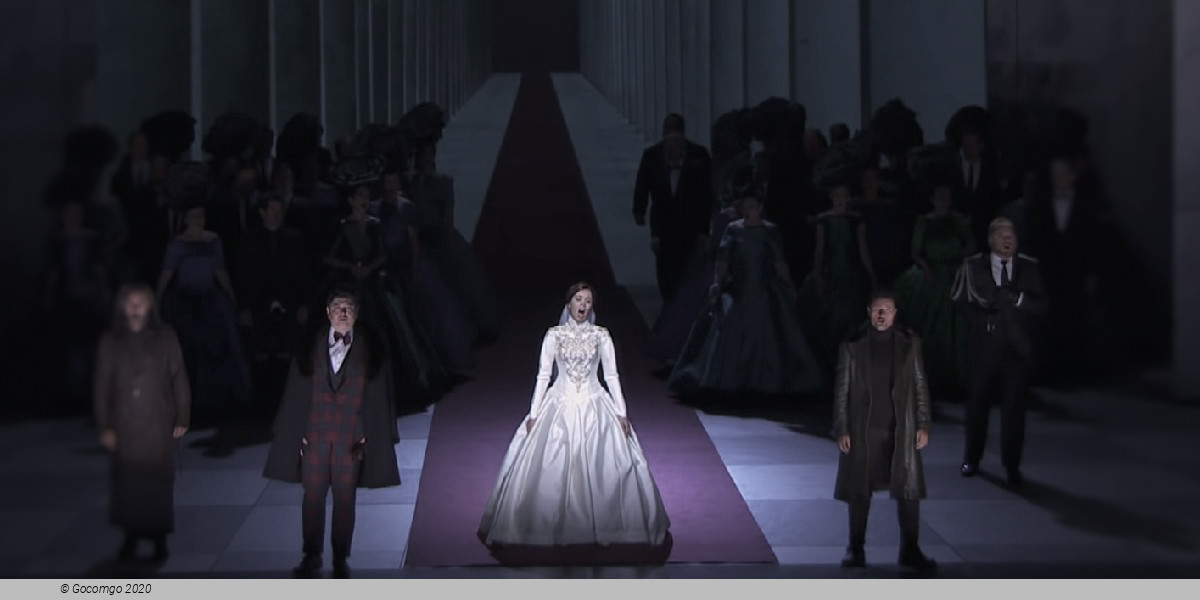
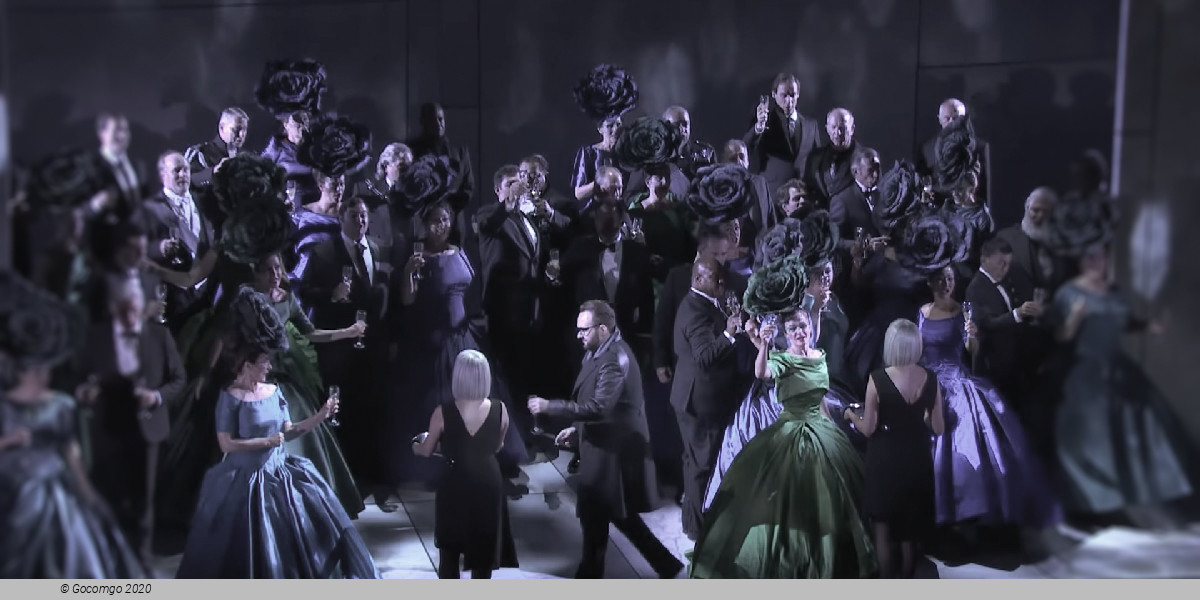
It is some months later, on the day that Lucia is to marry Arturo. Normanno assures Enrico that he has successfully intercepted all correspondence between the lovers and has in addition procured a forged letter, supposedly from Edgardo, that indicates he is involved with another woman. As the captain goes off to welcome the groom, Lucia enters, continuing to defy her brother. Enrico shows her the forged letter. Lucia is heartbroken, but Enrico insists that she marry Arturo to save the family. He leaves, and Raimondo, convinced no hope remains for Lucia’s love, reminds her of her late mother and urges her to do a sister’s duty. She finally agrees. As the wedding guests arrive in the Great Hall, Enrico explains to Arturo that Lucia is still in a state of melancholy because of her mother’s death. The girl enters and reluctantly signs the marriage contract. Suddenly Edgardo bursts in, claiming his bride. The entire company is overcome by shock. Arturo and Enrico order Edgardo to leave, but he insists that he and Lucia are engaged. When Raimondo shows him the contract with Lucia’s signature, Edgardo curses her and tears his ring from her finger before finally leaving in despair and rage.
ACT III
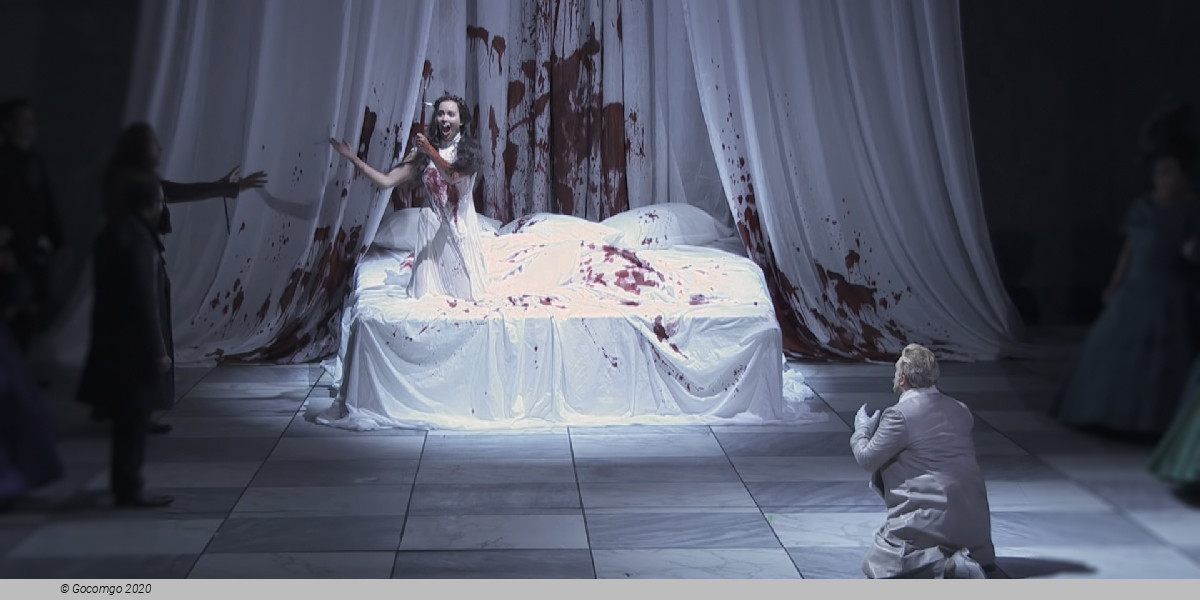
Enrico visits Edgardo at his dilapidated home and taunts him with the news that Lucia and Arturo have just been married. The two men agree to meet at dawn by the tombs of the Ravenswoods for a duel. Back at Lammermoor, Raimondo interrupts the wedding festivities with the news that Lucia has gone mad and killed Arturo. Lucia enters, covered in blood. Moving between tenderness, joy, and terror, she recalls her meetings with Edgardo and imagines she is with him on their wedding night. She vows she will never be happy in heaven without her lover and that she will see him there. When Enrico returns, he is enraged at Lucia’s behavior but soon realizes that she has lost her senses. After a confused and violent exchange with her brother, Lucia collapses. In the graveyard, Edgardo laments that he has to live without Lucia and awaits his duel with Enrico, which he hopes will end his own life. Guests coming from Lammermoor Castle tell him that the dying Lucia has called his name. As he is about to rush to her, Raimondo announces that she has died. Determined to join Lucia in heaven, Edgardo stabs himself.
Time: Early 18th century
Place: Scotland
Act 1
Scene 1: The gardens of Ravenswood Castle
Normanno, captain of the castle guard, and other retainers are searching for an intruder. He tells Enrico that he believes that the man is Edgardo of Ravenswood, and that he comes to the castle to meet Enrico's sister, Lucia. It is confirmed that Edgardo is indeed the intruder. Enrico reaffirms his hatred for the Ravenswood family and his determination to end the relationship.
Scene 2: By a fountain at the entrance to the park, beside the castle
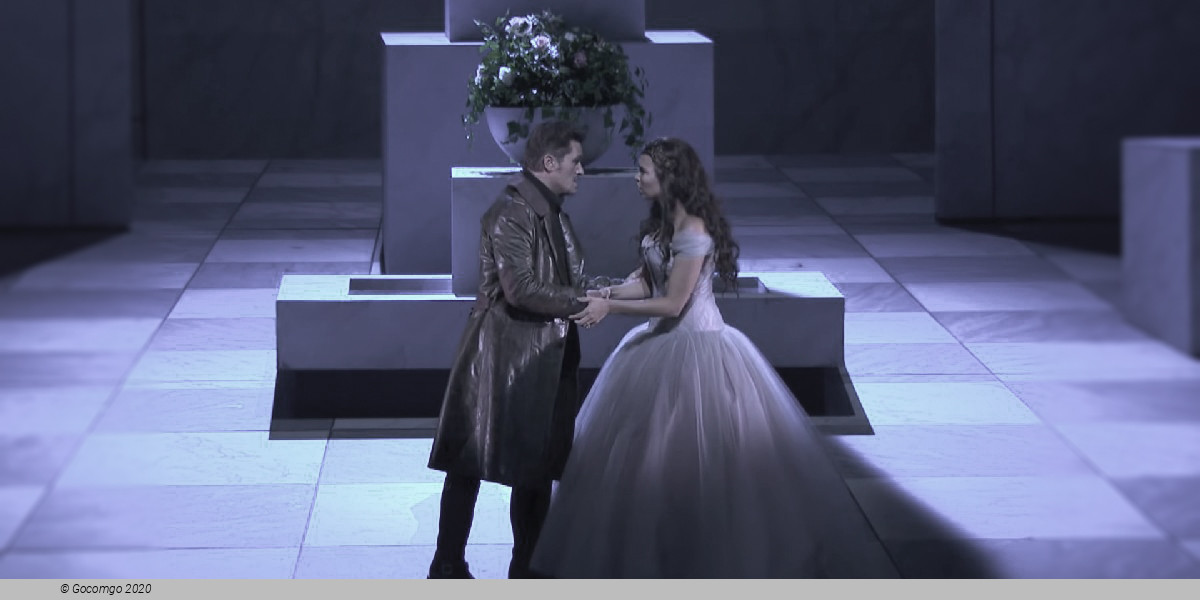
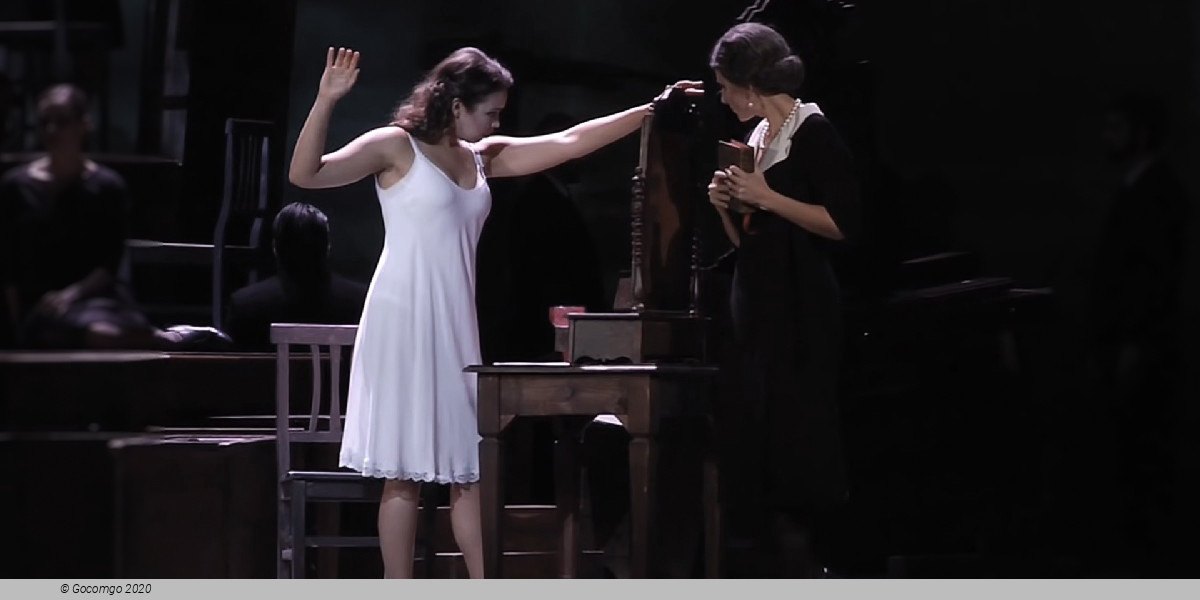
Lucia waits for Edgardo. In her famous aria "Regnava nel silenzio", Lucia tells her maid Alisa that she has seen the ghost of a girl killed on the very same spot by a jealous Ravenswood ancestor. Alisa tells Lucia that the apparition is a warning and that she must give up her love for Edgardo. Edgardo enters; for political reasons, he must leave immediately for France. He hopes to make his peace with Enrico and marry Lucia. Lucia tells him this is impossible, and instead they take a sworn vow of marriage and exchange rings. Edgardo leaves.
Act 2
Scene 1: Lord Ashton's apartments
Preparations have been made for the imminent wedding of Lucia to Arturo. Enrico worries about whether Lucia will really submit to the wedding. He shows his sister a forged letter seemingly proving that Edgardo has forgotten her and taken a new lover. Enrico leaves Lucia to further persuasion, this time by Raimondo, Lucia's chaplain and tutor, that she should renounce her vow to Edgardo, for the good of the family, and marry Arturo.
Scene 2: A hall in the castle
Arturo arrives for the marriage. Lucia acts strangely, but Enrico explains that this is due to the death of her mother. Arturo signs the marriage contract, followed reluctantly by Lucia. At that point Edgardo suddenly appears in the hall. Raimondo prevents a fight, but he shows Edgardo Lucia's signature on the marriage contract. Edgardo curses her, demanding that they return their rings to each other. He tramples his ring on the ground, before being forced out of the castle.
Act 3
Scene 1: Wolfcrag
Enrico visits Edgardo to challenge him to a duel. He tells him that Lucia is already enjoying her bridal bed. Edgardo agrees to fight him. They will meet later by the graveyard of the Ravenswoods, near the Wolf's Crag.
Scene 2: A Hall
Raimondo interrupts the marriage celebrations to tell the guests that Lucia has gone mad and killed her bridegroom Arturo. Lucia enters. In the aria "Il dolce suono" she imagines being with Edgardo, soon to be happily married. Enrico enters and at first threatens Lucia but later softens when he realizes her condition. Lucia collapses. Raimondo blames Normanno for precipitating the whole tragedy.
Scene 3: The graveyard of the Ravenswood family
Edgardo is resolved to kill himself on Enrico's sword. He learns that Lucia is dying and then Raimondo comes to tell him that she has already died. Edgardo stabs himself with a dagger, hoping to be reunited with Lucia in heaven.


 30 Lincoln Center