ACT I
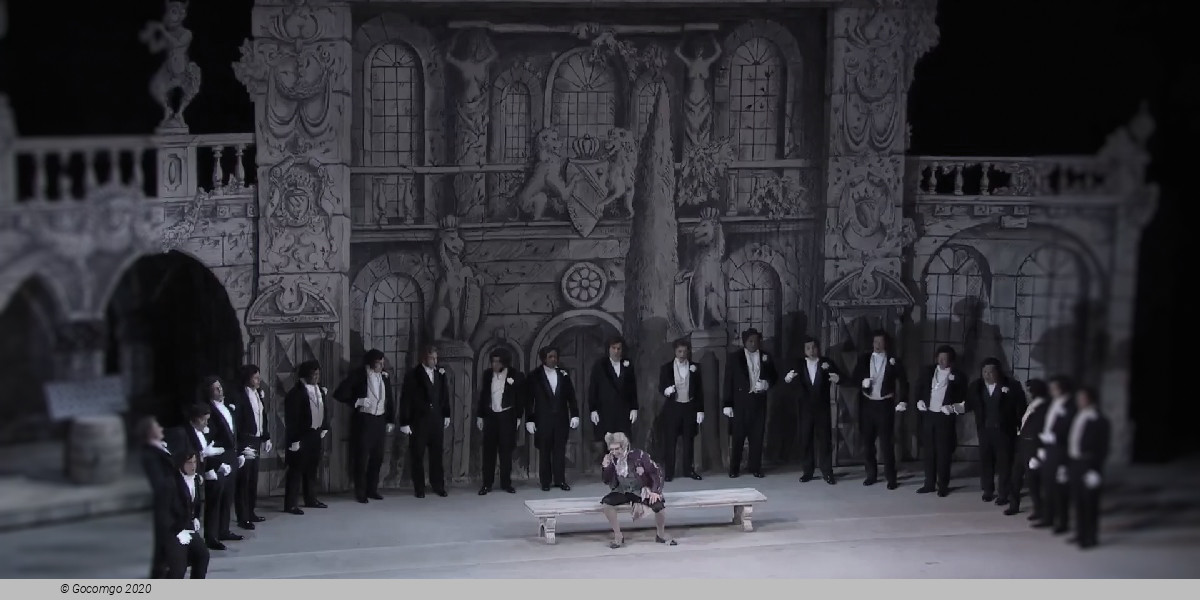
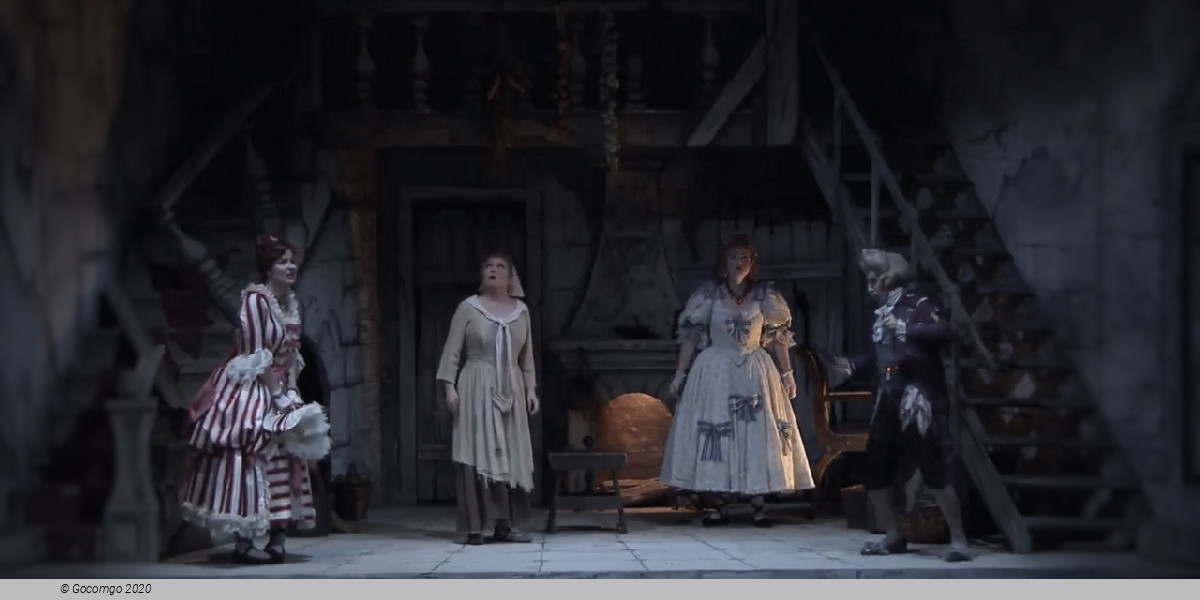
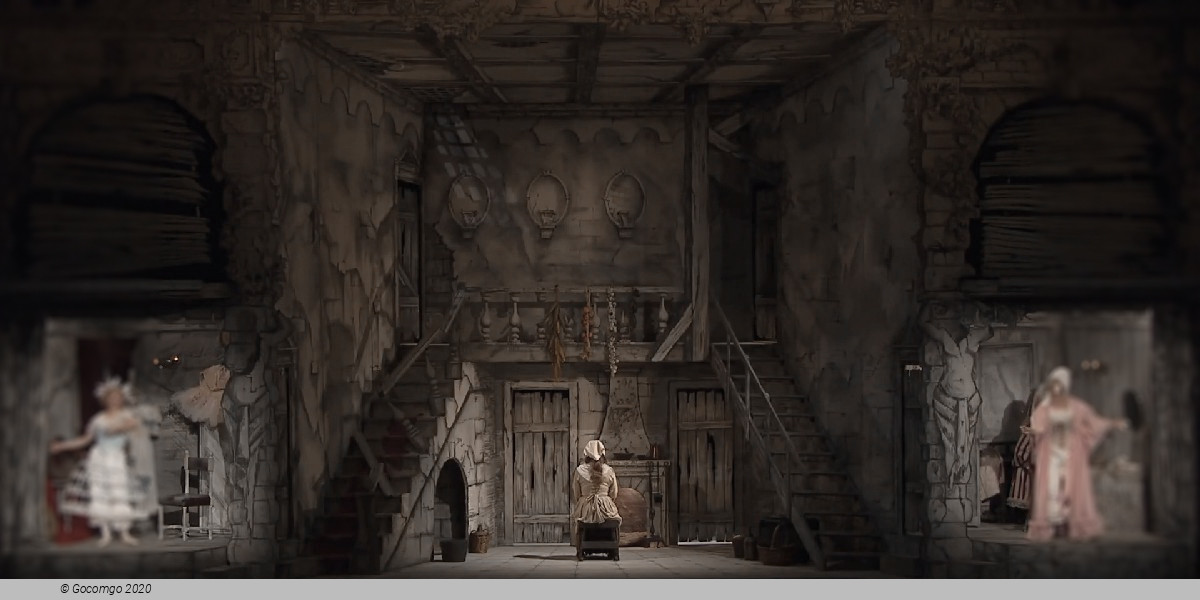
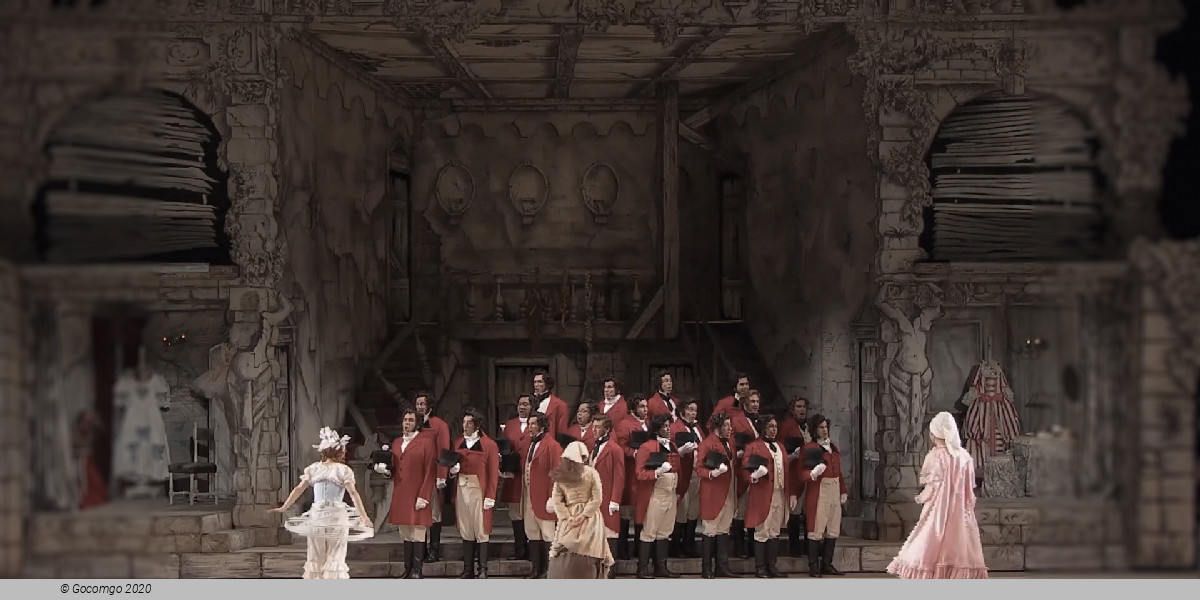
Clorinda and Tisbe, daughters of Don Magnifico, are in the middle of one of their usual arguments. Their stepsister Angelina, who is called Cenerentola (Cinderella) and serves as the family maid, sings her favorite song, about a king who married a common girl. Suddenly Alidoro, tutor to the prince Don Ramiro, enters, dressed as a beggar. The stepsisters want to send him away, but Cenerentola gives him bread and coffee. Courtiers announce that Ramiro will soon pay a visit: he is looking for the most beautiful girl in the land and will hold ball to choose his bride. Magnifico hopes that it will be one of the stepsisters: marriage to a wealthy man is the only way to save the family fortune. When everybody has left, Ramiro enters alone, dressed in his servant’s clothes so he can freely observe the prospective brides. Cenerentola returns, and the two are immediately attracted to each other. He asks her who she is, and Cenerentola, confused, tries to explain, then runs away. Finally, the “prince” arrives—in fact Ramiro’s valet, Dandini, in disguise. Magnifico, Clorinda, and Tisbe fall over themselves flattering him, and he invites them to the ball. Cenerentola asks to be taken along but Magnifico refuses. Ramiro notes how badly Cenerentola is treated. Alidoro says there should be a third daughter in the house but Magnifico claims she has died. Left alone with Cenerentola, Alidoro tells her he will take her to the ball and explains that God will reward her for her good heart.
Dandini shares his negative opinion of the two sisters with the prince. But both men are confused, since Alidoro has spoken well of one of Magnifico’s daughters. Clorinda and Tisbe appear again, following Dandini, who still pretends to be the prince. When he offers Ramiro as a husband to the sister the prince does not marry, they are outraged at the idea of marrying a servant. Alidoro enters with a beautiful unknown lady who, strangely, resembles Cenerentola. Unable to make sense of the situation, they all sit down to supper, feeling as if in a dream.
ACT II
Magnifico fears that the arrival of the stranger could ruin his daughters’ chances to marry the prince. Cenerentola, tired of being pursued by Dandini, tells him that she is in love with his servant. Overhearing this, Ramiro is overjoyed and steps forward. Cenerentola, however, tells him that she will return home and does not want him to follow her. If he really cares for her, she says, he will find her. The prince resolves to win the mysterious girl.
Meanwhile Magnifico, who still thinks that Dandini is the prince, confronts him, insisting that he decide which of his daughters he will marry. When Dandini reveals that he is in fact the prince’s servant, Magnifico is furious.
Magnifico and the sisters return home in a bad mood and order Cenerentola, again in rags, to prepare supper. During a thunderstorm, Alidoro arranges for Ramiro’s carriage to break down in front of Magnifico’s mansion so that the prince has to take refuge inside. Cenerentola and Ramiro recognize each other, as everybody comments on the situation. Ramiro threatens Magnifico and his daughters, who are unwilling to accept defeat, but Cenerentola asks him to forgive them.
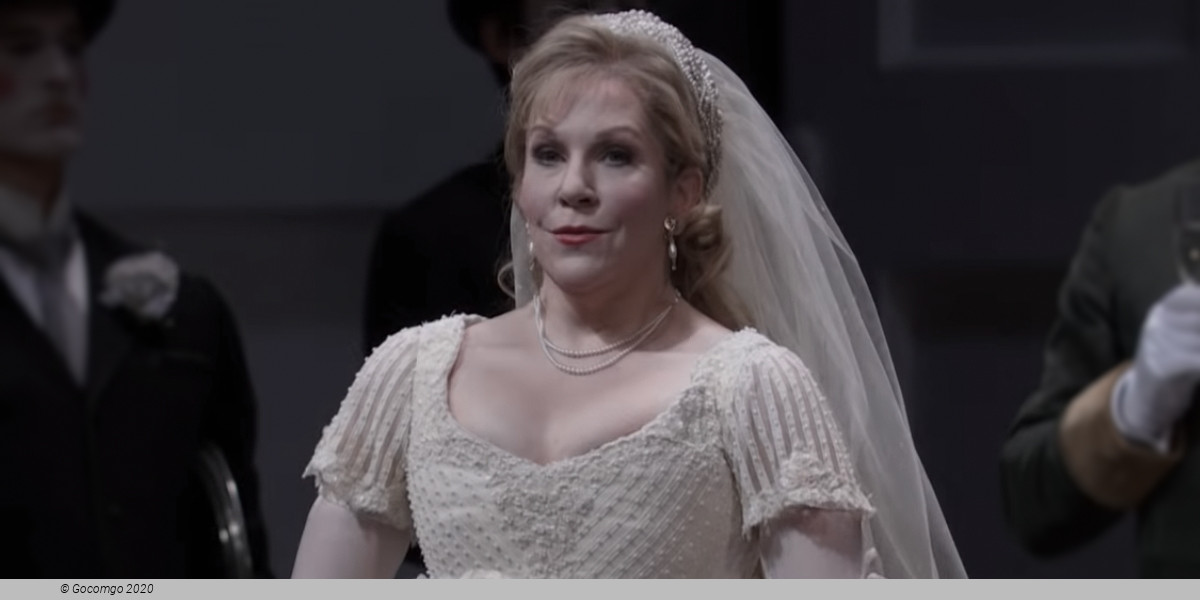
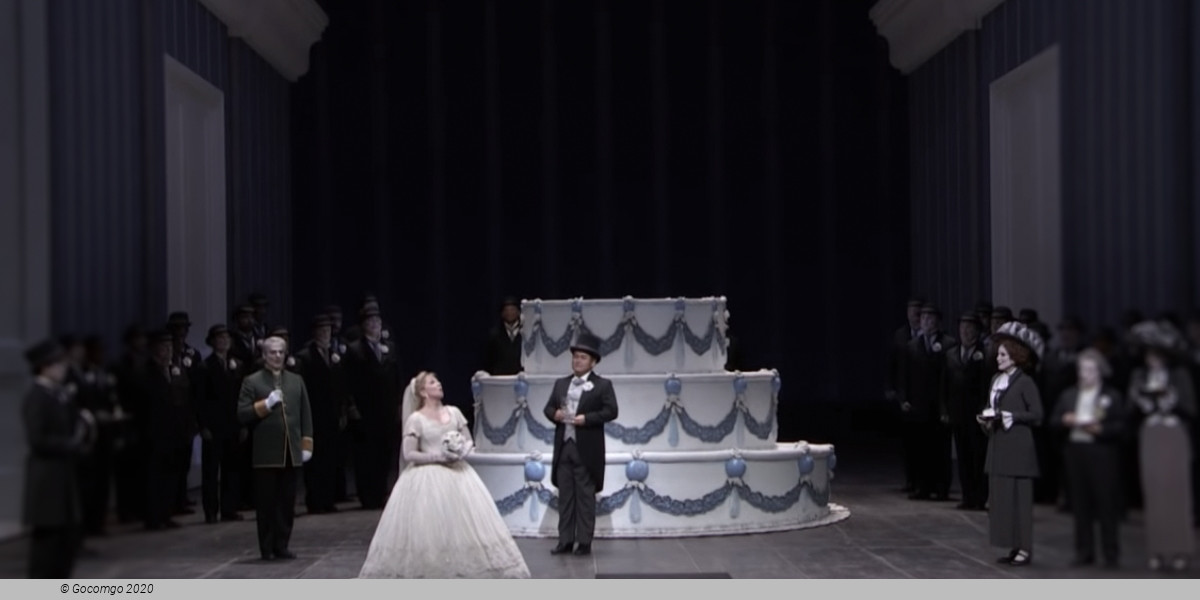
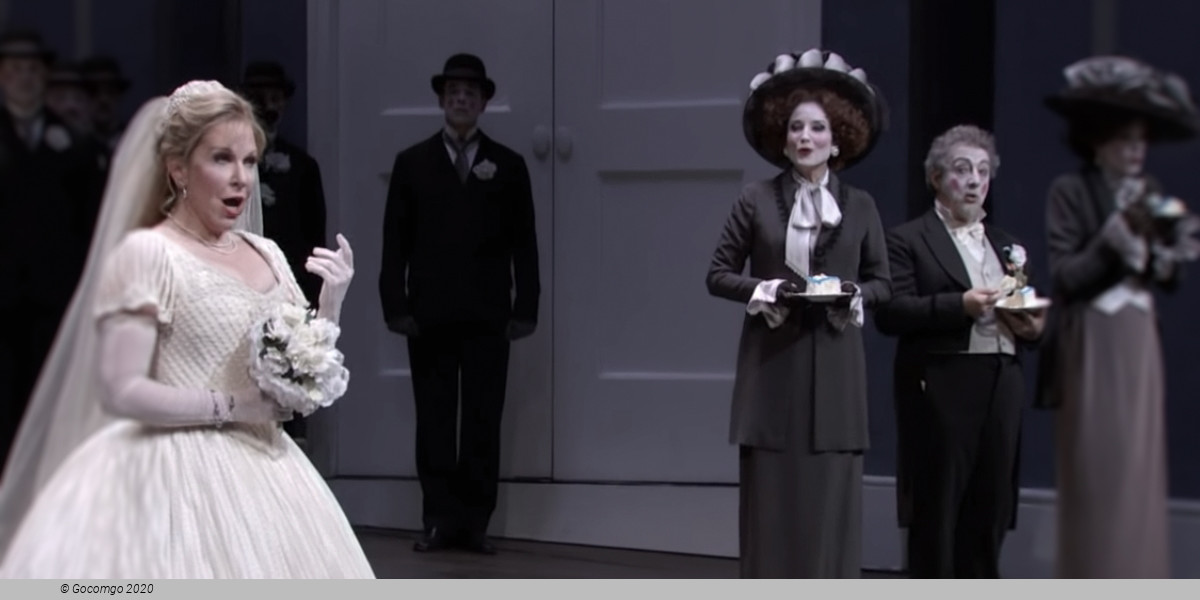
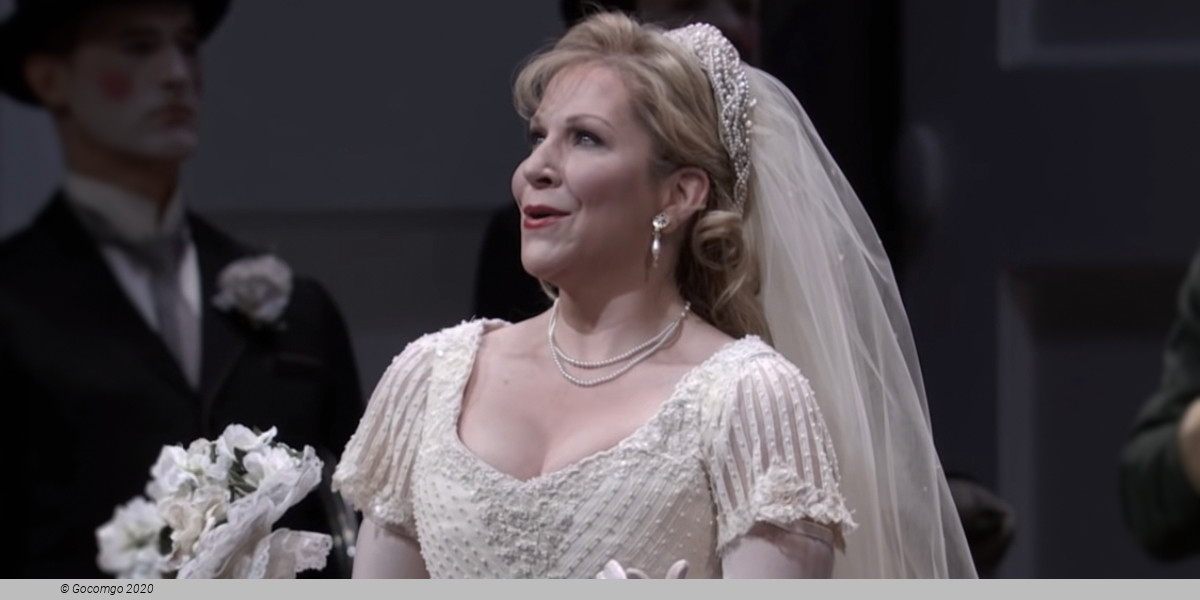
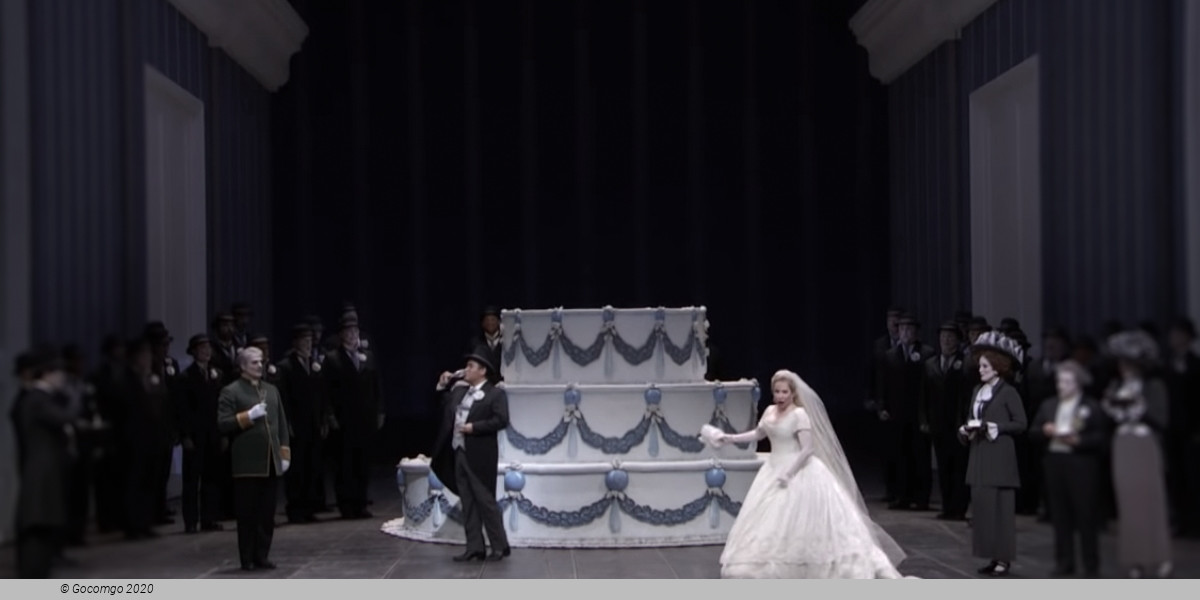
At the prince’s palace, Ramiro and Cenerentola celebrate their wedding. Magnifico tries to win the favor of the new princess, but she asks only to be acknowledged at last as his daughter. Born to misfortune, she has seen her life change and declares that the days of sitting by the fire are over.
In this variation of the fairy tale, the wicked stepmother is replaced by a stepfather, Don Magnifico. The Fairy Godmother is replaced by Alidoro, a philosopher and tutor to the Prince. Cinderella is identified not by a glass slipper but by her bracelet. The supernatural elements that traditionally characterize the Cinderella story were removed from the libretto, simply for ease of staging.
Time: Late 18th century – early 19th century
Place: Salerno (Italy)
Act 1
Angelina, known to her stepfather and stepsisters as "Cenerentola", is forced to serve as the maid in her own home. She sings of a king who married a common girl ("Una volta c’era un rè"). A beggar arrives; her stepsisters, Clorinda and Tisbe, want to send him away, but Cenerentola gives him bread and coffee. Courtiers follow, announcing that Prince Ramiro will come to visit while he searches for the most beautiful girl in the land to wed. Cenerentola's stepfather, Don Magnifico, hopes to use this as an opportunity to save his own failing fortune.
When the room is empty, Ramiro enters alone, disguised as a valet. The "beggar" - in fact, his tutor, Alidoro - has informed him of a goodhearted young woman spotted here. Ramiro intends to find her incognito. Cenerentola returns, and she and Ramiro are attracted to each other (duet: "Un soave non-so che"), but when he asks who she is, she's overwhelmed and flees.
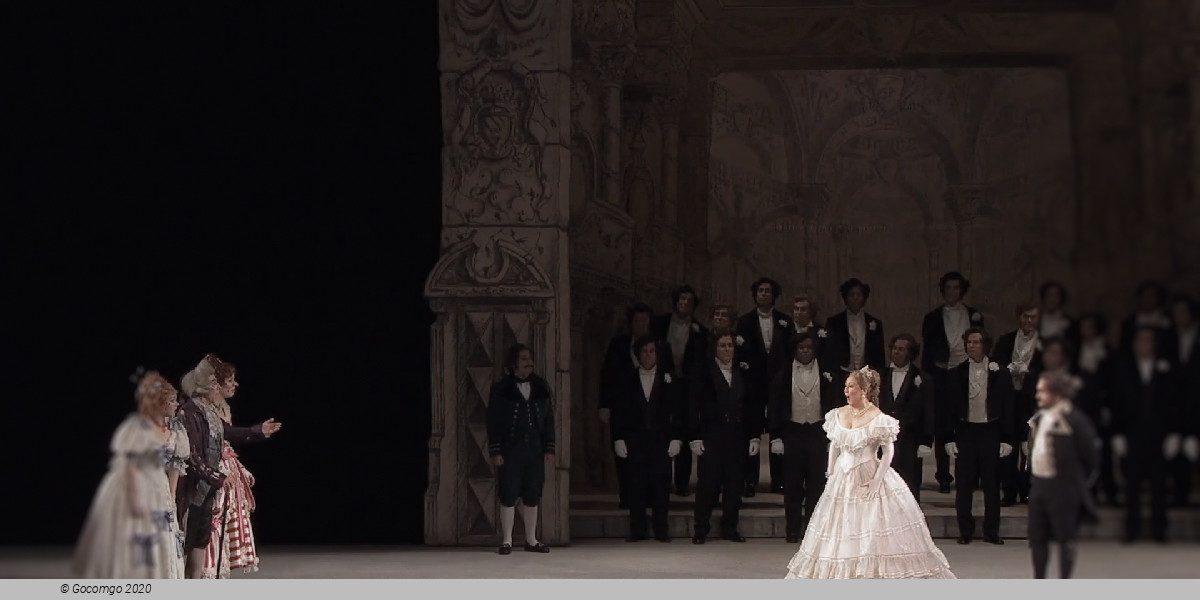
Finally, the "prince" arrives – the real valet, Dandini, who has taken his master's place - and Magnifico, Clorinda, and Tisbe fall over themselves to flatter him. He invites the family to a ball that evening, where he plans to find his bride; Cenerentola asks to join them, but Magnifico refuses (quintet: "Signor, una parola"). This callousness isn't lost on Ramiro. Alidoro, still in his rags, returns to inquire after a third daughter in the house; Magnifico claims she has died. Left alone with Cenerentola, Alidoro promises to take her to the ball himself, and that God will reward her kindness ("Là del ciel nell’arcano profondo").
The prince and his valet have retired to Ramiro's country house in some confusion, as neither of Magnifico's daughters resembled the worthy bride Alidoro had described. When Clorinda and Tisbe arrive, Dandini gives them a little test: he offers his "valet" to whichever sister the "prince" does not marry. The ladies are outraged at the idea of marrying a servant. Alidoro then arrives with a beautiful, unknown lady who strangely resembles Cenerentola. Unable to make sense of the situation, they all sit down to supper, feeling as if they are in a dream.
Act 2
Magnifico frets over the competition his daughters now face from the strange lady ("Sia qualunque delle figlie"), but Cenerentola isn't interested in the "prince," saying she's fallen in love with his servant. An overjoyed Ramiro steps forward; however, Cenerentola tells him that she's going home and doesn't want him to follow her. If he really cares for her, she says, he will find her, giving him one of a matching pair of bracelets. The prince determines to do exactly that ("Sì, ritrovarla io giuro").
Meanwhile, Magnifico confronts the disguised Dandini, insisting that he choose one of his daughters to marry. Dandini tries to stall, but is forced to admit that he's actually the valet and not the prince at all (duet: "Un segreto d’importanza").
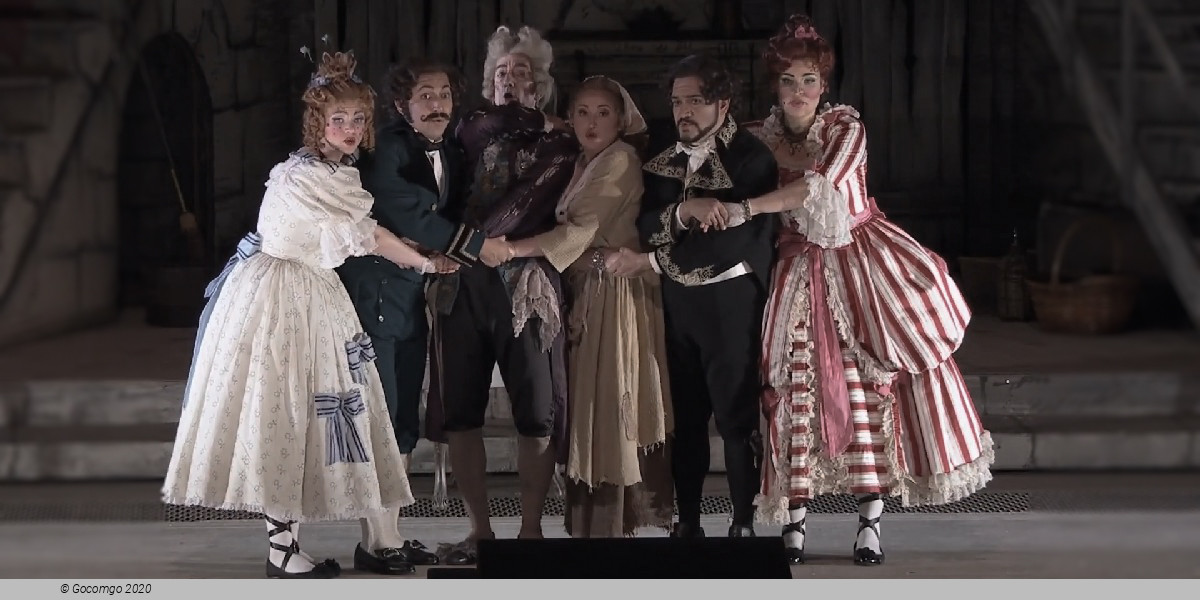
A furious Magnifico and his daughters return home, where they order Cenerentola, back in rags, to serve them. A storm is thundering outside. Alidoro sabotages Ramiro's carriage so that it breaks down in front of Magnifico's manor, forcing the prince to take refuge within. Cenerentola and Ramiro recognize each other's bracelets; the others comment on the situation (sextet: "Siete voi?"). When Ramiro threatens Cenerentola's recalcitrant family, she asks him to forgive them.
Ramiro and Cenerentola are married, and celebrate their wedding at the palace. Magnifico tries to win the favor of the new princess, but she asks only to be acknowledged, at last, as his daughter. She reflects on the misfortune to which she was born and the sudden reversal of her fate, then forgives her family for all her past unhappiness, adding that her days of sitting sadly by the fire are over ("Nacqui all'affanno... Non più mesta"). Everyone present acknowledges that she truly is worthy of the throne.









 30 Lincoln Center