








Mariinsky Theatre 26 October 2023 - Un ballo in maschera | GoComGo.com

Un ballo in maschera

Mariinsky Theatre, Mariinsky II, Saint Petersburg, Russia
All photos (18)
Select date and time
7 PM
Request for Tickets
Important Info
Type: Opera
City: Saint Petersburg, Russia
Starts at: 19:00
Acts: 3
Intervals: 2
Duration: 3h 30min
Sung in: Italian
Titles in: English,Russian

E-tickets: Print at home or at the box office of the event if so specified. You will find more information in your booking confirmation email.

You can only select the category, and not the exact seats.
If you order 2 or 3 tickets: your seats will be next to each other.
If you order 4 or more tickets: your seats will be next to each other, or, if this is not possible, we will provide a combination of groups of seats (at least in pairs, for example 2+2 or 2+3).

Overview

World premiere: 17 February 1859, Teatro Apollo, Rome
Russian premiere, premiere at the Bolshoi (Kamenny) Theatre: 17 November 1861, Imperial Italian Opera Company
Premiere at the State Academic Theatre of Opera and Ballet (Mariinsky Theatre): 25 March 1927 (performed in Russian)
Premiere of this production:
31 January 2001 – Teatro Regio, Parma, Verdi Festival
13 May 2001 – Mariinsky Theatre

History
Premiere of this production: 17 February 1859, Teatro Apollo, Rome

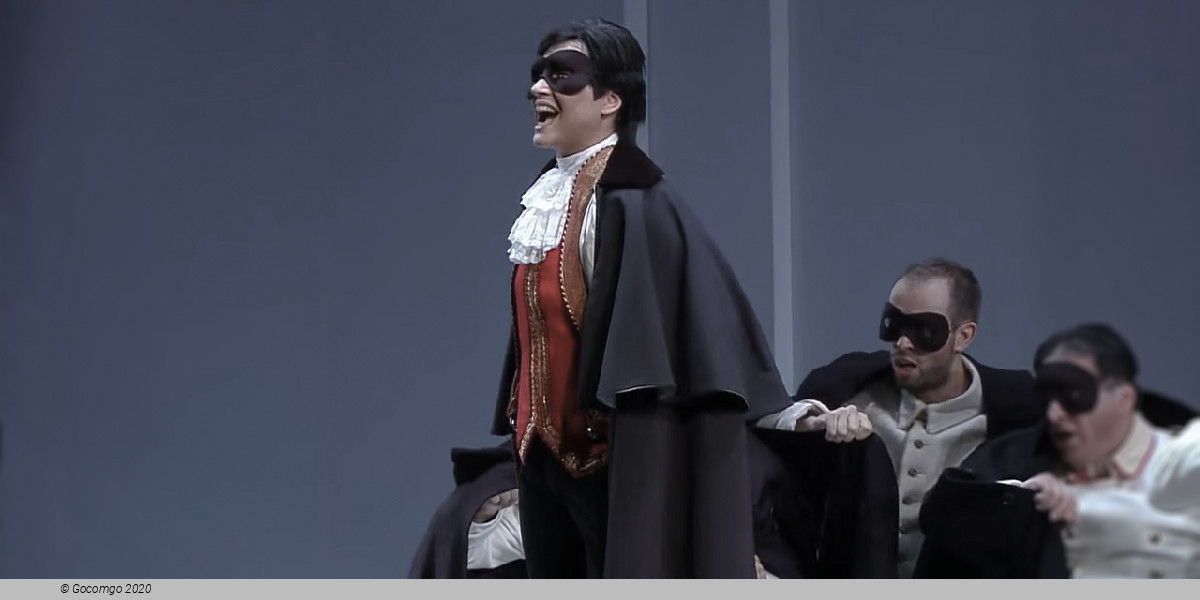
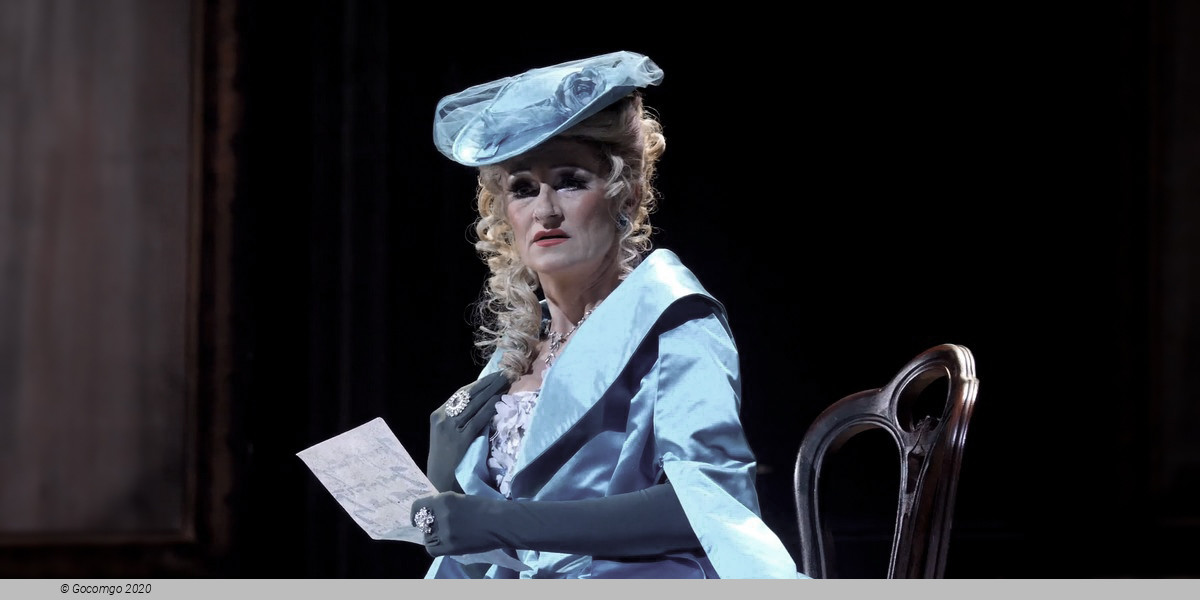
Un ballo in maschera (A Masked Ball) is an 1859 opera in three acts by Giuseppe Verdi. The text, by Antonio Somma, was based on Eugène Scribe's libretto for Daniel Auber's 1833 five act opera, Gustave III, ou Le bal masqué.

Synopsis

Act I
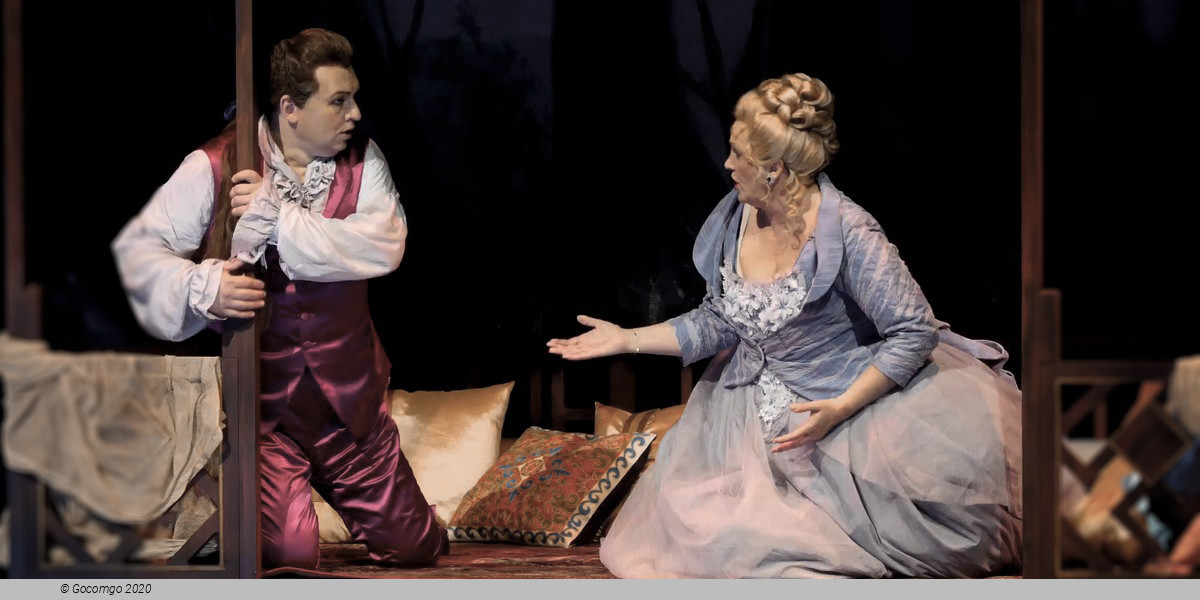
The Governor of Boston, Riccardo Earl of Warwick, receives his courtiers. He looks down the list of those invited to the ball and sees the name of Amelia, with whom he has long been secretly in love. The trouble is that Amelia is married – to his secretary Renato, who is also his best friend. Suddenly Renato himself appears to warn the Earl of a plot and to reveal the names of the traitors. Despite Renato’s insistence, Riccardo refuses to listen to anything about conspirators. At that moment Oscar, Riccardo’s faithful page, announces the arrival of the chief judge, who wishes to obtain the Governor’s signature on an order to banish the sorceress Ulrica from the city. Seizing the opportunity, the page intervenes on the sorceress’ behalf, going into raptures about her gift of prophecy. Riccardo is amused by all this, and suggests that everybody disguise themselves and visit the fortune-teller.
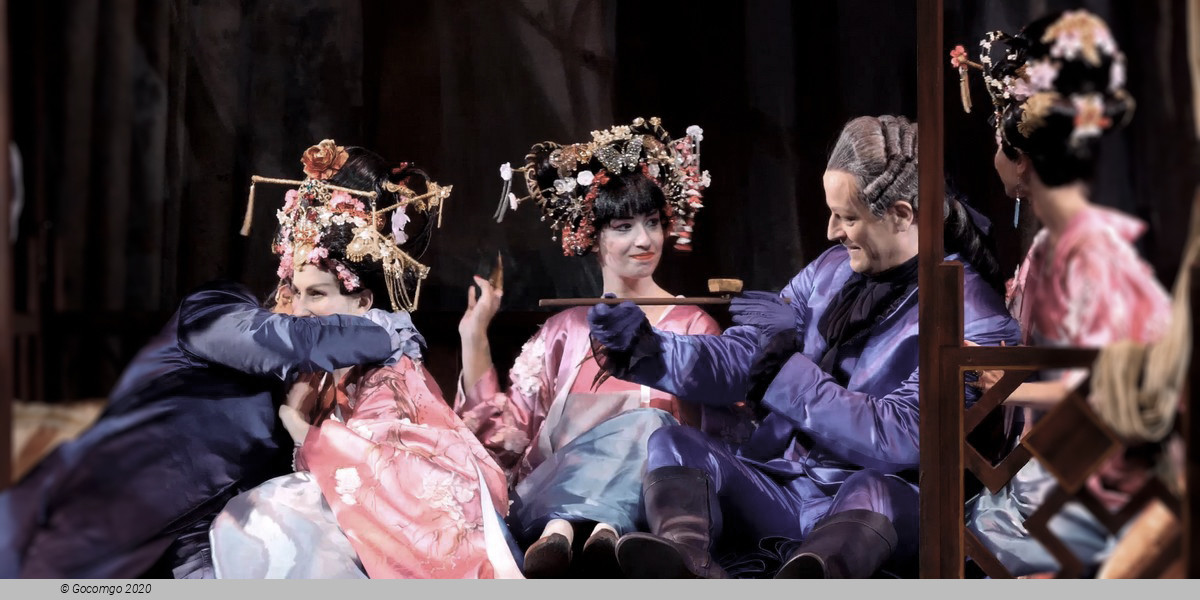
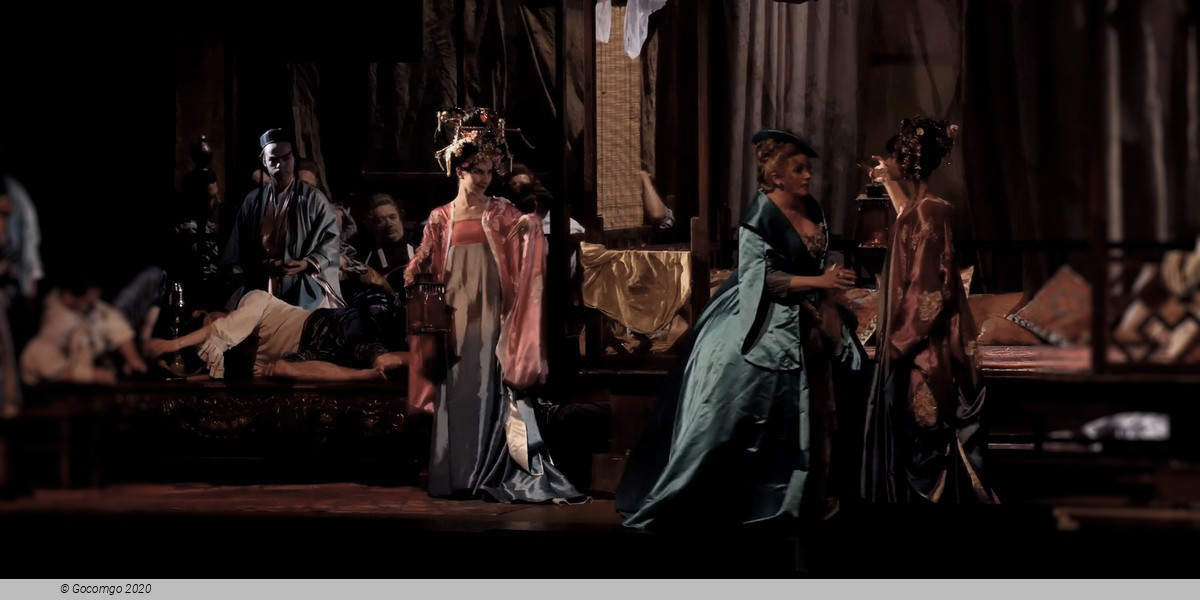
Ulrica’s hut. Among those awaiting prophecies is Earl Riccardo, dressed as a fisherman. Amelia also arrives to seek the sorceress’ help in getting rid of her secret and forbidden love – her love for Earl Riccardo. Ulrica orders Amelia to go to the place where death sentences are carried out and gather a magic herb that will make her forget. After Amelia has left, Riccardo asks Ulrica to read his palm. The sorceress looks at his palm, then suddenly stops, looks sad, and refuses to tell him what she sees. Finally, at the Earl’s insistence, Ulrica reveals that he will soon die – not in battle, but at the hand of a friend – the one who is the first to shake his hand.
Everyone is horror-struck, but Riccardo refuses to believe the prophecy. He holds out his hand, but nobody wants to shake it. At that moment Renato enters, greets the Earl and shakes his hand to the delight of his friends and the disappointment of the conspirators, because no one believes that the devoted Renato could possibly murder the Earl. Riccardo nevertheless pays Ulrica for her fortune-telling. The choir sings the Earl’s praises.

Act II
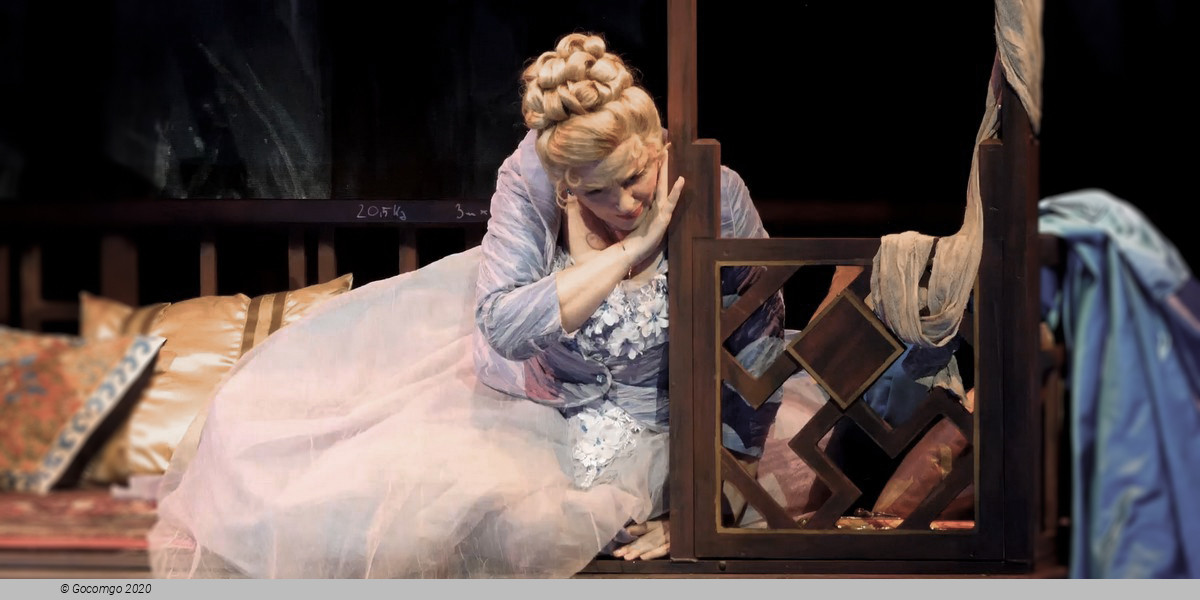
Midnight. In wasteland outside the city Amelia wanders in search of a magic herb and unexpectedly meets Riccardo, who has followed her. In tears, Amelia begs him to leave. She no longer has the strength to suppress her feelings for him. However, just at the moment when they are declaring their love for one another, Renato appears. Terrified, Amelia covers her face with a veil. Renato warns Riccardo that Samuel and Tom want to kill him. Riccardo has to go away, leaving his beloved with her husband, who has not recognised her. But before he departs, Riccardo makes Renato swear that he will escort the lady back to the city, not attempting to find out who she is. Renato swears he will, and intends to hide her in a safe place. However, the conspirators Tom and Samuel prevent Renato from carrying out his intention. They have sought out Renato, knowing that their plans have been exposed, and now want to learn the identity of his mysterious companion. Renato tries to protect the lady, but in vain. When the conspirators start threatening Renato with death, Amelia lifts her veil herself. In astonishment Tom and Samuel subject the Governor’s secretary to ridicule. Renato, who is filled with hate and desire for revenge, invites the conspirators to visit him the next day and returns to the city with Amelia.

Act III
Renato’s house. The deceived husband is ready to kill his wife there and then, but, heeding Amelia’s entreaties, he allows her to see her son for the last time. Left in solitude, Renato comes to his senses. His gaze rests on a portrait of Riccardo Earl of Warwick, and he decides that it would be better to kill him.
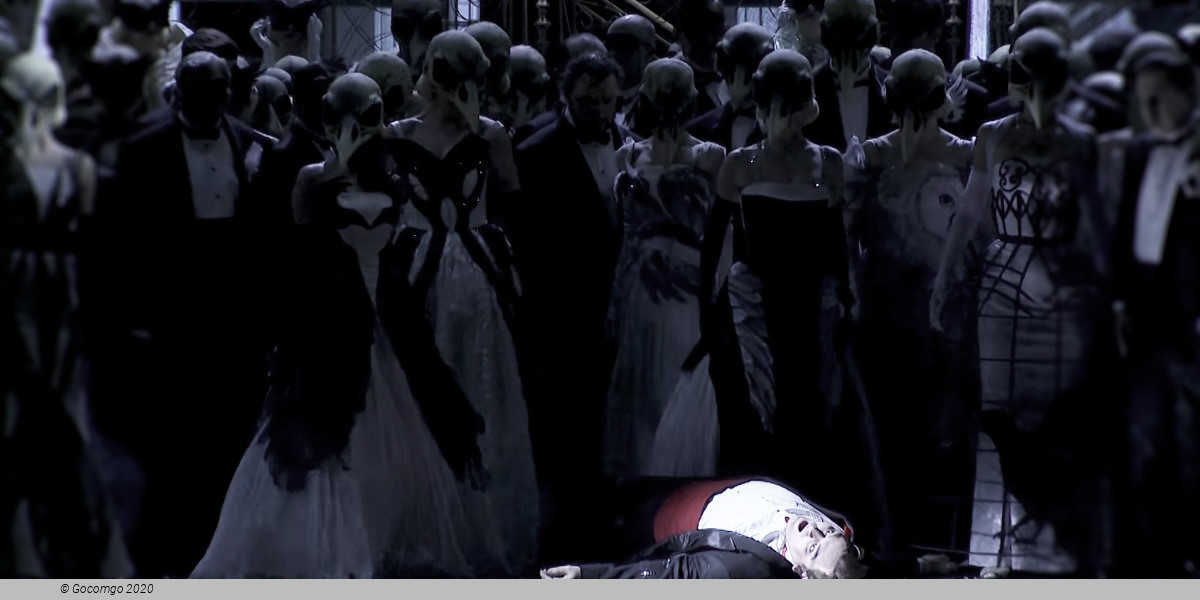
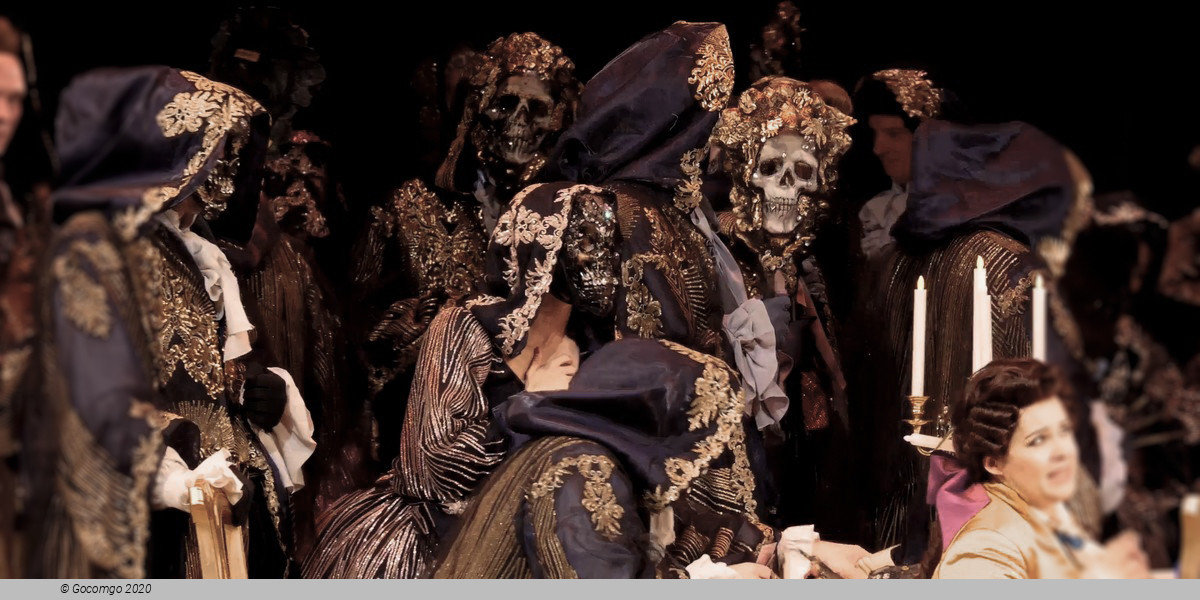
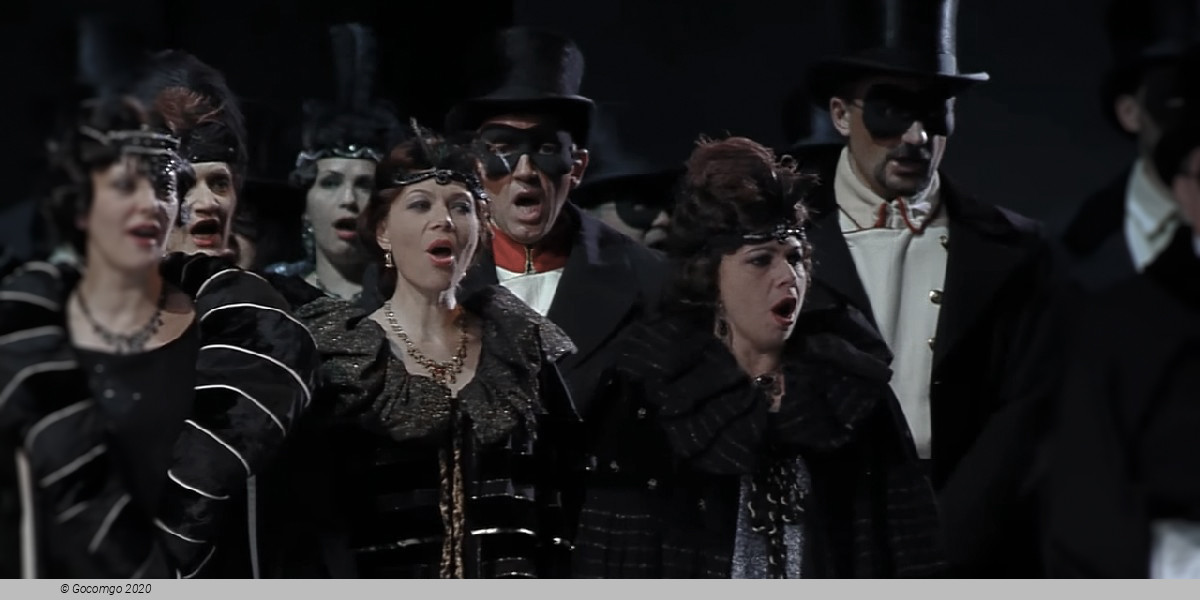
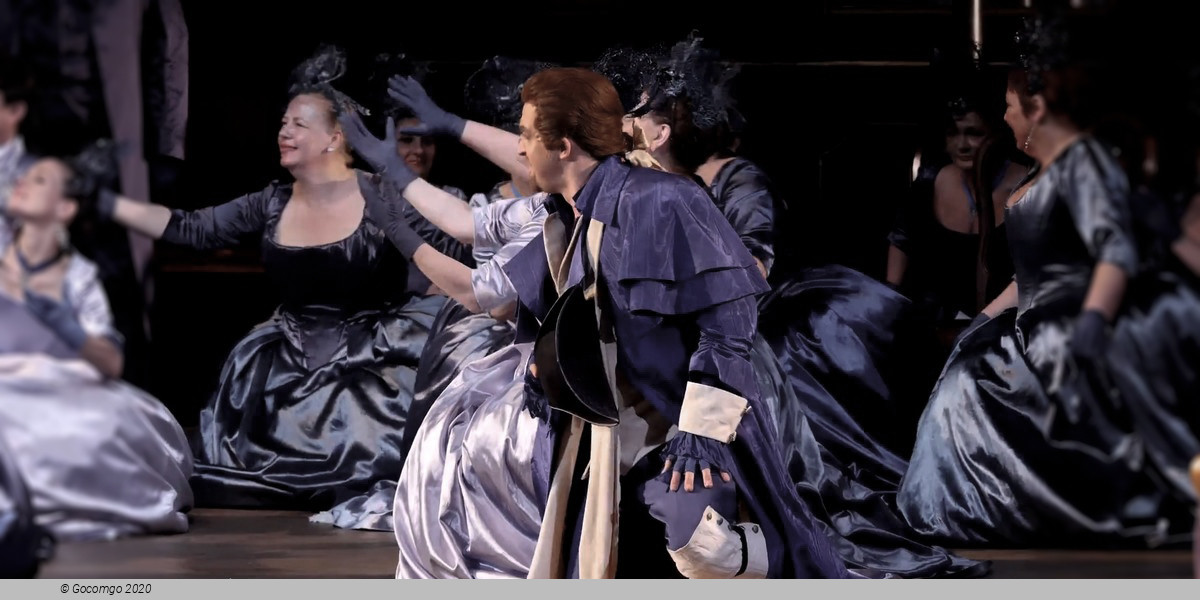
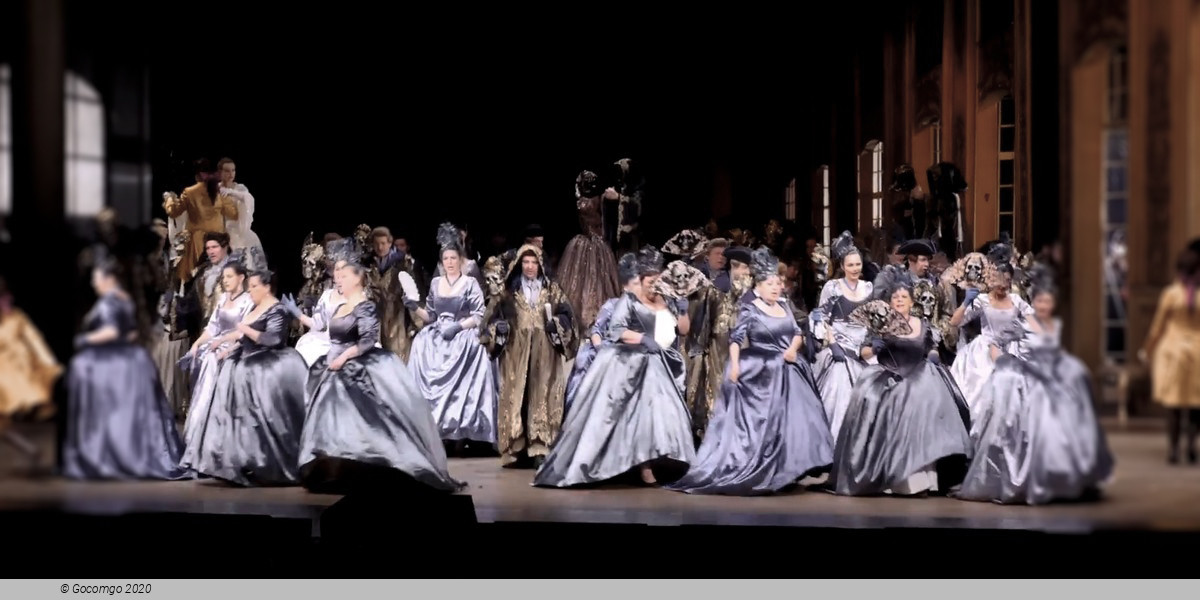
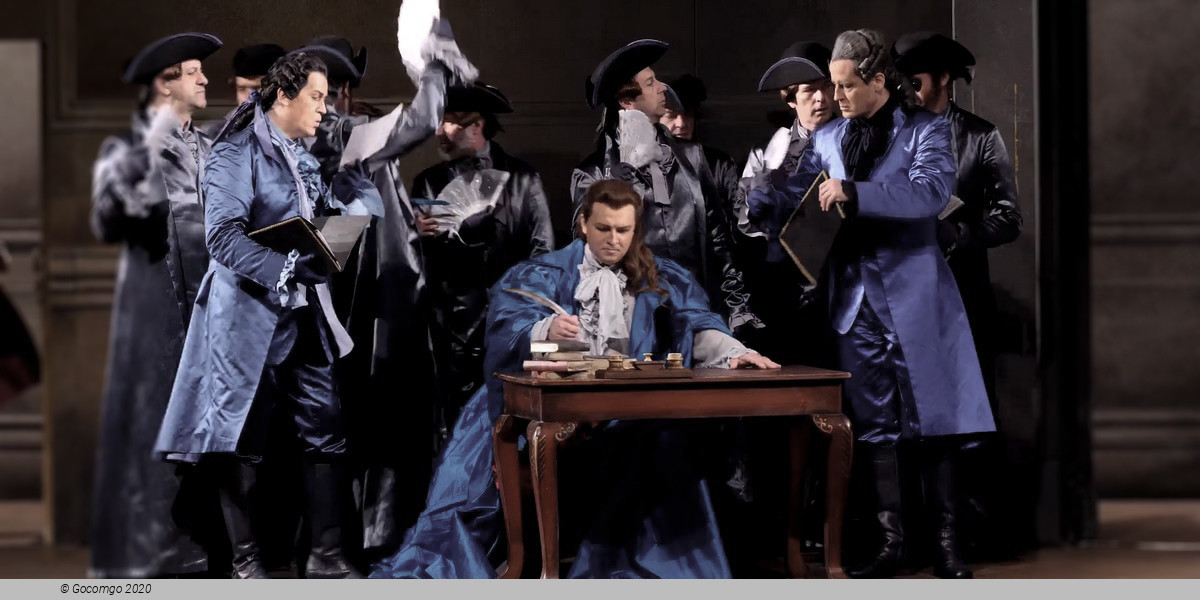
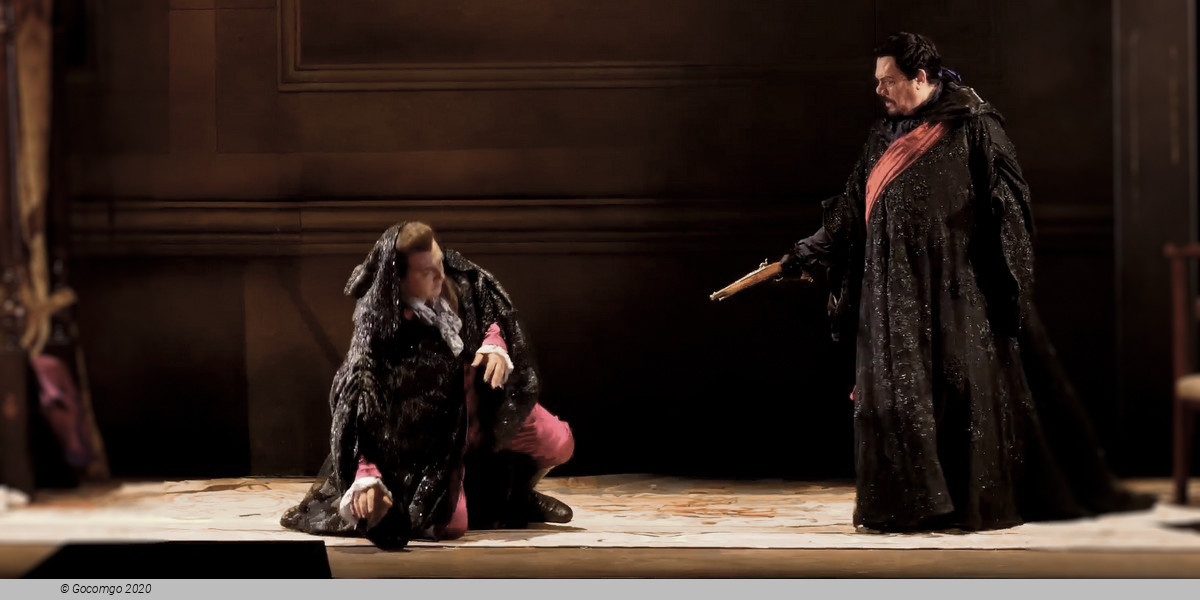
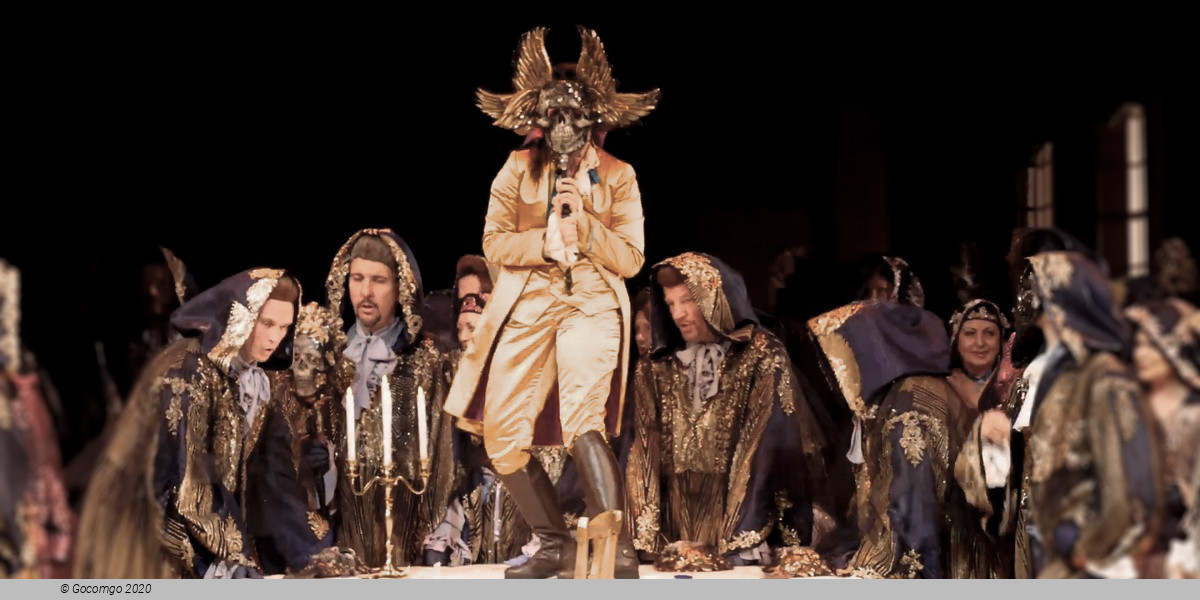
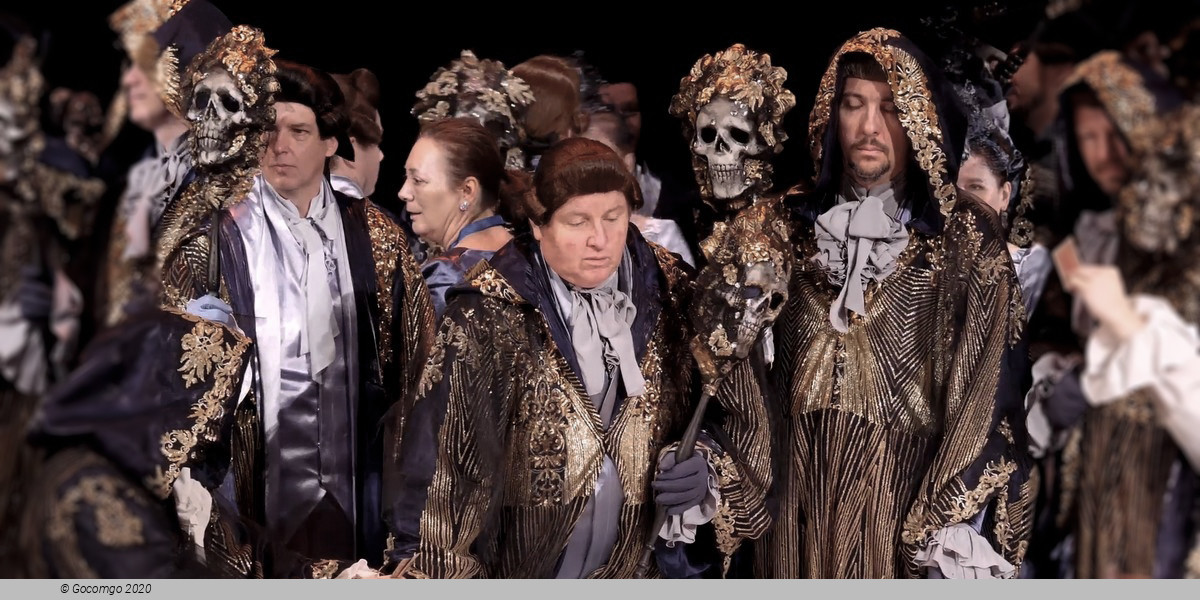
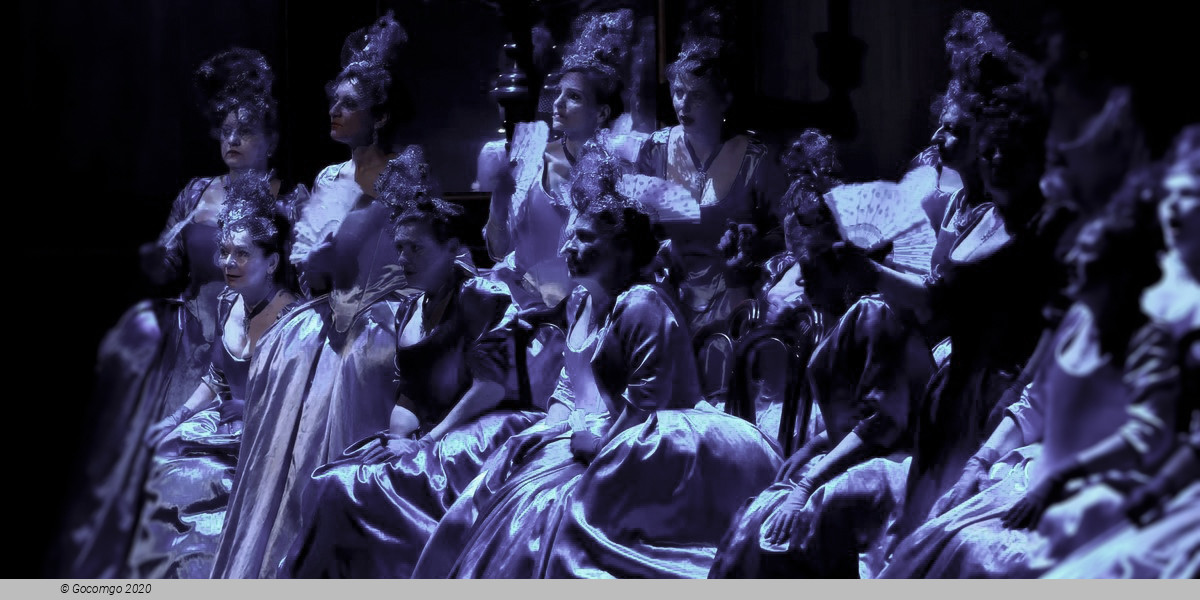
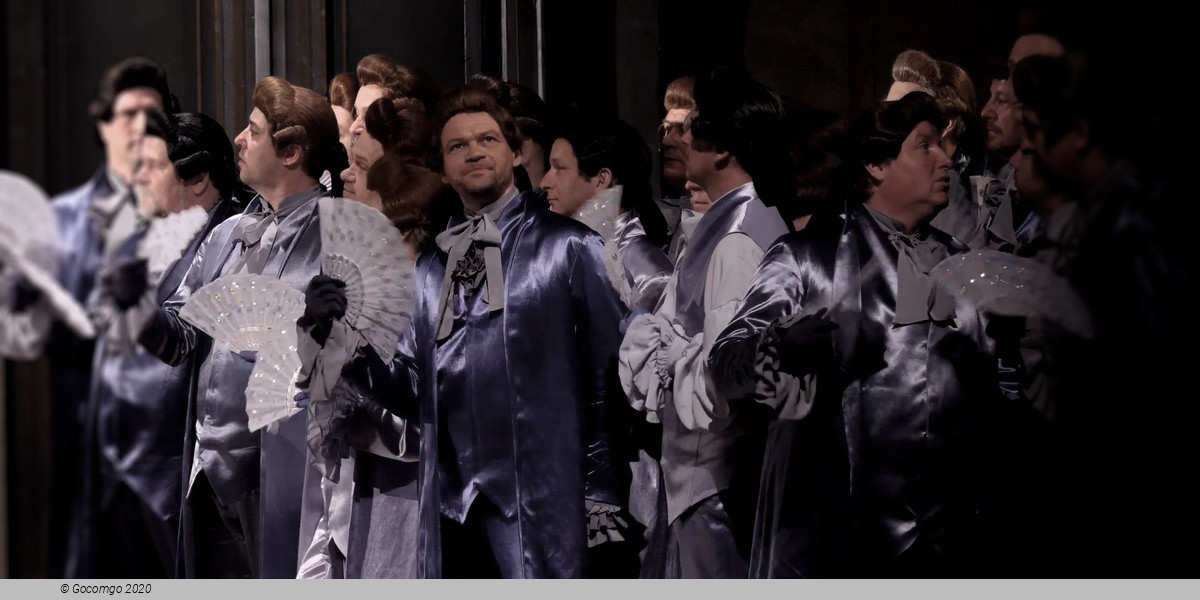
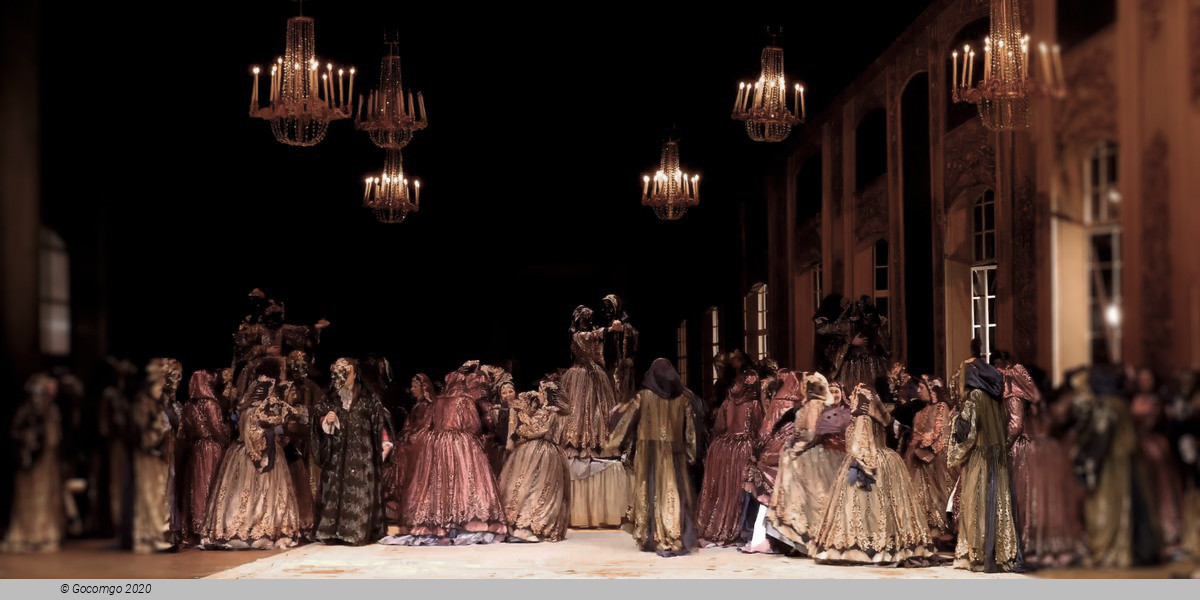
Tom and Samuel enter. Renato declares his readiness to join their plot. In order to convince the conspirators, he is prepared to swear on his son’s life. Amelia is forced to draw lots to establish who is to kill Earl Riccardo. The lot falls to Renato. Oscar arrives with an invitation to a masked ball to be held that evening. Renato decides that this will be the appropriate moment for retribution – the mask will help him carry out the murder. Meanwhile, Earl Riccardo is taking the decision to part with Amelia forever. He wishes to send her and her husband to England. A sense of foreboding is replaced by the desire to see her again. Oscar the page passes Riccardo an anonymous letter which states that somebody will try to kill him at the ball. But Riccardo pays no attention to the warning: all he wants is to see Amelia once more. A hall in the Governor’s palace. The masked ball is in full swing. Renato, learning from Oscar what costume the Earl is wearing, seeks him out among the guests and finds him at the very moment when he is declaring his love for Amelia for the last time and saying goodbye to her. Renato stabs his friend with a dagger and attempts to hide, but the Governor’s guests catch the murderer and tear off his mask.
Dying, Riccardo begs them to release his friend and tells him of the innocent nature of his love for Amelia, and that he had parted with her forever.

Venue Info

Mariinsky Theatre - Saint Petersburg
Location   1 Theatre Square

The Mariinsky Theatre is a historic theatre of opera and ballet in Saint Petersburg, Russia. Opened in 1860, it became the preeminent music theatre of late 19th-century Russia, where many of the stage masterpieces of Tchaikovsky, Mussorgsky, and Rimsky-Korsakov received their premieres. Through most of the Soviet era, it was known as the Kirov Theatre. Today, the Mariinsky Theatre is home to the Mariinsky Ballet, Mariinsky Opera and Mariinsky Orchestra. Since Yuri Temirkanov's retirement in 1988, the conductor Valery Gergiev has served as the theatre's general director.

The theatre is named after Empress Maria Alexandrovna, wife of Tsar Alexander II. There is a bust of the Empress in the main entrance foyer. The theatre's name has changed throughout its history, reflecting the political climate of the time.

The theatre building is commonly called the Mariinsky Theatre. The companies that operate within it have for brand recognition purposes retained the Kirov name, acquired during the Soviet era to commemorate the assassinated Leningrad Communist Party leader Sergey Kirov (1886–1934).

The Imperial drama, opera and ballet troupe in Saint Petersburg was established in 1783, at the behest of Catherine the Great, although an Italian ballet troupe had performed at the Russian court since the early 18th century. Originally, the ballet and opera performances were given in the wooden Karl Knipper Theatre on Tsaritsa Meadow, near the present-day Tripartite Bridge (also known as the Little Theatre or the Maly Theatre). The Hermitage Theatre, next door to the Winter Palace, was used to host performances for an elite audience of aristocratic guests invited by the Empress.

A permanent theatre building for the new company of opera and ballet artists was designed by Antonio Rinaldi and opened in 1783. Known as the Imperial Bolshoi Kamenny Theatre the structure was situated on Carousel Square, which was renamed Theatre Square in honour of the building. Both names – "Kamenny" (Russian word for "stone") and "Bolshoi" (Russian word for "big") – were coined to distinguish it from the wooden Little Theatre. In 1836, the Bolshoi Kamenny Theatre was renovated to a design by Albert Cavos (son of Catterino Cavos, an opera composer), and served as the principal theatre of the Imperial Ballet and opera.

On 29 January 1849, the Equestrian circus (Конный цирк) opened on Theatre Square. This was also the work of the architect Cavos. The building was designed to double as a theatre. It was a wooden structure in the then-fashionable neo-Byzantine style. Ten years later, when this circus burnt down, Albert Cavos rebuilt it as an opera and ballet house with the largest stage in the world. With a seating capacity of 1,625 and a U-shaped Italian-style auditorium, the theatre opened on 2 October 1860, with a performance of A Life for the Tsar. The new theatre was named Mariinsky after its imperial patroness, Empress Maria Alexandrovna.

Under Yuri Temirkanov, Principal Conductor from 1976 to 1988, the Opera Company continued to stage innovative productions of both modern and classic Russian operas. Although functioning separately from the Theatre’s Ballet Company, since 1988 both companies have been under the artistic leadership of Valery Gergiev as Artistic Director of the entire Theatre.

The Opera Company has entered a new era of artistic excellence and creativity. Since 1993, Gergiev’s impact on opera there has been enormous. Firstly, he reorganized the company’s operations and established links with many of the world's great opera houses, including the Royal Opera House, Covent Garden, the Metropolitan Opera, the Opéra Bastille, La Scala, La Fenice, the Israeli Opera, the Washington National Opera and the San Francisco Opera. Today, the Opera Company regularly tours to most of these cities.

Gergiev has also been innovative as far as Russian opera is concerned: in 1989, there was an all-Mussorgsky festival featuring the composer’s entire operatic output. Similarly, many of Prokofiev’s operas were presented from the late 1990s. Operas by non-Russian composers began to be performed in their original languages, which helped the Opera Company to incorporate world trends. The annual international "Stars of the White Nights Festival" in Saint Petersburg, started by Gergiev in 1993, has also put the Mariinsky on the world’s cultural map. That year, as a salute to the imperial origins of the Mariinsky, Verdi's La forza del destino, which received its premiere in Saint Petersburg in 1862, was produced with its original sets, costumes and scenery. Since then, it has become a characteristic of the "White Nights Festival" to present the premieres from the company’s upcoming season during this magical period, when the hours of darkness practically disappear as the summer solstice approaches.

Presently, the Company lists on its roster 22 sopranos (of whom Anna Netrebko may be the best known); 13 mezzo-sopranos (with Olga Borodina familiar to US and European audiences); 23 tenors; eight baritones; and 14 basses. With Gergiev in charge overall, there is a Head of Stage Administration, a Stage Director, Stage Managers and Assistants, along with 14 accompanists.

Important Info
Type: Opera
City: Saint Petersburg, Russia
Starts at: 19:00
Acts: 3
Intervals: 2
Duration: 3h 30min
Sung in: Italian
Titles in: English,Russian
Top of page