









Mariinsky Theatre 9 July 2023 - The Stone Flower | GoComGo.com

The Stone Flower

Mariinsky Theatre, Mariinsky Theatre, Saint Petersburg, Russia
All photos (15)
Select date and time
7 PM
Request for Tickets
Important Info
Type: Ballet
City: Saint Petersburg, Russia
Starts at: 19:00
Acts: 3
Intervals: 1
Duration: 2h 10min

E-tickets: Print at home or at the box office of the event if so specified. You will find more information in your booking confirmation email.

You can only select the category, and not the exact seats.
If you order 2 or 3 tickets: your seats will be next to each other.
If you order 4 or more tickets: your seats will be next to each other, or, if this is not possible, we will provide a combination of groups of seats (at least in pairs, for example 2+2 or 2+3).

Festival

Stars of the White Nights Festival 2023

"Stars of the White Nights": bright events of the big summer festival in the Mariinsky.

Overview

St Petersburg ballet lives through legends. They are remembered, they are things to be proud of and things to try to bring them back to life. The Stone Flower is one of them, a legend with a history dating back almost sixty years.

For the creators of this ballet, staged in 1957, The Stone Flower has remained in the mind as a beam of light, the light of first serious artistic triumphs. For Yuri Grigorovich it was his first major theatre production, and on a Russian theme, too, set to music by his much-admired Prokofiev. Moreover, it was in this opus that the creative duo with Simon Virsaladze was established, a tandem that would unsure the success of both for many years to come. For the first performers, very young and then known only in ballet circles – Irina Kolpakova, Alla Osipenko, Alexander Gribov and Anatoly Gridin – The Stone Flower made their names famous. They became the creators of roles for the first time rather than mere interpreters of long-existing choreographic texts, they created images. The characters that were conceived revealed their individual natures and the dancers came to be spoken of regularly. And in the context of the history of Russian ballet The Stone Flower was a ray of light – a step forwards from the undanceable nature of the genre of the drama ballet. Today, looking back through the years that much is evident. But back then in 1957 no-one was deliberately preparing any revolutions, it was just that a young choreographer and young dancers did something that they found interesting, and their interests differed from the preferences of the generation of the 1930s and 1940s.

"I remember those hours with great fondness, when together with the lead performers we almost never left the rehearsal hall," wrote Tatiana Vecheslova, the coach of the new ballet, "and all our free time was taken up with thoughts about the production. "…" There was never enough time – for work, for talks, for arguments."1 For Vecheslova who had only just stopped dancing, The Stone Flower was her first work as a coach, and this ballet opened up new doors to her. For the designer Virsaladze, the production after tales by Bazhov turned a new page in his artistic life. When preparing for the production, Grigorovich and he travelled to the Urals, and the Georgian Virsaladze discovered not the familiar Leningrad Russia but the village and folk Russia.

This general engagement with a search for the new, in addition to the talent of each creator, became a component part of the legend. And The Stone Flower very soon made his success a legend.

There was the inspiring praise for “the symphonic narrative” from the wise old mentor, the authoritative choreographer Fyodor Lopukhov, who had once sought this symphonism in dance in his own productions. The response about "the concord, harmonious blending of the music, the choreography and the set designs" from the composer Dmitry Shostakovich, who knew himself what working on a ballet was. The general collection of praise was added to by the impressions of stage director Yuri Zavadsky. High praise is never awarded to every newcomer in the profession, but Grigorovich's The Stone Flower was taken to the Bolshoi Theatre – already in 1959 the production had been transferred to the country's main theatre. In Leningrad, if one believes the bare figures of theatre statistics, over thirty years The Stone Flower was one of the most attended productions, between 1957 and 1991 being performed one hundred and ninety-one times. Up until the early 1990s the legend inspired ever more new performers.

And for dancers of the generation of the 2010s who only know The Stone Flower through stories and beautiful old photographs on the walls at school, today the very name of Grigorovich is a legend, a synonym for the spectacular glory of Soviet ballet. The comments, indeed the very presence in the auditorium of a man who knew Stravinsky personally, who saw Balanchine dance on-stage and who heard the tales of Lifar about the production of Prodigal Son – these afford an opportunity to approach the legend. Olga Makarova

History
Premiere of this production: 12 February 1954, Bolshoi Theater, Moscow

The Tale of the Stone Flower is Sergei Prokofiev's eighth and last ballet, written between 1948 and 1953. It is based on the Russian Ural folk tale The Stone Flower by Pavel Bazhov and is also the last of the trilogy of ballets Prokofiev wrote in the Russian ballet tradition. It was premiered posthumously in 1954, conducted by Yuri Fayer.

Synopsis

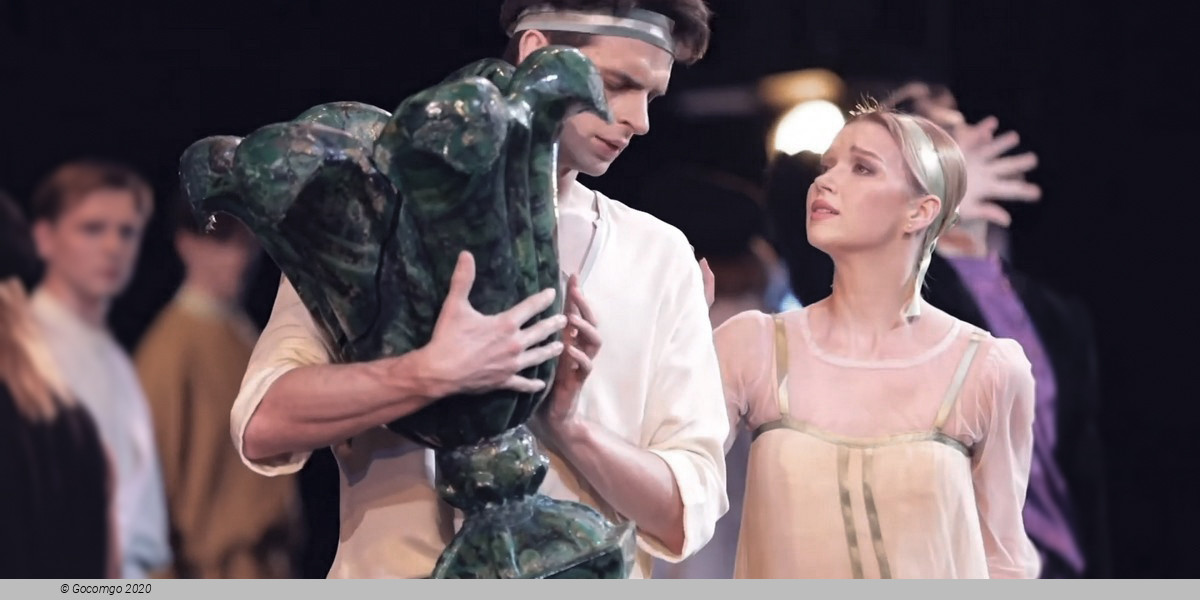
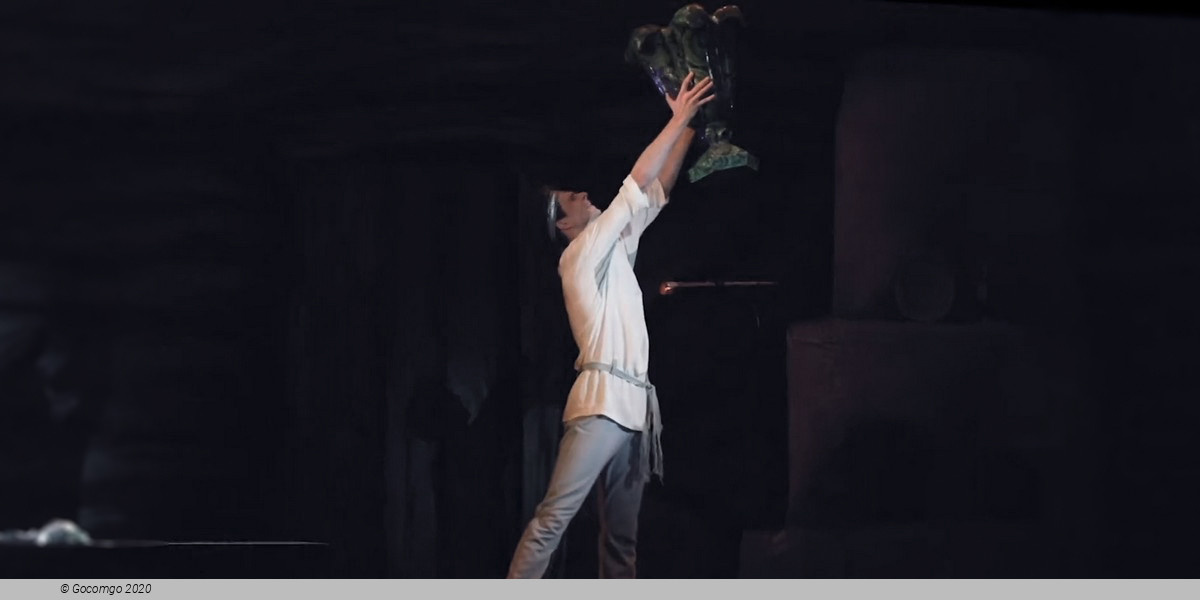
The Ural master stone-cutter Danila dreams of creating a malachite bowl of hitherto unknown beauty and embodying in stone the delight of a living flower.

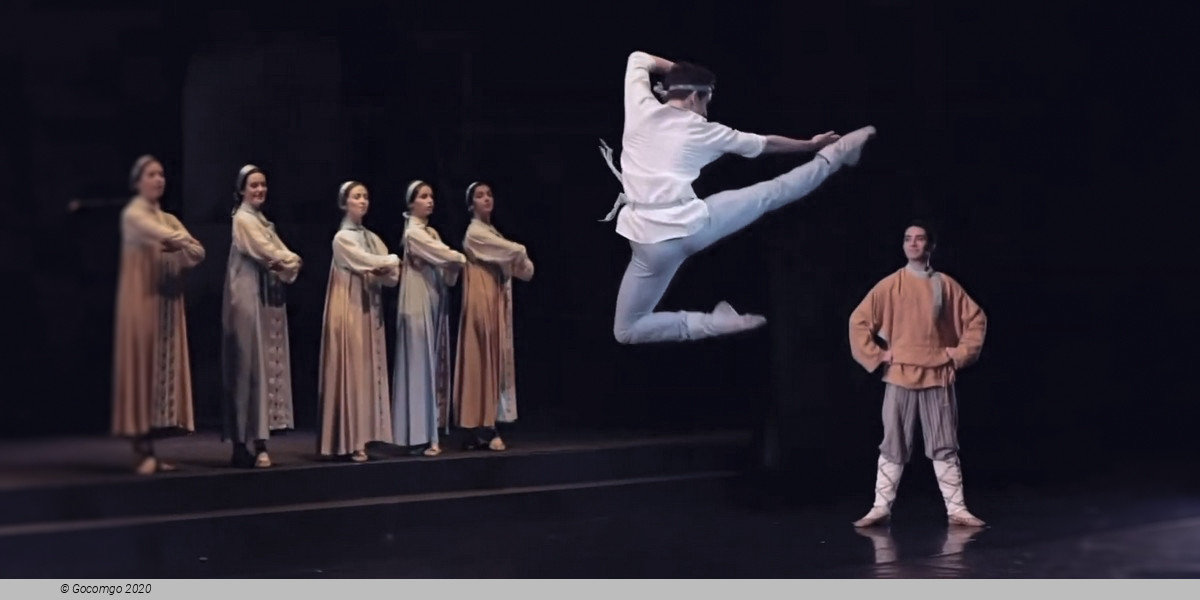
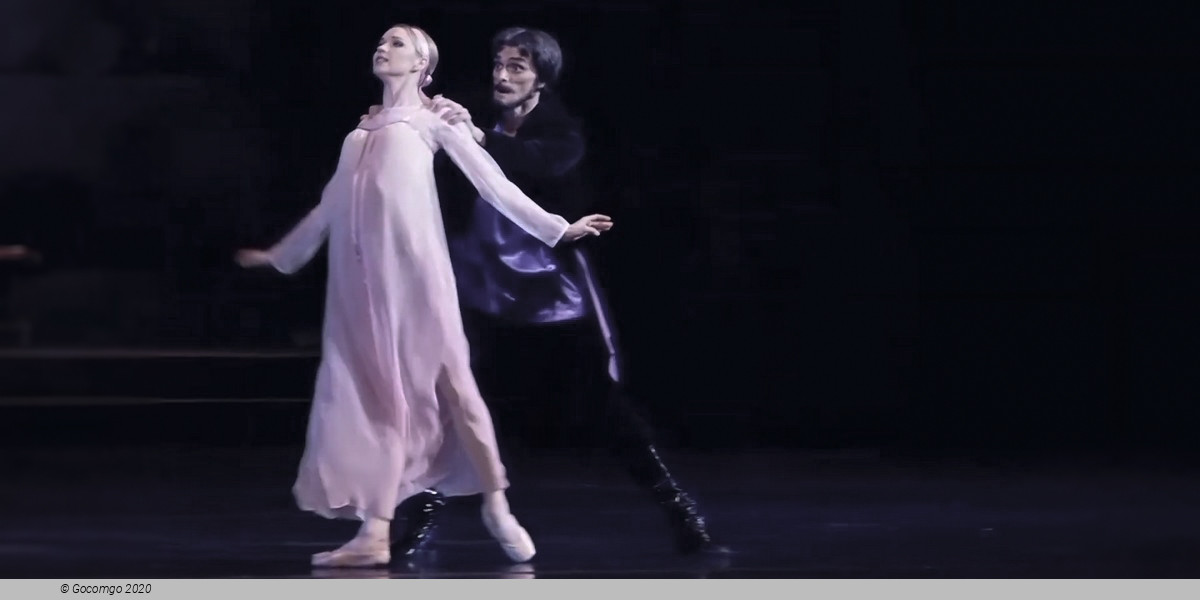
In the village Danila and Katerina's engagement is being celebrated. An uninvited guest arrives – Severian the landowner's steward: he demands the malachite bowl he has commissioned from Danila. Dissatisfied with his own work, the craftsman refuses to hand it over. Enraged at such impudence, the steward raises his lash threateningly, but Katerina stands between him and Danila. Forgetting about the bowl, Severian tries to embrace the young woman to whom he has taken a fancy.

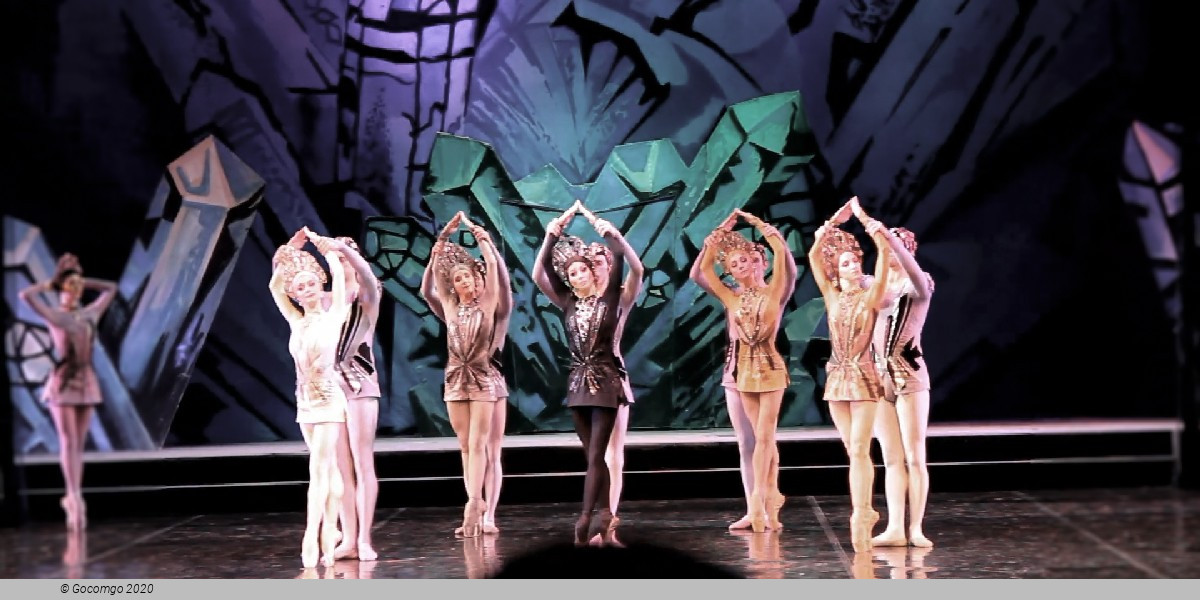
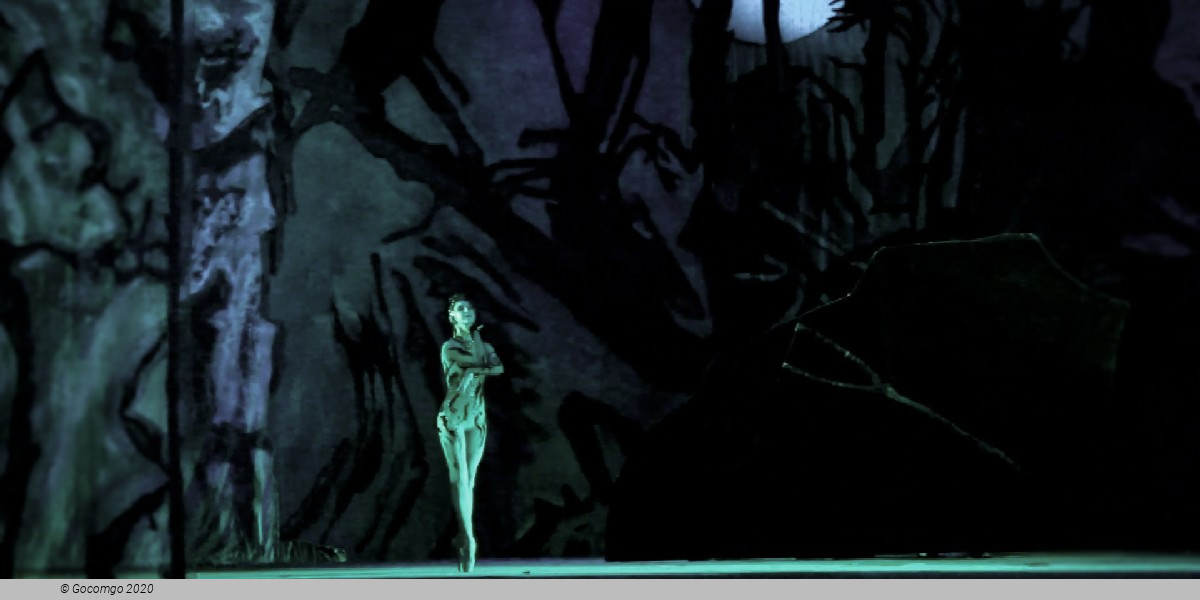
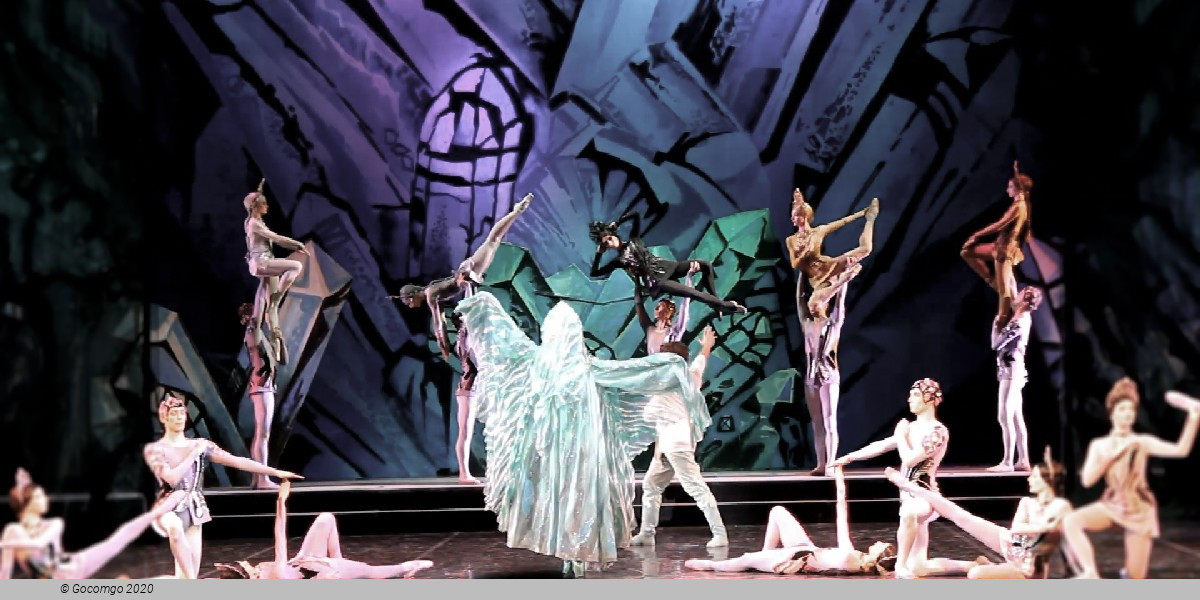
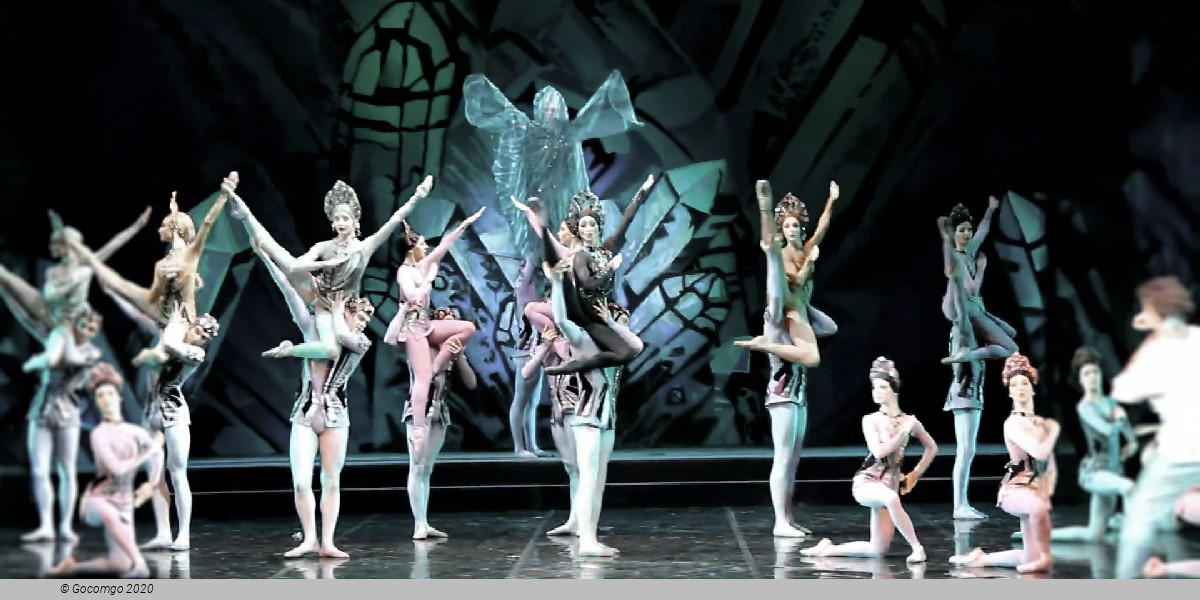
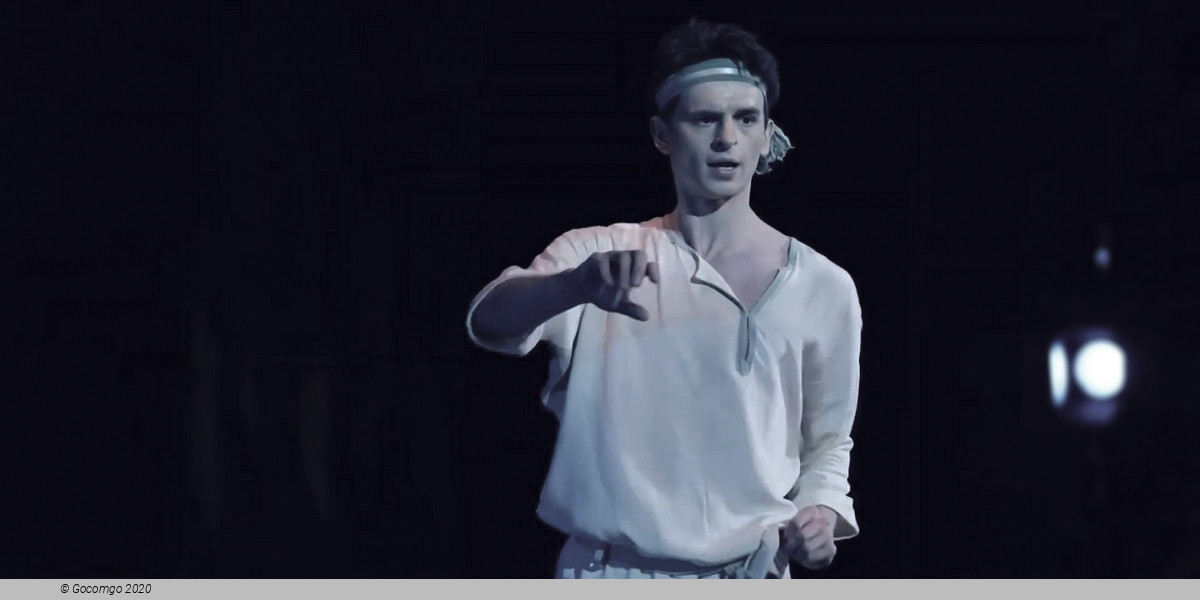
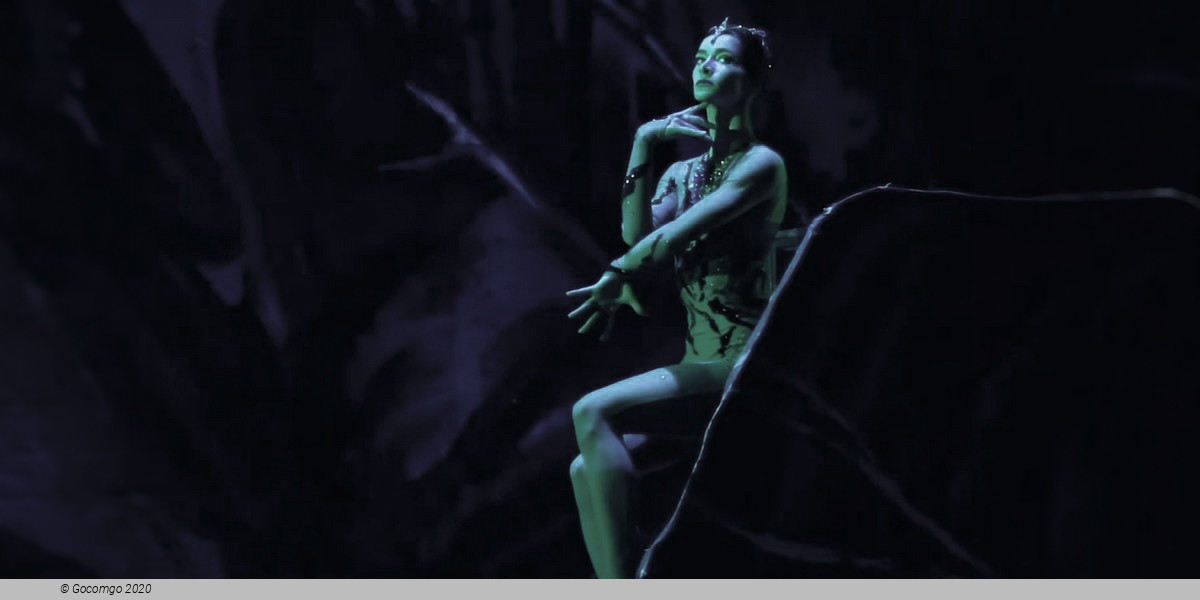
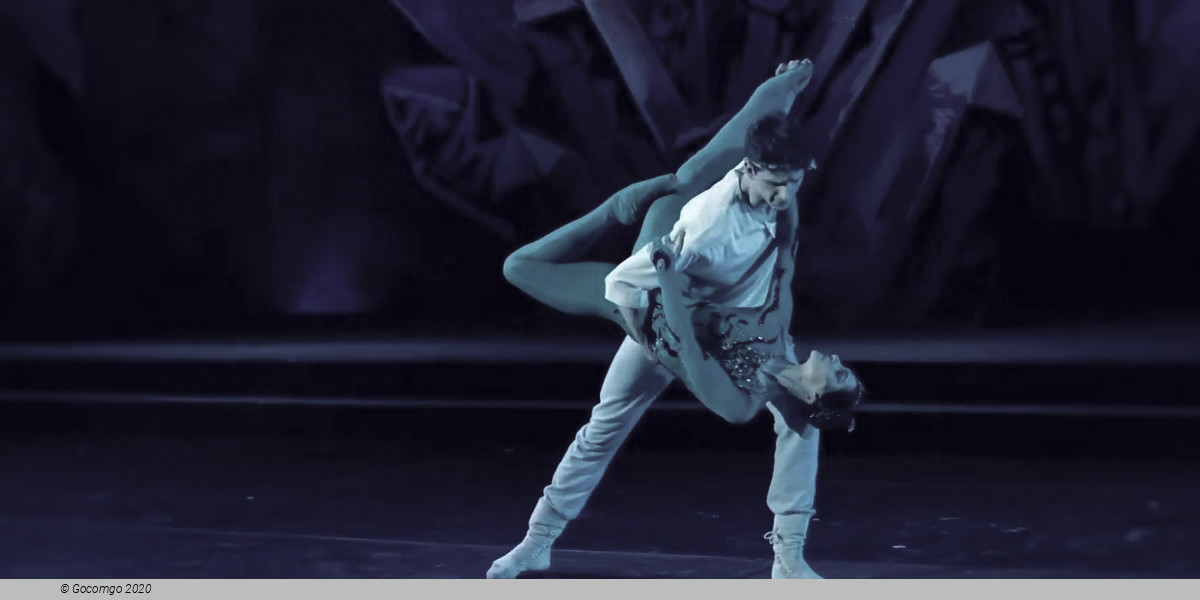
All depart. Danila is left alone with his thoughts. From the old masters, he knows that the Mistress of the Copper Mountain possesses the secret of the stone; she is the guardian of underground treasures, and until Danila possesses the secret he will know no peace. Appearing to Danila now as a lizard, and now as a "malachite maiden", the Mistress of the Copper Mountain draws him into her realm, and the stones come alive before the craftsman's eyes: their sharp facets playing, the gems glisten and a stone flower blossoms – it is Danila's dream.


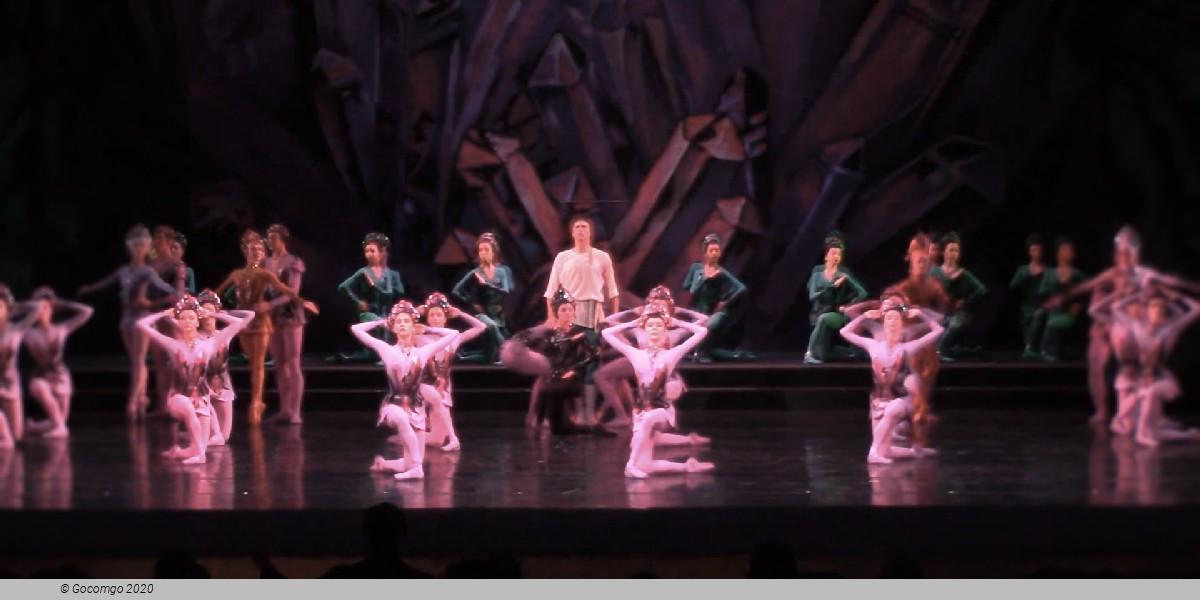
The Mistress of the Copper Mountain reveals to Danila more and more of the secrets of her realm. She has fallen in love with the talented artist and does not wish to lose him. In order to retain her guest forever, the Mistress resolves to make him her mountain craftsman.

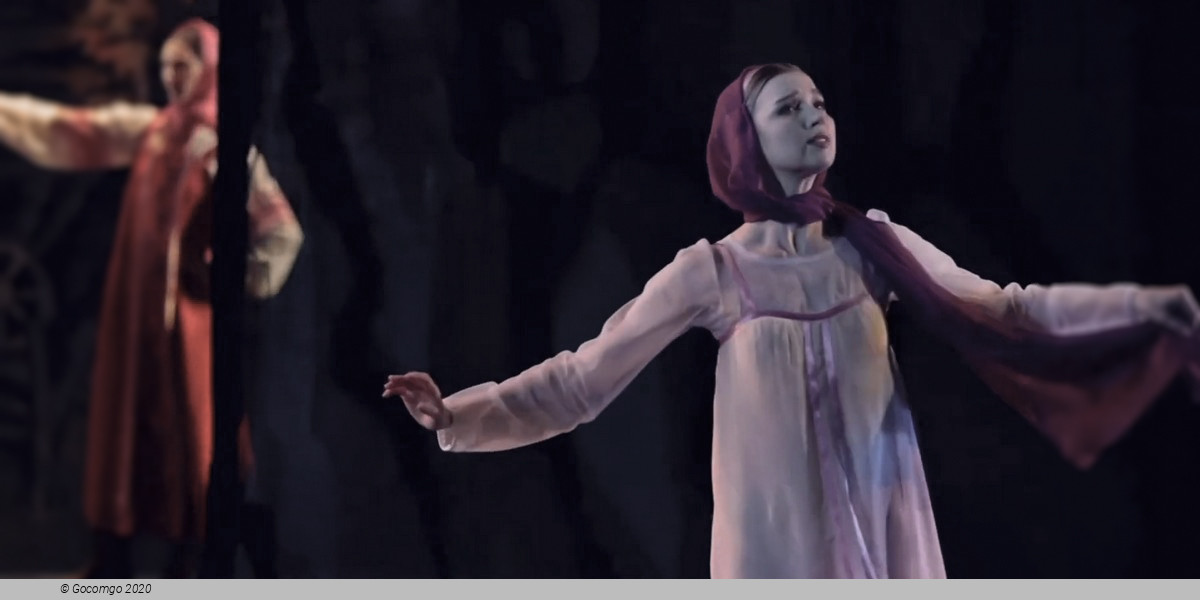
Meanwhile, Katerina is gloomy, waiting for her betrothed who has been absent for several days. Severian makes fun of her – "neither a bride nor a wife", and tries to win her love by force. Katerina drives the steward away and resolves to seek out Danila.

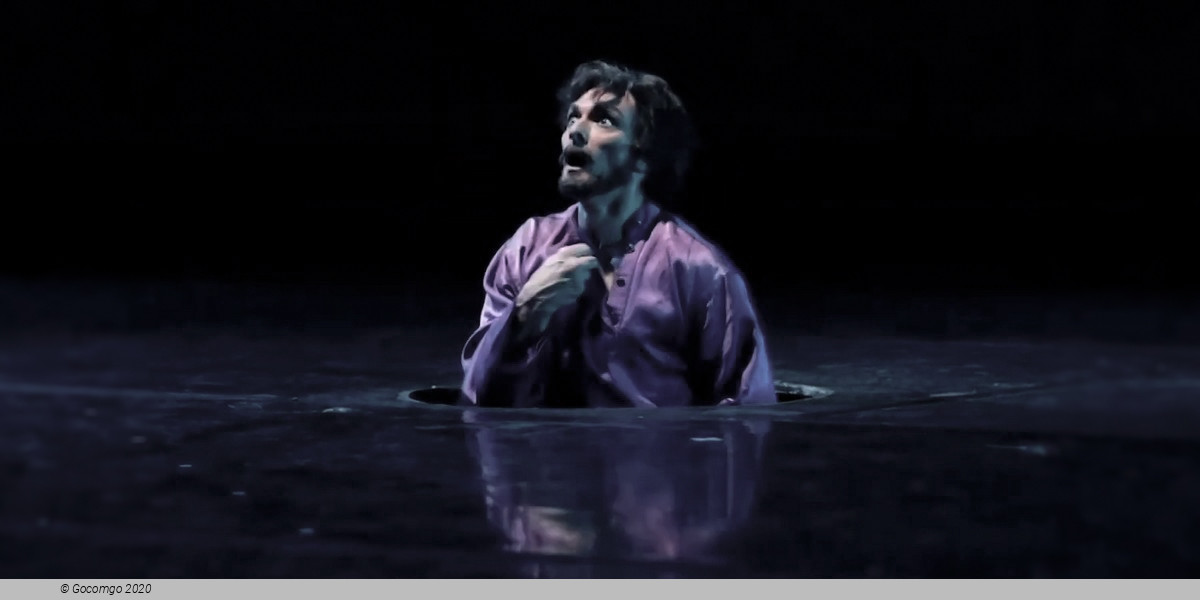
Looking for her beloved, Katerina comes to a market and again meets Severian and his cohorts, wandering among the gypsies. The steward tries to take Katerina with him but the people defend her. Katerina flees and Severian is faced with a stranger who looks at him fixedly. Under her gaze Severian is unable to move his feet from the ground. Gathering all his energy, Severian breaks free and runs after the unknown woman, while she tempts him to follow her farther and farther. Only when he is on Snake Hill does Severian understand that before him stands the Mistress of the Copper Mountain. He begs for her forgiveness, but she is unyielding – Severian plunges into the earth.

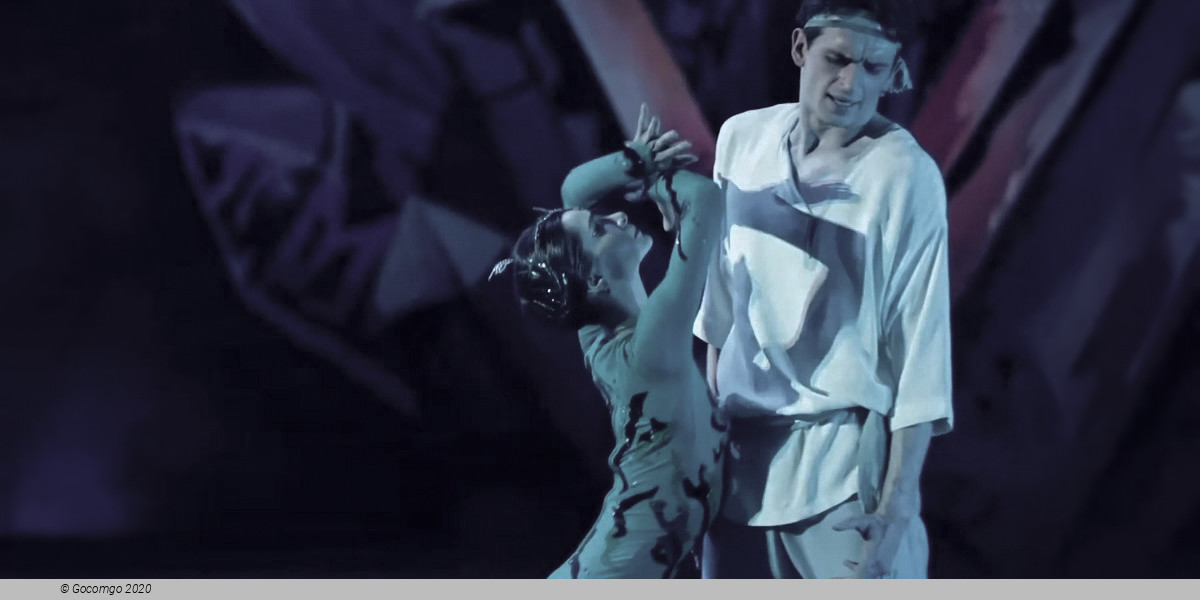
Katerina's search, too, brings her to Snake Hill: her heart tells her that Danila is somewhere close by. She calls to him. The Mistress responds to the call. The girl runs to her and and begs for her intended to be restored. The girl's love, fidelity and fearlessness touch the Mistress' heart. She releases Danila. Katerina and Danila return to the people.

The Ural stone carver Danila dreams of creating a wondrous stone flower. In his search for the cherished image, he is helped by Katerina. They love each other and are happy. At their betrothal feast, the master’s steward, Severian, appears uninvited. He provokes a quarrel with Danila and ruins the celebration. Katerina leaves, and Danila remains alone with his thoughts. He tries in vain to uncover the secret of stone, guarded from humankind by the Mistress of the Copper Mountain. In despair, yet full of hope, Danila rushes to the Serpent Hill, into the Mistress’s domain. She appears before him in a magical vision—elusive and mysterious, now in the form of a lizard, now in the guise of the “Malachite Maiden.” She lures the master into her underground chambers. At her command, lifeless nature comes alive—the stones, glittering with sharp facets and shimmering with countless colors, reveal to Danila the longed-for stone flower. Awestruck, he bows before the sovereign of otherworldly beauty.

In the realm of the Mistress of the Copper Mountain, Danila learns the secrets of true creation. The Mistress falls in love with the gifted artist and wishes never to part with him. To keep him forever, she resolves to make him her “Master of the Mountain.”

Meanwhile, in her hut, Katerina grieves for her vanished betrothed. She rejects Severian’s coarse advances and sets out in search of her beloved. Her path leads her to a fair, where she again encounters the drunken Severian, reveling with gypsies. He pursues Katerina and tries to drag her away with him. She escapes, but he chases after her. Suddenly, another strange maiden appears before him, and at once his feet grow fast to the ground. With great effort he tears them free and rushes after the mysterious figure who lures him onward. Only upon reaching the Serpent Hill does Severian realize that it is the dread Mistress of the Copper Mountain. He begs for mercy, but the Mistress condemns the “beast and murderer,” commanding the earth’s depths to open and swallow him.

Katerina, guided by her heart, is also led to the Serpent Hill, sensing that Danila is near. She calls out to him. In answer, the Mistress herself appears before her. Katerina rushes to her and begs her to return her betrothed. The Mistress is moved by the boundless power of human love and releases Danila back into the earthly world—back to people, and to his bride.

Venue Info

Mariinsky Theatre - Saint Petersburg
Location   1 Theatre Square

The Mariinsky Theatre is a historic theatre of opera and ballet in Saint Petersburg, Russia. Opened in 1860, it became the preeminent music theatre of late 19th-century Russia, where many of the stage masterpieces of Tchaikovsky, Mussorgsky, and Rimsky-Korsakov received their premieres. Through most of the Soviet era, it was known as the Kirov Theatre. Today, the Mariinsky Theatre is home to the Mariinsky Ballet, Mariinsky Opera and Mariinsky Orchestra. Since Yuri Temirkanov's retirement in 1988, the conductor Valery Gergiev has served as the theatre's general director.

The theatre is named after Empress Maria Alexandrovna, wife of Tsar Alexander II. There is a bust of the Empress in the main entrance foyer. The theatre's name has changed throughout its history, reflecting the political climate of the time.

The theatre building is commonly called the Mariinsky Theatre. The companies that operate within it have for brand recognition purposes retained the Kirov name, acquired during the Soviet era to commemorate the assassinated Leningrad Communist Party leader Sergey Kirov (1886–1934).

The Imperial drama, opera and ballet troupe in Saint Petersburg was established in 1783, at the behest of Catherine the Great, although an Italian ballet troupe had performed at the Russian court since the early 18th century. Originally, the ballet and opera performances were given in the wooden Karl Knipper Theatre on Tsaritsa Meadow, near the present-day Tripartite Bridge (also known as the Little Theatre or the Maly Theatre). The Hermitage Theatre, next door to the Winter Palace, was used to host performances for an elite audience of aristocratic guests invited by the Empress.

A permanent theatre building for the new company of opera and ballet artists was designed by Antonio Rinaldi and opened in 1783. Known as the Imperial Bolshoi Kamenny Theatre the structure was situated on Carousel Square, which was renamed Theatre Square in honour of the building. Both names – "Kamenny" (Russian word for "stone") and "Bolshoi" (Russian word for "big") – were coined to distinguish it from the wooden Little Theatre. In 1836, the Bolshoi Kamenny Theatre was renovated to a design by Albert Cavos (son of Catterino Cavos, an opera composer), and served as the principal theatre of the Imperial Ballet and opera.

On 29 January 1849, the Equestrian circus (Конный цирк) opened on Theatre Square. This was also the work of the architect Cavos. The building was designed to double as a theatre. It was a wooden structure in the then-fashionable neo-Byzantine style. Ten years later, when this circus burnt down, Albert Cavos rebuilt it as an opera and ballet house with the largest stage in the world. With a seating capacity of 1,625 and a U-shaped Italian-style auditorium, the theatre opened on 2 October 1860, with a performance of A Life for the Tsar. The new theatre was named Mariinsky after its imperial patroness, Empress Maria Alexandrovna.

Under Yuri Temirkanov, Principal Conductor from 1976 to 1988, the Opera Company continued to stage innovative productions of both modern and classic Russian operas. Although functioning separately from the Theatre’s Ballet Company, since 1988 both companies have been under the artistic leadership of Valery Gergiev as Artistic Director of the entire Theatre.

The Opera Company has entered a new era of artistic excellence and creativity. Since 1993, Gergiev’s impact on opera there has been enormous. Firstly, he reorganized the company’s operations and established links with many of the world's great opera houses, including the Royal Opera House, Covent Garden, the Metropolitan Opera, the Opéra Bastille, La Scala, La Fenice, the Israeli Opera, the Washington National Opera and the San Francisco Opera. Today, the Opera Company regularly tours to most of these cities.

Gergiev has also been innovative as far as Russian opera is concerned: in 1989, there was an all-Mussorgsky festival featuring the composer’s entire operatic output. Similarly, many of Prokofiev’s operas were presented from the late 1990s. Operas by non-Russian composers began to be performed in their original languages, which helped the Opera Company to incorporate world trends. The annual international "Stars of the White Nights Festival" in Saint Petersburg, started by Gergiev in 1993, has also put the Mariinsky on the world’s cultural map. That year, as a salute to the imperial origins of the Mariinsky, Verdi's La forza del destino, which received its premiere in Saint Petersburg in 1862, was produced with its original sets, costumes and scenery. Since then, it has become a characteristic of the "White Nights Festival" to present the premieres from the company’s upcoming season during this magical period, when the hours of darkness practically disappear as the summer solstice approaches.

Presently, the Company lists on its roster 22 sopranos (of whom Anna Netrebko may be the best known); 13 mezzo-sopranos (with Olga Borodina familiar to US and European audiences); 23 tenors; eight baritones; and 14 basses. With Gergiev in charge overall, there is a Head of Stage Administration, a Stage Director, Stage Managers and Assistants, along with 14 accompanists.

Important Info
Type: Ballet
City: Saint Petersburg, Russia
Starts at: 19:00
Acts: 3
Intervals: 1
Duration: 2h 10min
Top of page