
Mariinsky Theatre 20 July 2023 - An artistic evening for the anniversary of Lyubov Kunakova: The Sleeping Beauty (act III). The Legend of Love (act III). Masterpieces of classical choreography | GoComGo.com

An artistic evening for the anniversary of Lyubov Kunakova: The Sleeping Beauty (act III). The Legend of Love (act III). Masterpieces of classical choreography

Mariinsky Theatre, Mariinsky Theatre, Saint Petersburg, Russia
All photos (14)
Select date and time
7 PM
Request for Tickets
Important Info
Type: Ballet
City: Saint Petersburg, Russia
Starts at: 19:00
Duration: 40min

E-tickets: Print at home or at the box office of the event if so specified. You will find more information in your booking confirmation email.

You can only select the category, and not the exact seats.
If you order 2 or 3 tickets: your seats will be next to each other.
If you order 4 or more tickets: your seats will be next to each other, or, if this is not possible, we will provide a combination of groups of seats (at least in pairs, for example 2+2 or 2+3).

Overview

PROGRAMME:

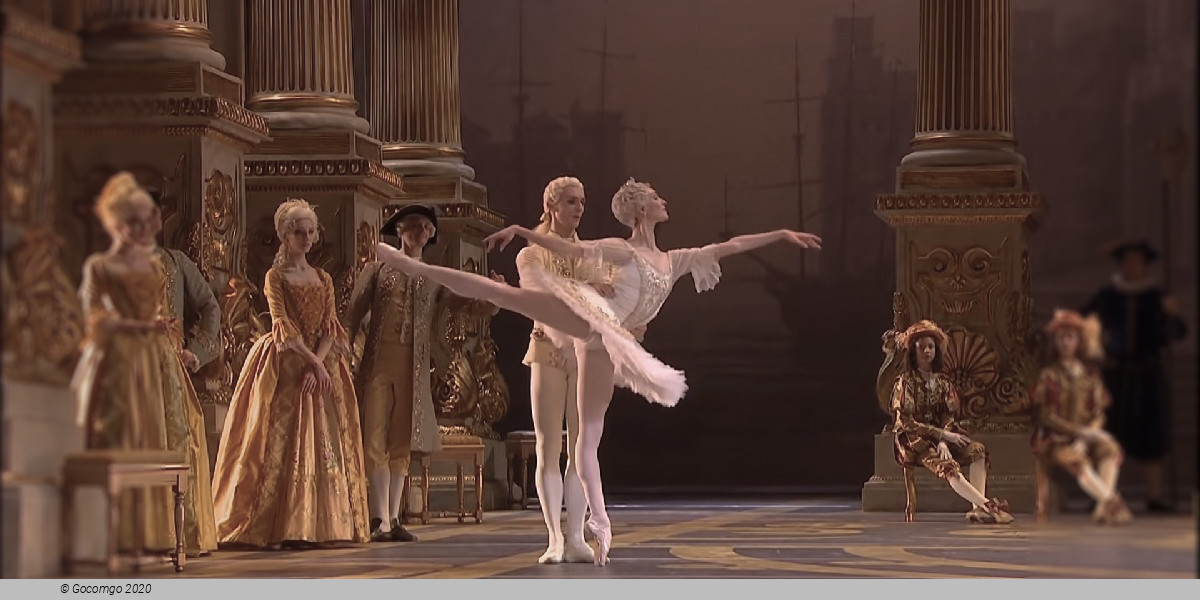
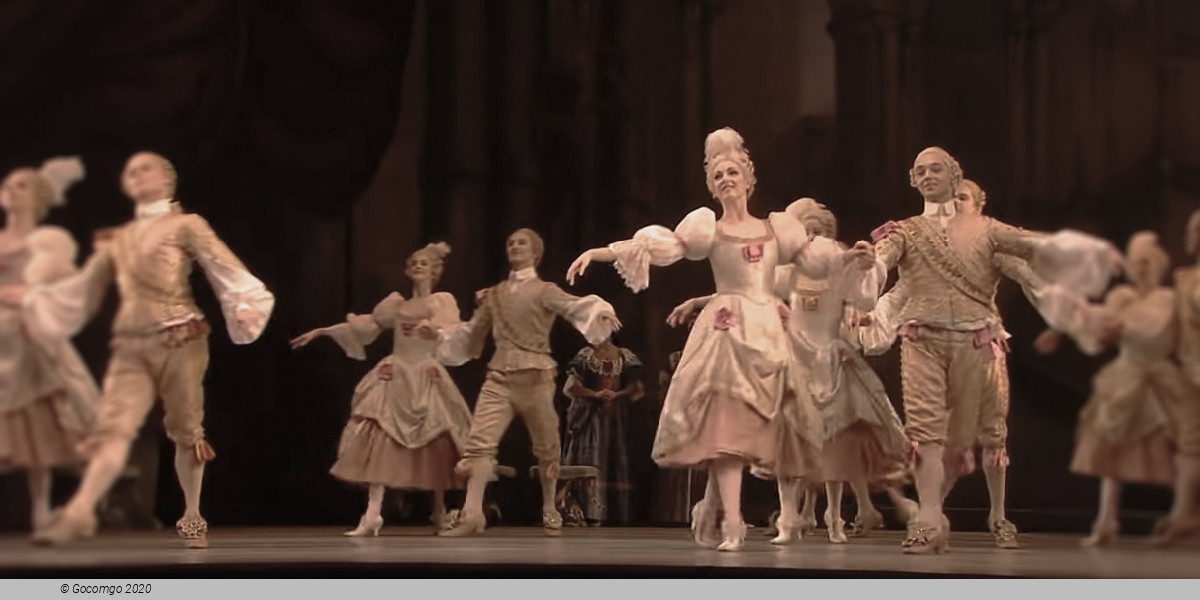
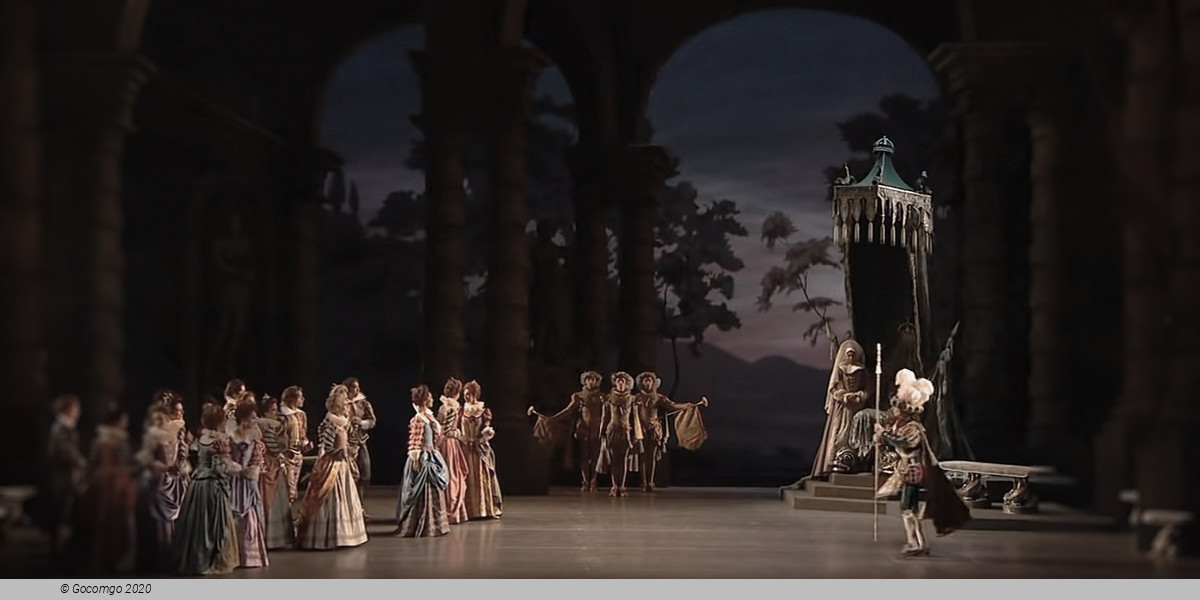
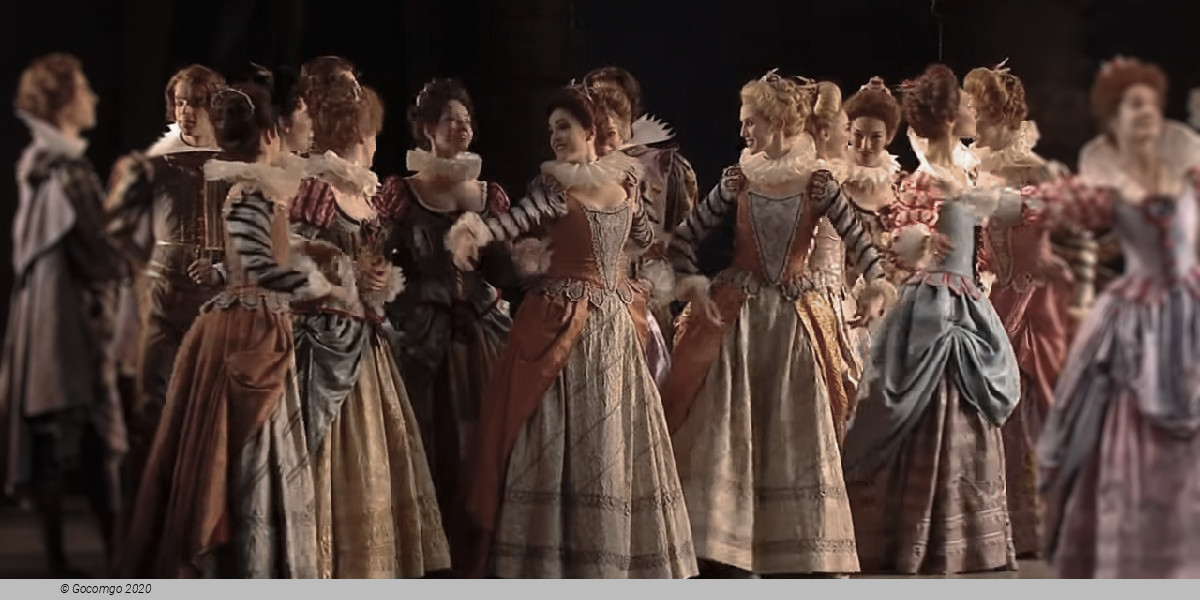
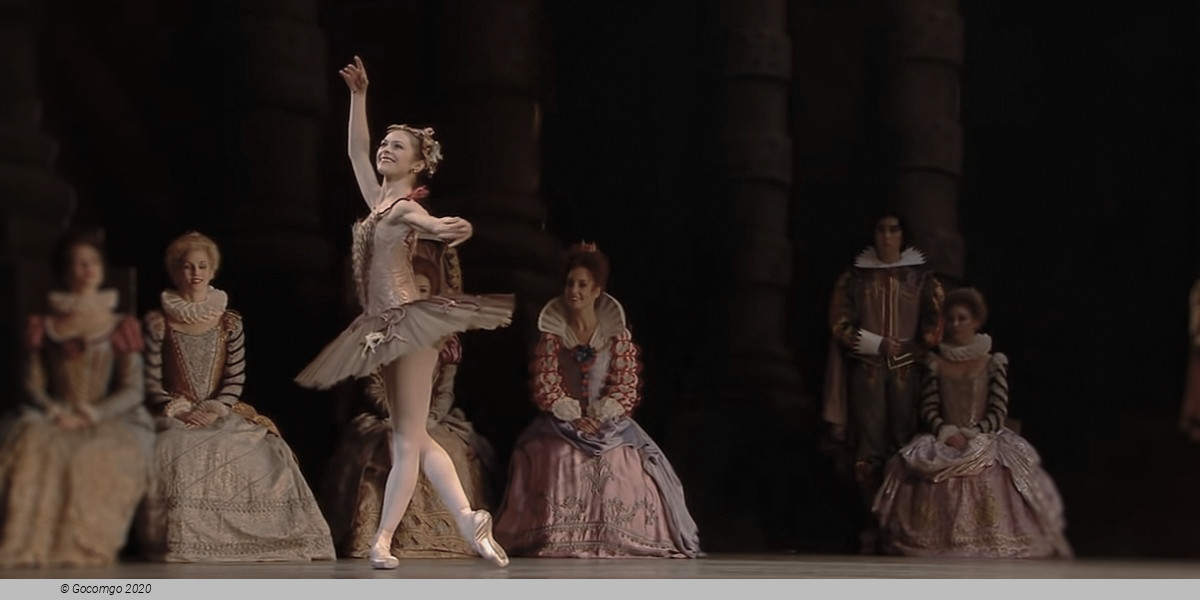
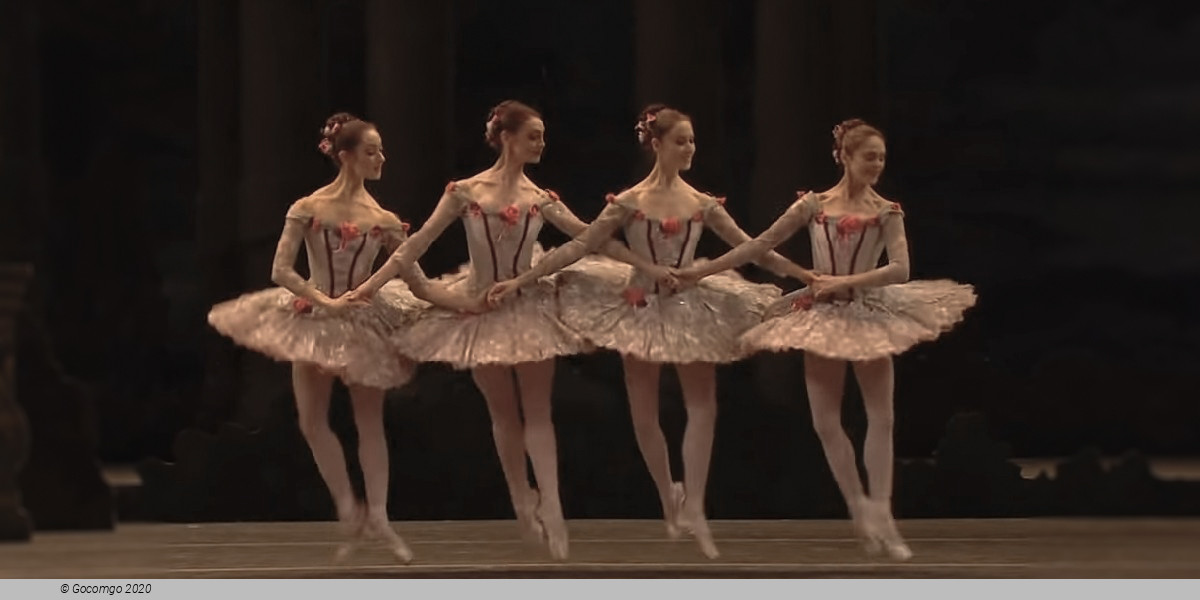
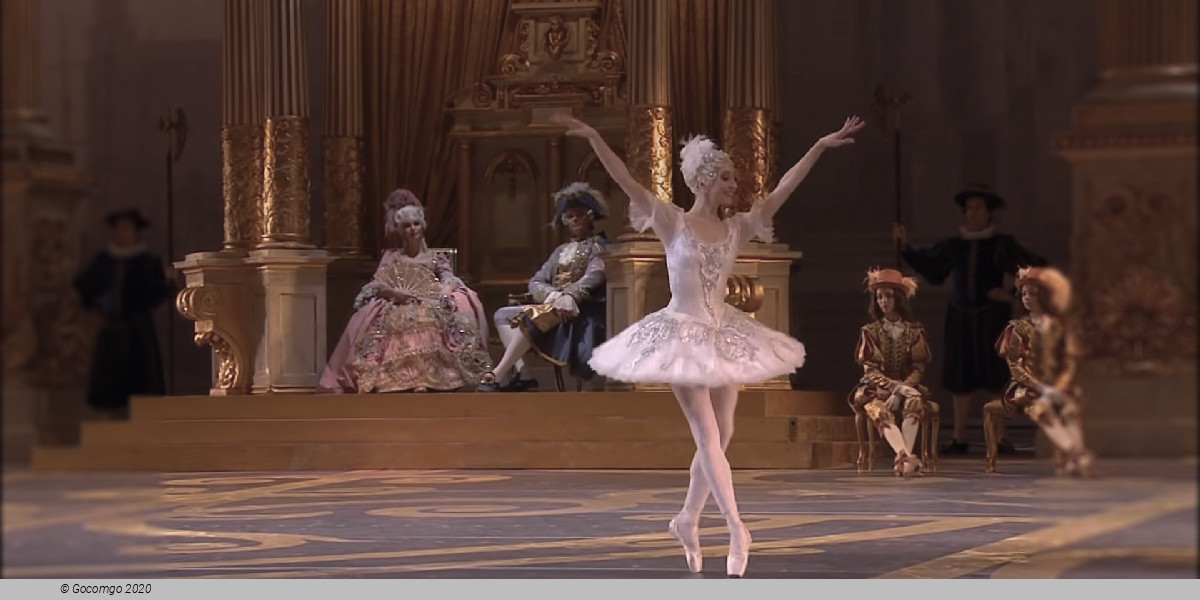
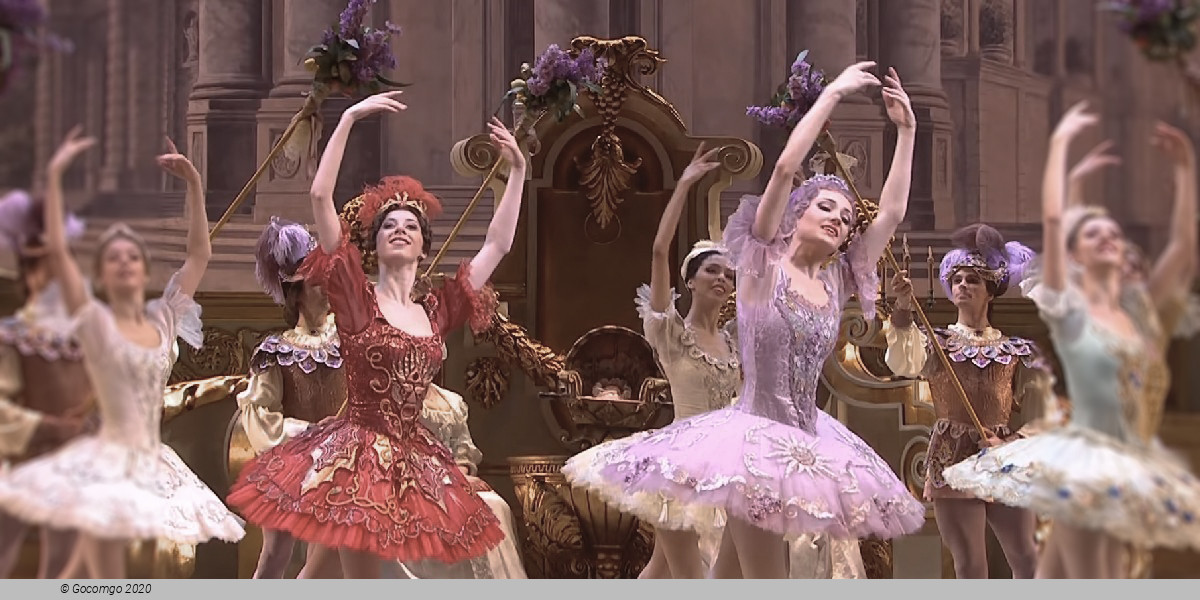
Act III of the ballet THE SLEEPING BEAUTY
Music by Pyotr Tchaikovsky
Libretto by Ivan Vsevolozhsky, Marius Petipa after tales of Charles Perrault
Choreography by Marius Petipa revised version by Konstantin Sergeev (1952)
Set and costume designer: Simon Virsaladze
Cast to be announced at a later date


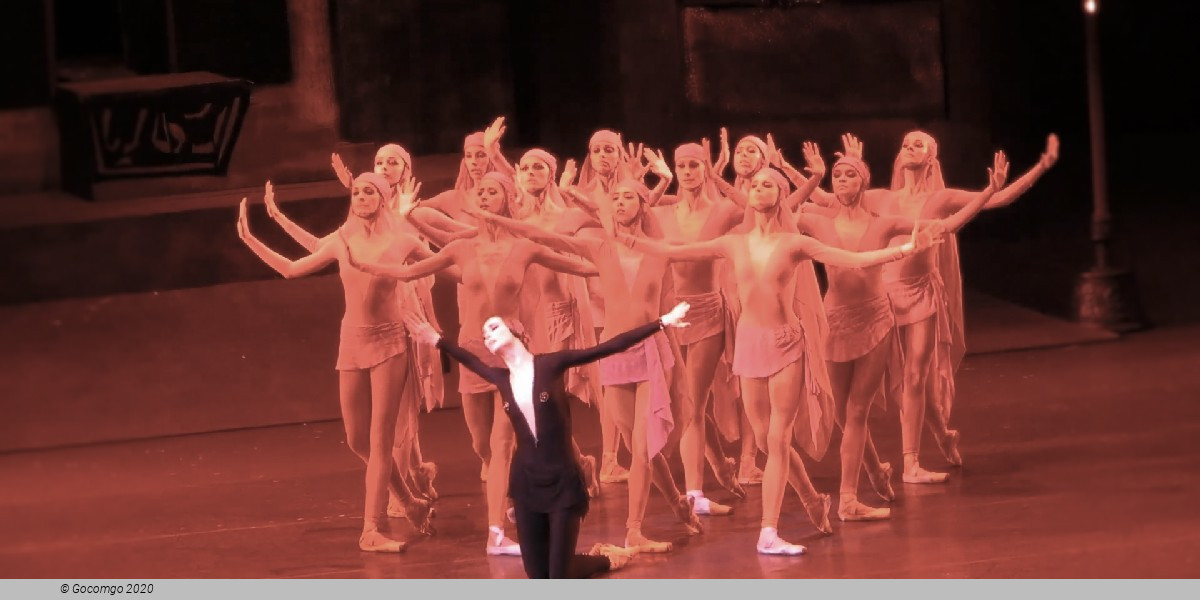
Act III of the ballet THE LEGEND OF LOVE
Music by Arif Melikov
Libretto by Nazim Khikmet
Choreography by Yuri Grigorovich (1961)
Set, costume and lighting design: Simon Virsaladze
Performers:

Mekhmeneh Bahnu: Viktoria Tereshkina  
Shyrin: Elena Yevseyeva


DIVERTISSEMENT

Cast to be announced at a later date


The Mariinsky Orchestra
Conductor: Arseny Shuplyakov


Lyubov Kunakova was born in Izhevsk. After graduating from the Perm School of Dance in 1970 (class of G. Kuznetsov) she made her debut at the Perm Tchaikovsky Academic Theatre of Opera and Ballet, where until 1974 she performed roles including Swanilda, Odette-Odile, Kitri, the Lilac Fairy, Aurora, Milady and the Queen (The Three Musketeers, choreography by Nikolai Boyarchikov) and lead roles in such ballets as Paquita and The Nutcracker.
From 1974-1992 she was a leading performer of the ballet repertoire at Leningrad’s Kirov Theatre of Opera and Ballet (renamed the Mariinsky in 1992).
She appeared in the ballets Giselle (Giselle, Myrtha), The Sleeping Beauty (Aurora, the Lilac Fairy, Princess Florine), La Bayadère (Nikia, Gamzatti), Swan Lake (Odette-Odile), Raymonda (Raymonda), Don Quixote (Kitri), Le Corsaire (Medora, Gulnare), Paquita, La Sylphide (the Sylph), The Fountain of Bakhchisarai (Zarema), The Legend of Love (Mekhmeneh-Bahnu) and Scotch Symphony among others. She has staged the Mariinsky Theatre’s versions of classical ballets in Minsk (Don Quixote, Chopiniana), Athens (The Sleeping Beauty), Tokyo (Paquita) and Brazil (Giselle).
She has taught classical dance at the Vaganova Academy of Russian Ballet (1997-2002, her pupils including Anastasia Kolegova, Tatiana Tkachenko, Natalia Sharapova, Vera Garbuz and Yulia Repet); she has also taught in Japan, Brazil and South Korea. Since 1997 she has been a repetiteur at the Mariinsky Theatre and coaches roles with Viktoria Tereshkina, Elena Yevseyeva and Maria Iliushkina.
People’s Artist of the RSFSR (1983).
Honoured Artist of the RSFSR (1974).
Recipient of the medal of the order “For Services to the Fatherland”, 2ndclass (2009).
Prize-winner at the Varna International Ballet Competition (1972).
Diploma-recipient at the International Ballet Competition (Moscow, 1969).

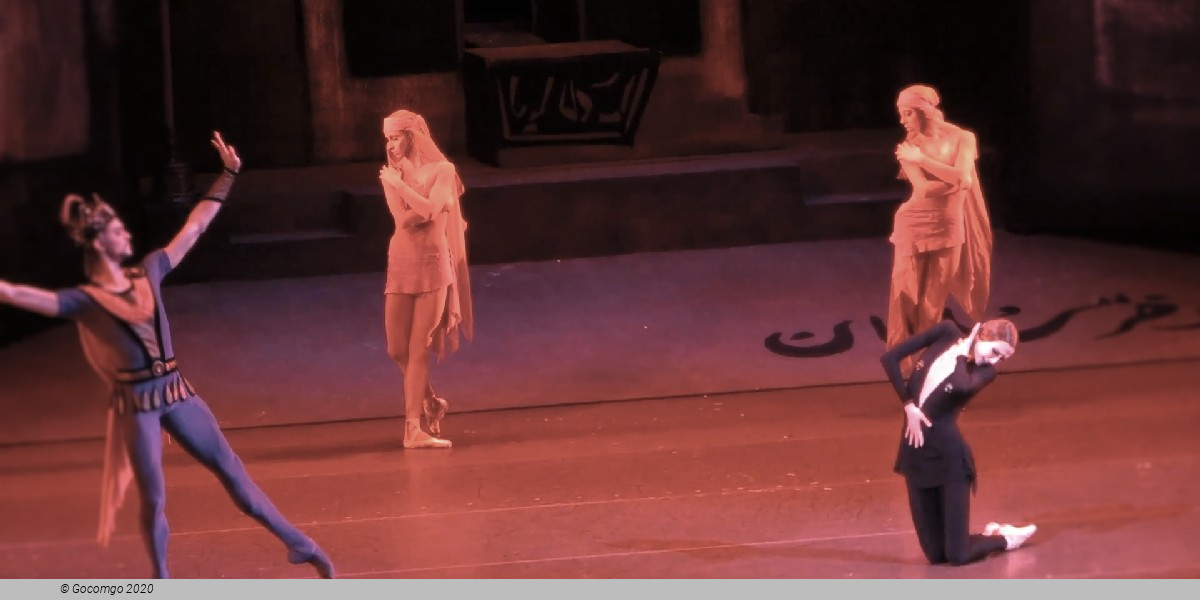
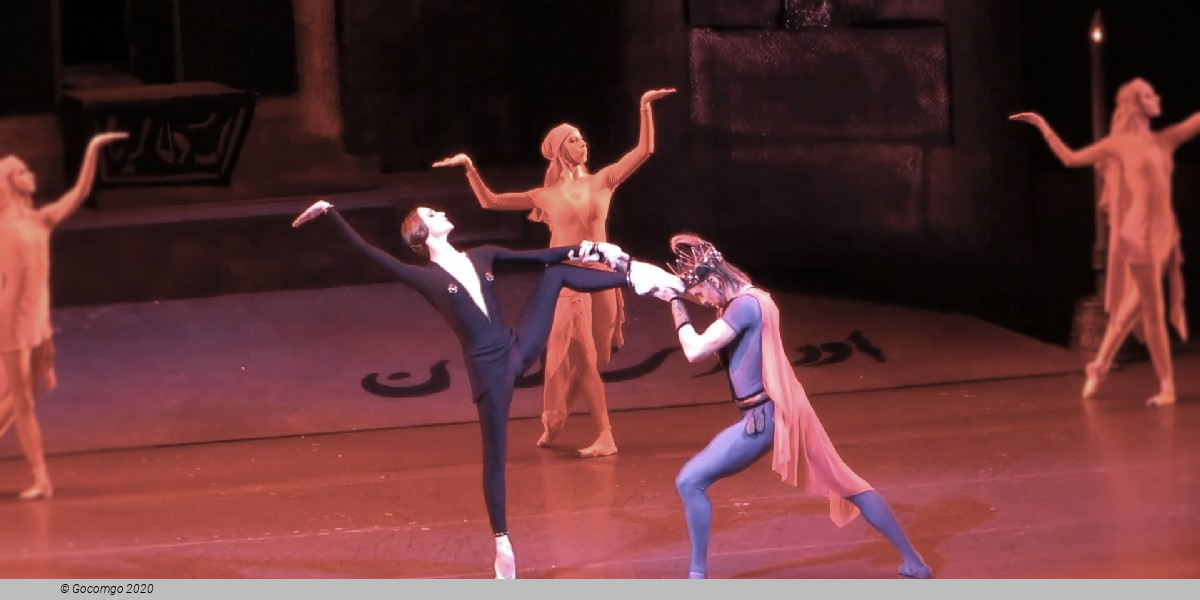
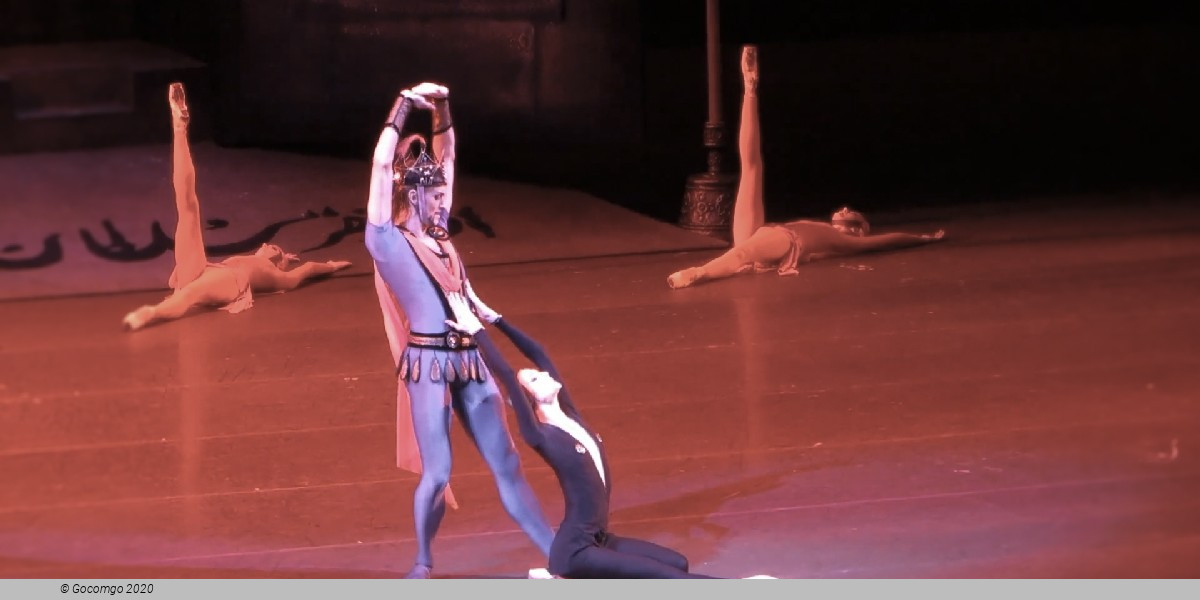
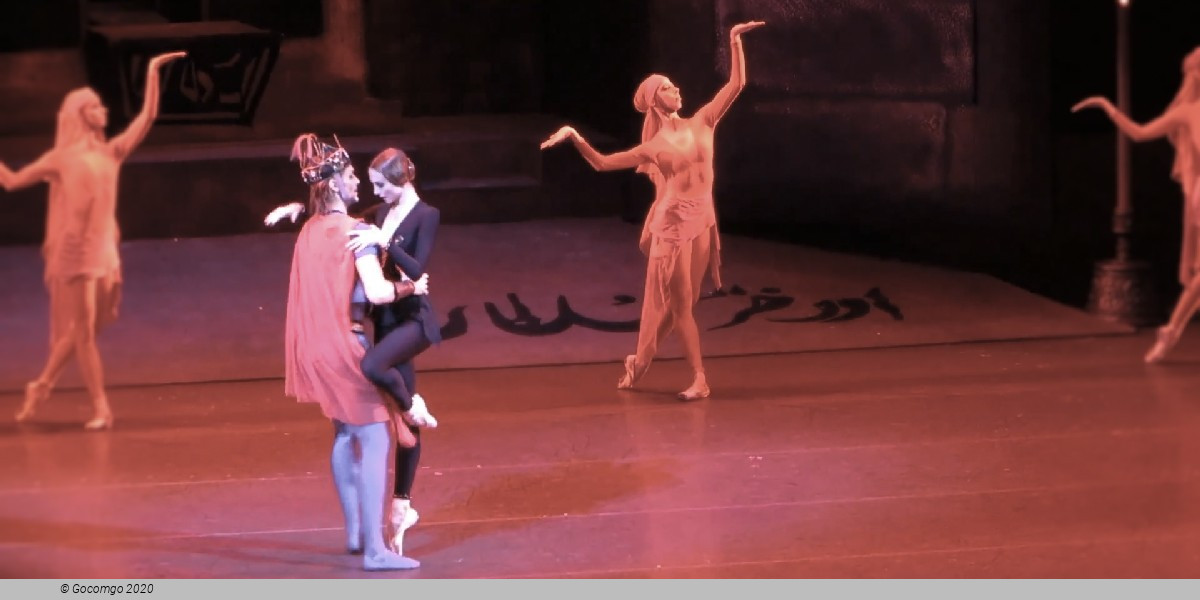
The Legend of Love was the second ballet by the young Leningrad choreographer Yuri Grigorovich staged at the Kirov – now Mariinsky – Theatre, and it was a ballet that was to change both his life and the destiny of Soviet ballet. As with The Stone Flower – his first production at the Kirov Theatre – Grigorovich created The Legend of Love together with Simon Virsaladze. The designer executed the sets in the form of an old book, the pages of which are adorned with Arabic script. The characters in The Legend as if come down to us from the pages of this book – the proud, cruel and deeply passionate Queen Mekhmeneh Bahnu, who pays the price of her own unparalleled beauty to cure her dying sister Shyrin and the artist Ferkhad, who is captivated by the young and gracious Shyrin and who spurns Mekhmeneh Bahnu’s love...

The crowd scenes of processions and dances of courtiers are mixed with a truly tender duet between Ferkhad and Shyrin which in turn resounds as a provocative contrast to the pitifully frenzied choreographic monologue of Mekhmeneh Bahnu. The scene of Mekhmeneh Bahnu’s pursuit of Ferkhad and Shyrin who have fled the palace to save their love is rhythmic and drama-filled. But the inner lives of the protagonists and the tortuous trials of the spirit that their love must endure are exposed in the trios of the entire three acts with Mekhmeneh Bahnu, Ferkhad and Shyrin: the action literally freezes and only the protagonists remain in the limelight.
The choreographic text of the ballet is based on classical productions. But the classical pas are as if seen through the prism of some oriental plot – the typical poses of the arms, the carrying dance motifs of Persian miniatures and the capricious ornamental script in the lace-like tracery of the Arabic alphabet. In 1961 this ballet restored symphonic dance to the Mariinsky Theatre, linking Grigorovich with the great master of the previous century – Marius Petipa, who created such grand dance and symphonic tableaux.

History
Premiere of this production: 03 January 1890, Mariinsky Theatre in St. Petersburg

The Sleeping Beauty is a ballet in a prologue and three acts, first performed in 1890. The music was composed by Pyotr Ilyich Tchaikovsky (his opus 66). The score was completed in 1889, and is the second of his three ballets. The original scenario was conceived by Ivan Vsevolozhsky, and is based on Charles Perrault's La Belle au bois dormant. The choreographer of the original production was Marius Petipa.

Premiere of this production: 21 March 1961, Kirov Theatre of Opera and Ballet (Mariinsky), Leningrad

The Legend of Love - Arif Melikov’s ballet in three acts, seven scenes, on the libretto of Nazim Khikmet based on his drama “Ferkhad and Shirin”.

Synopsis

Time: Baroque
Place: Europe

Prologue (The Christening)

King Florestan XXIV and his Queen have welcomed their first child, Princess Aurora, and declare a grand christening ceremony to honor her. Six fairies are invited to the ceremony to bestow gifts on the child. Each fairy brings a gift of a virtue or positive trait, such as beauty, courage, sweetness, musical talent, and mischief. The most powerful fairy, the Lilac Fairy, arrives with her entourage, but before she can bestow her gift, the evil fairy Carabosse arrives with her minions. Carabosse furiously asks the King and Queen why she had not received an invitation to the christening. The blame falls on Catalabutte, the Master of Ceremonies who was in charge of the guest list. Carabosse gleefully tears his wig off and beats him with her staff, before placing a curse upon the baby princess as revenge: Aurora will indeed grow up to be a beautiful, healthy, delightful young lady, but on her sixteenth birthday she will prick her finger on a Spindle and die. The King and Queen are horrified and beg Carabosse for mercy, but she shows none. However, the Lilac Fairy intervenes. Though she does not have enough power to completely undo the curse, she alters it, allowing the spindle to cause a peaceful 100-year sleep for the princess, rather than death. At the end of those 100 years, she will be woken by the kiss of a handsome prince. Relieved that Aurora's life will ultimately be spared, the court is set at ease.

Act I (The Spell)

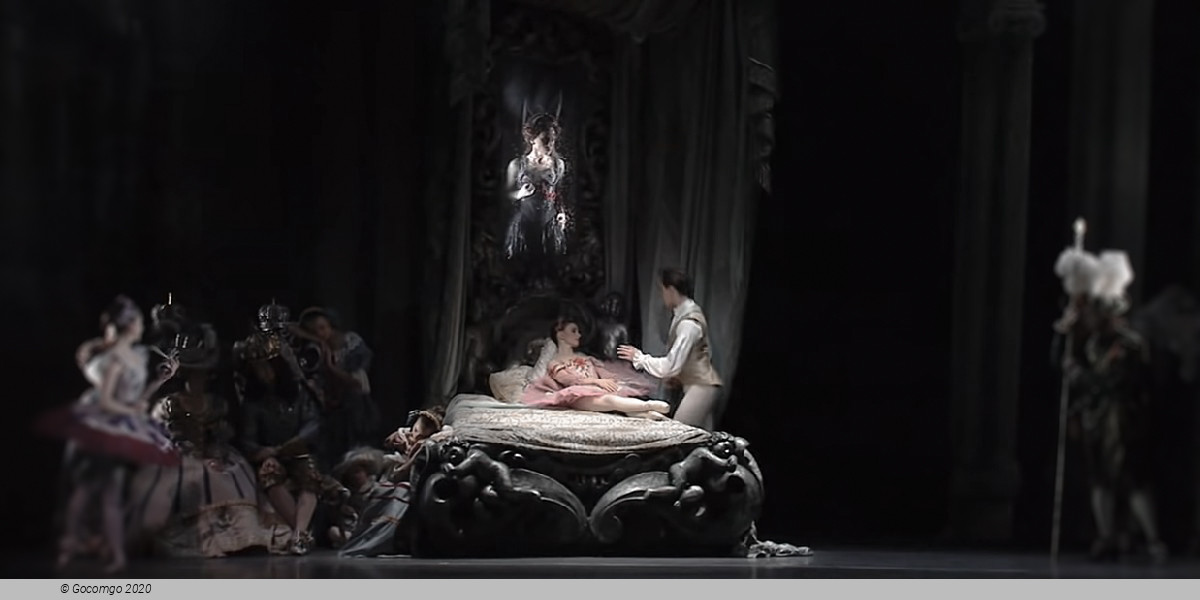
It is the day of Princess Aurora's sixteenth birthday. Celebrations are underway, though the King is still unsettled by Carabosse's omen. The master of ceremonies discovers several peasant ladies frolicking about with knitting needles and alerts the King, who initially sentences the women to a harsh punishment. The Queen gently persuades him to spare the innocent citizens, and he agrees. An elaborate waltz is performed and Princess Aurora arrives. She is introduced to four suitors by her doting parents. Aurora and the suitors perform the famous Rose Adagio. Presently, a cloaked stranger appears and offers a gift to the princess: a spindle. Having never seen one before, Aurora curiously examines the strange object as her parents desperately try to intervene. As predicted, she pricks her finger. While initially appearing to recover quickly, she falls into a swoon and collapses. The cloaked stranger reveals herself to be Carabosse, who believes that her curse still stands and that the princess is dead. Once again, the Lilac Fairy quells the hubbub and reminds the King and Queen that Aurora is merely asleep. The princess is carried off to bed, and the Lilac Fairy casts a spell of slumber over the entire kingdom, which will only be broken when Aurora awakens. A thick layer of thorny plants grows over the palace, hiding it from view.

Act II (The Vision)

One hundred years later, Prince Désiré is attending a hunting party. Though his companions are lighthearted, the prince is unhappy and eventually asks to be left alone. On his own in the forest, he is met by the Lilac Fairy, who has chosen him to awaken Aurora. She shows him a vision of the beautiful princess, and the prince is immediately smitten. The Lilac Fairy explains the situation, and Désiré begs to be taken to the princess. The Lilac Fairy takes him to the hidden castle. Carabosse makes one last attempt to cement her vengeful curse, but the Lilac Fairy and the prince manage to defeat her together at last. Once inside the castle, Désiré awakens Aurora with a kiss. The rest of the court wakes as well, and the King and Queen heartily approve when the prince proposes marriage and the princess accepts.

Act III (The Wedding)

The royal wedding is underway. Guests include the Jewel Fairies: Diamond, Gold, Silver and Sapphire, and of course the Lilac Fairy. Fairytale characters are in attendance, including Puss in Boots and The White Cat, Princess Florine and the Bluebird, and others. Aurora and Désiré perform a grand Pas de Deux, and the entire ensemble dances. The prince and princess are married, with the Lilac Fairy blessing the union.

Structure

Titles of all of the numbers listed here come from Marius Petipa's original scenario, as well as the original libretto and programs of the first production of 1890. Major changes which were made to the score for Petipa's original production are mentioned, and help explain why the score is often heard in different versions in theatres today.

All libretti and programs of works performed on the stages of the Imperial Theatres were titled in French, which was the official language of the Emperor's Court, as well as the language in which balletic terminology is derived.

Prologue — Le baptême de la Princesse Aurore

Act I
Scene 1
A chamber in the palace of Queen Mekhmeneh Bahnu. Her younger sister, Princess Shyrin, is suffering from a deadly illness. The Queen’s heart is heavy with grief. Her attendants and the Vizier are in despair.
Warriors usher in a stranger, who claims he can cure the Princess. Mekhmeneh Bahnu throws gold at his feet, but the stranger refuses to accept it. The Queen offers her crown as a reward if he cures Shyrin. The stranger rejects this too. He demands that Mekhmeneh sacrifice her beauty to save her sister’s life. The Queen consents.
The stranger restores Shyrin to health. She rises from her death-bed; Mekhmeneh’s face, however, is so disfigured and ugly that Shyrin merely stares at her sister without recognising her.

Scene 2
The garden near Princess Shyrin’s palace. Some artists, including the young Ferkhad, are decorating an arch.
Mekhmeneh Bahnu and Shyrin enter the garden, accompanied by their attendants. They have come to see the new palace. The sisters are struck by Ferkhad’s handsome features and are unable to take their eyes off him.
The procession moves on. Ferkhad remains alone, engrossed in his work. Suddenly, Shyrin calls to him. The young people are irresistibly drawn to each other. Ferkhad, however, learns that the maiden to whom he has given his heart is Princess Shyrin. It is therefore hopeless for him, a humble painter, to dream of ever winning her.

Act II
Scene 1
The people are standing around a spring which has run dry. They will have to cut through a high mountain in order to open up a channel for the stream of water – a task way beyond any human effort. Water is brought from afar, but only for the inhabitants of the palace.

Scene 2
The Queen is tormented by her passion for Ferkhad. The jesters fail to divert her. She realises what a huge sacrifice she has made for the sake of her sister. Mekhmeneh Bahnu is young, she longs for passion, but now she is ugly and Ferkhad will not love her.

Scene 3
Ferkhad’s devotion has made Princess Shyrin supremely happy. The young man makes his way into her chamber. Their love culminates in a perfect union of their two fervent hearts. Shyrin cannot bear the thought of leaving Ferkhad. The Princess resolves to leave the palace and without hesitation follows her beloved.
The Vizier learns of Shyrin’s flight, and brings the unwelcome tidings to the Queen. In a fit of rage, Mekhmeneh gives an order that her ungrateful sister should be seized and brought back. Warriors overtake Ferkhad and Shyrin.
The Princess entreats her sister not to separate her from Ferkhad.
The Queen is beside herself with anger and mortified pride.
She challenges Ferkhad to complete an impossible task – he must cut a channel through the mountain to let the waters of the upland streams flow down into the valley. Only then may Shyrin be his wife.

Act III
Scene 1
It is night. Ferkhad is in the mountains, alone. He fancies that he has already cut through the rock and that a little stream of water is running slowly out of the opening. He imagines he sees his beloved in the flowing water.

Scene 2
Mekhmeneh Bahnu has lost her peace of mind. She loves Ferkhad to distraction. She thinks of him day and night. In her imagination, she has regained her beauty; Ferkhad loves her and she is happy at last! Shyrin runs into the chamber, shattering her dreams. The Princess cannot live without her beloved; she implores the Queen to go with her into the mountains to find Ferkhad.

Scene 3
Hope has brought the people to the mountains. If Ferkhad accomplishes his task, their suffering will end. Every blow of Ferkhad’s pickaxe resounds in the people’s hearts. Mekhmeneh Bahnu and Shyrin arrive. Ferkhad is overjoyed – Shyrin has come and will remain with him. Mekhmeneh, however, is cunning; she promises not to part the lovers only on the condition that Ferkhad gives up his work, throws down his pickaxe and leaves with Shyrin. Ferkhad knows that this is impossible, as he cannot betray the hopes of the people. Shyrin understands this too. They bid each other farewell, to part forever. Ferkhad stays with the thankful people whose happiness is dearer to him than Love itself.

Venue Info

Mariinsky Theatre - Saint Petersburg
Location   1 Theatre Square

The Mariinsky Theatre is a historic theatre of opera and ballet in Saint Petersburg, Russia. Opened in 1860, it became the preeminent music theatre of late 19th-century Russia, where many of the stage masterpieces of Tchaikovsky, Mussorgsky, and Rimsky-Korsakov received their premieres. Through most of the Soviet era, it was known as the Kirov Theatre. Today, the Mariinsky Theatre is home to the Mariinsky Ballet, Mariinsky Opera and Mariinsky Orchestra. Since Yuri Temirkanov's retirement in 1988, the conductor Valery Gergiev has served as the theatre's general director.

The theatre is named after Empress Maria Alexandrovna, wife of Tsar Alexander II. There is a bust of the Empress in the main entrance foyer. The theatre's name has changed throughout its history, reflecting the political climate of the time.

The theatre building is commonly called the Mariinsky Theatre. The companies that operate within it have for brand recognition purposes retained the Kirov name, acquired during the Soviet era to commemorate the assassinated Leningrad Communist Party leader Sergey Kirov (1886–1934).

The Imperial drama, opera and ballet troupe in Saint Petersburg was established in 1783, at the behest of Catherine the Great, although an Italian ballet troupe had performed at the Russian court since the early 18th century. Originally, the ballet and opera performances were given in the wooden Karl Knipper Theatre on Tsaritsa Meadow, near the present-day Tripartite Bridge (also known as the Little Theatre or the Maly Theatre). The Hermitage Theatre, next door to the Winter Palace, was used to host performances for an elite audience of aristocratic guests invited by the Empress.

A permanent theatre building for the new company of opera and ballet artists was designed by Antonio Rinaldi and opened in 1783. Known as the Imperial Bolshoi Kamenny Theatre the structure was situated on Carousel Square, which was renamed Theatre Square in honour of the building. Both names – "Kamenny" (Russian word for "stone") and "Bolshoi" (Russian word for "big") – were coined to distinguish it from the wooden Little Theatre. In 1836, the Bolshoi Kamenny Theatre was renovated to a design by Albert Cavos (son of Catterino Cavos, an opera composer), and served as the principal theatre of the Imperial Ballet and opera.

On 29 January 1849, the Equestrian circus (Конный цирк) opened on Theatre Square. This was also the work of the architect Cavos. The building was designed to double as a theatre. It was a wooden structure in the then-fashionable neo-Byzantine style. Ten years later, when this circus burnt down, Albert Cavos rebuilt it as an opera and ballet house with the largest stage in the world. With a seating capacity of 1,625 and a U-shaped Italian-style auditorium, the theatre opened on 2 October 1860, with a performance of A Life for the Tsar. The new theatre was named Mariinsky after its imperial patroness, Empress Maria Alexandrovna.

Under Yuri Temirkanov, Principal Conductor from 1976 to 1988, the Opera Company continued to stage innovative productions of both modern and classic Russian operas. Although functioning separately from the Theatre’s Ballet Company, since 1988 both companies have been under the artistic leadership of Valery Gergiev as Artistic Director of the entire Theatre.

The Opera Company has entered a new era of artistic excellence and creativity. Since 1993, Gergiev’s impact on opera there has been enormous. Firstly, he reorganized the company’s operations and established links with many of the world's great opera houses, including the Royal Opera House, Covent Garden, the Metropolitan Opera, the Opéra Bastille, La Scala, La Fenice, the Israeli Opera, the Washington National Opera and the San Francisco Opera. Today, the Opera Company regularly tours to most of these cities.

Gergiev has also been innovative as far as Russian opera is concerned: in 1989, there was an all-Mussorgsky festival featuring the composer’s entire operatic output. Similarly, many of Prokofiev’s operas were presented from the late 1990s. Operas by non-Russian composers began to be performed in their original languages, which helped the Opera Company to incorporate world trends. The annual international "Stars of the White Nights Festival" in Saint Petersburg, started by Gergiev in 1993, has also put the Mariinsky on the world’s cultural map. That year, as a salute to the imperial origins of the Mariinsky, Verdi's La forza del destino, which received its premiere in Saint Petersburg in 1862, was produced with its original sets, costumes and scenery. Since then, it has become a characteristic of the "White Nights Festival" to present the premieres from the company’s upcoming season during this magical period, when the hours of darkness practically disappear as the summer solstice approaches.

Presently, the Company lists on its roster 22 sopranos (of whom Anna Netrebko may be the best known); 13 mezzo-sopranos (with Olga Borodina familiar to US and European audiences); 23 tenors; eight baritones; and 14 basses. With Gergiev in charge overall, there is a Head of Stage Administration, a Stage Director, Stage Managers and Assistants, along with 14 accompanists.

Important Info
Type: Ballet
City: Saint Petersburg, Russia
Starts at: 19:00
Duration: 40min
Top of page