
Mariinsky Theatre 28 May 2023 - La Fille du Pharaon | GoComGo.com

La Fille du Pharaon

Mariinsky Theatre, Mariinsky II, Saint Petersburg, Russia
All photos (8)
Select date and time
12 PM 7 PM
Request for Tickets
Important Info
Type: Ballet
City: Saint Petersburg, Russia
Starts at: 19:00
Acts: 4

E-tickets: Print at home or at the box office of the event if so specified. You will find more information in your booking confirmation email.

You can only select the category, and not the exact seats.
If you order 2 or 3 tickets: your seats will be next to each other.
If you order 4 or more tickets: your seats will be next to each other, or, if this is not possible, we will provide a combination of groups of seats (at least in pairs, for example 2+2 or 2+3).

Festival

Stars of the White Nights Festival 2023

"Stars of the White Nights": bright events of the big summer festival in the Mariinsky.

Overview

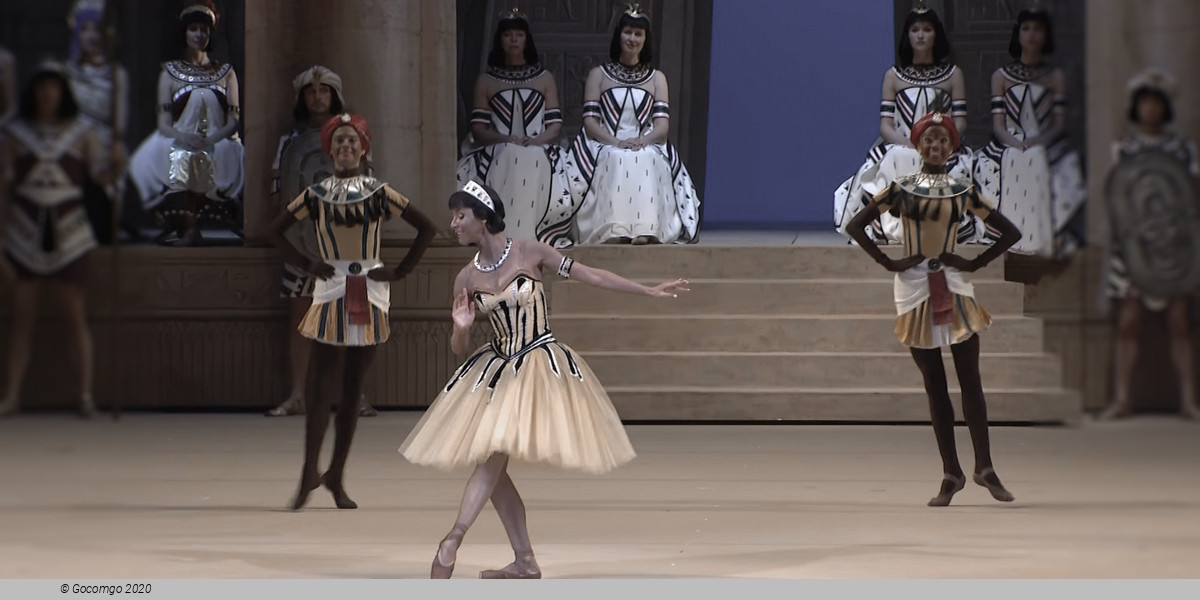
Staged in 1862, The Pharaoh's Daughter was one of the largest and most luxurious ballets of its time.

Marius Petipa´s choreographic text was restored using Nikolai Sergeyev´s notation from the Harvard Theatre Collection.

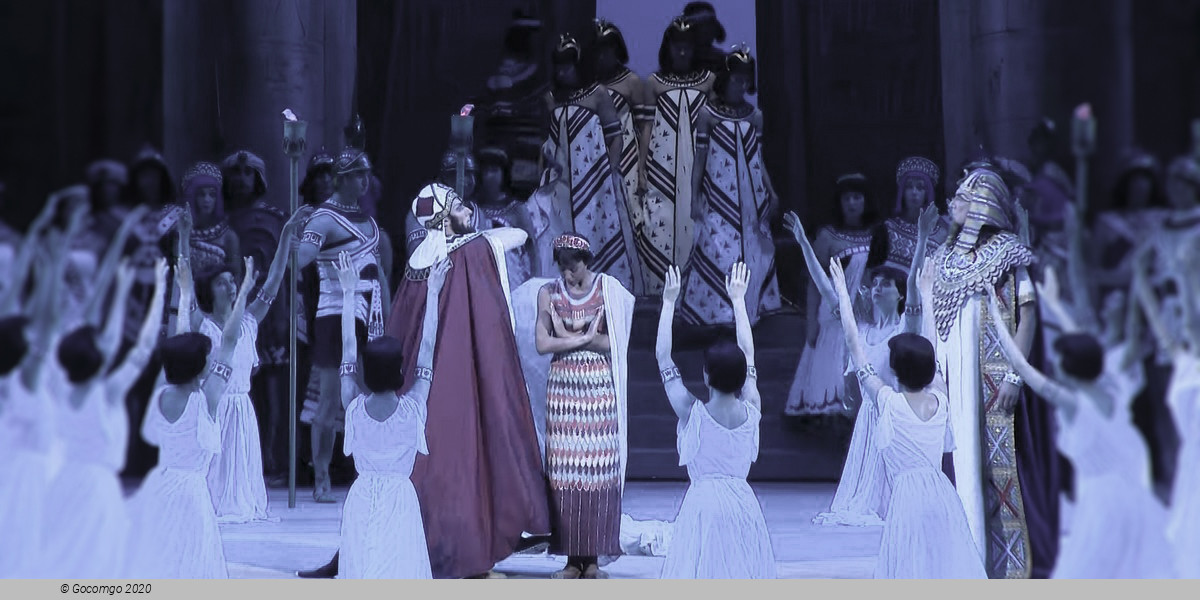
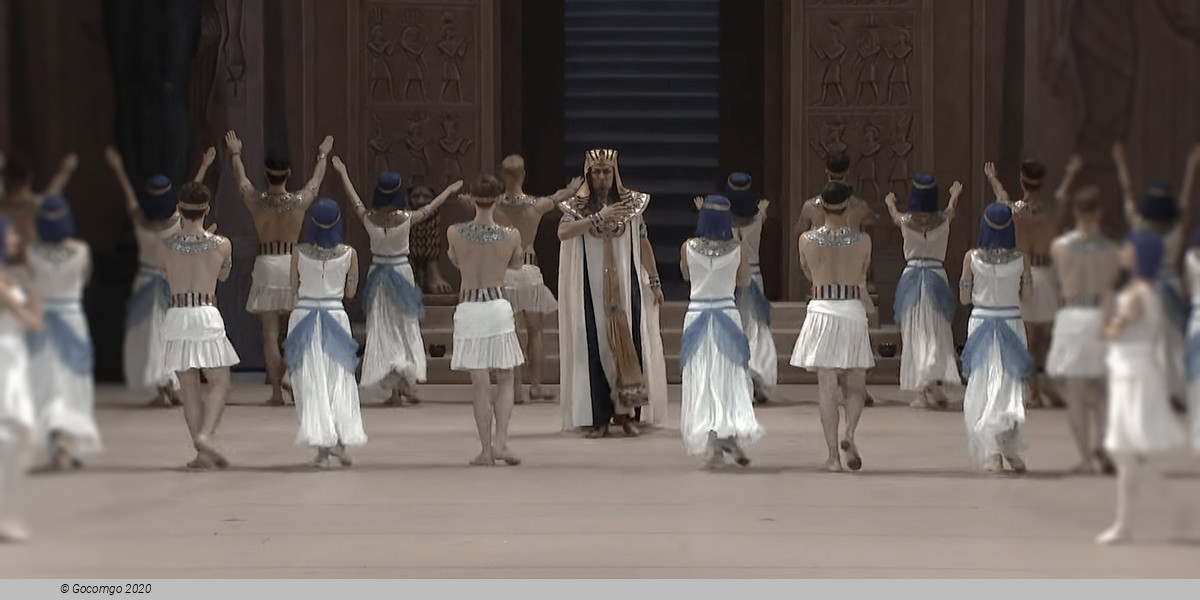
The settings and costumes were created based on sketches of the original production of the Imperial Ballet at the Imperial Bolshoi (Stone) Theatre on January 18 (30), 1862 (art design by Andreas Roller, set design by Hermann Wagner, costumes by Kelver and Stolyarov) and sketches of the production at the Mariinsky theatre presented on November 10 (22), 1885 (art design by Orest Allegri, set design by Pyotr Lambin, costumes by Grigoriev and Evgeny Ponomarev).

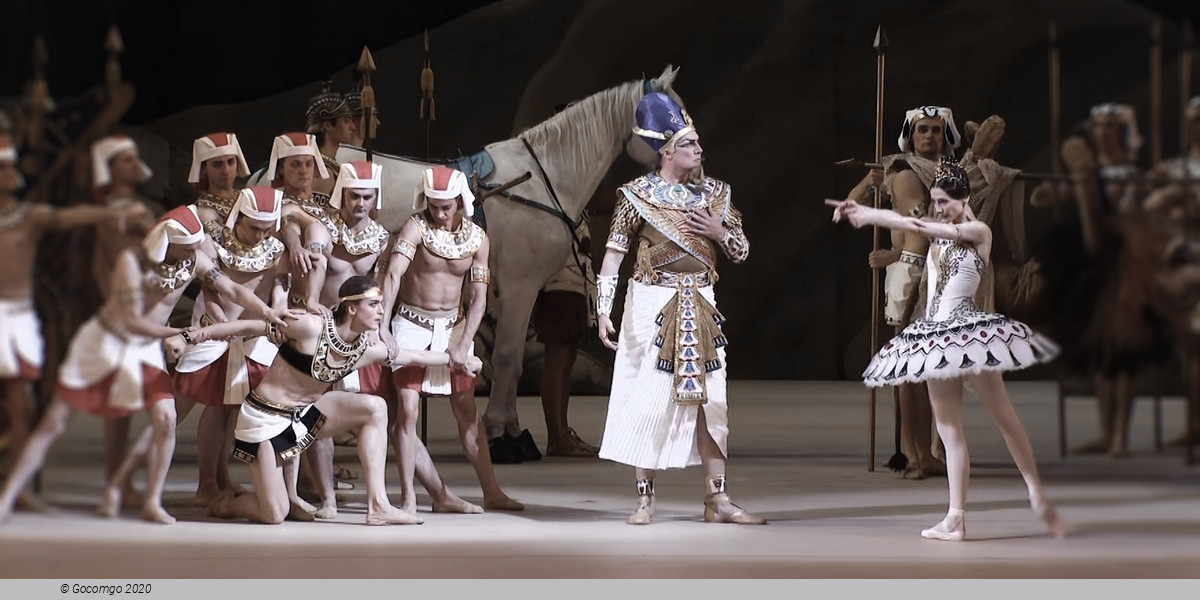
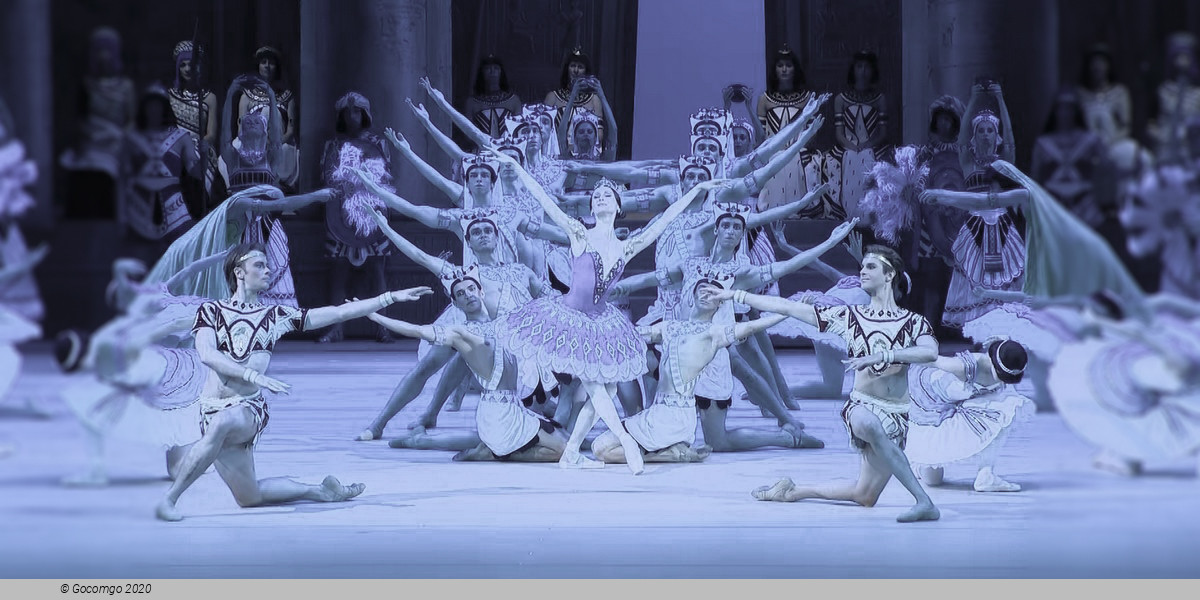
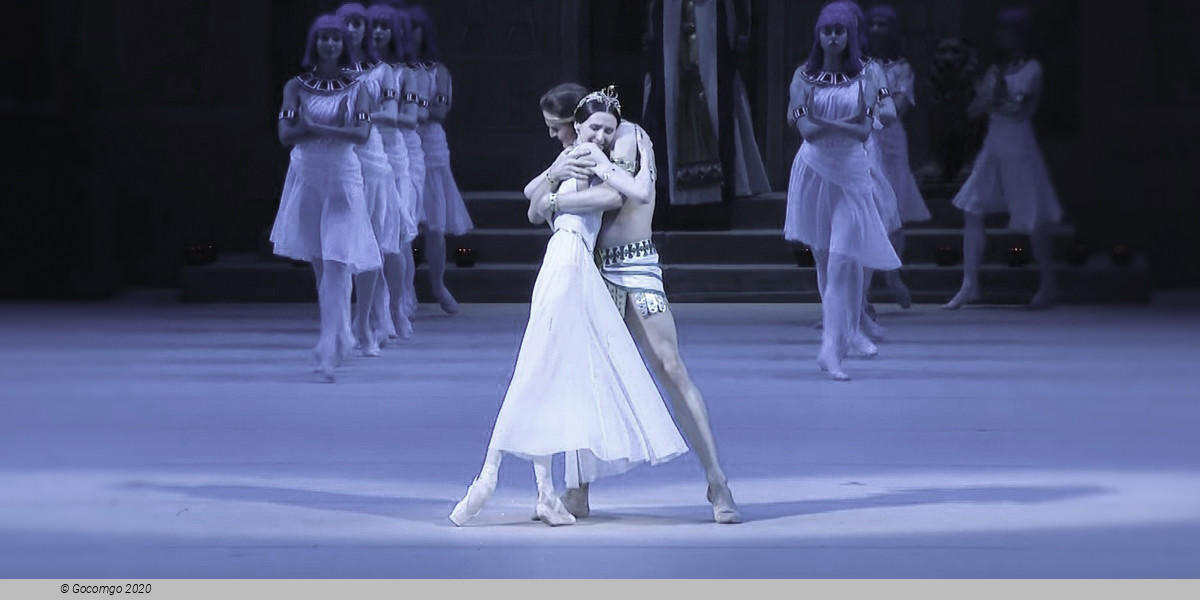
A four-act action with a huge number of characters, and therefore costumes, with eight changes of scenery, inventive stage effects and a variety of props, including two life-sized camels, a lion, a swarm of bees and other accessories of an exotic entourage. The choreographer Marius Petipa did not stint on a variety of dances, since the libretto, compiled together with the French playwright Saint-Georges, gave room for the performance of many soloists. The story of a dream about a revived mummy and her love adventures at the foot of the pyramids and under the waters of the Nile, like most ballets of that time, hardly pretended to catharsis among the audience, but certainly surprised and delighted them with the virtuosity of the dances and the eloquence of pantomime. The performance lasted on the stage for sixty-six years, regularly collecting full houses! The success of "The Pharaoh's Daughter" brought Marius Petipa not only recognition, but also the post of ballet master of the imperial theaters, and for many artists this performance has become one of the most beloved and expensive in the repertoire. At the beginning of the 20th century, the choreographic text was written down, and today the preserved sheets with icons describing movements and verbal comments of eyewitnesses are the main source of knowledge about the dances of the legendary ballet of the past. The pre-revolutionary production sketches became the key to the luxury of the new scenography.

History
Premiere of this production: 18 January 1862, Imperial Bolshoi Kamenny Theatre, St. Petersburg

The Pharaoh's Daughter (La Fille du pharaon) is a ballet choreographed by Marius Petipa to music by Cesare Pugni. The libretto was a collaboration between Jules-Henri Vernoy de Saint-Georges and Petipa from Théophile Gautier's Le Roman de la momie. It was first presented by the Imperial Ballet at the Imperial Bolshoi Kamenny Theatre, in St. Petersburg, Russia, on 18 January (30 January) 1862, with the design by A. Roller, G. Wagner (scenery), Kelwer and Stolyakov (costumes).

Synopsis

Prologue
Scene 1. A Desert near the Pyramids of Gizeh
A caravan of merchants stops to rest near the Pyramid. Englishmen, a young traveler Lord Wilson and his servant John Bull are invited to join them. Bayadères entertain them with dancing. Suddenly, a sandstorm makes everyone seek shelter in the pyramid.
Scene 2. Inside the Pyramid
The old watchman explains that they find themselves inside the resting place of the Pharaohs' daughter Aspicсia. Smoking opium, Lord Wilson falls into a delirious sleep. A magical transformation takes place, the mummies come to life. Reassured to find herself as beautiful as she ever was, Aspicсia approaches the sleeping Lord Wilson. She makes him follow her into the past.

Act I
Scene 3. In the Forest
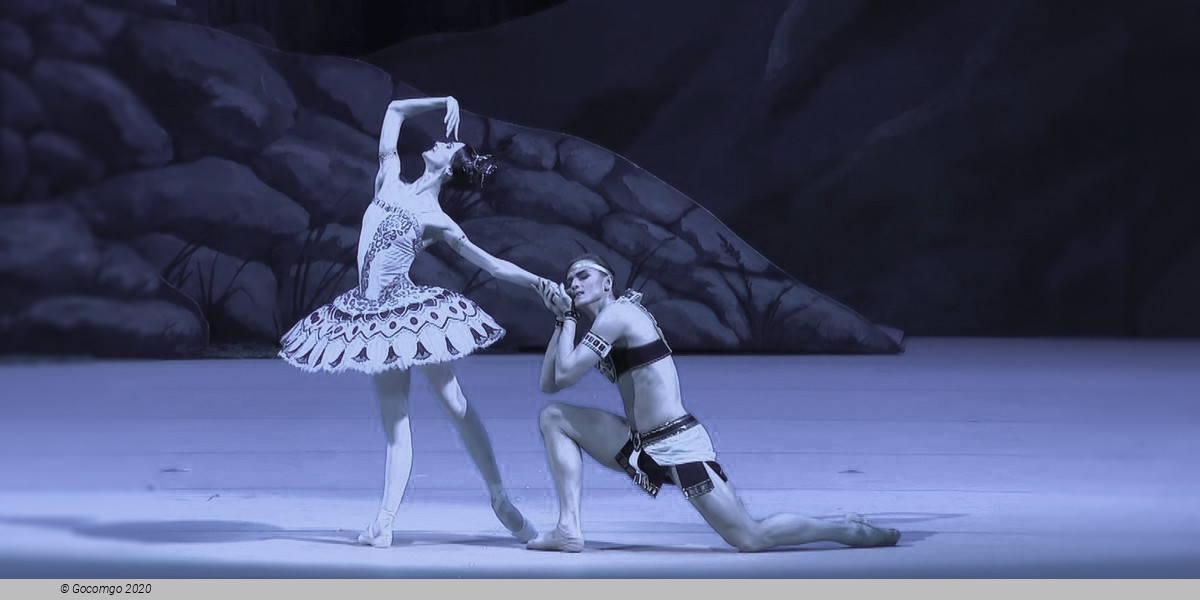
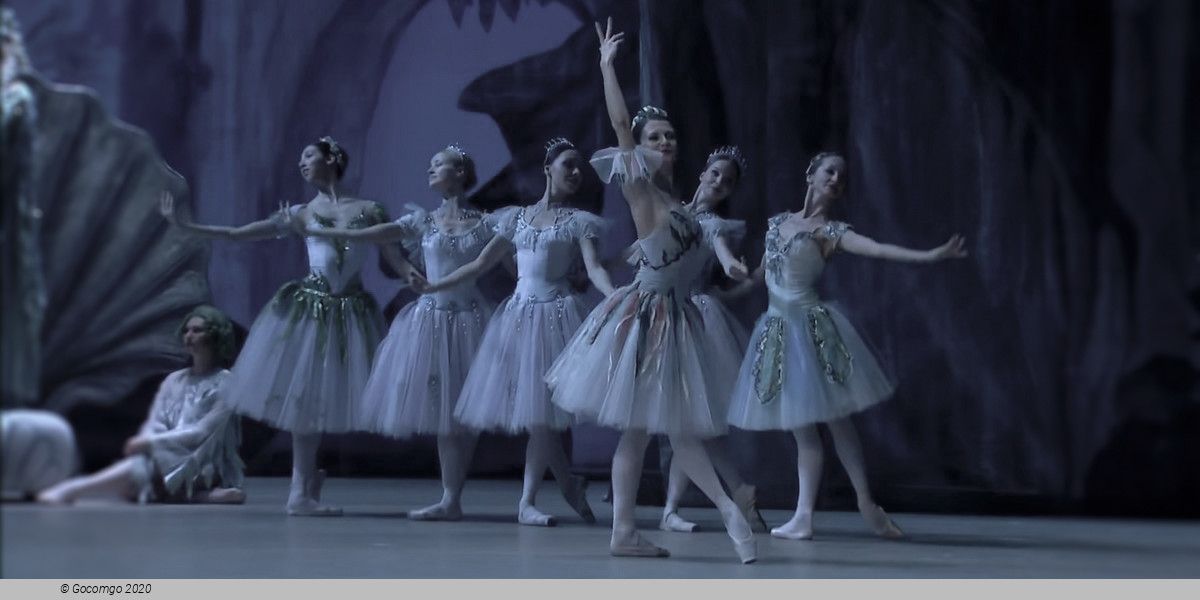
The Pharaoh’s daughter and her retinue are lion hunting. Taking a break, Aspiccia’s confidante Ramzé starts playing lute causing all others to fall asleep. Aspiccia is frightened by a monkey, then a bee stings her. A lion pursued by huntresses threatens her, but the young Egyptian Ta-Hor bravely shoots the beast. Aspiccia thanks him.
The Pharaoh enters with his retinue. He orders Ta-Hor and Pasifonte to be captured, but Aspiccia explains what has happened. The Pharaoh invites them to his palace.

Act II
Scene 4. The Pharaoh's Palace in Thebes
Aspiccia presents Ta-Hor with rich gifts in gratitude for saving her life, but he declines them.
The Pharaoh greets his guest, the Nubian King. Struck by Aspiccia’s beauty, the Nubian King asks for her hand. Ta-Hor reaches out for his dagger to challenge his opponent, but Aspiccia’s pleading gaze calms his anger. Aspiccia and Ta-Hor decide to run away. Ramzé helps them to succeed giving them a secret door key. A slave informs the Pharaoh about the escape of the lovers. The Pharaoh threatens Ramzé with his wrath, but true to her mistress, she does not say a word. The Nubian King pursues the fugitives, while the Pharaoh is in anger and sorrow.

Act III
Scene 5. The Fisherman's Hut
A fisherman’s couple is celebrating their recent wedding. Guised in peasant clothes, Aspiccia, Ta-Hor and Pasifonte knock, asking for shelter. Aspiccia tells the company they were caught in a storm while fishing and barely made it back to shore. At nightfall, the fishermen set off to fish. Ta-Hor offers them his help. Aspiccia stays alone and is startled by the Nubian King. He reminds her that she is his fiancée. Aspiccia orders him to leave, telling that she is in love with another man. The Nubian King is deeply offended. Aspiccia finding no escape throws herself into the Nile. Ta-Hor and Pasifonte return, but instead of the princess, they find the Nubian King, who demands that they be captured.
Scene 6. In the Nile
Aspiccia’s body descends to the bottom of the river. The Nile greets her and arranges a celebration in her honor, to which rivers are invited from different countries. Aspiccia asks to see her loved ones again. She perceives her father in deep sadness, and her beloved in chains. Struck by this, she begs to be brought back to the surface. The Nile grants her wish.

Act IV
Scene 7. The Pharaoh's Palace in Thebes
The Pharaoh doesn't understand what has happened to his daughter. To demonstrate what punishment awaits the captive Ta-Hor, Pasifonte and Ramzeé, he orders a slave to be killed by a venomous snake.
Just in time Aspiccia and the fishermen enter the palace. She tells her father about her adventures. Pleading for justice, she accuses the Nubian King for mistreating her. The Pharaoh liberates the innocent, blesses his daughter's union with Ta-Hor, and orders the Nubian King to leave. The feast begins.

Epilogue
Aspiccia calls for Lord Wilson. Or is it still a dream?

An English lord and John Bull, his servant, and a guide shelter from a sandstorm in a pyramid during an African safari. They start to become noisy, but the guide asks them to quiet down in respect for the Pharaoh's daughter who is lying in a coffin somewhere in the pyramid. So, to pass the time, the guide gives out opium. As soon as the nobleman puffs the opium, weird things start to happen. The many other mummies in the pyramid start to come alive. Suddenly the Pharaoh's daughter, Aspicia, comes alive and lays her hand over the nobleman's heart, and the nobleman is transported into the past. He becomes Ta-Hor, an ancient Egyptian man who saves Aspicia from a lion. Ta-Hor and Aspicia fall in love, but she is betrothed to the Nubian king. They run away together and the king chases them. Ta-Hor and Aspicia stop in a fishermen's inn to hide out, and the local fishermen ask them if they want to come on a fishing trip. Aspicia decides to stay behind. Then the Nubian king stops at the inn to rest and finds Aspicia who jumps into the Nile River to escape his guards.

At the bottom of the river, the Spirit of the Nile summons the great rivers of the world to dance for Aspicia, then he tells her that she must stay. When she hears this, she asks for one wish: to bring her back to land. When the fishermen and Ta-Hor arrive back on land, the Nubian king detains Ta-Hor and brings him back to the Pharaoh's palace to be punished for "kidnapping" the princess.

When Aspicia comes back to land, the fishermen bring her back to the palace. She gets there in time to see Ta-Hor sentenced to death by a cobra bite. She explains that if he dies, she dies, and reaches out for the snake to bite her. The Pharaoh pulls her back and grants her permission to marry Ta-Hor, and the Nubian king leaves in a fit of rage, swearing revenge. Everyone starts to celebrate, but as the party reaches its peak, the opium dream ends and Ta-Hor is transformed back into the English lord. As they leave the pyramid, the nobleman looks back at Aspicia's coffin and remembers the love that they shared and still share.

Venue Info

Mariinsky Theatre - Saint Petersburg
Location   1 Theatre Square

The Mariinsky Theatre is a historic theatre of opera and ballet in Saint Petersburg, Russia. Opened in 1860, it became the preeminent music theatre of late 19th-century Russia, where many of the stage masterpieces of Tchaikovsky, Mussorgsky, and Rimsky-Korsakov received their premieres. Through most of the Soviet era, it was known as the Kirov Theatre. Today, the Mariinsky Theatre is home to the Mariinsky Ballet, Mariinsky Opera and Mariinsky Orchestra. Since Yuri Temirkanov's retirement in 1988, the conductor Valery Gergiev has served as the theatre's general director.

The theatre is named after Empress Maria Alexandrovna, wife of Tsar Alexander II. There is a bust of the Empress in the main entrance foyer. The theatre's name has changed throughout its history, reflecting the political climate of the time.

The theatre building is commonly called the Mariinsky Theatre. The companies that operate within it have for brand recognition purposes retained the Kirov name, acquired during the Soviet era to commemorate the assassinated Leningrad Communist Party leader Sergey Kirov (1886–1934).

The Imperial drama, opera and ballet troupe in Saint Petersburg was established in 1783, at the behest of Catherine the Great, although an Italian ballet troupe had performed at the Russian court since the early 18th century. Originally, the ballet and opera performances were given in the wooden Karl Knipper Theatre on Tsaritsa Meadow, near the present-day Tripartite Bridge (also known as the Little Theatre or the Maly Theatre). The Hermitage Theatre, next door to the Winter Palace, was used to host performances for an elite audience of aristocratic guests invited by the Empress.

A permanent theatre building for the new company of opera and ballet artists was designed by Antonio Rinaldi and opened in 1783. Known as the Imperial Bolshoi Kamenny Theatre the structure was situated on Carousel Square, which was renamed Theatre Square in honour of the building. Both names – "Kamenny" (Russian word for "stone") and "Bolshoi" (Russian word for "big") – were coined to distinguish it from the wooden Little Theatre. In 1836, the Bolshoi Kamenny Theatre was renovated to a design by Albert Cavos (son of Catterino Cavos, an opera composer), and served as the principal theatre of the Imperial Ballet and opera.

On 29 January 1849, the Equestrian circus (Конный цирк) opened on Theatre Square. This was also the work of the architect Cavos. The building was designed to double as a theatre. It was a wooden structure in the then-fashionable neo-Byzantine style. Ten years later, when this circus burnt down, Albert Cavos rebuilt it as an opera and ballet house with the largest stage in the world. With a seating capacity of 1,625 and a U-shaped Italian-style auditorium, the theatre opened on 2 October 1860, with a performance of A Life for the Tsar. The new theatre was named Mariinsky after its imperial patroness, Empress Maria Alexandrovna.

Under Yuri Temirkanov, Principal Conductor from 1976 to 1988, the Opera Company continued to stage innovative productions of both modern and classic Russian operas. Although functioning separately from the Theatre’s Ballet Company, since 1988 both companies have been under the artistic leadership of Valery Gergiev as Artistic Director of the entire Theatre.

The Opera Company has entered a new era of artistic excellence and creativity. Since 1993, Gergiev’s impact on opera there has been enormous. Firstly, he reorganized the company’s operations and established links with many of the world's great opera houses, including the Royal Opera House, Covent Garden, the Metropolitan Opera, the Opéra Bastille, La Scala, La Fenice, the Israeli Opera, the Washington National Opera and the San Francisco Opera. Today, the Opera Company regularly tours to most of these cities.

Gergiev has also been innovative as far as Russian opera is concerned: in 1989, there was an all-Mussorgsky festival featuring the composer’s entire operatic output. Similarly, many of Prokofiev’s operas were presented from the late 1990s. Operas by non-Russian composers began to be performed in their original languages, which helped the Opera Company to incorporate world trends. The annual international "Stars of the White Nights Festival" in Saint Petersburg, started by Gergiev in 1993, has also put the Mariinsky on the world’s cultural map. That year, as a salute to the imperial origins of the Mariinsky, Verdi's La forza del destino, which received its premiere in Saint Petersburg in 1862, was produced with its original sets, costumes and scenery. Since then, it has become a characteristic of the "White Nights Festival" to present the premieres from the company’s upcoming season during this magical period, when the hours of darkness practically disappear as the summer solstice approaches.

Presently, the Company lists on its roster 22 sopranos (of whom Anna Netrebko may be the best known); 13 mezzo-sopranos (with Olga Borodina familiar to US and European audiences); 23 tenors; eight baritones; and 14 basses. With Gergiev in charge overall, there is a Head of Stage Administration, a Stage Director, Stage Managers and Assistants, along with 14 accompanists.

Important Info
Type: Ballet
City: Saint Petersburg, Russia
Starts at: 19:00
Acts: 4
Top of page