
Mariinsky Theatre tickets 4 June 2026 - Tamerlano. Performance of the Bolshoi Theatre named after Alisher Navoi (Tashkent) | GoComGo.com

Tamerlano. Performance of the Bolshoi Theatre named after Alisher Navoi (Tashkent)

Mariinsky Theatre, Mariinsky II, Saint Petersburg, Russia
All photos (5)
Select date and time
7 PM
Request for Tickets
Important Info
Type: Opera
City: Saint Petersburg, Russia
Starts at: 19:00
Duration: 1h 30min

E-tickets: Print at home or at the box office of the event if so specified. You will find more information in your booking confirmation email.

You can only select the category, and not the exact seats.
If you order 2 or 3 tickets: your seats will be next to each other.
If you order 4 or more tickets: your seats will be next to each other, or, if this is not possible, we will provide a combination of groups of seats (at least in pairs, for example 2+2 or 2+3).

Cast
Creators
Composer: George Frideric Handel
Librettist: Nicola Francesco Haym
Director: Stefano Poda
Festival

Stars of the White Nights Festival 2026

The Music Festival Stars of the White Nights 2026 at the legendary Mariinsky Theatre invites you into a world where opera, ballet, and symphonic music unfold with grandeur, precision, and emotional depth. Set in the cultural heart of Saint Petersburg, this prestigious festival continues its tradition of presenting the finest achievements of Russian and international performing arts — a living dialogue between heritage and innovation.

Overview

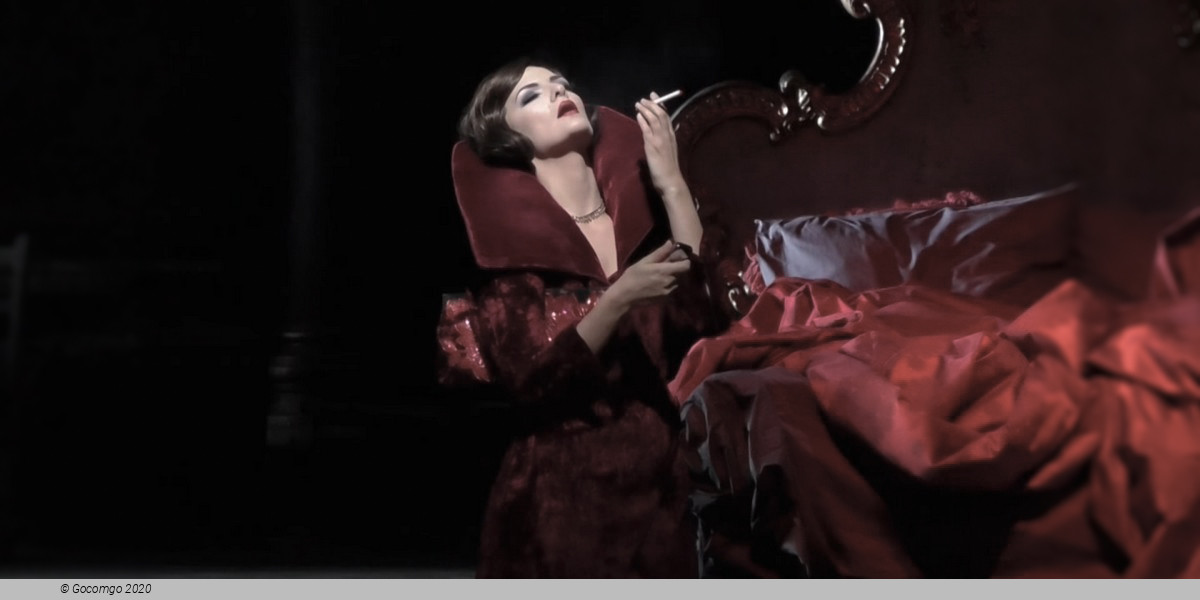
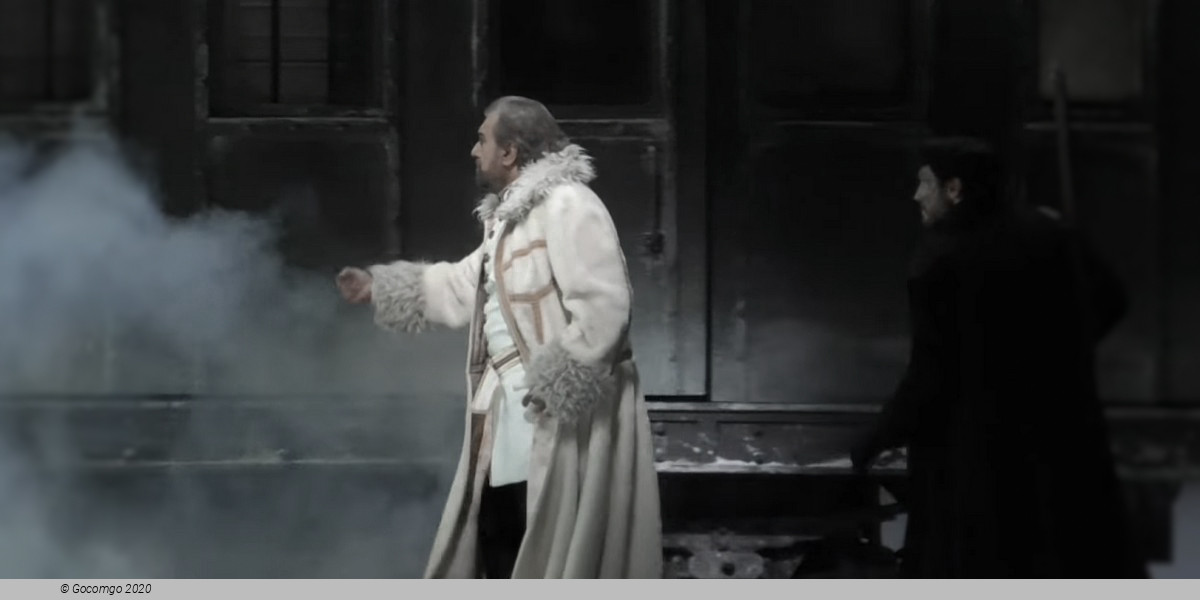
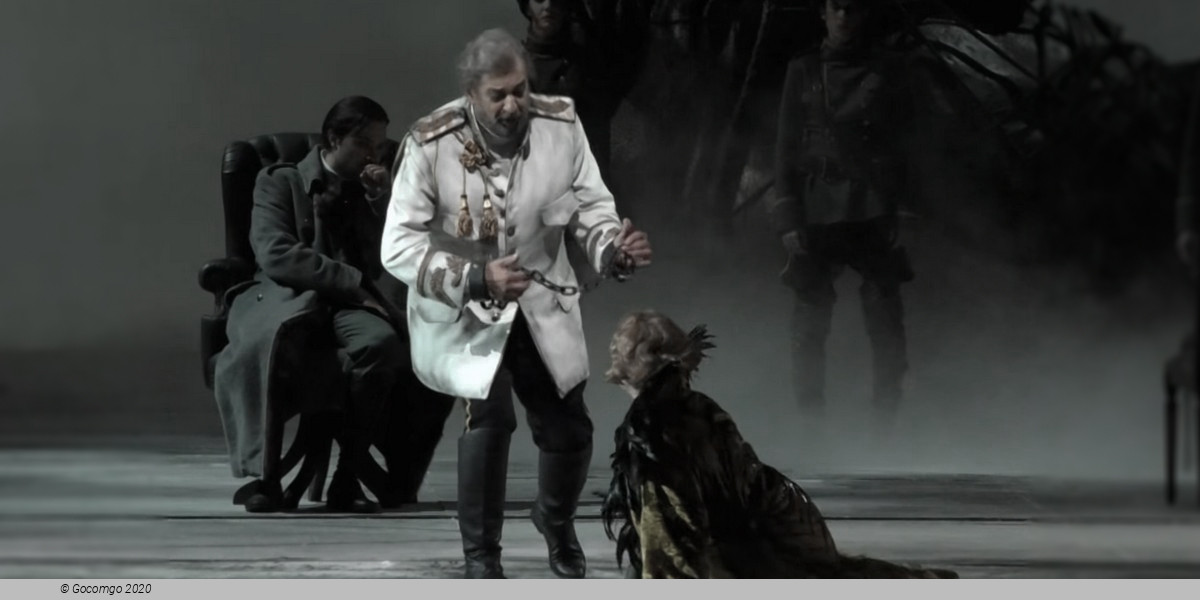
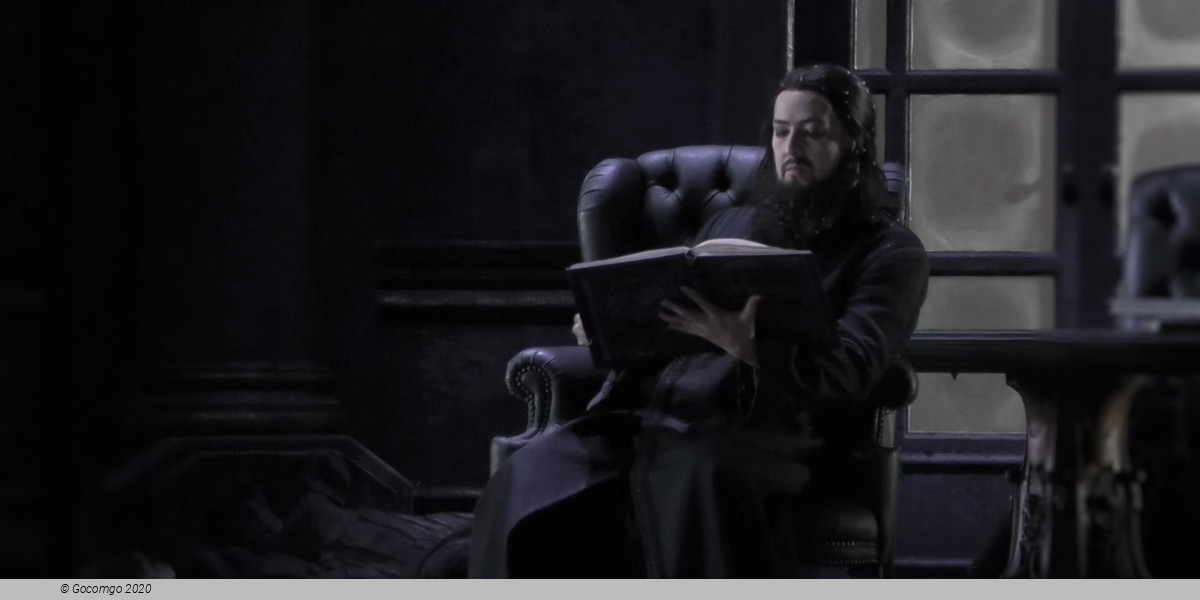
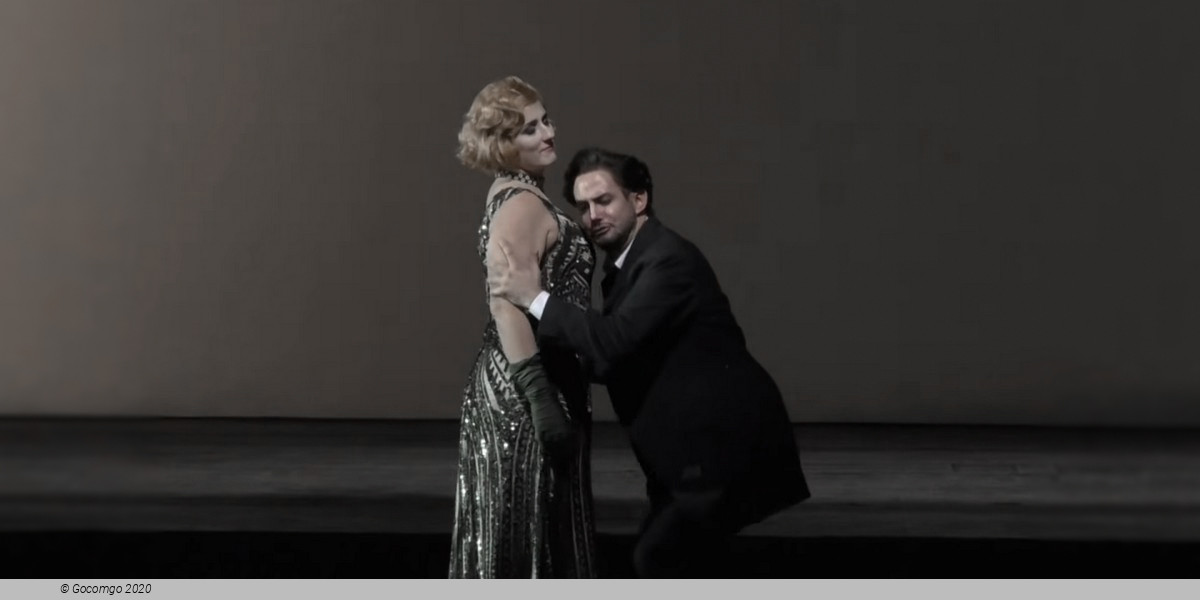
Stefano Poda’s production of Handel’s Tamerlano offers a striking new reading of the Baroque masterpiece. The opera explores the early years of Amir Timur and the dramatic story of his relationship with the daughter of the Ottoman Sultan Bayezid. Handel’s score has been reimagined by contemporary Russian composer Kirill Richter: alongside the Baroque orchestra, the production introduces the colours and timbres of traditional Uzbek instruments.

The principal roles are performed by People’s Artist of Uzbekistan Zhenisbek Piyazov, Spanish tenor Juan Sancho and Argentine soprano Verónica Cangemi. The production also features the Honoured State Choir of the Republic of Uzbekistan, the Uzbegim Karnay-Surnay Ensemble and the Uzbek Folk Instrument Orchestra.

Bringing together more than 160 performers, this large-scale production creates a dialogue between European operatic tradition and Uzbek musical culture.

History
Premiere of this production: 31 October 1724, King's Theatre, London

Tamerlano ("Tamerlane") is an opera seria in three acts written for the Royal Academy of Music theatre company, with music by George Frideric Handel to an Italian text by Nicola Francesco Haym, adapted from Agostin Piovene's Tamerlano together with another libretto entitled Bajazet after Nicolas Pradon's Tamerlan, ou La Mort de Bajazet.

Synopsis

Place: Prusa
Time: 1402

Act 1
The defeated Ottoman Emperor Bajazet is brought in chains to the court of Tamerlano. Tamerlano has ordered Andronico to remove the chains, but Bajazet is mistrustful of this action. Bajazet adds that the only reason he does not commit suicide is his love for his daughter, Asteria. (Aria:"Forte e lieto a morte andrei"). Tamerlano arrives and orders Andronico to try and obtain Bajazet and Asteria's consent for Asteria to marry Tamerlano, with a reward for Andronico of the Greek throne, marriage with Irene, and freedom for Bajazet. Andronico is troubled, as he brought his love Asteria to try and soften Tamerlano, only to see Tamerlano fall in love with her. (Aria:"Bella Asteria"). Tamerlano tells Asteria of his intentions and the offer to Andronico, which makes her angry at Andronico's seeming betrayal.

Bajazet declines Tamerlano's offer, and furthermore is angry at his daughter's seeming meekness at Tamerlano's demands. (Aria:"Ciel e terra armi di sdegno"). However, once alone, Asteria says that despite Andronico's apparent treachery, her feelings for him have not changed. (Aria:"Deh, lasciatemi.") Irene arrives to learn that she is no longer to marry Tamerlano, but instead Andronico. Andronico tells Irene that she can still change the outcome if she pretends to be her own messenger and takes issue with Tamerlano. She agrees to this plan, while he bemoans his current compromised situation.

Act 2

Tamerlano tells Andronico of Asteria's acceptance of his marriage proposal, and that the two planned weddings, of Tamerlano to Asteria and of Andronico to Irene, will happen soon. Tamerlano and Asteria sing contrasting arias at the situation. Asteria pretends to tell Andronico that she is about to marry Tamerlano, but through a misunderstanding, Andronico is left dejected at the thought. Meanwhile, Leone brings the disguised Irene to Tamerlano, where she pleads Irene's case.(Aria:"Par che mi nasca.") Tamerlano hears her with composure. When Irene and Asteria are alone, Asteria shows sympathy towards Irene and speaks of her own feelings. Irene finds hope in this revelation, while Leone 'comments only on love's irresistible power for good or evil.'

Bajazet is outraged at his daughter's impending marriage to Tamerlano and swears to stop this, while Andronico is furious and resolves to have his vengeance on Tamerlano before he kills himself. Asteria is secretly preparing to kill Tamerlano in the meantime. However, Bajazet manages to stall the wedding, and also avoids being humiliated by Tamerlano when he is stopped. Asteria makes a move to the dais, only for her father to stop her. She then pulls out a dagger, saying that it would have been her present to Tamerlano. After a trio between Tamerlano, Bajazet, and Asteria, Tamerlano orders the death of Bajazet and Asteria. However, Asteria protests that she has never been unfaithful and gets agreement from Bajazet, Andronico, and Irene, which gives her some feeling of happiness. She also feels sad that her plans for assassination failed and that she has lost her chance for happiness.

Act 3

Asteria and Bajazet decide to kill themselves with concealed poison. Alone, Asteria contemplates her oncoming death. Tamerlano makes one last attempt to win Asteria and says that he will even pardon her father. However, Andronico and Asteria declare their love for each other, which enrages Tamerlano and makes him swear his own revenge. Bajazet tries to gain inspiration from their action, while the couple can only find happiness in facing together whatever may come of declaring their mutual love.

Meanwhile, Irene pledges her love to Tamerlano if he returns his own love to her, while Leone hopes that ultimately love will win the day over revenge. Tamerlano prepares to humiliate his enemies, and begins by bringing Bajazet and then Asteria before him. Andronico pleads for mercy from Tamerlano. Tamerlano will not listen, and orders Asteria to become his servant, and that she must first serve him wine. Asteria puts the poison from her father into the cup. Irene then reveals her true identity to Tamerlano and the situation of the poisoned cup. Tamerlano then orders Asteria to decide who first to give the cup to, her father or Andronico, before she may bring it to him. Asteria is about to drink from the cup herself when Andronico hits it out of her hand, which further enrages Tamerlano. He orders Asteria's arrest and confinement in the common seraglio, and that Bajazet will have to see her being shamed. Bajazet, angry at this situation, declares that his spirit will haunt Tamerlano when he has died. (Aria:''Empio, per farti guerra".)

Irene and Tamerlano sing of the happy life that awaits them, after Tamerlano has had his revenge. Leone then reports the arrival of Asteria and Bajazet. Bajazet is surprisingly serene now, but finally reveals that this is because he has taken poison. As he becomes more incoherent, he says goodbye to his daughter and berates Tamerlano, until Andronico and Asteria carry him out of the room. Asteria then returns to ask for death, since Tamerlano can never get what he wants from her. Both Irene and Andronico send after Asteria to try and stop her suicide, while Tamerlano is finally changed by the events he has witnessed as well as by Irene's pleas. He finally pardons Asteria, Andronico, and Bajazet. The opera concludes with a love duet between Tamerlano and Irene, and the chorus sings of love's ability to save light from the dark.

Venue Info

Mariinsky Theatre - Saint Petersburg
Location   1 Theatre Square

The Mariinsky Theatre is a historic theatre of opera and ballet in Saint Petersburg, Russia. Opened in 1860, it became the preeminent music theatre of late 19th-century Russia, where many of the stage masterpieces of Tchaikovsky, Mussorgsky, and Rimsky-Korsakov received their premieres. Through most of the Soviet era, it was known as the Kirov Theatre. Today, the Mariinsky Theatre is home to the Mariinsky Ballet, Mariinsky Opera and Mariinsky Orchestra. Since Yuri Temirkanov's retirement in 1988, the conductor Valery Gergiev has served as the theatre's general director.

The theatre is named after Empress Maria Alexandrovna, wife of Tsar Alexander II. There is a bust of the Empress in the main entrance foyer. The theatre's name has changed throughout its history, reflecting the political climate of the time.

The theatre building is commonly called the Mariinsky Theatre. The companies that operate within it have for brand recognition purposes retained the Kirov name, acquired during the Soviet era to commemorate the assassinated Leningrad Communist Party leader Sergey Kirov (1886–1934).

The Imperial drama, opera and ballet troupe in Saint Petersburg was established in 1783, at the behest of Catherine the Great, although an Italian ballet troupe had performed at the Russian court since the early 18th century. Originally, the ballet and opera performances were given in the wooden Karl Knipper Theatre on Tsaritsa Meadow, near the present-day Tripartite Bridge (also known as the Little Theatre or the Maly Theatre). The Hermitage Theatre, next door to the Winter Palace, was used to host performances for an elite audience of aristocratic guests invited by the Empress.

A permanent theatre building for the new company of opera and ballet artists was designed by Antonio Rinaldi and opened in 1783. Known as the Imperial Bolshoi Kamenny Theatre the structure was situated on Carousel Square, which was renamed Theatre Square in honour of the building. Both names – "Kamenny" (Russian word for "stone") and "Bolshoi" (Russian word for "big") – were coined to distinguish it from the wooden Little Theatre. In 1836, the Bolshoi Kamenny Theatre was renovated to a design by Albert Cavos (son of Catterino Cavos, an opera composer), and served as the principal theatre of the Imperial Ballet and opera.

On 29 January 1849, the Equestrian circus (Конный цирк) opened on Theatre Square. This was also the work of the architect Cavos. The building was designed to double as a theatre. It was a wooden structure in the then-fashionable neo-Byzantine style. Ten years later, when this circus burnt down, Albert Cavos rebuilt it as an opera and ballet house with the largest stage in the world. With a seating capacity of 1,625 and a U-shaped Italian-style auditorium, the theatre opened on 2 October 1860, with a performance of A Life for the Tsar. The new theatre was named Mariinsky after its imperial patroness, Empress Maria Alexandrovna.

Under Yuri Temirkanov, Principal Conductor from 1976 to 1988, the Opera Company continued to stage innovative productions of both modern and classic Russian operas. Although functioning separately from the Theatre’s Ballet Company, since 1988 both companies have been under the artistic leadership of Valery Gergiev as Artistic Director of the entire Theatre.

The Opera Company has entered a new era of artistic excellence and creativity. Since 1993, Gergiev’s impact on opera there has been enormous. Firstly, he reorganized the company’s operations and established links with many of the world's great opera houses, including the Royal Opera House, Covent Garden, the Metropolitan Opera, the Opéra Bastille, La Scala, La Fenice, the Israeli Opera, the Washington National Opera and the San Francisco Opera. Today, the Opera Company regularly tours to most of these cities.

Gergiev has also been innovative as far as Russian opera is concerned: in 1989, there was an all-Mussorgsky festival featuring the composer’s entire operatic output. Similarly, many of Prokofiev’s operas were presented from the late 1990s. Operas by non-Russian composers began to be performed in their original languages, which helped the Opera Company to incorporate world trends. The annual international "Stars of the White Nights Festival" in Saint Petersburg, started by Gergiev in 1993, has also put the Mariinsky on the world’s cultural map. That year, as a salute to the imperial origins of the Mariinsky, Verdi's La forza del destino, which received its premiere in Saint Petersburg in 1862, was produced with its original sets, costumes and scenery. Since then, it has become a characteristic of the "White Nights Festival" to present the premieres from the company’s upcoming season during this magical period, when the hours of darkness practically disappear as the summer solstice approaches.

Presently, the Company lists on its roster 22 sopranos (of whom Anna Netrebko may be the best known); 13 mezzo-sopranos (with Olga Borodina familiar to US and European audiences); 23 tenors; eight baritones; and 14 basses. With Gergiev in charge overall, there is a Head of Stage Administration, a Stage Director, Stage Managers and Assistants, along with 14 accompanists.

Important Info
Type: Opera
City: Saint Petersburg, Russia
Starts at: 19:00
Duration: 1h 30min
Top of page