
Mariinsky Theatre 18 March 2020 - Samson et Dalila | GoComGo.com

Samson et Dalila

Mariinsky Theatre, Mariinsky II, Saint Petersburg, Russia
All photos (12)
Select date and time
7 PM
Request for Tickets
Important Info
Type: Opera
City: Saint Petersburg, Russia
Starts at: 19:00
Acts: 3
Intervals: 1
Duration:
Sung in: French
Titles in: Russian,English

E-tickets: Print at home or at the box office of the event if so specified. You will find more information in your booking confirmation email.

You can only select the category, and not the exact seats.
If you order 2 or 3 tickets: your seats will be next to each other.
If you order 4 or more tickets: your seats will be next to each other, or, if this is not possible, we will provide a combination of groups of seats (at least in pairs, for example 2+2 or 2+3).

Overview

Premiere of this production: 25 May 2016

History
Premiere of this production: 02 December 1877, Ducal Theatre, Weimar

Samson and Delilah (French: Samson et Dalila) is a grand opera in three acts and four scenes by Camille Saint-Saëns to a French libretto by Ferdinand Lemaire. It was first performed in Weimar at the Grossherzogliches (Grand Ducal) Theater (now the Staatskapelle Weimar) on 2 December 1877 in a German translation.

Synopsis

Act I
A square in the Palestinian city of Gaza, about 1150 years BC. The temple of Dagon, the supreme god of the Philistines, can be seen on the left.
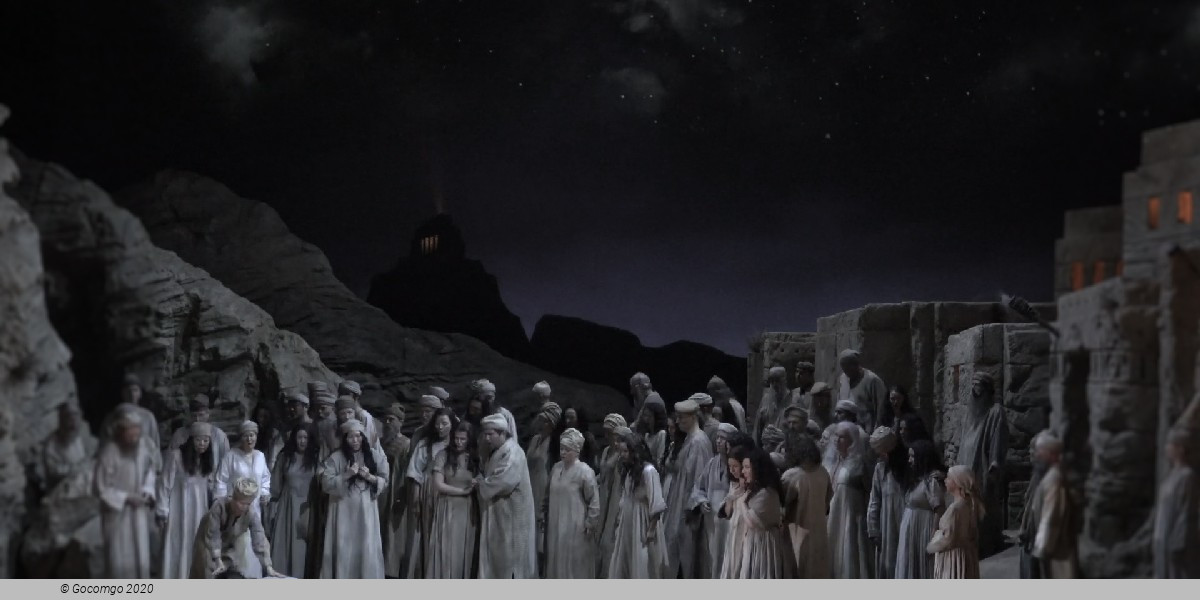
The Jews are gathered in the square. They pray to God: for a long time now they have been enslaved by the Philistines.
Samson calls his tribesmen to revolt. The Jews seem doubtful about the success of the resistance but Samson persuades them with his passionate appeal. The unrest is noticed by Gaza ruler, Satrap Abimelech. He angers the Jews with his mocking speech. In a rage, Samson kills Abimelech and his men flee in panic. The High Priest of Dagon turns up, alarmed by the noise. Seeing the dead Satrap, he urges his fellow citizens to revenge, but they escape, terrified by the revolt. A group of the Jewish elders are going to pray to thank God for the victory. The priestess Delilah accompanied by girls comes out of the temple. Admiring Samson’ courage, she sings him a seductive aria about spring. One of the elders tries to warn the hero, but in vain: he has been enchanted by the beautiful Philistine.

Act II
Valley of Sorek in Palestine. Night.
Delilah waits for Samson, but her thoughts are full of no love but revenge. The High Priest appears. The Jews, led by Samson, are winning new victories, so the priest promises Delilah anything she wants for betraying the hero in his hands. But Delilah needs no reward: her hatred for Samson is great enough.
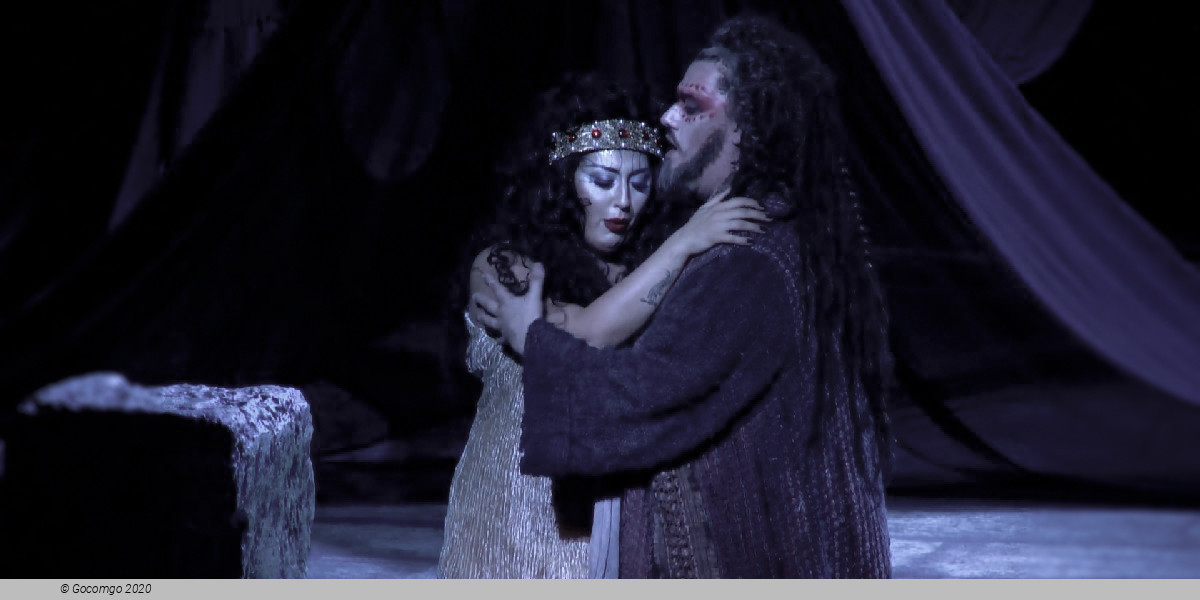
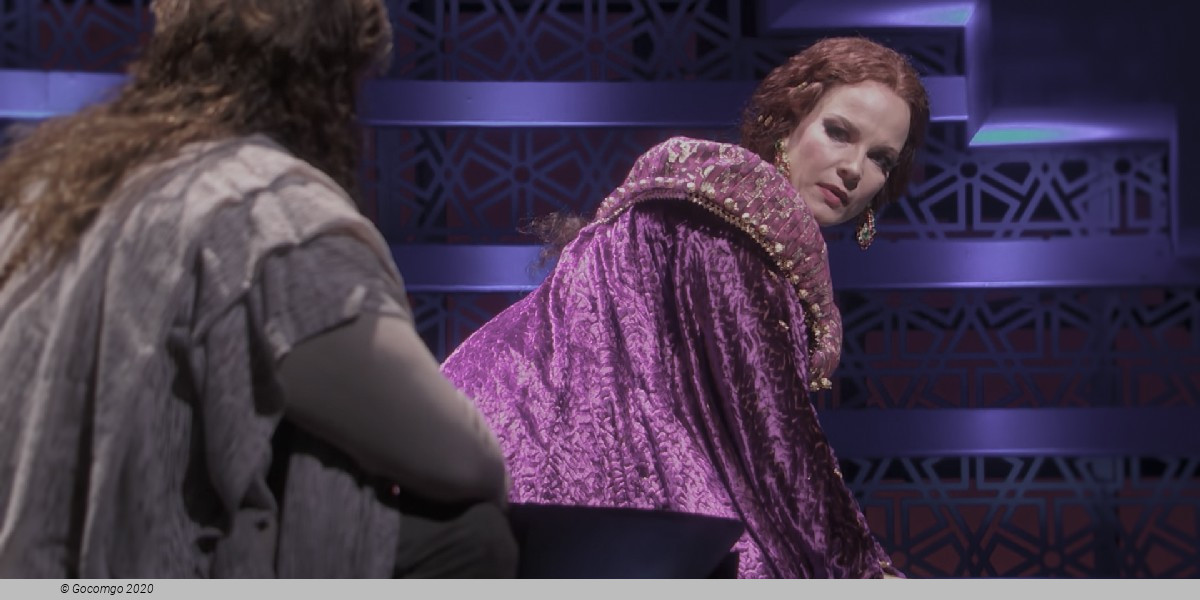
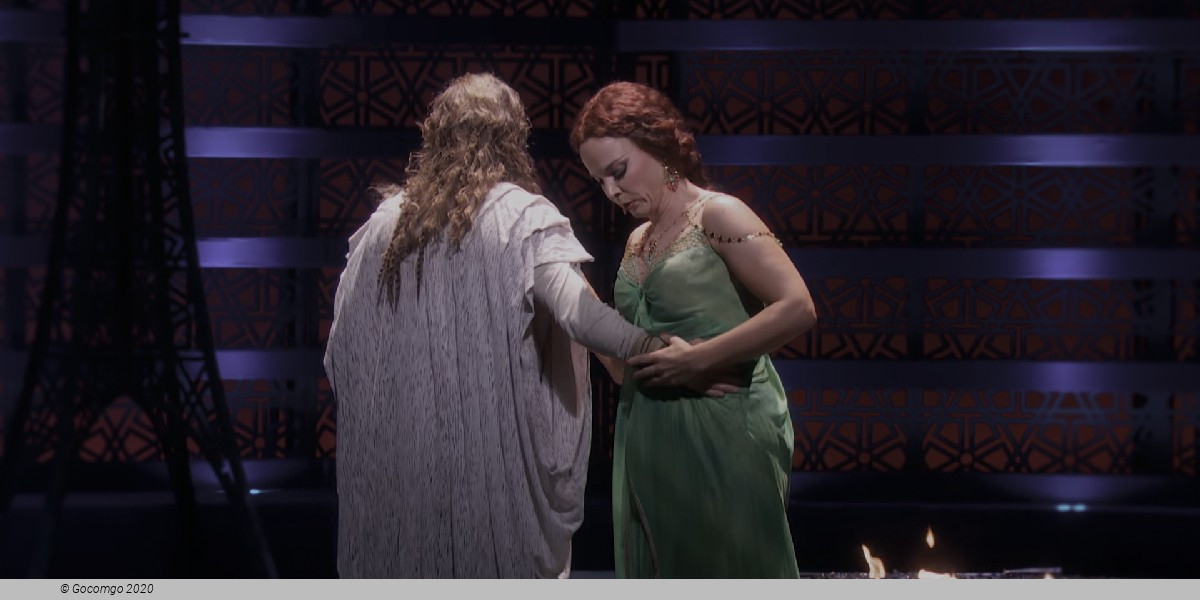
A thunderstorm is coming. The embarrassed Samson turns up. Assuring him of her love and begging to be frank with her, Delilah, by deceit and tenderness, worms out the secret of his invincible strength. The secret lies in Samson’s hair. The Philistine entices the hero into her bed and, while he sleeps, cuts off his hair. Then she calls the warriors who burst into the house to capture Samson.

Act III
Scene one. A prison in Gaza.
Samson, blinded and powerless, prays to God to take his life, but not to punish his countrymen who are suffering again under the hard oppression of the foreigners.
Scene Two. Temple of Dagon.
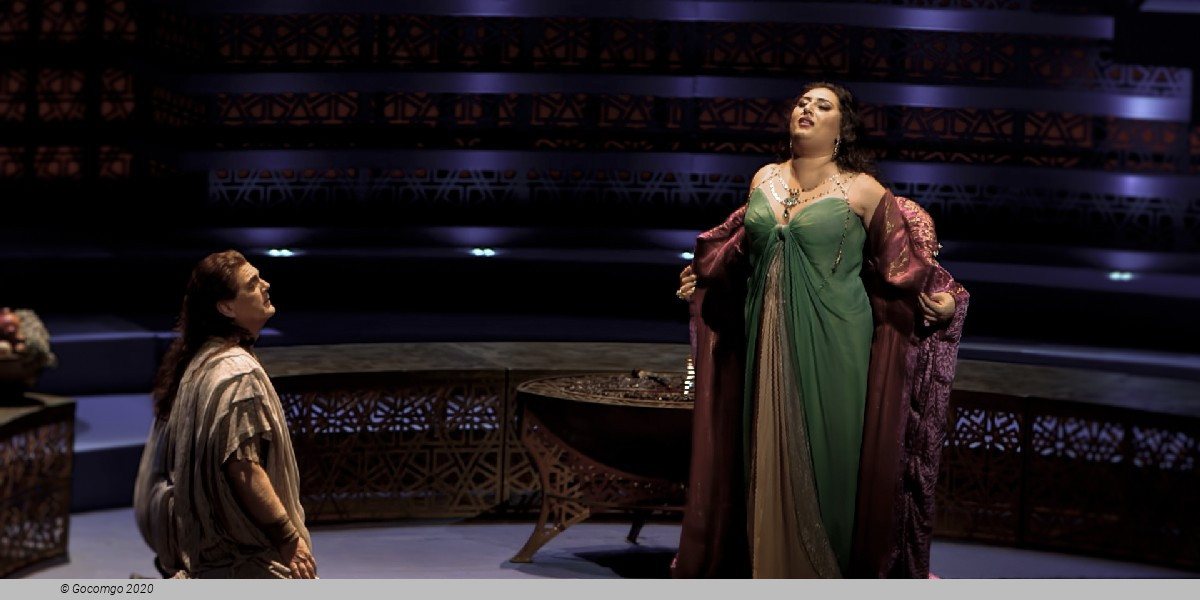
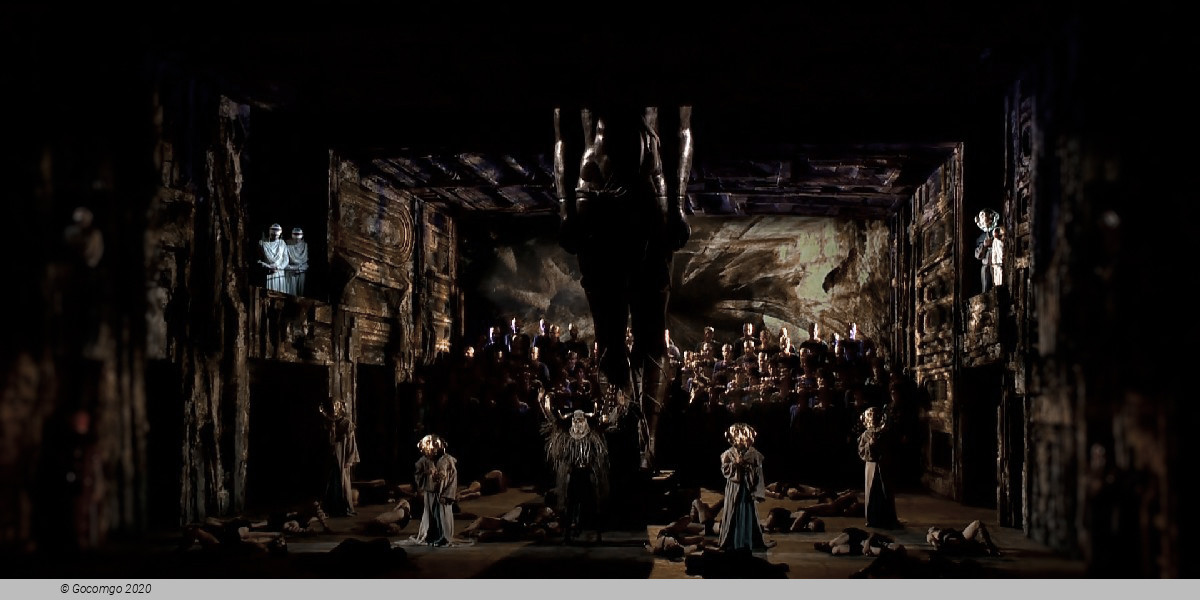
The Philistines celebrate their victory. The blind Samson is brought in. The High Priest mockingly welcomes the defeated hero. Delilah reminds Samson of the moments of bliss, when, embraced by her, he forgot about his duty. At the end of the ceremony, Samson has to kneel down before the statue of Dagon. In anger and despair, the hero cries out to God begging to return his power. Feeling that his prayer has been heard, he asks the guide boy to bring him closer to the columns. Pushing them, Samson destroys the temple and perishes under the rubble, along with his enemies.

Place: Gaza
Time: c. 1150 BC

Act 1
A square in Gaza at night

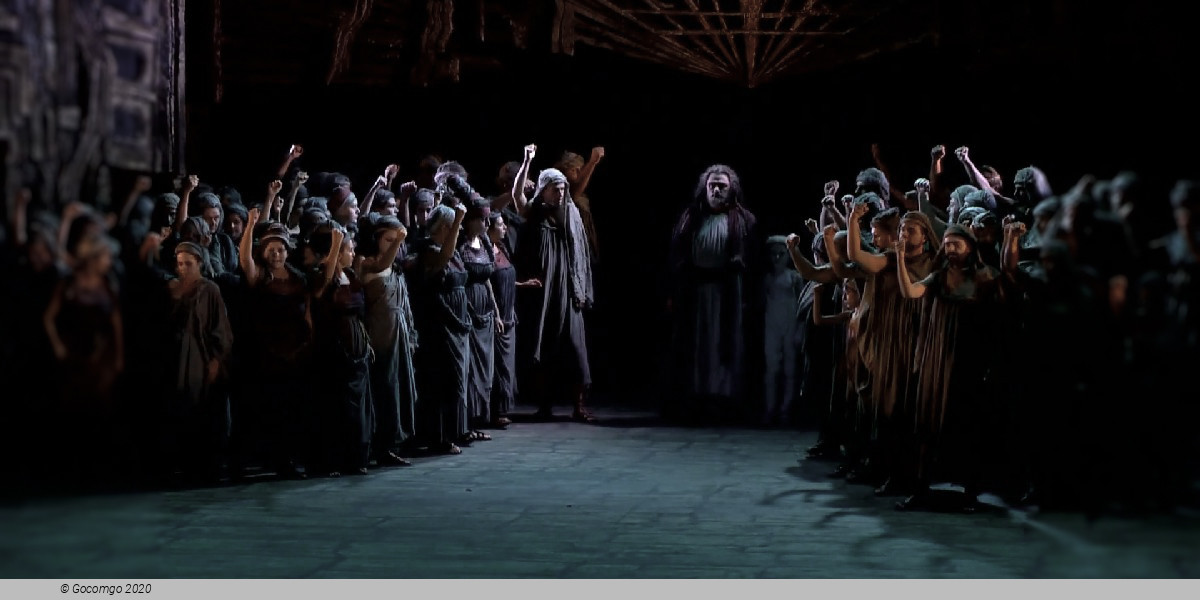
In a square outside the temple of Dagon, a group of Hebrews beg Jehovah for relief from their bondage to the Philistines in a melancholy chorus ("Dieu d'Israël – God of Israel"), which leads into a fugue ("Nous avons vu nos cités renversées – We have seen our cities overturned"). Samson tries to revive the Israelites' morale and faith in God ("Arrêtez, ô mes frères – Stop, O my brothers") in a rousing aria set against the chorus's continuous prayer. Abimelech, the Philistine governor, appears and taunts the Israelites, saying that they are helpless because their god has abandoned them. He further states that his god, Dagon, is far superior ("Ce Dieu que votre voix implore – This God that your voice implores"). The Hebrews cower in fear before Abimelech until Samson incites them into defiant action. Enraged, Abimelech attacks an unarmed Samson with his sword. Samson manages to wrest the sword from Abimelech and kills him.

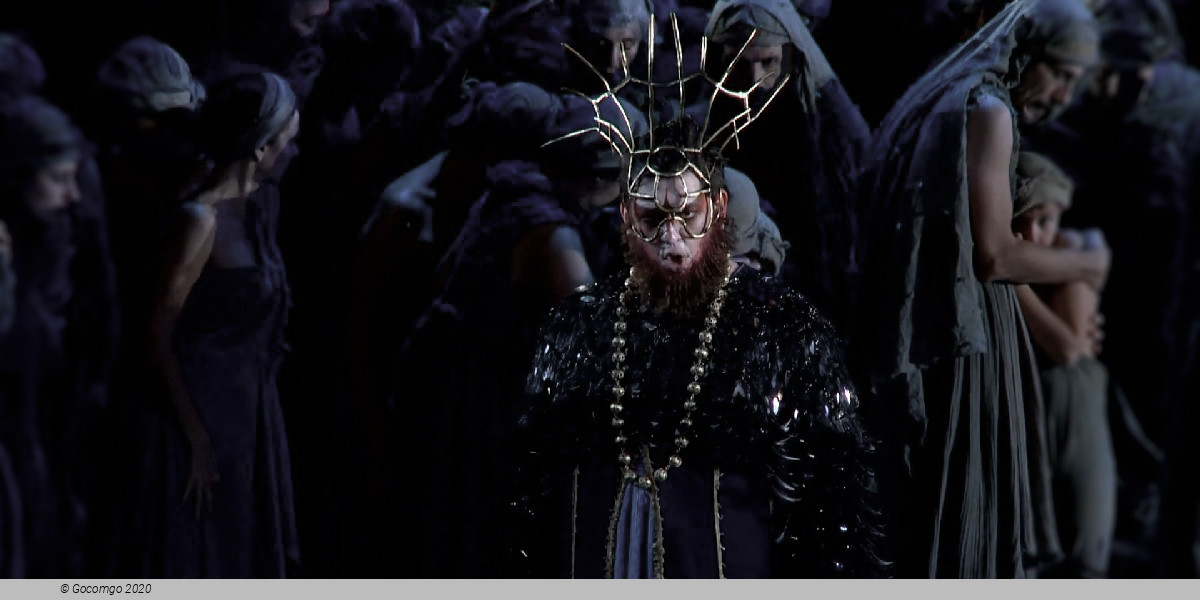
Afraid of what might now happen, the Hebrews flee, abandoning Samson. The High Priest of Dagon comes from the Philistine temple and curses the Hebrews and Samson's prodigious strength. A messenger arrives and informs the High Priest that the Hebrews are destroying the harvest. He responds with a further curse that alludes to his plot to utilize Dalila's beauty to outwit Samson's strength ("Qu'enfin une compagne infâme trahisse son amour! – Finally an infamous companion betray his love!").

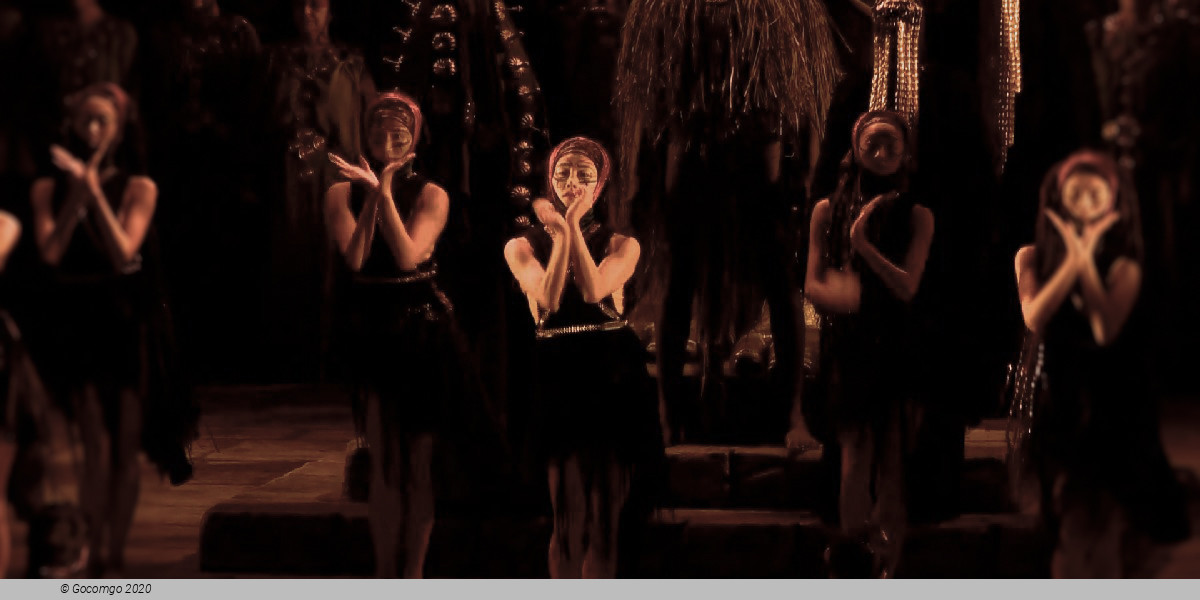
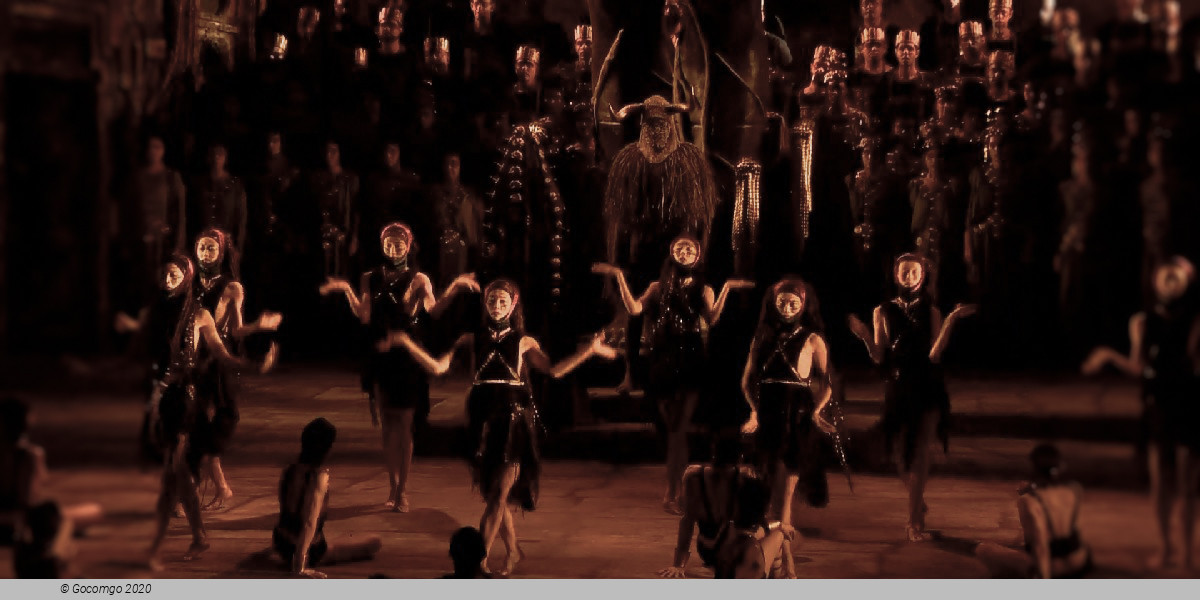
As dawn breaks the Hebrews lift up a humble prayer to God in a style reminiscent of plainchant. Out of the temple emerges Dalila along with several priestesses of Dagon. As they walk down the temple steps, they sing of the pleasures of spring. Dalila engages seductively with Samson proclaiming that he has won her heart and bids him to come with her to her home in the valley of Sorek. As she tries to charm him, a trio forms as an old Hebrew warns of the danger this woman presents and Samson prays for God's protection from Dalila's charms. In an attempt to seduce Samson away from his leadership of the Israelite uprising, Dalila and the priestesses begin a sexually charged dance for him accompanied by a tambourine. After the dance, Dalila sings how spring is blossoming all around her yet, in her heart, she feels like it is still winter ("Printemps qui commence – Spring begins"). As Samson struggles with his desire for Dalila, the old Hebrew repeats his cautionary plea. His warning, however, is made in vain and the curtain closes as Samson meets Delilah's gaze with every intention of going to her nearby dwelling.

Act 2
Delilah's retreat in the Valley of Sorek

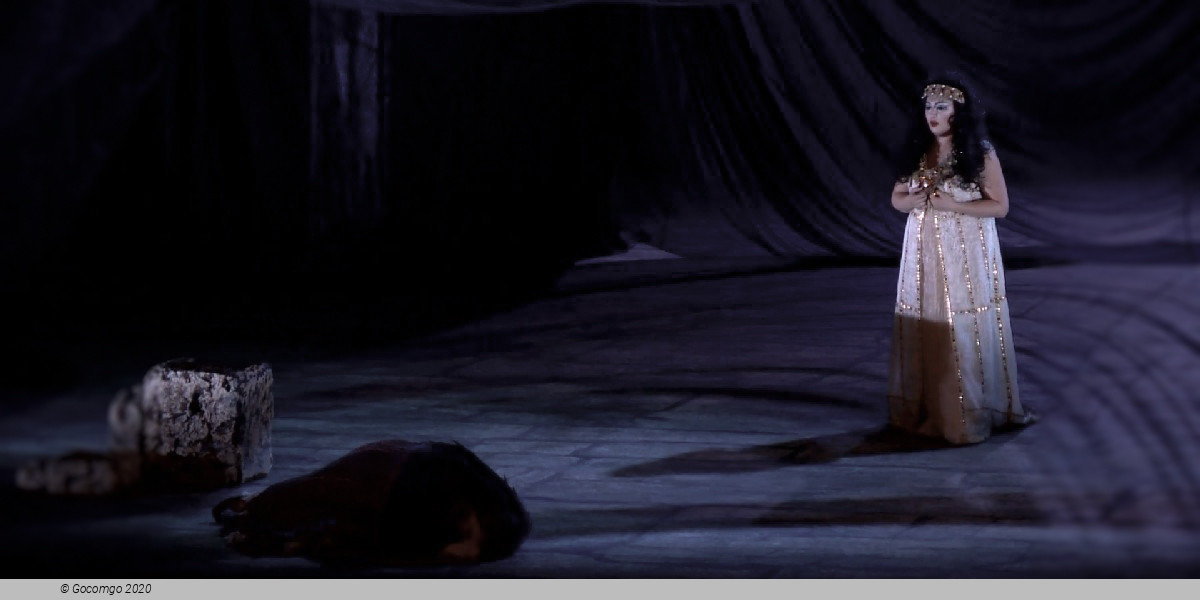
Dalila knows that Samson is entranced with her and will come to her instead of leading the revolution against the Philistines. Sitting on a rock outside the entrance to her retreat, she sings triumphantly about her power to ensnare Samson. She says that all of his strength is hopeless to withstand love's onslaught ("Amour! viens aider ma faiblesse – Love! come help my weakness").

Distant lightning is seen as the High Priest arrives to report that Samson and the Hebrews have conquered the Philistines. He attempts to achieve Samson's capture by offering Dalila gold, but she refuses saying she cares not for money but only for revenge. Her desire to hurt Samson is motivated solely by her loyalty to her gods and her hatred for the Hebrews. Dalila and the High Priest sing a duet expressing their mutual abhorrence for Samson and the Hebrews. Dalila vows to discover the secret of Samson's strength.

Now alone, Dalila contemplates her chances of success. Samson, intent on taking his place as the leader of the Hebrew revolt, emerges to say his last farewell as distant lightning is once again seen. In an attempt to close the trap which she has set for Samson, Dalila tells Samson seductively that she is completely his if he wants her. She begs him to respond to her caresses, hoping that he will finally let go of all other things and concentrate completely on her. His admission Je t'aime! introduces her main aria "Mon cœur s'ouvre à ta voix – My heart opens to your voice", which becomes a duet on the second verse when Samson joins her in song. Now that Dalila has him in her power, she feigns disbelief in his constancy and demands that he show his love by confiding in her the secret of his strength. Samson hears rolling thunder again which now seems like a warning from God and refuses. Dalila weeps and scorns Samson and runs into her dwelling. Samson is momentarily torn but then follows Dalila inside. Not long afterward, having finally learned that the secret of Samson's strength is his long hair, she calls to hidden Philistine soldiers, who rush in to capture and blind Samson.

Act 3

The city of Gaza

Scene 1: In a dungeon at Gaza

His hair shorn and now blind and shackled, Samson is turning a mill-wheel and praying for his people, who will suffer for his sin. He hears their voices, echoing the Hebrews' lament from act 1. Overcome with remorse, Samson offers his life in sacrifice, while the Hebrews are heard in the distance lamenting his fate.

Scene 2: In the Temple of Dagon

A musical interlude is played as the scene changes to the temple of Dagon, where the Philistines are preparing a sacrifice to commemorate their victory. The priests and priestesses of Dagon sing softly, reprising the song to spring from act 1. The music turns savage as the priests dance a wild Bacchanale. Following the dance, Samson enters led by a boy. He is ridiculed by the High Priest and the crowd. Dalila taunts Samson further by recounting to him the details of her devious plot in a variant of her love song. When the priests try to force him to kneel before Dagon, he asks the boy to lead him to the two main pillars of the temple, then telling the child to flee. Samson prays to God to restore his strength, and pushes down the pillars and the temple with them, crushing himself and his enemies. The curtain falls.

Venue Info

Mariinsky Theatre - Saint Petersburg
Location   1 Theatre Square

The Mariinsky Theatre is a historic theatre of opera and ballet in Saint Petersburg, Russia. Opened in 1860, it became the preeminent music theatre of late 19th-century Russia, where many of the stage masterpieces of Tchaikovsky, Mussorgsky, and Rimsky-Korsakov received their premieres. Through most of the Soviet era, it was known as the Kirov Theatre. Today, the Mariinsky Theatre is home to the Mariinsky Ballet, Mariinsky Opera and Mariinsky Orchestra. Since Yuri Temirkanov's retirement in 1988, the conductor Valery Gergiev has served as the theatre's general director.

The theatre is named after Empress Maria Alexandrovna, wife of Tsar Alexander II. There is a bust of the Empress in the main entrance foyer. The theatre's name has changed throughout its history, reflecting the political climate of the time.

The theatre building is commonly called the Mariinsky Theatre. The companies that operate within it have for brand recognition purposes retained the Kirov name, acquired during the Soviet era to commemorate the assassinated Leningrad Communist Party leader Sergey Kirov (1886–1934).

The Imperial drama, opera and ballet troupe in Saint Petersburg was established in 1783, at the behest of Catherine the Great, although an Italian ballet troupe had performed at the Russian court since the early 18th century. Originally, the ballet and opera performances were given in the wooden Karl Knipper Theatre on Tsaritsa Meadow, near the present-day Tripartite Bridge (also known as the Little Theatre or the Maly Theatre). The Hermitage Theatre, next door to the Winter Palace, was used to host performances for an elite audience of aristocratic guests invited by the Empress.

A permanent theatre building for the new company of opera and ballet artists was designed by Antonio Rinaldi and opened in 1783. Known as the Imperial Bolshoi Kamenny Theatre the structure was situated on Carousel Square, which was renamed Theatre Square in honour of the building. Both names – "Kamenny" (Russian word for "stone") and "Bolshoi" (Russian word for "big") – were coined to distinguish it from the wooden Little Theatre. In 1836, the Bolshoi Kamenny Theatre was renovated to a design by Albert Cavos (son of Catterino Cavos, an opera composer), and served as the principal theatre of the Imperial Ballet and opera.

On 29 January 1849, the Equestrian circus (Конный цирк) opened on Theatre Square. This was also the work of the architect Cavos. The building was designed to double as a theatre. It was a wooden structure in the then-fashionable neo-Byzantine style. Ten years later, when this circus burnt down, Albert Cavos rebuilt it as an opera and ballet house with the largest stage in the world. With a seating capacity of 1,625 and a U-shaped Italian-style auditorium, the theatre opened on 2 October 1860, with a performance of A Life for the Tsar. The new theatre was named Mariinsky after its imperial patroness, Empress Maria Alexandrovna.

Under Yuri Temirkanov, Principal Conductor from 1976 to 1988, the Opera Company continued to stage innovative productions of both modern and classic Russian operas. Although functioning separately from the Theatre’s Ballet Company, since 1988 both companies have been under the artistic leadership of Valery Gergiev as Artistic Director of the entire Theatre.

The Opera Company has entered a new era of artistic excellence and creativity. Since 1993, Gergiev’s impact on opera there has been enormous. Firstly, he reorganized the company’s operations and established links with many of the world's great opera houses, including the Royal Opera House, Covent Garden, the Metropolitan Opera, the Opéra Bastille, La Scala, La Fenice, the Israeli Opera, the Washington National Opera and the San Francisco Opera. Today, the Opera Company regularly tours to most of these cities.

Gergiev has also been innovative as far as Russian opera is concerned: in 1989, there was an all-Mussorgsky festival featuring the composer’s entire operatic output. Similarly, many of Prokofiev’s operas were presented from the late 1990s. Operas by non-Russian composers began to be performed in their original languages, which helped the Opera Company to incorporate world trends. The annual international "Stars of the White Nights Festival" in Saint Petersburg, started by Gergiev in 1993, has also put the Mariinsky on the world’s cultural map. That year, as a salute to the imperial origins of the Mariinsky, Verdi's La forza del destino, which received its premiere in Saint Petersburg in 1862, was produced with its original sets, costumes and scenery. Since then, it has become a characteristic of the "White Nights Festival" to present the premieres from the company’s upcoming season during this magical period, when the hours of darkness practically disappear as the summer solstice approaches.

Presently, the Company lists on its roster 22 sopranos (of whom Anna Netrebko may be the best known); 13 mezzo-sopranos (with Olga Borodina familiar to US and European audiences); 23 tenors; eight baritones; and 14 basses. With Gergiev in charge overall, there is a Head of Stage Administration, a Stage Director, Stage Managers and Assistants, along with 14 accompanists.

Important Info
Type: Opera
City: Saint Petersburg, Russia
Starts at: 19:00
Acts: 3
Intervals: 1
Duration:
Sung in: French
Titles in: Russian,English
Top of page