
Mariinsky Theatre 25 February 2020 - Pulcinella. Jeu de cartes | GoComGo.com

Pulcinella. Jeu de cartes

Mariinsky Theatre, Mariinsky II, Saint Petersburg, Russia
All photos (8)
Select date and time
7:30 PM
Request for Tickets
Important Info
Type: Ballet
City: Saint Petersburg, Russia
Starts at: 19:30
Acts: 1
Duration:

E-tickets: Print at home or at the box office of the event if so specified. You will find more information in your booking confirmation email.

You can only select the category, and not the exact seats.
If you order 2 or 3 tickets: your seats will be next to each other.
If you order 4 or more tickets: your seats will be next to each other, or, if this is not possible, we will provide a combination of groups of seats (at least in pairs, for example 2+2 or 2+3).

Overview

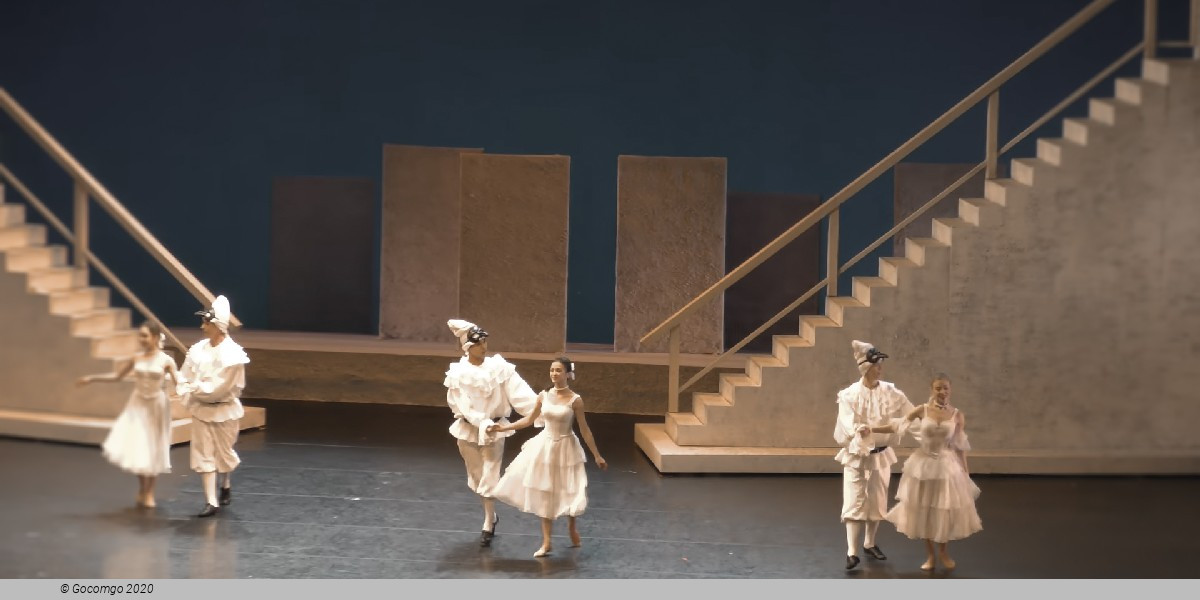
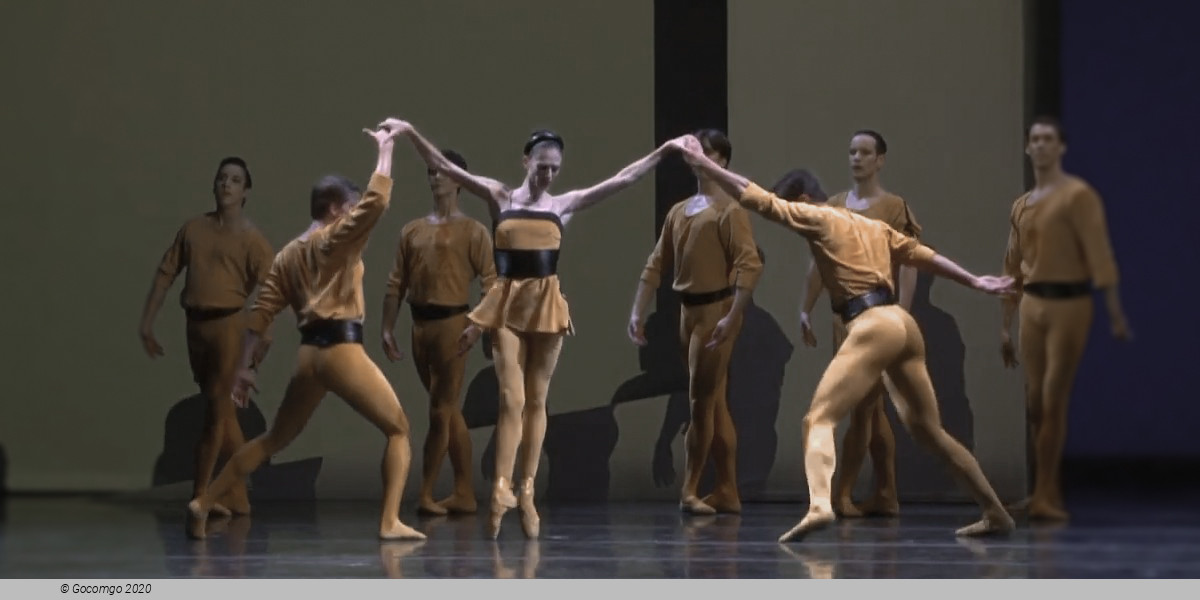
Pulcinella is a witty and jokester character of commedia dell'arte. Sergei Diaghilev granted this eccentric comedian a permanent residence at the music theatre. It was according to his request that Igor Stravinsky carried out his first discovery of the past and composed a score about the tricks of the commedia dell'arte character based on the music of Pergolesi and other composers of the 18th century. Stravinsky arranged the old music with his harmonies, but he said with modesty that “the remarkable thing about Pulcinella is not how much but how little has been added or changed.” For the choreographer Ilya Zhivoy, who presented his Pulcinella as a part of The creative workshop of the young choreographers, it was the music that determined the staging of this ballet. “Music in Pulcinella struck me as drastically different from Stravinsky’s other works (and I have heard almost all of his music written for theatre). – Ilya Zhivoi said. – I dreamt of staging a narrative ballet — and I did not have any prior experience of working with a piece of literature, with characters and personalities, — but I read the libretto of Pulcinella only after I had been inspired tov stage a production by the music.” The choreographer characterized his idea: “I really wanted to stage an airy, cheerful, and colourful ballet, which you can come to see with your family to have a good laugh.”

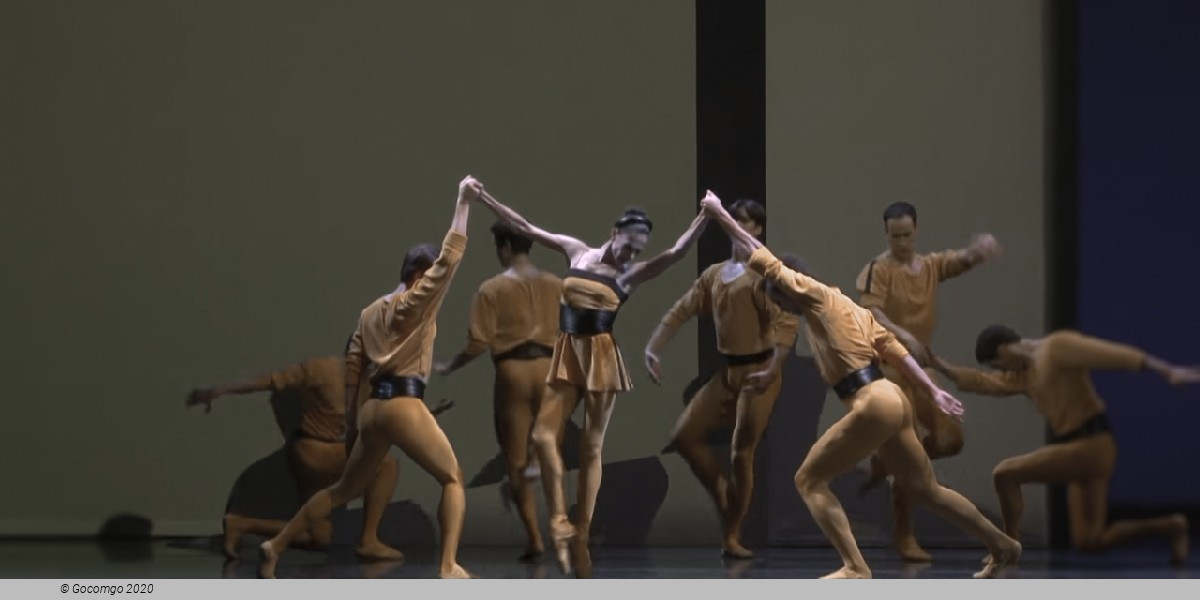
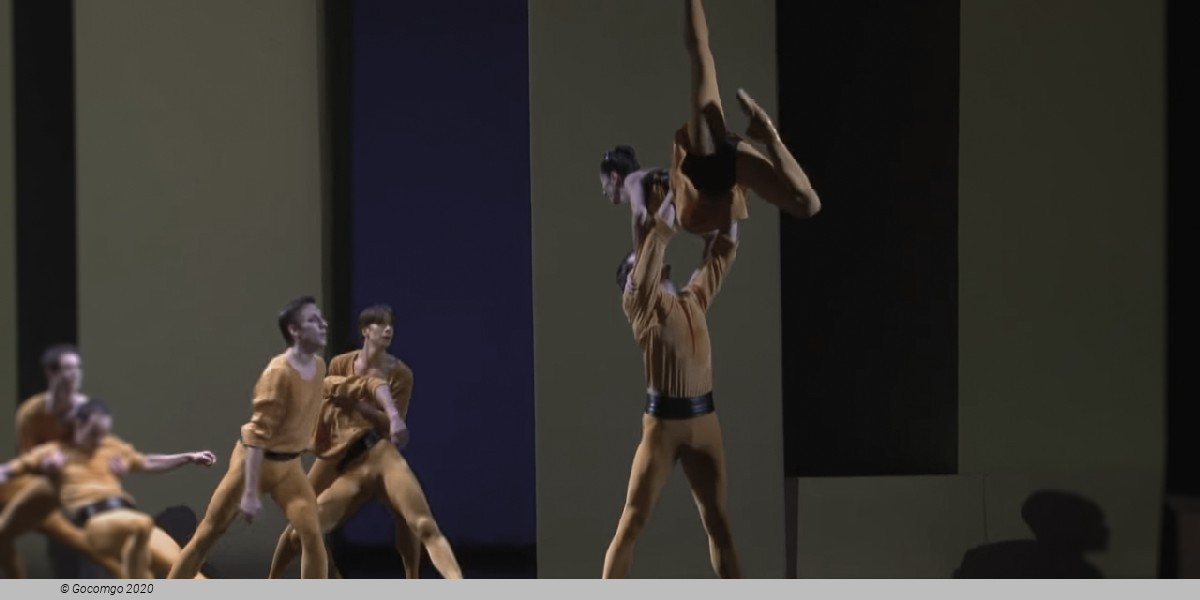
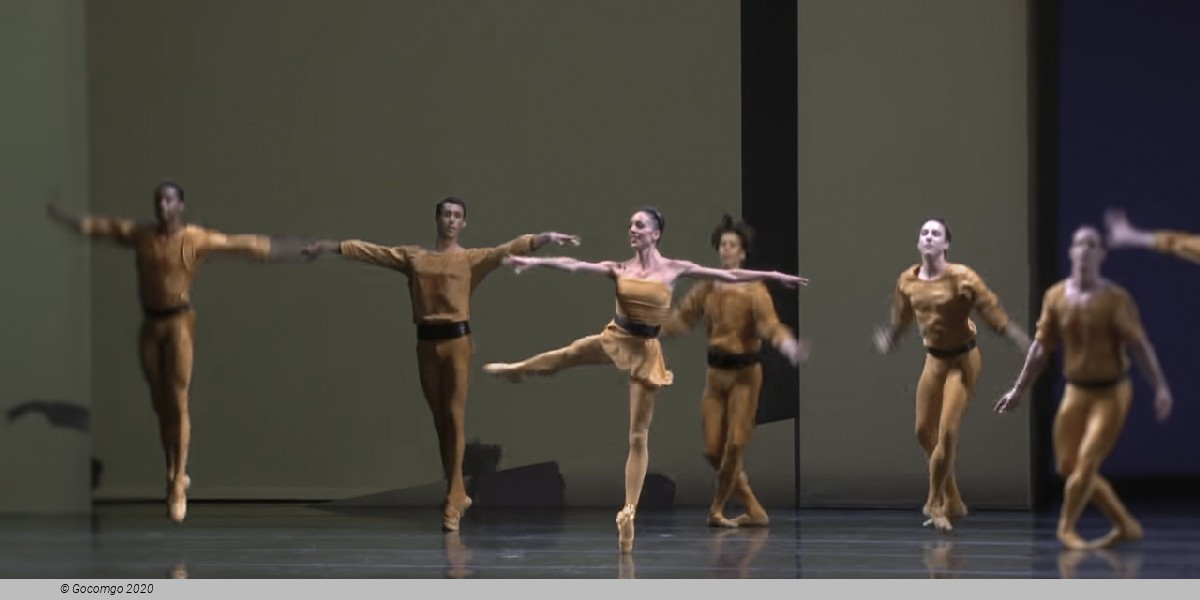
When creating the ballet’s concept, we rejected direct references to the theme of a casino or card games, otherwise it would have been too easy. This concerns everything: the sets and the costumes. But neither did we entirely exclude that element, in the production there are references to Stravinsky’s libretto, and the structure of the score has been retained.
The ballet Jeu de cartes speaks to the audience not about poker, but about the relationships between the three protagonists. It is playing in a love triangle, where the Queen, the King and the Joker are normal, everyday people, but each of them has, apropos, as they do in the card game, their own value and purpose.
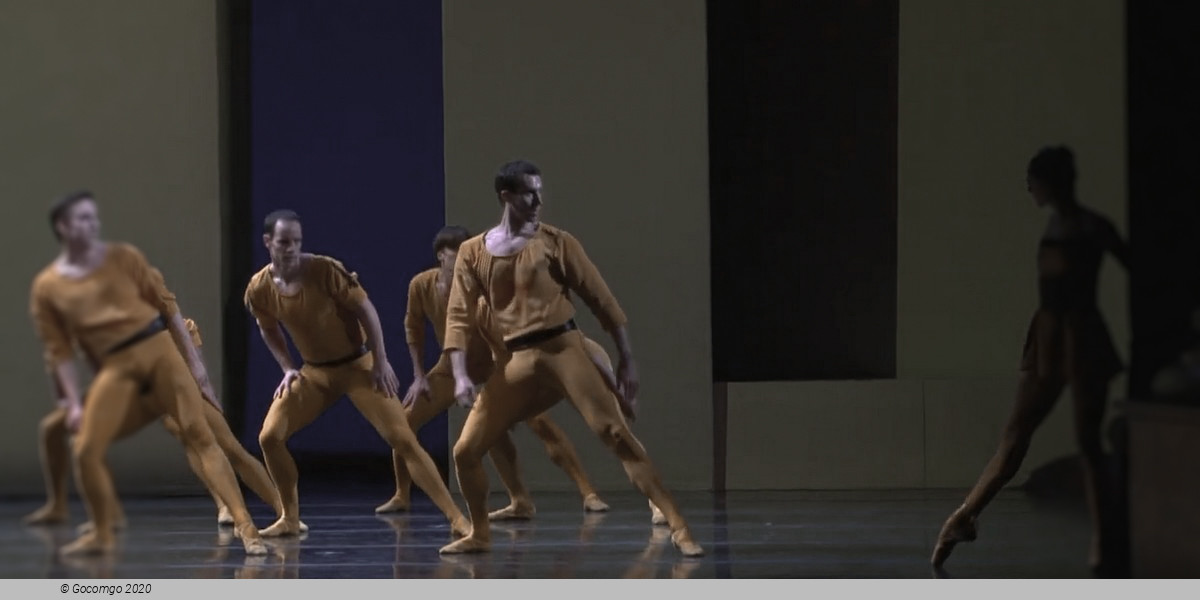
We were inspired by canvases of Rothko, hence the minimalism of detail, the geometry in the decorative design and the intense colours of the costumes. Neither did we forget contemporary technology – the plot is accompanied by video design and an intensive lighting range, while the evening’s protagonists are stars of the Mariinsky Ballet whose talent will be the main focus of the action.
Ilya Zhivoi

History
Premiere of this production: 15 May 1920, Paris Opera, Paris

Pulcinella is a one-act ballet by Igor Stravinsky based on an 18th-century play Quatre Polichinelles semblables ("Four identical Pulcinellas"). Pulcinella is a stock character originating from commedia dell'arte. The ballet premiered at the Paris Opera on 15 May 1920 under the baton of Ernest Ansermet. The dancer Léonide Massine created both the libretto and choreography, and Pablo Picasso designed the original costumes and sets. The ballet was commissioned by Sergei Diaghilev.

Premiere of this production: 27 April 1937, Metropolitan Opera House, New York City

Jeu de cartes (Card Game) is a ballet in three "deals", composed by Igor Stravinsky in 1936–37 with libretto by the composer in collaboration with M. Malaieff (a friend of Stravinsky's eldest son Théodore Stravinsky), and with choreography by George Balanchine. The ballet was premiered by the American Ballet at the Metropolitan Opera House, New York City on 27 April 1937, with the composer conducting. The European premier was on 13 October 1937 at the Dresden Staatsoper. The New York City Ballet premiere took place on 15 February 1951 under the title The Card Game at City Center of Music and Drama, New York.

Synopsis

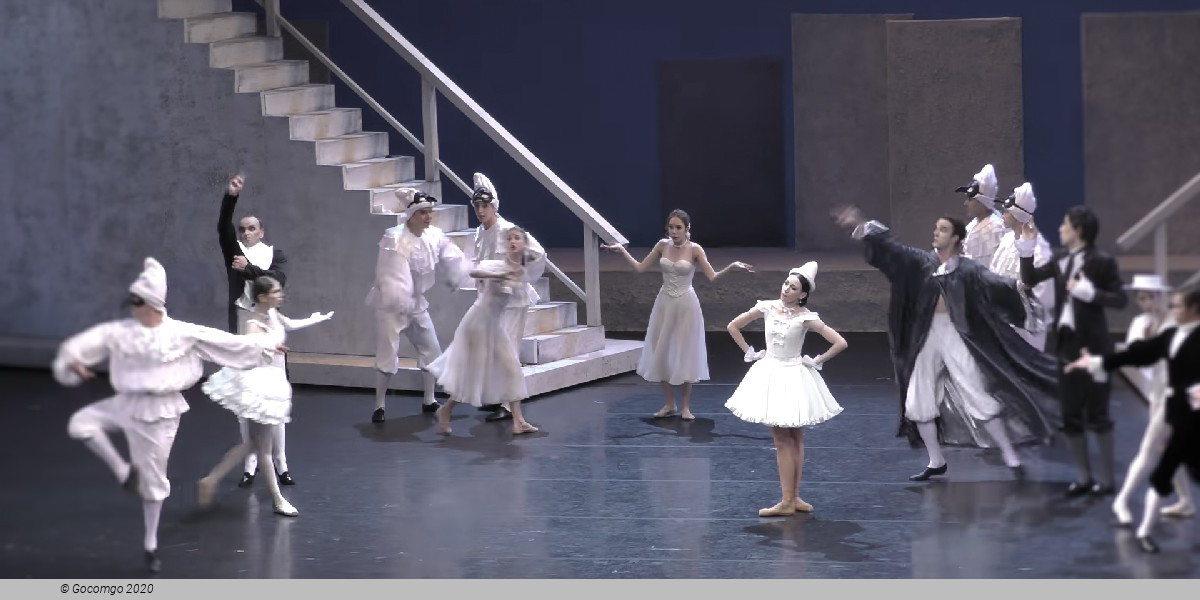
Embankment of an Italian town. An elderly actor of a provincial theatre is returning home after another soirée performance and a night out spent in the noisy town. He entertains the early morning passer-bys on the embankment with his jokes and antics. The actor finds a Pulcinella mask in his bag, which prompts him to tell an amusing and touching story. He invites all the listeners to grab a seat and make themselves comfortable.

The inseparable friends Coviello and Florindo woo their respective beloved. They serenade the charming Rosetta and Prudenza, who are unimpressed and both rather look forward to seeing Pulcinella, everyone’s favorite charmer and jester. Street actors are dancing in the square.

When Pulcinella finally appears, the two women rush towards him, but Pulcinella only pokes fun at them as his heart belongs to Pimpinella. The jealous admirers of Rosetta and Prudenza decide to beat Pulcinella up out of spite. Pimpinella sees her lover acompanied by two women. Pulcinella tries to explain the situation and assures Pimpinella he loves her and her alone.

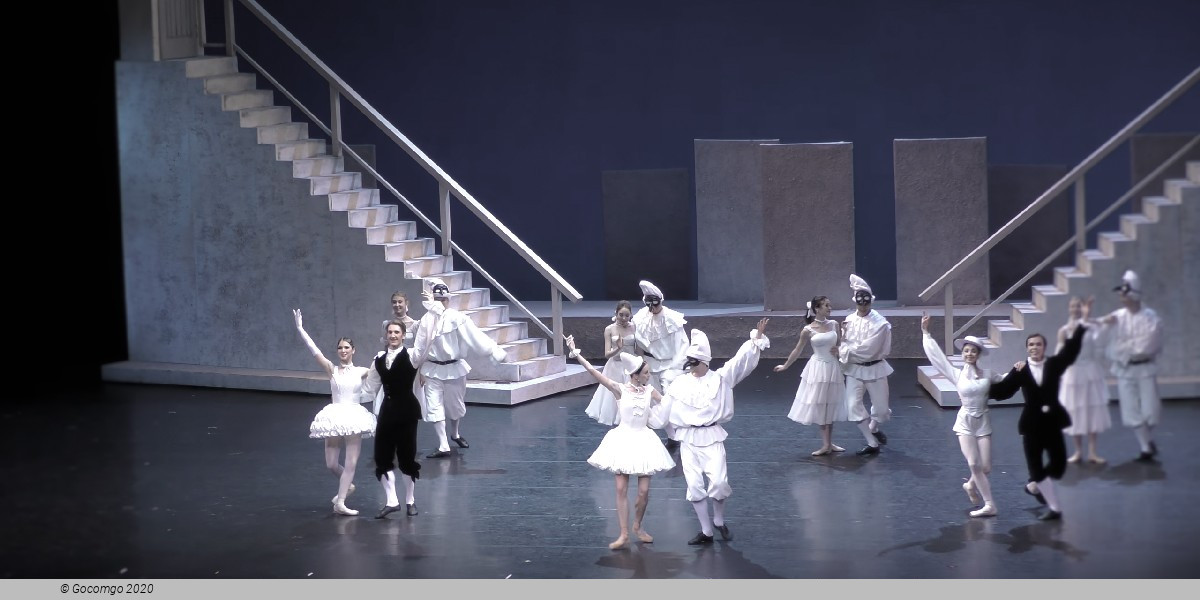
Coviello and Florindo arrive and interrupt the romantic scene between the two lovebirds. They start a row. Pulcinella accepts the fight, but is, alas, defeated. He is beaten by the two men, who suddenly get distracted hearing footsteps coming towards them. Seizing his chance, Pulcinella plays dead. Confused and dumbfounded, his assailants run away. Furbo sees unconscious Pulcinella and rushes to his aid. The two friends decide to play a trick on everyone and Furbo disguises himself as Pulcinella. Pimpinella is looking for her beloved Pulcinella and finds him unconscious. On hearing her cries, people run to help her. The poor fellow is taken to the doctor, who pronounces him dead. A magician suddenly appears and starts telling the citizens of his power and might. Pimpinella pleads with him to resurrect her Pulcinella. The magician agrees to help. He urges everyone to take part in the resurrection and together they bring Pulcinella back to life. Pulcinella attacks Coviello and Florindo and accuses them of perpetrating violence. He threatens that the magician will severely punish them for their crime. Terrified, Coviello and Florindo fall down on their knees. Pimpinella, Rosetta, and Prudenza beg the magician to spare the suitors, while the magician raises his hands to the sky. Pulcinella takes the hood off the magician’s head and finds that the magician is his double. Brimming with joy at the ingenious trick they played on the assailants, the two men run in different directions. The crowd is left confused and dazed; they try to guess which of the men was the real Pulcinella. The ladies run in pursuit of the men, determined to find out the truth. Scared and insulted, Coviello and Florindo also decide to disguise themselves as Pulcinella and play a similar thick on the pranksters. The night falls. Pimpinella is utterly exhausted by the search for her beloved. Rosetta and Prudenza have not succeeded in finding Pulcinella either. Then suddenly, Pulcinella appears. The women happily wave back at him. However, another Pulcinella chases after the first, and then the third Pulcinella appears. They all drop at the feet of the astonished women. Now each of them has her own Pulcinella. New Pulcinellas keep appearing, there are many of them; every single one tries to win the attention of the crowd, they fight and scream. The real Pulcinella appears. He is enraged and exposes the imposters by tearing their masks off their faces. The imposters flee in panic, with only three them remaining and hiding behind the back of Pimpinella, Rosetta, and Prudenza. The women takes their masks off and reveal Furbo, Coviello, and Florindo. Pulcinella reprimands Furbo for paying too much attention to Pimpinella. Coviello and Florindo apologise for their actions and explain that they wanted to win the affections of Rosetta and Prudenza by disguising themselves as Pulcinella. Furbo, dressed in a magician’s cloak, leads the festive parade. Pulcinella, Coviello, and Florindo propose marriage to their respective beloved and the women agree to marry them. The couples celebrate the wedding.

Venue Info

Mariinsky Theatre - Saint Petersburg
Location   1 Theatre Square

The Mariinsky Theatre is a historic theatre of opera and ballet in Saint Petersburg, Russia. Opened in 1860, it became the preeminent music theatre of late 19th-century Russia, where many of the stage masterpieces of Tchaikovsky, Mussorgsky, and Rimsky-Korsakov received their premieres. Through most of the Soviet era, it was known as the Kirov Theatre. Today, the Mariinsky Theatre is home to the Mariinsky Ballet, Mariinsky Opera and Mariinsky Orchestra. Since Yuri Temirkanov's retirement in 1988, the conductor Valery Gergiev has served as the theatre's general director.

The theatre is named after Empress Maria Alexandrovna, wife of Tsar Alexander II. There is a bust of the Empress in the main entrance foyer. The theatre's name has changed throughout its history, reflecting the political climate of the time.

The theatre building is commonly called the Mariinsky Theatre. The companies that operate within it have for brand recognition purposes retained the Kirov name, acquired during the Soviet era to commemorate the assassinated Leningrad Communist Party leader Sergey Kirov (1886–1934).

The Imperial drama, opera and ballet troupe in Saint Petersburg was established in 1783, at the behest of Catherine the Great, although an Italian ballet troupe had performed at the Russian court since the early 18th century. Originally, the ballet and opera performances were given in the wooden Karl Knipper Theatre on Tsaritsa Meadow, near the present-day Tripartite Bridge (also known as the Little Theatre or the Maly Theatre). The Hermitage Theatre, next door to the Winter Palace, was used to host performances for an elite audience of aristocratic guests invited by the Empress.

A permanent theatre building for the new company of opera and ballet artists was designed by Antonio Rinaldi and opened in 1783. Known as the Imperial Bolshoi Kamenny Theatre the structure was situated on Carousel Square, which was renamed Theatre Square in honour of the building. Both names – "Kamenny" (Russian word for "stone") and "Bolshoi" (Russian word for "big") – were coined to distinguish it from the wooden Little Theatre. In 1836, the Bolshoi Kamenny Theatre was renovated to a design by Albert Cavos (son of Catterino Cavos, an opera composer), and served as the principal theatre of the Imperial Ballet and opera.

On 29 January 1849, the Equestrian circus (Конный цирк) opened on Theatre Square. This was also the work of the architect Cavos. The building was designed to double as a theatre. It was a wooden structure in the then-fashionable neo-Byzantine style. Ten years later, when this circus burnt down, Albert Cavos rebuilt it as an opera and ballet house with the largest stage in the world. With a seating capacity of 1,625 and a U-shaped Italian-style auditorium, the theatre opened on 2 October 1860, with a performance of A Life for the Tsar. The new theatre was named Mariinsky after its imperial patroness, Empress Maria Alexandrovna.

Under Yuri Temirkanov, Principal Conductor from 1976 to 1988, the Opera Company continued to stage innovative productions of both modern and classic Russian operas. Although functioning separately from the Theatre’s Ballet Company, since 1988 both companies have been under the artistic leadership of Valery Gergiev as Artistic Director of the entire Theatre.

The Opera Company has entered a new era of artistic excellence and creativity. Since 1993, Gergiev’s impact on opera there has been enormous. Firstly, he reorganized the company’s operations and established links with many of the world's great opera houses, including the Royal Opera House, Covent Garden, the Metropolitan Opera, the Opéra Bastille, La Scala, La Fenice, the Israeli Opera, the Washington National Opera and the San Francisco Opera. Today, the Opera Company regularly tours to most of these cities.

Gergiev has also been innovative as far as Russian opera is concerned: in 1989, there was an all-Mussorgsky festival featuring the composer’s entire operatic output. Similarly, many of Prokofiev’s operas were presented from the late 1990s. Operas by non-Russian composers began to be performed in their original languages, which helped the Opera Company to incorporate world trends. The annual international "Stars of the White Nights Festival" in Saint Petersburg, started by Gergiev in 1993, has also put the Mariinsky on the world’s cultural map. That year, as a salute to the imperial origins of the Mariinsky, Verdi's La forza del destino, which received its premiere in Saint Petersburg in 1862, was produced with its original sets, costumes and scenery. Since then, it has become a characteristic of the "White Nights Festival" to present the premieres from the company’s upcoming season during this magical period, when the hours of darkness practically disappear as the summer solstice approaches.

Presently, the Company lists on its roster 22 sopranos (of whom Anna Netrebko may be the best known); 13 mezzo-sopranos (with Olga Borodina familiar to US and European audiences); 23 tenors; eight baritones; and 14 basses. With Gergiev in charge overall, there is a Head of Stage Administration, a Stage Director, Stage Managers and Assistants, along with 14 accompanists.

Important Info
Type: Ballet
City: Saint Petersburg, Russia
Starts at: 19:30
Acts: 1
Duration:
Top of page