
Mariinsky Theatre 12 October 2021 - Pierrot Lunaire. Seven sonatas. Concerto DSCH | GoComGo.com

Pierrot Lunaire. Seven sonatas. Concerto DSCH

Mariinsky Theatre, Mariinsky Theatre, Saint Petersburg, Russia
All photos (11)
Select date and time
7:30 PM

E-tickets: Print at home or at the box office of the event if so specified. You will find more information in your booking confirmation email.

You can only select the category, and not the exact seats.
If you order 2 or 3 tickets: your seats will be next to each other.
If you order 4 or more tickets: your seats will be next to each other, or, if this is not possible, we will provide a combination of groups of seats (at least in pairs, for example 2+2 or 2+3).

Important Info
Type: Modern Ballet
City: Saint Petersburg, Russia
Starts at: 19:30
Duration: 35min

E-tickets: Print at home or at the box office of the event if so specified. You will find more information in your booking confirmation email.

You can only select the category, and not the exact seats.
If you order 2 or 3 tickets: your seats will be next to each other.
If you order 4 or more tickets: your seats will be next to each other, or, if this is not possible, we will provide a combination of groups of seats (at least in pairs, for example 2+2 or 2+3).

Overview

An evening of ballets by Alexei Ratmansky

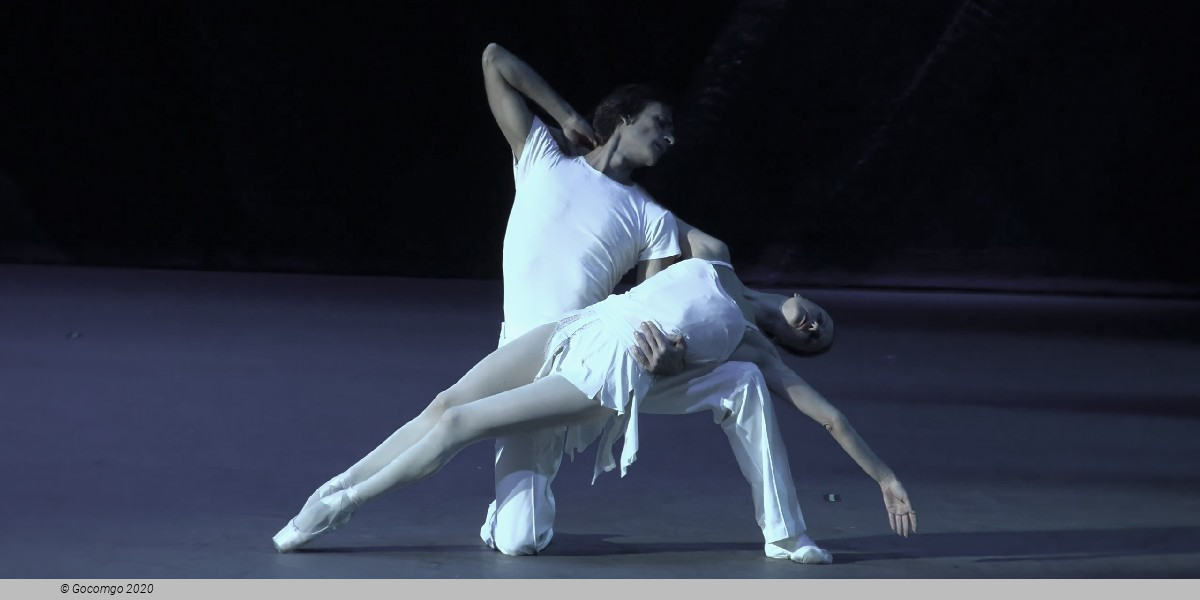
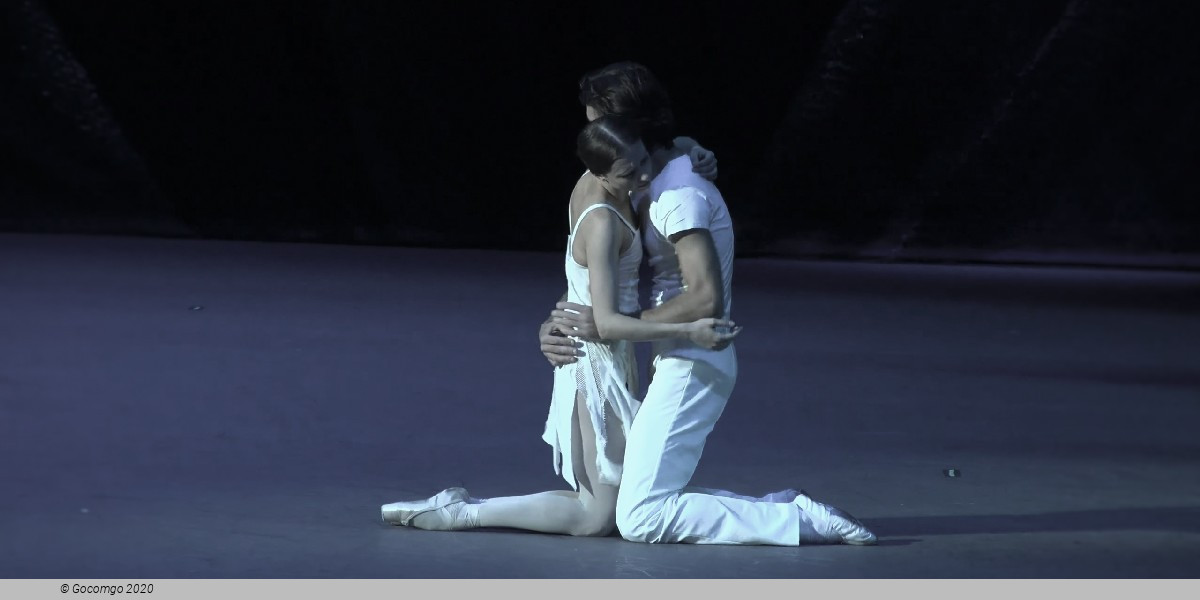
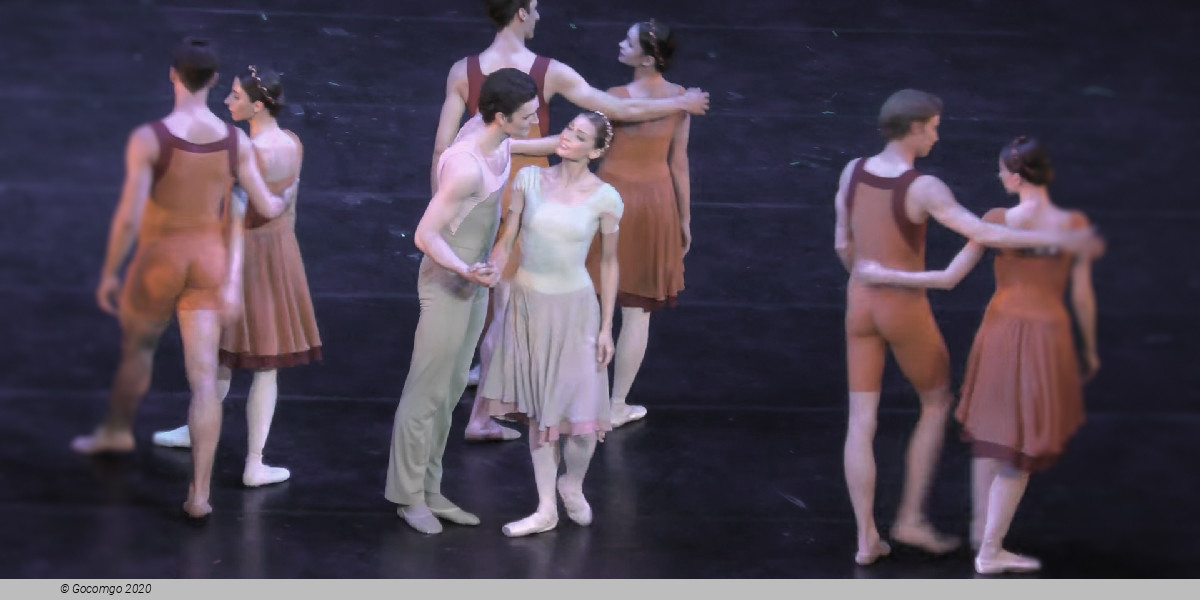
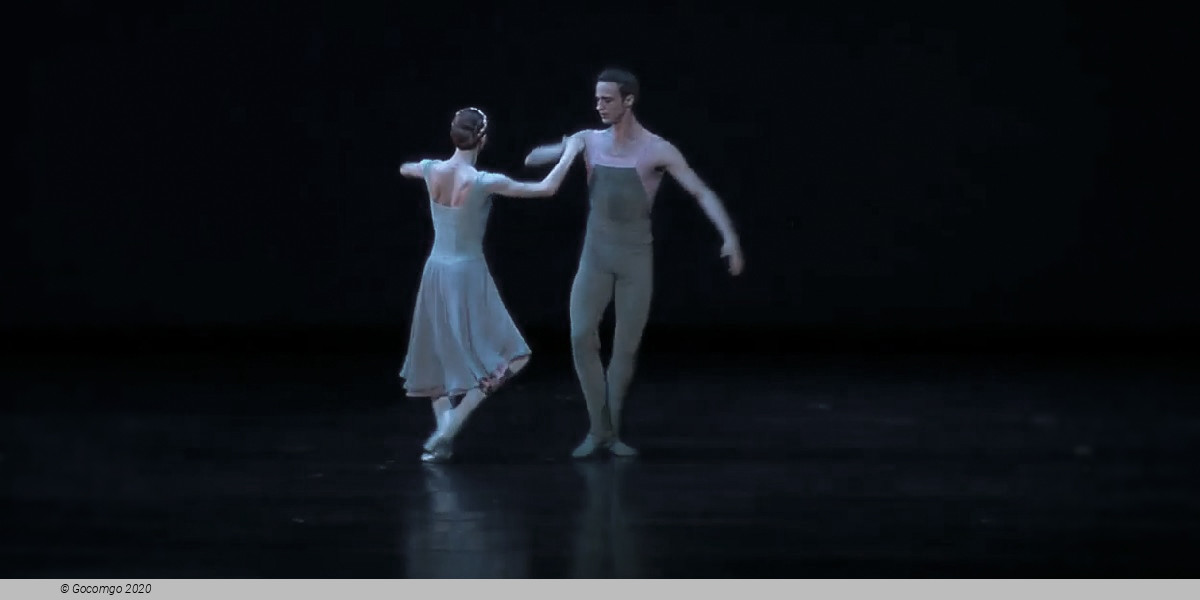
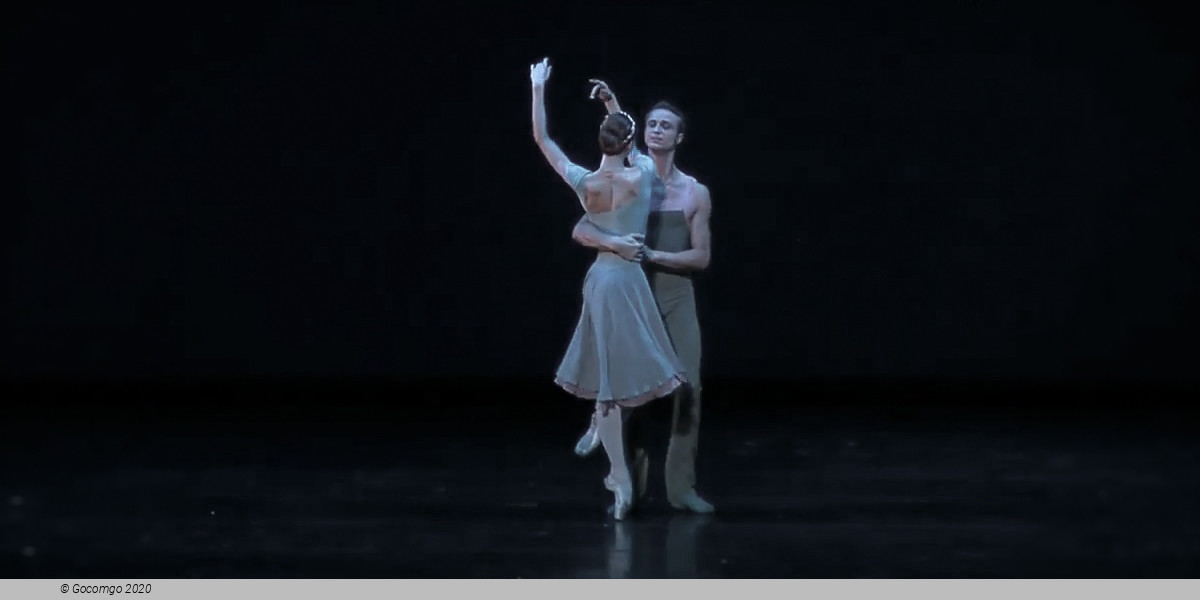
Pierrot lunaire combines Schoenberg's atonal music, the poetry of symbolist Giraud, Ratmansky's choreography for classical dancers and commedia dell'arte characters in a refined cocktail of moods and senses. In 1912, the composer-rebel-against-the-norm Arnold Schoenberg, in writing his song cycle, "forged" the Romantic pathos of the image of the Moon with the comedic mask of Pierrot. At that time, a rupture of eras and on the threshold of world cataclysms, sadness responded with a feeling of doom and inescapability in notes of a parody on Romantic lyricism, the humour being pinned against sarcasm and the exclamations of the recited singing resounding with hopeless despair. Almost one hundred years later, choreographer Alexei Ratmansky turned to this Expressionist masterpiece. He created his Pierrot lunaire for Diana Vishneva — a ballerina who is equally brilliant in the classical repertoire and in modern dance: "I tried to use this duality of her talent and to demonstrate her innate sense of theatricality. In this ballet there is no traditional plot, neither is there a clearly defined story, but in the text and in the music of Schoenberg's opus there lie the foundations of a psychological drama in which the dithering Pierrot acquires peace only at the end of the narrative." the drama and the escapades of Ratmansky's mischievous heroine and her admirers, interwoven with literary images and the melodics of the vocal passages, are nevertheless not subject to the emotional structure of Schoenberg's cycle, they retain an intonation of their own. the characters in the ballet are but masks, though through the immediacy of their clownish antics, their coquettishness, their rivalry, their quarrels and their foolish trickery one may discern a view into eternity.
Olga Makarova

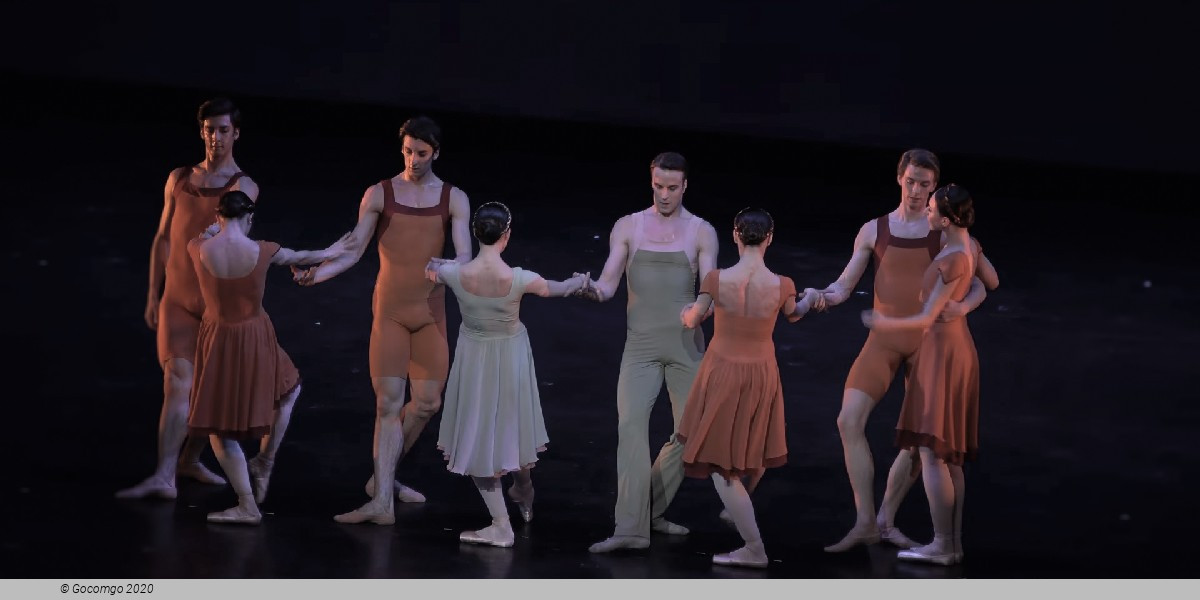
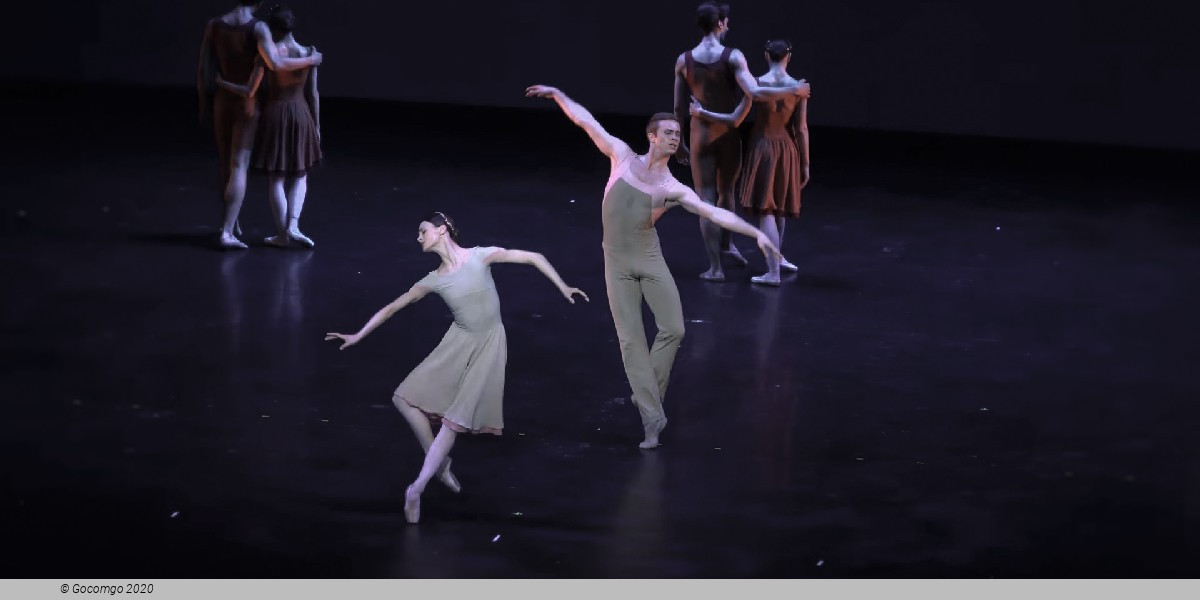
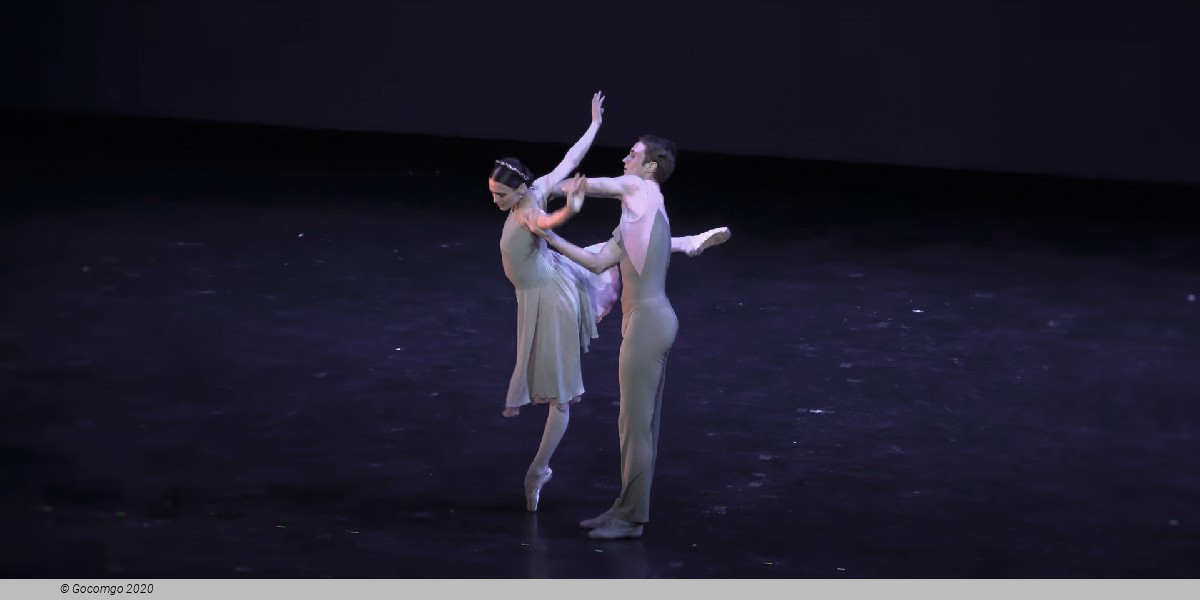
In this chamber ballet there are no tricks or demonstrations of the miracles of technique. There are none of the prescribed intrigues of a plot, and there are no sets to define the place and time of action. Just six dancers, a pianist at the instrument on the stage and the crystalline lacework of the dance, woven from nuances – both emotional and plastique. The shading of moods is traced by watercolour-melting poses and steps that sensitively respond to each note of Scarlatti's music. Although the composer referred to his sonatas as exercises to develop technique to play the harpsichord and slyly advised that no depth was to be found in them, it was in these works that the choreographer Alexei Ratmansky heard the intonations of emotional speech – youthfully carefree and ironical, anxious and dramatic, but without a maelstrom of passions. Transposing these into the language of ballet, Ratmansky has called on the dancers to retain the ceremonial quality of aristocratic dialogue. As in the 18th century, Court etiquette barely allowed voices to be raised in conversation, and Scarlatti himself was employed by a royal Court, so in the choreography the psychical anxieties are carefully screened in the refinement of the pas. And yet through this etiquette-laced restraint and mathematical clarity of composition, labyrinths of feelings are inevitably brought to light. Olga Makarova

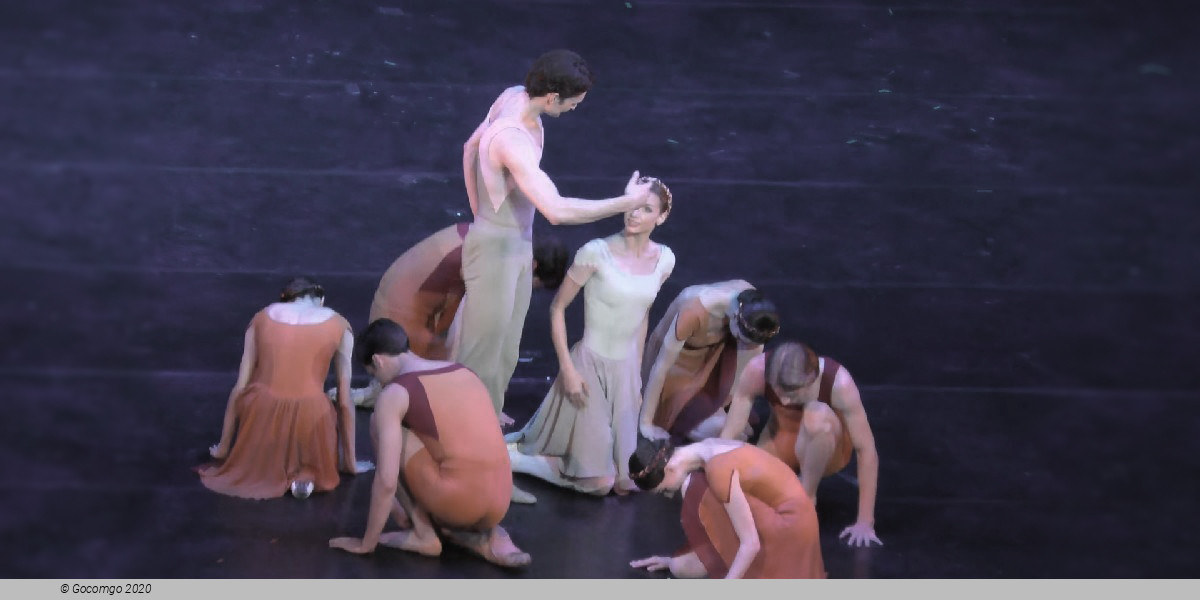
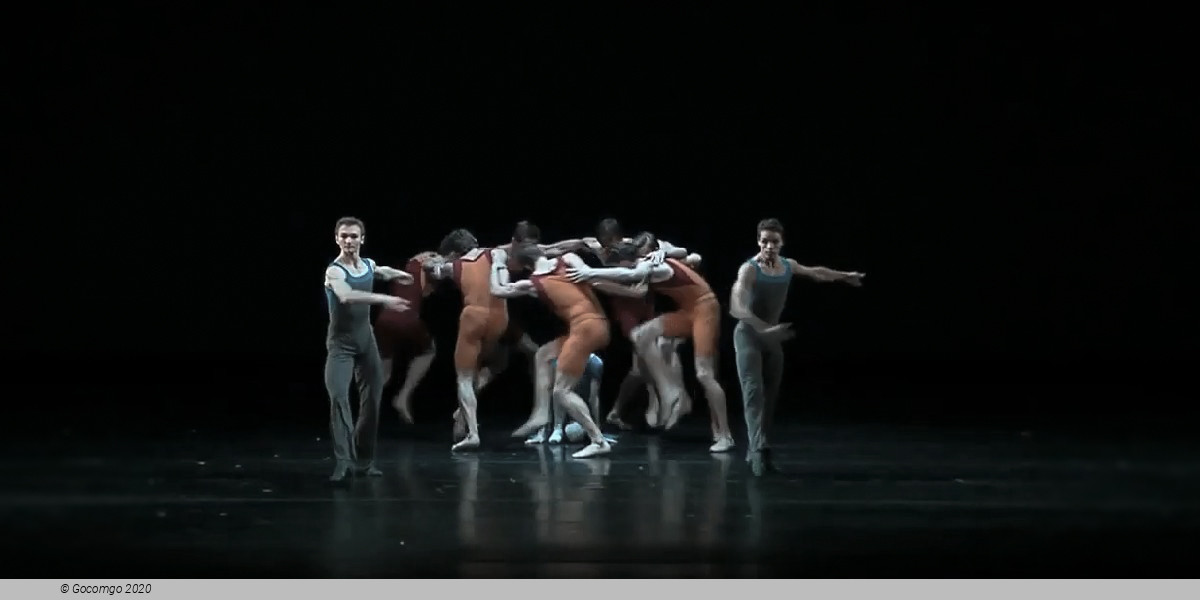
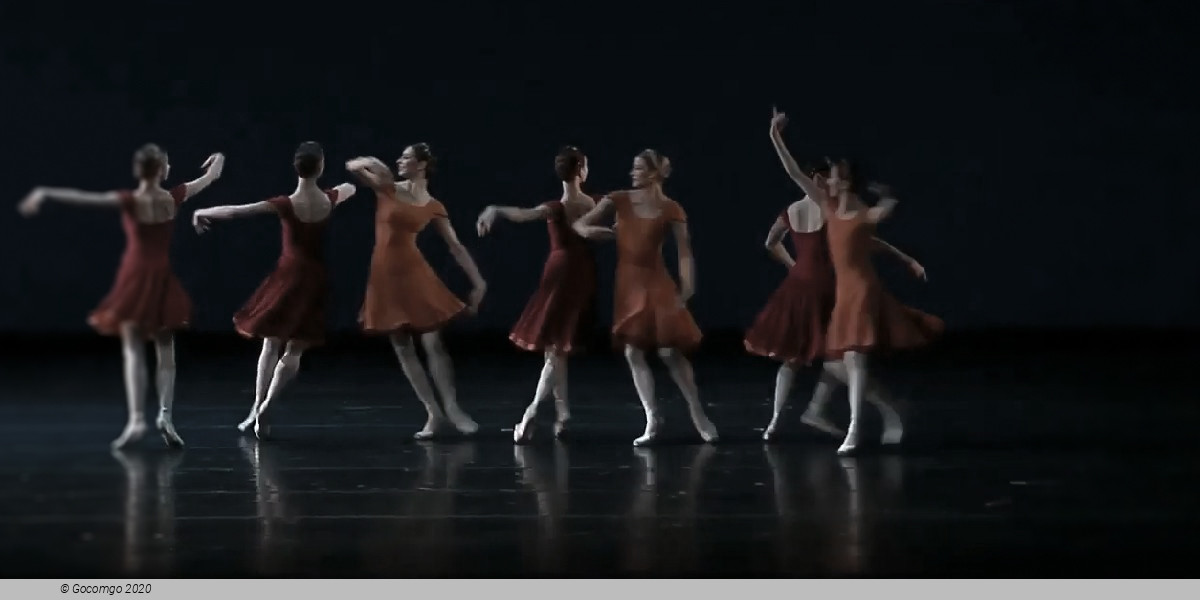
Dmitri Shostakovich was a fan of ballet and composed numerous dance scores in the 1930s, including The Bolt and The Bright Stream. Alexei Ratmansky has choreographed both of those works for the Bolshoi Ballet, and for New York City Ballet's 2008 spring season, Ratmansky created another work to a score by Shostakovich, this time the Piano Concerto No. 2. Shostakovich wrote the concerto in 1957 as a birthday gift for his 19-year-old son Maxim, and it displays the composer's optimistic energy after the repressions of the Stalinist era. The opening allegro evokes a brisk military march with the piano referencing the British melody Drunken Sailor. By contrast, the andante movement basks in Russian soulfulness for the strings, piano, and solo horn. The brief, invigorating allegro finale takes on a 7/8 meter as the entire orchestra sprints to the finish. The ballet's title refers to a musical motif used by Shostakovich to represent himself, with four notes that, when written in German notation, stand in for his initials in the German spelling (D. Sch.).

History
Premiere of this production: 29 May 2008, New York State Theater, Lincoln Center
Venue Info

Mariinsky Theatre - Saint Petersburg
Location   1 Theatre Square

The Mariinsky Theatre is a historic theatre of opera and ballet in Saint Petersburg, Russia. Opened in 1860, it became the preeminent music theatre of late 19th-century Russia, where many of the stage masterpieces of Tchaikovsky, Mussorgsky, and Rimsky-Korsakov received their premieres. Through most of the Soviet era, it was known as the Kirov Theatre. Today, the Mariinsky Theatre is home to the Mariinsky Ballet, Mariinsky Opera and Mariinsky Orchestra. Since Yuri Temirkanov's retirement in 1988, the conductor Valery Gergiev has served as the theatre's general director.

The theatre is named after Empress Maria Alexandrovna, wife of Tsar Alexander II. There is a bust of the Empress in the main entrance foyer. The theatre's name has changed throughout its history, reflecting the political climate of the time.

The theatre building is commonly called the Mariinsky Theatre. The companies that operate within it have for brand recognition purposes retained the Kirov name, acquired during the Soviet era to commemorate the assassinated Leningrad Communist Party leader Sergey Kirov (1886–1934).

The Imperial drama, opera and ballet troupe in Saint Petersburg was established in 1783, at the behest of Catherine the Great, although an Italian ballet troupe had performed at the Russian court since the early 18th century. Originally, the ballet and opera performances were given in the wooden Karl Knipper Theatre on Tsaritsa Meadow, near the present-day Tripartite Bridge (also known as the Little Theatre or the Maly Theatre). The Hermitage Theatre, next door to the Winter Palace, was used to host performances for an elite audience of aristocratic guests invited by the Empress.

A permanent theatre building for the new company of opera and ballet artists was designed by Antonio Rinaldi and opened in 1783. Known as the Imperial Bolshoi Kamenny Theatre the structure was situated on Carousel Square, which was renamed Theatre Square in honour of the building. Both names – "Kamenny" (Russian word for "stone") and "Bolshoi" (Russian word for "big") – were coined to distinguish it from the wooden Little Theatre. In 1836, the Bolshoi Kamenny Theatre was renovated to a design by Albert Cavos (son of Catterino Cavos, an opera composer), and served as the principal theatre of the Imperial Ballet and opera.

On 29 January 1849, the Equestrian circus (Конный цирк) opened on Theatre Square. This was also the work of the architect Cavos. The building was designed to double as a theatre. It was a wooden structure in the then-fashionable neo-Byzantine style. Ten years later, when this circus burnt down, Albert Cavos rebuilt it as an opera and ballet house with the largest stage in the world. With a seating capacity of 1,625 and a U-shaped Italian-style auditorium, the theatre opened on 2 October 1860, with a performance of A Life for the Tsar. The new theatre was named Mariinsky after its imperial patroness, Empress Maria Alexandrovna.

Under Yuri Temirkanov, Principal Conductor from 1976 to 1988, the Opera Company continued to stage innovative productions of both modern and classic Russian operas. Although functioning separately from the Theatre’s Ballet Company, since 1988 both companies have been under the artistic leadership of Valery Gergiev as Artistic Director of the entire Theatre.

The Opera Company has entered a new era of artistic excellence and creativity. Since 1993, Gergiev’s impact on opera there has been enormous. Firstly, he reorganized the company’s operations and established links with many of the world's great opera houses, including the Royal Opera House, Covent Garden, the Metropolitan Opera, the Opéra Bastille, La Scala, La Fenice, the Israeli Opera, the Washington National Opera and the San Francisco Opera. Today, the Opera Company regularly tours to most of these cities.

Gergiev has also been innovative as far as Russian opera is concerned: in 1989, there was an all-Mussorgsky festival featuring the composer’s entire operatic output. Similarly, many of Prokofiev’s operas were presented from the late 1990s. Operas by non-Russian composers began to be performed in their original languages, which helped the Opera Company to incorporate world trends. The annual international "Stars of the White Nights Festival" in Saint Petersburg, started by Gergiev in 1993, has also put the Mariinsky on the world’s cultural map. That year, as a salute to the imperial origins of the Mariinsky, Verdi's La forza del destino, which received its premiere in Saint Petersburg in 1862, was produced with its original sets, costumes and scenery. Since then, it has become a characteristic of the "White Nights Festival" to present the premieres from the company’s upcoming season during this magical period, when the hours of darkness practically disappear as the summer solstice approaches.

Presently, the Company lists on its roster 22 sopranos (of whom Anna Netrebko may be the best known); 13 mezzo-sopranos (with Olga Borodina familiar to US and European audiences); 23 tenors; eight baritones; and 14 basses. With Gergiev in charge overall, there is a Head of Stage Administration, a Stage Director, Stage Managers and Assistants, along with 14 accompanists.

Important Info
Type: Modern Ballet
City: Saint Petersburg, Russia
Starts at: 19:30
Duration: 35min
Top of page