

Mariinsky Theatre 4 April 2020 - Marguerite and Armand. In the Night. Symphony in C | GoComGo.com

Marguerite and Armand. In the Night. Symphony in C

Mariinsky Theatre, Mariinsky II, Saint Petersburg, Russia
All photos (37)
Select date and time
7 PM
Request for Tickets
Important Info
Type: Ballet
City: Saint Petersburg, Russia
Starts at: 19:00
Acts: 1
Duration:

E-tickets: Print at home or at the box office of the event if so specified. You will find more information in your booking confirmation email.

You can only select the category, and not the exact seats.
If you order 2 or 3 tickets: your seats will be next to each other.
If you order 4 or more tickets: your seats will be next to each other, or, if this is not possible, we will provide a combination of groups of seats (at least in pairs, for example 2+2 or 2+3).

Overview

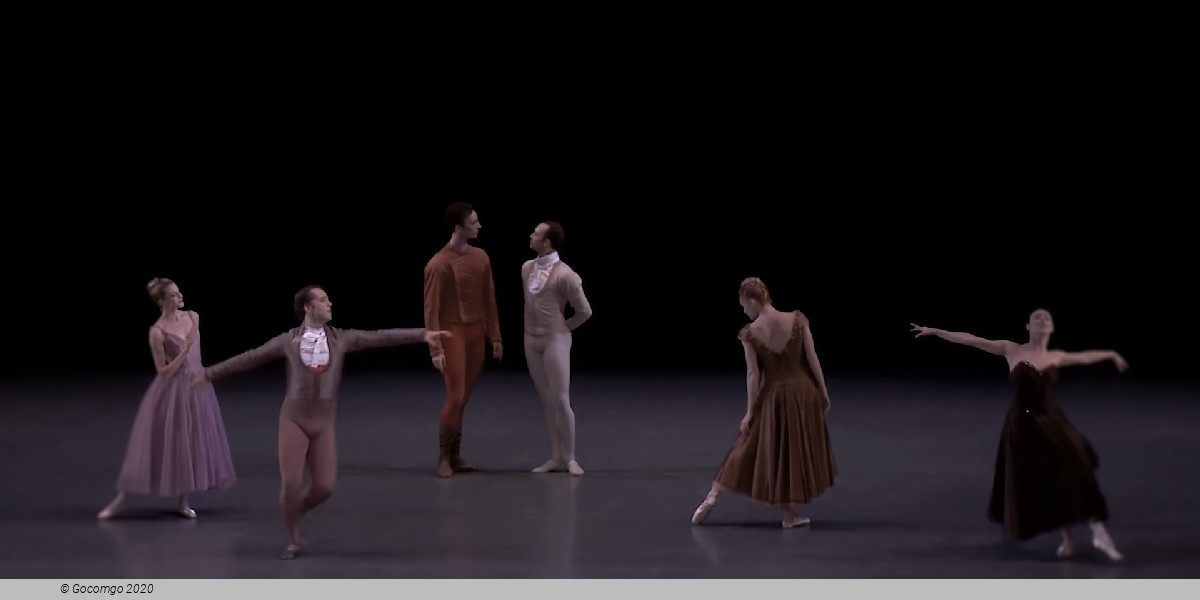
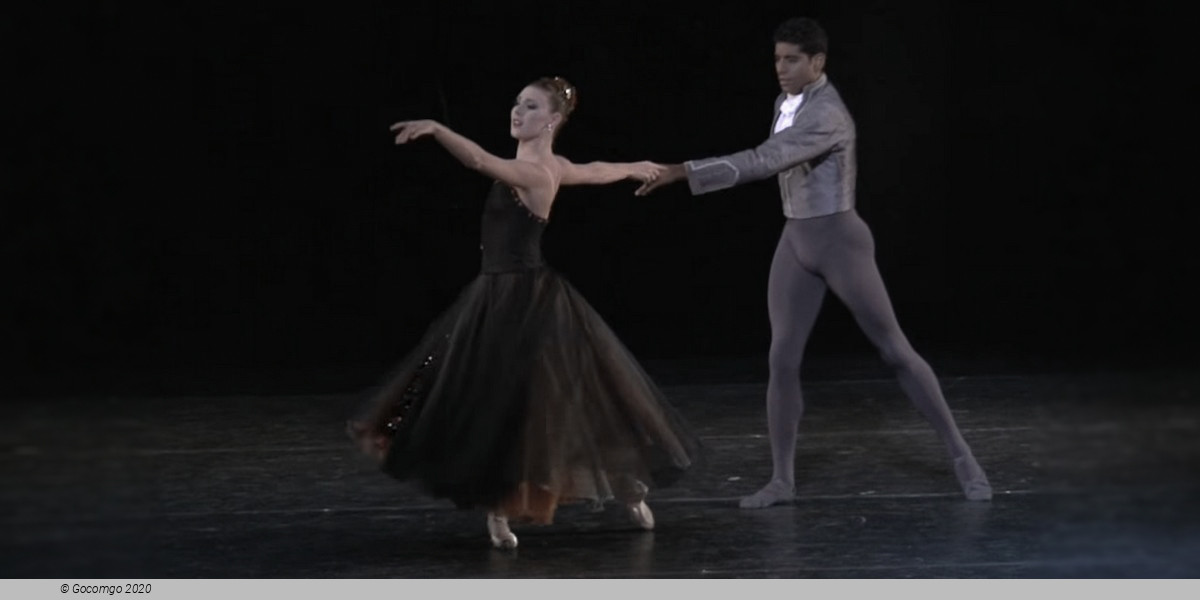
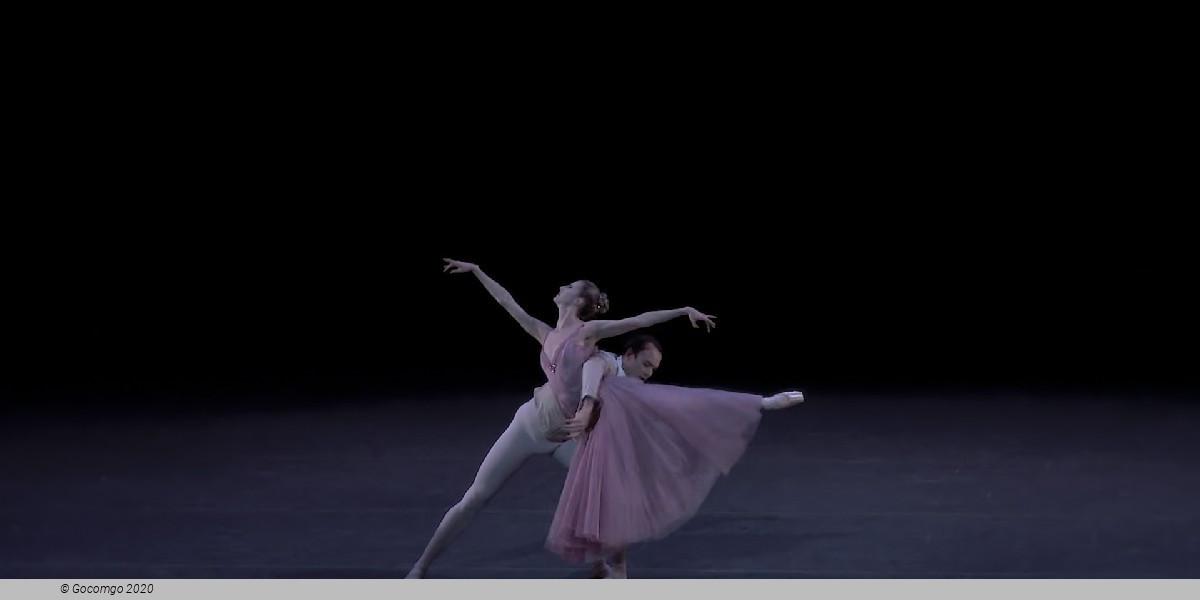
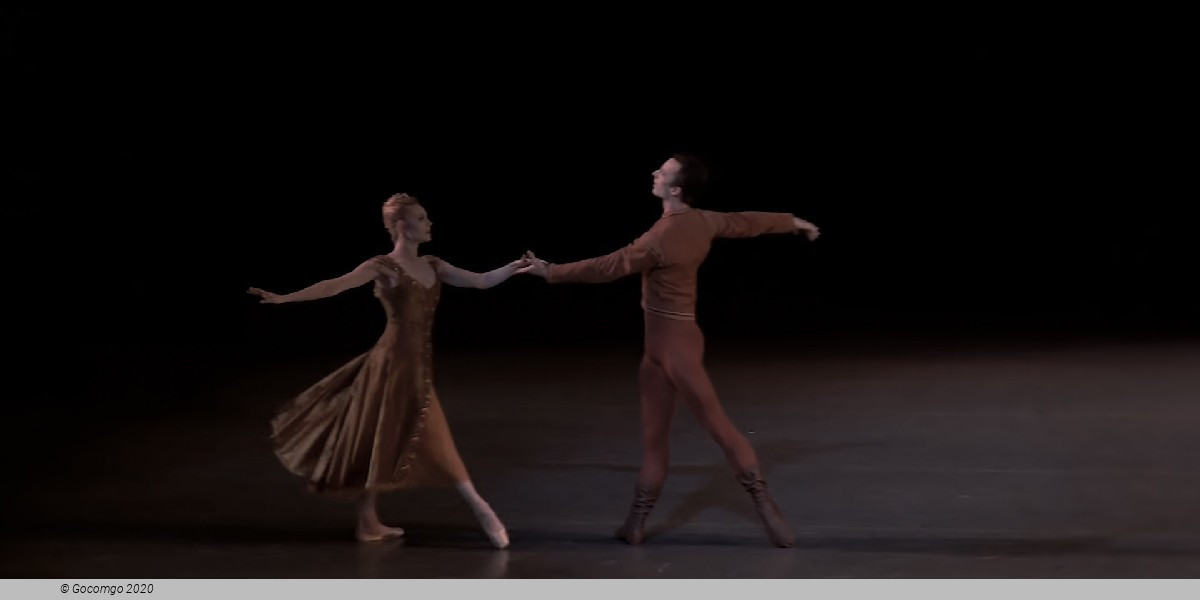
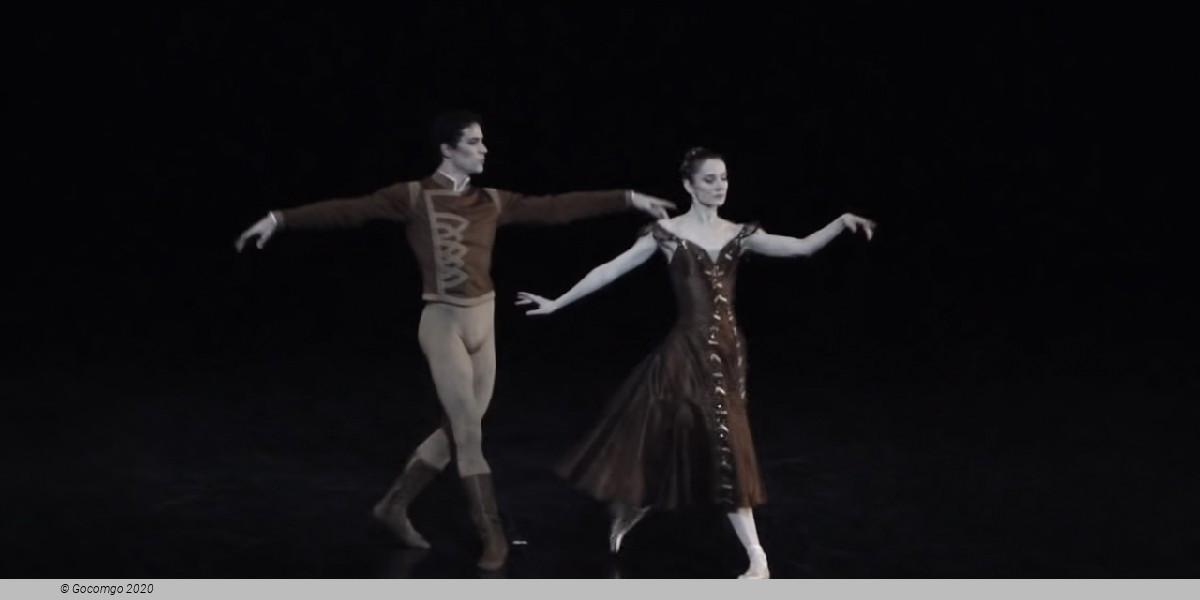
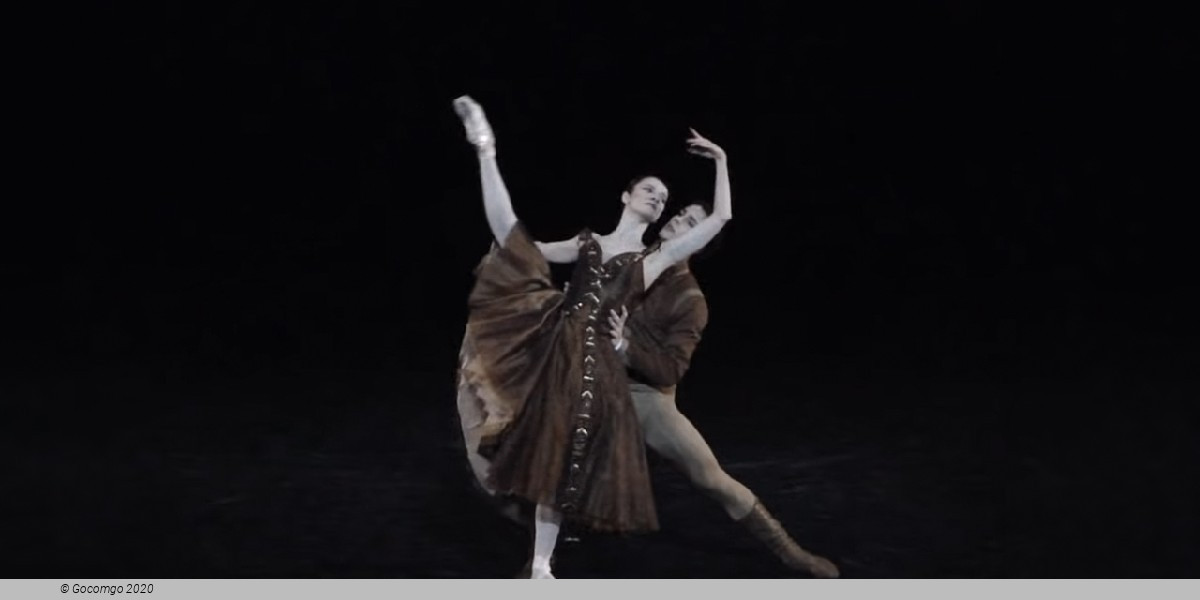
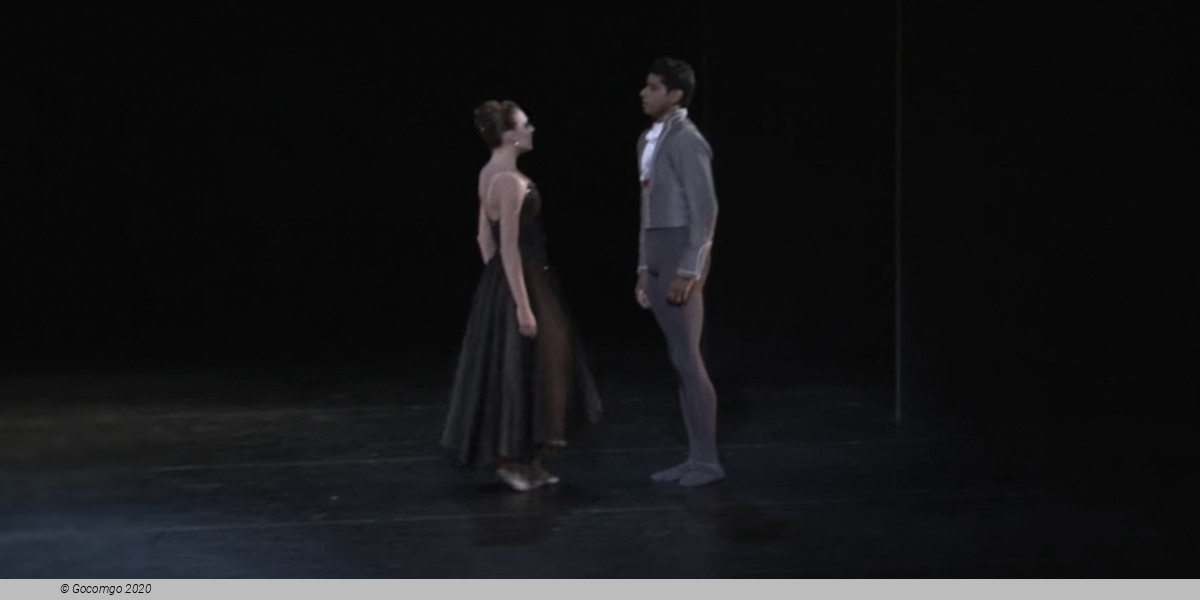
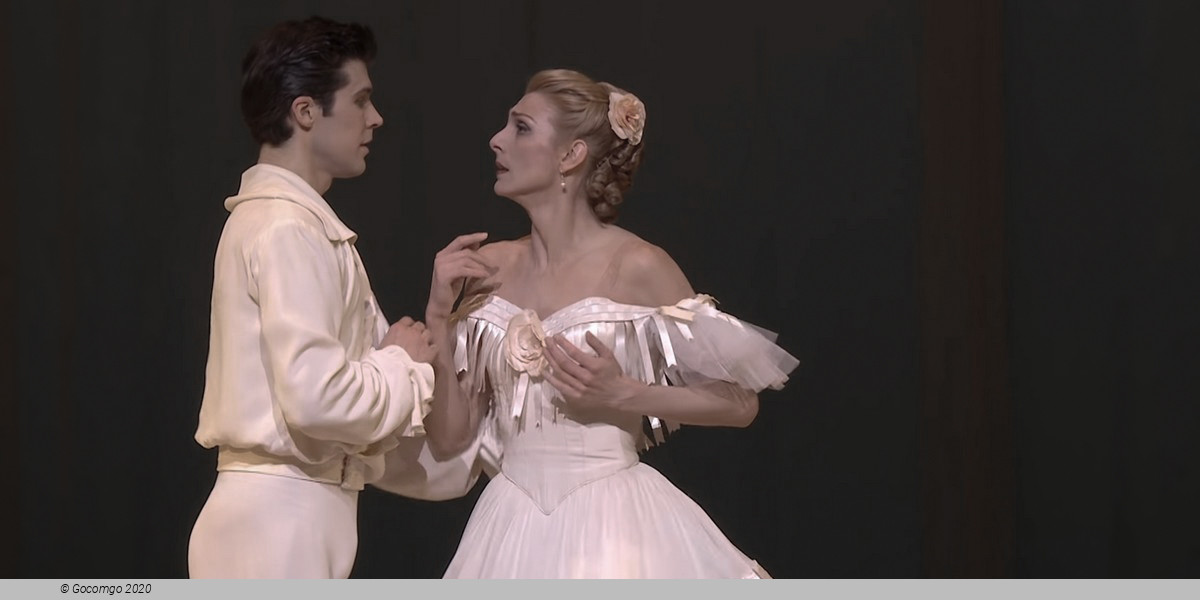
Prior to the appearance of this ballet in the Mariinsky Theatre repertoire, Russian audiences knew Jerome Robbins only as a hypostasis – Robbins-the-choreographer-of-musicals, Robbins-the-Broadway-triumph. Not for his “live” productions, of course, but rather for his film version of Westside Story, which caused a veritable furore in the cinemas of the Soviet Union. In 1992, the Mariinsky Theatre brought another Robbins to the country – Robbins the lyricist and the intellectual, one of the two leading figures at New York City Ballet. The man who took Chopin’s nocturnes and in 1970 created In the Night – a short ballet for three couples. Initially they appear on stage in turn, while in the finale they all dance at the same time. Each of the couples offers their own version of the dialogue between man and woman – and, impeccably reproducing the choreographic scene, all the performers bring their own ideas of paired relationships to these dialogues. The good-natured coquetry and the claims of divine service, competing in the dazzle and the childlike thirst for trust – all different people, and so every time In the Night looks just that little bit different from the previous display.
Anna Gordeyeva

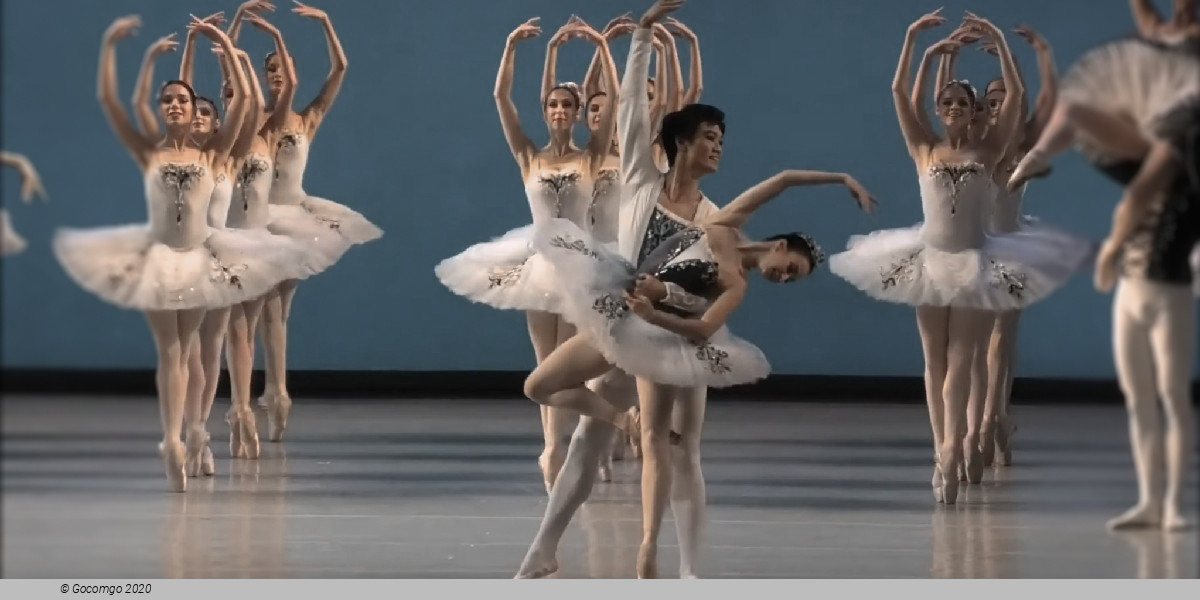
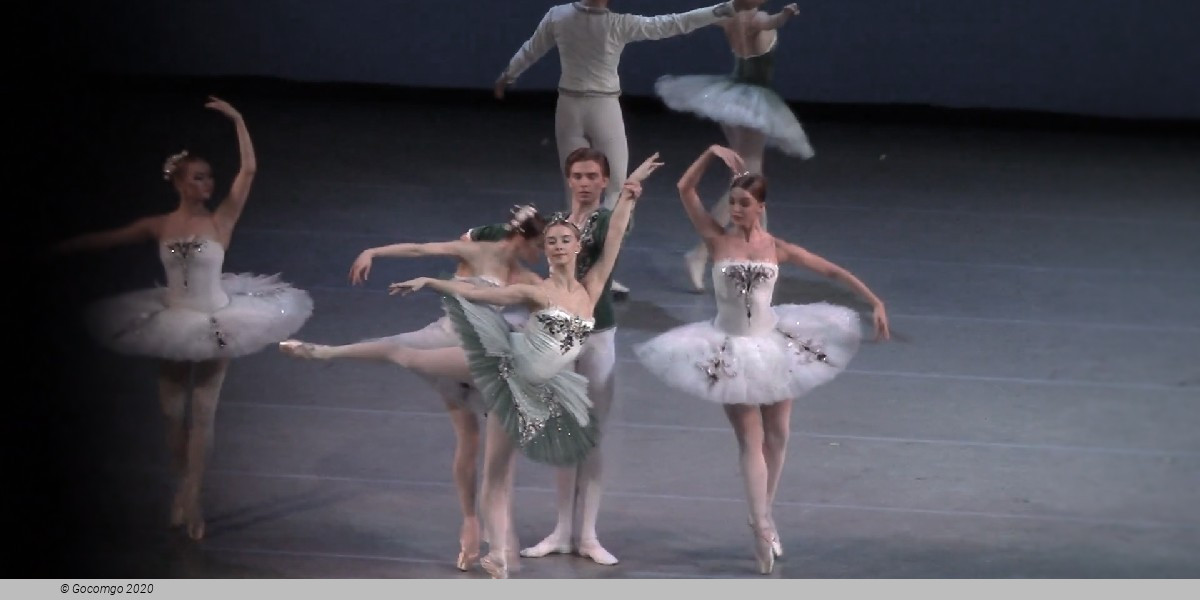
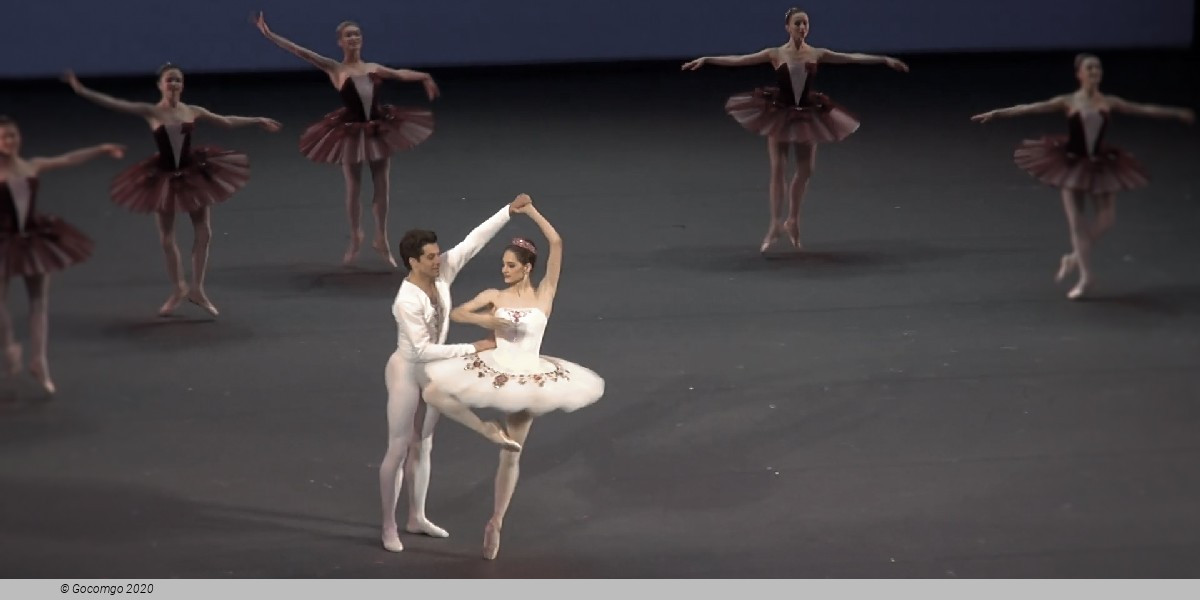
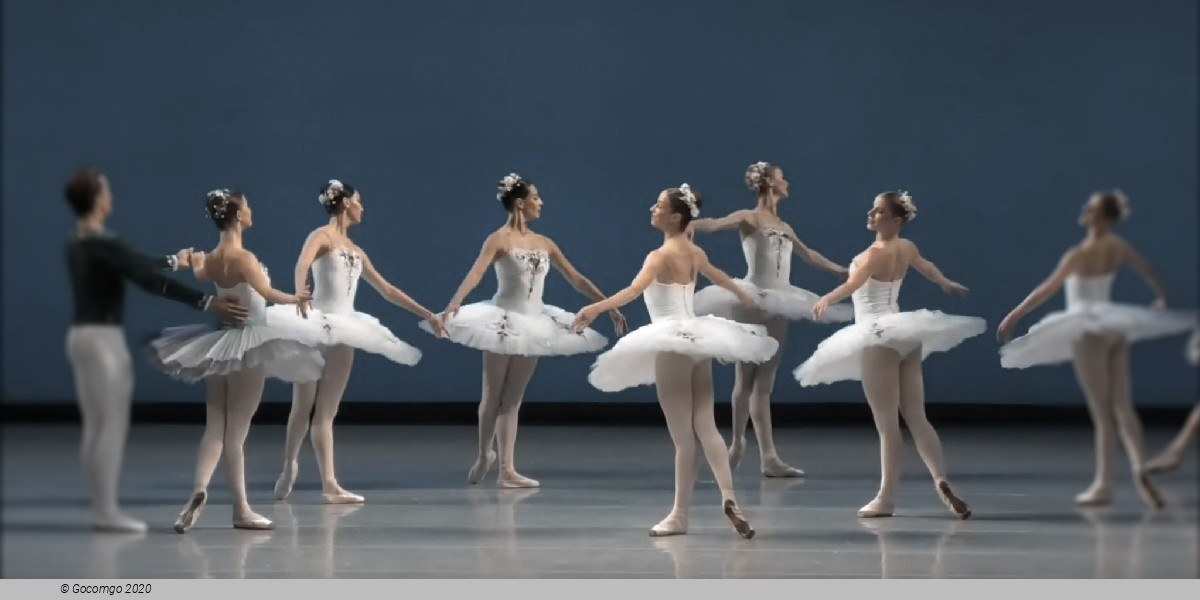
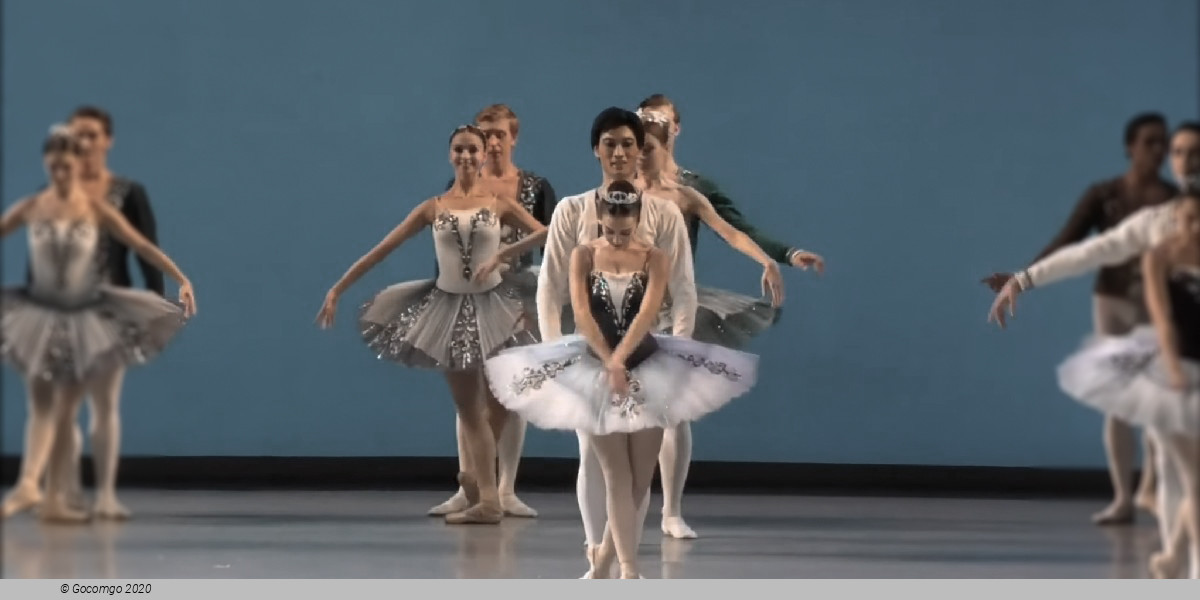
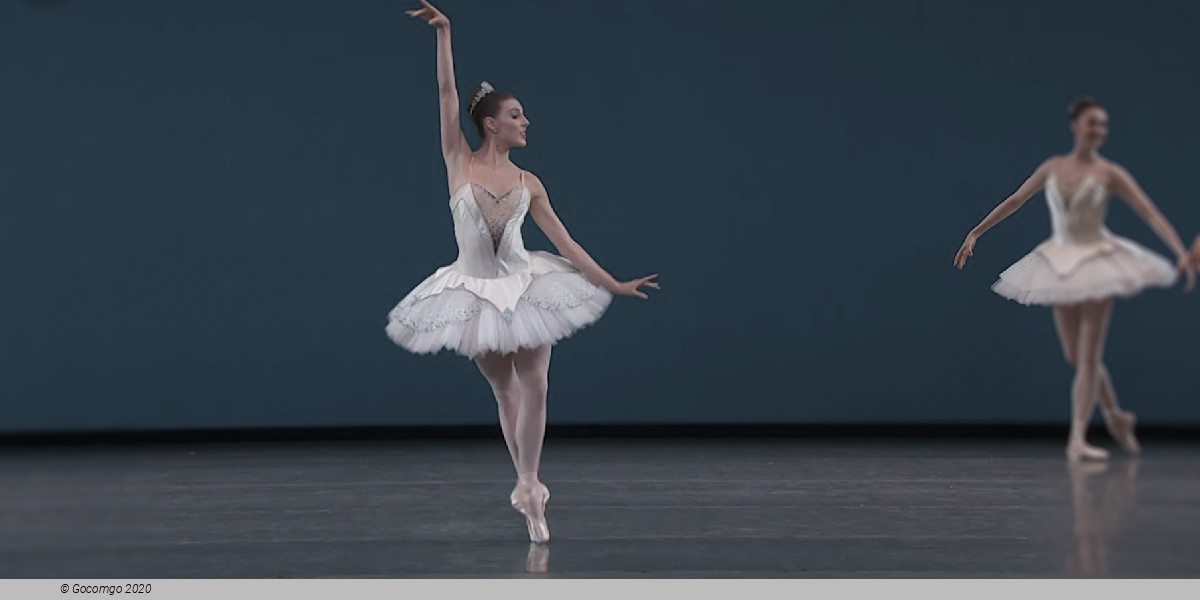
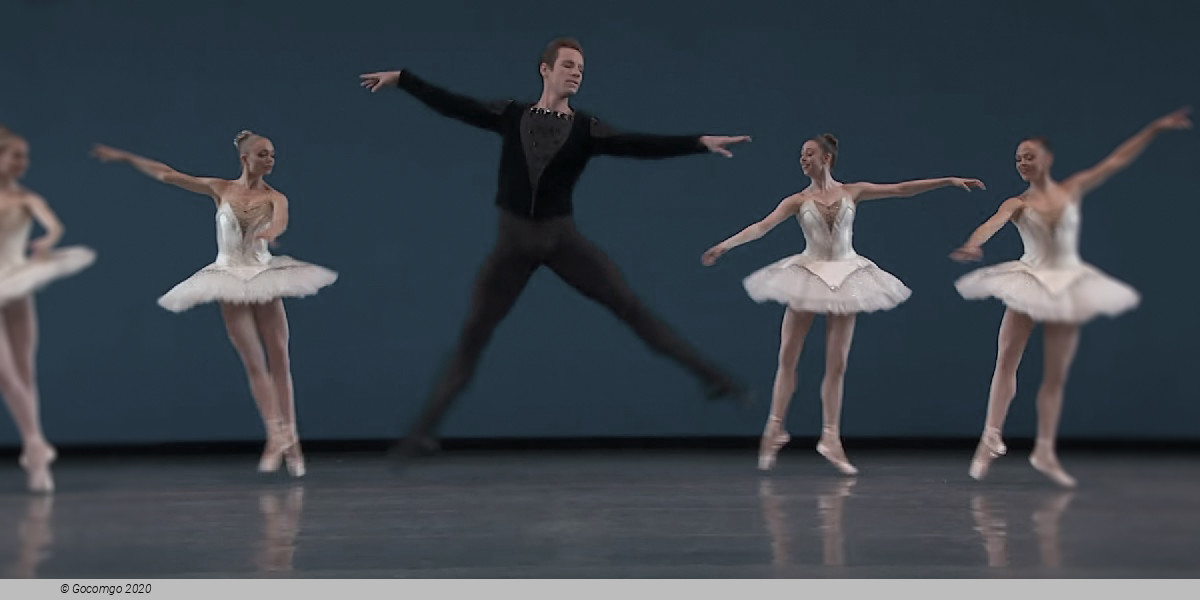
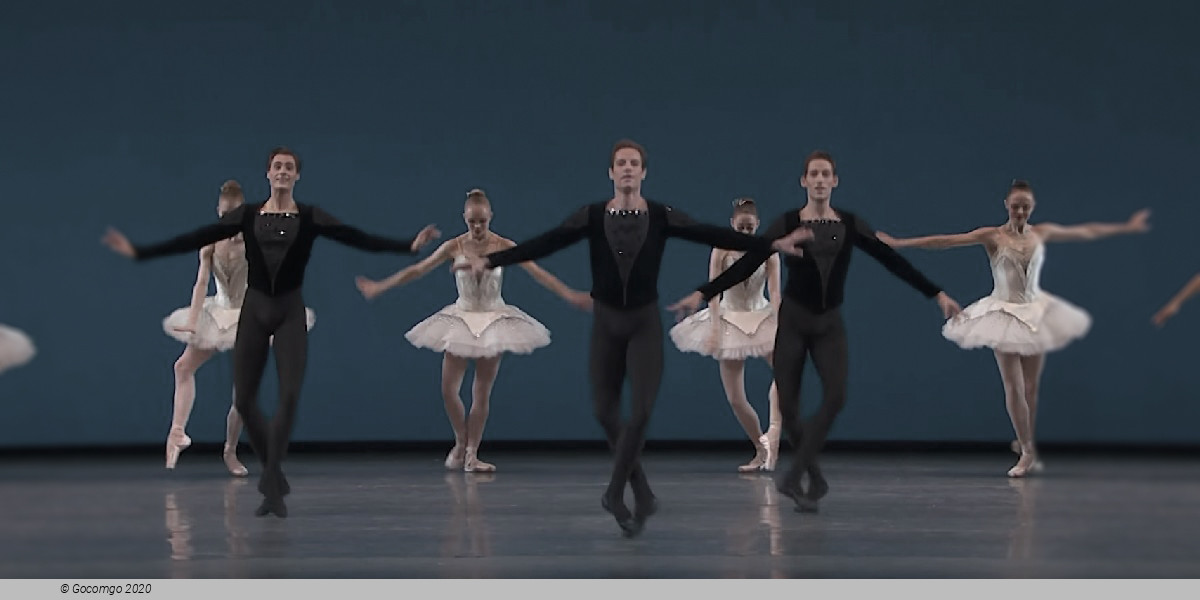
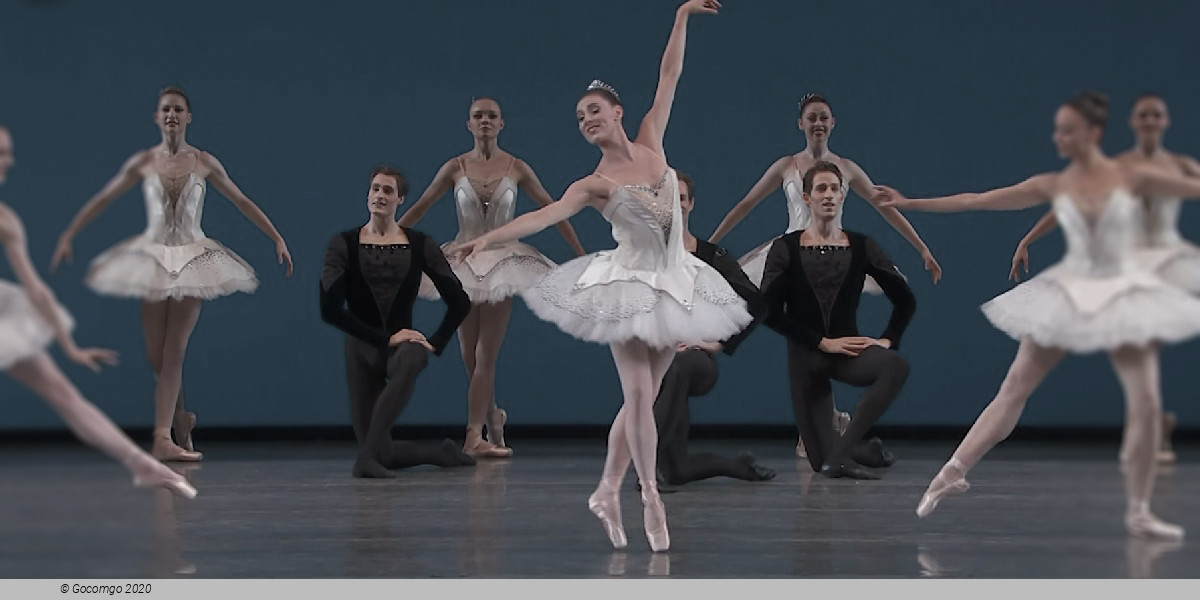
George Balanchine staged one of his most famous ballets for the company of the Opéra de Paris in 1947. Invited from beyond the ocean, the choreographer, in executing the French commission, was absolutely sure of himself: in this new work, as in most mature ballets by Balanchine, there was no plot, there were no human passions behind the dance, and only the music, its rhythm and structure determined the development of the choreographic image. The character of the dance was dictated by Georges Bizet’s youthful Symphony in C Major. Its sparkling lightness provided the name of the work – Le Palais de cristal. It is true that soon after the ballet was brought to New York the invented title became forgotten, and for over half a century many leading ballet companies throughout the world have been proud to have Balanchine’s Symphony in C in their repertoires. This ballet is ideal for showcasing a company’s merits: the four parts of the ballet are staged for four pairs of soloists, and in this ballet dancers can dazzlingly show off their skills and take on the incredibly complex fiorituri of the shading in the allegro, and proudly and majestically “sail” into the adagio.
Olga Makarova

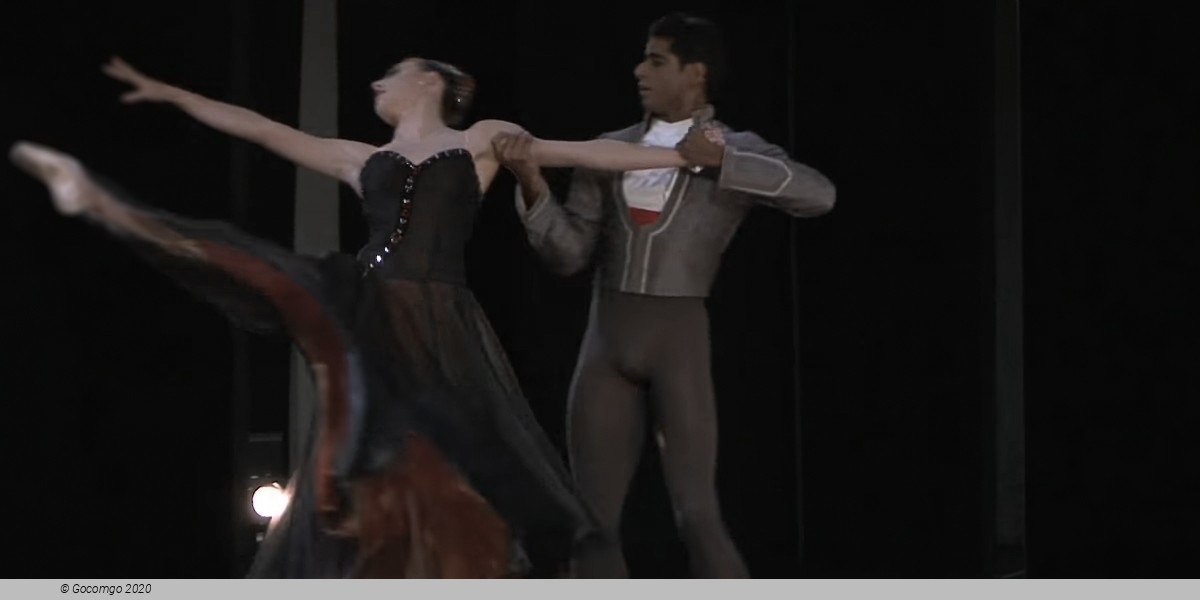
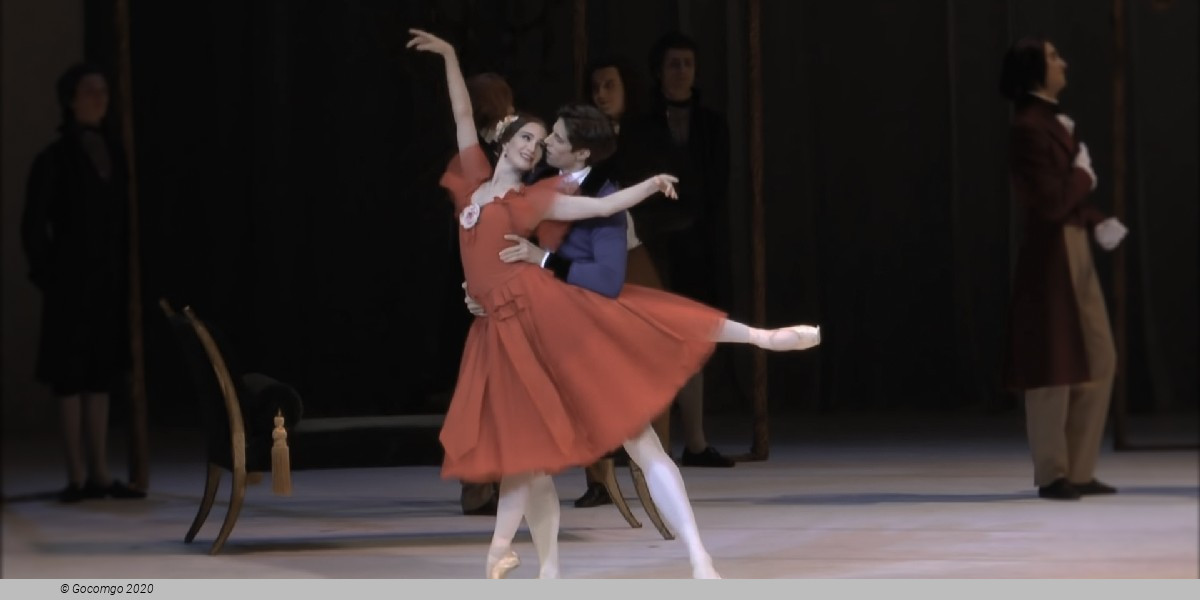
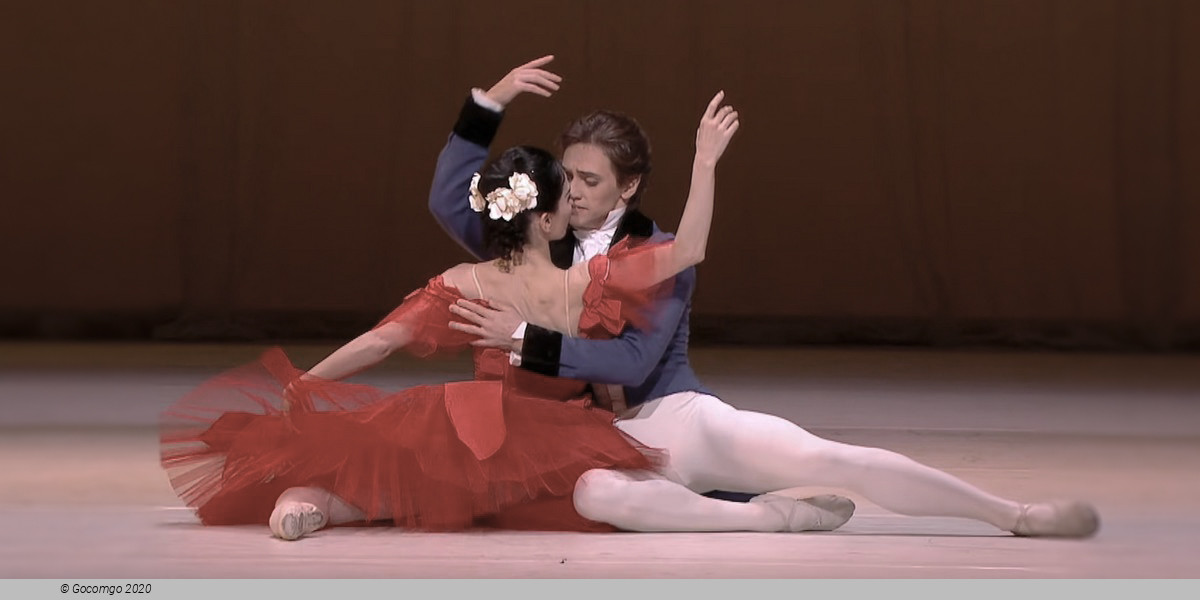
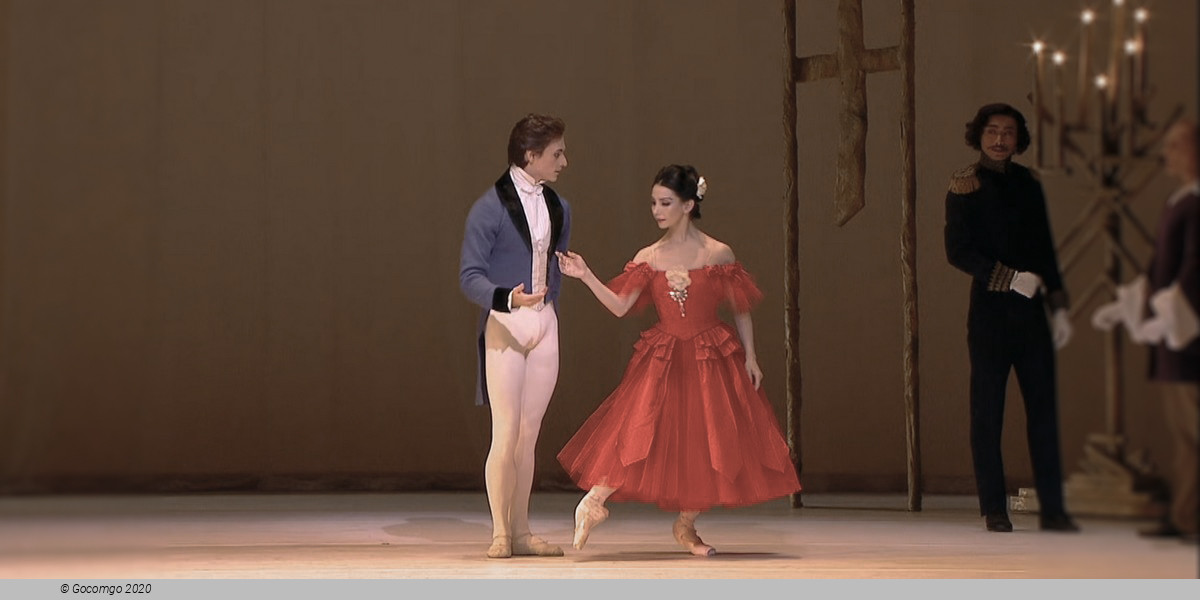
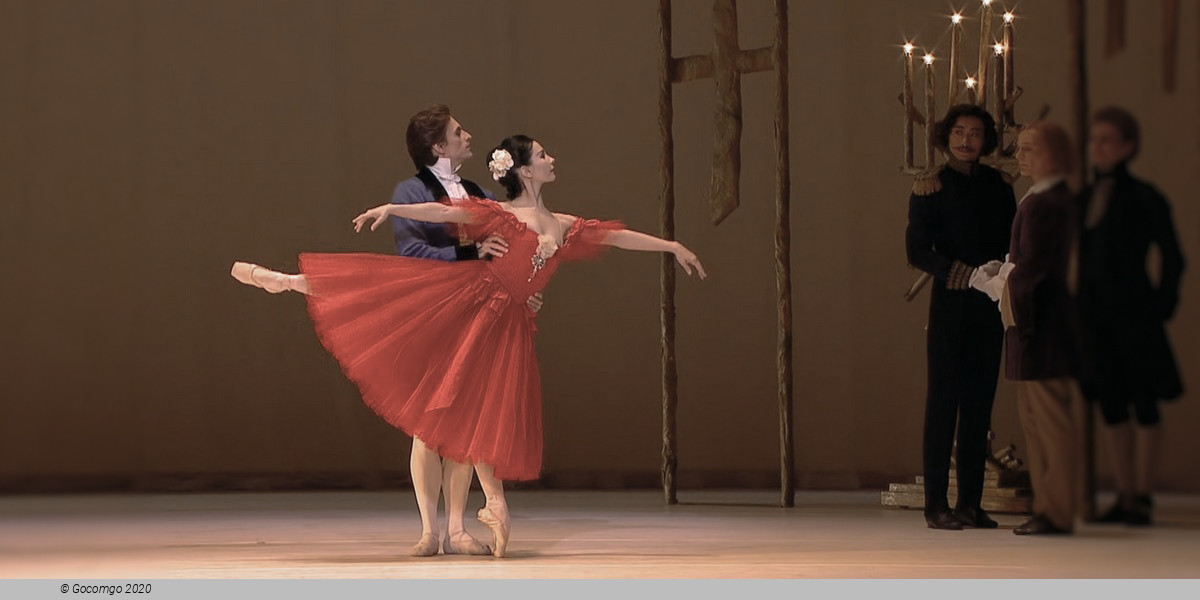
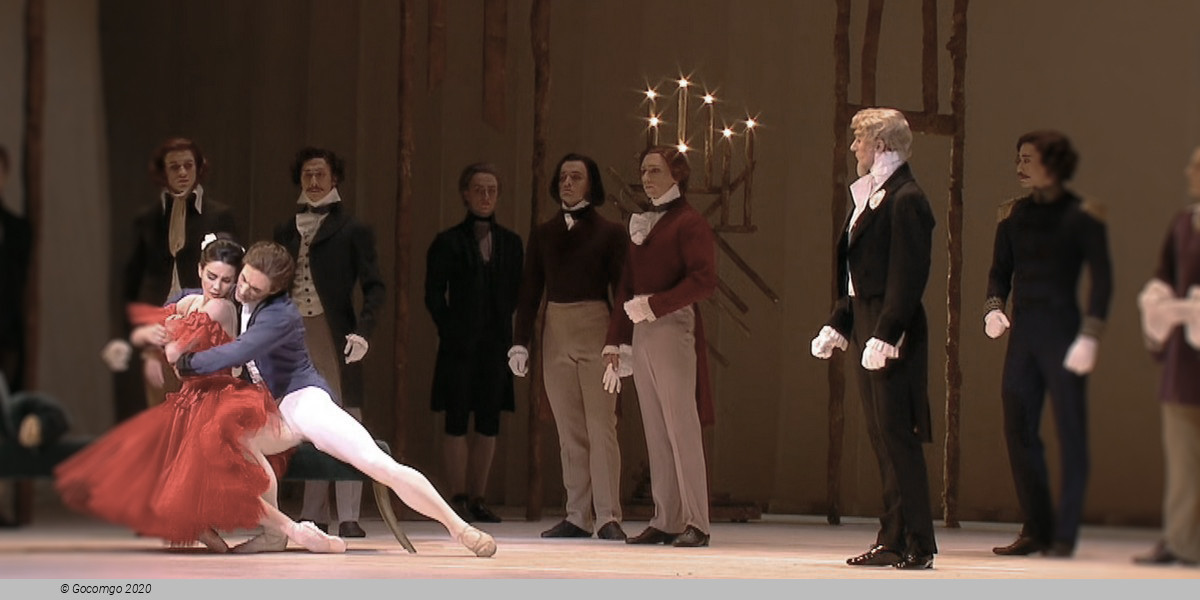
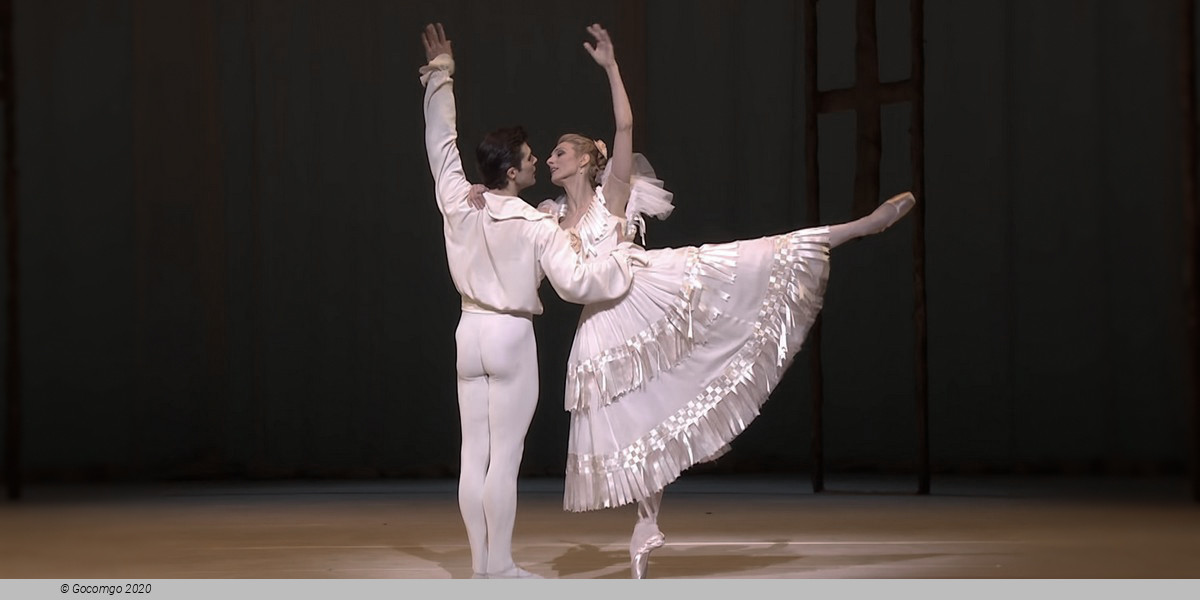
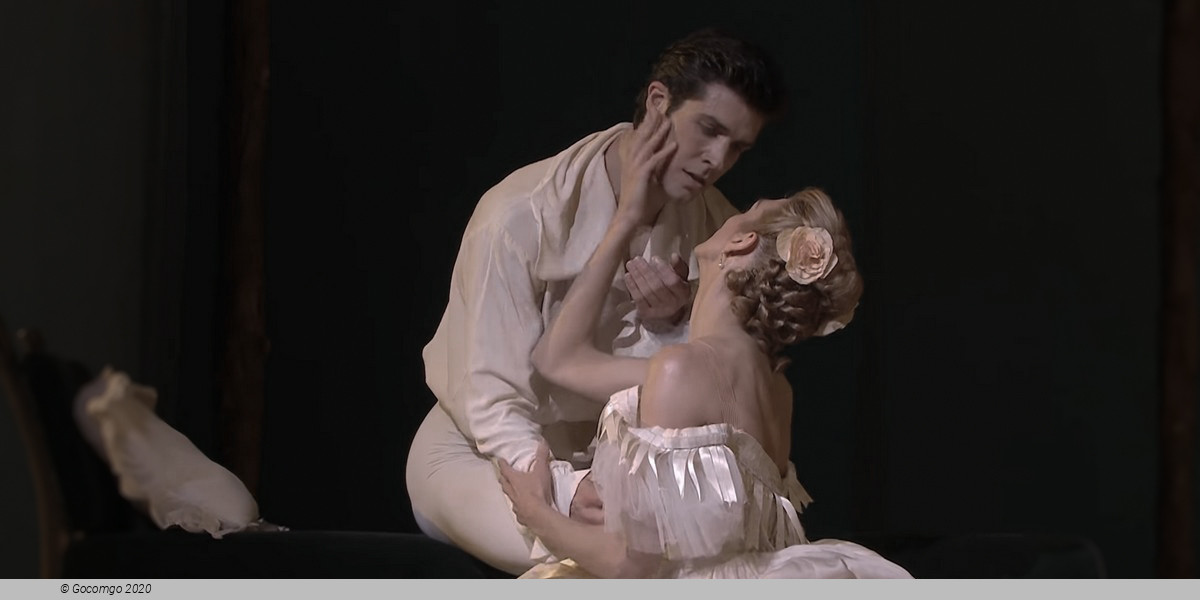
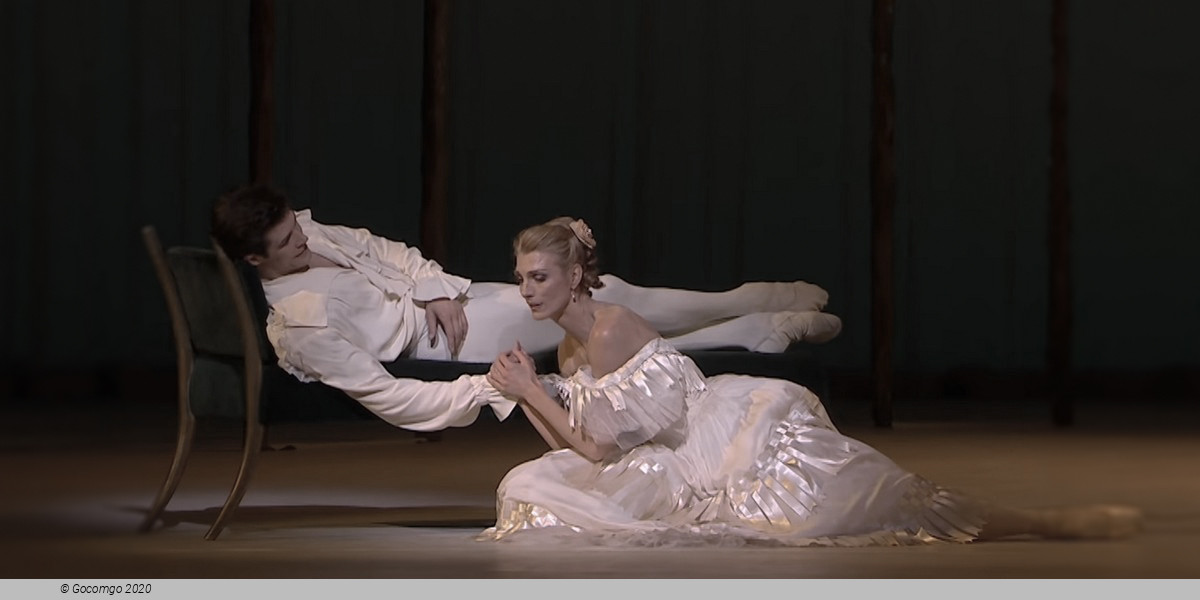
The ballet Marguerite and Armand was created at the Royal Opera House, Covent Garden, in 1963. Eye-witnesses recollect that following the premiere there were twenty-one curtain calls.
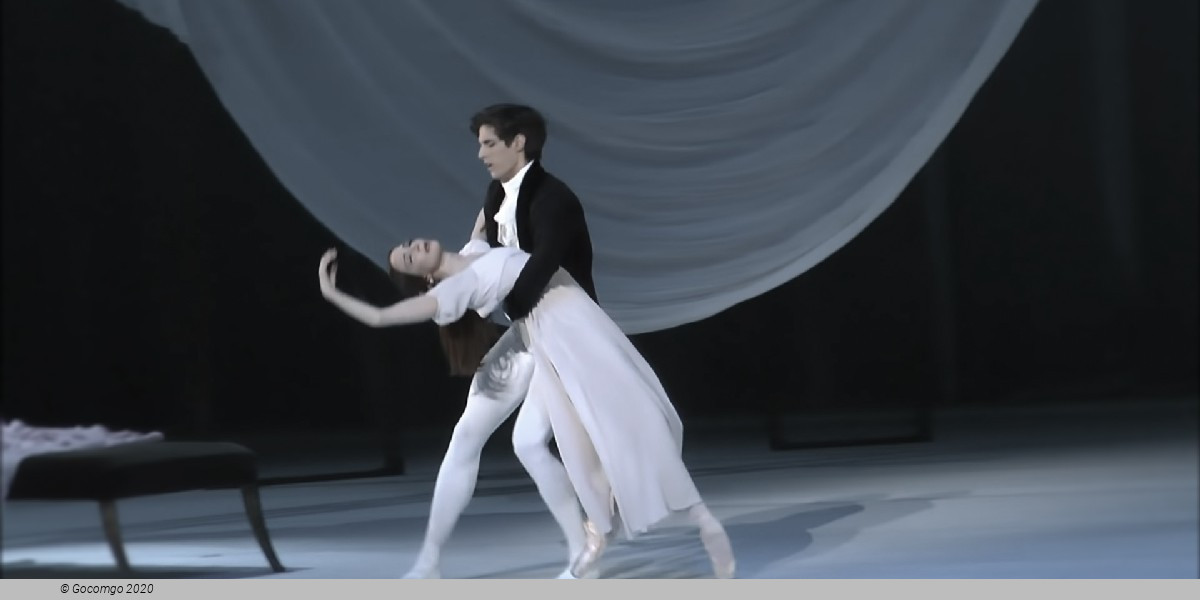
Frederick Ashton staged the ballet for Margot Fonteyn. Rudolf Nureyev, who had recently arrived in London, was all but unknown to Ashton at the time, but the charismatic young dancer’s partnership with the forty-three-year-old grande dame of British ballet – the incomparable Margot Fonteyn – provided a suitable theme for the production in which the choreographer was afforded the opportunity once again to present his darling in all her glory.
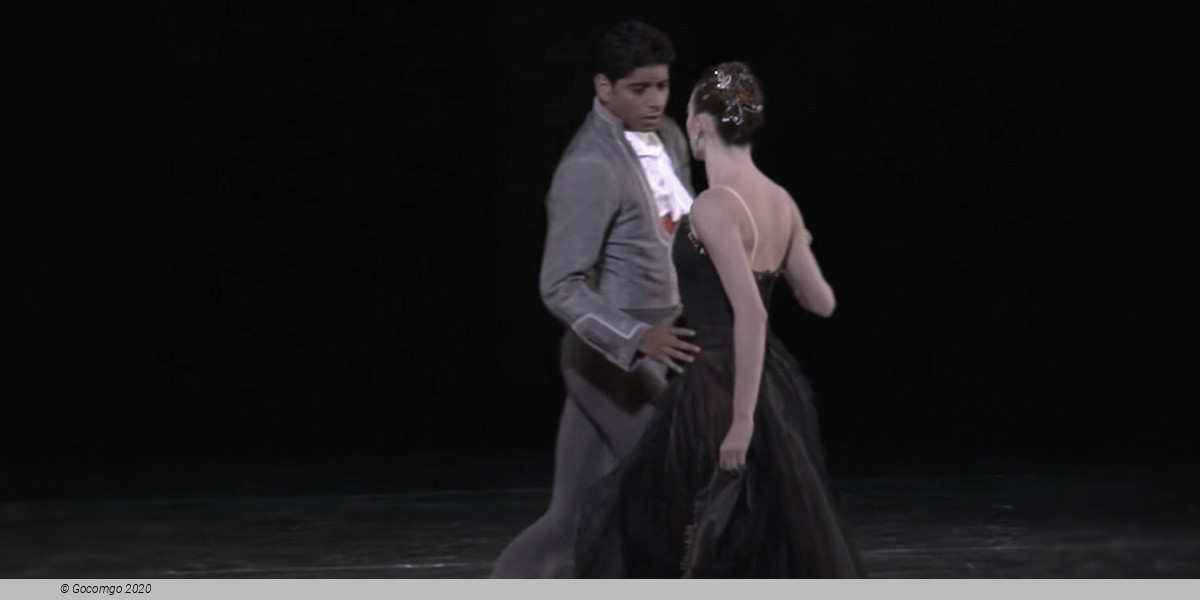
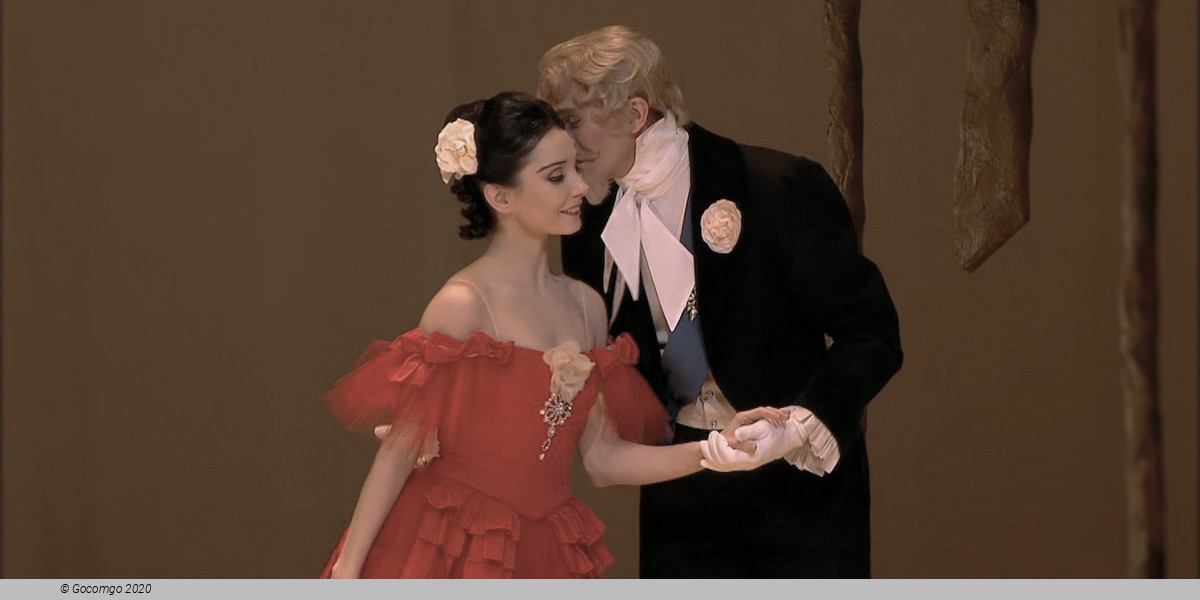
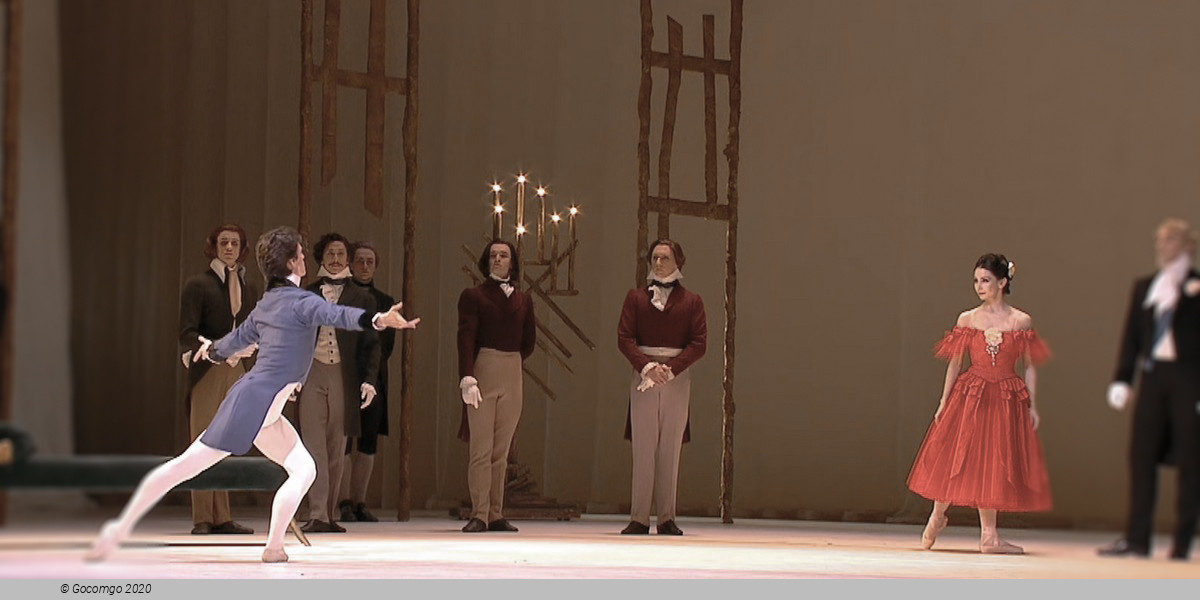
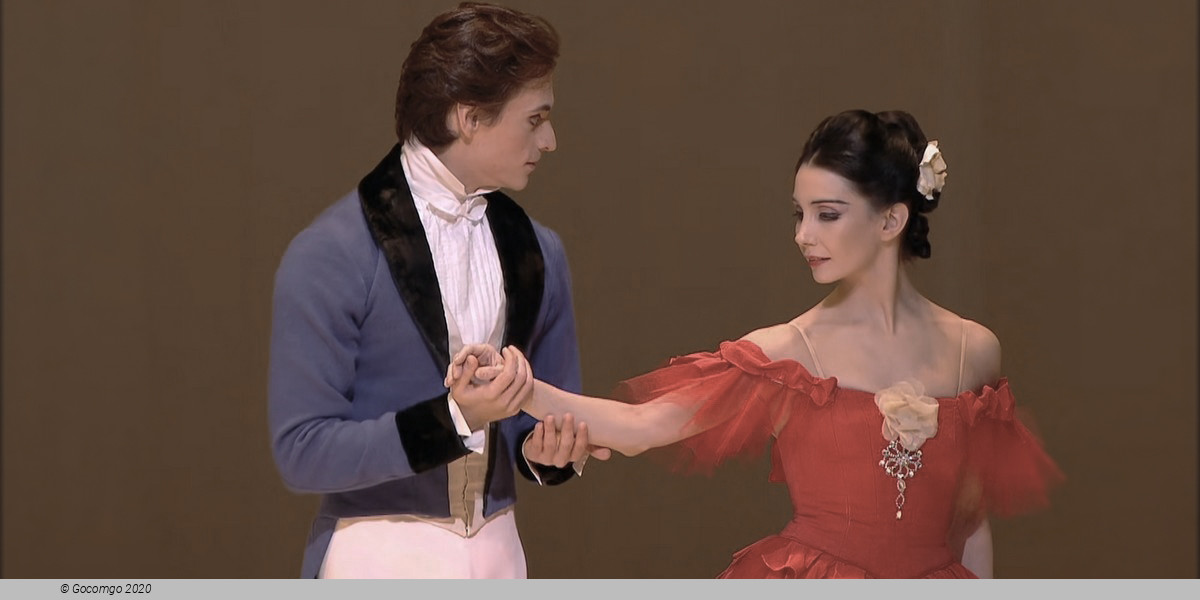
Ashton and Fonteyn emerged as great artists together – she as a ballerina and he as a choreographer. He created ballets with her in mind and dedicated them to her. And if Ashton had not had such a responsive performer who so inspired him over the course of more than a quarter of a century with her ease, emotionality and perfectionism his achievements in British choreography may well have been rather different. In the early 1960s Margot Fonteyn was planning to retire from performing and Ashton’s vision of a stage version of the story told by Alexandre Dumas fils in La Dame aux camélias happened to find resonance with her stage career. In the ballet, the heroine appeared at the end of her life’s journey: dying from consumption, she recalled moments of her former life and her passionate love. It suited Fonteyn to remember the past days of former artistic triumphs. And for Ashton this production was a deeply personal dedication. At the time, in spring 1963, no-one could have imagined that the method chosen to depict the story in the ballet would foretell the scenario of the ballerina’s own subsequent stage life, where events would not be regarded in retrospective but would look into the future. Her greatest triumphs were yet to come and her partnership with Nureyev was to be not a matter of nostalgia but rather the beginning of a new stage life.
Other amazing coincidences are connected with this production: having heard Liszt’s Piano Sonata in B Minor on the radio, Frederick Ashton considered it to be a suitable musical basis for his future ballet based on the plot of La Dame aux camélias. And how surprised he was when he discovered that Franz Liszt and Marie Duplessis, the prototype of Marguerite Gautier, the female protagonist of Dumas fils’ novel and stage play, were linked by a romantic relationship at the end of her short life and that the sonata was composed several years after her death!
Ashton did not create the ballet taking into account the individual characters of the performers, and neither did he tell a story about his dancers; he created their story – it was in this ballet that the legendary duo was born. This was why the choreographer categorically forbade any other dancers to touch this incredibly providential masterpiece. If, at first, during rehearsals Fonteyn and Nureyev had understudies, over time Ashton came to consider that the ballet Marguerite and Armand was not a vehicle where the performers could be replaced. The only possible content of the ballet was the personalities of its protagonists and the magnetism of their relationship on the stage.
But one by one the creators of the ballet all died – first Ashton in 1988, then Margot Fonteyn in 1991 and, two years after that, Nureyev. And the idea arose of reviving this “lost” wonder.
The first dancer with whom the guardians of Ashton’s legacy entrusted Fonteyn’s role was Sylvie Guillem, a ballerina with unique physical abilities and, which is more important here, a rare charisma and incredibly powerful individuality. In 1984 the nineteen-year-old Sylvie had been named an Étoile of the Opéra de Paris by Rudolf Nureyev, while some years later he took her to London for a co-performance and personally introduced her to Margot Fonteyn. Soon she became the brightest star of British ballet, as Fonteyn herself had once been, the unchallenged darling of London audiences. It is quite possible that she, more than anyone else, saw the obvious pointlessness of following the path taken by her mentor Rudolf Nureyev and his eternally adored Margot Fonteyn. Probably that is why Sylvie Guillem turned down the role on two occasions. And when she accepted it in 2000 she looked for the key to the image not in Fonteyn’s Marguerite but in the literary source.
Thus began the new stage life of Marguerite and Armand. The “ghosts” and destinies of Fonteyn and Nureyev have faded into the background, and today’s performers of the ballet – of whom there have been a great many since 2000 – dance the story of Dumas’ characters.
Olga Makarova

History
Premiere of this production: 29 January 1970, New York State Theater, New York

In the Night is a ballet in one act made by New York City Ballet ballet master Jerome Robbins to nocturnes of Frédéric Chopin. The premiere took place on Thursday, January 29, 1970 at the New York State Theater, Lincoln Center, with costumes by Anthony Dowell and lighting by Jennifer Tipton. Robbins created three other ballets to Chopin's music: The Concert (1956), Dances at a Gathering (1969), and Other Dances (1976), made on Mikhail Baryshnikov and Natalia Makarova.

Premiere of this production: 28 July 1947, Théâtre National de l'Opéra

Symphony in C, originally titled Le Palais de Cristal, is a ballet choreographed by George Balanchine, to Georges Bizet's Symphony in C. The ballet was originally created for the Paris Opera Ballet, and premiered on July 28, 1947 at Théâtre National de l'Opéra.

Premiere of this production: 12 March 1963, Royal Opera House, Covent Garden, London

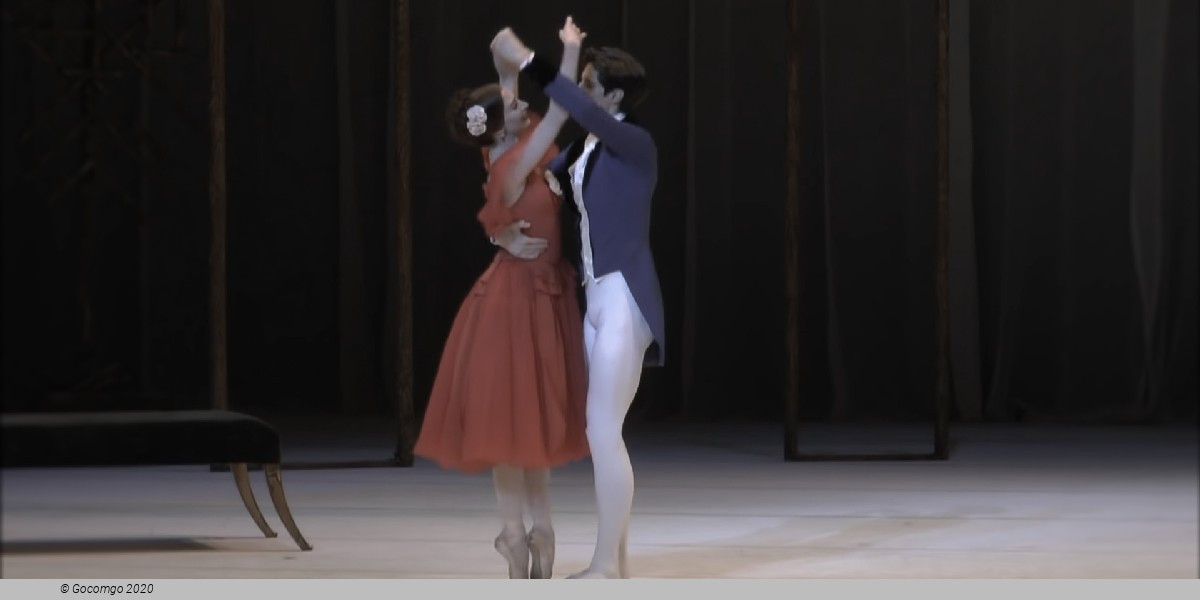
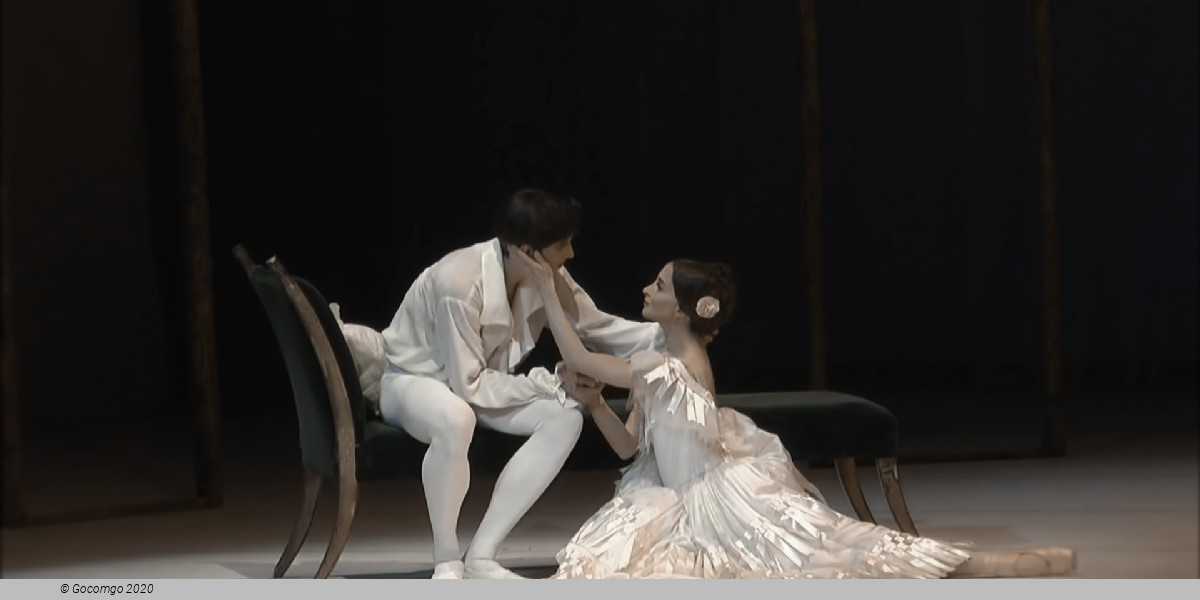
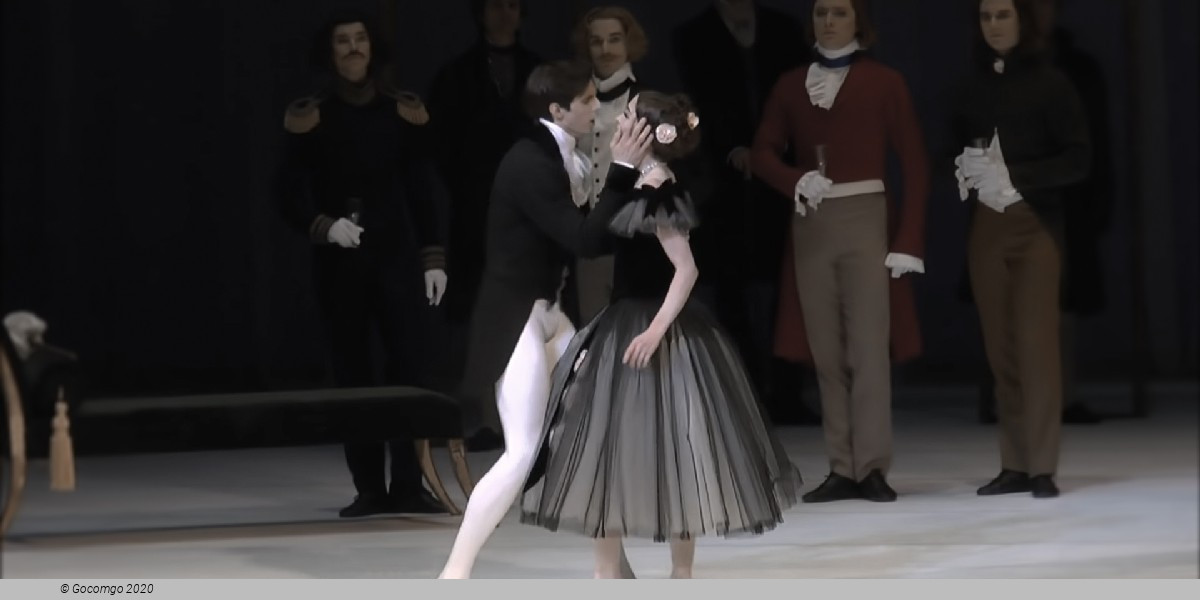
Marguerite and Armand is a ballet danced to an orchestral arrangement of Franz Liszt's B minor piano sonata. It was created in 1963 by the British choreographer Sir Frederick Ashton specifically for Rudolf Nureyev and Margot Fonteyn. The ballet takes its inspiration from the 19th-century novel La Dame aux Camélias by Alexandre Dumas, fils, and other adaptations of the same story such as Giuseppe Verdi's opera La traviata.

Venue Info

Mariinsky Theatre - Saint Petersburg
Location   1 Theatre Square

The Mariinsky Theatre is a historic theatre of opera and ballet in Saint Petersburg, Russia. Opened in 1860, it became the preeminent music theatre of late 19th-century Russia, where many of the stage masterpieces of Tchaikovsky, Mussorgsky, and Rimsky-Korsakov received their premieres. Through most of the Soviet era, it was known as the Kirov Theatre. Today, the Mariinsky Theatre is home to the Mariinsky Ballet, Mariinsky Opera and Mariinsky Orchestra. Since Yuri Temirkanov's retirement in 1988, the conductor Valery Gergiev has served as the theatre's general director.

The theatre is named after Empress Maria Alexandrovna, wife of Tsar Alexander II. There is a bust of the Empress in the main entrance foyer. The theatre's name has changed throughout its history, reflecting the political climate of the time.

The theatre building is commonly called the Mariinsky Theatre. The companies that operate within it have for brand recognition purposes retained the Kirov name, acquired during the Soviet era to commemorate the assassinated Leningrad Communist Party leader Sergey Kirov (1886–1934).

The Imperial drama, opera and ballet troupe in Saint Petersburg was established in 1783, at the behest of Catherine the Great, although an Italian ballet troupe had performed at the Russian court since the early 18th century. Originally, the ballet and opera performances were given in the wooden Karl Knipper Theatre on Tsaritsa Meadow, near the present-day Tripartite Bridge (also known as the Little Theatre or the Maly Theatre). The Hermitage Theatre, next door to the Winter Palace, was used to host performances for an elite audience of aristocratic guests invited by the Empress.

A permanent theatre building for the new company of opera and ballet artists was designed by Antonio Rinaldi and opened in 1783. Known as the Imperial Bolshoi Kamenny Theatre the structure was situated on Carousel Square, which was renamed Theatre Square in honour of the building. Both names – "Kamenny" (Russian word for "stone") and "Bolshoi" (Russian word for "big") – were coined to distinguish it from the wooden Little Theatre. In 1836, the Bolshoi Kamenny Theatre was renovated to a design by Albert Cavos (son of Catterino Cavos, an opera composer), and served as the principal theatre of the Imperial Ballet and opera.

On 29 January 1849, the Equestrian circus (Конный цирк) opened on Theatre Square. This was also the work of the architect Cavos. The building was designed to double as a theatre. It was a wooden structure in the then-fashionable neo-Byzantine style. Ten years later, when this circus burnt down, Albert Cavos rebuilt it as an opera and ballet house with the largest stage in the world. With a seating capacity of 1,625 and a U-shaped Italian-style auditorium, the theatre opened on 2 October 1860, with a performance of A Life for the Tsar. The new theatre was named Mariinsky after its imperial patroness, Empress Maria Alexandrovna.

Under Yuri Temirkanov, Principal Conductor from 1976 to 1988, the Opera Company continued to stage innovative productions of both modern and classic Russian operas. Although functioning separately from the Theatre’s Ballet Company, since 1988 both companies have been under the artistic leadership of Valery Gergiev as Artistic Director of the entire Theatre.

The Opera Company has entered a new era of artistic excellence and creativity. Since 1993, Gergiev’s impact on opera there has been enormous. Firstly, he reorganized the company’s operations and established links with many of the world's great opera houses, including the Royal Opera House, Covent Garden, the Metropolitan Opera, the Opéra Bastille, La Scala, La Fenice, the Israeli Opera, the Washington National Opera and the San Francisco Opera. Today, the Opera Company regularly tours to most of these cities.

Gergiev has also been innovative as far as Russian opera is concerned: in 1989, there was an all-Mussorgsky festival featuring the composer’s entire operatic output. Similarly, many of Prokofiev’s operas were presented from the late 1990s. Operas by non-Russian composers began to be performed in their original languages, which helped the Opera Company to incorporate world trends. The annual international "Stars of the White Nights Festival" in Saint Petersburg, started by Gergiev in 1993, has also put the Mariinsky on the world’s cultural map. That year, as a salute to the imperial origins of the Mariinsky, Verdi's La forza del destino, which received its premiere in Saint Petersburg in 1862, was produced with its original sets, costumes and scenery. Since then, it has become a characteristic of the "White Nights Festival" to present the premieres from the company’s upcoming season during this magical period, when the hours of darkness practically disappear as the summer solstice approaches.

Presently, the Company lists on its roster 22 sopranos (of whom Anna Netrebko may be the best known); 13 mezzo-sopranos (with Olga Borodina familiar to US and European audiences); 23 tenors; eight baritones; and 14 basses. With Gergiev in charge overall, there is a Head of Stage Administration, a Stage Director, Stage Managers and Assistants, along with 14 accompanists.

Important Info
Type: Ballet
City: Saint Petersburg, Russia
Starts at: 19:00
Acts: 1
Duration:
Top of page