
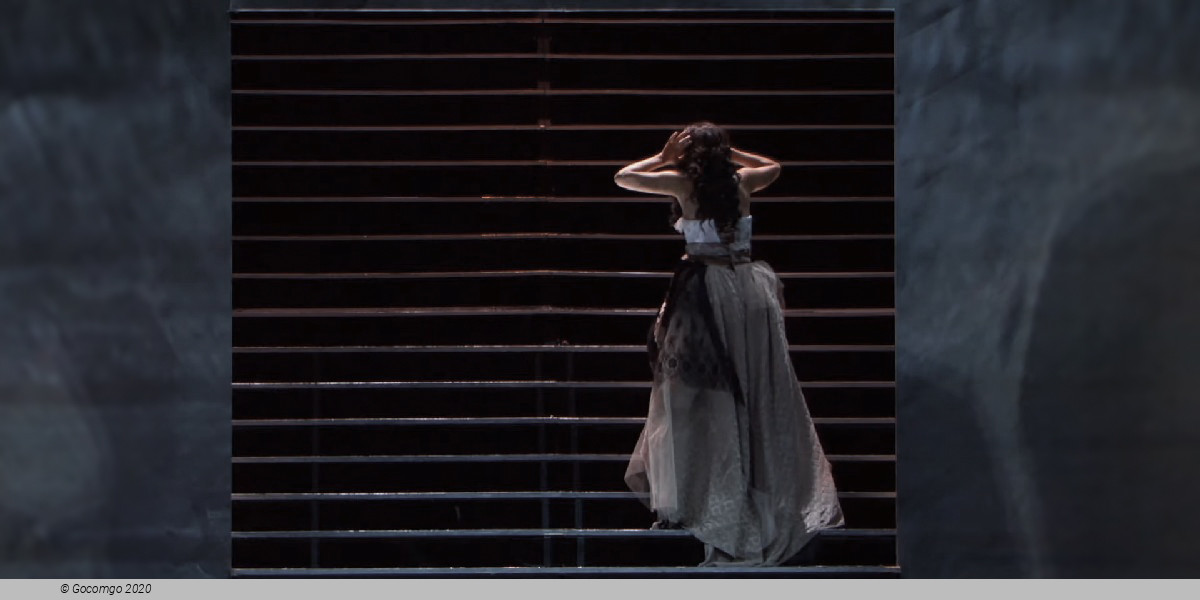
Mariinsky Theatre: I Capuleti e i Montecchi Tickets | Event Dates & Schedule | GoComGo.com

I Capuleti e i Montecchi Tickets

Mariinsky Theatre, Saint Petersburg, Russia
Important Info
Type: Classical Concert
City: Saint Petersburg, Russia
Duration: 2h 35min with 1 interval
Intervals: 1
Sung in: Italian
Titles in: Russian

E-tickets: Print at home or at the box office of the event if so specified. You will find more information in your booking confirmation email.

You can only select the category, and not the exact seats.
If you order 2 or 3 tickets: your seats will be next to each other.
If you order 4 or more tickets: your seats will be next to each other, or, if this is not possible, we will provide a combination of groups of seats (at least in pairs, for example 2+2 or 2+3).

Cast
Performers
Choose the date to see the peformers
History
Premiere of this production: 11 March 1830, Teatro La Fenice, Venice

I Capuleti e i Montecchi (The Capulets and the Montagues) is an Italian opera (Tragedia lirica) in two acts by Vincenzo Bellini. The libretto by Felice Romani was a reworking of the story of Romeo and Juliet for an opera by Nicola Vaccai called Giulietta e Romeo and based on the play of the same name by Luigi Scevola written in 1818, thus an Italian source rather than taken directly from William Shakespeare.

Synopsis

In this version of the story the Capuleti and Montecchi are rival political factions (Guelph and Ghibelline respectively) rather than Shakespeare's "two households, both alike in dignity". Capellio is the father of Giulietta (Juliet) and the leader of the Capuleti. Giulietta is betrothed to Tebaldo (Tybalt), however she has already met and fallen in love with Romeo, leader of the Montecchi (Montagues). This is a secret to all but Lorenzo (Lawrence), her doctor and confidant. Complicating matters, Romeo has inadvertently killed the son of Capellio (Giulietta's brother) in battle.

Place: around the palace of Capellio (Capulet) in Verona
Time: 13th century
Sinfonia

Act 1

Scene 1: The Palace

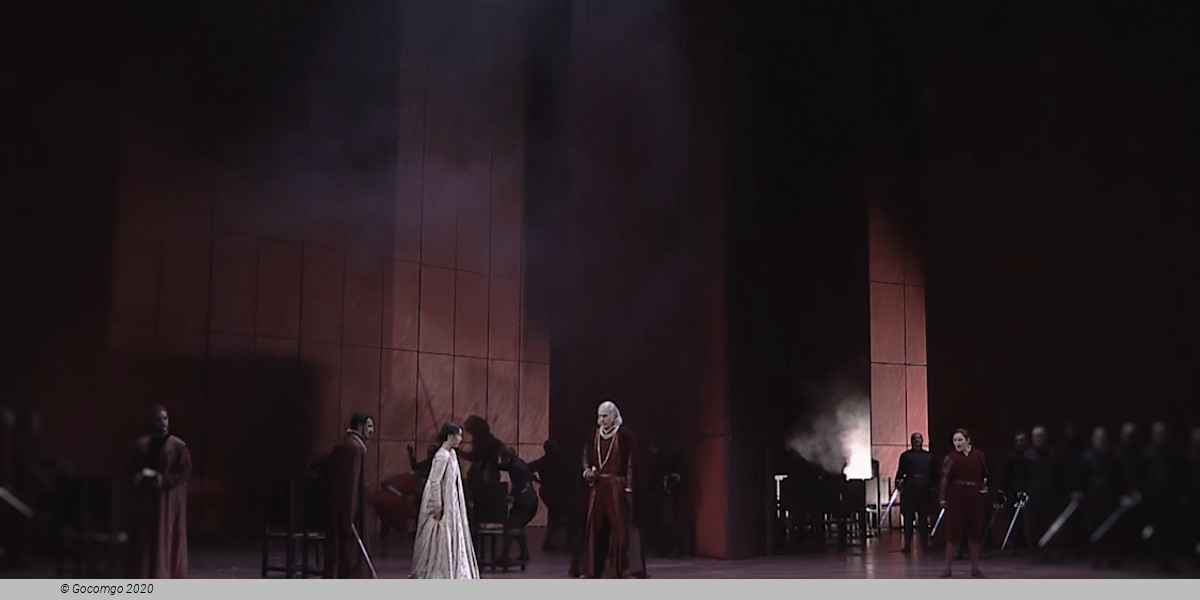
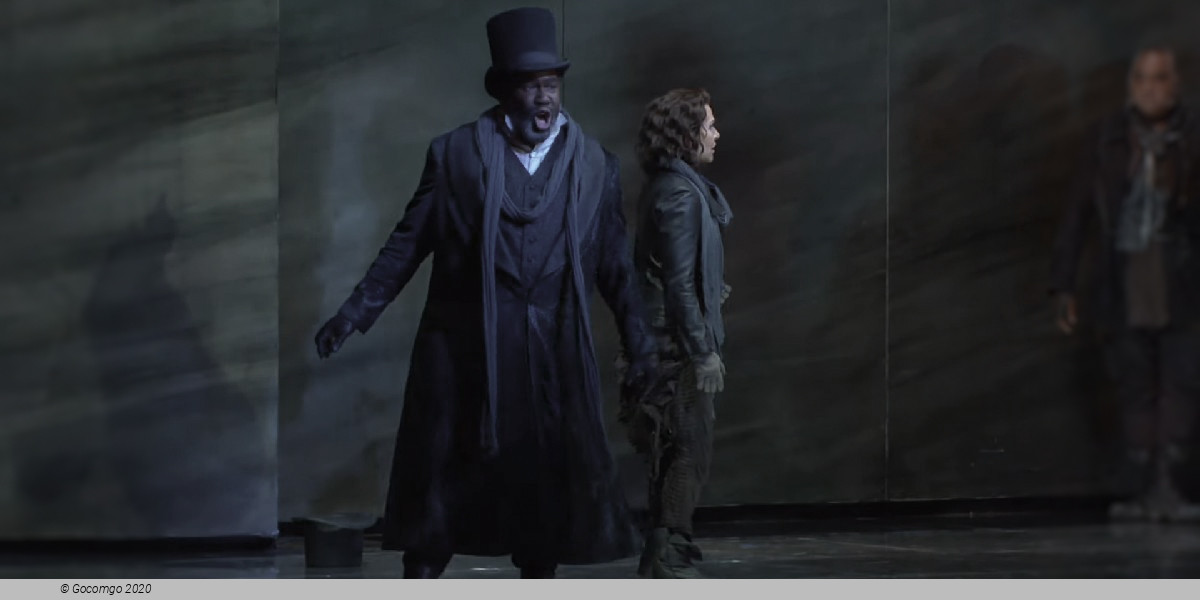
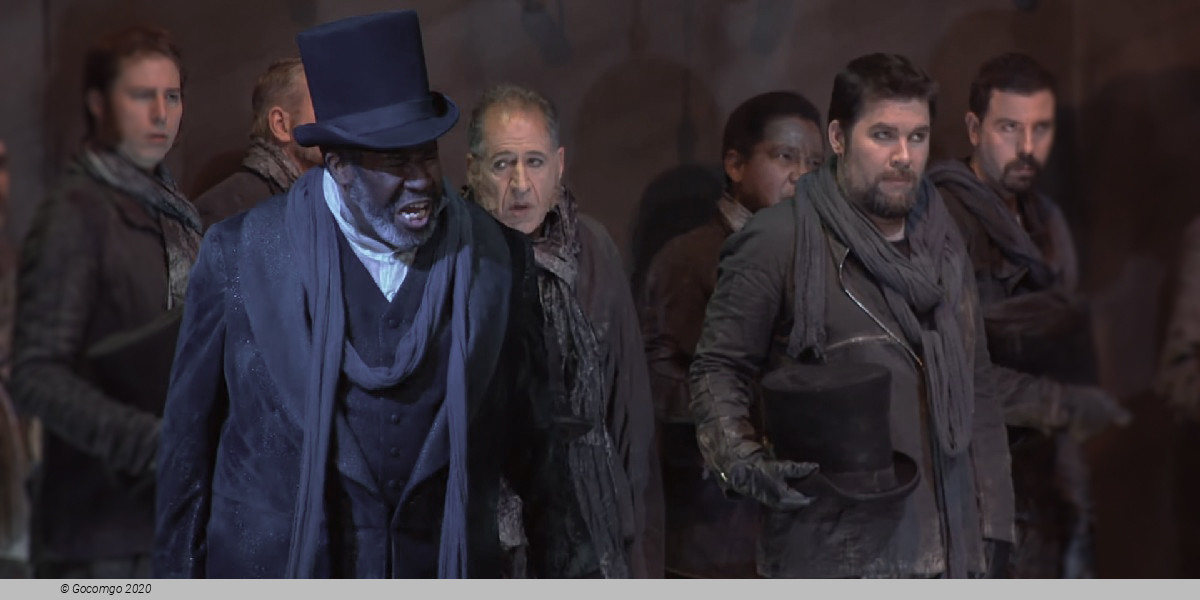
Capellio and Tebaldo address their followers advising rejection of an offer of peace to be brought by an envoy from Romeo, the man who had killed Capellio's son. Tebaldo states that he will avenge the killing to celebrate his marriage to Giulietta: (Cavatina: È serbata a questo acciaro / "And reserved for this sword / is the vengeance of your blood") and he urges Capellio to hasten the moment when he may marry Giulietta and then avenge Capellio, who wants the marriage to take place immediately, brushing aside the objections of Lorenzo that Giulietta is ill with a fever. Tebaldo proclaims his love for Giulietta: Sì: M'Abbraccia / "I love her so much / She is so dear to me". Capellio's men urge him on and arrangements are made to have the wedding take place that day.

While the men proclaim their hatred of the Montecchi, Romeo enters in the guise of a Montecchi envoy, offering peace to be guaranteed by the marriage of Romeo and Giulietta. He explains that Romeo regrets the death of Capellio's son (Cavatina: Ascolta: Se Romeo t'uccise un figlio / "Listen: If Romeo killed your son / he brought him death in battle / And you must blame fate"), and offers to take his place as a second son for the old man. Capellio indicates that Tebaldo has already taken on that role and—together with all his men—rejects all idea of peace: "War! War", the men proclaim. Romeo accepts their challenge of war: (Cabaletta: La tremenda ultrice spada/ "Romeo will prepare to brandish the dread avenging sword / Romeo accepts your challenge of war.)

Scene 2: Giulietta's room

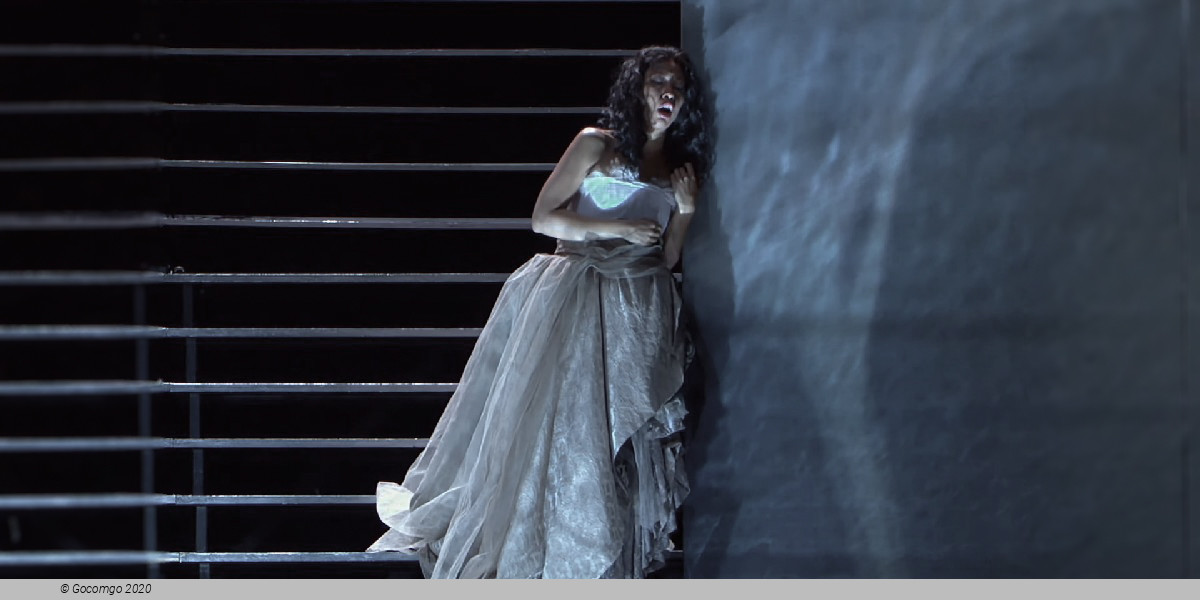
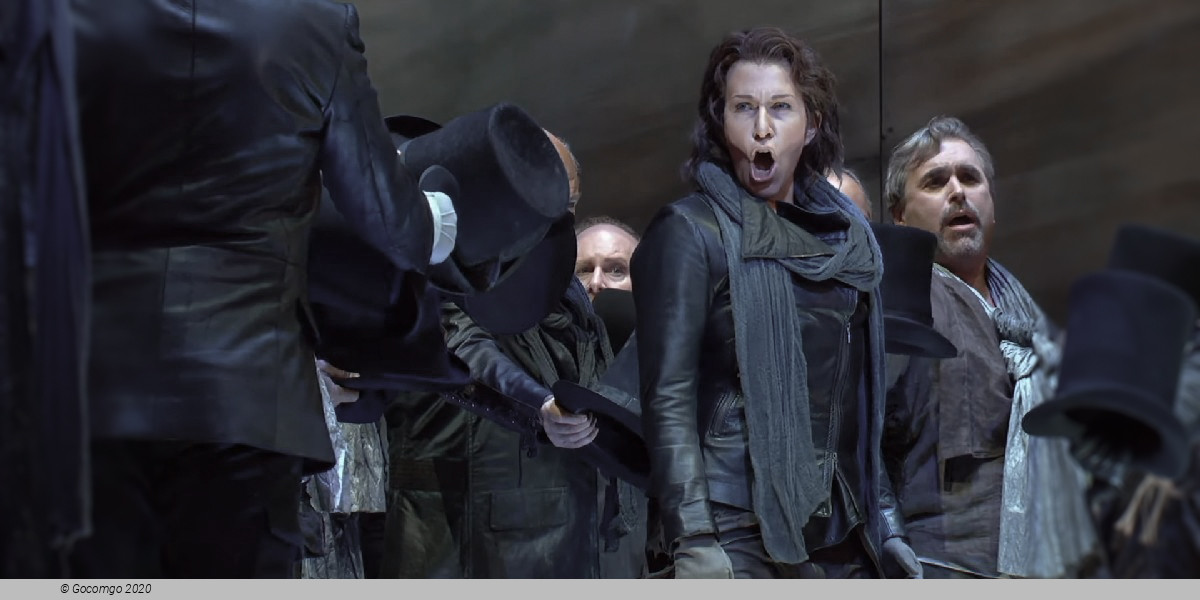
Giulietta enters proclaiming her frustration against all the wedding preparations which she sees about her. Recitative: "I burn, a fire consumes me wholly. In vain do I seek solace from the winds... Where are you Romeo?". Cavatina: Oh! quante volte / "Oh how many times do I weep and beg heaven for you". Lorenzo enters, explaining that he has arranged for Romeo to come to her by a secret door and, when Romeo enters, he tries to persuade Giulietta to escape with him. Duetto: Romeo: Sì, fuggire: a noi non resta / "Yes, flee, for us there is no other escape"; he demands: "What power is greater for you than love?", but she resists in the name of duty, law, and honour, declaring that she would prefer to die of a broken heart. Romeo is distraught: Cantabile: Romeo: Ah crudel, d'onor ragioni / "Oh cruel one, you speak of honour when you were stolen from me?" Giulietta responds "Ah what more you ask of me?", then, in a tempo di mezzo in which each expresses his/her conflicting emotions, the situation becomes more and more impossible for them both.

The sounds of wedding preparations are heard: she urges him to flee; he declares that he will stay and, in a final cabaletta in which Romeo pleads "Come, ah Come! Rely on me", Giulietta continues to resist. Each leaves.

Scene 3: Another part of the palace

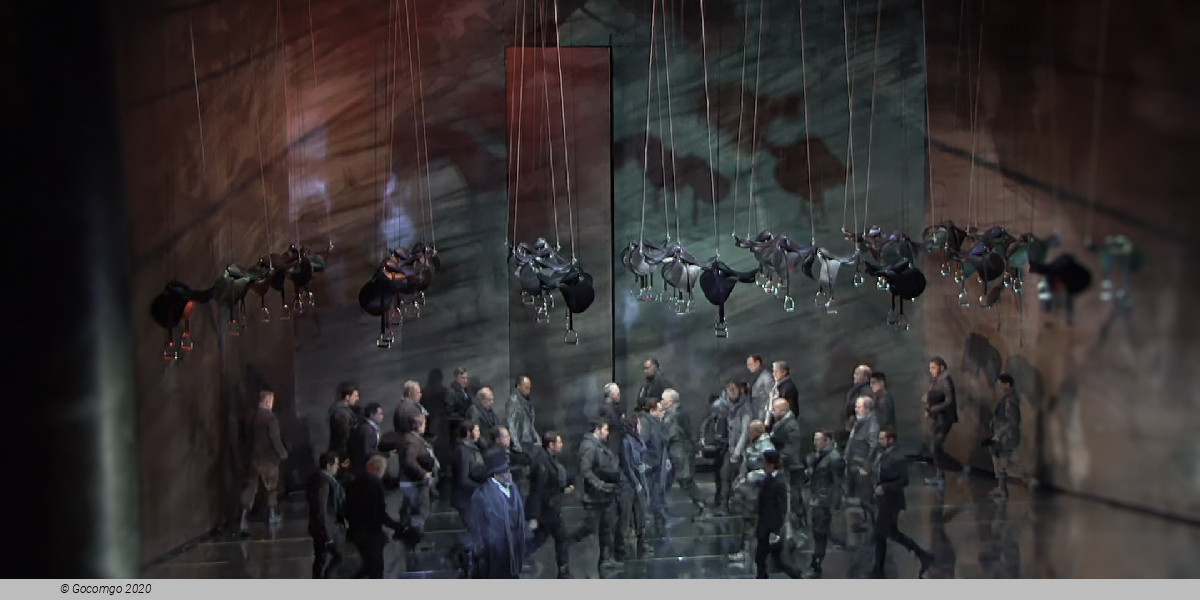
The Capuleti are celebrating the forthcoming marriage. All those assembled join in. Romeo enters in disguise and tells Lorenzo, who immediately recognises him, that he is awaiting the support of his soldiers, one thousand of whom are assembled dressed as Ghibelines and who are intent on preventing the wedding. Lorenzo remonstrates with him, but suddenly, the armed attack by the Montecchi takes place as they surge into the palace, Romeo with them. Giulietta is alone, lamenting the state of affairs, Tace il fragor / "The tumult has ended". Then she sees Romeo, who has appeared, and again he urges her to run away with him: "I ask this in the name of promised love", he declares. Capellio, Tebaldo and the Ghibelines discover them, and believe that Romeo is still the Montecchi envoy. As Giulietta tries to shield him from her father, Romeo proudly tells them his true name. The Montecchi enter to protect him and, in a concerted finale involving all from both factions, the lovers are separated by their family members, finally proclaiming: Al furor che si ridesta / "If all hope of ever seeing each other again in life / this will not be the last farewell". Capellio, Tebaldo, and Lorenzo become part of the quintet finale, as the ranks of the supporters of both sides join in the swell.

Act 2

Scene 1: Another part of the Palace

Introduced by a solo for cello, Giulietta awaits news of the fighting. Lorenzo enters and immediately tells her that Romeo lives, but she will soon be taken away to Tebaldo's castle. He offers a solution: that she must take a sleeping potion which will make it appear that she has died. She will then be taken to her family's tomb where he will arrange for Romeo and himself to be present when she awakes. In a state of indecision, she contemplates her options. (Aria: Morte io non temo, il sai / "You know that I do not fear death, / I have always asked death of you...") and she expresses doubts while Lorenzo urges her to take the potion, given that her father is about to come into the room. Taking the bottle, she declares that "only death can wrest me from my cruel father".

With his followers, Capellio comes to order her to leave with Tebaldo at dawn. Her ladies beg her father to be kinder towards her. Proclaiming that she is close to death, she begs her father's forgiveness: Cabaletta: Ah! non poss'io partire / "Ah, I cannot leave without your forgiveness.....Let your anger turn just once to peace", but Capellio rejects her and orders her to her room. He then instructs his men to keep watch on Lorenzo of whom he is suspicious; they are ordered not to allow Lorenzo to have contact with anyone.

Scene 2: The grounds of the palace

An orchestral introduction precedes Romeo's entrance and introduces what Weinstock describes as "his bitter recitative", Deserto è il loco / "This place is abandoned", in which he laments Lorenzo's apparent forgetfulness in failing to meet him as planned. He then hears the noise of someone entering. It is Tebaldo, and the two men begin an angry duet (Tebaldo: Stolto! a un sol mio grido / "With one cry a thousand men will arrive". Romeo: "I scorn you. You will wish the alps and the sea stood between us"). As they are about to begin fighting, the sound of a funeral procession is heard (Pace alla tua bell'anima). They stop and listen, only then realising that it is a procession for Giulietta. In a cabaletta finale, the rivals are united in remorse, asking each other for death as they continue to fight.

Scene 3: The tombs of the Capuleti

Along with his Montecchi followers, Romeo enters the tomb of the Capuleti. The followers mourn Giulietta's death. At her tomb and in order to bid her farewell, Romeo asks for it to be opened. He also asks that the Montecchi leave him alone with Giulietta: Romanza: Deh! tu, bell'anima / "Alas! You, fair soul / Rising up to heaven / turn to me, bear me with you". Realising his only course of action will be death, he swallows poison and, lying down beside her, he hears a sigh, then the sound of her voice. Giulietta wakes up to find that Romeo knew nothing of her simulated death and had been unaware of Lorenzo's plan. Urging him to leave with her, Giulietta gets up but Romeo states that he must remain there forever, explaining that he has already acted to end his life. In a final cabaletta, the couple clings to each other. Then he dies and Giulietta, unable to live on without him, falls dead onto his body. The Capuleti and Montecchi rush in to discover the dead lovers, with Capellio demanding who is responsible: "You, ruthless man", they all proclaim.

Venue Info

Mariinsky Theatre - Saint Petersburg
Location   1 Theatre Square

The Mariinsky Theatre is a historic theatre of opera and ballet in Saint Petersburg, Russia. Opened in 1860, it became the preeminent music theatre of late 19th-century Russia, where many of the stage masterpieces of Tchaikovsky, Mussorgsky, and Rimsky-Korsakov received their premieres. Through most of the Soviet era, it was known as the Kirov Theatre. Today, the Mariinsky Theatre is home to the Mariinsky Ballet, Mariinsky Opera and Mariinsky Orchestra. Since Yuri Temirkanov's retirement in 1988, the conductor Valery Gergiev has served as the theatre's general director.

The theatre is named after Empress Maria Alexandrovna, wife of Tsar Alexander II. There is a bust of the Empress in the main entrance foyer. The theatre's name has changed throughout its history, reflecting the political climate of the time.

The theatre building is commonly called the Mariinsky Theatre. The companies that operate within it have for brand recognition purposes retained the Kirov name, acquired during the Soviet era to commemorate the assassinated Leningrad Communist Party leader Sergey Kirov (1886–1934).

The Imperial drama, opera and ballet troupe in Saint Petersburg was established in 1783, at the behest of Catherine the Great, although an Italian ballet troupe had performed at the Russian court since the early 18th century. Originally, the ballet and opera performances were given in the wooden Karl Knipper Theatre on Tsaritsa Meadow, near the present-day Tripartite Bridge (also known as the Little Theatre or the Maly Theatre). The Hermitage Theatre, next door to the Winter Palace, was used to host performances for an elite audience of aristocratic guests invited by the Empress.

A permanent theatre building for the new company of opera and ballet artists was designed by Antonio Rinaldi and opened in 1783. Known as the Imperial Bolshoi Kamenny Theatre the structure was situated on Carousel Square, which was renamed Theatre Square in honour of the building. Both names – "Kamenny" (Russian word for "stone") and "Bolshoi" (Russian word for "big") – were coined to distinguish it from the wooden Little Theatre. In 1836, the Bolshoi Kamenny Theatre was renovated to a design by Albert Cavos (son of Catterino Cavos, an opera composer), and served as the principal theatre of the Imperial Ballet and opera.

On 29 January 1849, the Equestrian circus (Конный цирк) opened on Theatre Square. This was also the work of the architect Cavos. The building was designed to double as a theatre. It was a wooden structure in the then-fashionable neo-Byzantine style. Ten years later, when this circus burnt down, Albert Cavos rebuilt it as an opera and ballet house with the largest stage in the world. With a seating capacity of 1,625 and a U-shaped Italian-style auditorium, the theatre opened on 2 October 1860, with a performance of A Life for the Tsar. The new theatre was named Mariinsky after its imperial patroness, Empress Maria Alexandrovna.

Under Yuri Temirkanov, Principal Conductor from 1976 to 1988, the Opera Company continued to stage innovative productions of both modern and classic Russian operas. Although functioning separately from the Theatre’s Ballet Company, since 1988 both companies have been under the artistic leadership of Valery Gergiev as Artistic Director of the entire Theatre.

The Opera Company has entered a new era of artistic excellence and creativity. Since 1993, Gergiev’s impact on opera there has been enormous. Firstly, he reorganized the company’s operations and established links with many of the world's great opera houses, including the Royal Opera House, Covent Garden, the Metropolitan Opera, the Opéra Bastille, La Scala, La Fenice, the Israeli Opera, the Washington National Opera and the San Francisco Opera. Today, the Opera Company regularly tours to most of these cities.

Gergiev has also been innovative as far as Russian opera is concerned: in 1989, there was an all-Mussorgsky festival featuring the composer’s entire operatic output. Similarly, many of Prokofiev’s operas were presented from the late 1990s. Operas by non-Russian composers began to be performed in their original languages, which helped the Opera Company to incorporate world trends. The annual international "Stars of the White Nights Festival" in Saint Petersburg, started by Gergiev in 1993, has also put the Mariinsky on the world’s cultural map. That year, as a salute to the imperial origins of the Mariinsky, Verdi's La forza del destino, which received its premiere in Saint Petersburg in 1862, was produced with its original sets, costumes and scenery. Since then, it has become a characteristic of the "White Nights Festival" to present the premieres from the company’s upcoming season during this magical period, when the hours of darkness practically disappear as the summer solstice approaches.

Presently, the Company lists on its roster 22 sopranos (of whom Anna Netrebko may be the best known); 13 mezzo-sopranos (with Olga Borodina familiar to US and European audiences); 23 tenors; eight baritones; and 14 basses. With Gergiev in charge overall, there is a Head of Stage Administration, a Stage Director, Stage Managers and Assistants, along with 14 accompanists.

Important Info
Type: Classical Concert
City: Saint Petersburg, Russia
Duration: 2h 35min with 1 interval
Intervals: 1
Sung in: Italian
Titles in: Russian

E-tickets: Print at home or at the box office of the event if so specified. You will find more information in your booking confirmation email.

You can only select the category, and not the exact seats.
If you order 2 or 3 tickets: your seats will be next to each other.
If you order 4 or more tickets: your seats will be next to each other, or, if this is not possible, we will provide a combination of groups of seats (at least in pairs, for example 2+2 or 2+3).

Top of page