








Mariinsky Theatre 11 March 2023 - Die Puppenfee. Performance by the Vaganova Ballet Academy | GoComGo.com

Die Puppenfee. Performance by the Vaganova Ballet Academy

Mariinsky Theatre, Mariinsky Theatre, Saint Petersburg, Russia
All photos (8)
Select date and time
12 PM
Request for Tickets
Important Info
Type: Ballet
City: Saint Petersburg, Russia
Starts at: 12:00
Acts: 1
Duration: 55min

E-tickets: Print at home or at the box office of the event if so specified. You will find more information in your booking confirmation email.

You can only select the category, and not the exact seats.
If you order 2 or 3 tickets: your seats will be next to each other.
If you order 4 or more tickets: your seats will be next to each other, or, if this is not possible, we will provide a combination of groups of seats (at least in pairs, for example 2+2 or 2+3).

Overview

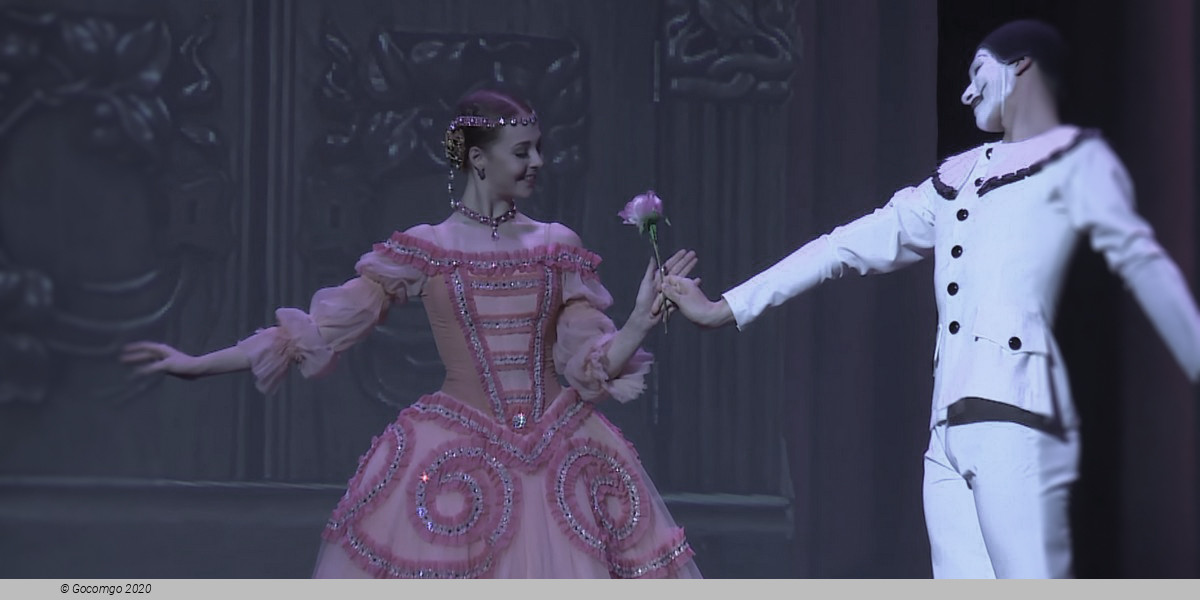
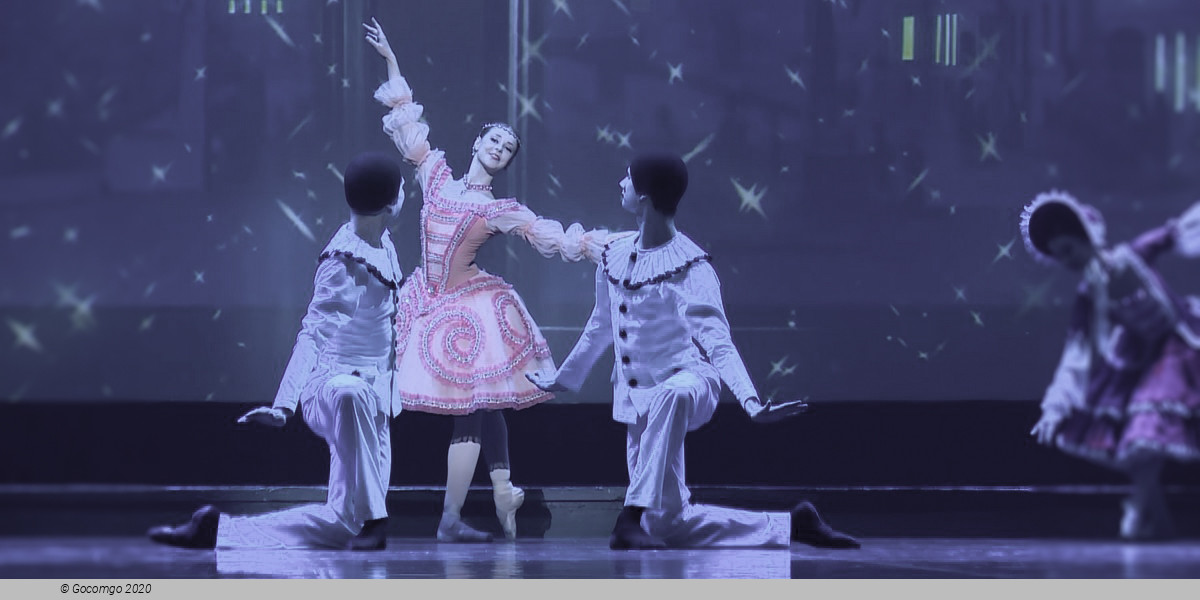
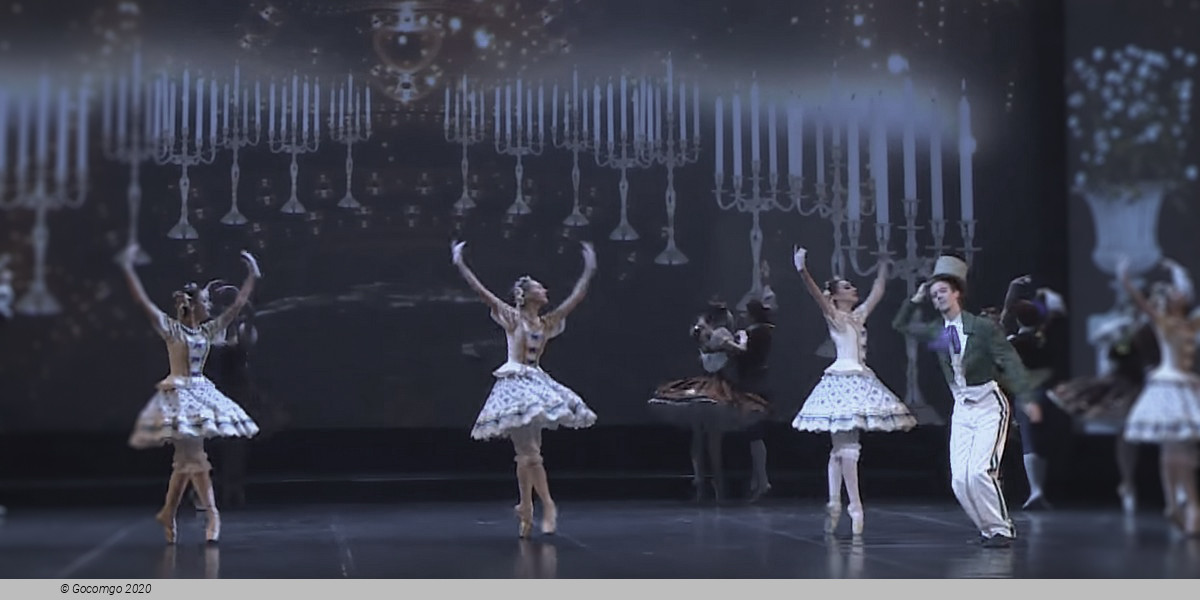
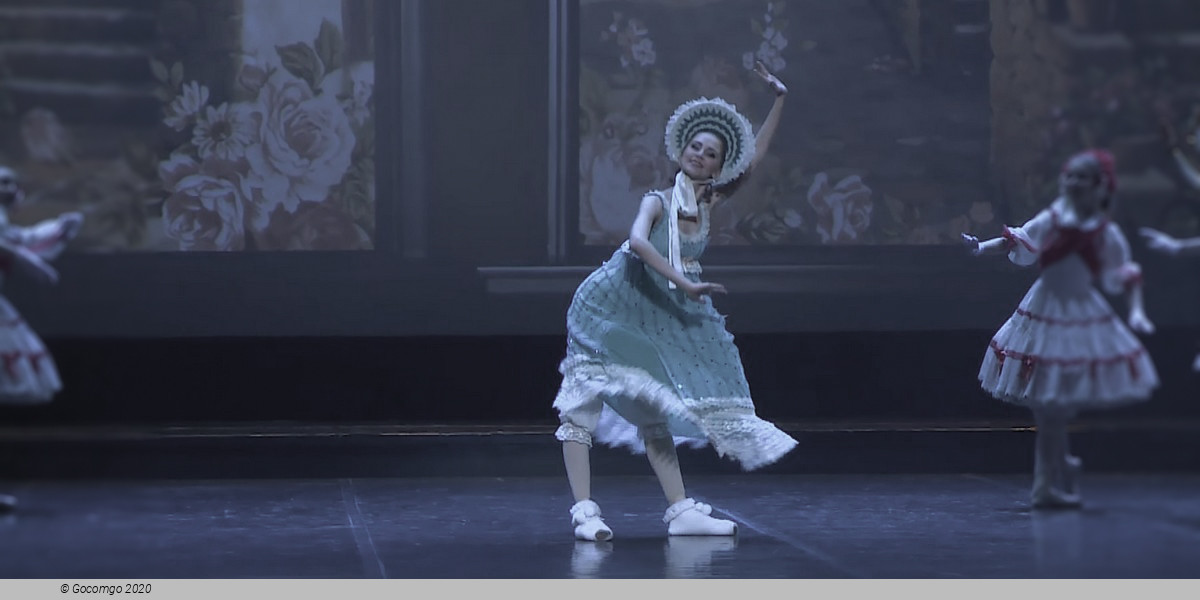
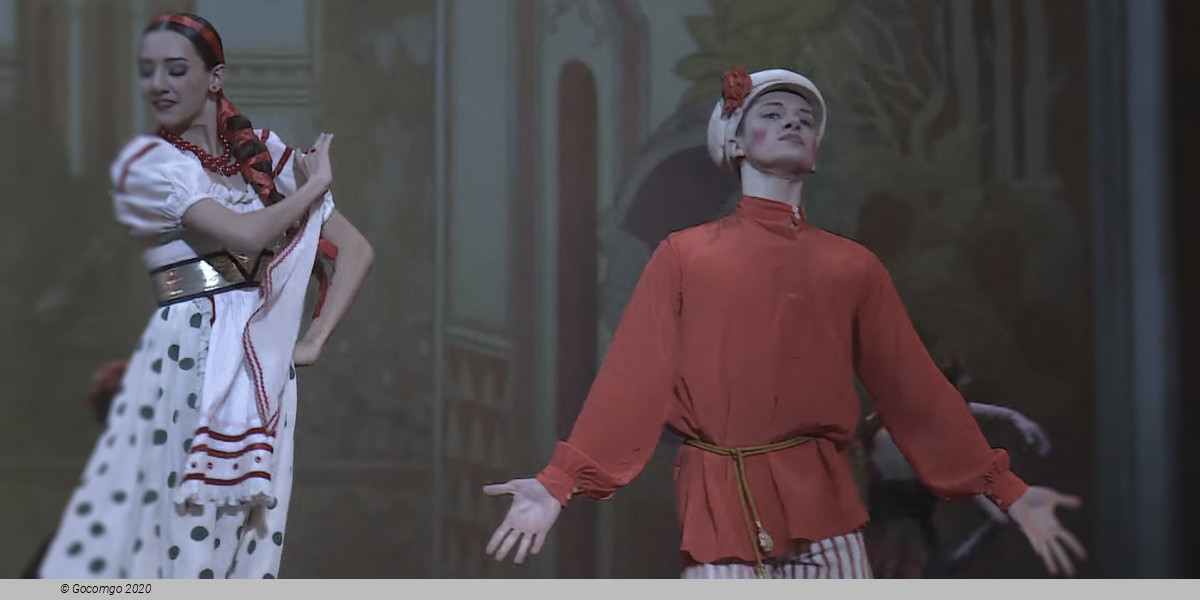
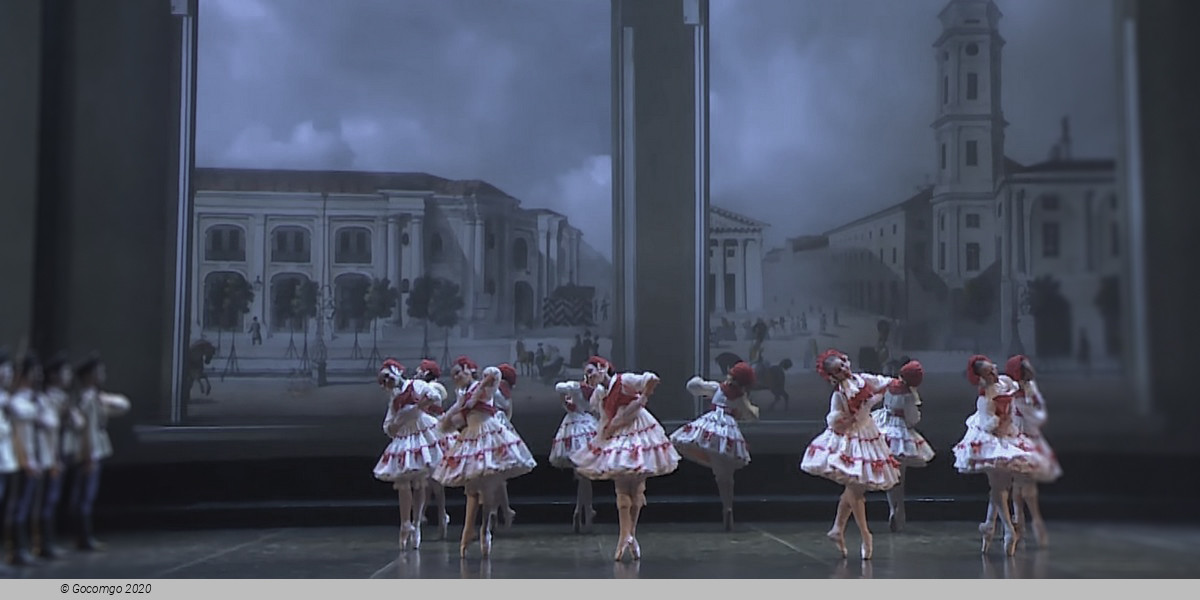
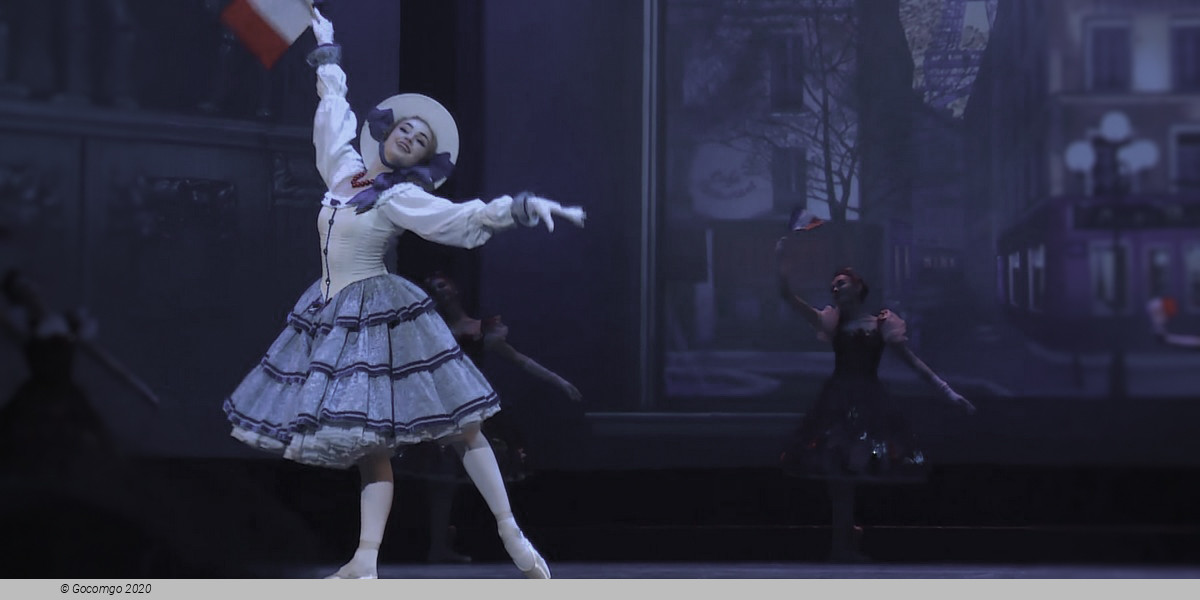
This sweet ballet, staged in 1903 by the brothers Sergei and Nikolai Legat as an attraction of varied solos by ballet stars that followed one after another, was performed at the start of the last century by Mathilde Kschessinska, Vera Trefilova, Agrippina Vaganova, Olga Preobrazhenskaya, Anna Pavlova, Pavel Gerdt and Michel Fokine. In the dances to music by Bayer and additions made to his score by Tchaikovsky, Drigo, Rubinstein and Lyadov, the stars of the St Petersburg ballet dazzled audiences with their glittering skills.
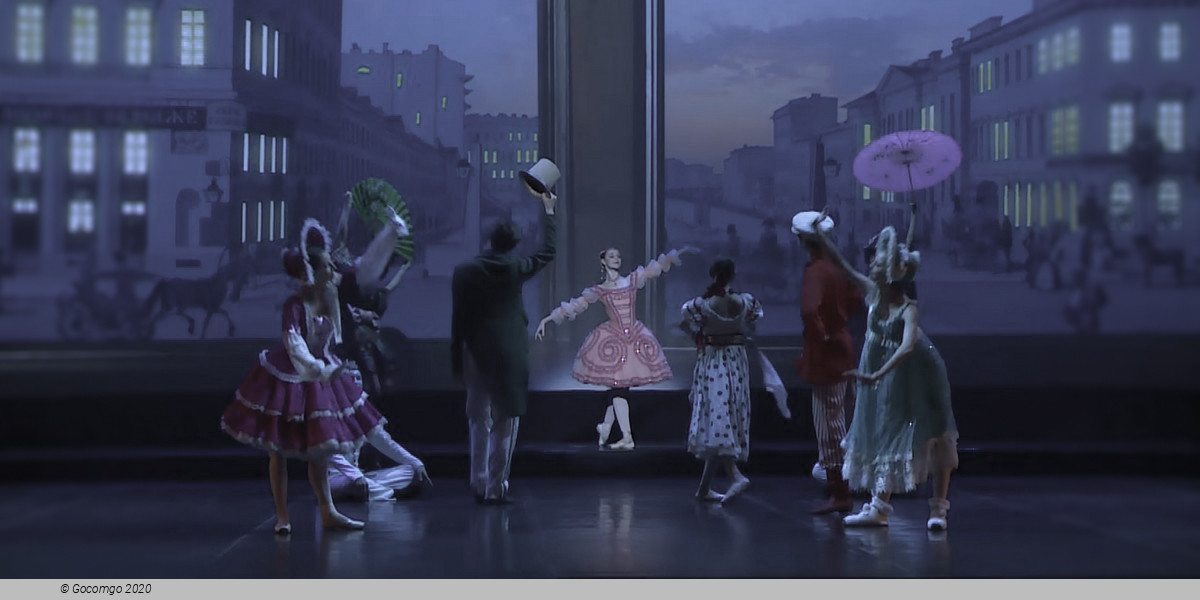
The first production by the Legat brothers to a great extent also owed its success to the designs by Léon Bakst. Die Puppenfee was one of the first theatre works staged by the future darling of the demanding Parisian public and trendsetter of European fashion. The sensational success and innovative nature of the Paris performances during the Saisons russes were ahead of their time, while in the doll-like costumes and sets depicting mid 19th century St Petersburg Bakst refined his skill. As the designer’s friend and colleague Alexandre Benois later recalled (his collection of folk toys served well in the search for images for the characters in the ballet), “Levushka (Léon) was totally absorbed with work on Die Puppenfee.” One of the reasons that Bakst worked with particular fervour and inspiration on this ballet was his romance with his wife-to-be Lyubov Gritsenko. Having completed the sets for the toy-shop, the besotted designer wanted to create a portrait of his beloved and invited her to pose in his set workshop. Bakst resolved to include the resultant successful portrait in the sets. His model did not protest. “Her figure on canvas was carefully cut out and sewn on to the general backdrop of various clowns, dolls, drums, swords, waggons and other toys,” Benois recalled, “Lyubov Pavlovna was hanging there in her fashionable Paris couture black dress and a huge black hat! "..." As they said back then, this eccentric decision by the designer made a great impression on the high-ranking audience... Everyone in the auditorium was asking each other who the woman was whose portrait was hanging, so lifelike among the toys? Thus the heartfelt secret of the lovers became ‘the fable of the city’”...
The public adored Die Puppenfee. And although following the Revolution, in the 1920s when in the new Soviet country many masterpieces of the "imperial past" came into doubt, this production remained in the repertoire though it did not escape several decades of oblivion. In 1989 the production about the dolls was remembered by Konstantin Sergeyev, Artistic Director of the Leningrad Vaganova School of Dance; as a child he would have still been able to see it performed in St Petersburg. Sergeyev brought the ballet back to the stage, producing his own version as a production for child performers. Today Die Puppenfee is once again in the repertoire of the Vaganova Academy of Russian Ballet.
Olga Makarova

History
Premiere of this production: 04 October 1888, Vienna Court Opera

Die Puppenfee was first staged in Russia in 1897. This one-act ballet was originally created by brothers Nikolai and Sergei Legat and staged across Europe. to the music of Josef Bayer. Die Puppenfee premiered at the Hermitage Theatre on 7 February 1903. Nine days later, the ballet was mounted at the Mariinsky Theatre in the sets and costumes of Léon Bakst, marking the start of his career as a famous theatrical designer. 

Synopsis

A working day in a doll shop is underway. The owner gives his orders to his shop-assistants. The postman brings letters and the delivery man brings some boxes. A maid asks for a new head to be made for a broken doll. The first buyers select toys that please them. The shopkeeper demonstrates mechanical dolls to a Merchant, his wife and daughter and the family of Mr. Plumpetemer. Attempting to amaze his wealthy clients, he demonstrates the most beautiful piece he has – the Fairy Doll. She enchants the audience with her dancing – each of the girls wish to own this beautiful object. Mr. Plumpetemer and the Merchant pay and ask for their purchases to be sent home.

As soon as the last shoppers depart and the shopkeeper closes up, the dolls come to life. The Fairy invites the dolls to a ball.

Venue Info

Mariinsky Theatre - Saint Petersburg
Location   1 Theatre Square

The Mariinsky Theatre is a historic theatre of opera and ballet in Saint Petersburg, Russia. Opened in 1860, it became the preeminent music theatre of late 19th-century Russia, where many of the stage masterpieces of Tchaikovsky, Mussorgsky, and Rimsky-Korsakov received their premieres. Through most of the Soviet era, it was known as the Kirov Theatre. Today, the Mariinsky Theatre is home to the Mariinsky Ballet, Mariinsky Opera and Mariinsky Orchestra. Since Yuri Temirkanov's retirement in 1988, the conductor Valery Gergiev has served as the theatre's general director.

The theatre is named after Empress Maria Alexandrovna, wife of Tsar Alexander II. There is a bust of the Empress in the main entrance foyer. The theatre's name has changed throughout its history, reflecting the political climate of the time.

The theatre building is commonly called the Mariinsky Theatre. The companies that operate within it have for brand recognition purposes retained the Kirov name, acquired during the Soviet era to commemorate the assassinated Leningrad Communist Party leader Sergey Kirov (1886–1934).

The Imperial drama, opera and ballet troupe in Saint Petersburg was established in 1783, at the behest of Catherine the Great, although an Italian ballet troupe had performed at the Russian court since the early 18th century. Originally, the ballet and opera performances were given in the wooden Karl Knipper Theatre on Tsaritsa Meadow, near the present-day Tripartite Bridge (also known as the Little Theatre or the Maly Theatre). The Hermitage Theatre, next door to the Winter Palace, was used to host performances for an elite audience of aristocratic guests invited by the Empress.

A permanent theatre building for the new company of opera and ballet artists was designed by Antonio Rinaldi and opened in 1783. Known as the Imperial Bolshoi Kamenny Theatre the structure was situated on Carousel Square, which was renamed Theatre Square in honour of the building. Both names – "Kamenny" (Russian word for "stone") and "Bolshoi" (Russian word for "big") – were coined to distinguish it from the wooden Little Theatre. In 1836, the Bolshoi Kamenny Theatre was renovated to a design by Albert Cavos (son of Catterino Cavos, an opera composer), and served as the principal theatre of the Imperial Ballet and opera.

On 29 January 1849, the Equestrian circus (Конный цирк) opened on Theatre Square. This was also the work of the architect Cavos. The building was designed to double as a theatre. It was a wooden structure in the then-fashionable neo-Byzantine style. Ten years later, when this circus burnt down, Albert Cavos rebuilt it as an opera and ballet house with the largest stage in the world. With a seating capacity of 1,625 and a U-shaped Italian-style auditorium, the theatre opened on 2 October 1860, with a performance of A Life for the Tsar. The new theatre was named Mariinsky after its imperial patroness, Empress Maria Alexandrovna.

Under Yuri Temirkanov, Principal Conductor from 1976 to 1988, the Opera Company continued to stage innovative productions of both modern and classic Russian operas. Although functioning separately from the Theatre’s Ballet Company, since 1988 both companies have been under the artistic leadership of Valery Gergiev as Artistic Director of the entire Theatre.

The Opera Company has entered a new era of artistic excellence and creativity. Since 1993, Gergiev’s impact on opera there has been enormous. Firstly, he reorganized the company’s operations and established links with many of the world's great opera houses, including the Royal Opera House, Covent Garden, the Metropolitan Opera, the Opéra Bastille, La Scala, La Fenice, the Israeli Opera, the Washington National Opera and the San Francisco Opera. Today, the Opera Company regularly tours to most of these cities.

Gergiev has also been innovative as far as Russian opera is concerned: in 1989, there was an all-Mussorgsky festival featuring the composer’s entire operatic output. Similarly, many of Prokofiev’s operas were presented from the late 1990s. Operas by non-Russian composers began to be performed in their original languages, which helped the Opera Company to incorporate world trends. The annual international "Stars of the White Nights Festival" in Saint Petersburg, started by Gergiev in 1993, has also put the Mariinsky on the world’s cultural map. That year, as a salute to the imperial origins of the Mariinsky, Verdi's La forza del destino, which received its premiere in Saint Petersburg in 1862, was produced with its original sets, costumes and scenery. Since then, it has become a characteristic of the "White Nights Festival" to present the premieres from the company’s upcoming season during this magical period, when the hours of darkness practically disappear as the summer solstice approaches.

Presently, the Company lists on its roster 22 sopranos (of whom Anna Netrebko may be the best known); 13 mezzo-sopranos (with Olga Borodina familiar to US and European audiences); 23 tenors; eight baritones; and 14 basses. With Gergiev in charge overall, there is a Head of Stage Administration, a Stage Director, Stage Managers and Assistants, along with 14 accompanists.

Important Info
Type: Ballet
City: Saint Petersburg, Russia
Starts at: 12:00
Acts: 1
Duration: 55min
Top of page