Medieval Scotland. Ginevra, daughter of the King, is in love with and betrothed to Prince Ariodante. She rejects the amorous advances of the Duke of Albany, Polinesso, who then cruelly tricks Ariodante and Ginevra's father into believing that Ginevra has been unfaithful. Ariodante attempts suicide and Ginevra is condemned, but after a challenge to a duel by Lurcanio, Ariodante's brother, the dying Polinesso admits his plot and the lovers are reunited.
Act 1
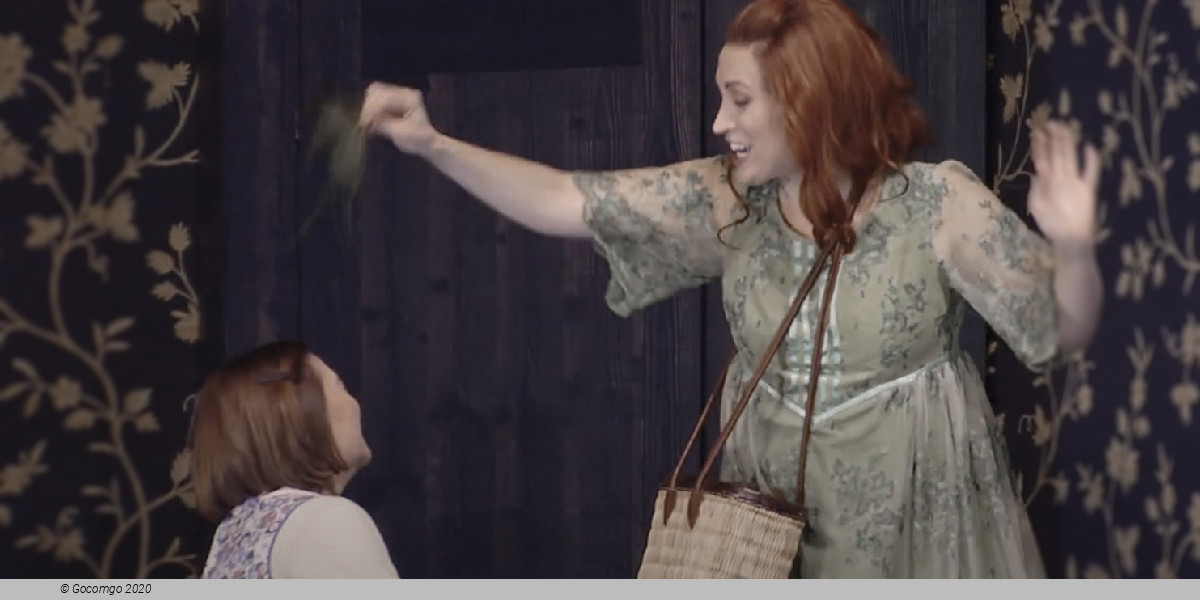
Princess Ginevra, in front of her mirror, is adorning herself to make herself beautiful for her beloved. (Aria:Vezze, lusinghe). Polinesso, Duke of Albany, bursts into the room and, thinking that having the king's daughter as his sweetheart would advance his prospects, declares his love for her. Ginevra indignantly rejects him (Aria:Orrida a gl'occhi miei) and leaves. Dalinda, who is secretly in love with Polinesso, advises him that his rival is Prince Ariodante but also advises him that all he has to do is open his eyes to see someone else who loves him (Aria:Apri le luci). Left alone, Polinesso can see that Dalinda is in love with him and plans to use her to thwart his rival and win Ginevra for himself (Aria: Coperta la frode).
The royal gardens
Ariodante sings of how all nature speaks to him of love (Aria:Quì d'amor). Ginevra joins him and they pledge their love (Duet: Prendi, prendi da questa mano). The King joins the lovers, gives them his blessing, and orders his courtier Odoardo to make the preparations for the wedding (Aria: Voli colla sua tromba). Alone, Ariodante swears to be faithful to Ginevra (Aria:Con l'ali di costanza). Polinesso hatches his plot – he tells Dalinda that if she will dress as Ginevra that evening and invite him into her apartments, he will be hers (Aria:Spero per voi). Lurcanio, Ariodante's brother, then appears to Dalinda and declares his love for her (Aria:Del mio sol vezzosi rai) but she has totally lost her heart to Polinesso (Aria:Il primo ardor).
A delightful valley
Ariodante and Ginevra enjoy the beauties of nature and each other's company (Duet: Se rinasce nel mio cor). They are joined by shepherds and shepherdesses (Duet with chorus:Si godete al vostro amor) who dance to entertain them (Ballet).
Act 2
Polinesso and Ariodante meet; Polinesso feigns astonishment when Ariodante tells him he is betrothed to Ginevra, insisting that Ginevra loves him. Ariodante refuses to believe it. This is all being observed by Lurcanio, who is hidden. Polinesso tells Ariodante to watch as "Ginevra", really Dalinda wearing Ginevra's clothes, admits Polinesso into her bedroom for the night. Ariodante is in despair and wants to die (Aria:Tu preparati a morire) but Lurcanio comes from the shadows and advises Ariodante to live, and seek revenge (Aria:Tu vivi). Ariodante sadly bewails his beloved's (supposed) infidelity (Aria:Scherza infida). As day breaks, Polinesso and Dalinda emerge from the palace. Polinesso promises he will reward her, to her delight (Aria:Se tanto piace al cor) and, alone, Polinesso exults in how well his plot is proceeding (Aria:Se l'inganno).
A gallery in the palace
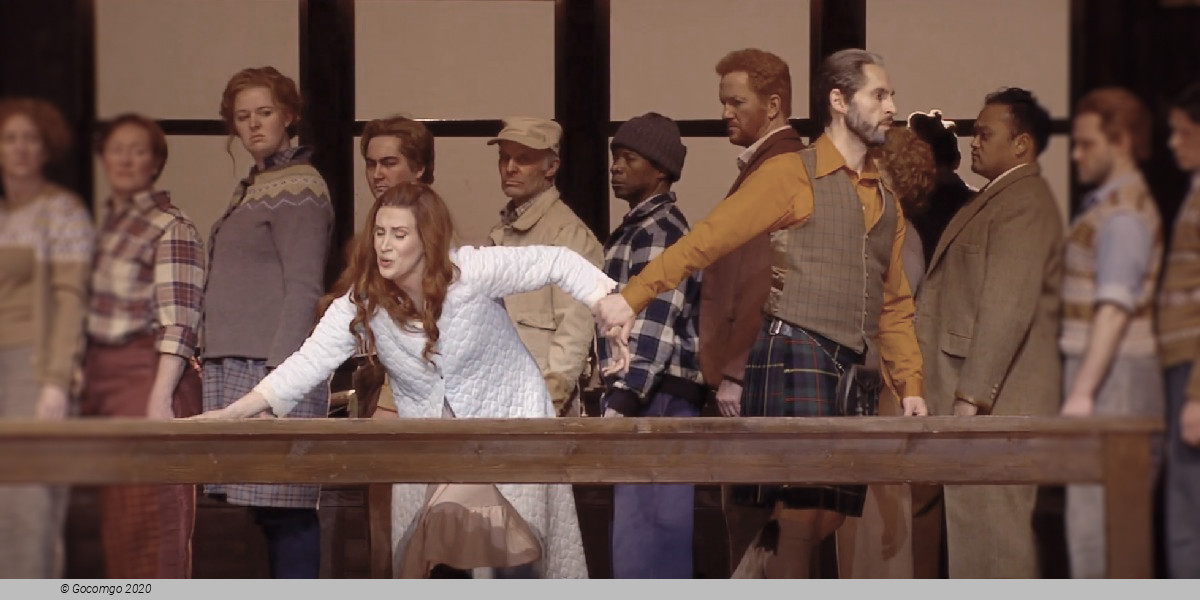
As the King is making the final arrangements for his daughter's wedding, the courtier Odoardo brings him bad news – Ariodante has been seen committing suicide by leaping into the sea. The King is heartbroken (Aria:Invida sorte avara). Ginevra appears, having a premonition of some approaching calamity (Aria:Mi palpita il core). When her father gives her the terrible news, she swoons and is carried away. Lurcanio now appears before the King, who attempts to comfort him on the loss of his brother. The furious Lurcanio, however, hands the King a letter telling him he saw Ginevra admit Polinesso into her bedroom for the night, which caused his brother to kill himself, and Lurcanio now is bent on revenge (Aria:Il tuo sangue). The King disowns his daughter and condemns her as a harlot. When Ginevra hears this, she collapses into delirium (Aria:Il mio crudel martoro) and all Dalinda's attempts to console her fail. Ginevra falls into a fitful, disturbed sleep (Ballet of Good and Bad Dreams). She awakes in distress (Recitativo accompagnato:Che vidi? oh Dei! misera me!)
Act 3
A wood near the sea
Ariodante survived, and he now bitterly rebukes the gods for condemning him to live (Arioso:Numi! lasciarmi vivere). Hearing cries, Ariodante finds Dalinda, who is being held by thugs hired by Polinesso, with orders to kill her, as she is the only witness to his plot to discredit Ginevra. Ariodante drives Polinesso's henchmen away, and Dalinda reveals the truth to him – it was she, disguised as Ginevra, who let Polinesso into her bedroom. Ariodante rails against the treachery that caused him to doubt his beloved (Aria:Cieca notte). Alone, Dalinda expresses her remorse (Aria:Neghittosi or voi che fate?).
The royal gardens
The King announces that he will never see his daughter again unless a champion appears to defend her honour. Polinesso steps forward and offers to challenge Lurcanio to a duel (Aria:Dover, giustizia, amor). Ginevra, condemned to death for sexual irregularity, appears before her father begging to be allowed to kiss his hand (Aria:Io ti bacio). Her father clasps her to her bosom, saying that a champion has appeared to defend her – Polinesso. She does not like this idea, but he insists (Aria:Al sen ti stringo e parto). Ginevra prefers death to the loss of her honour (Aria:Sì, morrò). Lurcanio again offers his love to Dalinda, and she indicates that she is now inclined to accept it (Duet: Dite spera, e son contento).
The duelling ground, the King on his throne
Polinesso and Lurcanio fight, Lurcanio mortally wounds Polinesso who is carried away by Odaordo. A new champion appears with his visor down. He reveals himself as Ariodante, to the astonishment of all, and declares Ginevra innocent. Dalinda admits her part in the plot. Odoardo returns with the news that Polinesso, as he died, also admitted his guilt. The King pardons Dalinda and goes to find his daughter. Ariodante jubilantly hails a new bright day dawning after nights of darkness (Aria:Dopo notte).
The room where Ginevra is imprisoned
Ginevra looks death in the face (Arioso:Manca, oh Dei!). But her father and the others appear and declare her vindicated. She is reunited with her beloved Ariodante (Duet:Bramo aver mille vite).
The great hall of the palace. A large staircase supported by columns; on the upper part of the stairs musicians playing wind instruments. The King, Lords and Ladies descend the staircase. He begins the chorus, as the Lords and Ladies dance.
Ogn'uno acclami bella virtute (Chorus) ... Ballo (Gavotte—Rondeau—Bourrée) ... Sa trionfar ognor virtute in ogni cor (Chorus).








 Teatralnaya Square 1