
Estonian National Opera: The Tsar’s Bride Tickets | Event Dates & Schedule | GoComGo.com

The Tsar’s Bride Tickets

Estonian National Opera, Tallinn, Estonia
Important Info
Type: Opera
City: Tallinn, Estonia
Duration: 2h 35min with 1 interval
Intervals: 1
Sung in: Russian
Titles in: Estonian,English

E-tickets: Print at home or at the box office of the event if so specified. You will find more information in your booking confirmation email.

You can only select the category, and not the exact seats.
If you order 2 or 3 tickets: your seats will be next to each other.
If you order 4 or more tickets: your seats will be next to each other, or, if this is not possible, we will provide a combination of groups of seats (at least in pairs, for example 2+2 or 2+3).

Cast
Performers
Choose the date to see the peformers
Overview

The opera shares some common features with the Italian romantic opera and Shakespearean drama. The music of the opera, its vocal side in particular, puts the opera above the conventional situational drama, accentuating its tragic nature which ensures the huge popularity of the opera.

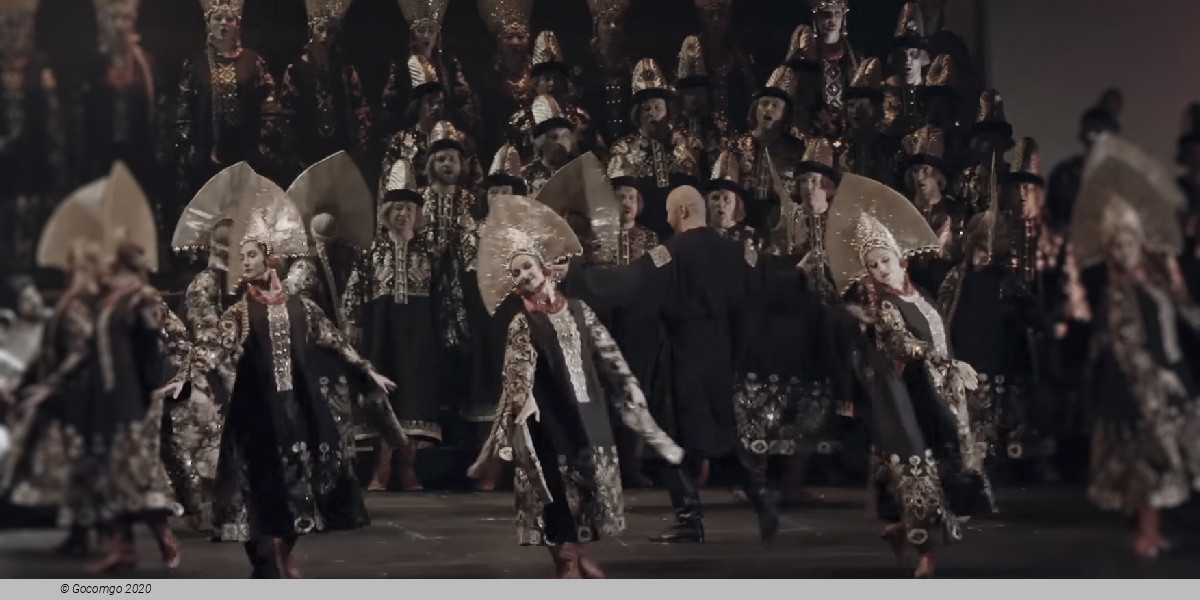
Rimsky–Korsakov, the author of one of the most famous orchestral work Sheherezade, has written fifteen operas, of which “The Tsar’s Bride” is the most notable. The opera shares some common features with the Italian romantic opera and Shakespearean drama. The music of the opera, its vocal side in particular, puts the opera above the conventional situational drama, accentuating its tragic nature which ensures the huge popularity of the opera. All Rimski-Korsakov’s operas belong to the repertoires of Russian opera theatres, but “The Tsar’s Bride” is one of the few operas that has gained a high position among Western European opera theatres as well.

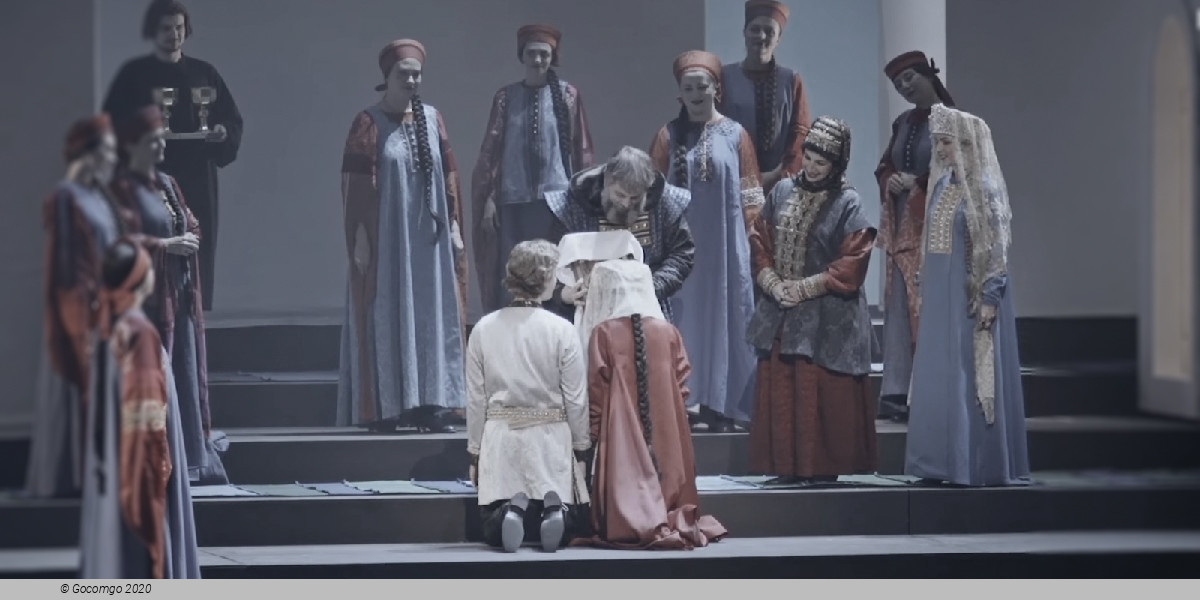
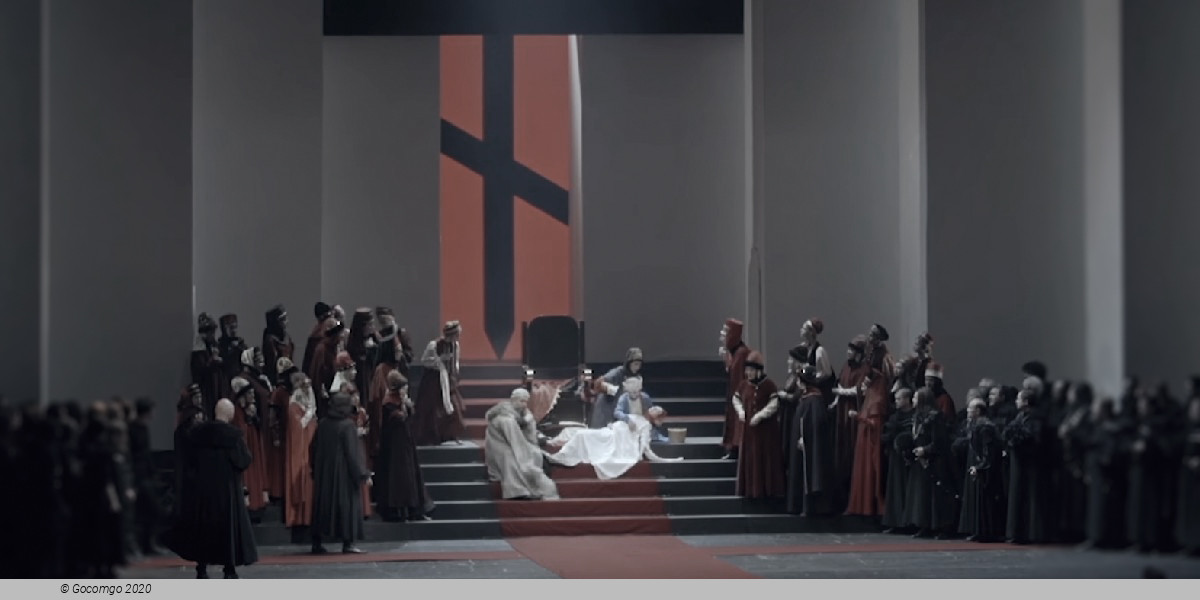
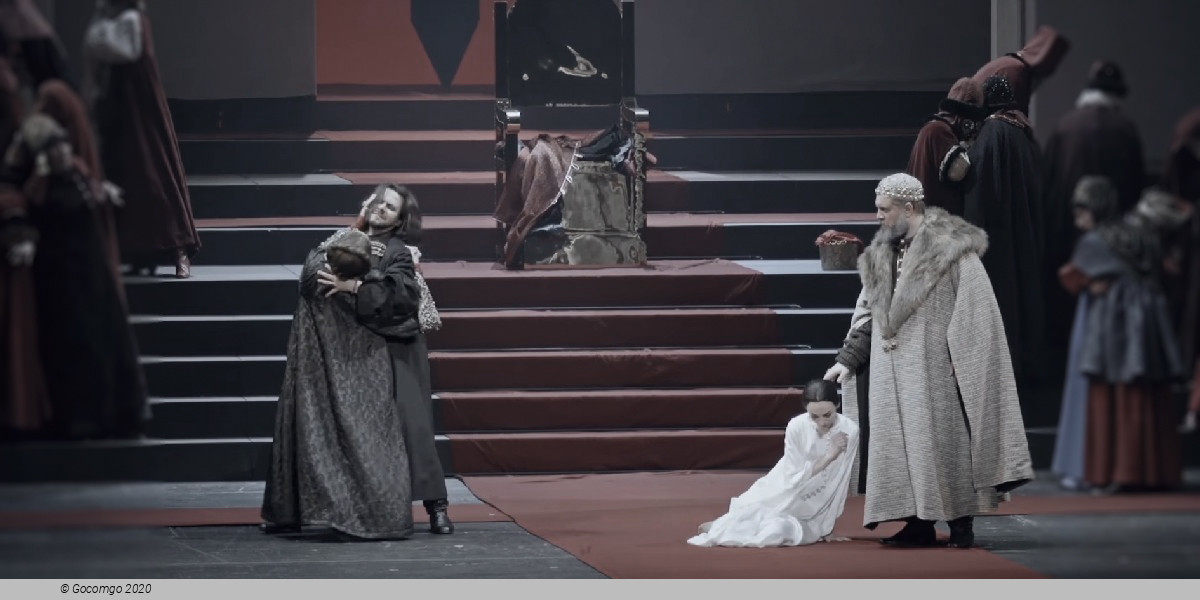
Yuri Alexandrov: “The history of Russian despotism is deep-rooted, but despotism is also deep-rooted in any other state that has imperialistic ambitions. I have set the opera in the post-war spring of 1946. People have been through devastating war horrors, and they think they can breathe freely again and put all the pain behind them, but reality is suffocating and there is no way out. This reality created “a hero of our time”, who walks on dead bodies – a man who is both suffering and regretting, loving and hating, strong and helpless, a revolutionary and a conformist… He is a typical Russian archetype and Grigory Gryaznoy is just that – a victim sowing death… There have been many in the history of Russia: Pushkin’s and Tchaikovsky’s Herman, Fyodor Dostoyevsky’s Rodion Raskolnikov… The spectators are welcome to prolong the list. And another remark – the timeline from the 17th century until very recently to which the audience is hopefully a witness, gave me a chance to add to the web of the production historic and poetic elements that opera-goers so expect, through costumes, set design and, most importantly, through Rimsky-Korsakov’s authentically Russian music.”

History
Premiere of this production: Private Opera Society, Moscow

The Tsar's Bride is an opera in four acts by Nikolai Rimsky-Korsakov, the composer's tenth opera. The libretto, by Ilia Tyumenev, is based on the drama of the same name by Lev Mey. Mey's play was first suggested to the composer as an opera subject in 1868 by Mily Balakirev. (Alexander Borodin, too, once toyed with the idea.) However, the opera was not composed until thirty years later, in 1898. The first performance of the opera took place in 1899 at the Moscow theater of the Private Opera of S.I. Mamontov.

Synopsis

Time: Autumn, 1572

Place: Aleksandrovsky settlement, Moscow, Russia

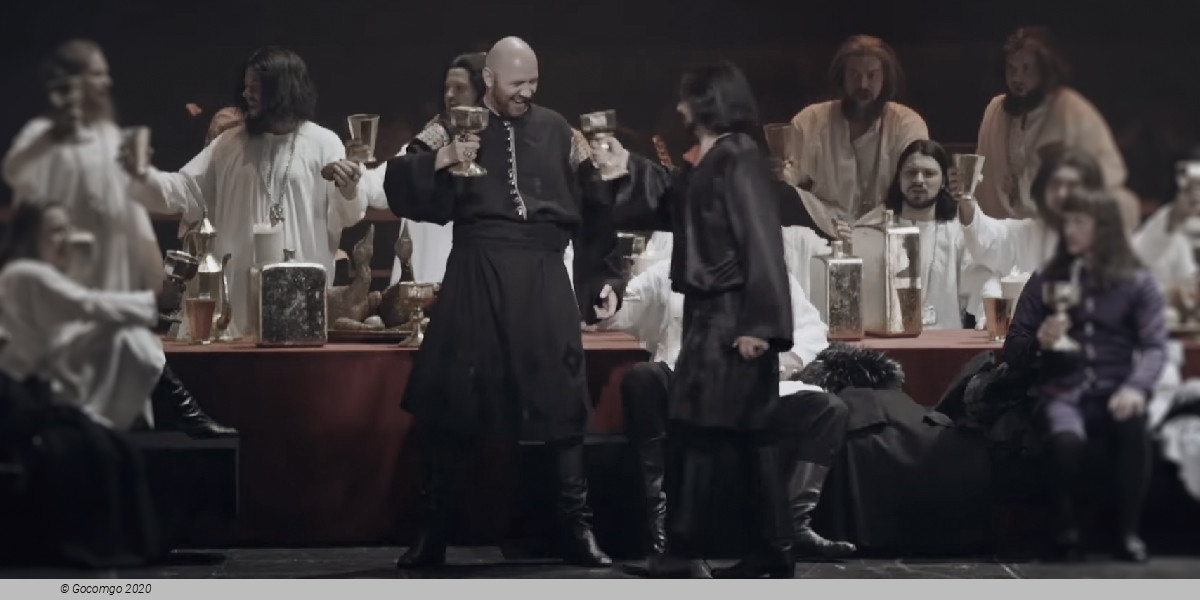
Act 1: The Feast

The Oprichnik Gryaznoi loves Marfa, daughter of the merchant Sobakin, even though Gryaznoi already has a mistress, Lyubasha, whom he has neglected of late. Marfa is already beloved of the boyar Lykov. In a jealous rage against Lykov, Gryaznoi arranges to cast a spell on Marfa with a magic potion from Bomelius, the Tsar's physician. Lyubasha has overheard Gryaznoi's request.

Act 2: The Love Philtre

Lyubasha in turn obtains from Bomelius another magic potion with which to cancel any feelings of Gryaznoi for Marfa. Bomelius consents, but at the price of an assignation with Lyubasha for himself.

Act 3: The Best Man

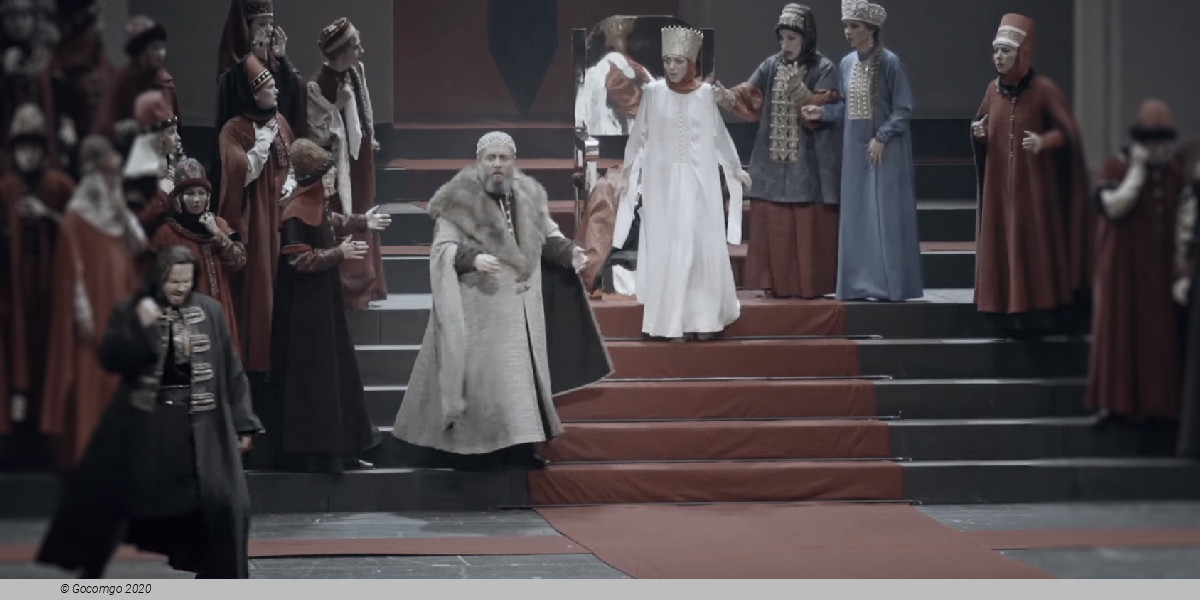
In the meantime, the Tsar of the title, Ivan IV (known as "Ivan the Terrible"), is looking for a new bride from the best aristocratic maidens in Russia. The Tsar settles upon Marfa. At the celebration of the engagement of Marfa to Lykov, everyone is surprised when the news arrives of the Tsar's choice of Marfa as his bride. Gryaznoi had slipped what he thought was the love potion from Bomelius into Marfa's drink at the feast.

Act 4: The Bride

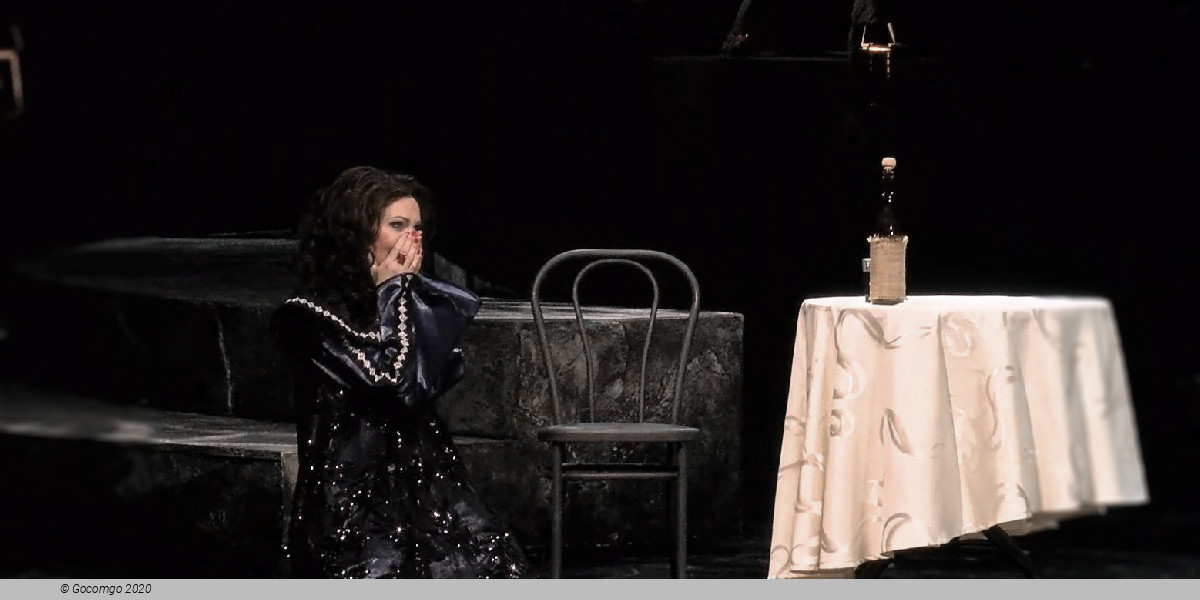
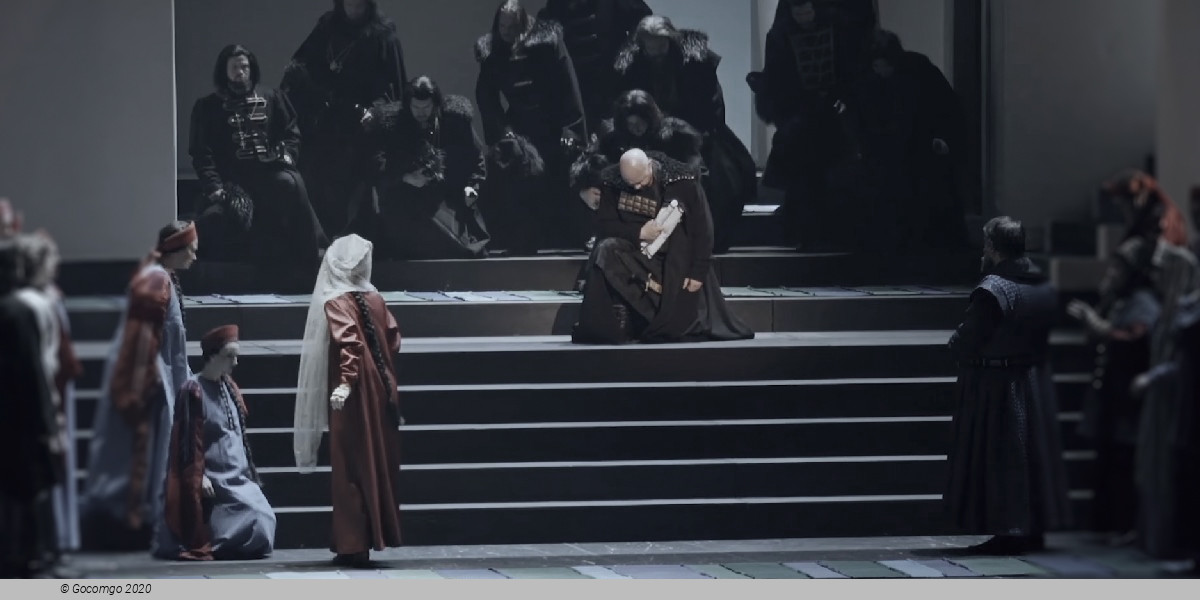
At the Tsar's palace, Marfa has become violently ill. Lykov has been executed, at the instigation of Gryaznoi, on charges of attempting to kill Marfa. When Marfa learns that Lykov is dead, she goes insane. Eventually, Gryaznoi admits that he had slipped a potion into her drink, and after learning that it was poisonous, asks that he himself be executed. Lyubasha then confesses that she had substituted her potion from Bomelius for Gryaznoi's. In a rage, Gryaznoi murders Lyubasha, and is then taken to prison eventually to be executed. In her madness, Marfa mistakes Gryaznoi for Lykov, inviting him to return the next day to visit her, then dies.

Venue Info

Estonian National Opera - Tallinn
Location   Estonia Avenue 4

In 1865, the song and drama society “Estonia”was founded in Tallinn. In 1906, the society became the basis for the professional theatre founded by the directors and actors Paul Pinna and Theodor Altermann called “Estonia”.

The song and drama society "Estonia" was founded in 1870. This was the beginning of what has become the current-day Estonian National Opera.

Play-acting was taken up in 1871, although theatre as a tradition did not really come into being until 1895, when the society began to direct song plays, folk plays and comedies, usually with singing and dancing. By the start of the 20th century more serious drama was being staged.

In 1906, the society became the basis for the professional theatre called "Estonia" founded by the directors and actors Paul Pinna and Theodor Altermann. This remained tied to the "Estonia" society and the Estonian Theatre "Estonia" Limited Liability Company, founded in 1908, until 1940, at which time they were disbanded under the Soviet rule in Estonia as part of "the bourgeois remnant" and the theatre was nationalized.

In 2003 a new multipurpose chamber hall was completed in the opera house, in the autumn of 2004 the theatre hall got a new and modern stage, in 2005 the theatre hall and the rooms for the audience were renovated before the celebrations of a centenary of the professional “Estonia” theatre.

On 6 September 2013 the opera house celebrated its centenary.

Important Info
Type: Opera
City: Tallinn, Estonia
Duration: 2h 35min with 1 interval
Intervals: 1
Sung in: Russian
Titles in: Estonian,English

E-tickets: Print at home or at the box office of the event if so specified. You will find more information in your booking confirmation email.

You can only select the category, and not the exact seats.
If you order 2 or 3 tickets: your seats will be next to each other.
If you order 4 or more tickets: your seats will be next to each other, or, if this is not possible, we will provide a combination of groups of seats (at least in pairs, for example 2+2 or 2+3).

Top of page