
Vienna State Opera: Macmillan|Mcgregor|Ashton Tickets | Event Dates & Schedule | GoComGo.com

Macmillan|Mcgregor|Ashton Tickets

Vienna State Opera, Vienna, Austria
Important Info
Type: Ballet
City: Vienna, Austria
Duration: 2h 15min with 2 intervals
Intervals: 2

E-tickets: Print at home or at the box office of the event if so specified. You will find more information in your booking confirmation email.

You can only select the category, and not the exact seats.
If you order 2 or 3 tickets: your seats will be next to each other.
If you order 4 or more tickets: your seats will be next to each other, or, if this is not possible, we will provide a combination of groups of seats (at least in pairs, for example 2+2 or 2+3).

Cast
Performers
Choose the date to see the peformers
Overview

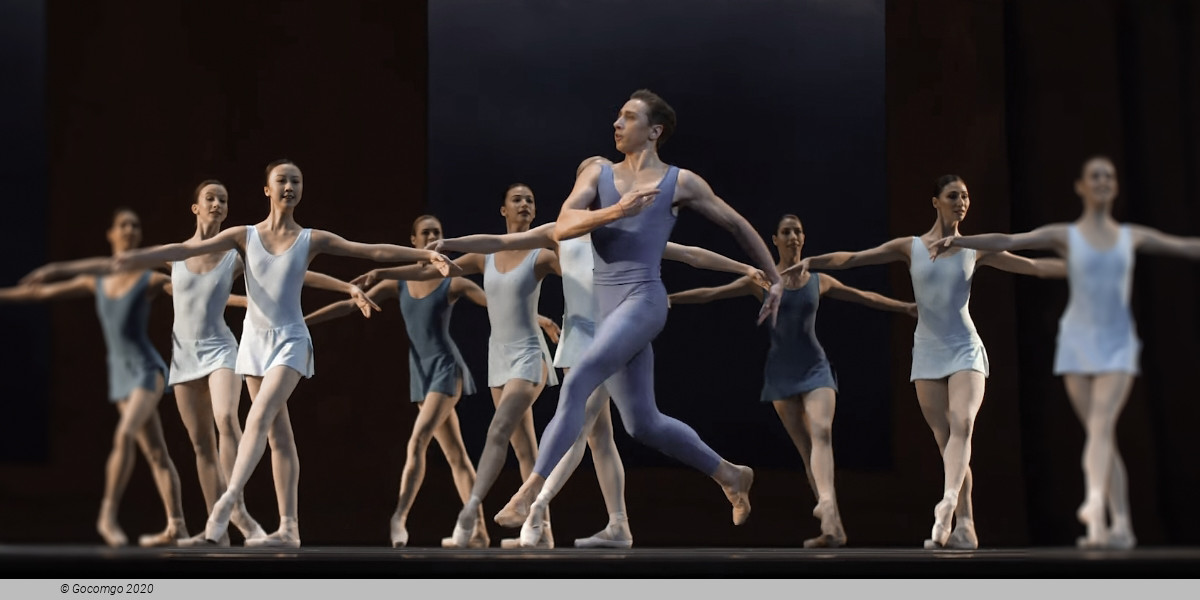
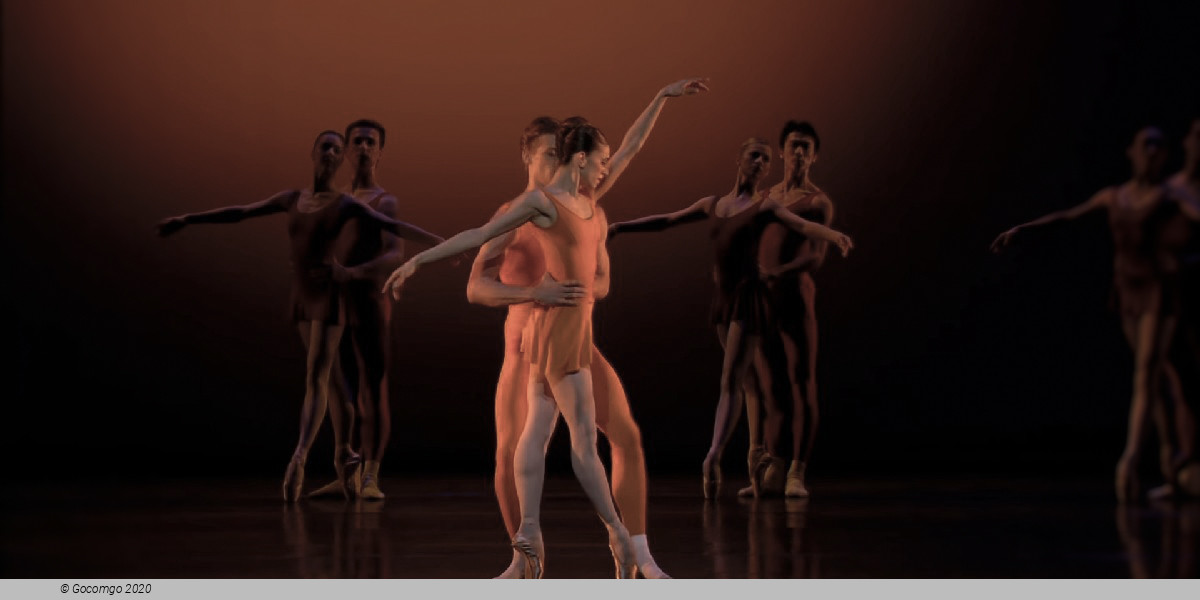
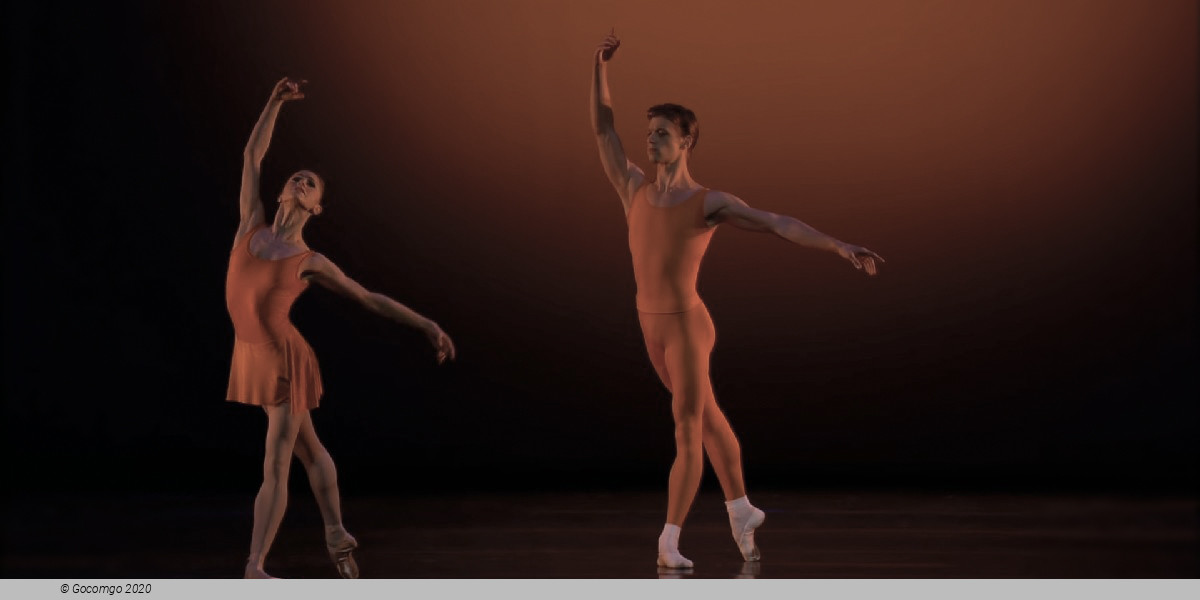
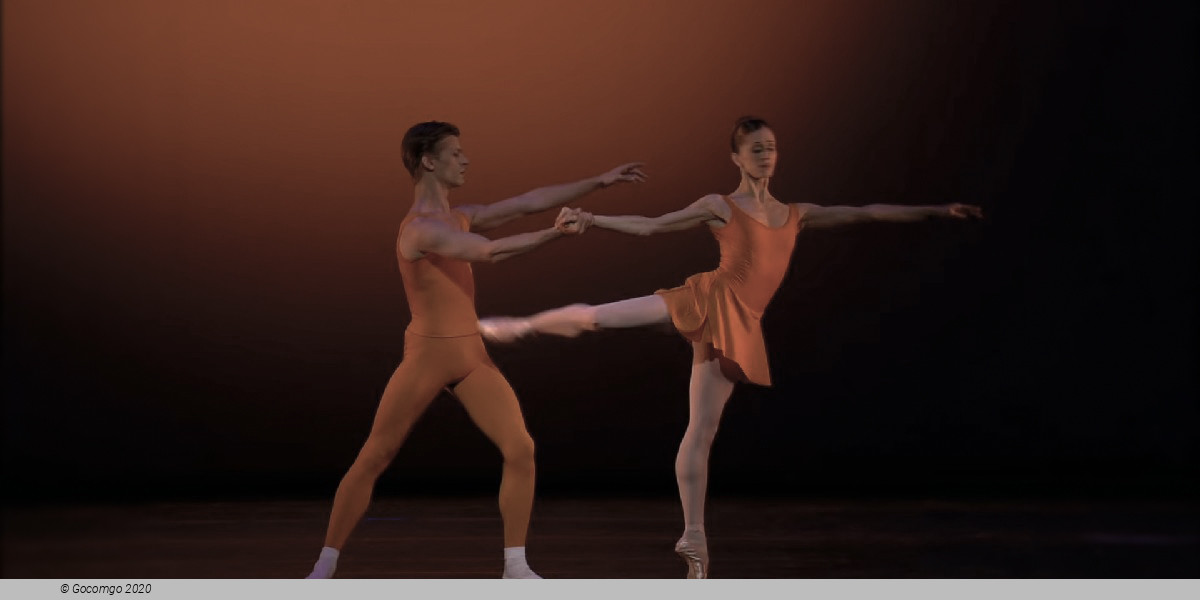
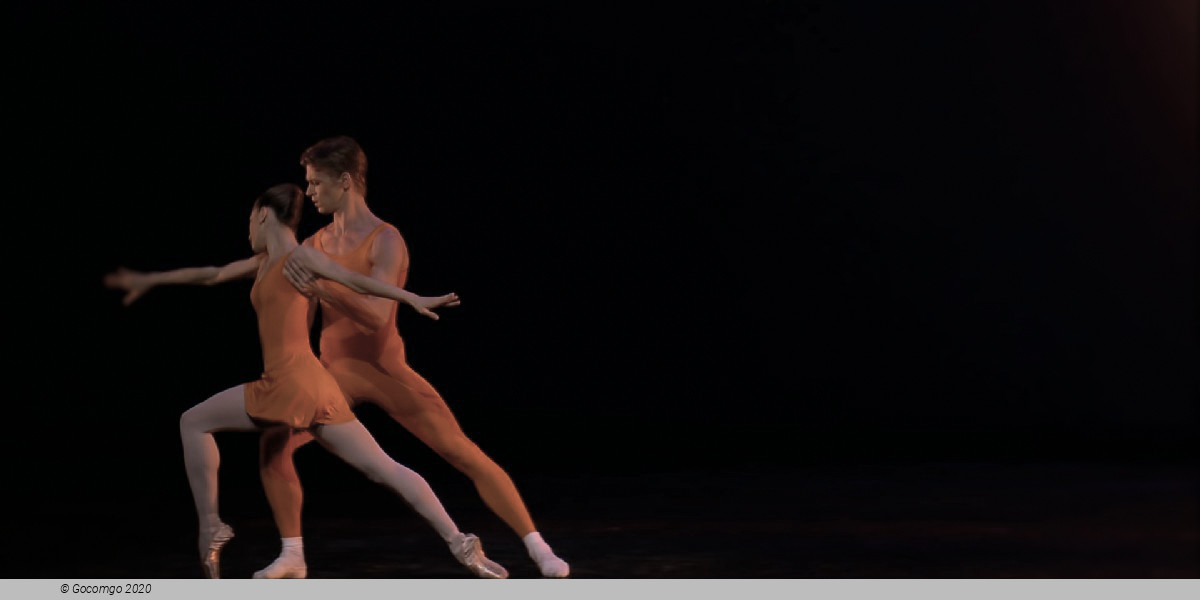
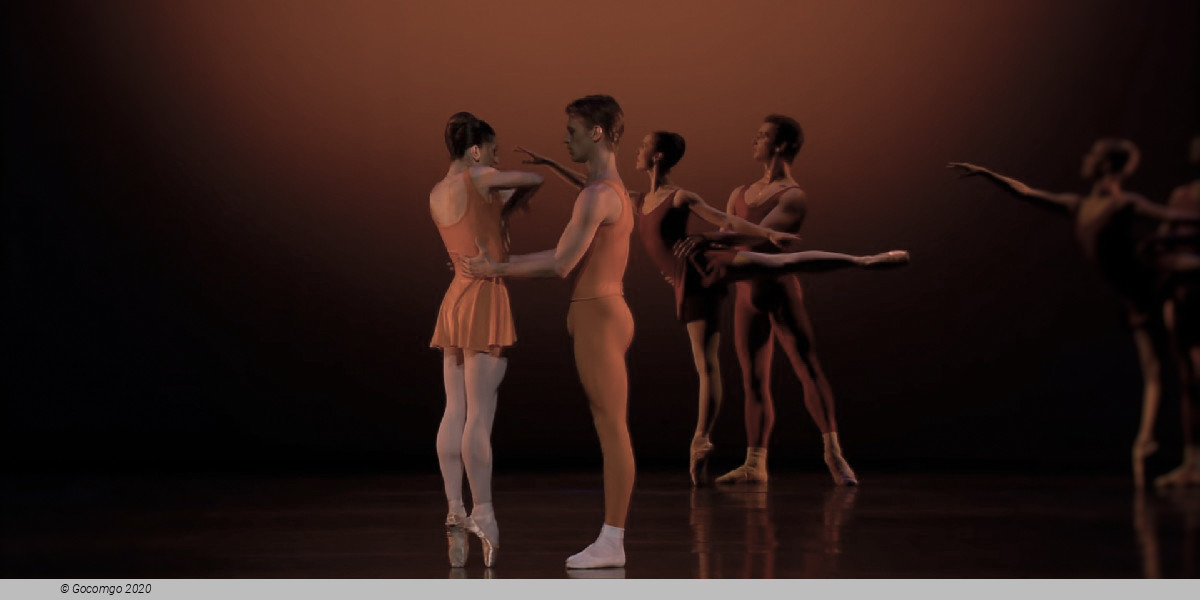
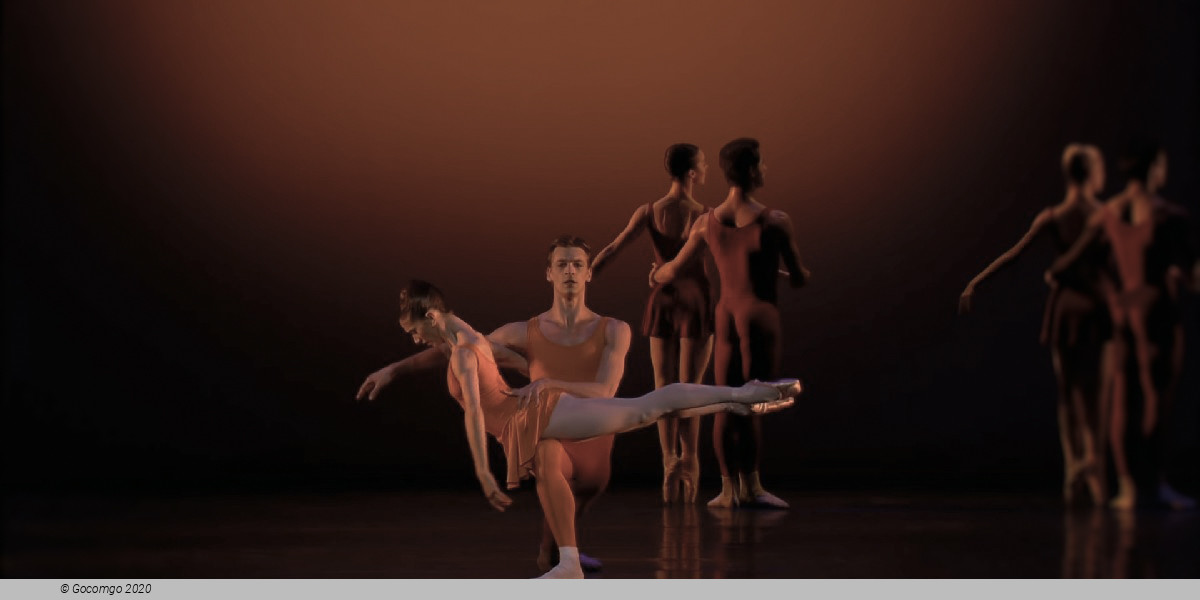
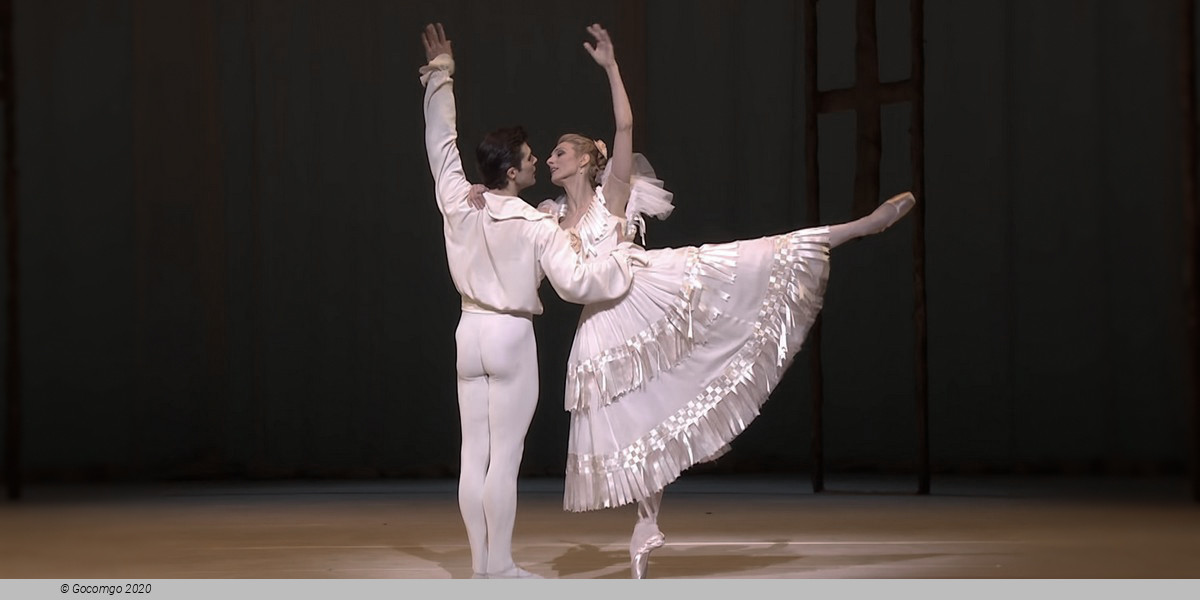
This evening is dedicated to "British choreography": MacMillan, McGregor and Ashton are three choreographers who represent the same dance tradition. "Concerto" opens in the neo-classical style, offering a great opportunity for demonstrating the dancers’ virtuosity. "EDEN|EDEN" explores the charged relationship between man and technology. The final ballet "Marguerite and Armand" was created for Margot Fonteyn and Rudolf Nureyev and is now a classic example of the English art of dance.


Concerto is a one-act ballet in three movements created by Kenneth MacMillan in 1966 for the Berliner Ballett. The music is Dmitri Shostakovich's Second Piano Concerto (1957).

The first performance was on 30 November 1966 at the Deutsche Oper, Berlin. MacMillan staged the piece for the Royal Ballet Touring Company at the Royal Opera House, Covent Garden in May 1967.

Concerto (ballet)

Original cast

  • Didi Carli
  • Falco Kapuste
  • Lynn Seymour
  • Rudolf Holz
  • Silvia Kesselheim

Eden | Eden

Notable work of Wayne McGregor

Marguerite and Armand

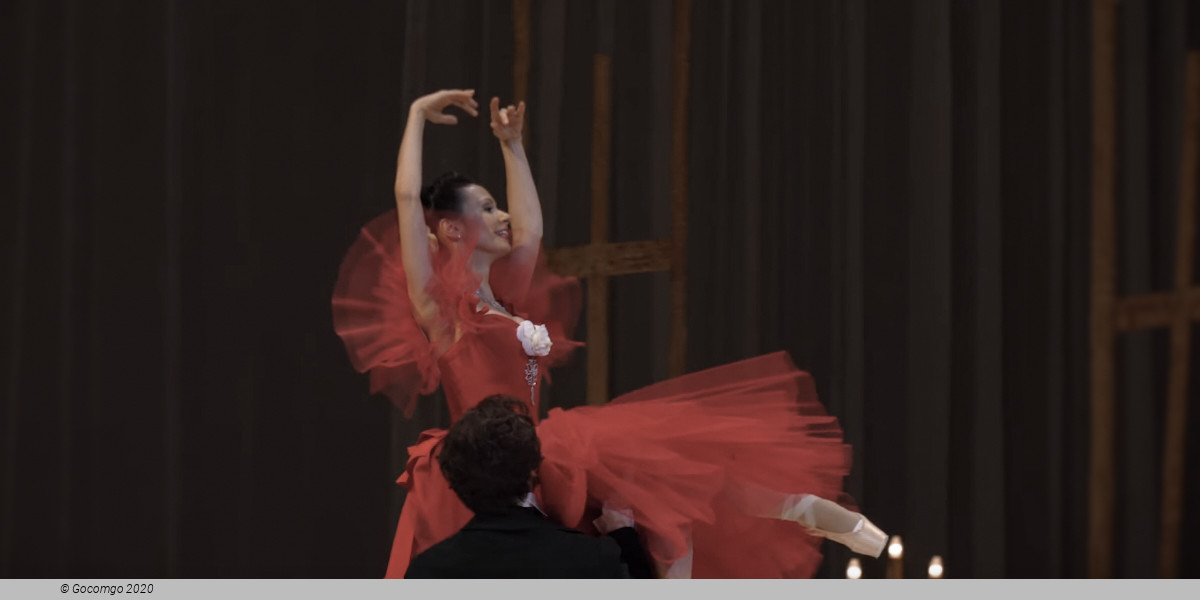
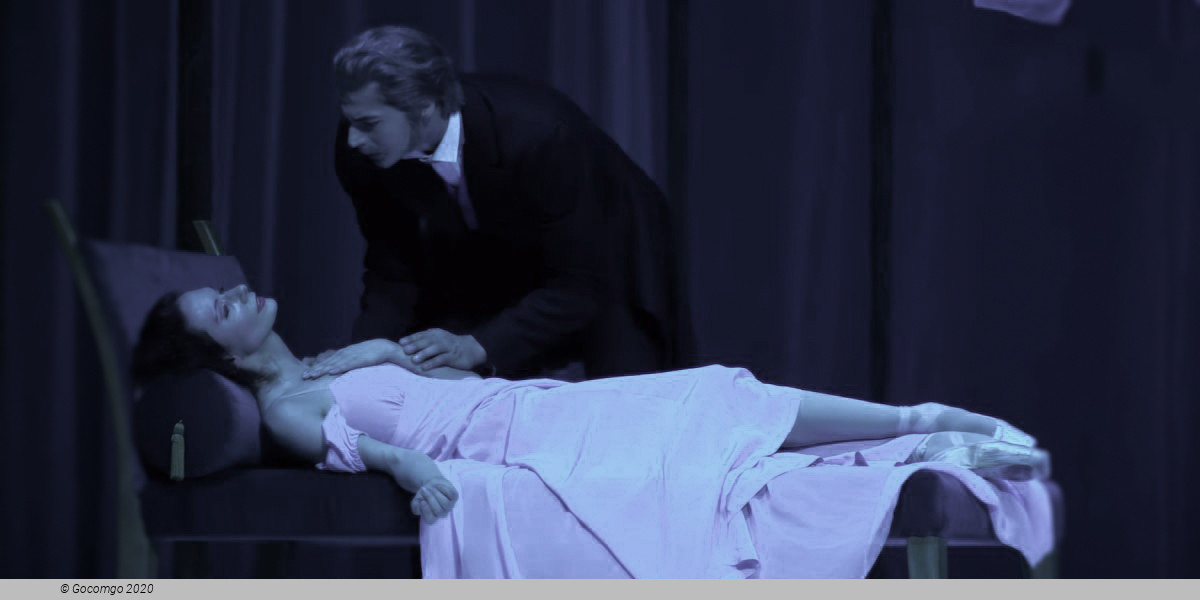
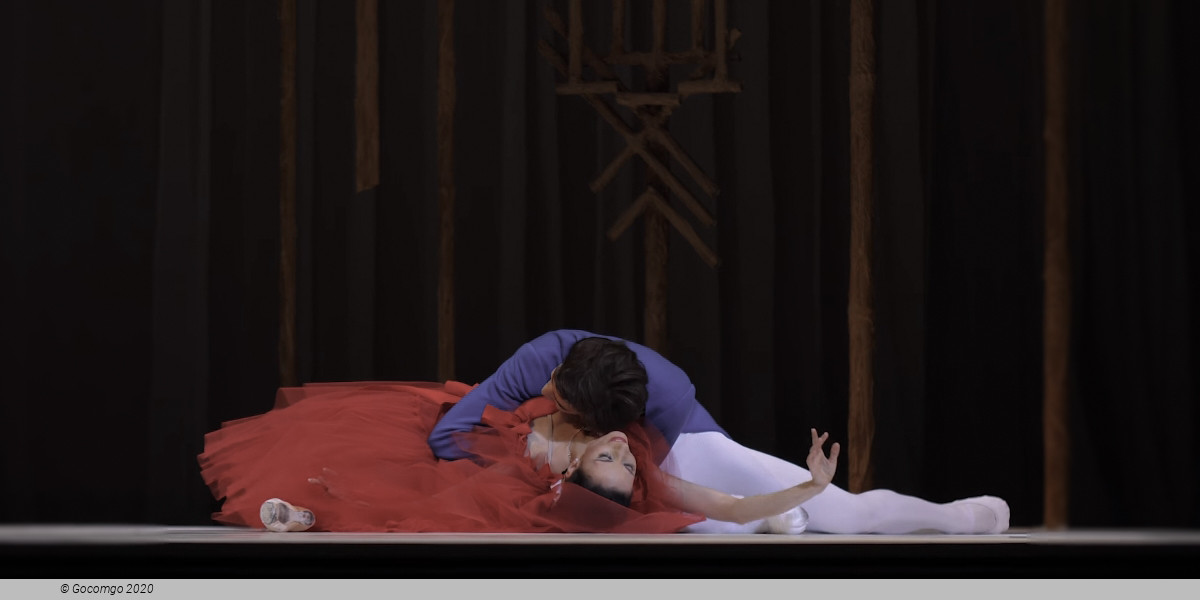
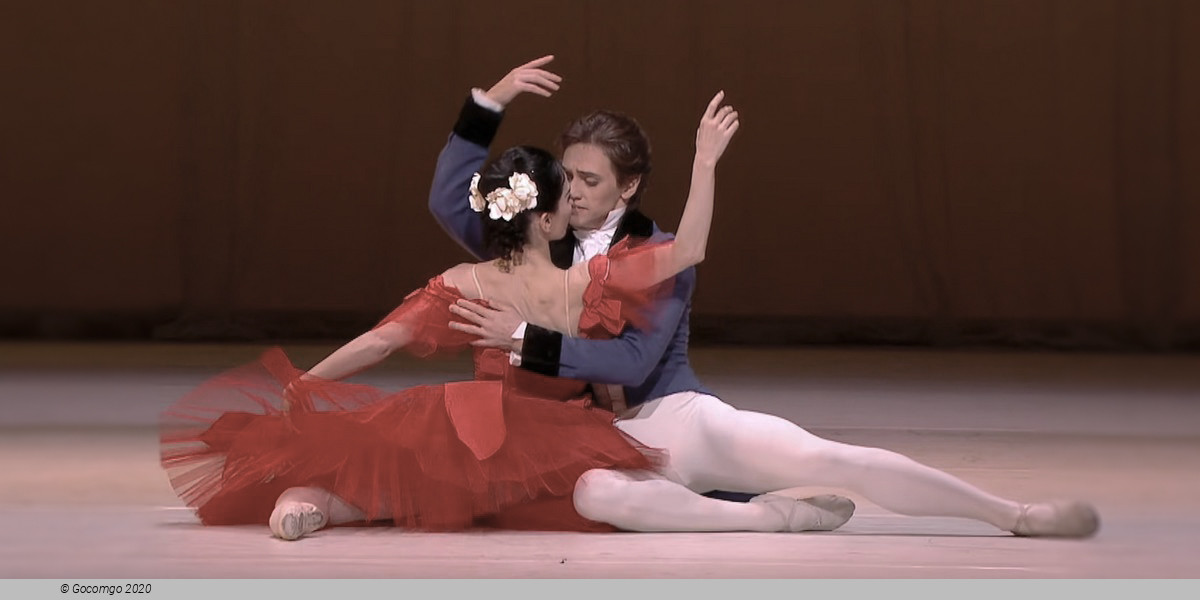
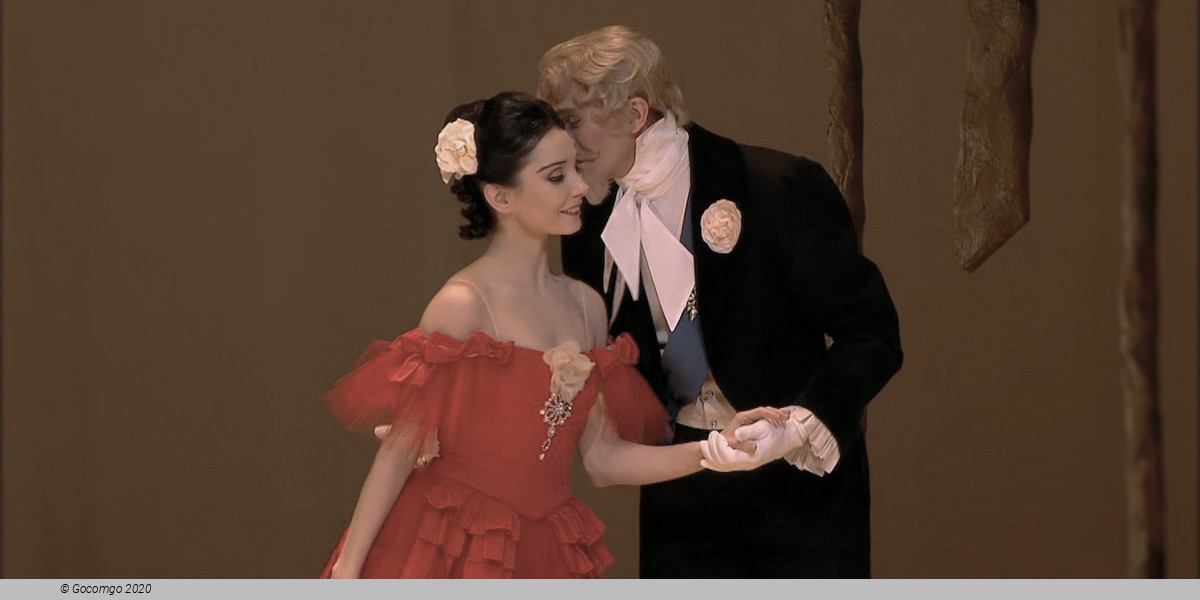
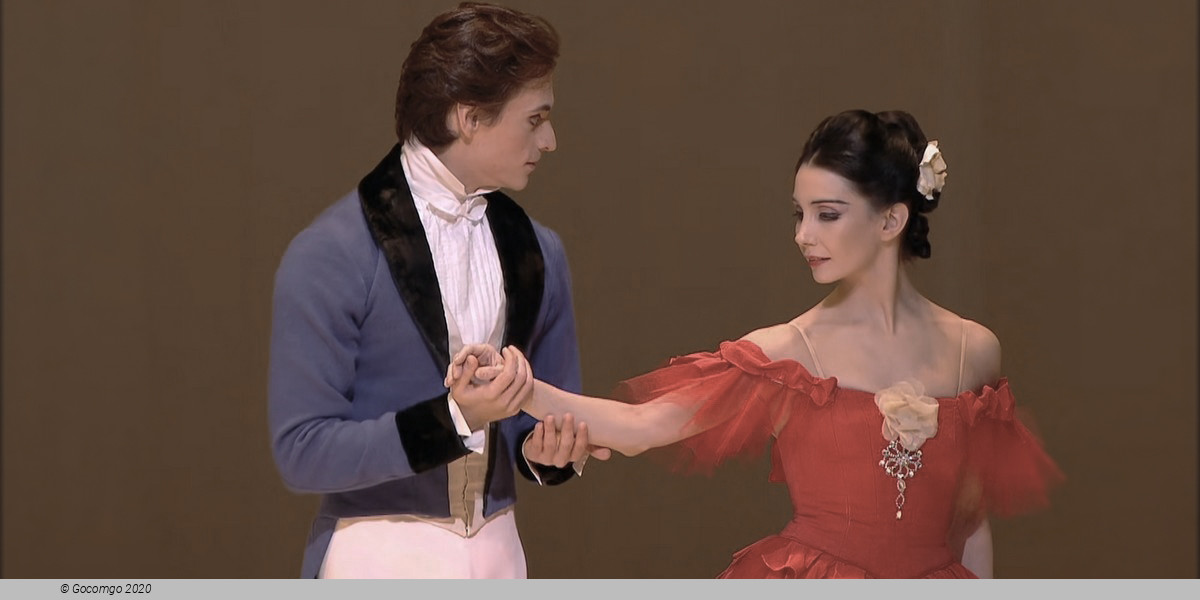
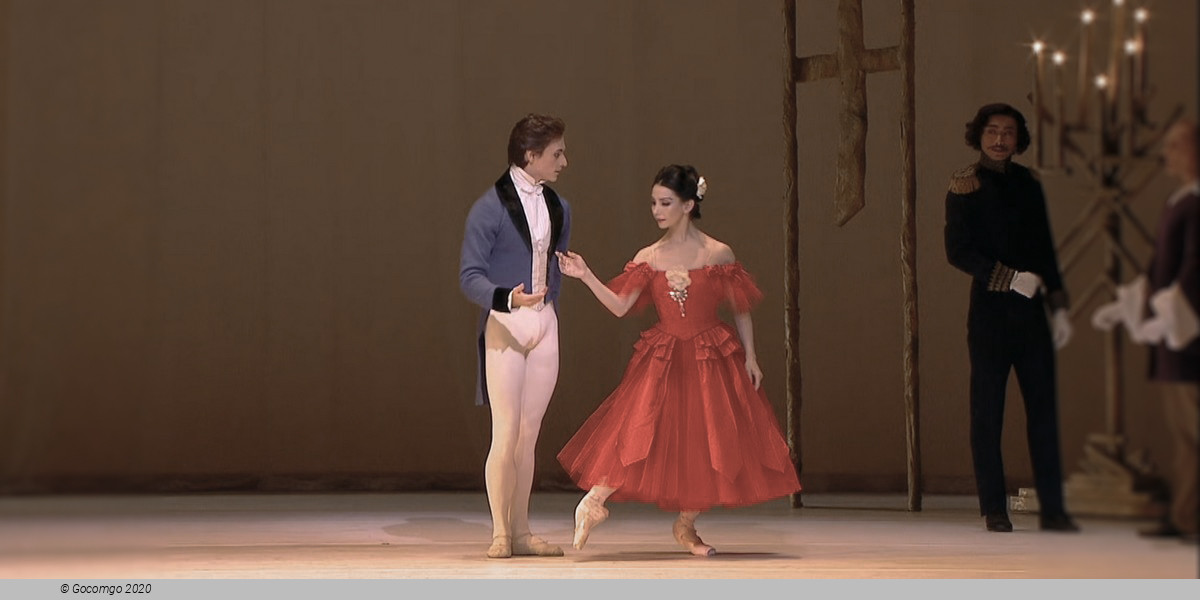
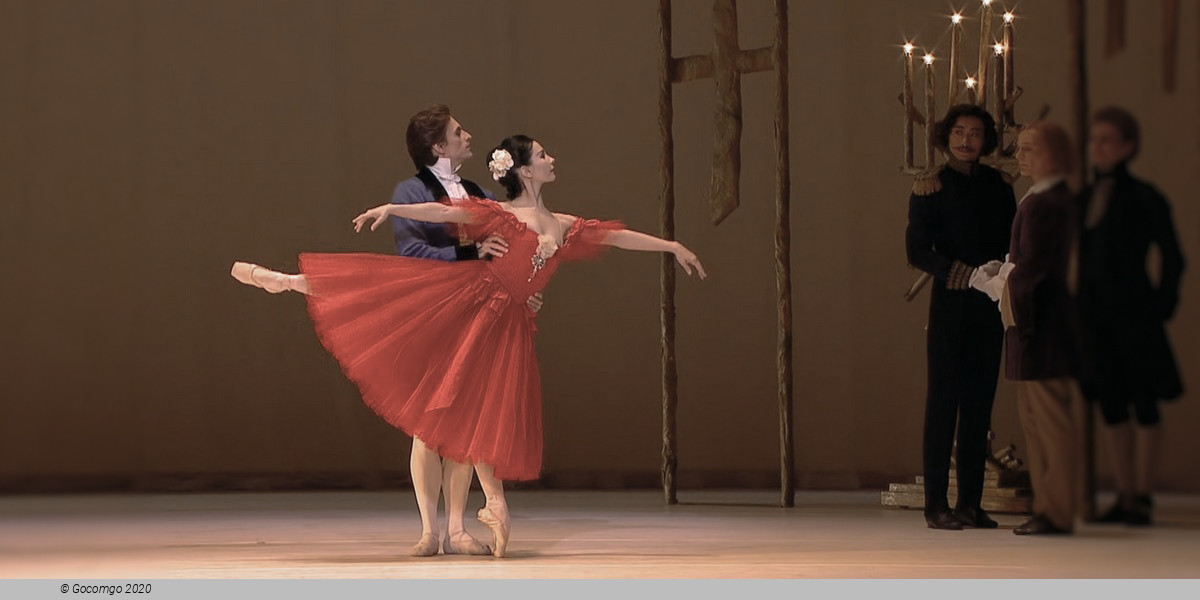
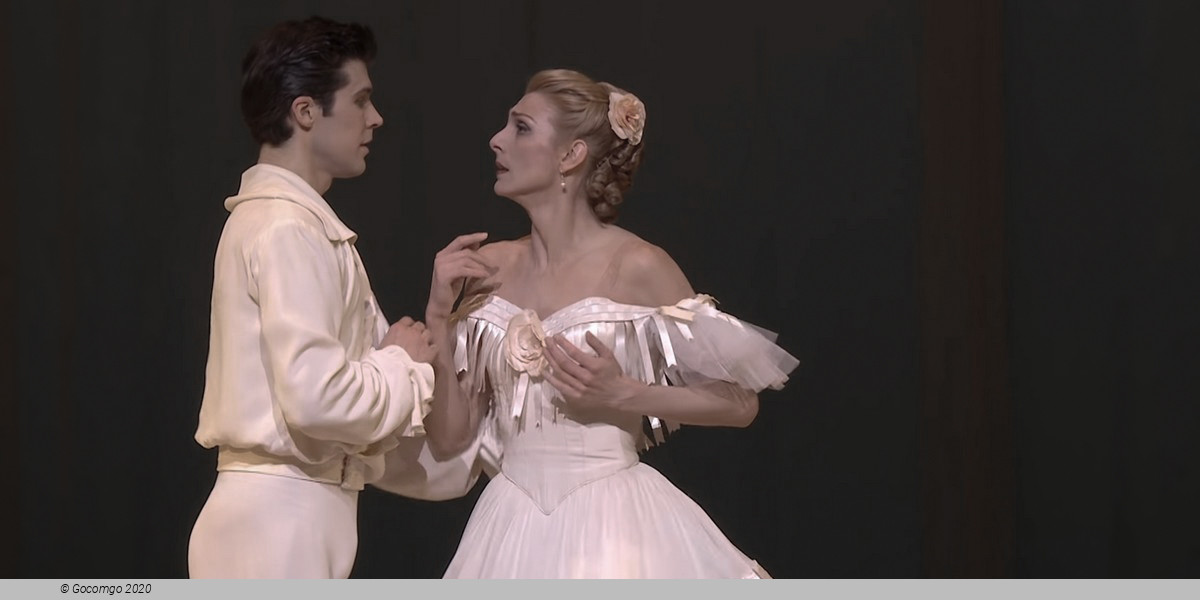
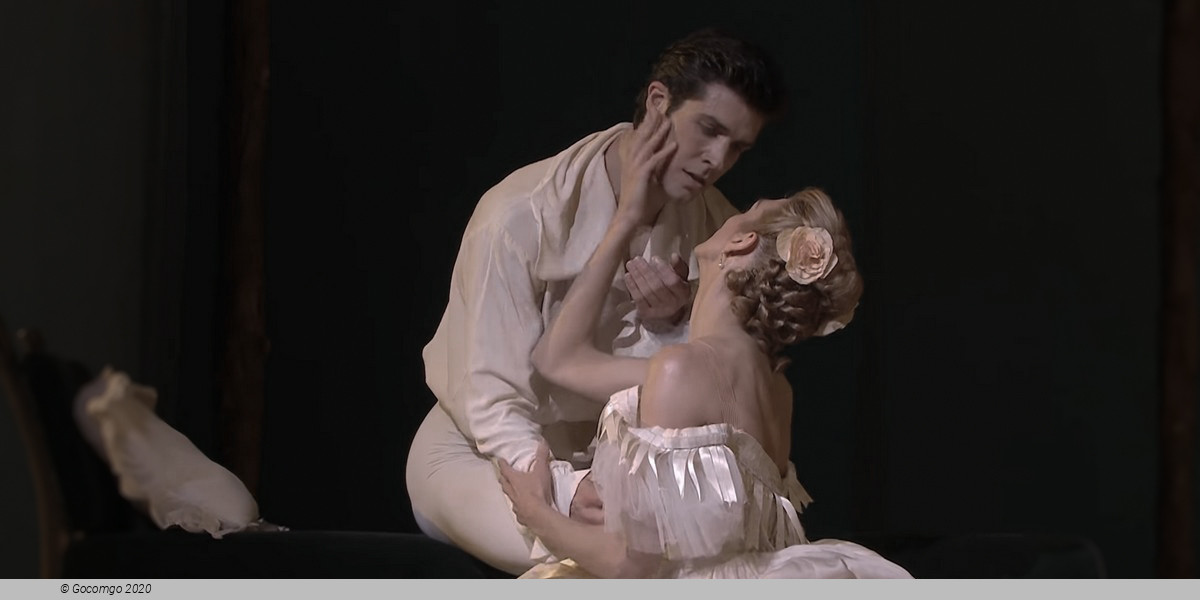
Marguerite and Armand is a ballet danced to an orchestral arrangement of Franz Liszt's B minor piano sonata. It was created in 1963 by the British choreographer Sir Frederick Ashton specifically for Rudolf Nureyev and Margot Fonteyn. The ballet takes its inspiration from the 19th-century novel La Dame aux Camélias by Alexandre Dumas, fils, and other adaptations of the same story such as Giuseppe Verdi's opera La traviata.

Plot

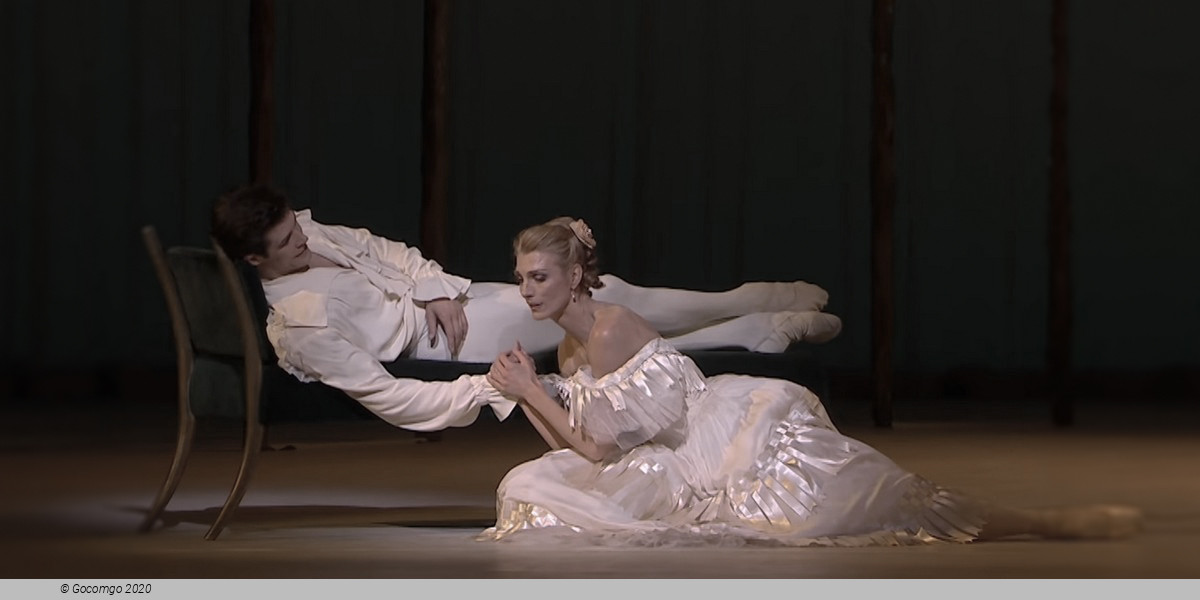
Marguerite Gautier, a Parisian courtesan, lies on her deathbed, gravely ill with tuberculosis. In her delirium she recalls her love affair with a young man named Armand, which the ballet portrays using many dreamlike flashback sequences.

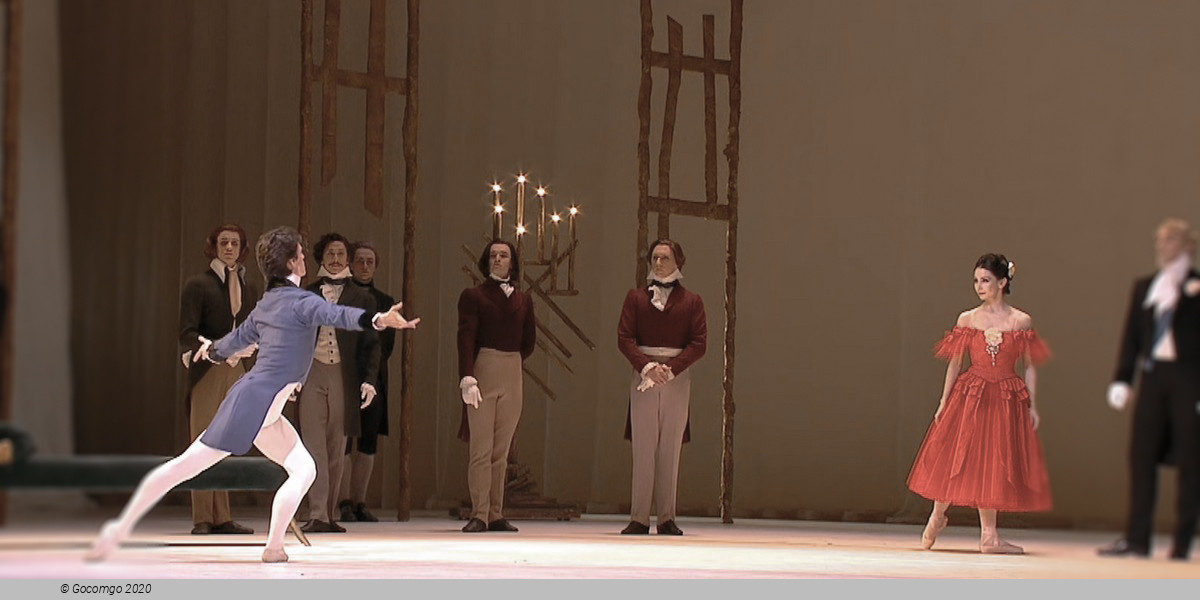
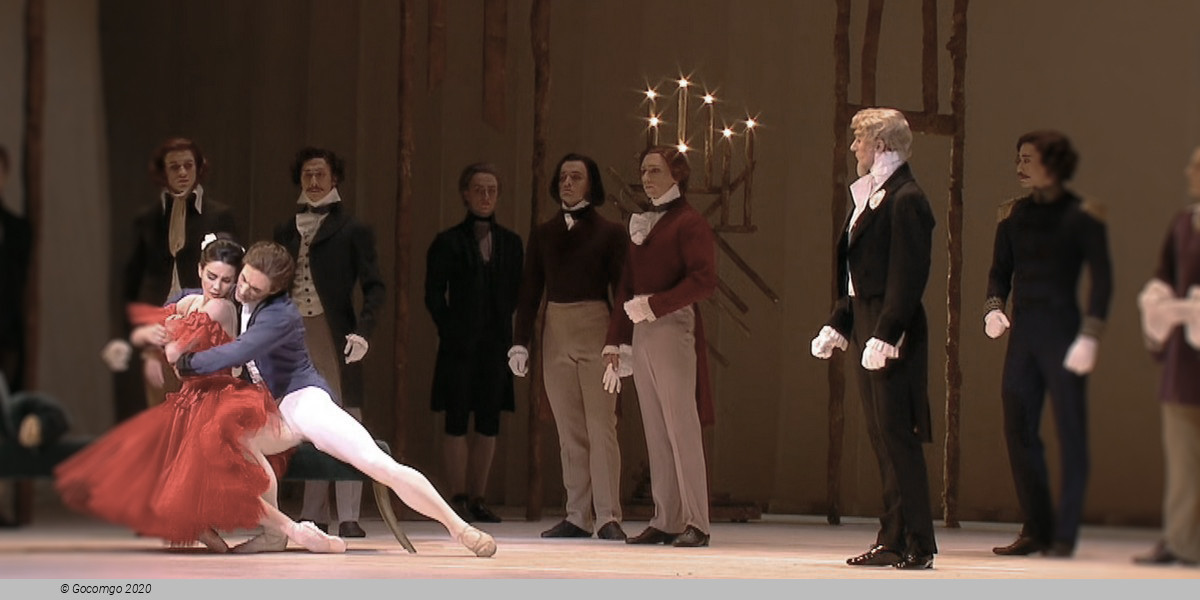
In the first flashback, Marguerite, wearing a red dress, is surrounded by admirers and suitors. She lets them flirt with her, but feels no real emotions. Armand enters and falls for Marguerite immediately, and she returns his feelings. At the end of this sequence, Marguerite tests Armand's love by throwing a white flower to the ground as her wealthy protector leads her away. Another suitor goes to pick up the flower, but when Armand moves to take it, the other man lets him. This symbolizes Marguerite and Armand as a couple.

Marguerite, now increasingly ill, deserts her wealthy protector to live in the countryside with Armand. However, Armand's father asks her to quit her lover; she agrees, but will not tell Armand why she must leave him. A despairing Marguerite is about to leave the country house when Armand enters, and becomes distressed upon seeing her so distraught. A passionate sequence follows, portraying the characters' love, Marguerite's sacrifice and Armand's confusion.

Armand, angered by Marguerite's lack of an explanation, publicly humiliates her by tearing the necklace given to her by her wealthy protector from her neck and throwing it to the floor, and throwing money in her face.

In the final scenes, sad and alone, Marguerite waits for inevitable death. However, Armand's father has revealed the truth to him and Armand makes it back to the apartment to hold Marguerite one last time. She dies in his arms.

Dancers

The ballet was particularly associated with Nureyev and Fonteyn, the original performers. It featured in their farewell performances in Fonteyn & Nureyev on Broadway. Revivals of the ballet have starred pairings such as Sylvie Guillem and Nicolas Le Riche, Zenaida Yanowsky and Federico Bonelli, and Tamara Rojo and Sergei Polunin. Polunin has also danced the ballet alongside Svetlana Zakharova.

Music

From 1963 to 1968 the ballet was danced to an orchestration of Liszt's sonata by Humphrey Searle. In 1968 the Royal Ballet commissioned a new arrangement, by Gordon Jacob.

History
Premiere of this production: 12 March 1963, Royal Opera House, Covent Garden, London

Marguerite and Armand is a ballet danced to an orchestral arrangement of Franz Liszt's B minor piano sonata. It was created in 1963 by the British choreographer Sir Frederick Ashton specifically for Rudolf Nureyev and Margot Fonteyn. The ballet takes its inspiration from the 19th-century novel La Dame aux Camélias by Alexandre Dumas, fils, and other adaptations of the same story such as Giuseppe Verdi's opera La traviata.

Venue Info

Vienna State Opera - Vienna
Location   Opernring 2

The Vienna State Opera is one of the leading opera houses in the world. Its past is steeped in tradition. Its present is alive with richly varied performances and events. Each season, the schedule features 350 performances of more than 60 different operas and ballets. The members of the Vienna Philharmonic are recruited from the Vienna State Opera's orchestra. The building is also the home of the Vienna State Ballet, and it hosts the annual Vienna Opera Ball during the carnival season.

The 1,709-seat Renaissance Revival venue was the first major building on the Vienna Ring Road. It was built from 1861 to 1869 following plans by August Sicard von Sicardsburg and Eduard van der Nüll, and designs by Josef Hlávka. The opera house was inaugurated as the "Vienna Court Opera" (Wiener Hofoper) in the presence of Emperor Franz Joseph I and Empress Elisabeth of Austria. It became known by its current name after the establishment of the First Austrian Republic in 1921. The Vienna State Opera is the successor of the Vienna Court Opera, the original construction site chosen and paid for by Emperor Franz Joseph in 1861.

The opera house was the first major building on the Vienna Ringstrasse commissioned by the Viennese "city expansion fund". Work commenced on the house in 1861 and was completed in 1869, following plans drawn up by architects August Sicard von Sicardsburg and Eduard van der Nüll. It was built in the Neo-Renaissance style by the renowned Czech architect and contractor Josef Hlávka.

Gustav Mahler was one of the many conductors who have worked in Vienna. During his tenure (1897–1907), Mahler cultivated a new generation of singers, such as Anna Bahr-Mildenburg and Selma Kurz, and recruited a stage designer who replaced the lavish historical stage decors with sparse stage scenery corresponding to modernistic, Jugendstil tastes. Mahler also introduced the practice of dimming the lighting in the theatre during performances, which was initially not appreciated by the audience. However, Mahler's reforms were maintained by his successors.

Herbert von Karajan introduced the practice of performing operas exclusively in their original language instead of being translated into German. He also strengthened the ensemble and regular principal singers and introduced the policy of predominantly engaging guest singers. He began a collaboration with La Scala in Milan, in which both productions and orchestrations were shared. This created an opening for the prominent members of the Viennese ensemble to appear in Milan, especially to perform works by Wolfgang Amadeus Mozart and Richard Strauss.

Ballet companies merge

At the beginning of the 2005–2006 season, the ballet companies of the Staatsoper and the Vienna Volksoper were merged under the direction of Gyula Harangozó.

From the 2010–2011 season a new company was formed called Wiener Staatsballet, Vienna State Ballet, under the direction of former Paris Opera Ballet principal dancer Manuel Legris. Legris eliminated Harangozós's policy of presenting nothing but traditional narrative ballets with guest artists in the leading roles, concentrated on establishing a strong in-house ensemble and restored evenings of mixed bill programs, featuring works of George Balanchine, Jerome Robbins, Jiří Kylián, William Forsythe, and many contemporary choreographers, as well as a reduced schedule of the classic ballets.

Opera ball

For many decades, the opera house has been the venue of the Vienna Opera Ball. It is an internationally renowned event, which takes place annually on the last Thursday in Fasching. Those in attendance often include visitors from around the world, especially prominent names in business and politics. The opera ball receives media coverage from a range of outlets.

Important Info
Type: Ballet
City: Vienna, Austria
Duration: 2h 15min with 2 intervals
Intervals: 2

E-tickets: Print at home or at the box office of the event if so specified. You will find more information in your booking confirmation email.

You can only select the category, and not the exact seats.
If you order 2 or 3 tickets: your seats will be next to each other.
If you order 4 or more tickets: your seats will be next to each other, or, if this is not possible, we will provide a combination of groups of seats (at least in pairs, for example 2+2 or 2+3).

Top of page