
Gran Teatre del Liceu 27 May 2024 - Fidelio (Concert version) | GoComGo.com

Fidelio (Concert version)

Gran Teatre del Liceu, Main Stage, Barcelona, Spain
All photos (17)
Select date and time
7:30 PM

E-tickets: Print at home or at the box office of the event if so specified. You will find more information in your booking confirmation email.

You can only select the category, and not the exact seats.
If you order 2 or 3 tickets: your seats will be next to each other.
If you order 4 or more tickets: your seats will be next to each other, or, if this is not possible, we will provide a combination of groups of seats (at least in pairs, for example 2+2 or 2+3).

Important Info
Type: Opera
City: Barcelona, Spain
Starts at: 19:30
Acts: 2
Duration: 2h 15min

E-tickets: Print at home or at the box office of the event if so specified. You will find more information in your booking confirmation email.

You can only select the category, and not the exact seats.
If you order 2 or 3 tickets: your seats will be next to each other.
If you order 4 or more tickets: your seats will be next to each other, or, if this is not possible, we will provide a combination of groups of seats (at least in pairs, for example 2+2 or 2+3).

Overview

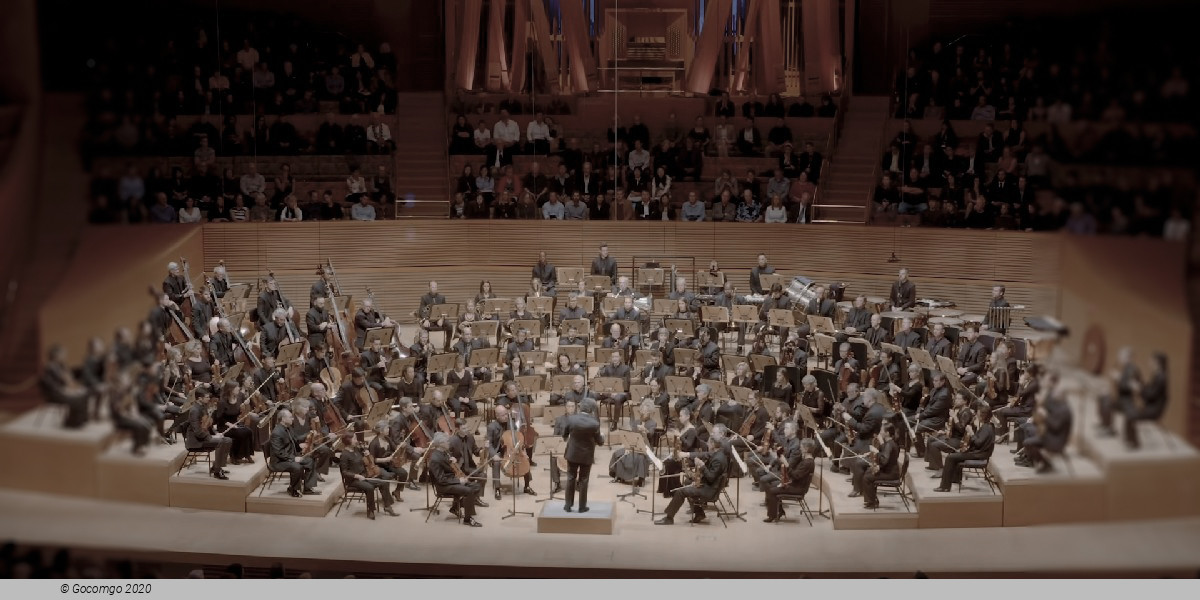
Dudamel conducts the LA Phil in Los Angeles with a semi-stage proposal created for deaf and hearing audiences.

The French drama Léonore ou L’amour conjugal on which Fidelio is based belonged to a genre very popular in the years of the French Revolution, the pièce à sauvetage, in which heroes, representing the forces of good, emerge victorious from a situation of grave danger after a series of vicissitudes, in an optimistic vision of the positive values of injustice and reason. 

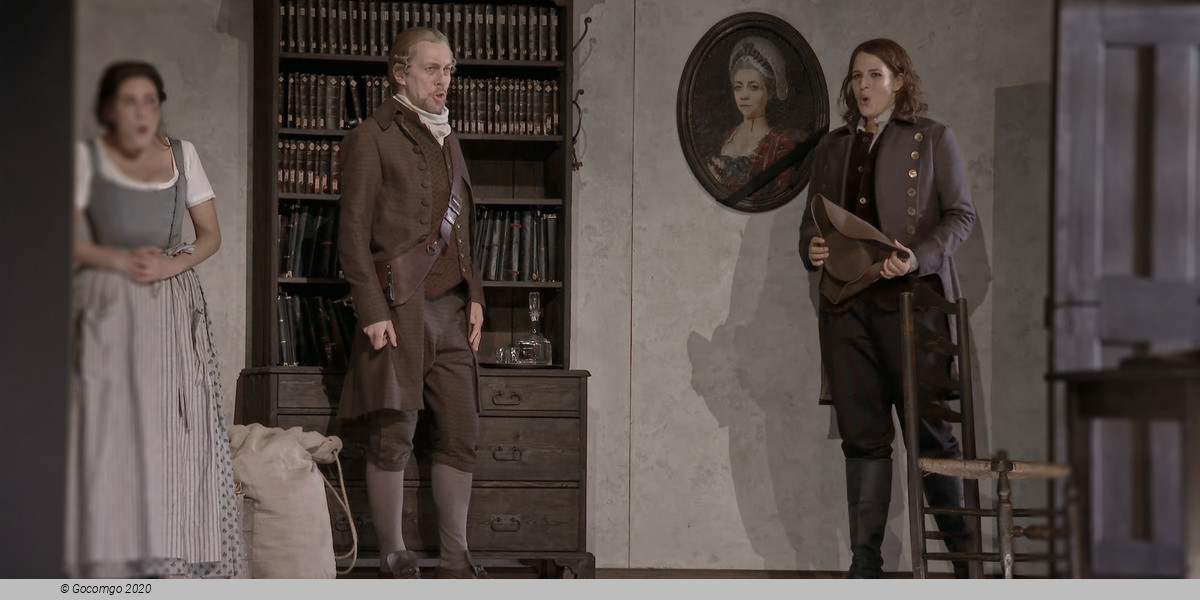
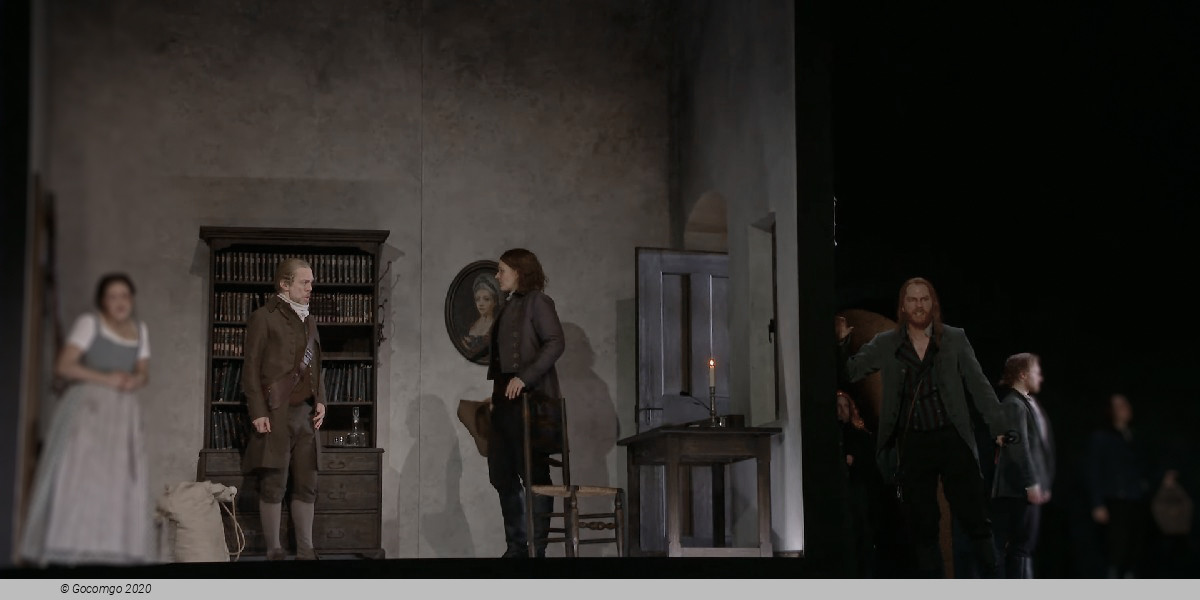
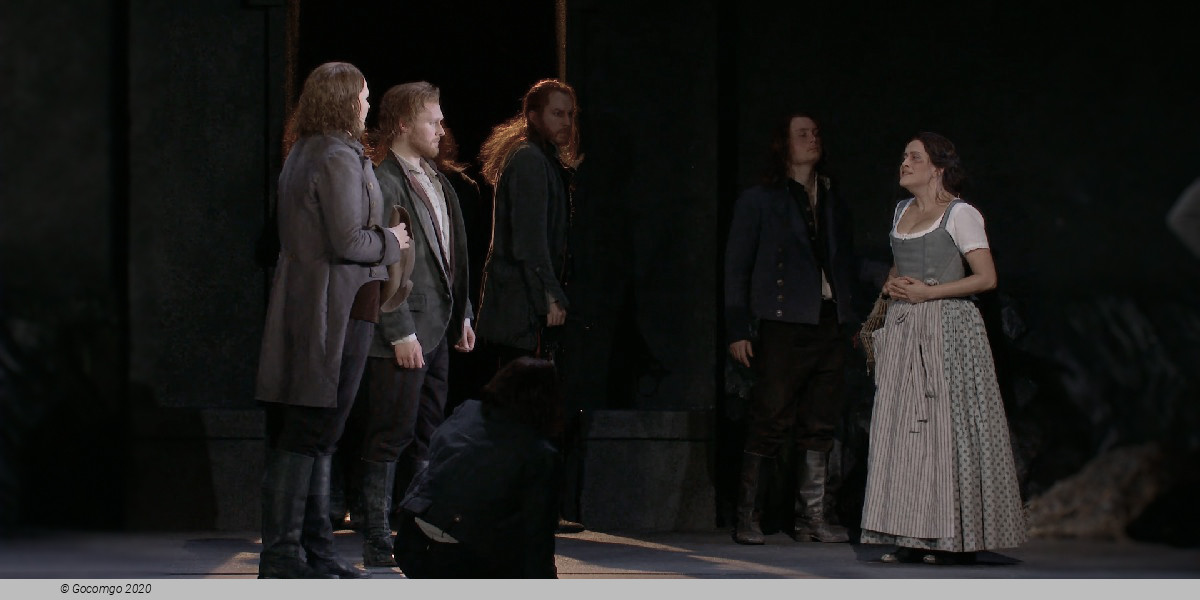
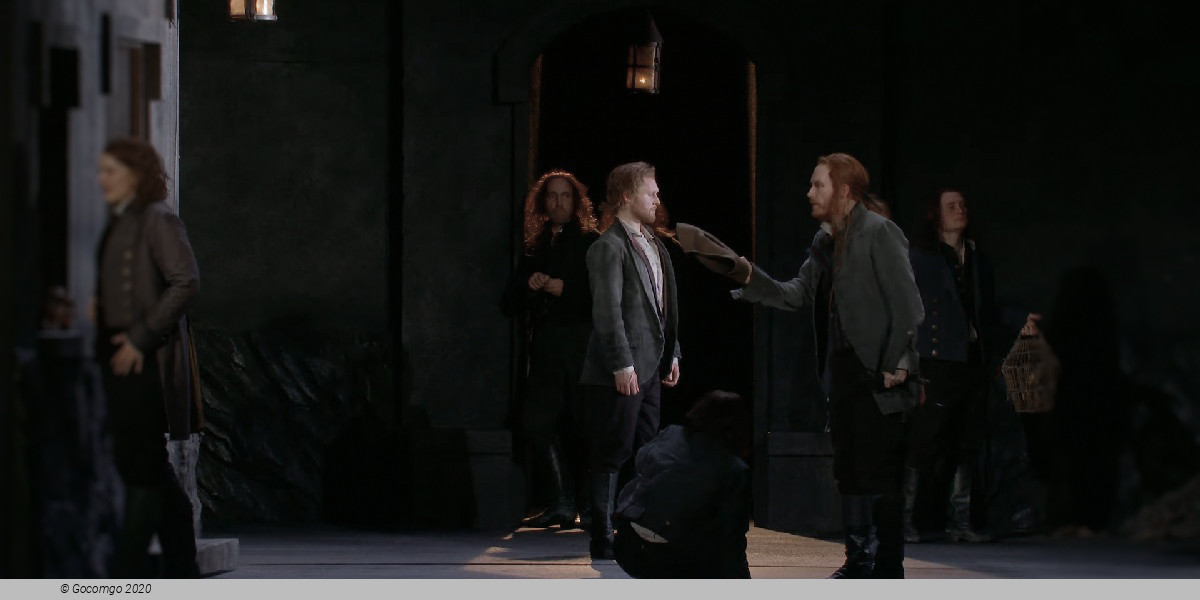
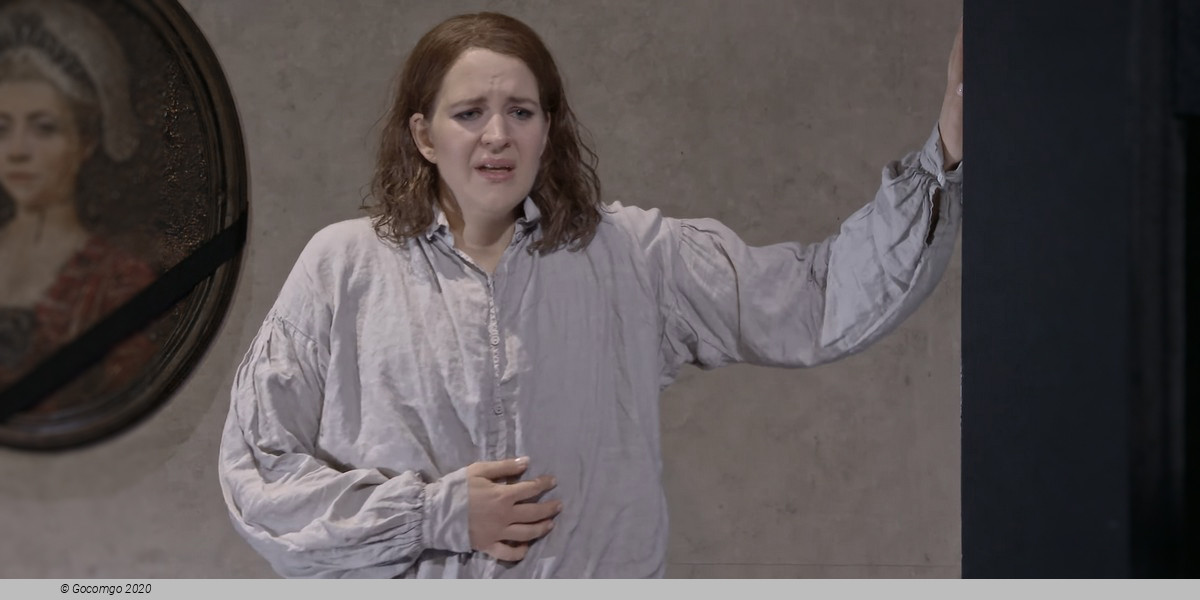
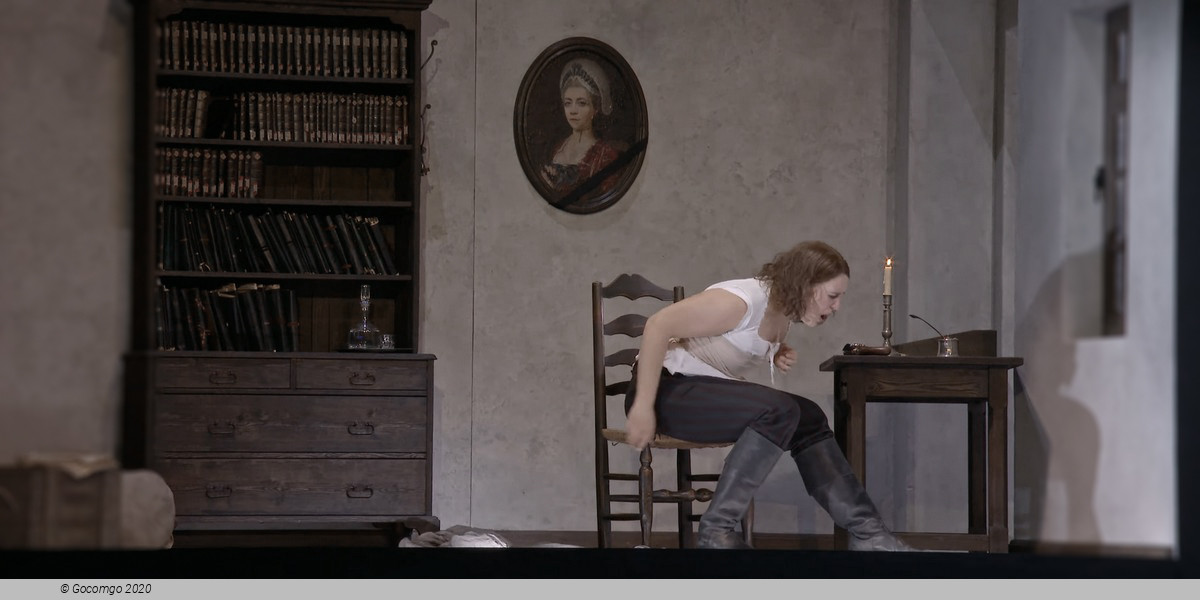
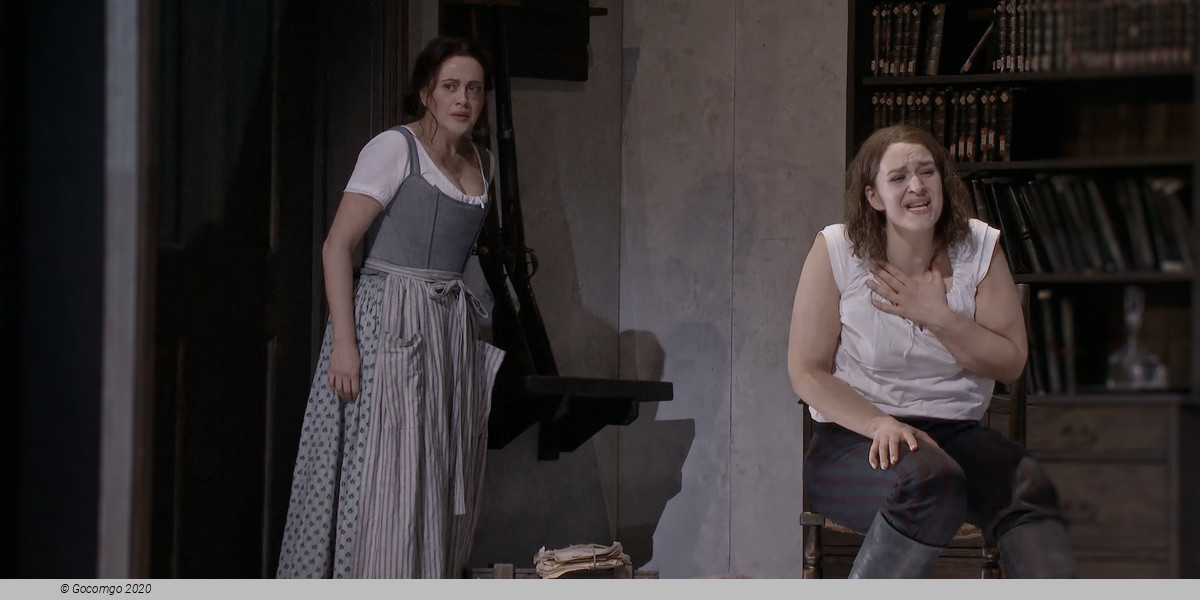
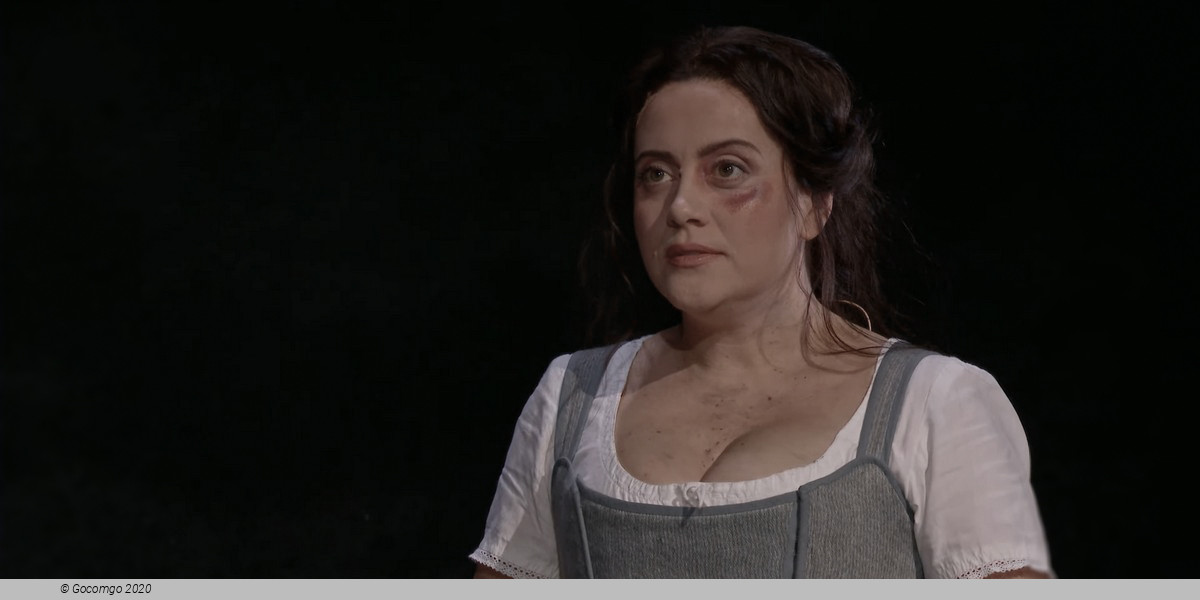
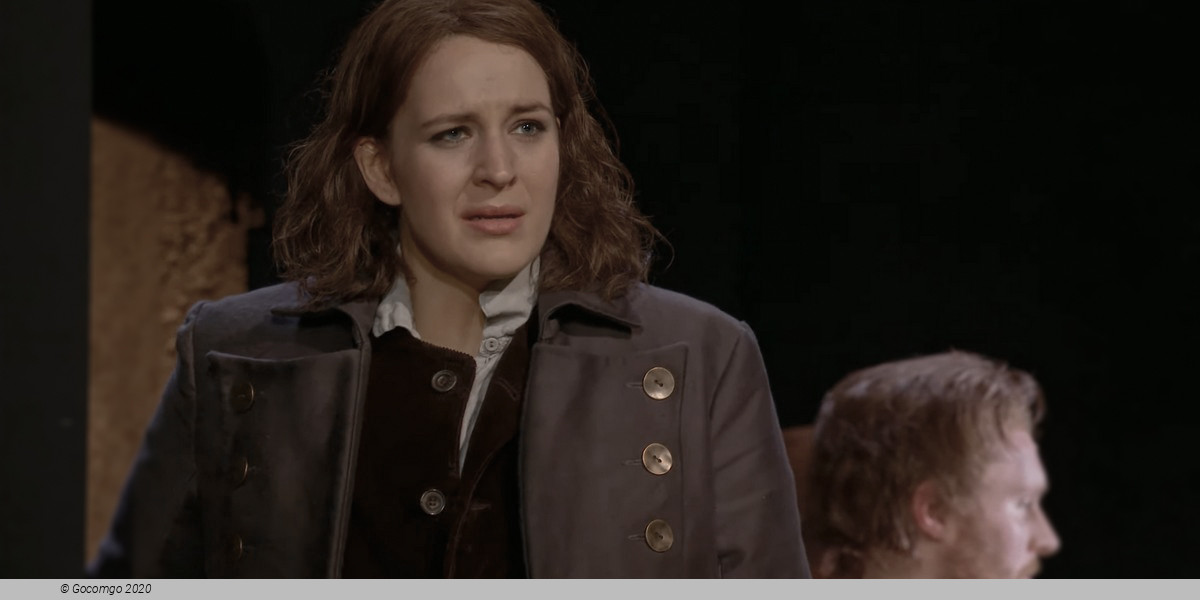
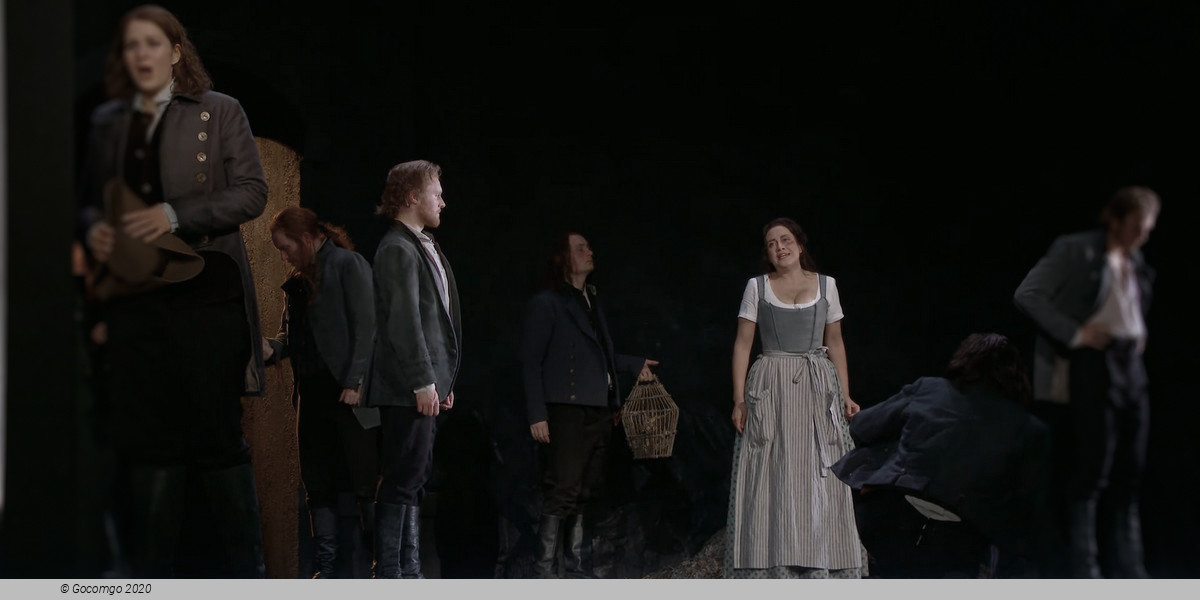
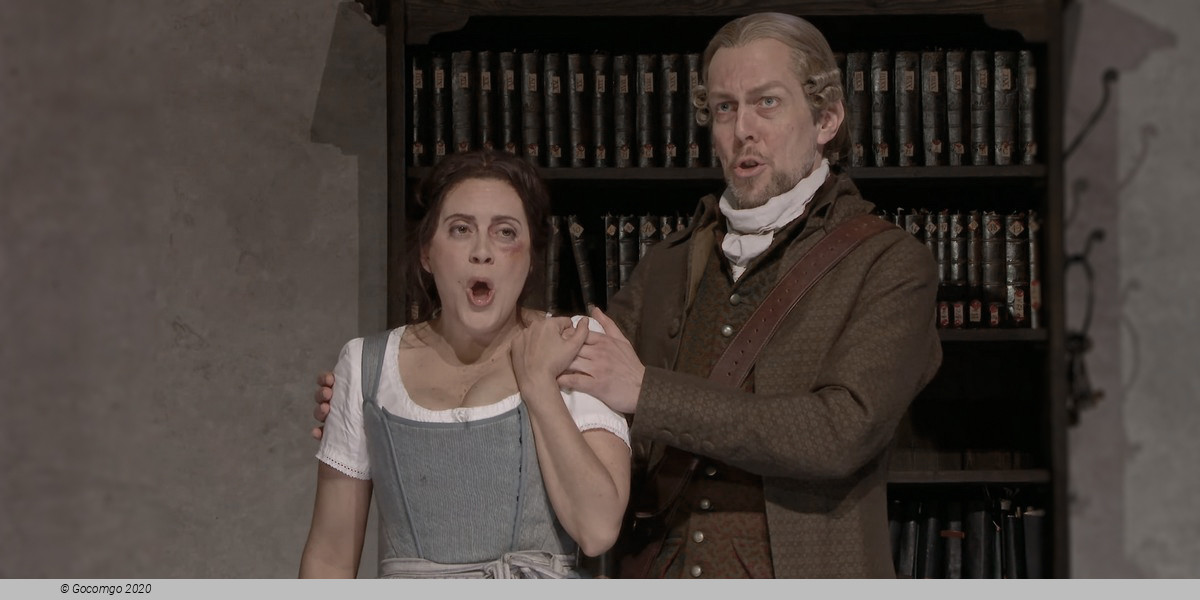
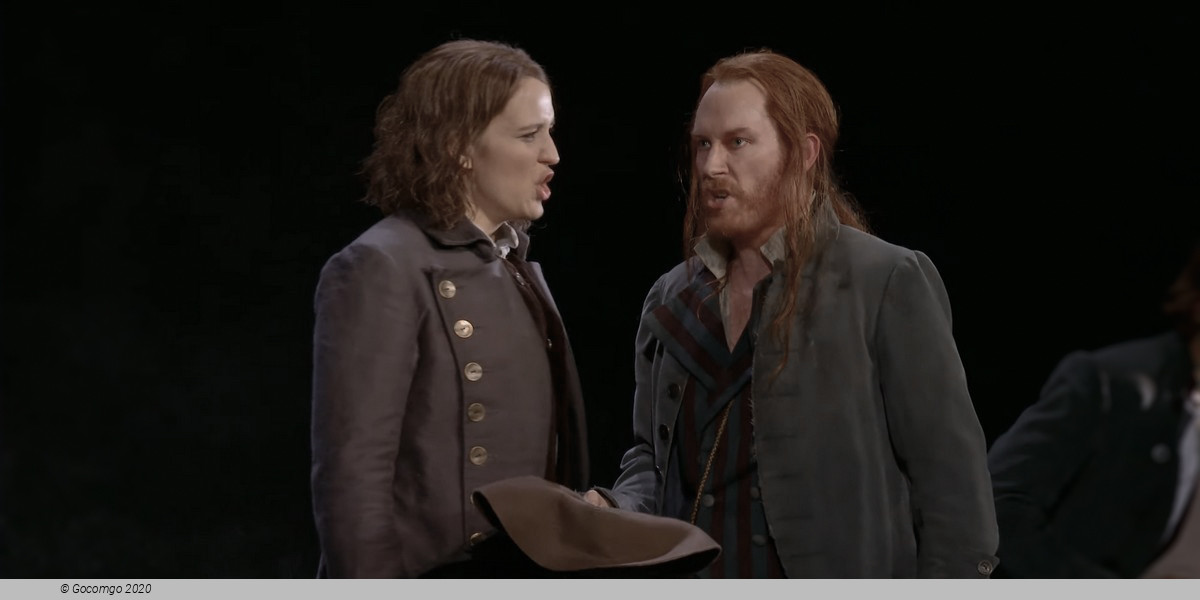
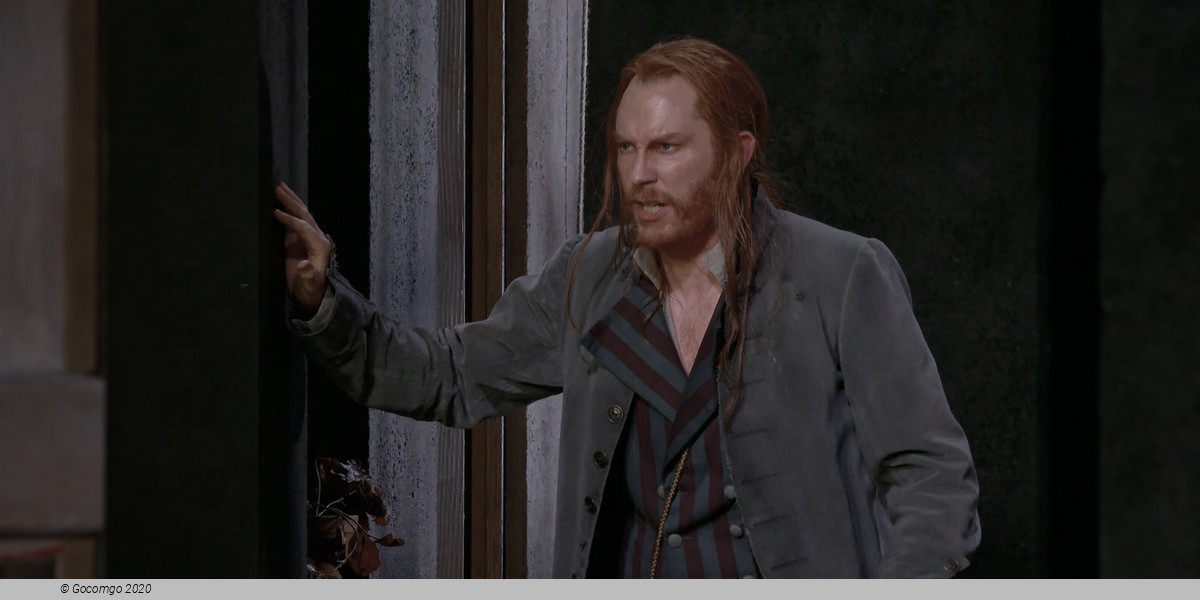
The action takes place in 17th century Seville, in a terrible military prison, ruled by the cruel Don Pizarro, who secretly holds his worst enemy prisoner, Florestan, who has dared to proclaim truths that betray him. Leonora, a magnificent embodiment of the brave woman in love, suspects that her husband, the missing Florestan, is unjustly imprisoned. She disguises herself as a man, named Fidelio, and gains the trust of the jailer Rocco – a good character with great personal dignity – in a desperate attempt to save her husband.  

The first scenes follow the tone and structure of singspiel – Rocco’s daughter Marzelline falls in love with Fidelio believing she is a boy – but soon the opera becomes a splendid oratorio celebrating the strength of love and purity that defeats suffering and injustice. 

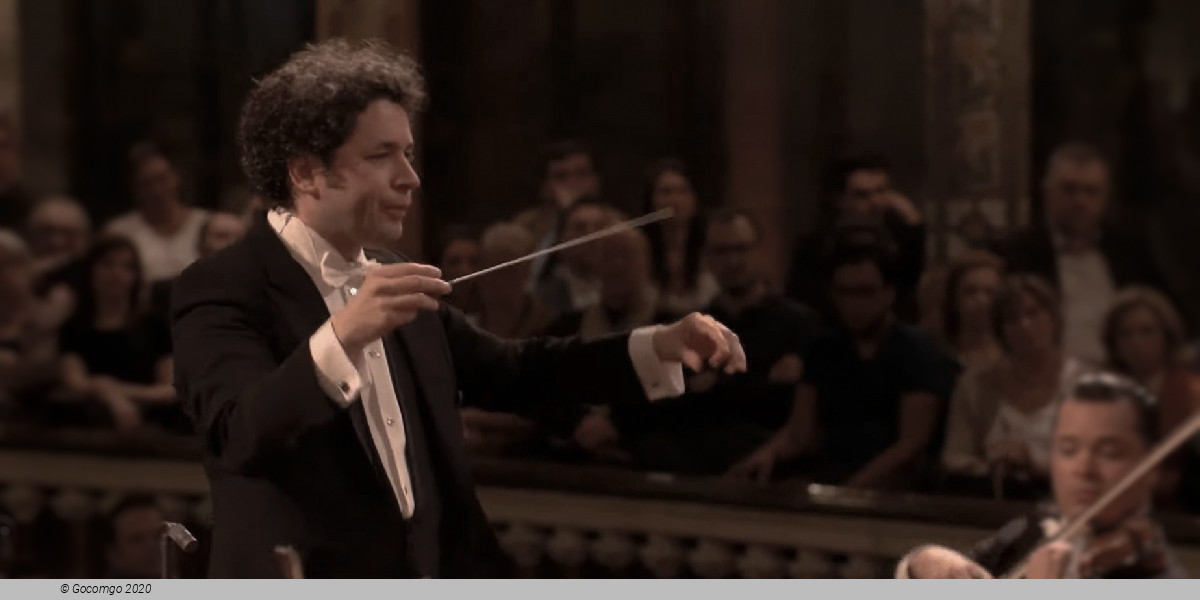
Gustavo Dudamel, charismatic and energetic, conducts his American orchestra: the Los Angeles Philharmonic. This innovative semi-staged production was created for both deaf and hearing audiences. Explained through the composer’s own music and the expressive gestural poetry of sign language, the performances explore the sublime communication that lies at the heart of all artistic expression. This performance is stage directed by Alberto Arvelo, in collaboration with the Deaf West Theatre (Los Angeles) and the Chorus of Manos Blancas de El Sistema (Venezuela).  

Premiered in 1805 at the Theater an der Wien, in the middle of the French military occupation of the city with a deaf Beethoven, the music brims over with the composer’s huge energy and passion in a score replete with idealism and sublimation.

History
Premiere of this production: 20 November 1805, Theater an der Wien, Vienna

Fidelio (originally titled Leonore, oder Der Triumph der ehelichen Liebe; English: Leonore, or The Triumph of Marital Love) is Ludwig van Beethoven's only opera. The German libretto was originally prepared by Joseph Sonnleithner from the French of Jean-Nicolas Bouilly, with the work premiering at Vienna's Theater an der Wien on 20 November 1805.

Synopsis

Two years prior to the opening scene, the Spanish nobleman Florestan has exposed or attempted to expose certain crimes of a rival nobleman, Pizarro. In revenge, Pizarro has secretly imprisoned Florestan in the prison over which he is governor. Simultaneously, Pizarro has spread false rumors about Florestan's death.

The warden of the prison, Rocco, has a daughter, Marzelline, and an assistant, Jaquino, who is in love with Marzelline. The faithful wife of Florestan, Leonore, suspects that her husband is still alive. Disguised as a boy, under the alias "Fidelio", she gains employment working for Rocco. As the boy Fidelio, she earns the favor of her employer, Rocco, and also the affections of his daughter Marzelline, much to Jaquino's chagrin.

On orders, Rocco has been giving the imprisoned Florestan diminishing rations until he is nearly starved to death.

Place: A Spanish state prison, a few miles from Seville
Time: Late 18th century
Act 1

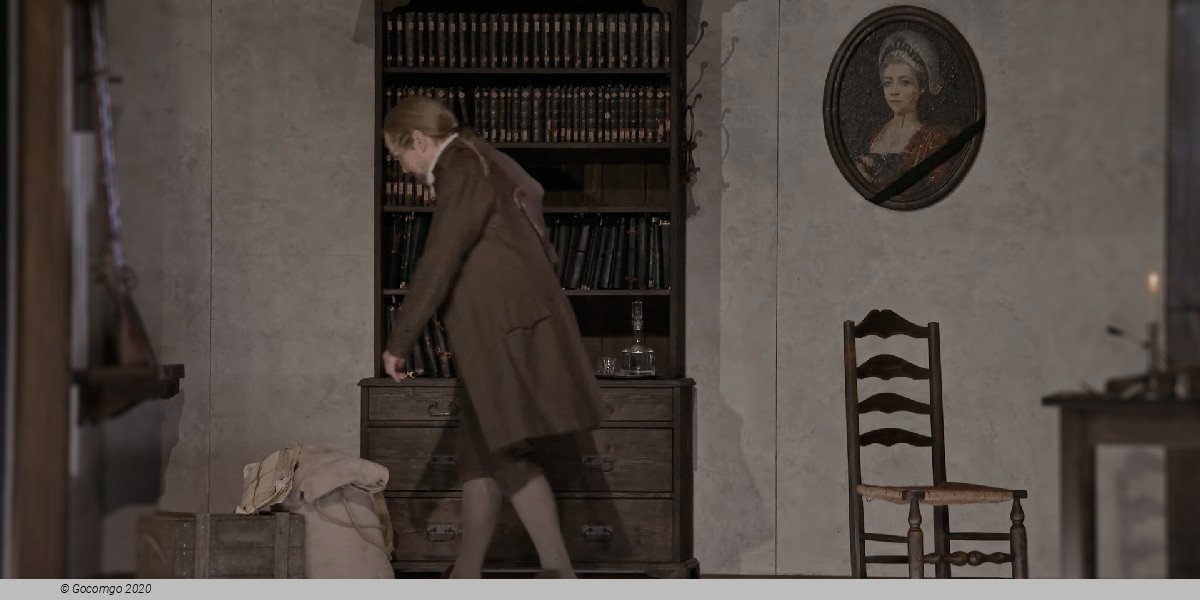
Jaquino and Marzelline are alone in Rocco's house. Jaquino asks Marzelline when she will agree to marry him, but she says that she will never marry him now that she has fallen in love with Fidelio, unaware that Fidelio is actually Leonore in disguise (Jetzt, Schätzchen, jetzt sind wir allein—"Now, darling, now we are alone"). Jaquino leaves, and Marzelline expresses her desire to become Fidelio's wife (O wär ich schon mit dir vereint—"If only I were already united with thee"). Rocco enters, looking for Fidelio, who then enters carrying a heavy load of newly-repaired chains. Rocco compliments Fidelio, and misinterprets her modest reply as hidden attraction to his daughter. Marzelline, Fidelio, Rocco, and Jaquino sing a quartet about the love Marzelline has for Fidelio (Mir ist so wunderbar—"A wondrous feeling fills me", also known as the Canon Quartet).

Rocco tells Fidelio that as soon as the governor has left for Seville, Marzelline and Fidelio can be married. He tells them, however, that unless they have money, they will not be happy. (Hat man nicht auch Gold beineben—"If you don't have any money"). Fidelio demands to know why Rocco will not allow for help in the dungeons, especially as he always seems to return short of breath. Rocco says that there is a dungeon down there where he can never take Fidelio, which houses a man who has been wasting away for two years. Marzelline begs her father to keep Leonore away from such a terrible sight, but Leonore claims courage sufficient to cope with it. Rocco and Leonore sing of courage (Gut, Söhnchen, gut—"All right, sonny, all right"), and Marzelline joins in their acclamations.

All but Rocco leave. A march is played as Pizarro enters with his guards. Rocco warns Pizarro that the minister plans a surprise visit tomorrow to investigate accusations of Pizarro's cruelty. Pizarro exclaims that he cannot let the minister discover the imprisoned Florestan, who has been thought dead. Instead, Pizarro will have Florestan murdered (Ha, welch ein Augenblick—"Hah! What a moment!"). As a signal, Pizarro orders that a trumpet be sounded at the minister's arrival. He offers Rocco money to kill Florestan, but Rocco refuses (Jetzt, Alter, jetzt hat es Eile!—"Now, old man, we must hurry!"). Pizarro says he will kill Florestan himself instead, and orders Rocco to dig a grave for him in the floor of the dungeon. Once the grave is ready, Rocco is to sound the alarm, upon which Pizarro will come into the dungeon and kill Florestan. Fidelio, hearing Pizarro's plot, is agitated, but hopes to rescue Florestan (Abscheulicher! Wo eilst du hin? and Komm, Hoffnung, lass den letzten Stern—"Monster! Where are you off to so fast?" and "Come, hope, let the last star").

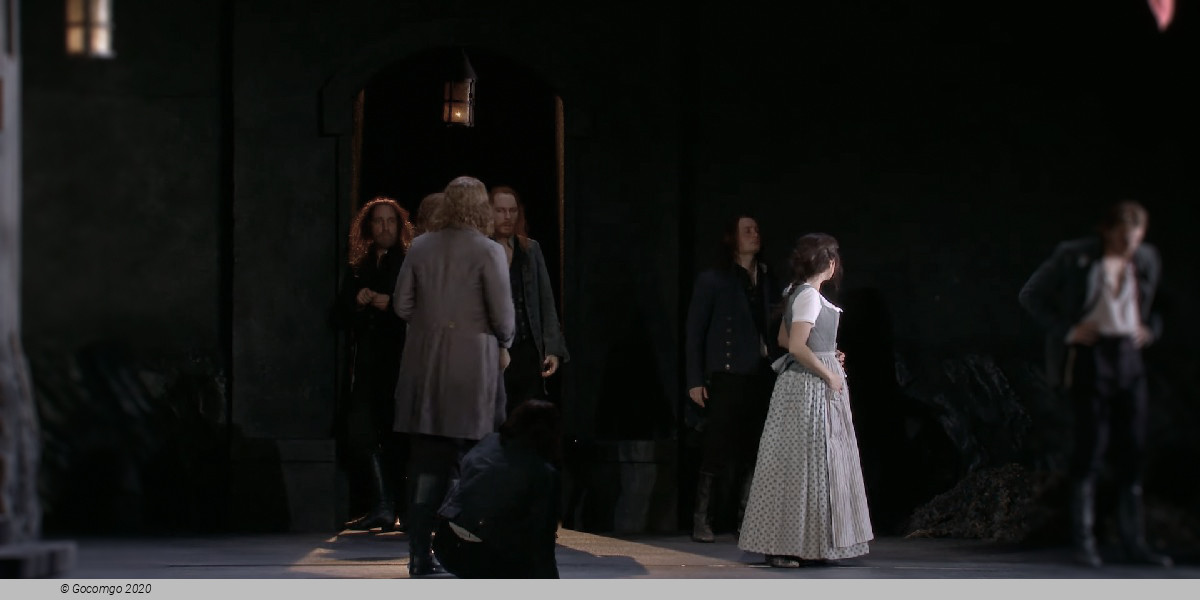
Jaquino once again begs Marzelline to marry him, but she continues to refuse. Fidelio, hoping to discover Florestan, asks Rocco to let the poor prisoners roam in the garden and enjoy the beautiful weather. Marzelline similarly begs him, and Rocco agrees to distract Pizarro while the prisoners are set free. The prisoners, ecstatic at their temporary freedom, sing joyfully (O welche Lust—"O what a joy"), but remembering that they might be caught by the prison's governor Pizarro, are soon quiet.

After meeting with Pizarro, Rocco reenters and tells Fidelio that Pizarro will allow the marriage, and Fidelio will also be permitted to join Rocco on his rounds in the dungeon (Nun sprecht, wie ging's?—"Speak, how did it go?"). Rocco and Fidelio prepare to go to Florestan's cell, with the knowledge that he must be killed and buried within the hour. Fidelio is shaken; Rocco tries to discourage Fidelio from coming, but Fidelio insists. As they prepare to leave, Jaquino and Marzelline rush in and tell Rocco to run, as Pizarro has learned that the prisoners were allowed to roam, and is furious (Ach, Vater, Vater, eilt!—"O, father, father, hurry!").

Before they can leave, Pizarro enters and demands an explanation. Rocco, thinking quickly, answers that the prisoners were given a little freedom in honor of the Spanish king's name day, and quietly suggests that Pizarro should save his anger for the prisoner in the dungeon below. Pizarro tells him to hurry and dig the grave, and then announces that the prisoners will be locked up again. Rocco, Leonore, Jacquino, and Marzelline reluctantly usher the prisoners back to their cells. (Leb wohl, du warmes Sonnenlicht—"Farewell, you warm sunshine").

Act 2

Florestan is alone in his cell, deep inside the dungeons. He sings first of his trust in God, and then has a vision of his wife Leonore coming to save him (Gott! Welch Dunkel hier!—"God! What darkness here" and In des Lebens Frühlingstagen—"In the spring days of life"). Florestan collapses and falls asleep, while Rocco and Fidelio come to dig his grave. As they dig, Rocco urges Fidelio to hurry (Wie kalt ist es in diesem unterirdischen Gewölbe!—"How cold it is in this underground chamber" and Nur hurtig fort, nur frisch gegraben—"Come get to work and dig", the "Gravedigging Duet").

Florestan awakes and Fidelio recognizes him. When Florestan learns that the prison he is in belongs to Pizarro, he asks that a message be sent to his wife, Leonore, but Rocco says that it is impossible. Florestan begs for a drop to drink, and Rocco tells Fidelio to give him one. Florestan does not recognize Fidelio, his wife Leonore in disguise, but tells Fidelio that there will be reward for the good deed in Heaven (Euch werde Lohn in bessern Welten—"You shall be rewarded in better worlds"). Fidelio further begs Rocco to be allowed to give Florestan a crust of bread, and Rocco consents.

Rocco obeys his orders and sounds the alarm for Pizarro, who appears and asks if all is ready. Rocco says that it is, and instructs Fidelio to leave the dungeon, but Fidelio hides instead. Pizarro reveals his identity to Florestan, who accuses him of murder (Er sterbe! Doch er soll erst wissen—"Let him die! But first he should know"). As Pizarro brandishes a dagger, Fidelio leaps between him and Florestan and reveals her identity as Leonore, the wife of Florestan. Pizarro raises his dagger to kill her, but she pulls a gun and threatens to shoot him.

Just then, the trumpet is heard, announcing the arrival of the minister. Jaquino enters, followed by soldiers, to announce that the minister is waiting at the gate. Rocco tells the soldiers to escort Governor Pizarro upstairs. Florestan and Leonore sing to their victory as Pizarro declares that he will have revenge, while Rocco expresses his fear of what is to come (Es schlägt der Rache Stunde—"Revenge's bell tolls"). Together, Florestan and Leonore sing a love duet (O namenlose Freude!—"O unnamed joy!").

Here, the overture "Leonore No. 3" is sometimes played.

The prisoners and townsfolk sing to the day and hour of justice which has come (Heil sei dem Tag!—"Hail to the day!"). The minister, Don Fernando, announces that tyranny has ended. Rocco enters, with Leonore and Florestan, and he asks Don Fernando to help them (Wohlan, so helfet! Helft den Armen!—"So help! Help the poor ones!"). Rocco explains how Leonore disguised herself as Fidelio to save her husband. Previously in love with Fidelio, Marzelline is shocked. Rocco describes Pizarro's murder plot, and Pizarro is led away to prison. Florestan is released from his chains by Leonore, and the crowd sings the praises of Leonore, the loyal savior of her husband (Wer ein holdes Weib errungen—"Who has got a good wife").

Venue Info

Gran Teatre del Liceu - Barcelona
Location   La Rambla, 51-59

The Gran Teatre del Liceu, or simply Liceu in Catalan, is a main opera house in Barcelona, Catalonia, located on the central street of the city - La Rambla. The Liceu opened on 4 April 1847.

The Gran Teatre del Liceu dates back to 1837 when at the instigation of Manuel Gibert, a battalion of the National Militia formed the institutional core of the future Teatre in the unused monastery of Montsió (currently Portal del Ángel): a dramatic society of aficionados devoted to the performing arts. The first show premiered on 21 August 1837: El marido de mi mujer, by Ventura de la Vega, a dance number and a skit.

Origins (1837–1847)
In 1837, the Liceo Filodramático de Montesión (Philodramatic Lyceum of Montesión, now named Conservatori Superior de Música del Liceu) was founded in Barcelona to promote musical education (hence the name "Liceo", or lyceum) and organize scenic representations of opera performed by Liceo students.

A theatre was built in the convent building — named Teatro de Montesión or Teatro del Liceo de Montesión — and plays and operas were performed: the first was Vicenzo Bellini's Norma (3 February 1838). The repertoire was Italian, the most performed composers being Donizetti and Mercadante as well as Bellini and Rossini. The Barcelona premiere of Hérold's Zampa was held here.

In 1838, the society changed its name to Liceo Dramático Filarmónico de S. M. la Reina Isabel II (Dramatic Philharmonic Lyceum of H.M. Queen Isabel II). Lack of space, as well as pressures, brought to bear by a group of nuns (who were the former proprietors of the convent and had recovered rights to return), motivated the Liceu to leave its headquarters in 1844. The last theatre performance was on 8 September.

The Trinitarian convent building located in the center of the town at la Rambla was purchased. The managers of the Liceu entrusted Joaquim de Gispert d'Anglí with a project to make the construction of the new building viable. Two different societies were created: a "building society" and an "auxiliary building society". Shareholders of the building society obtained the right of use in perpetuity of some theatre boxes and seats in exchange for their economic contributions. Those of the second society contributed the rest of the money necessary in exchange for property of other spaces in the building including some shops and a private club called the Círculo del Liceo.

In contrast with many other European cities, where the monarchy took on the responsibility of the building and upkeep of opera houses, the Liceu was funded by private shareholders of what would become the Societat del Gran Teatre del Liceu (Great Liceu Theatre Society), organized similarly to a trading company or society. This is reflected in the building's architecture; for example, there exists no royal box. The Queen did not contribute to the construction, so the name of the society was changed to Liceo Filarmónico Dramático, removing the Queen's name from it.

Miquel Garriga i Roca was the architect contracted; the construction began on 11 April 1845. The theatre was inaugurated on 4 April 1847.

Opening, fire, and rebuilding (1847–1862)
The inauguration presented a mixed program including the premieres of José Melchior Gomis' musical Ouverture, a historical play Don Fernando de Antequera by Ventura de la Vega, the ballet La rondeña (The girl from Ronda) by Josep Jurch, and a cantata Il regio himene with music by the musical director of the theatre Marià Obiols. The first complete opera, Donizetti's Anna Bolena was presented on 17 April. At this point, Liceu was the biggest opera house in Europe with 3,500 seats. Other operas performed in the Liceu during the first year were (in chronological order): I due Foscari (Verdi), Il bravo (Mercadante), Parisina d'Este (Donizetti), Giovanna d'Arco (Verdi), Leonora (Mercadante), Ernani (Verdi), Norma (Bellini), Linda di Chamounix (Donizetti) and Il barbiere di Siviglia (Rossini).

The building was severely damaged by fire on 9 April 1861, but it was rebuilt by the architect Josep Oriol Mestres and re-opened on 20 April 1862, performing Bellini's I puritani. From the old building, only the facade, the entrance hall, and the foyer (Mirrors Hall) remained.

Bombing and civil war (1862–1940)
On 7 November 1893, on the opening night of the season and during the second act of the opera Guillaume Tell by Rossini, two Orsini bombs were thrown into the stalls of the opera house. Only one of the bombs exploded; some twenty people were killed and many more were injured. The attack was executed by anarchist Santiago Salvador and deeply shocked Barcelona, becoming a symbol of the turbulent social unrest of the time. The Liceu re-opened its doors on 18 January 1894, but the seats occupied by those killed were not used for a number of years. The second bomb was put in the Van Gogh Museum in 2007 during an exhibit on Barcelona around 1900.

In 1909, the auditorium ornamentation was renewed. Spanish neutrality during World War I allowed the Catalan textile industry to amass enormous wealth by supplying the warring parties. The 1920s were prosperous years and the Liceu became fully established as a leading opera house welcoming better singers, the orchestra leaders of the time, and companies such as Sergei Diaghilev's Ballets Russes.

When the Second Spanish Republic was proclaimed in 1931, political instability meant that the Liceu suffered a severe financial crisis which was only overcome through subsidies from the Barcelona City Council and the government of Catalonia. During the Spanish Civil War, the Liceu was nationalized and took the name the Teatre del Liceu – Teatre Nacional de Catalunya (Liceu Opera House – the National Theatre of Catalonia). The opera seasons were suspended. After the war, it was returned to its original owners in 1939.

"Silver Age" and crisis (1940–1980)
From 1940 to the 1960s, the seasons were high-quality ones. 1955, thanks to the creation of a special board, saw a historic event when for the first time since its foundation, the Bayreuth Festival was staged away from its normal venue. Performances of Parsifal, Tristan und Isolde, and Die Walküre with innovative stage sets by Wieland Wagner were enthusiastically received.

In the 1970s, an economic crisis affected the theatre and the privately based organization could not afford the increasing budgets of modern opera productions and general quality declined.

New direction and second fire (1980–1994)
The death of Joan Antoni Pàmias in 1980 revealed the need for the intervention of the official bodies if the institution was to remain a leading opera house. In 1981, the Generalitat de Catalunya, with Barcelona's City Council and the Societat del Gran Teatre del Liceu, created the Consorci del Gran Teatre del Liceu (Consortium of the Great Liceu Theater) responsible for the theatre's management.

The Deputation of Barcelona and the Spanish Ministry of Culture joined the Consortium in 1985 and 1986 respectively. The Consortium managed to quickly attract the public back to the Liceu owing to a considerable improvement in its artistic standard. This included a more complete and up-to-date perspective of the very nature of an opera performance, a great improvement in the choir and orchestra, careful casting, and attracting the interest of the public to other aspects of productions besides the leading roles alone. This approach, coupled with the new economic support and more demanding and discerning public, resulted in a high standard of production.

The seasons organized by the Consortium maintained high standards in casting, production, and public loyalty, as measured by public attendance, but all this came to a halt with a fire on 31 January 1994. The building was destroyed by a fire caused by a spark that accidentally fell on the curtain during a routine repair. At this time, Paul Hindemith's Mathis der Maler was performing at the theatre and the following opera to be performed was Puccini's Turandot.

The public and institutional response were unanimous on the need to rebuild a new opera house on the same site with improved facilities. The new Liceu is the result of a series of actions to preserve those parts of the building unaffected by the fire, the same ones as had survived the fire in 1861. The auditorium was rebuilt with the same layout, except for the roof paintings which were replaced with new artworks by Perejaume, and state-of-the-art stage technology.

To rebuild and improve the theatre, it became public. The Fundació del Gran Teatre del Liceu (Liceu Great Theater Foundation) was created and the Societat del Gran Teatre del Liceu handed over the ownership of the building to the Foundation. Some owners disagreed with the decision, which was challenged unsuccessfully in court.

Reopening (1994–present)
From 1994 until the reopening in 1999, the opera seasons in Barcelona took place in: Palau Sant Jordi arena (only some massive performances in 1994), Palau de la Música Catalana, and Teatre Victòria. The rebuilt, improved, and the expanded theatre opened on 7 October 1999, with Puccini's Turandot as previewed in 1994 before the fire. The new venue had the same traditional horseshoe-shaped auditorium as before but with greatly improved technical, rehearsal, office, and educational facilities, a new rehearsal hall, a new chamber opera and small performances hall, and much more public space. Architects for the rebuilding project were Ignasi de Solà-Morales and Xavier Fabré i Lluís Dilmé.

Surtitles, projected onto a screen above the proscenium, are used for all opera performances and some lieder concerts. The electronic libretto system provides translations (to English, Spanish, or Catalan) onto small individual monitors for most of the seats.

Important Info
Type: Opera
City: Barcelona, Spain
Starts at: 19:30
Acts: 2
Duration: 2h 15min
Top of page