
Hungarian State Opera House: A Midsummer Night's Dream Tickets | Event Dates & Schedule | GoComGo.com

A Midsummer Night's Dream Tickets

Hungarian State Opera House, Budapest, Hungary
Important Info
Type: Opera
City: Budapest, Hungary
Duration: 2h 45min with 2 intervals
Acts: 3
Intervals: 2

E-tickets: Print at home or at the box office of the event if so specified. You will find more information in your booking confirmation email.

You can only select the category, and not the exact seats.
If you order 2 or 3 tickets: your seats will be next to each other.
If you order 4 or more tickets: your seats will be next to each other, or, if this is not possible, we will provide a combination of groups of seats (at least in pairs, for example 2+2 or 2+3).

Cast
Performers
Choose the date to see the peformers
Overview

ACT I

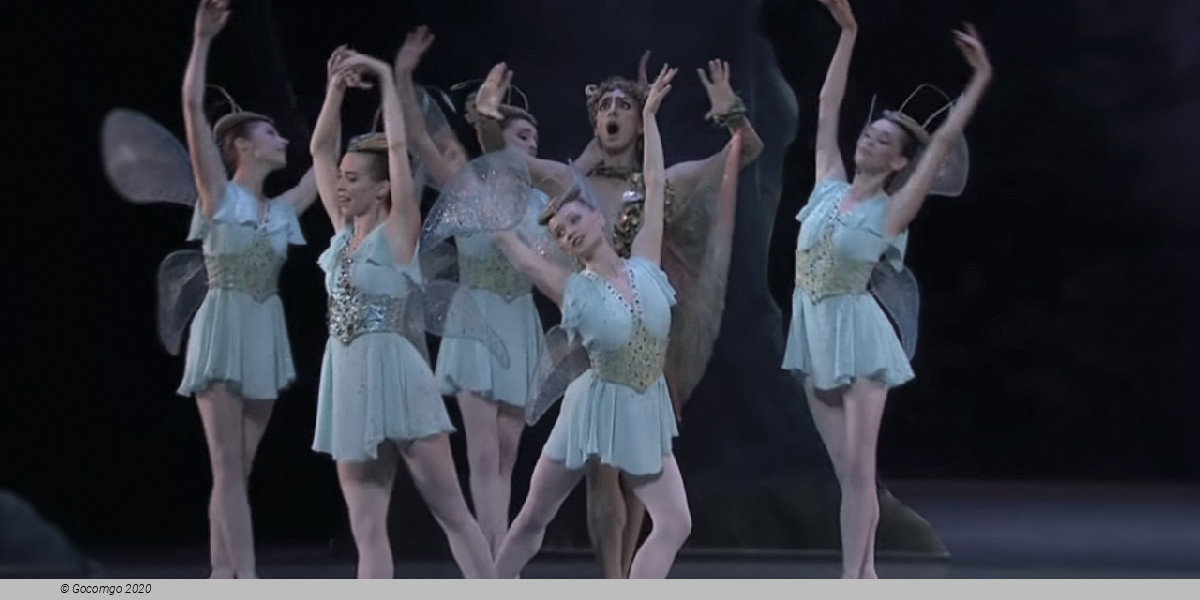
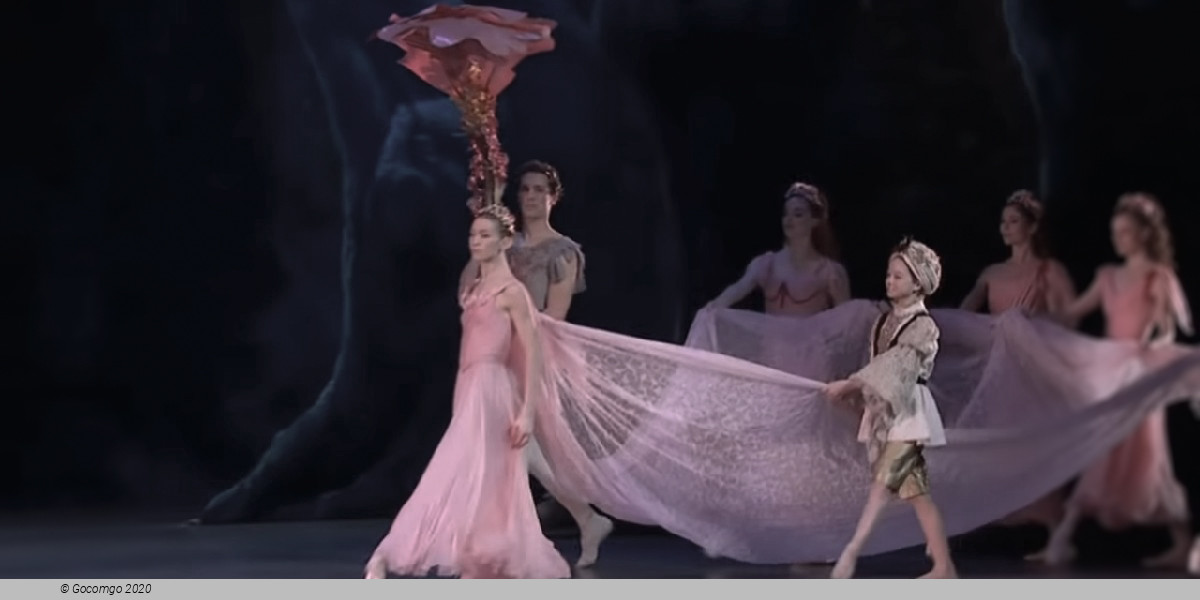
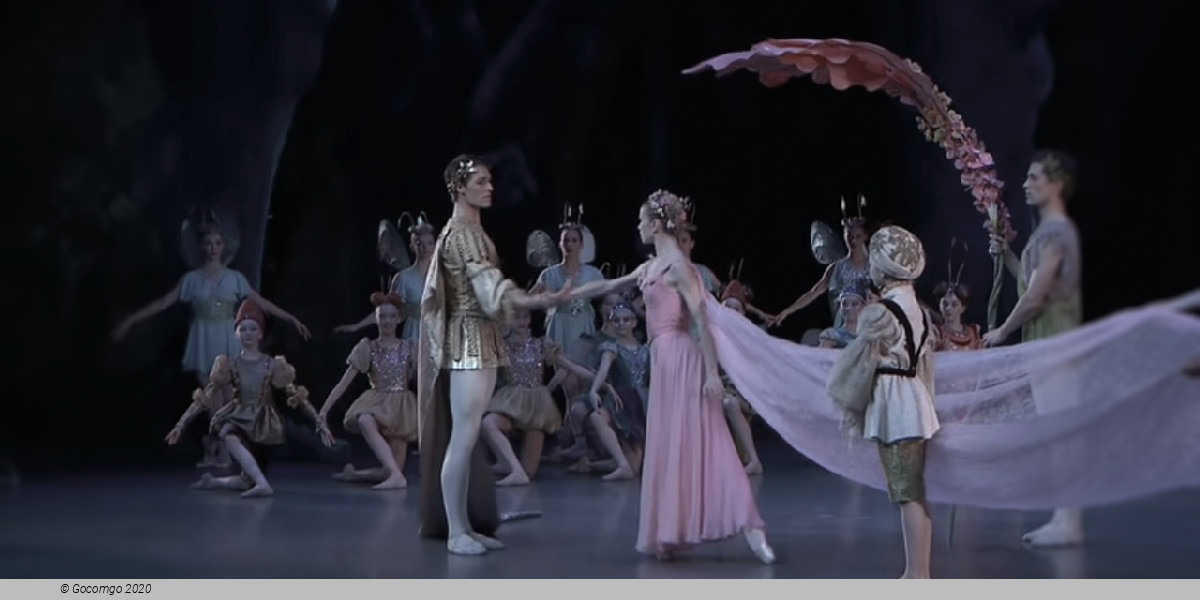
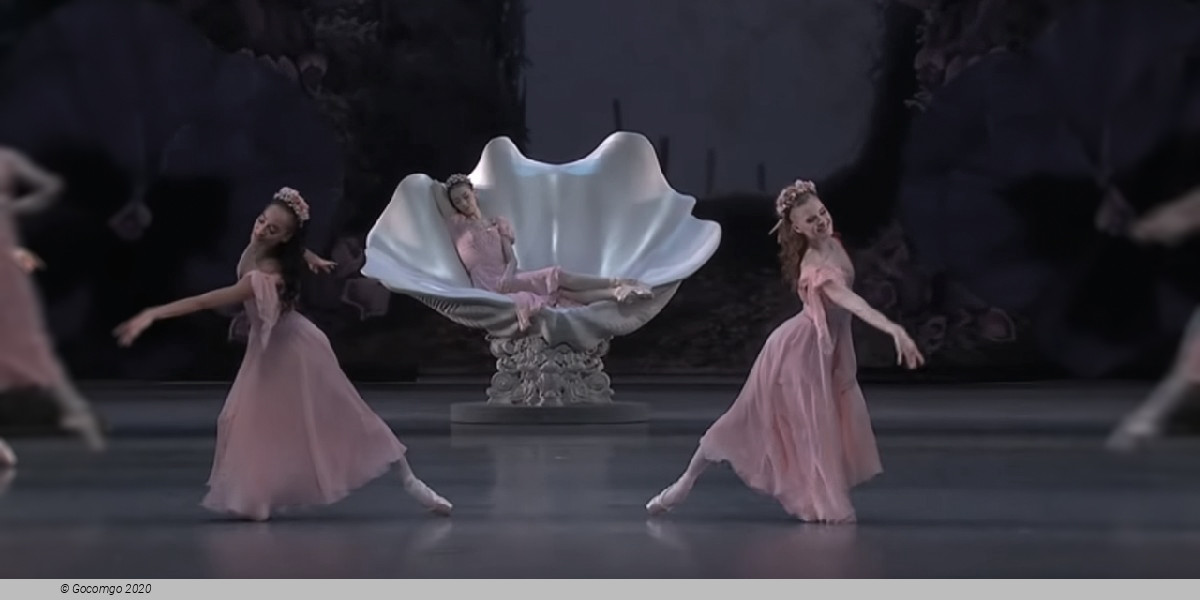
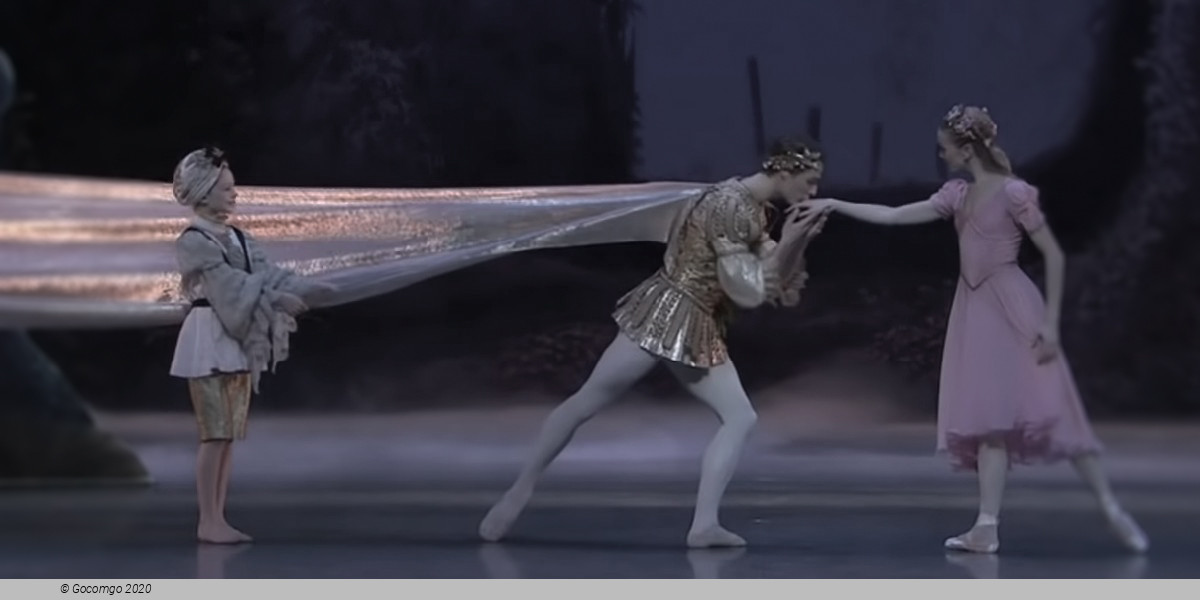
Scene 1.  A company arrives at the theatre. They unpack the costumes and requisites and rehearse their parts. They try on costumes and prepare the settings. We get to know the characters and the mysterious wood of Ardennes is ready for anything to happen. Scene 2. Starts with the dance of Puck and the fairies. Their queen and king Titania and Oberon appear quarrelling. Oberon asks Puck for a magic flower, which Puck presents. Hermia and Lysander, a couple escaped to the forest are about to go to sleep. The fairies accompany Titania to the spot. She is going to bed as well. Oberon sprinkles the magic drop onto Titania’s eyes. Craftsmen arrive in the wood in order to rehearse the play they are going to perform at the wedding feast of Theseus. Bottom disappears during the rehearsal only to return changed into a donkey. The frightened craftsmen run in all directions when they see him. Already under the influence of magic, Titania starts discovering the beauty of Bottom changed into a donkey.

ACT II

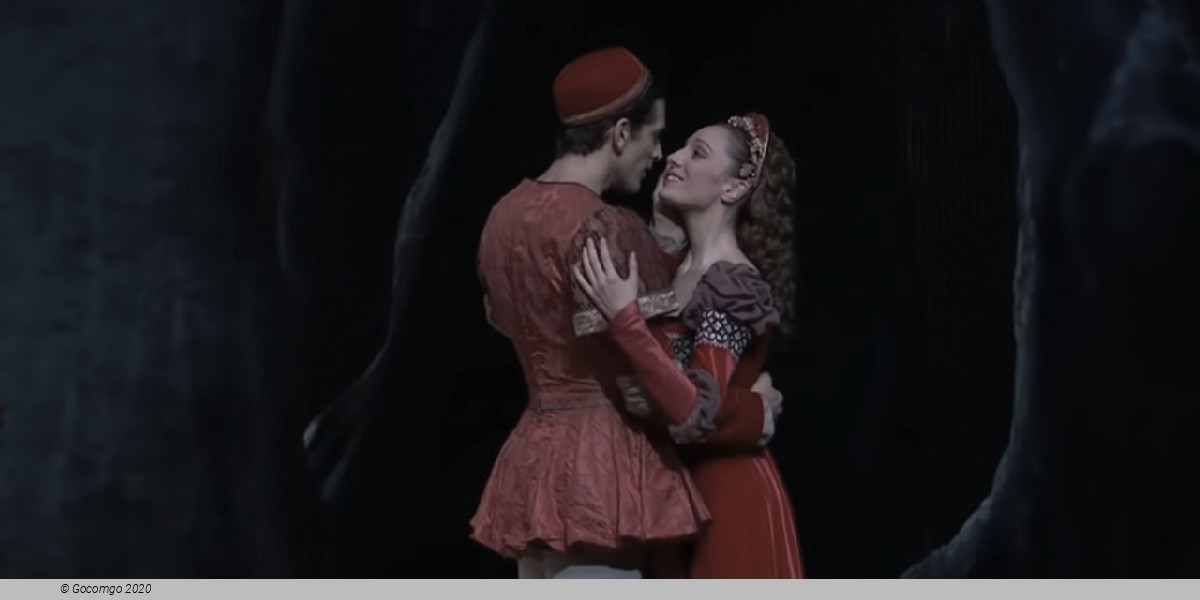
Lysander and Hermia are fast asleep in the wood. Puck drops some magic fluid into Lysander’s eyes. Helena follows Demetrius in order to find her rival. Demetrius drives her away since he does not love her and then goes on searching to wood. Helena catches sight of the sleeping Lysander who wakes up and falls in passionate love with her and dashes off in her pursuit. Hermia wakes up as well: she is distressed to see that her lover Lysander has disappeared from his resting place by her side. She sets out to find him.

Demetrius drags himself back tired to death. Puck, who has mixed up the two couples, wants to compensate for his error and drops some magic fluid into Demetrius’ eyes just to create even greater confusion. While Lysander is making love to Helena, the latter stumbles into Demetrius, who is asleep under the influence of the magic drop. He wakes up to catch sight of Helena and to fall in ardent love with her. Thus Helena is besieged by two lovers. Hermia arrives meandering and witnesses the unm istakable situation. At the end of a quarrel the four of them disperse. Oberon arrives to scold Puck for misconducting the case. Puck begs him for pardon and conjures up a storm in the wood. The lovers retire for the night at Puck’s order after rambling about in the pouring rain amidst strokes of lightning.

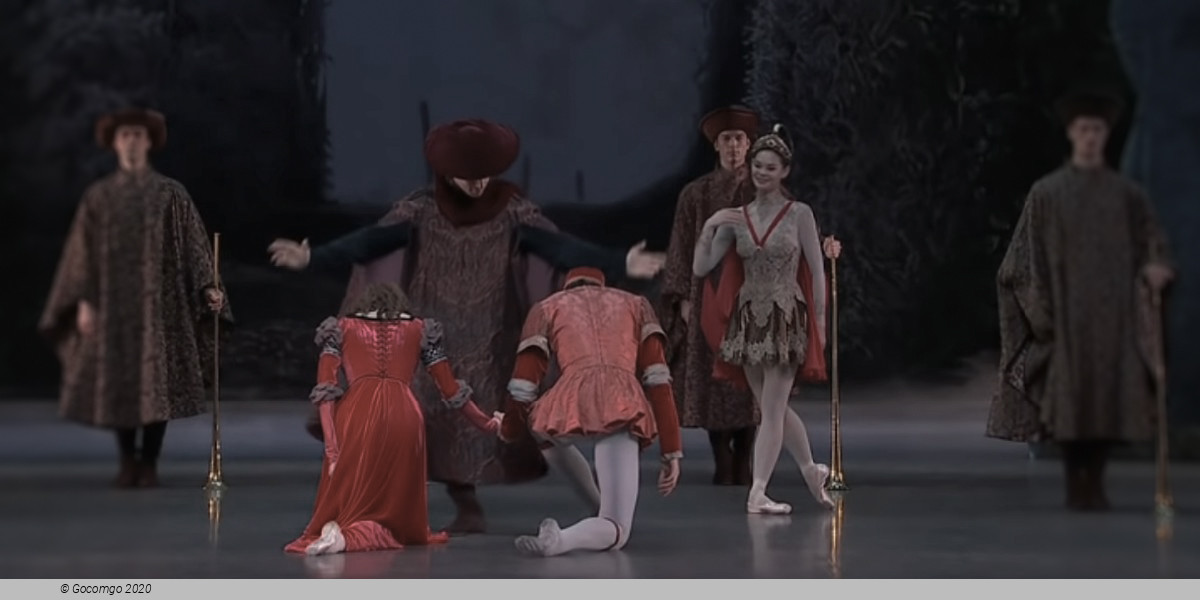
Theseus and Hippolyta arrive for the morning hunt with their retinue. They discover the sleeping couples in the company of Hermia’s father Egeus. A scandalous wakening follows, in the course of which Egeus demands recompense for the rape of his daughter. Theseus pardons them and announces a triple wedding. He is going to marry Hippolyta and the lovers should find their partners, too. The two scared couples stay alone in the wood. Their dance is about reconciliation, forgiveness and about the incomprehensible night. They leave happily. Oberon arrives to break the spell on Titania’s eyes. She confesses that she loves Oberon and belongs to him. After they leave, Bottom awakes to hear birds twittering but he is unable to understand his dream. Hearing the guitar and the sad song of his friends the artisans Bottom finds them. They inform him happily that the court has accepted their play and they can prepare for the performance.

ACT III

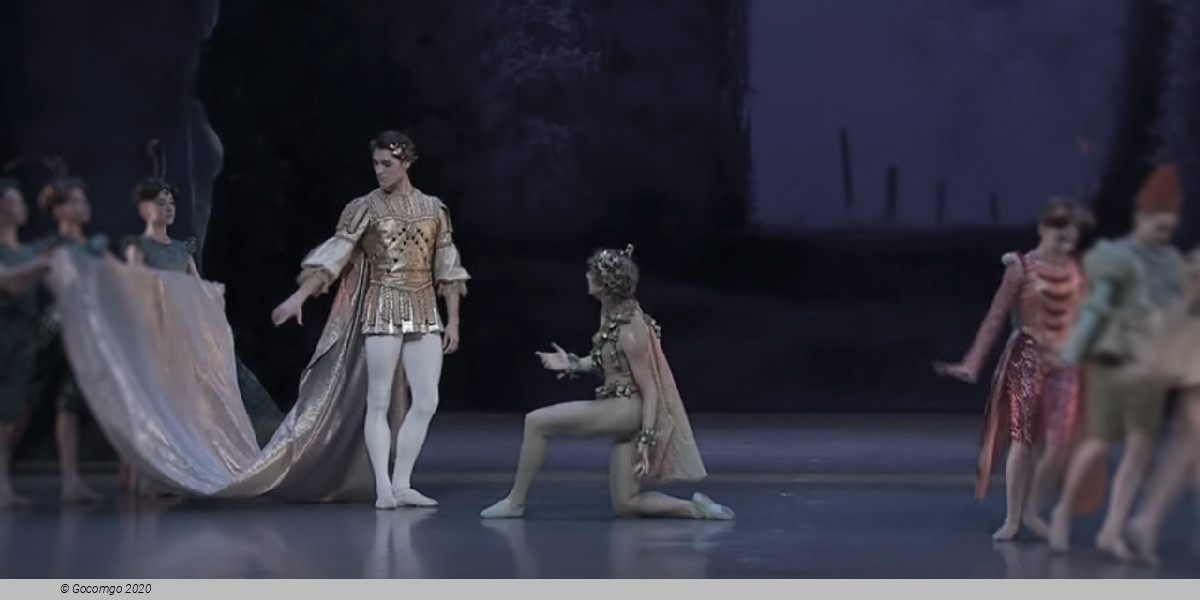
Theseus and his court are gathering for the wedding at the tune of the famous bridal march. They watch the performance of the artisans (Bottom and his companions) titled Pyramus and Thisby, a most lamentable comedy. The successful performance is followed by the real wedding dinner. The fairies appear in the feasting court. Led by Oberon and Titania they bless the house and wish the three couples happiness. His job finished, Oberon-Prospero breaks his magic stick in two and the performance ends. The actors take off their masks and costumes and leave the scene. Only Puck remains to wish the audience good night. He finds the broken stick and, crying, tries to put it together again. He manages to set the stick and the scene becomes spell-bound again. Art is eternal, the performance can never end, the spell can never break.

History
Premiere of this production: 17 January 1962, New York City Ballet, City Center of Music and Drama, New York

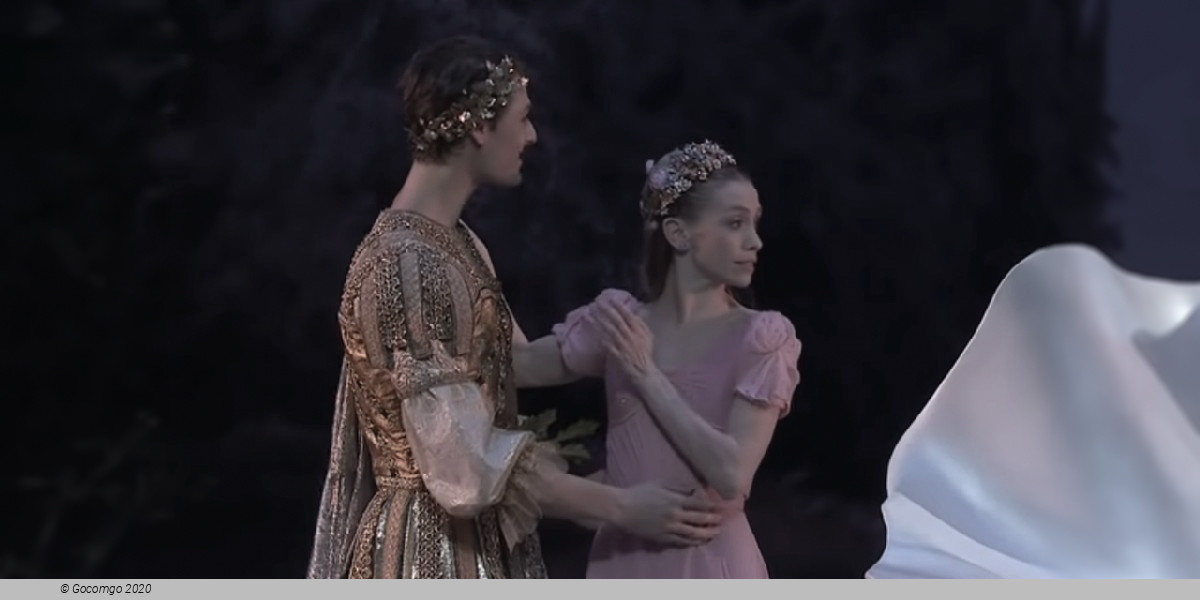
A Midsummer Night's Dream is a two-act ballet (in original production) choreographed by George Balanchine to Felix Mendelssohn's music to Shakespeare's play of the same name. In addition to the incidental music, Balanchine incorporated other Mendelssohn works into the ballet, including the Overtures to Athalie, Son and Stranger, and The Fair Melusine, the "String Symphony No. 9 in C minor" and The First Walpurgis Night.

Venue Info

Hungarian State Opera House - Budapest
Location   Andrássy út 22

The Hungarian State Opera House (Hungarian: Magyar Állami Operaház) is a neo-Renaissance opera house located in central Budapest, on Andrássy út. The Hungarian State Opera House is the main opera house of the country and the second largest opera house in Budapest and in Hungary. Today, the opera house is home to the Budapest Opera Ball, a society event dating back to 1886. The Theatre was designed by Miklós Ybl, a major figure of 19th-century Hungarian architecture.

Construction began in 1875, funded by the city of Budapest and by Emperor Franz Joseph I of Austria-Hungary, and the new house opened to the public on the 27 September 1884. Before the closure of the "Népszínház" in Budapest, it was the third largest opera building in the city; today it is the second largest opera house in Budapest and in Hungary.

Touring groups had performed operas in the city from the early 19th century, but as Legány notes, "a new epoch began after 1835 when part of the Kasa National Opera and Theatrical Troupe arrived in Buda". They took over the Castle Theatre and, in 1835, were joined by another part of the troupe, after which performances of operas were given under conductor Ferenc Erkel. By 1837 they had established themselves at the Magyar Színház (Hungarian Theatre) and by 1840, it had become the "Nemzeti Színház" (National Theatre). Upon its completion, the opera section moved into the Hungarian Royal Opera House, with performances quickly gaining a reputation for excellence in a repertory of about 45 to 50 operas and about 130 annual performances. 

Many important artists were guests here including the composer Gustav Mahler, who was director in Budapest from 1888 to 1891 and Otto Klemperer, who was music director for three years from 1947 to 1950.

It is a richly decorated building and is considered one of the architect's masterpieces. It was built in neo-Renaissance style, with elements of Baroque. Ornamentation includes paintings and sculptures by leading figures of Hungarian art including Bertalan Székely, Mór Than, and Károly Lotz. Although in size and capacity it is not among the greatest, in beauty and the quality of acoustics the Budapest Opera House is considered to be amongst the finest opera houses in the world.

The auditorium holds 1,261 people. It is horseshoe-shaped and – according to measurements done in the 1970s by a group of international engineers – has the third best acoustics in Europe after La Scala in Milan and the Palais Garnier in Paris. Although many opera houses have been built since the Budapest Opera House is still among the best in terms of acoustics.

In front of the building are statues of Ferenc Erkel and Franz Liszt. Liszt is the best-known Hungarian composer. Erkel composed the Hungarian national anthem, and was the first music director of the Opera House; he was also the founder of the Budapest Philharmonic Orchestra.

Each year the season lasts from September to the end of June and, in addition to opera performances, the House is home to the Hungarian National Ballet.

There are guided tours of the building in six languages (English, German, Spanish, French, Italian, and Hungarian) almost every day.

Important Info
Type: Opera
City: Budapest, Hungary
Duration: 2h 45min with 2 intervals
Acts: 3
Intervals: 2

E-tickets: Print at home or at the box office of the event if so specified. You will find more information in your booking confirmation email.

You can only select the category, and not the exact seats.
If you order 2 or 3 tickets: your seats will be next to each other.
If you order 4 or more tickets: your seats will be next to each other, or, if this is not possible, we will provide a combination of groups of seats (at least in pairs, for example 2+2 or 2+3).

Top of page