Once upon a time in midwinter, when the snowflakes were falling like feathers from heaven, a Queen sat sewing at her window, which had a frame of black ebony wood. As she sewed she looked up at the snow and pricked her finger with her needle. Three drops of blood fell into the snow. The red on the white looked so beautiful that she thought to herself, “If only I had a child with, lips as red as blood, and hair as black as the wood in this frame.”
Soon afterward she had a little daughter who had lips as red as blood and hair as black as ebony wood, and they called her little Snow White. But as soon as the child was born, the Queen died.
A year later, the King took another wife. She was a beautiful woman, but she was proud and arrogant, and she could not stand it if anyone might surpass her in beauty. She had a magic mirror. Every morning she stood before it, looked at herself, and said, “Mirror, mirror, on the wall, who in this land is fairest of all?” To this the mirror answered: “You, my Queen, are fairest of all.” Then she was satisfied, for she knew that the mirror spoke the truth.
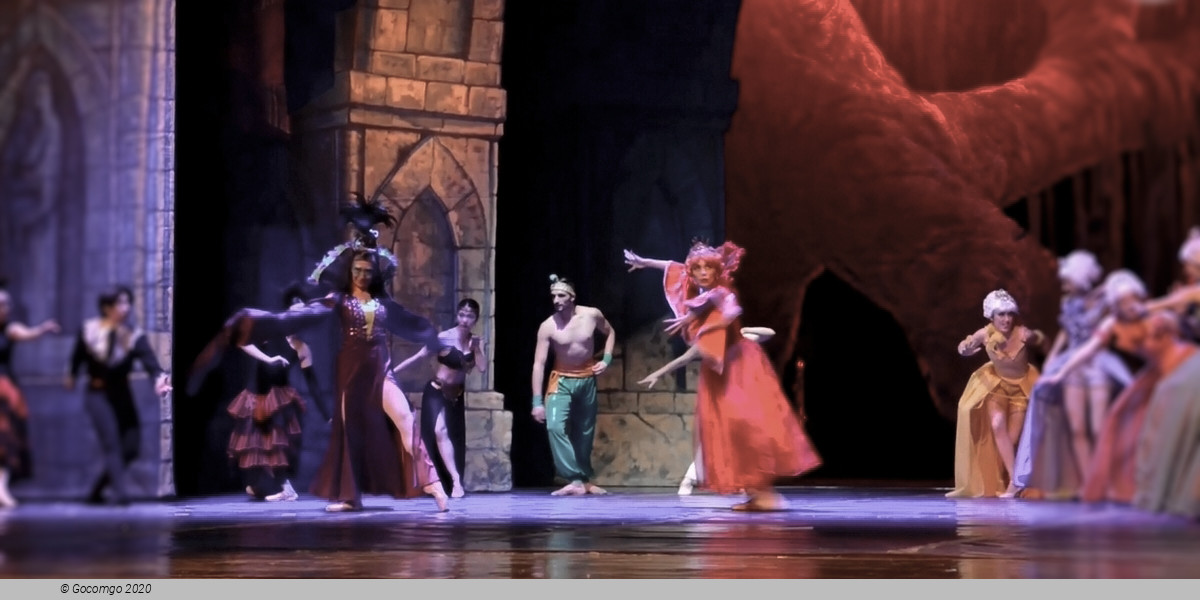
Snow White grew up and became ever more beautiful. When she was a teenager, she was as beautiful as the light of day, even more beautiful than the Queen herself. One day, the Queen asked her mirror: “Mirror, mirror, on the wall, who in this land is fairest of all?” It answered: “You, my Queen, are fair; it is true. But Snow White is a thousand times fairer than you.” From that hour on, whenever the Queen looked at Snow White her heart turned over with envy. Then she summoned a Huntsman and said to him, “Take Snow White out into the woods. I never want to see her again.” The Huntsman obeyed and led Snow White into the enchanted forest. He took out his hunting knife and was about to stab her, but the Huntsman could not bring himself to harm her and told her to flee. She ran as far as her feet could carry her, and, just as evening was about to fall, she came across a house. She went inside to rest and fell asleep.
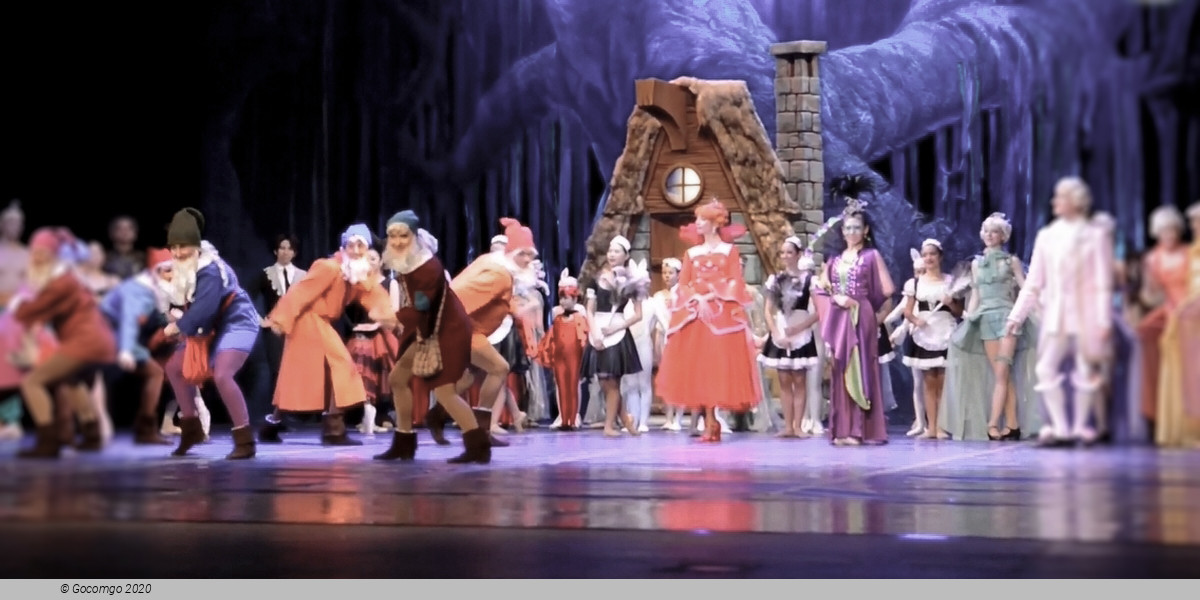
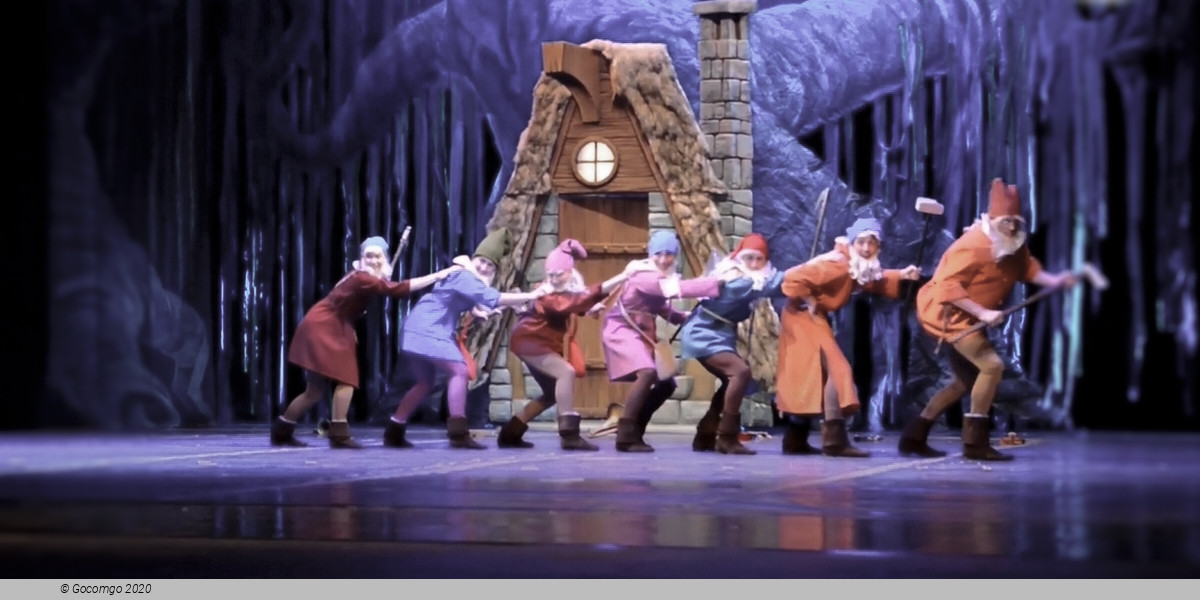
After dark, the masters of the house, the dwarfs, returned home. She looked so peaceful that they decided to let her sleep. The next morning when Snow White woke up, the dwarfs startled her, but they were friendly. She told them that her stepmother had tried to kill her, that the Huntsman had spared her life, and that she had run the entire day, finally coming upon their house. The dwarfs said, “You can stay with us and have everything you want.”
Every morning the dwarfs went into the mountains looking for ore and gold, so she spent her days alone. The good dwarfs warned her to be wary of the evil Queen and to not invite visitors inside the house. So she kept house for them. Now the Queen, believing that she was again the most beautiful woman of all, asked her familiar question of the magic mirror. It answered: “You, my Queen, are fair; it is true. But Snow White, beyond the mountains with the dwarfs, is still a thousand times fairer than you.” This startled the evil Queen, for she knew that the mirror did not lie, and she realized that the Huntsman had deceived her and that Snow White was still alive.
Then she went into her most secret room and made a poisoned apple. From the outside it was beautiful, and anyone who saw it would want it. But anyone who might eat it would die. The evil Queen disguised herself as a peasant woman and headed straight to the seven dwarfs’ house. She knocked on the door. Snow White stuck her head out the window and said, “I am not allowed to let anyone in.” “That is all right with me,” answered the peasant woman. “I’ll easily get rid of my apples. Here, I’ll give you one of them.” Snow White stuck her hand out and unknowingly took the poisoned fruit. She barely had a bite in her mouth before she fell to the ground dead.
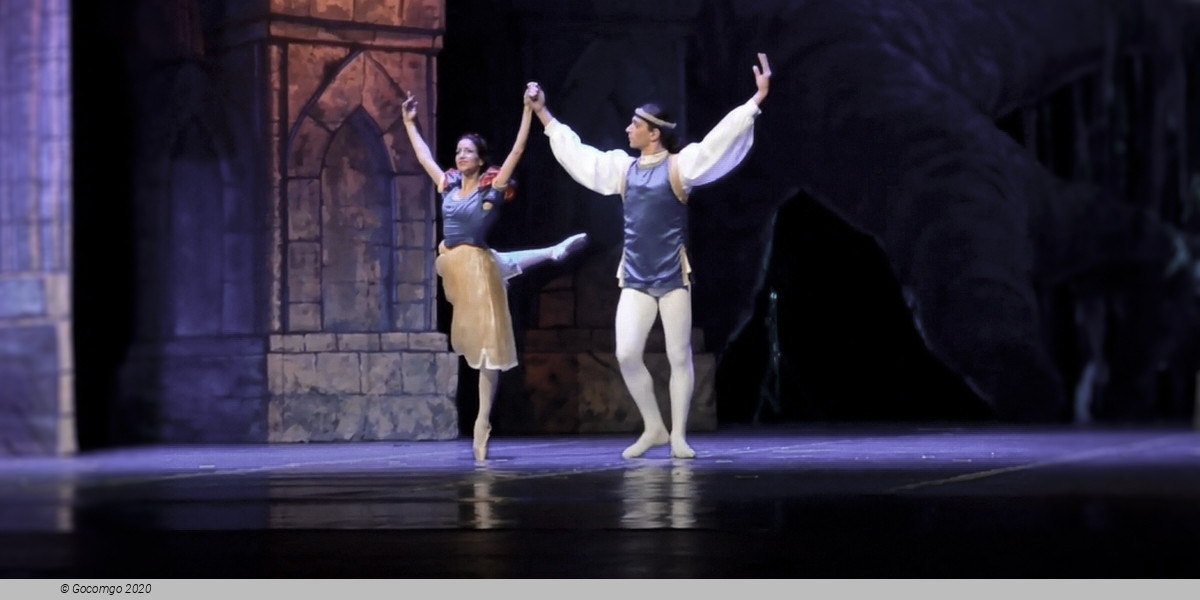
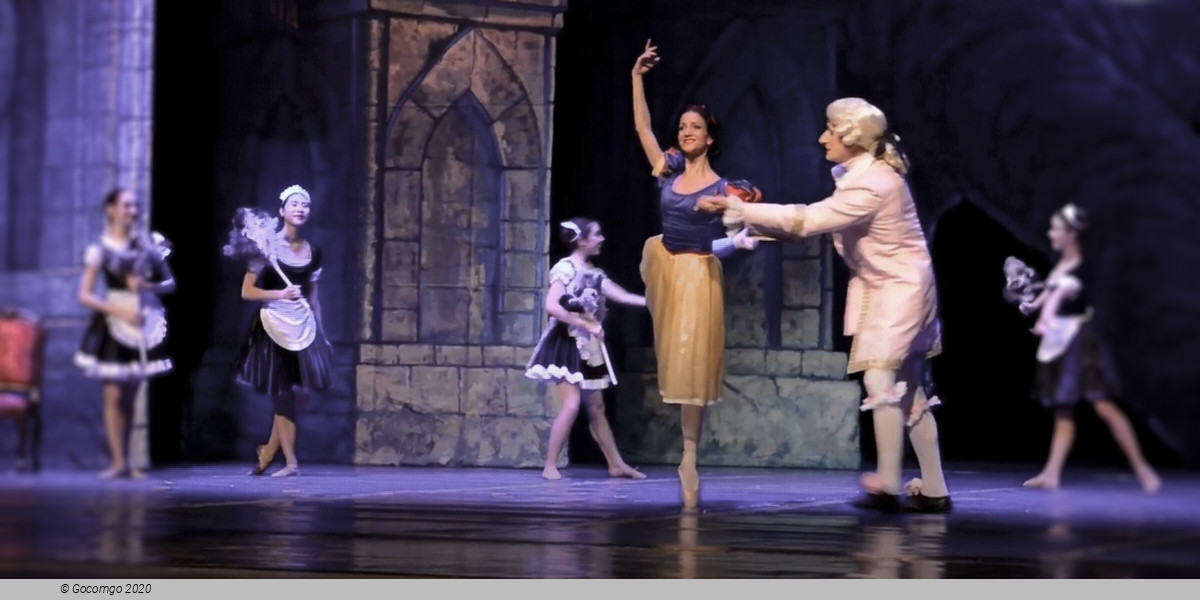
When the dwarfs came home that evening, they found Snow White lying in bed. She was not breathing at all. As they mourned Snow White and prepared her coffin, a young prince passed by their cottage in the woods. He was so taken by her beauty that he fell instantly in love with Snow White. He leaned over and kissed her ruby lips. Magically, breath returned to Snow White’s body, and she awoke as if from a long slumber. The prince told her what had happened and then said, “I love you more than anything else in the world. Come with me to my father’s castle. You shall become my wife.” Snow White loved him too, so she went with him. They then lived happily ever after.
Once upon a time in midwinter, when the snowflakes were falling like feathers from heaven, a Queen sat sewing at her window, which had a frame of black ebony wood. As she sewed she looked up at the snow and pricked her finger with her needle. Three drops of blood fell into the snow. The red on the white looked so beautiful that she thought to herself, “If only I had a child with, lips as red as blood, and hair as black as the wood in this frame.”
Soon afterward she had a little daughter who had lips as red as blood and hair as black as ebony wood, and they called her little Snow White. But as soon as the child was born, the Queen died.
A year later, the King took another wife. She was a beautiful woman, but she was proud and arrogant, and she could not stand it if anyone might surpass her in beauty. She had a magic mirror. Every morning she stood before it, looked at herself, and said, “Mirror, mirror, on the wall, who in this land is fairest of all?” To this the mirror answered: “You, my Queen, are fairest of all.” Then she was satisfied, for she knew that the mirror spoke the truth.
Snow White grew up and became ever more beautiful. When she was a teenager, she was as beautiful as the light of day, even more beautiful than the Queen herself. One day, the Queen asked her mirror: “Mirror, mirror, on the wall, who in this land is fairest of all?” It answered: “You, my Queen, are fair; it is true. But Snow White is a thousand times fairer than you.” From that hour on, whenever the Queen looked at Snow White her heart turned over with envy. Then she summoned a Huntsman and said to him, “Take Snow White out into the woods. I never want to see her again.” The Huntsman obeyed and led Snow White into the enchanted forest. He took out his hunting knife and was about to stab her, but the Huntsman could not bring himself to harm her and told her to flee. She ran as far as her feet could carry her, and, just as evening was about to fall, she came across a house. She went inside to rest and fell asleep.
After dark, the masters of the house, the dwarfs, returned home. She looked so peaceful that they decided to let her sleep. The next morning when Snow White woke up, the dwarfs startled her, but they were friendly. She told them that her stepmother had tried to kill her, that the Huntsman had spared her life, and that she had run the entire day, finally coming upon their house. The dwarfs said, “You can stay with us and have everything you want.”
Every morning the dwarfs went into the mountains looking for ore and gold, so she spent her days alone. The good dwarfs warned her to be wary of the evil Queen and to not invite visitors inside the house. So she kept house for them. Now the Queen, believing that she was again the most beautiful woman of all, asked her familiar question of the magic mirror. It answered: “You, my Queen, are fair; it is true. But Snow White, beyond the mountains with the dwarfs, is still a thousand times fairer than you.” This startled the evil Queen, for she knew that the mirror did not lie, and she realized that the Huntsman had deceived her and that Snow White was still alive.
Then she went into her most secret room and made a poisoned apple. From the outside it was beautiful, and anyone who saw it would want it. But anyone who might eat it would die. The evil Queen disguised herself as a peasant woman and headed straight to the seven dwarfs’ house. She knocked on the door. Snow White stuck her head out the window and said, “I am not allowed to let anyone in.” “That is all right with me,” answered the peasant woman. “I’ll easily get rid of my apples. Here, I’ll give you one of them.” Snow White stuck her hand out and unknowingly took the poisoned fruit. She barely had a bite in her mouth before she fell to the ground dead.
When the dwarfs came home that evening, they found Snow White lying in bed. She was not breathing at all. As they mourned Snow White and prepared her coffin, a young prince passed by their cottage in the woods. He was so taken by her beauty that he fell instantly in love with Snow White. He leaned over and kissed her ruby lips. Magically, breath returned to Snow White’s body, and she awoke as if from a long slumber. The prince told her what had happened and then said, “I love you more than anything else in the world. Come with me to my father’s castle. You shall become my wife.” Snow White loved him too, so she went with him. They then lived happily ever after.











 300 West 12th Street