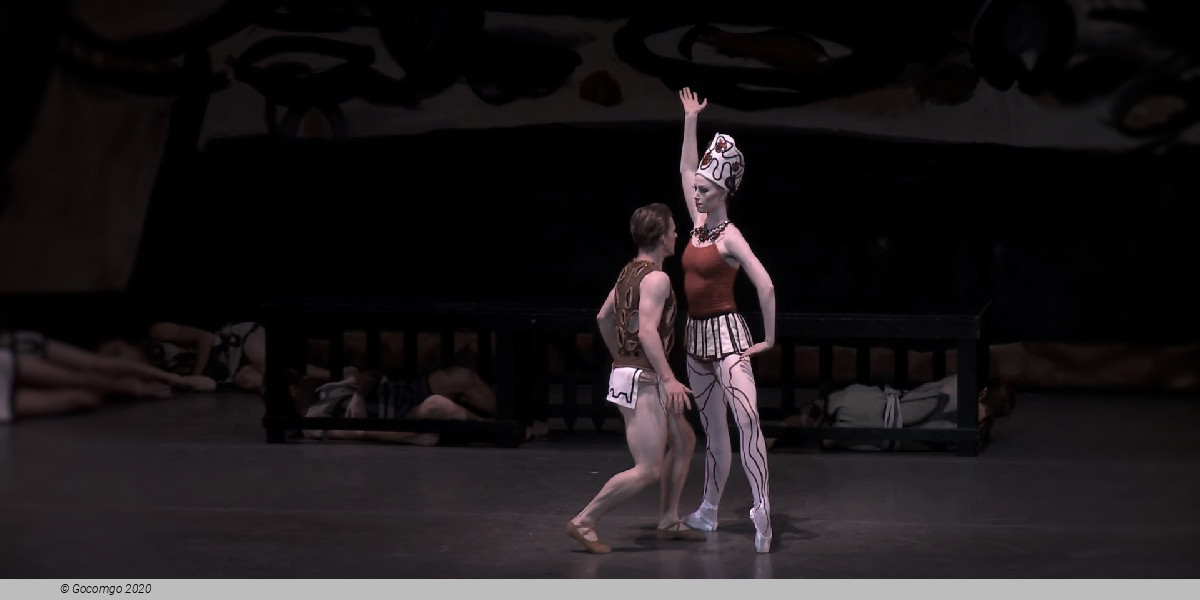
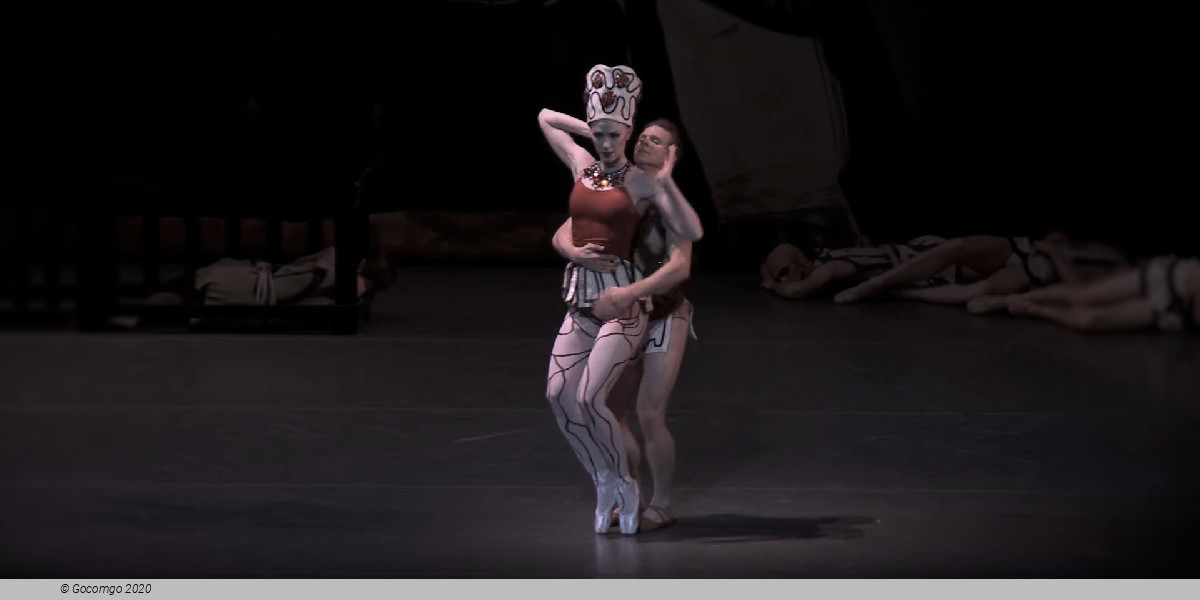
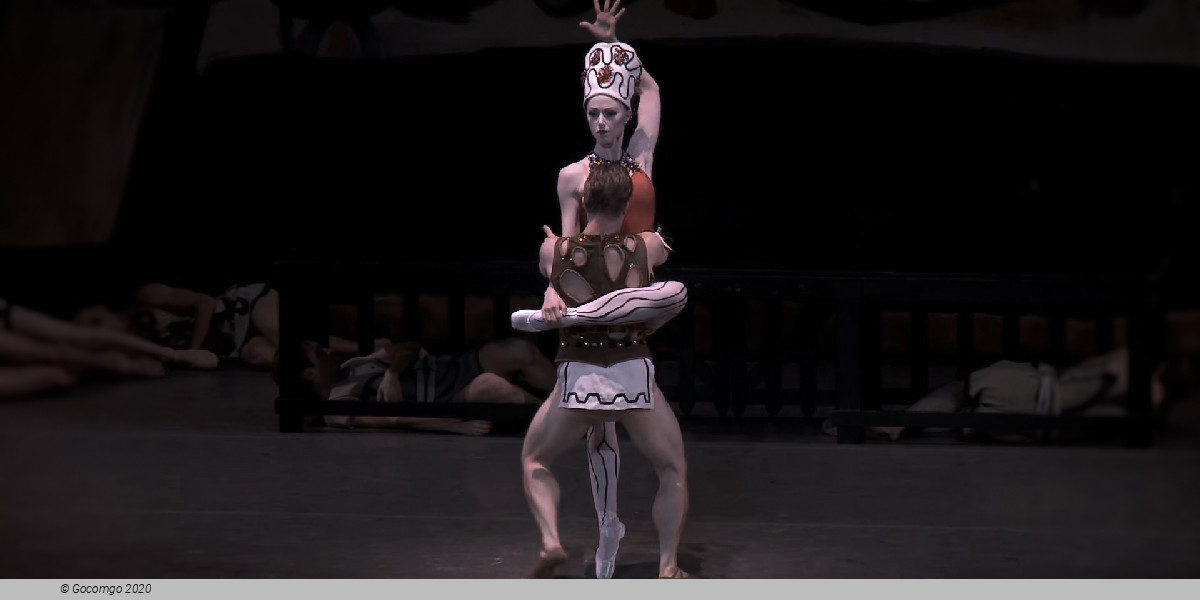
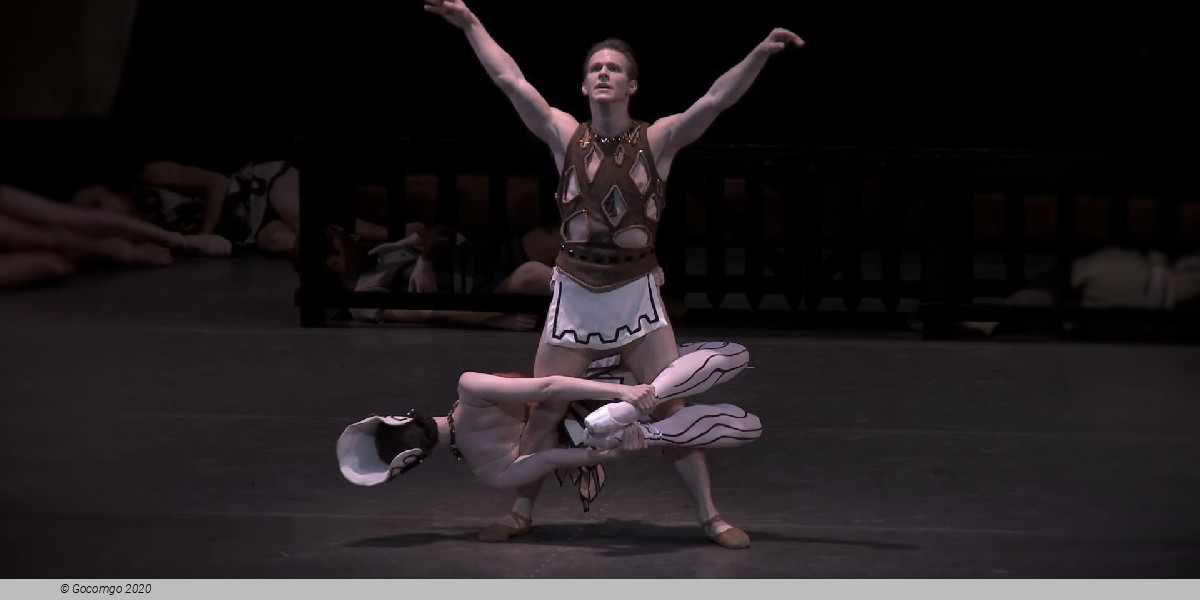
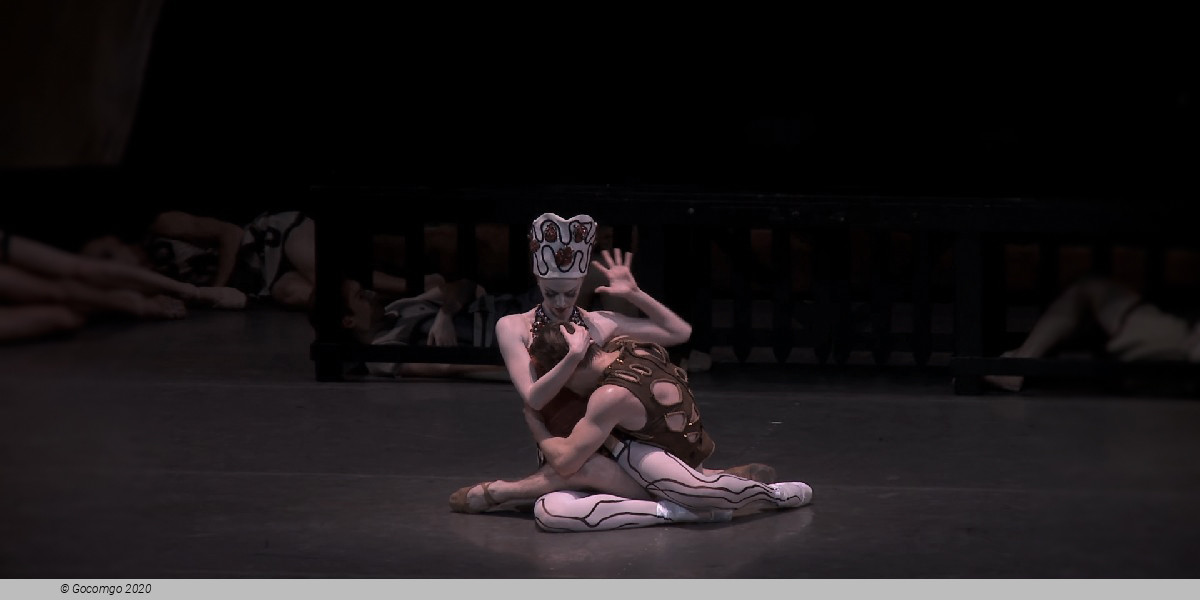
The ultimate story of sin and redemption, Prodigal Son's powerful message, expressive score, and dramatic movement make it eternally impactful.
Serge Diaghilev, who founded Ballets Russes in 1911, was a ballet and opera impresario who brought together the best of new music, dance, and visual art in his productions. George Balanchine was hired by Diaghilev in 1924 and created several ballets before the company disbanded in 1929, after Diaghilev's sudden death.
Prodigal Son was the last of Balanchine's works for Ballets Russes; it premiered in 1929, opening what was to be the company's final Paris season. Diaghilev commissioned Sergei Prokofiev to write the score and Georges Rouault to design the Fauvist sets and costumes. The ballet's story comes from the biblical parable, but Boris Kochno added much dramatic material and, to emphasize the themes of sin and redemption, ended the story with the Prodigal's return home.
Prodigal Son was enthusiastically received by both audience and critics and was one of Balanchine's first ballets to achieve an international reputation. Its eternal themes, expressive score, and abstract but thoroughly dramatic movement make it as modern, exciting, and powerful today as it was in 1929.
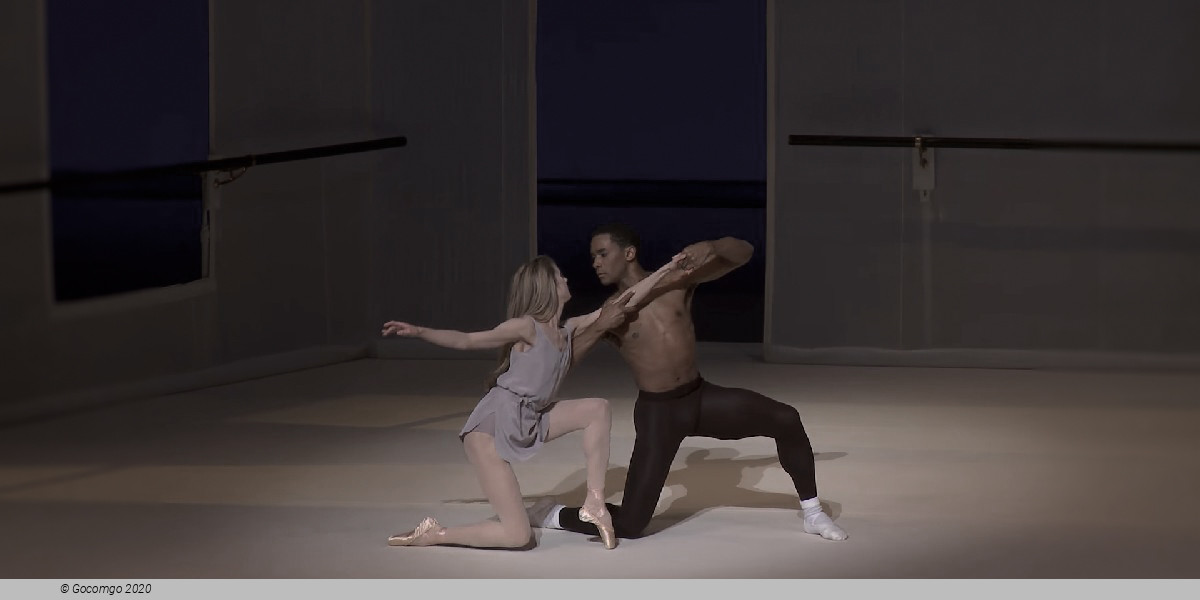
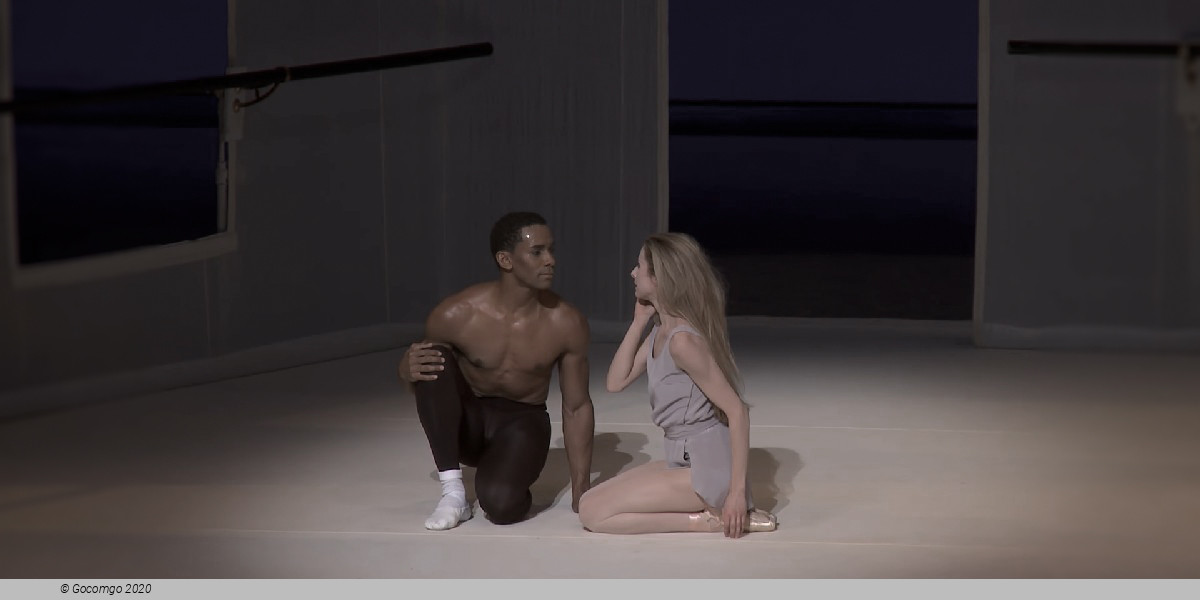
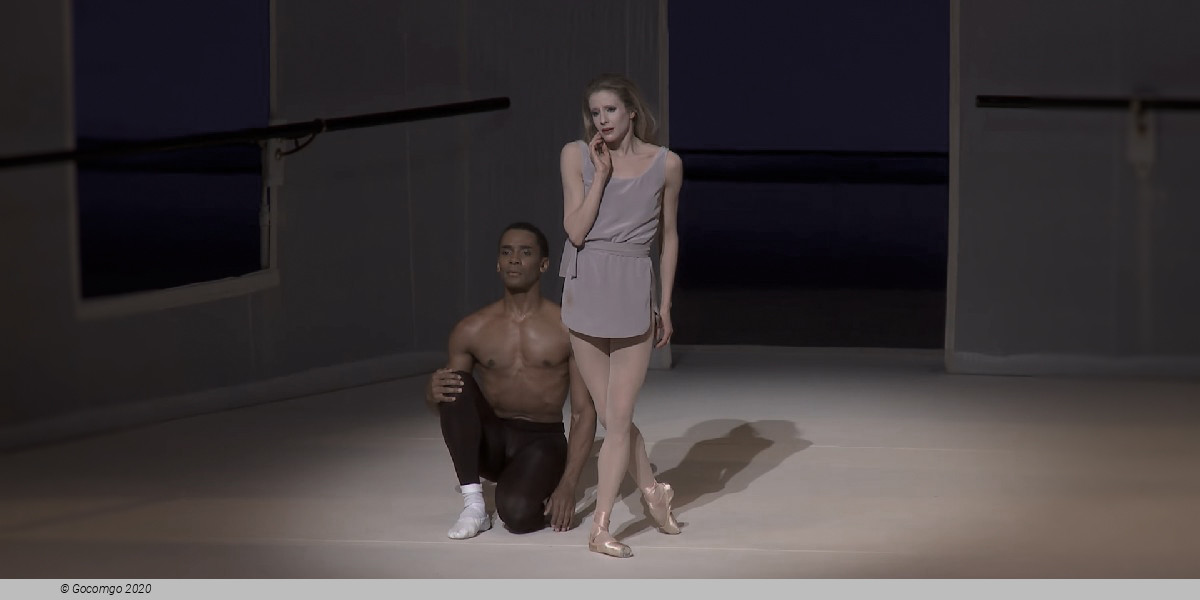
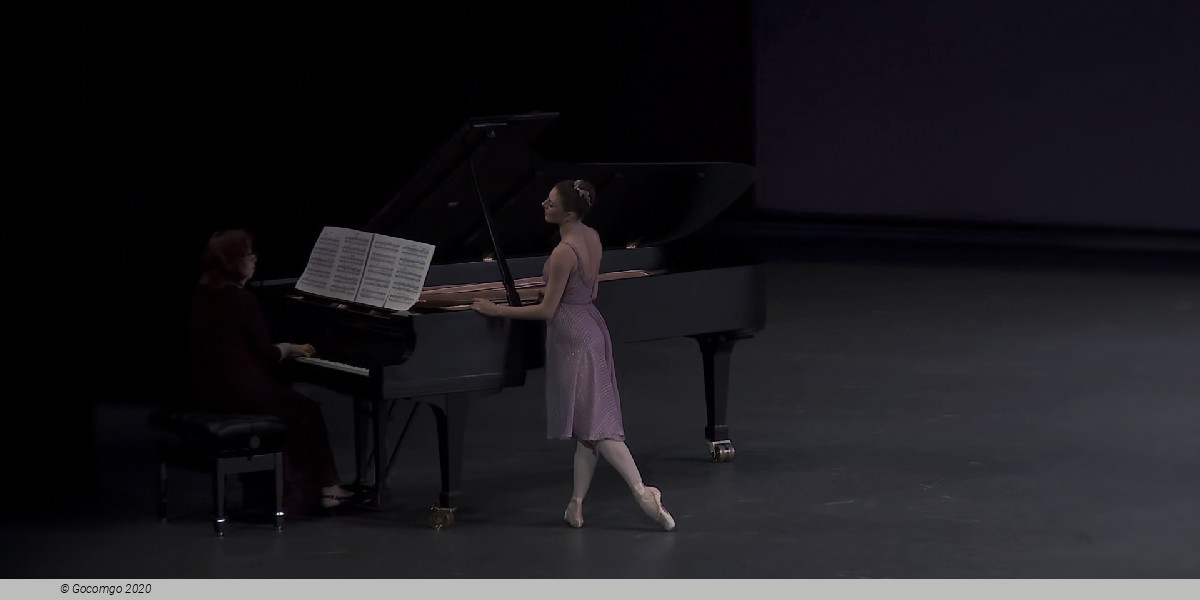
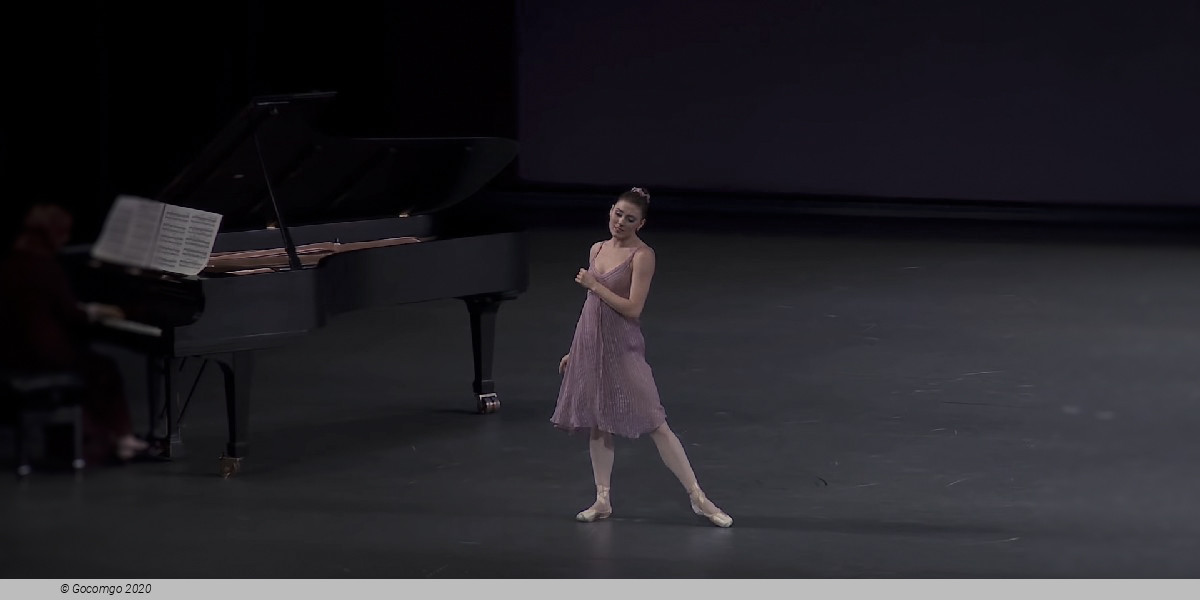
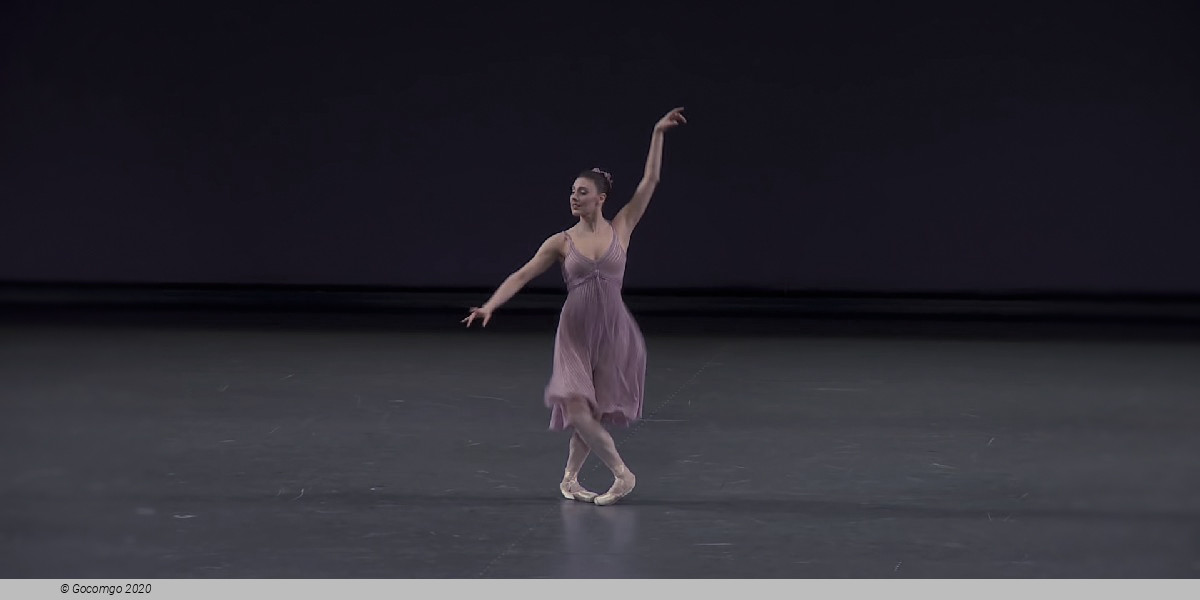
Subtle, sensual, and narcissistic, Afternoon of a Faun depicts a chance encounter between two young dancers in a studio.
Debussy’s Prélude à l’après-midi d’un faune was composed between 1892 and 1894. It was inspired by a poem by Mallarmé that was begun in 1865, supposedly for the stage; the final version appeared in 1876. The poem describes the reveries of a faun around a real or imagined encounter with nymphs. In 1912 Nijinsky presented his famous ballet, drawing his ideas from both the music and the poem, among other sources, including Greek sculpture and painting. This pas de deux, choreographed by Jerome Robbins, is a variation on these themes. It was first performed in 1953 by New York City Ballet, and is dedicated to Tanaquil Le Clercq, for whom the ballet was choreographed.
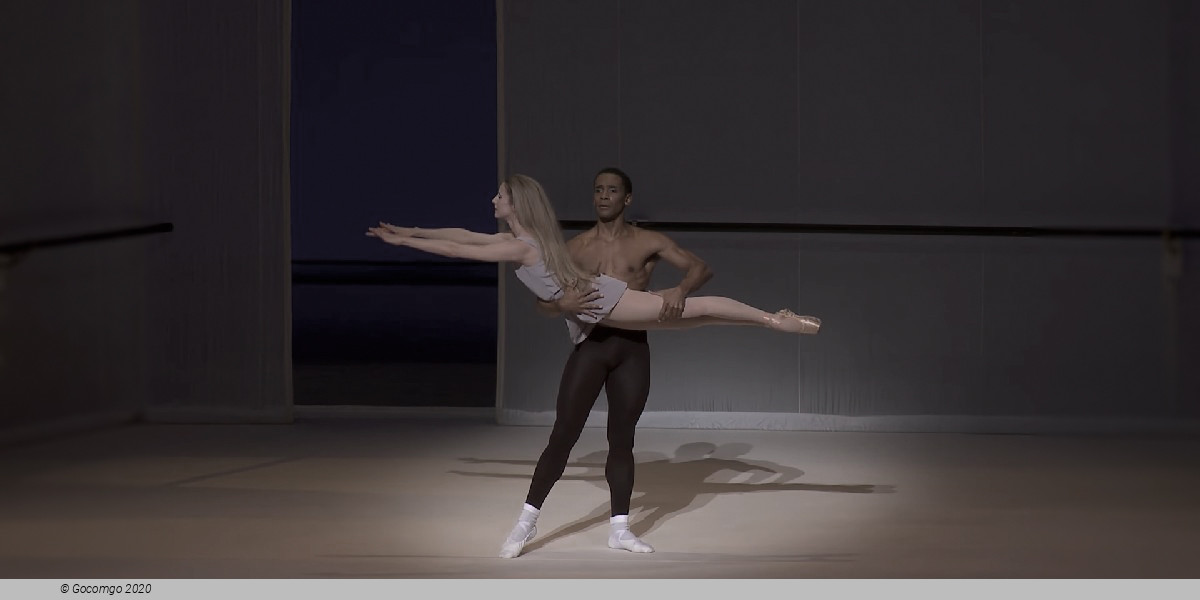
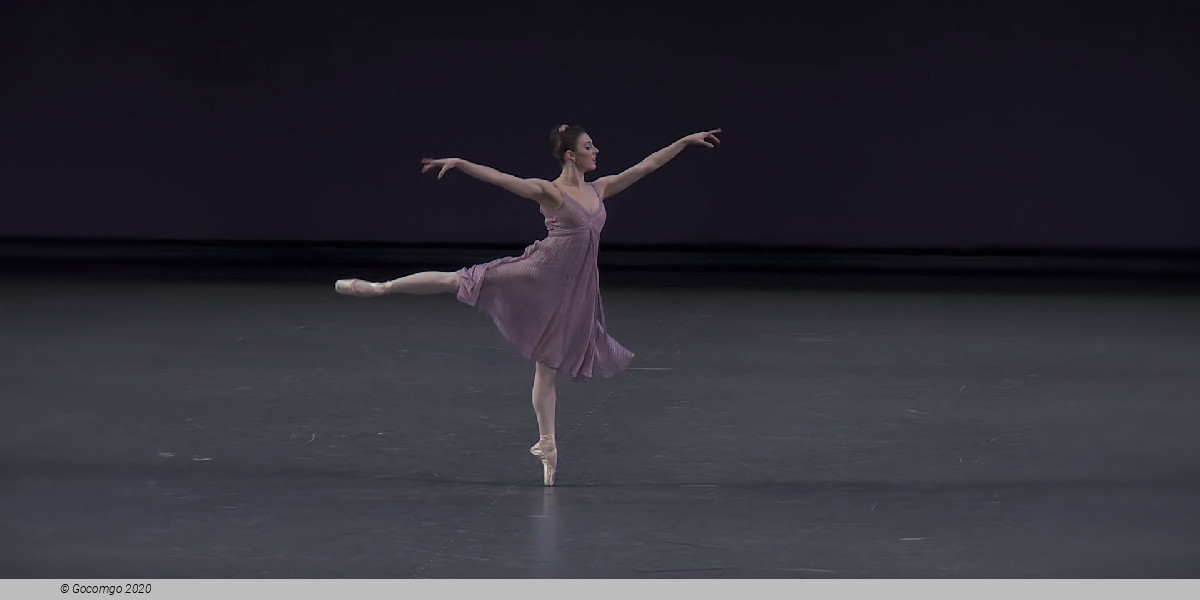
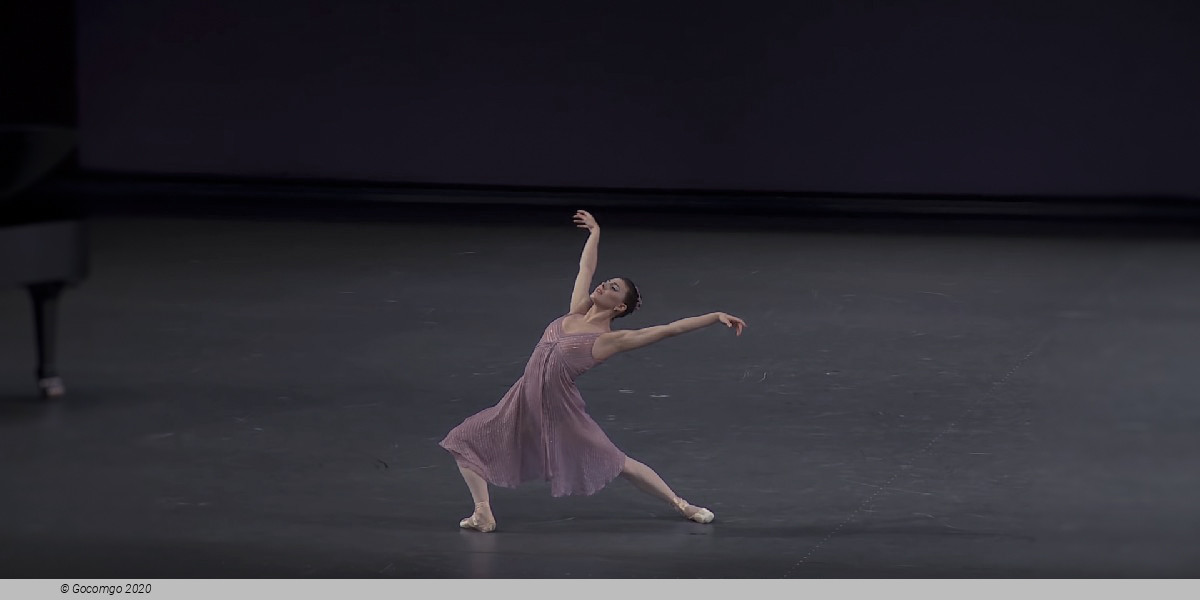
Other Dances pays homage to Chopin’s romanticism and the purity of classical ballet technique, featuring two dramatic dancers in a series of short, folk-infused dances.
Jerome Robbins was a great admirer of the Russian stars Natalia Makarova and Mikhail Baryshnikov, who each famously defected and made new careers in America. Other Dances, a pas de deux created in 1976 for a New York Public Library for the Performing Arts benefit, was specifically crafted to display their legendary technique and artistry.
Robbins chose four mazurkas and one waltz by Chopin, the composer whose piano music had inspired him for Dances at a Gathering. Although Chopin did not invent the mazurka, a stylized Polish dance in triple meter, his compositions brought them to the public attention and raised them to a new level of sophistication. Other Dances, through its simplicity and virtuosity, pays homage to both Chopin’s Romanticism and the fluidity of classical ballet technique.
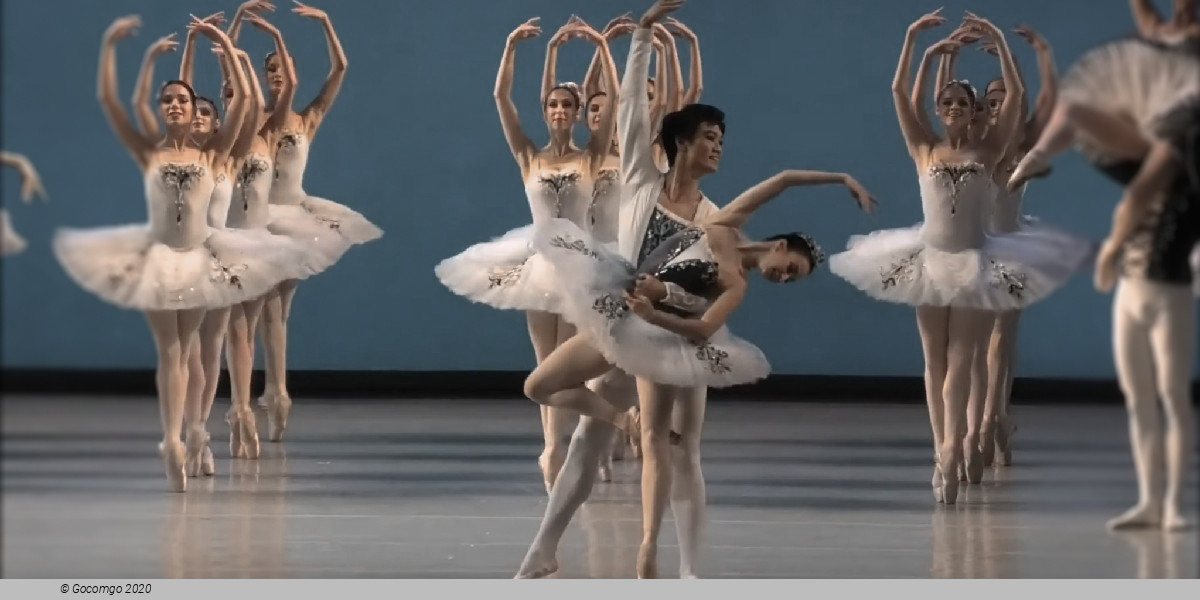
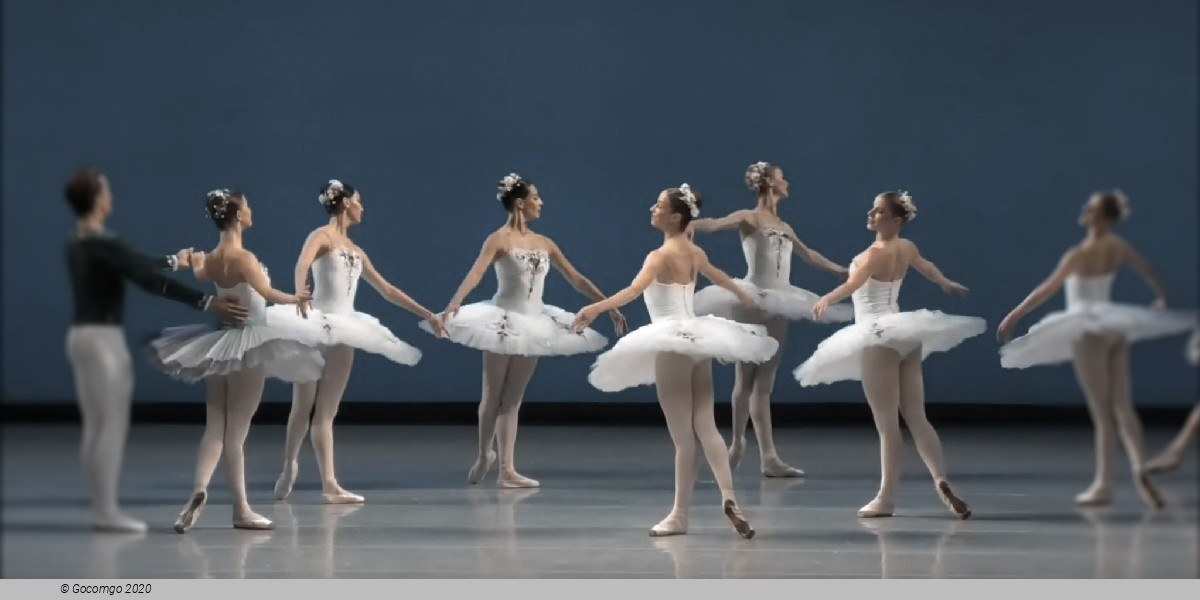
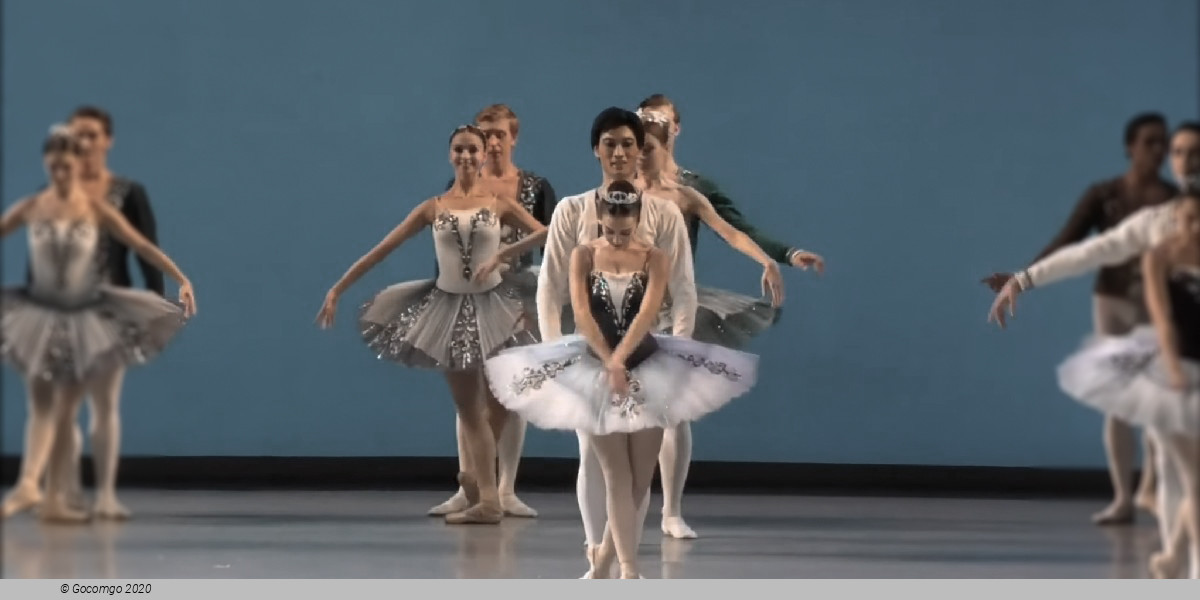
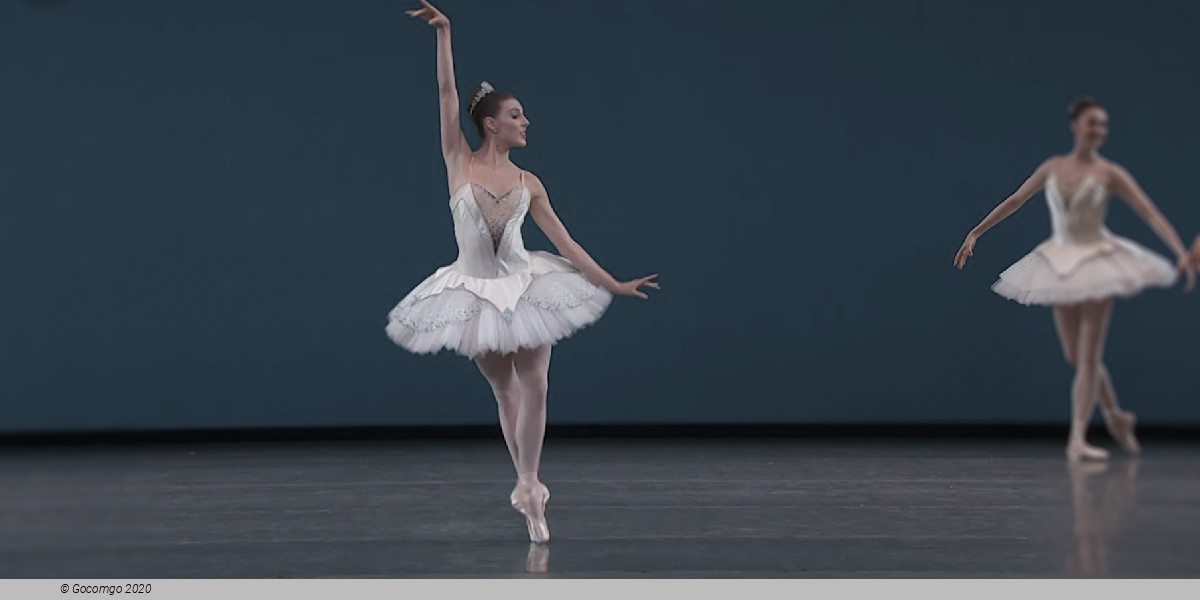
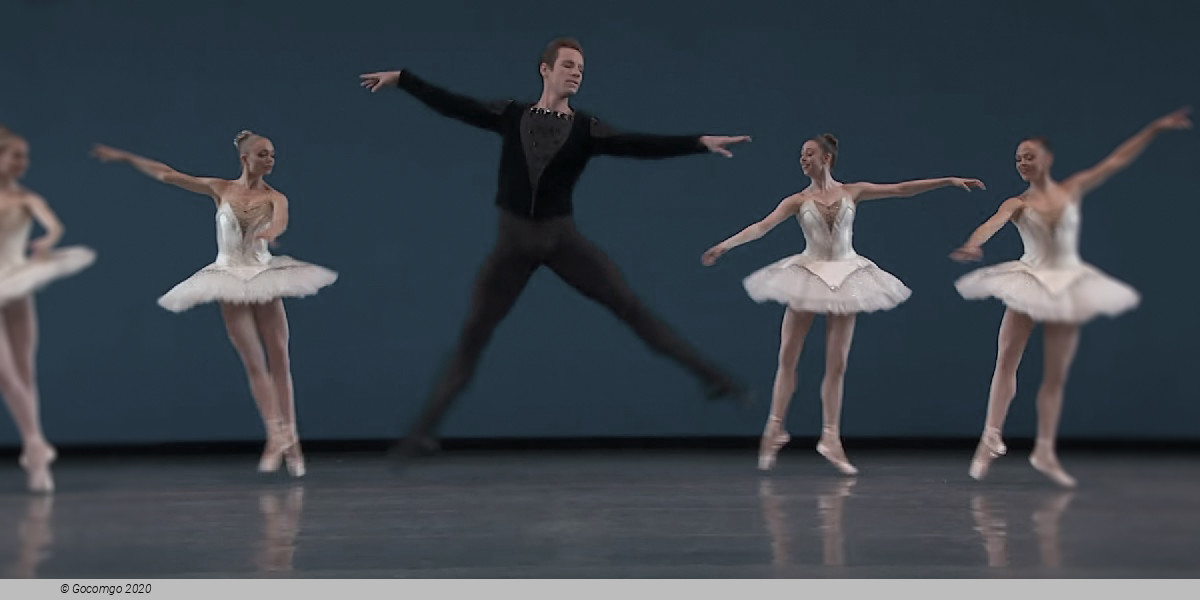
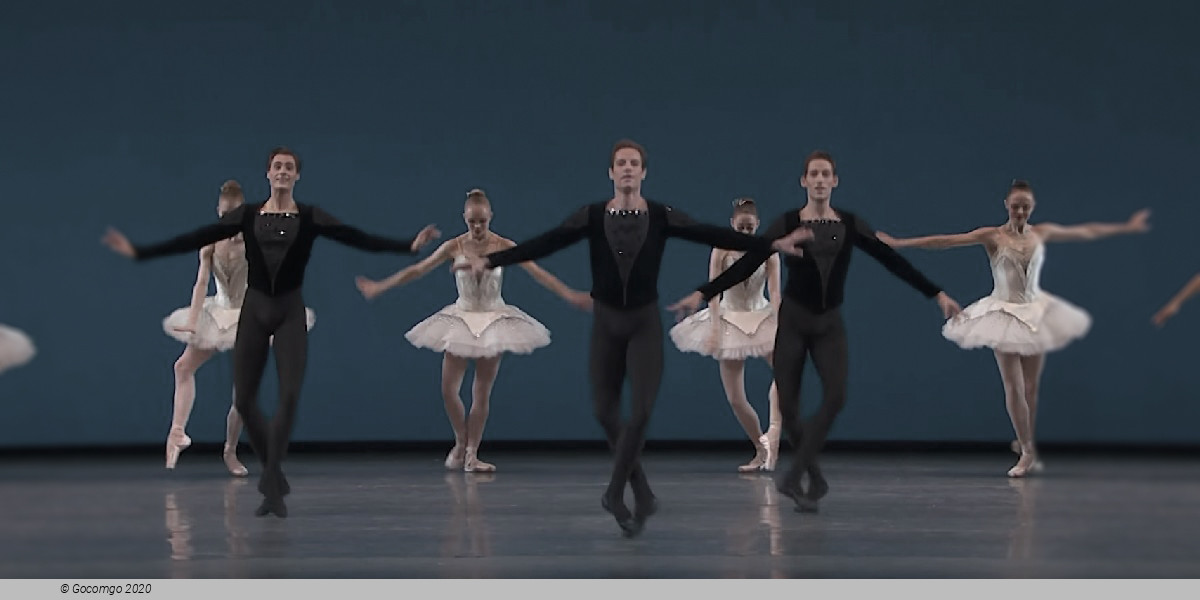
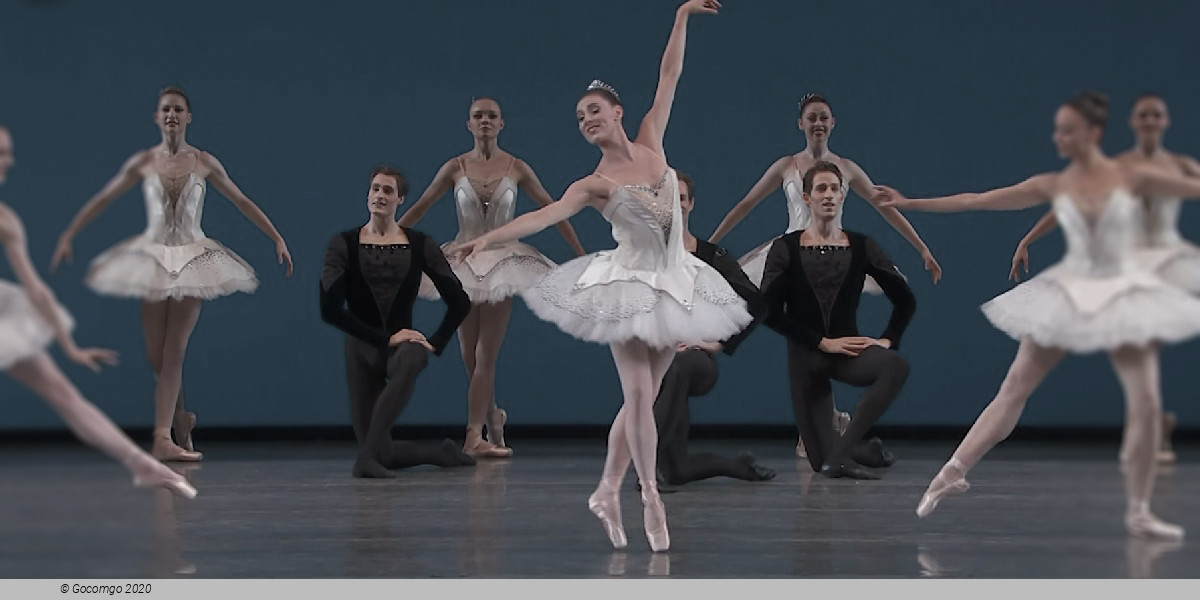
A grand classical masterpiece, Symphony in C dazzles audiences with over 50 dancers covered in Swarovski elements and a spectacular finale uniting the entire cast.
Georges Bizet composed his Symphony in C Major when he was a 17-year-old pupil of Charles Gounod at the Paris Conservatory. The manuscript was lost for decades and was published only after it was discovered in the Conservatory’s library in 1933.
Balanchine first learned of the long-vanished score from Stravinsky. He required only two weeks to choreograph it as Le Palais de Cristal for the Paris Opera Ballet in 1947, where he was serving as a guest ballet master. When he revived the work the following year for New York City Ballet’s first program on October 11, 1948, he simplified the sets and costumes and changed the title. The ballet has remained a vital part of the Company’s repertory ever since.
For the 2012 Spring Season, new costumes for the ballet were designed by Marc Happel, NYCB’s Director of Costumes. The new designs were created in collaboration with Swarovski, and the production features costumes, as well as newly designed crowns, headpieces, and earrings, all created using Swarovski Elements.




 20 Lincoln Center Plaza