A member of the company since 2003, Adrian Danchig-Waring quickly won over NYCB audiences with his remarkable ability to command and shape space through expansive, expressive performances. He was promoted to principal dancer in 2013. Renowned for his versatility, Adrian has performed a wide-ranging repertory spanning the works of Balanchine and Robbins, as well as an impressive selection of contemporary commissions, from Eliot Feld to Angelin Preljocaj.
As he takes his final bow in this special, one-night-only farewell performance, Adrian’s influence on the art form continues through his role as director of the New York Choreographic Institute, where he is dedicated to nurturing the next generation of choreographers.
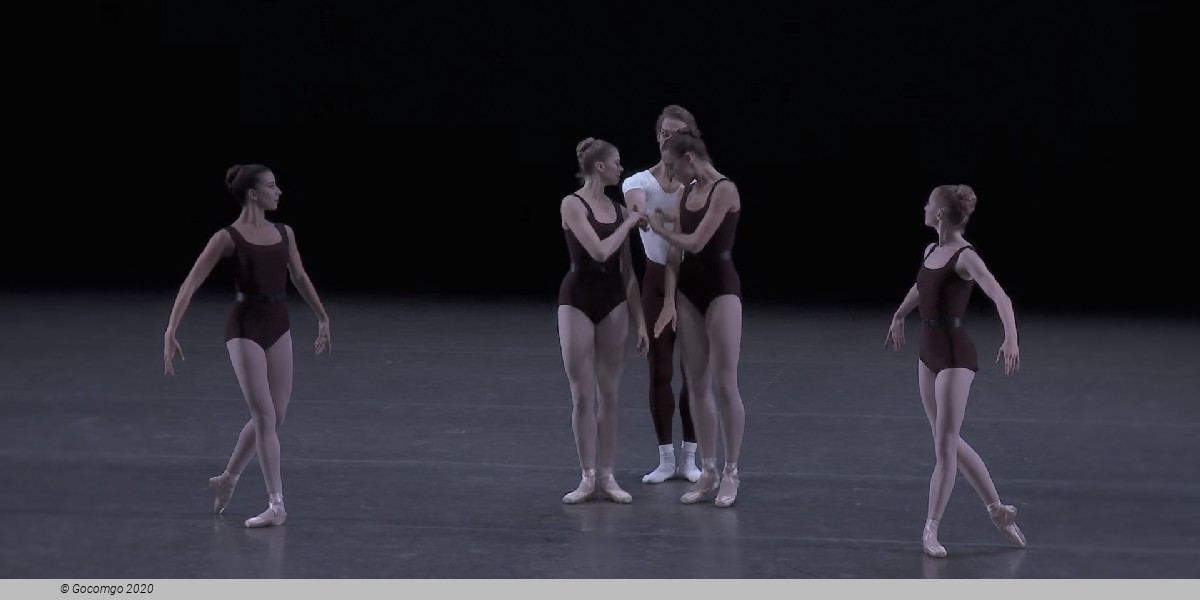
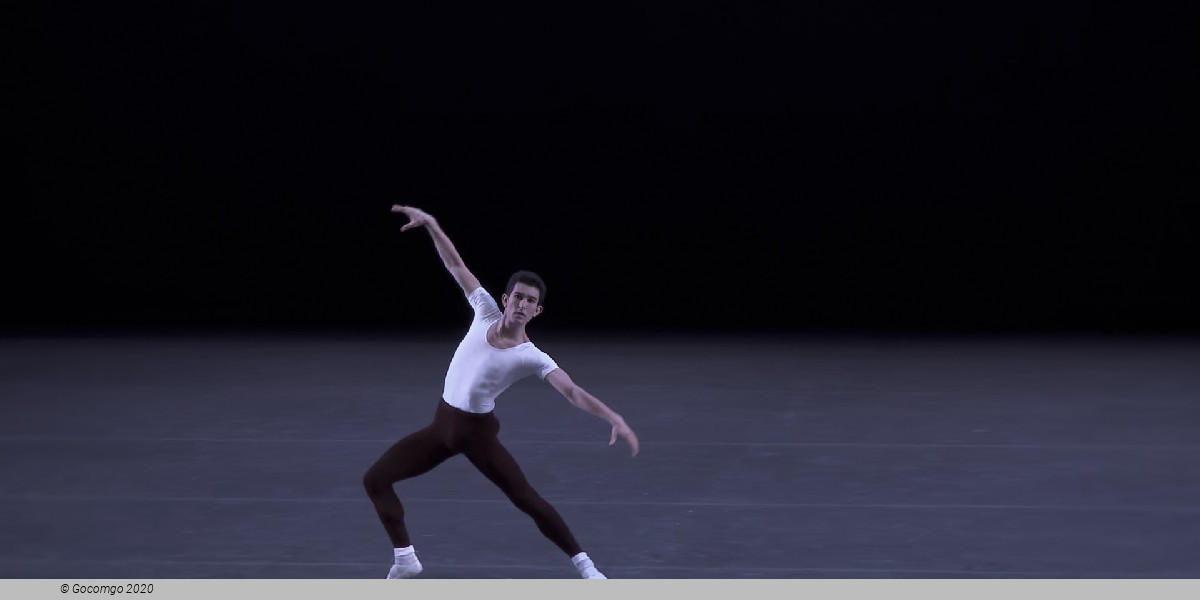
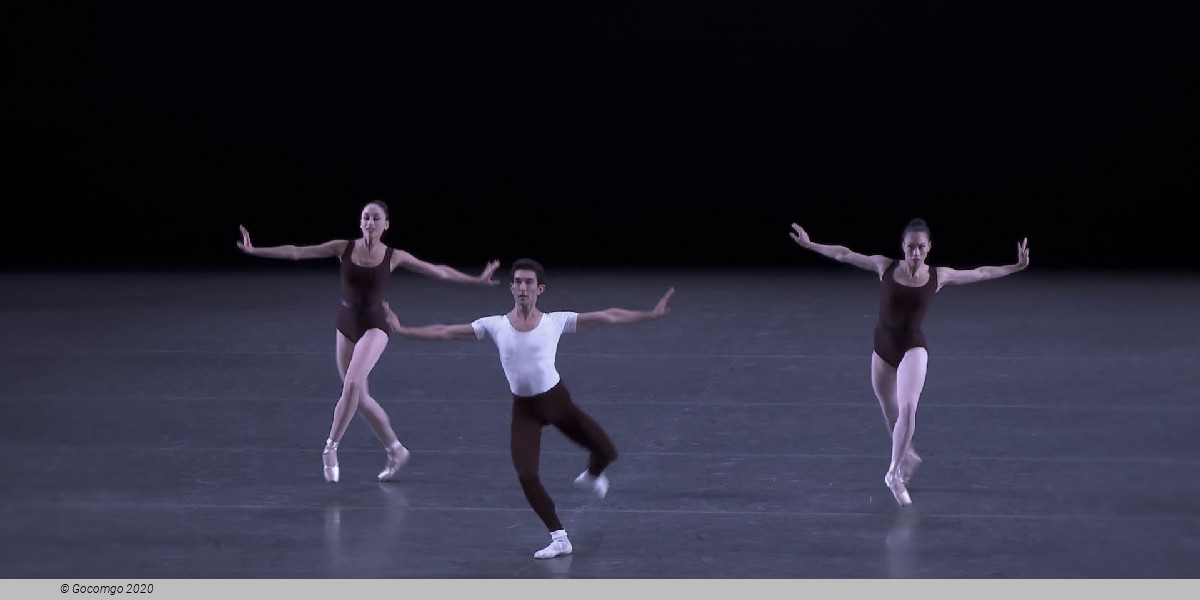
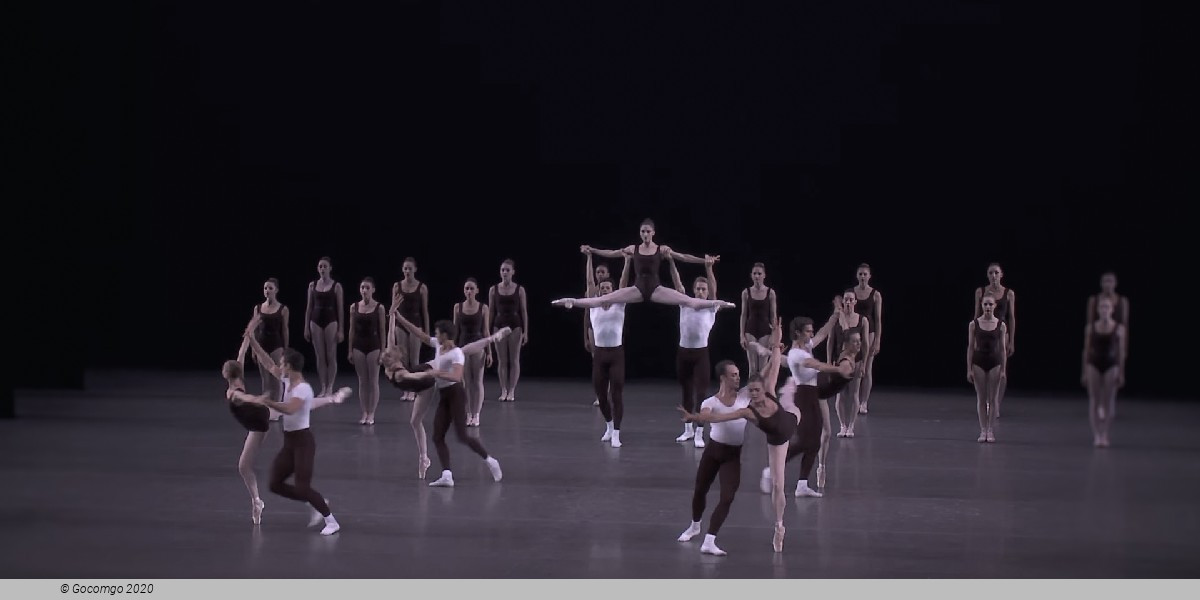
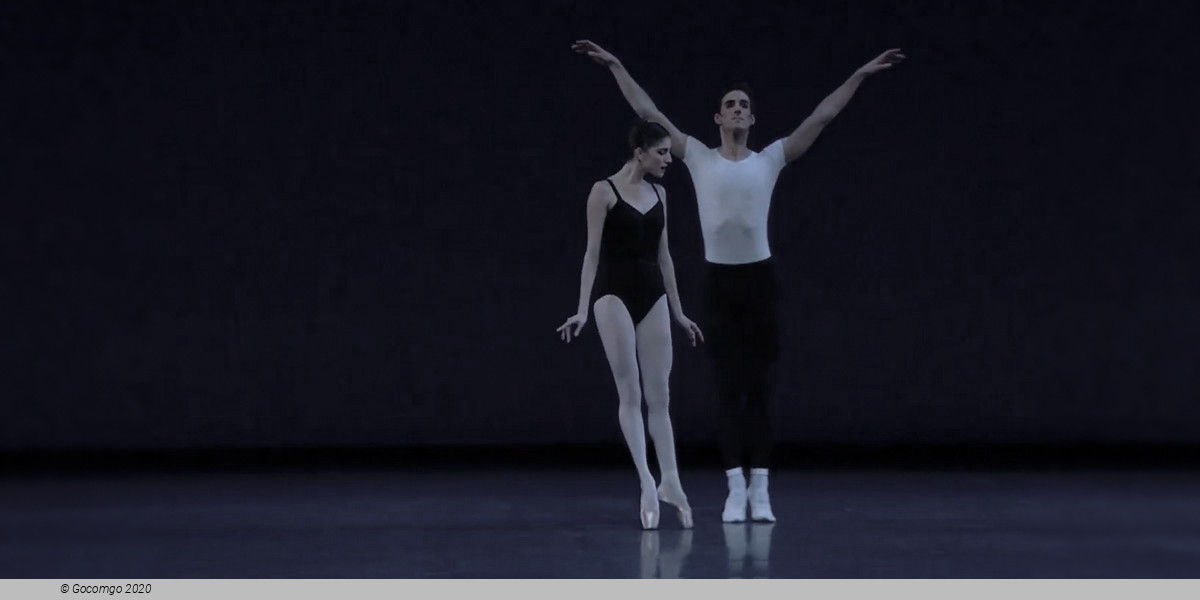
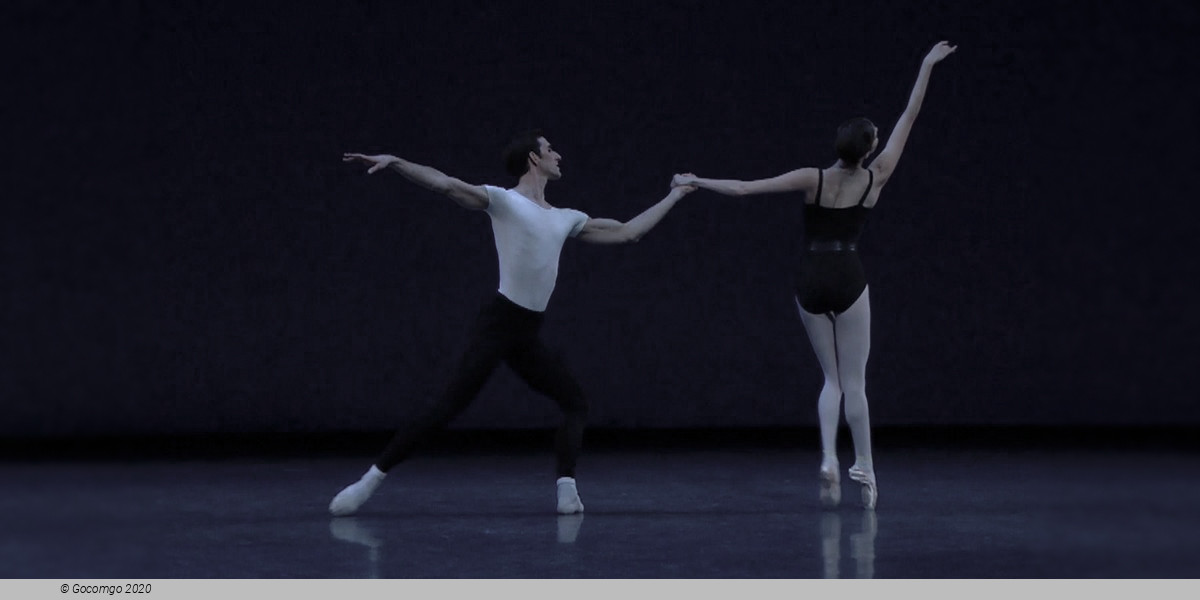
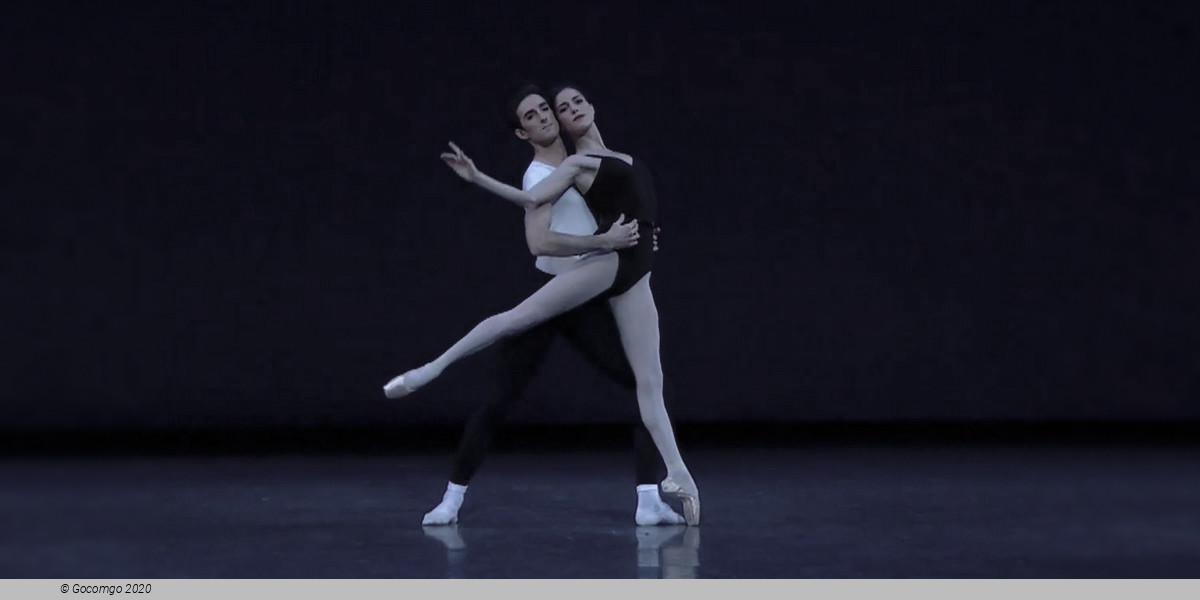
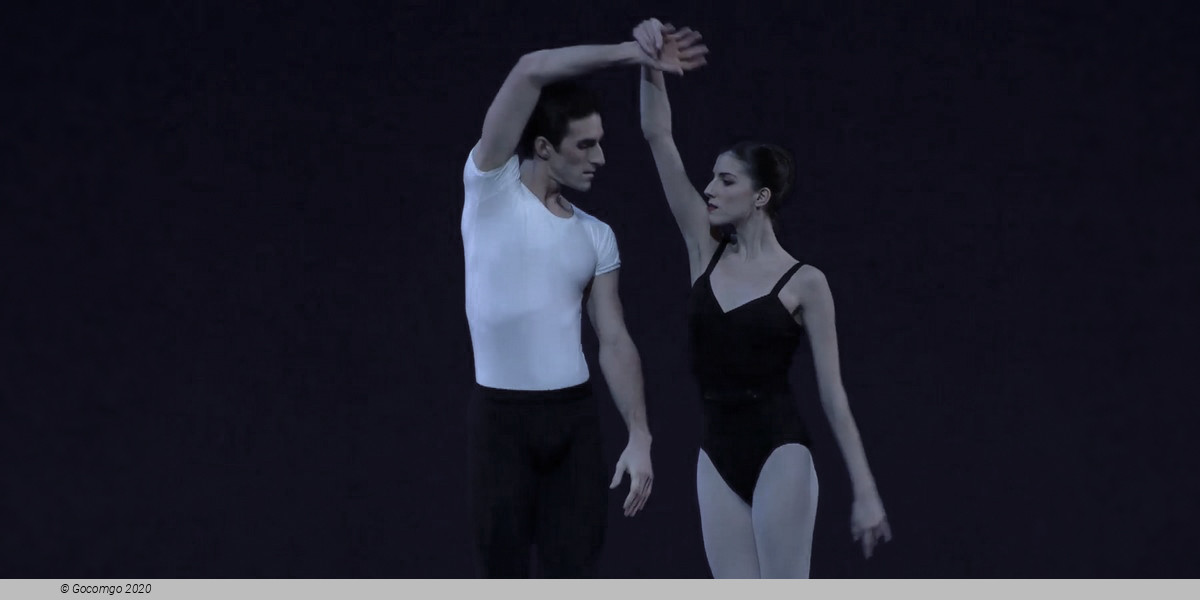
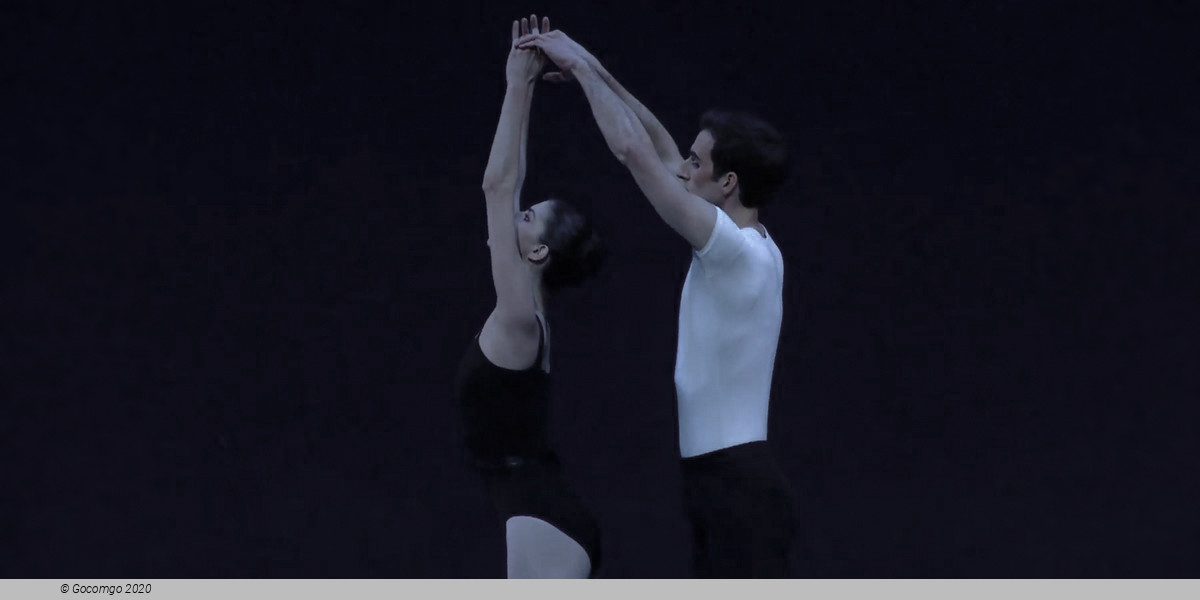
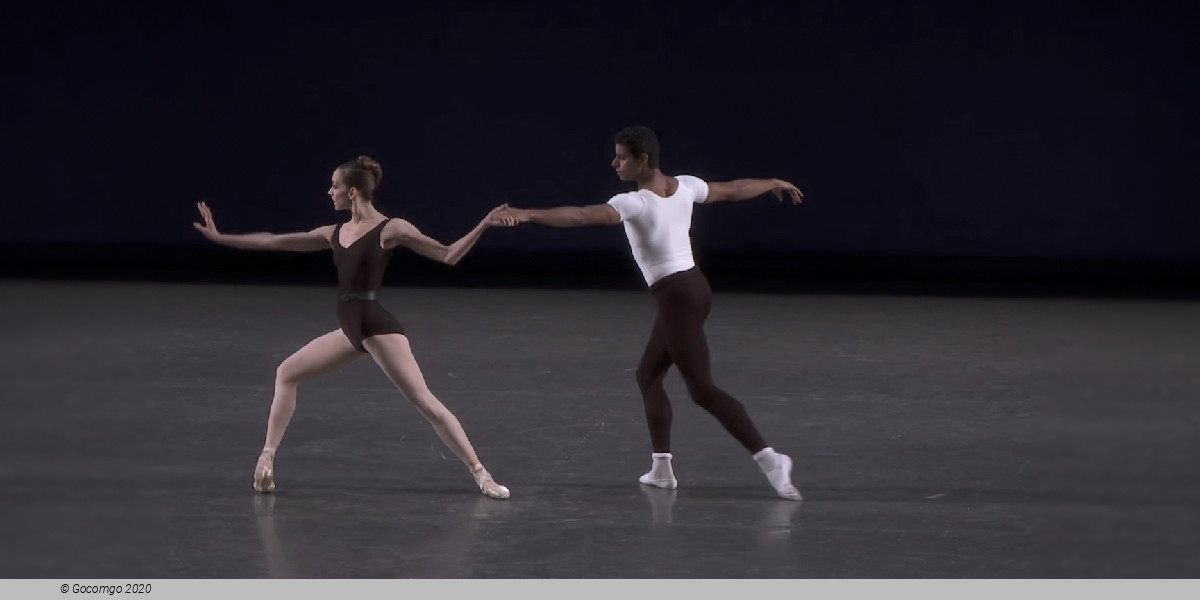
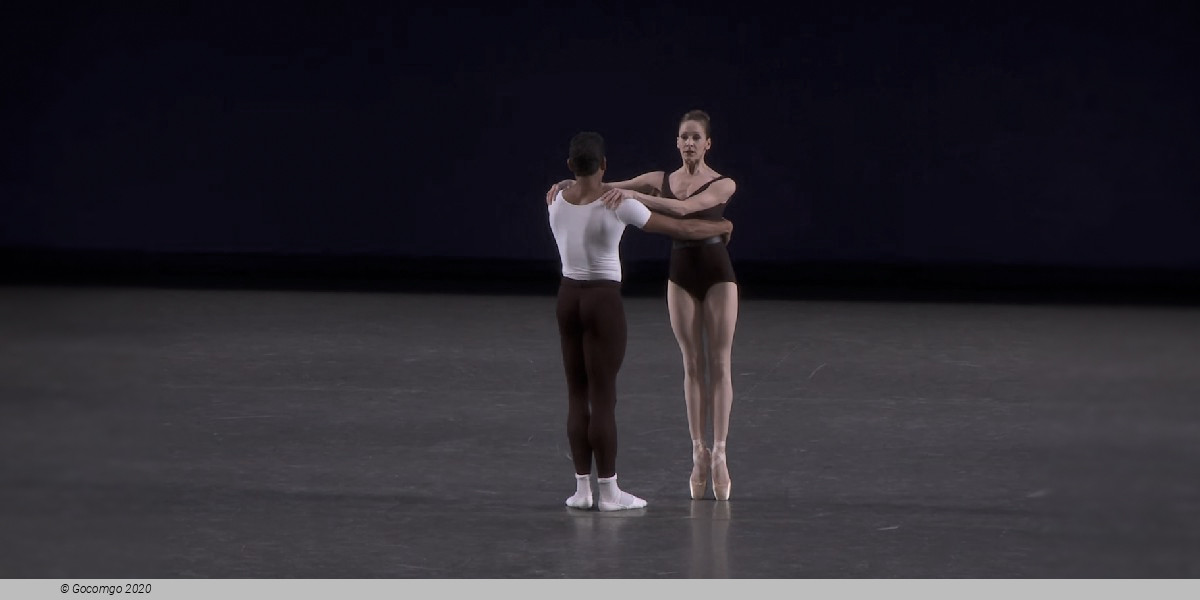
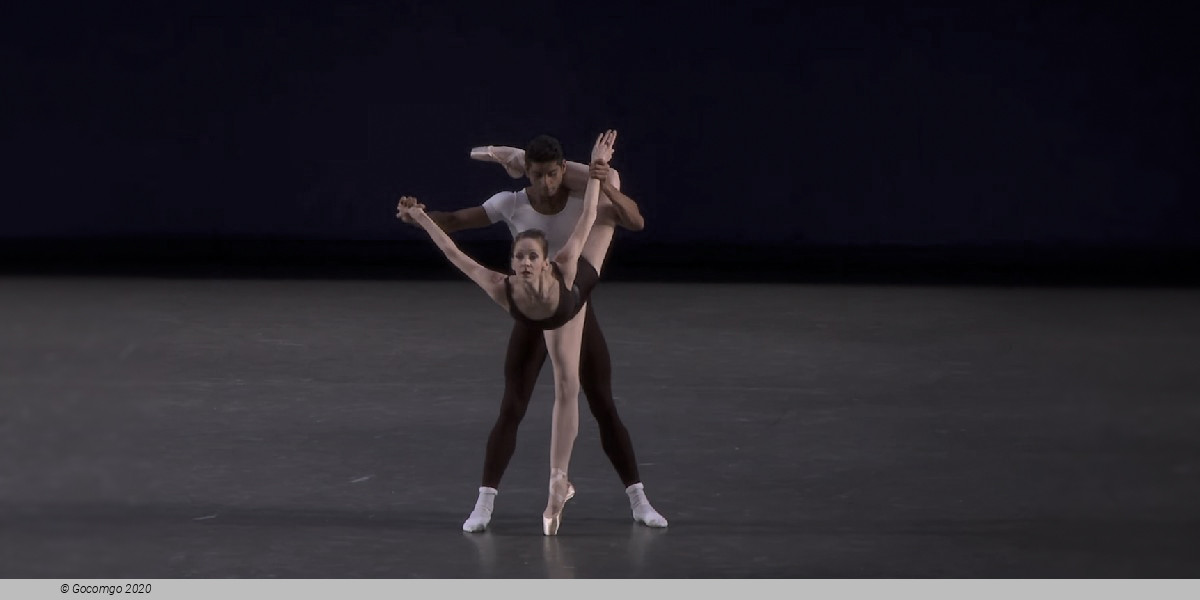
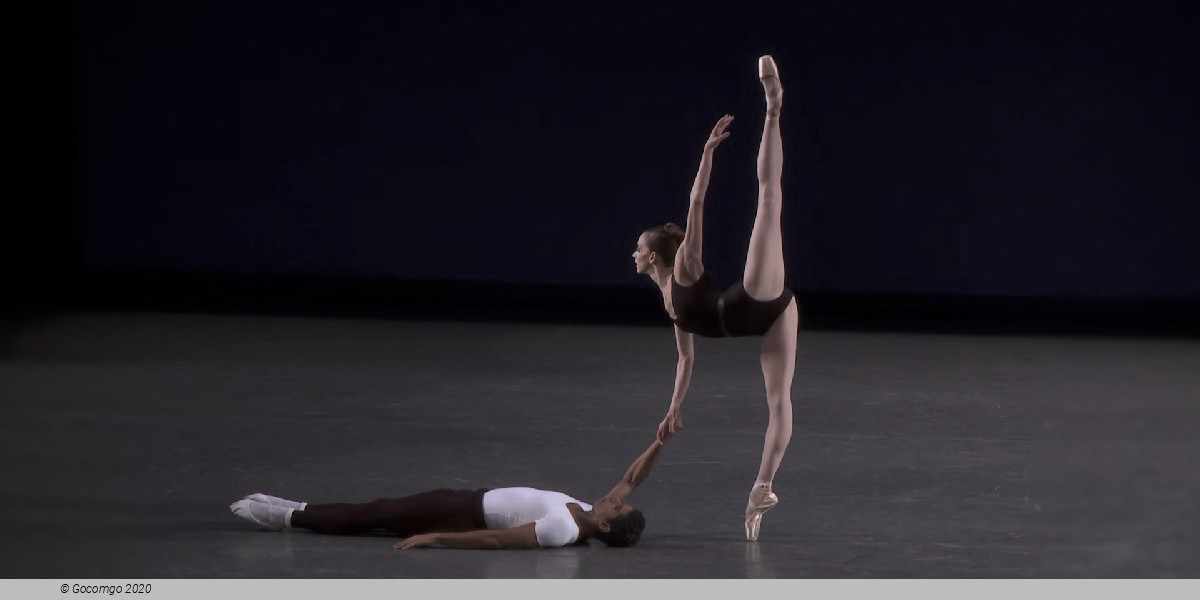
A ballet with unceasing appeal, The Four Temperaments references the medieval concept of psychological humors through its classically grounded but definitively modern movement.
The score for this ballet was commissioned by George Balanchine from Paul Hindemith in 1940. The ballet, together with Ravel’s opera L’Enfant et les Sortilèges, constituted the opening program of Ballet Society (the direct predecessor of the New York City Ballet) on November 20, 1946. In Complete Stories of the Great Ballets, Balanchine wrote of the ballet that it “is an expression in dance and music of the ancient notion that the human organism is made up of four different humors, or temperaments. Each one of us possesses these four humors, but in different degrees, and it is from the dominance of one of them that the four physical and psychological types — melancholic, sanguinic, phlegmatic, and choleric — were derived …. Although the score is based on this idea of the four temperaments, neither the music nor the ballet itself makes specific or literal interpretation of the idea. An understanding of the Greek and medieval notion of the temperaments was merely the point of departure for both composer and choreographer.”
An accomplished pianist, Balanchine commissioned the score because he wanted a short work he could play at home with friends during his evening musicales. It was completed in 1940 and had its first public performance at a 1944 concert with Lukas Foss as the pianist.
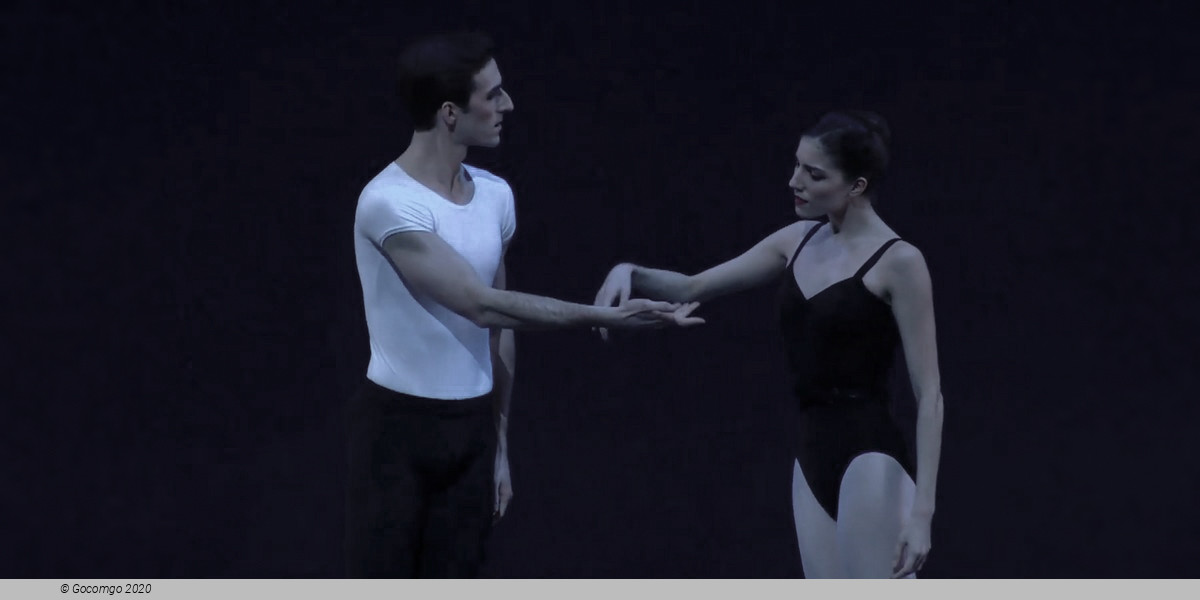
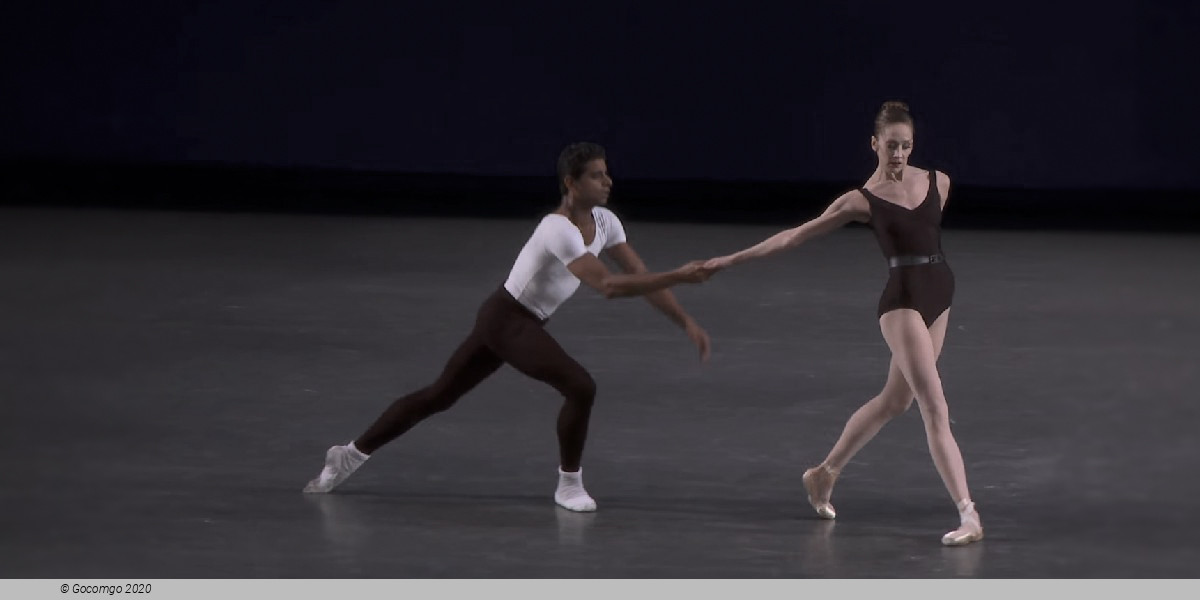
Each In Their Own Time is a quietly stirring duet by choreographer Lar Lubovitch, performed to selected piano pieces by Johannes Brahms (Op. 76) played live on stage. From the moment the pianist begins, the two dancers seem to listen before they move—pausing, breathing, and then finding their steps in relation to each other and to the music. Their movement flows with a kind of gentle intimacy: one reaches, the other responds, then both drift together with subtle shifts of balance and gesture. The ballet embraces both stillness and momentum, suggesting that time is felt differently for each person—sometimes urgent, sometimes reflective—but always textured by connection.
The piece opens with the pianist seated centre stage and the dancers positioned near him, almost observers before participants. As the music unfolds, the men step into a dialogue of movement—one initiating lines of energy, the other echoing or diverging. Together they explore patterns of symmetry and difference: one might spin while the other holds a pose, one leap balanced by the other’s calm, then they merge into unified passages that feel both earned and effortless. The choreography carries no explicit story of character or conflict; instead, it evokes the passage of time, memory, and the quiet companionship found in shared musical and physical space.
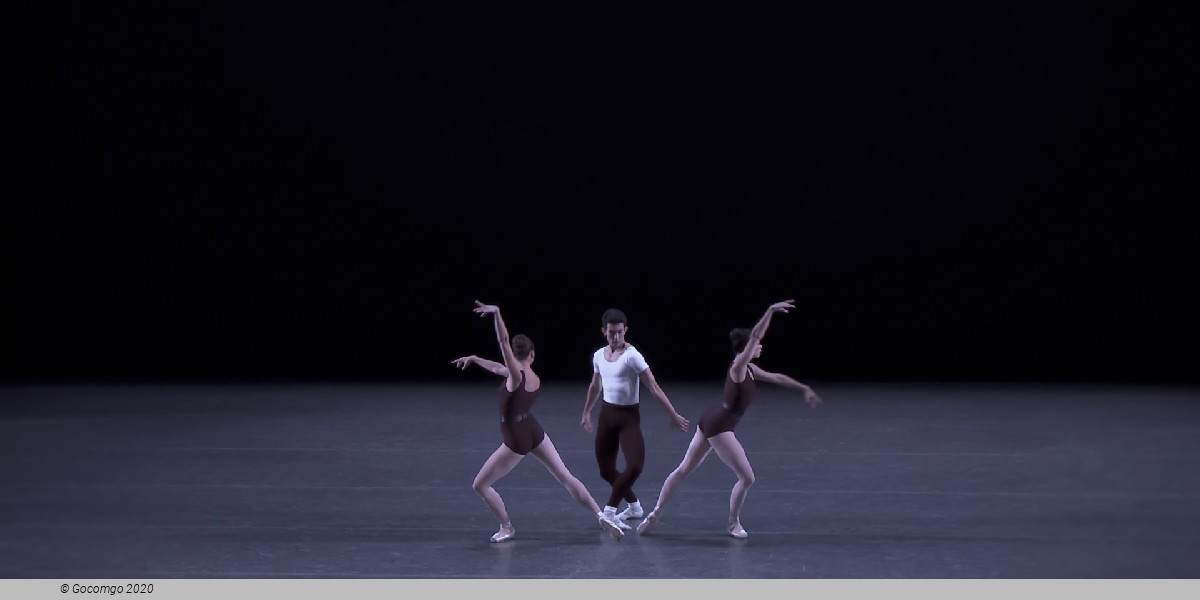
The apex of Balanchine’s collaborations with Igor Stravinsky, Agon is an intense masterpiece and signature NYCB work, ever contemporary in its athletic competitiveness.
The Agon pieces were all modeled after examples in a French dance manual of the mid-17th Century. Agon ("The Contest") is not a mythical subject piece to complete a trilogy with Apollo and Orpheus. In fact, it has no musical or choreographic subject beyond the new interpretation of the venerable dances that are its pretext. It was even conceived without provision for scenery and was independent, at least in Stravinsky’s mind, of décor, period, and style.
Adding to her growing presence in the Company’s repertory, NYC-based postmodern choreographer Pam Tanowitz follows her recent digital work Solo for Russell: Sites 1-5 with her second main stage commission, a new ballet set to Ted Hearne’s sonic patchwork for string ensemble, Law of Mosaics.



 20 Lincoln Center Plaza