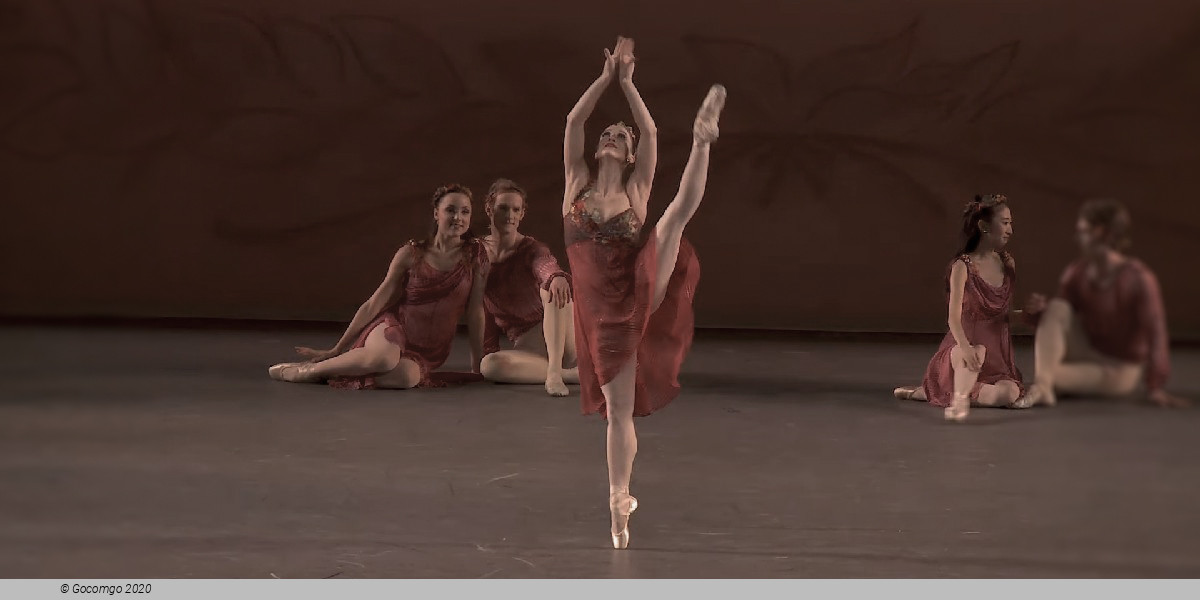
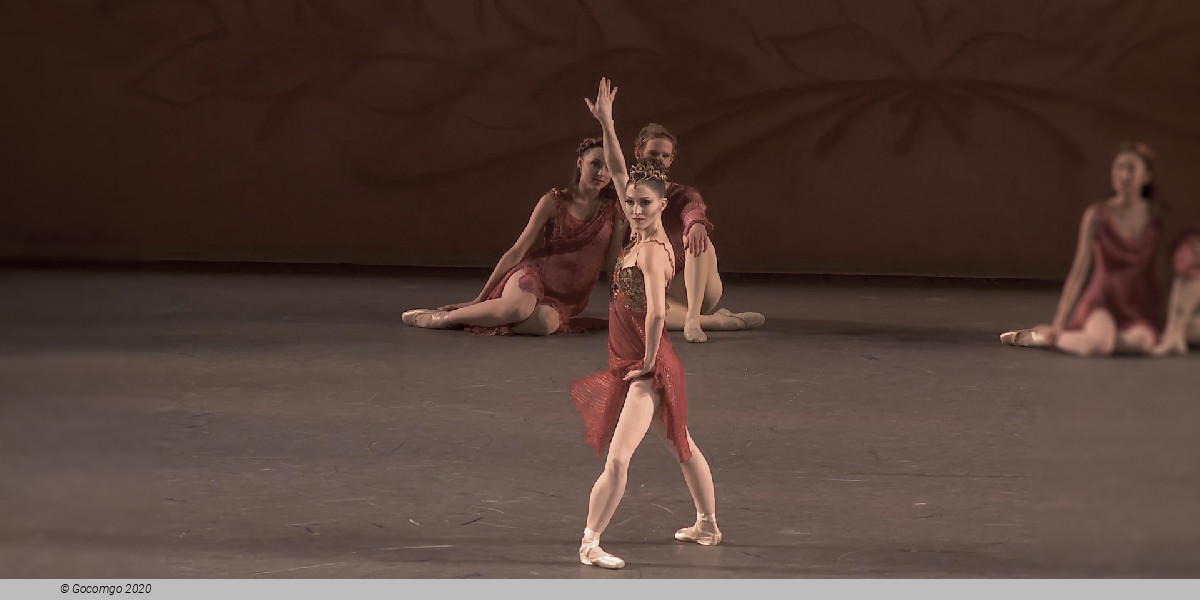
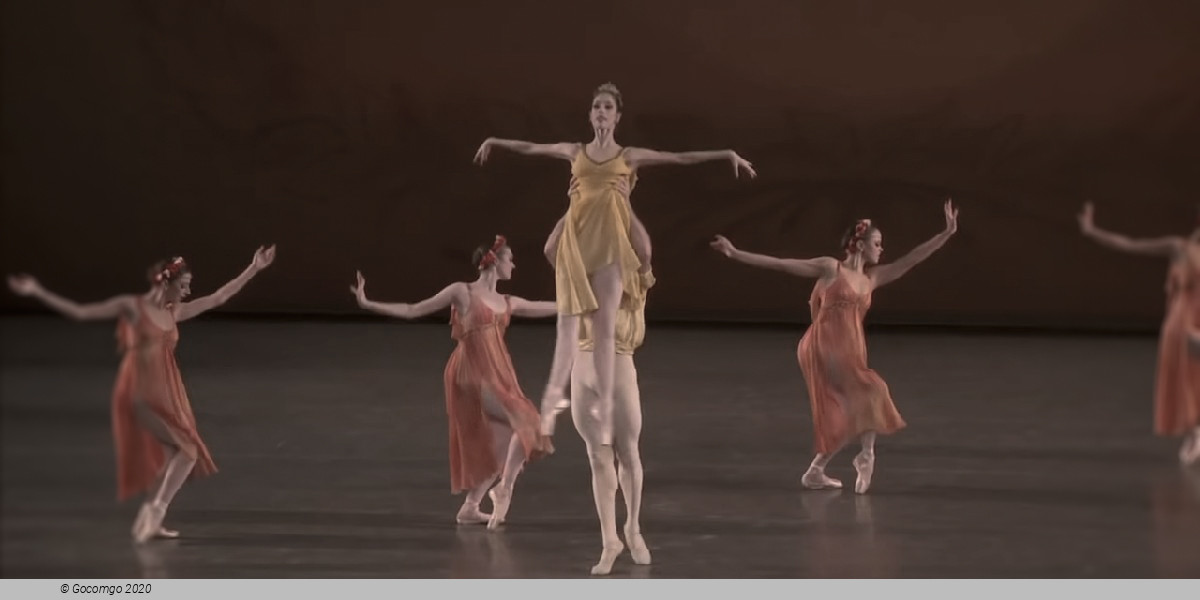
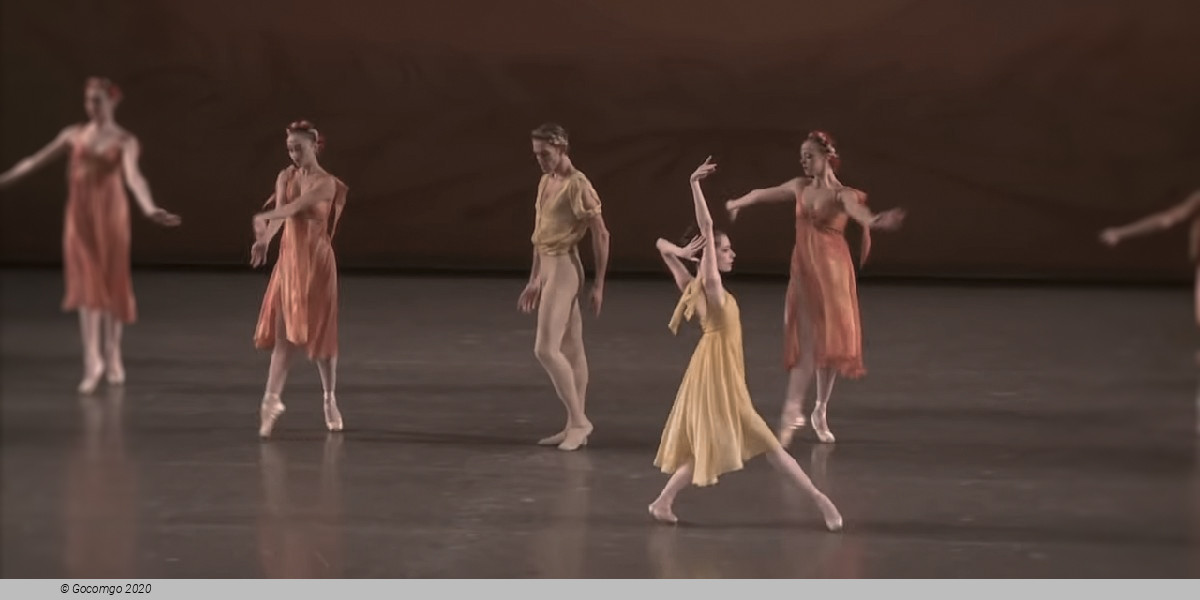
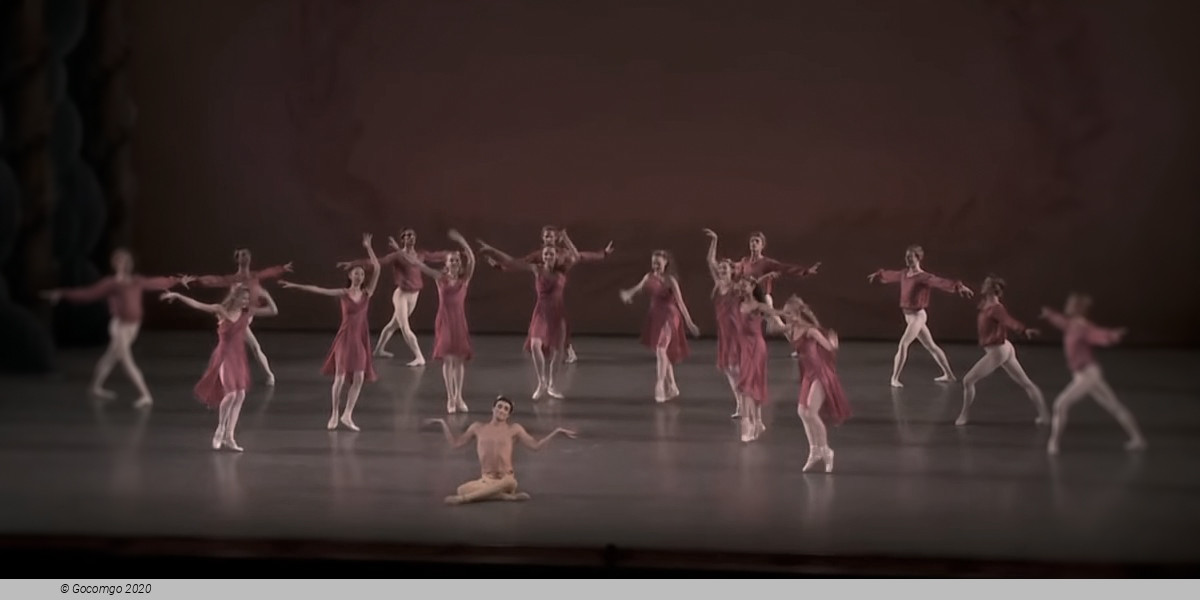
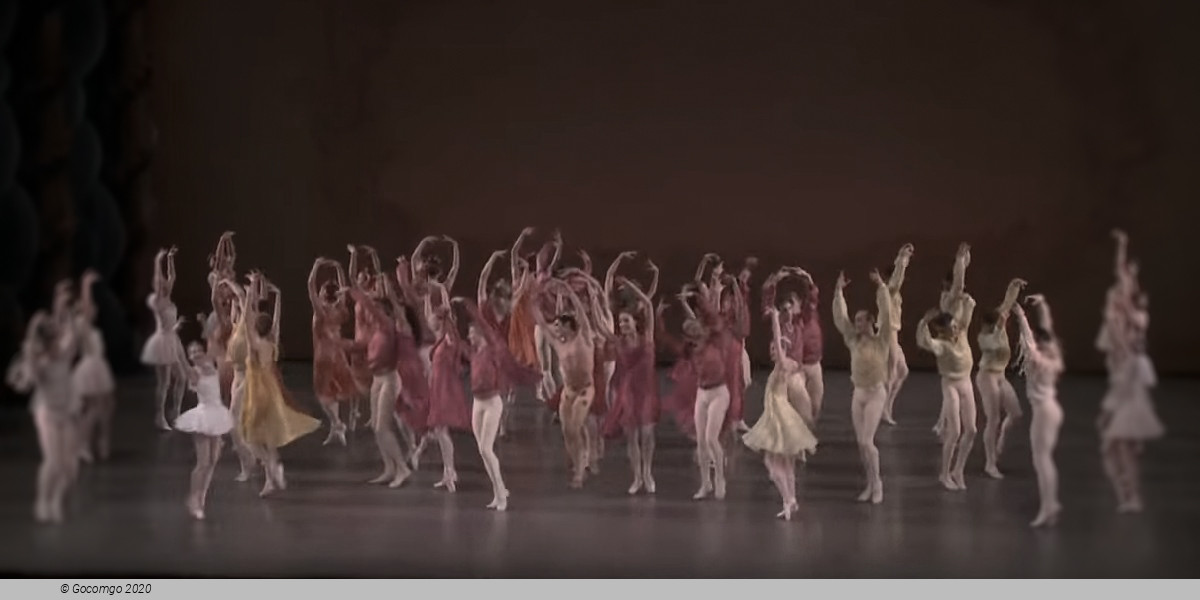
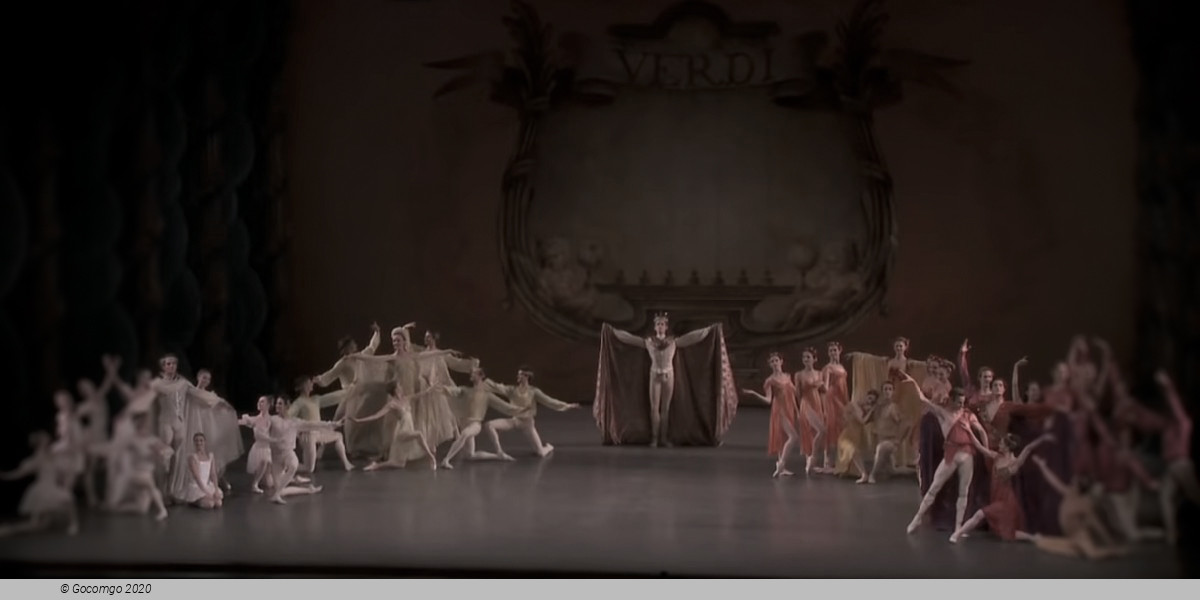
This audience favorite translates the seasons into frosty flirtation, springtime awakening, sultry revelry, and autumnal bacchanal, all set to Verdi’s vibrant melodies.
When opera was presented in Paris in the late nineteenth century, the composer was obliged to include a ballet at the beginning of the third act, whether or not it had anything to do with the plot of the opera. Usually it didn't, but it gave the Jockey Club, a group of wealthy subscribers, a chance to look over their favorite beautiful ladies of the ballet at a convenient time of the evening, and these patrons were attentively in their seats for the ballet, if not for the rest of the opera. The tradition of the third act divertissement was so firmly established that when Wagner put his Venusburg ballet at the very beginning of Act I of Tannhäuser, there were such forcible protests by the Jockey Club that the whole opera was nearly withdrawn.
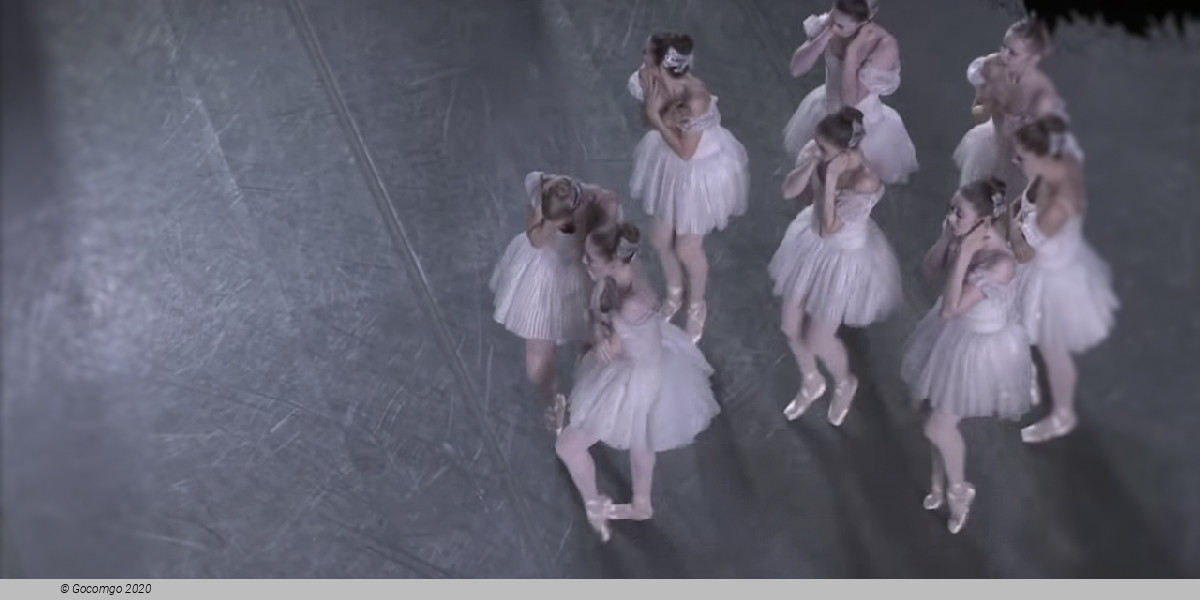
Fortunately for us, Verdi was less revolutionary about Parisian conventions and composed many third-act opera ballets. Although seldom included in today’s productions, they contain some of the most delightful dance music of the period. For I Vespri Siciliani, he devised a ballet called The Four Seasons. His libretto called for Janus, the God of New Year, to inaugurate a series of dances by each of the seasons in turn. Verdi’s notes suggest such notions as ballerinas warming themselves in Winter by dancing, Spring bringing on warm breezes, indolent Summer ladies being surprised by an Autumnal faun, etc. The present ballet follows his general plan. The original score is augmented by a few selections of his ballet music from I Lombardi and Il Trovatore.
– Jerome Robbins, 1979
NYCB’s resident choreographer Justin Peck unveils a brand-new creation that pulses with rhythm, personality, and invention. Known for his seamless fusion of classical technique and contemporary flair, Peck once again redefines what ballet can be — alive, dynamic, and distinctly New York.
Justin Peck’s new work for New York City Ballet bursts with inventive energy and modern rhythm, capturing the pulse of the city itself. Known for his signature blend of classical precision and contemporary drive, Peck creates movement that feels both timeless and electric. This world premiere embodies the essence of New Combinations — daring, fresh, and unmistakably New York.
Tiler Peck returns with a new work that further reveals her evolving voice as a choreographer, marked by an instinctive musicality and a deep understanding of the dancer’s craft. Known for creating movement that feels both spontaneous and intricately structured, Peck builds a ballet that highlights individuality within a cohesive ensemble.
Balancing clarity and complexity, her choreography unfolds with a sense of ease and momentum, inviting dancers to move with freedom, precision, and expressive nuance. With this latest creation, Peck continues to expand her artistic range, offering a work that is at once refined, dynamic, and unmistakably her own.
Set to the vibrant rhythms of Luigi Boccherini’s Fandango, Alexei Ratmansky’s ballet captures the spirited energy and theatrical flair of Spanish dance traditions. Infused with quicksilver footwork, bold accents, and playful exchanges, the choreography balances precision with exuberance, bringing a sense of festivity to the stage.
Ratmansky draws on classical vocabulary while incorporating stylized gestures and rhythmic nuances that echo the character of the music. The result is a work that feels both rooted in tradition and freshly reimagined—brimming with wit, charm, and a dynamic sense of musicality.



 20 Lincoln Center Plaza