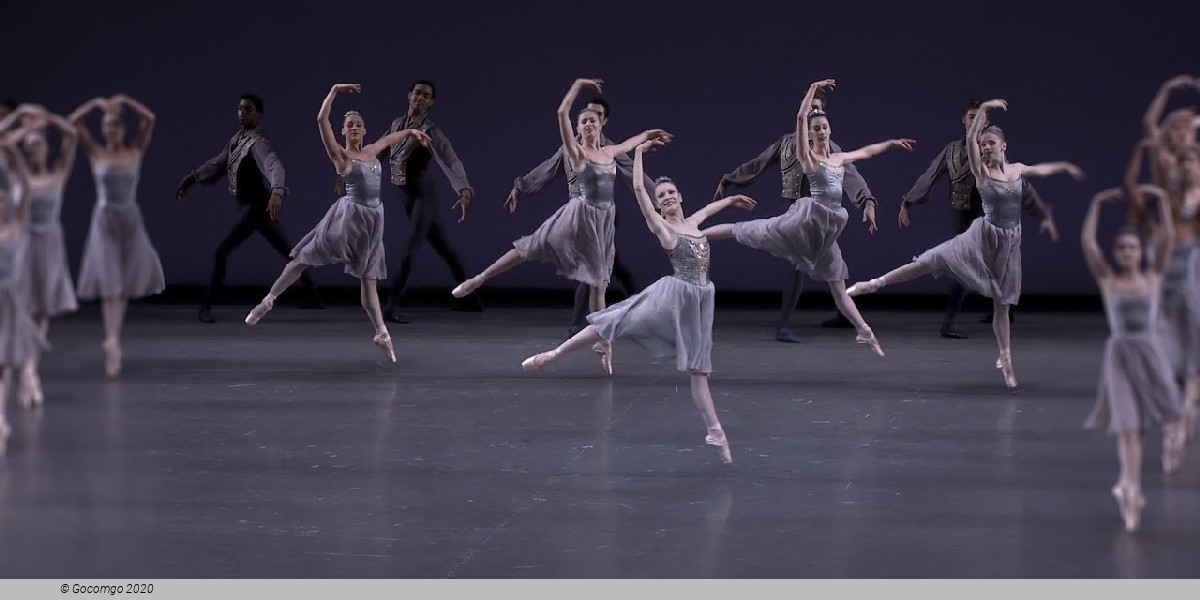
New York City Ballet (David H. Koch Theater) tickets 4 February 2027 - All Balanchine II | GoComGo.com

All Balanchine II

New York City Ballet (David H. Koch Theater), Main Stage, New York, USA
All photos (11)
Select date and time
7:30 PM
From
US$ 73

E-tickets: Print at home or at the box office of the event if so specified. You will find more information in your booking confirmation email.

You can only select the category, and not the exact seats.
If you order 2 or 3 tickets: your seats will be next to each other.
If you order 4 or more tickets: your seats will be next to each other, or, if this is not possible, we will provide a combination of groups of seats (at least in pairs, for example 2+2 or 2+3).

Important Info
Type: Ballet
City: New York, USA
Starts at: 19:30
Duration: 27min

E-tickets: Print at home or at the box office of the event if so specified. You will find more information in your booking confirmation email.

You can only select the category, and not the exact seats.
If you order 2 or 3 tickets: your seats will be next to each other.
If you order 4 or more tickets: your seats will be next to each other, or, if this is not possible, we will provide a combination of groups of seats (at least in pairs, for example 2+2 or 2+3).

Cast
Performers
Ballet company: New York City Ballet
Creators
Composer: Igor Stravinsky
Composer: Pyotr Tchaikovsky
Choreographer: George Balanchine
Overview

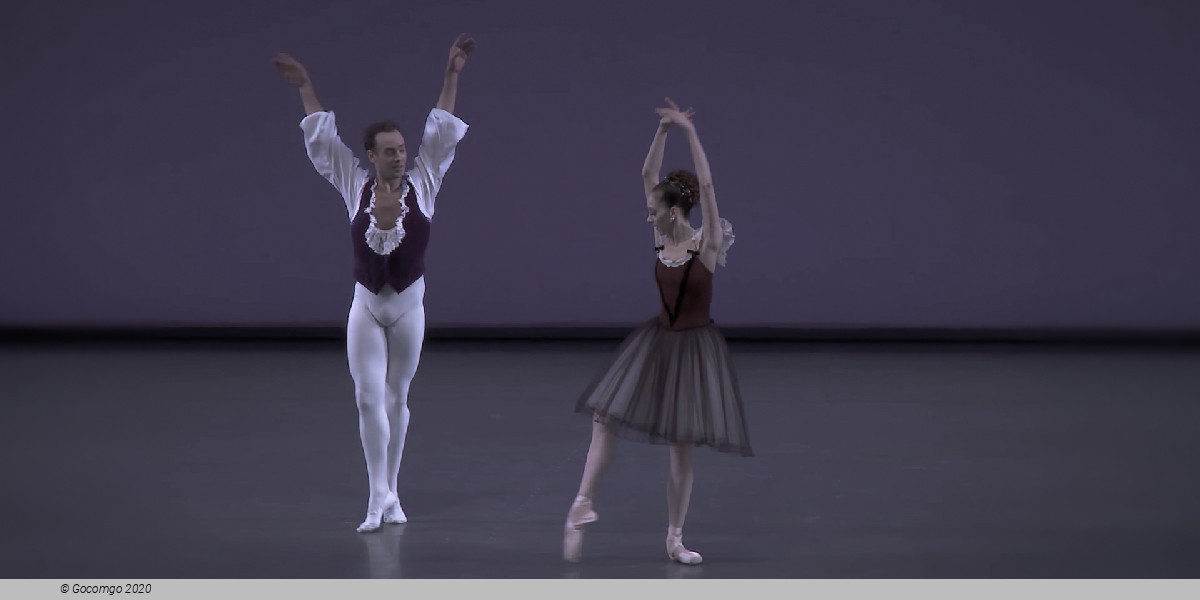
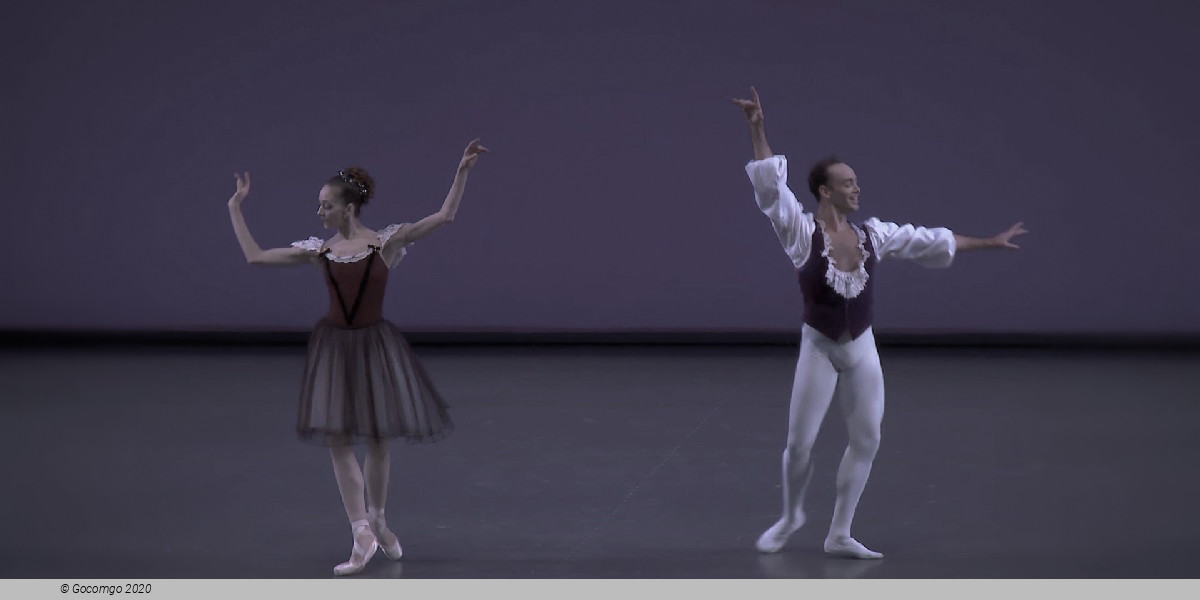
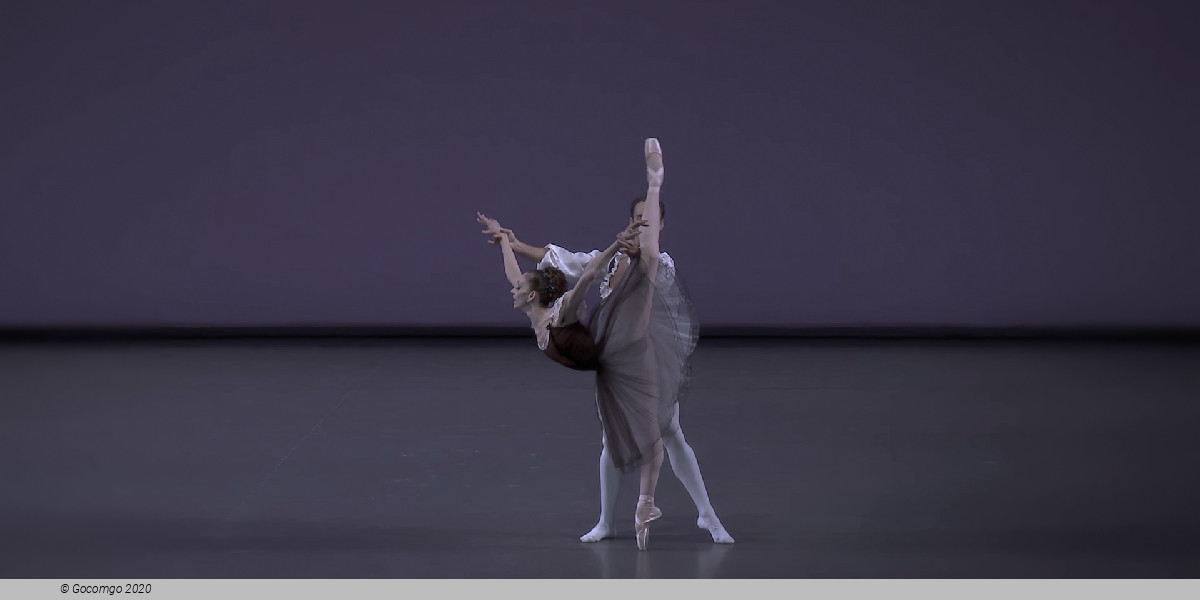
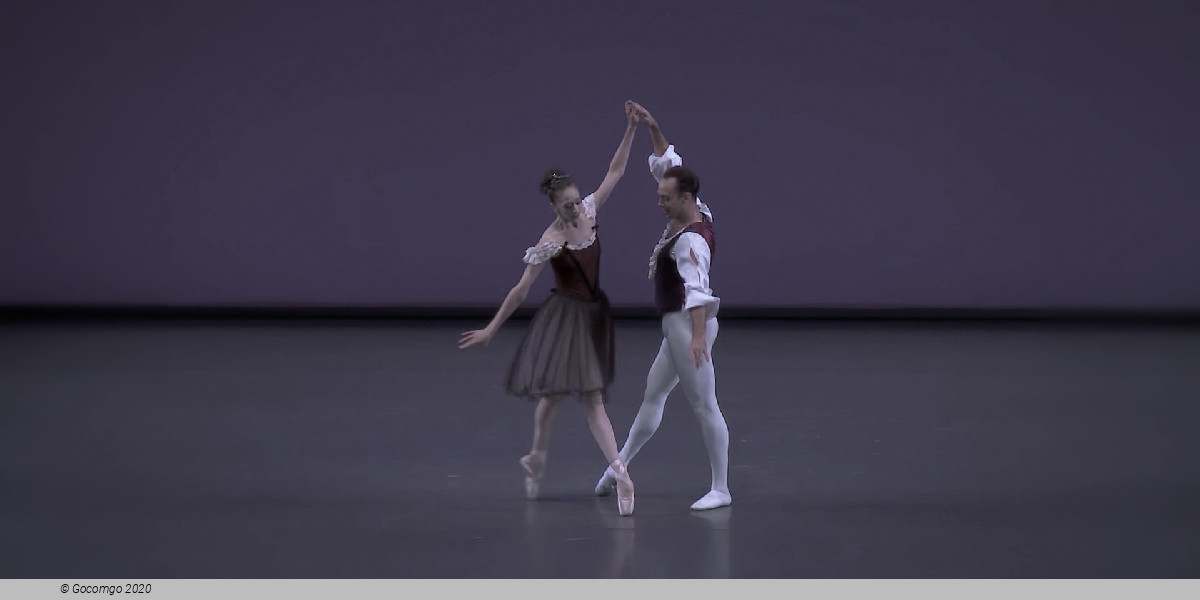
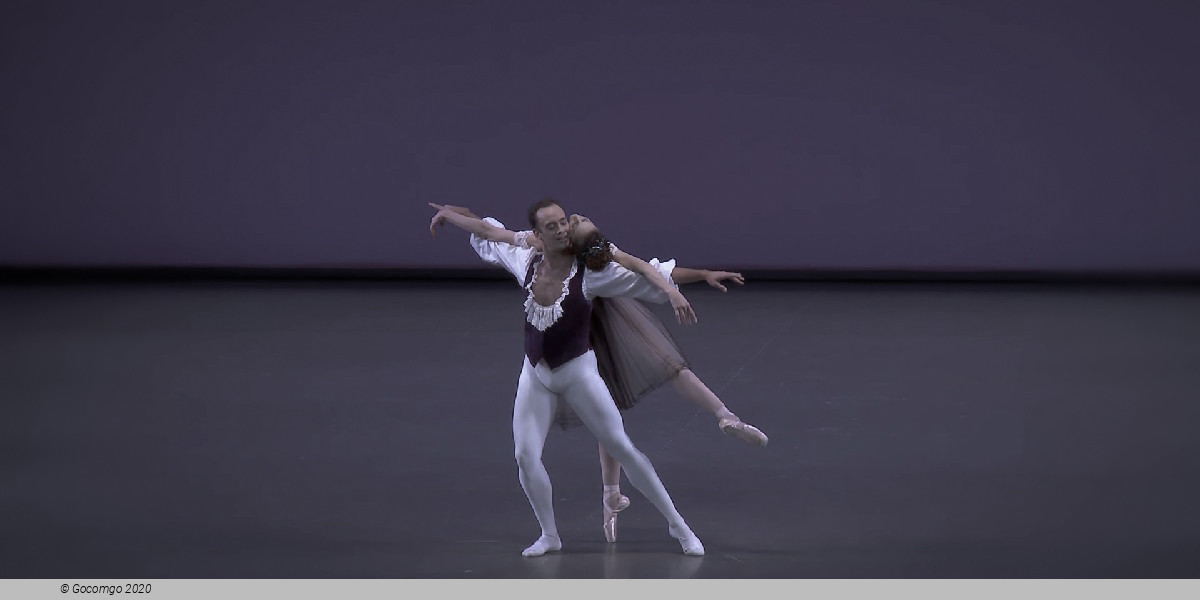
Mozartiana’s prayerful opening will touch your spirit and the upbeat theme and variations that follows builds to pure exhilaration.

Mozartiana is set to the Suite No. 4, Tschaikovsky’s arrangement and orchestration of several short works by Mozart. Balanchine first choreographed to this music at the start of his career in 1933, and nearly 50 years later, he returned to the score to create a new ballet, one of his last works. After seeing the work, author Solomon Volkov wrote this letter to Balanchine:

Dear Georgi Melitonovich, I want to thank you for Mozartiana. You entirely changed my attitude towards [Tschaikovsky’s] ‘Mozartiana.’ I respected that suite, but I did not love it. I see now that I did not understand it. Your interpretation revealed the inner sadness and delicate harmony of this music. How subtly sketched in Gigue the flourishing bow of the Russian composer to the Austrian genius! The dance does not follow the music, mirroring its meter and rhythm. It draws the music into a complex counterpoint; Mozartiana blossoms. The music thus is a ballerina that the partner does not just support, but unexpectedly lifts into the air. And Mozartiana flies, amazed.

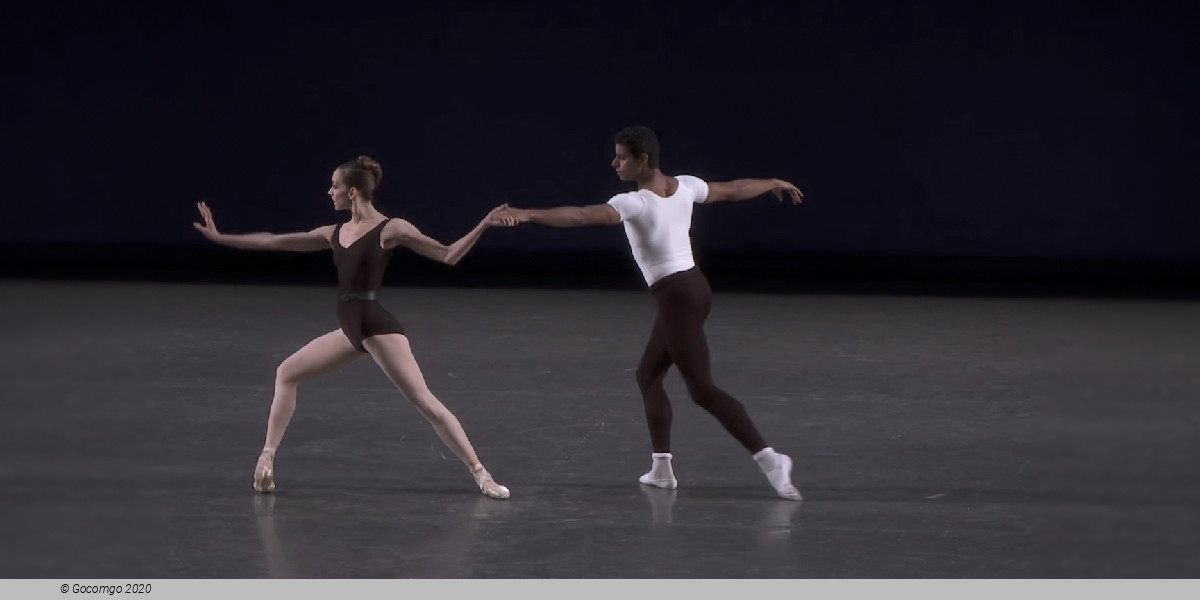
The apex of Balanchine’s collaborations with Igor Stravinsky, Agon is an intense masterpiece and signature NYCB work, ever contemporary in its athletic competitiveness.

The Agon pieces were all modeled after examples in a French dance manual of the mid-17th Century. Agon ("The Contest") is not a mythical subject piece to complete a trilogy with Apollo and Orpheus. In fact, it has no musical or choreographic subject beyond the new interpretation of the venerable dances that are its pretext. It was even conceived without provision for scenery and was independent, at least in Stravinsky’s mind, of décor, period, and style.

Balanchine’s Tschaikovsky Piano Concerto No. 2 is an ebullient outpouring of classical technique with tiaraed tiers of corps de ballet dancers.

Balanchine first staged Tschaikovsky’s Second Piano Concerto for the American Ballet Caravan in May 1941. Under the sponsorship of the Office of the Coordinator of Inter-American Affairs under the Roosevelt administration (Nelson A. Rockefeller, coordinator), the Caravan undertook a tour of South America, performing in every country except Paraguay and Bolivia.

It was felt that a classical ballet should be presented, but instead of reviving an existing ballet, Balanchine created a work in the style of Petipa and the Petersburg tradition. The decor, by Mstislav Dobuzhinsky, showed the Neva, with the Peter-Paul Fortress, framed in the Imperial blue and white of the Winter Palace.

Ballet Imperial was revived in 1964 by New York City Ballet with new decor by Rouben Ter-Arutunian, who followed a similar visual approach. In 1973, Balanchine felt that the allusion to Imperial Russia was outmoded, and that the ballet could stand in relation to the music alone. The title was changed, the decor eliminated, the costumes simplified, and some of the pantomime in the second movement altered—but the choreography as a whole remained the same.

For the 2019 Winter Season, NYCB Director of Costumes Marc Happel has redesigned the costumes. Created with the generous support of Swarovski, the costumes and headpieces feature thousands of Swarovski crystals.

The Ballet Imperial was first staged for New York City Ballet by Frederic Franklin on 15 October 1964 at the New York State Theater, Lincoln Center. Balanchine restaged it in 1973 with its current title. Traditional tutus and scenery in the grand Russian style were used through the 1964 NYCB revival; since 1973 it has been danced with chiffon skirts designed by Karinska and without scenery. Balanchine said that the ballet is "a contemporary tribute to Petipa, 'the father of the classical ballet,' and to Tschaikovsky, his greatest composer." 

History
Premiere of this production: 04 June 1981, New York State Theater,New York City Ballet, Tschaikovsky Festival

Mozartiana is a ballet by balletmaster George Balanchine. It is the choreographer's third homage to Mozart and is set to Pyotr Ilyich Tchaikovsky's Suite No. 4, Mozartiana, Op. 61 (1887).

Premiere of this production: 01 December 1957, City Center of Music and Drama, New York

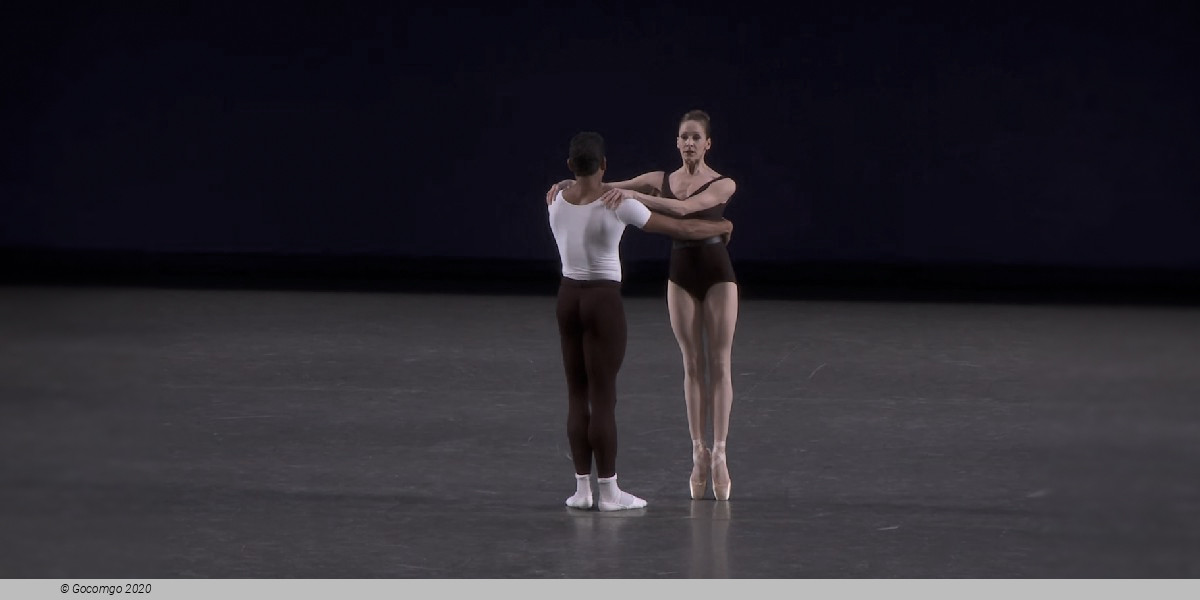
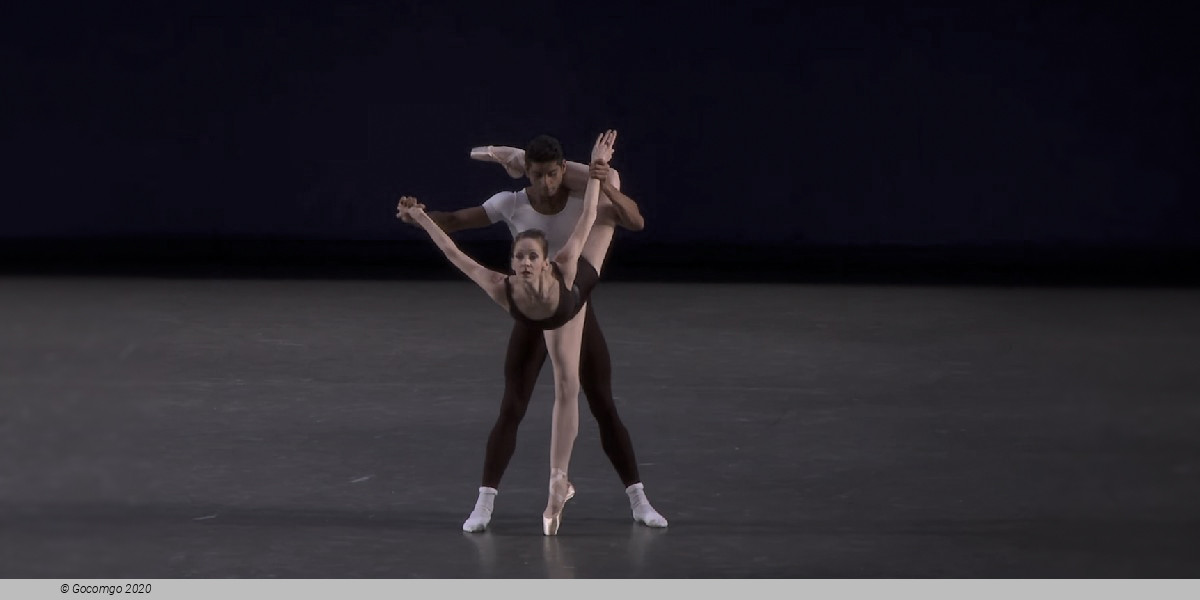
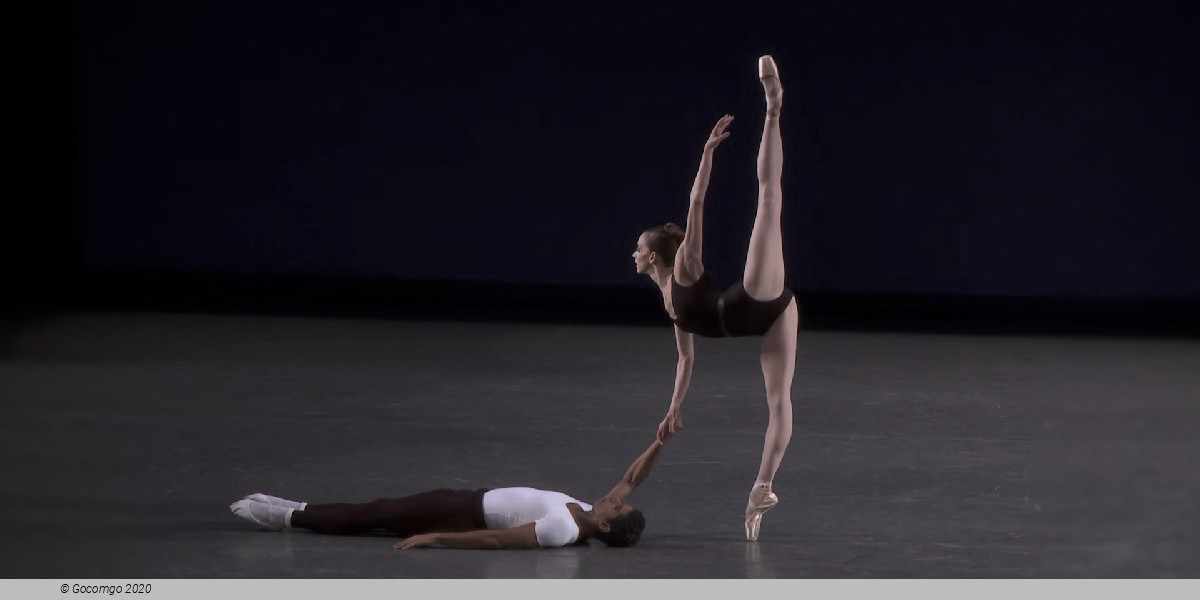
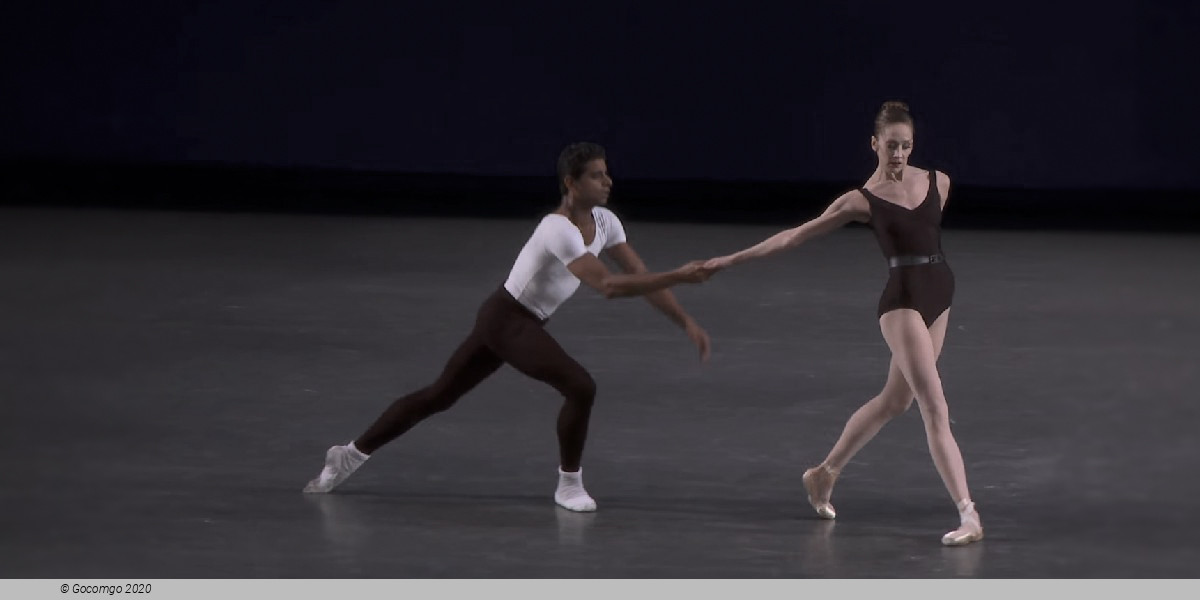
Agon (1957) is a neoclassical ballet for twelve dancers, with music by Igor Stravinsky and choreography by George Balanchine. The ballet has no story, but consists of a series of dance movements in which various groups of dancers interact in pairs, trios, quartets, etc. A number of the movements are based on 17th-century French court dances – saraband, galliard and bransle.

Premiere of this production: 29 May 1941, Teatro Municipal, Rio de Janeiro

Tschaikovsky Piano Concerto No. 2, originally called Ballet Imperial, is a ballet in three movements made by New York City Ballet's co-founder and founding choreographer George Balanchine for his earlier company, American Ballet Caravan, to the version of Peter Ilyitch Tchaikovsky's Piano Concerto No. 2, originally composed in 1879–80, but later revised by Alexander Siloti. The ballet was given a preview performance on 29 May 1941 at the Little Theater of Hunter College in New York City. The premiere took place on 25 June 1941 at Teatro Municipal, Rio de Janeiro.

Venue Info

New York City Ballet (David H. Koch Theater) - New York
Location   20 Lincoln Center Plaza

The David H. Koch Theater is the major theater for ballet, modern, and other forms of dance, part of the Lincoln Center, at the intersection of Columbus Avenue and 63rd Street in the Lincoln Square neighborhood of Manhattan in New York City. Originally named the New York State Theater, the venue has been home to the New York City Ballet since its opening in 1964, the secondary venue for the American Ballet Theatre in the fall, and served as home to the New York City Opera from 1964 to 2011.

The New York State Theater was built with funds from the State of New York as part of New York State's cultural participation in the 1964–1965 World's Fair. The theater was designed by architects Philip Johnson and John Burgee, and opened on April 23, 1964. After the Fair, the State transferred ownership of the theater to the City of New York.

Along with the opera and ballet companies, another early tenant of the theater was the now defunct Music Theater of Lincoln Center whose president was composer Richard Rodgers. In the mid-1960s, the company produced fully staged revivals of classic Broadway musicals. These included The King and I; Carousel (with original star, John Raitt); Annie Get Your Gun (revised in 1966 by Irving Berlin for its original star, Ethel Merman); Show Boat; and South Pacific.

The theater seats 2,586 and features broad seating on the orchestra level, four main “Rings” (balconies), and a small Fifth Ring, faced with jewel-like lights and a large spherical chandelier in the center of the gold latticed ceiling.

The lobby areas of the theater feature many works of modern art, including pieces by Jasper Johns, Lee Bontecou, and Reuben Nakian.

Important Info
Type: Ballet
City: New York, USA
Starts at: 19:30
Duration: 27min
Top of page