
Hungarian State Opera House: The Vertiginous Thrill of Exactitude Tickets | Event Dates & Schedule | GoComGo.com

The Vertiginous Thrill of Exactitude Tickets

Hungarian State Opera House, Budapest, Hungary
Important Info
Type: Ballet
City: Budapest, Hungary
Acts: 1

E-tickets: Print at home or at the box office of the event if so specified. You will find more information in your booking confirmation email.

You can only select the category, and not the exact seats.
If you order 2 or 3 tickets: your seats will be next to each other.
If you order 4 or more tickets: your seats will be next to each other, or, if this is not possible, we will provide a combination of groups of seats (at least in pairs, for example 2+2 or 2+3).

Cast
Performers
Choose the date to see the peformers
Overview

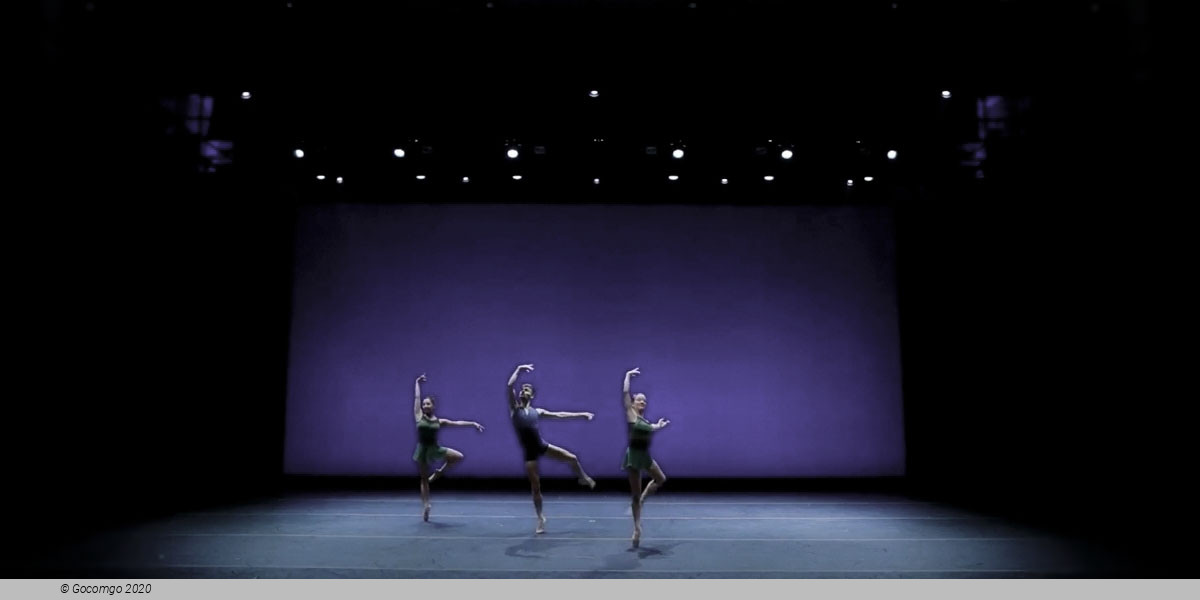
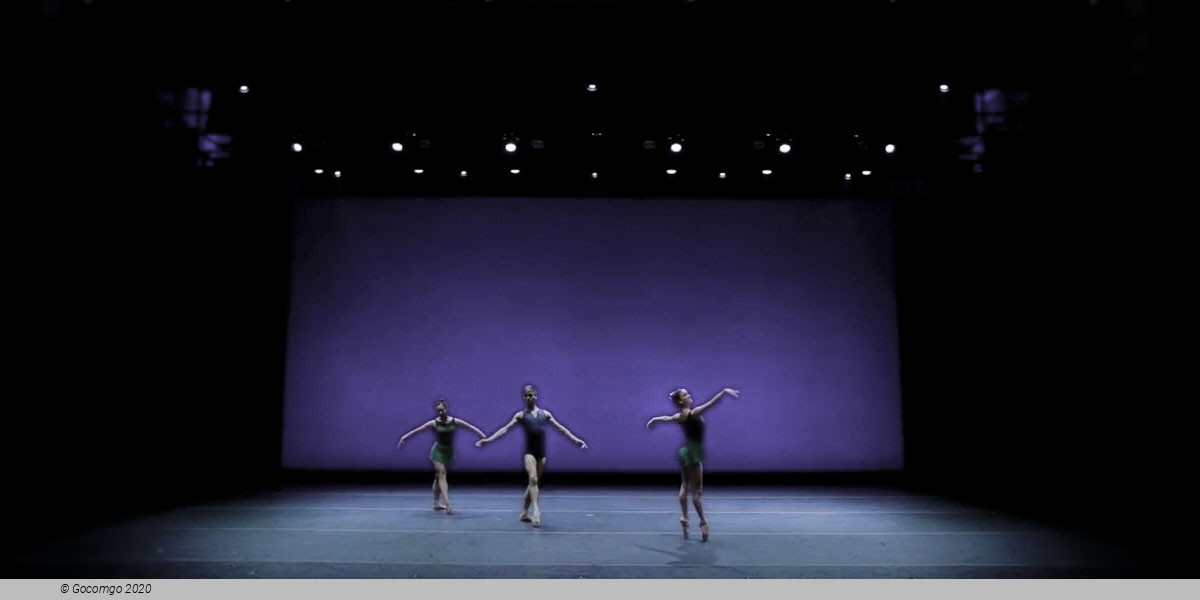
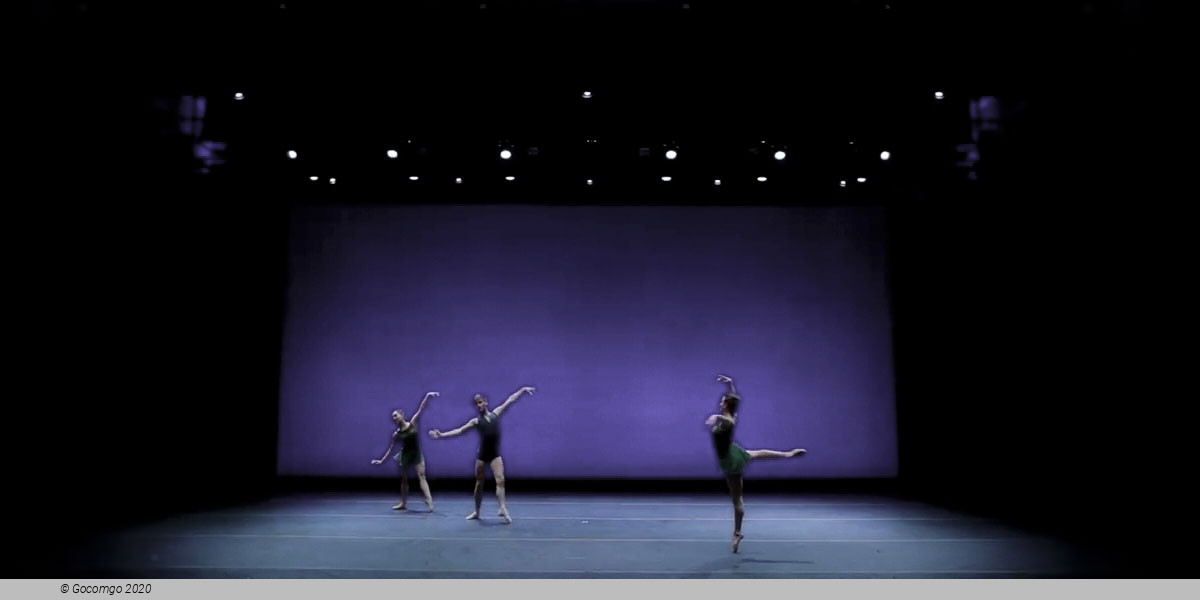
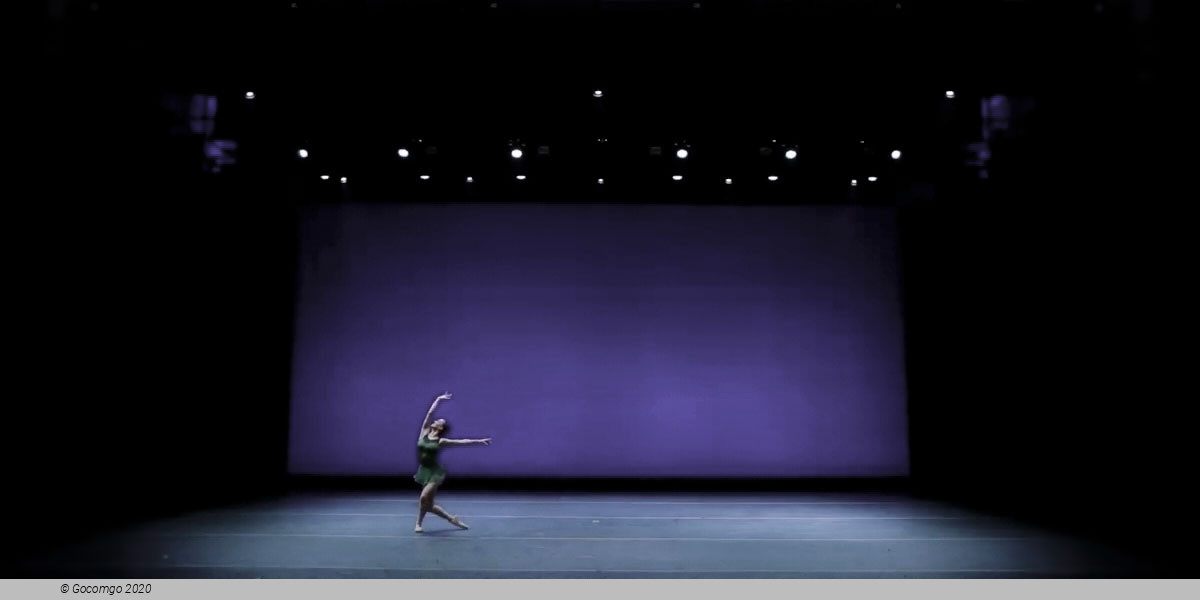
Utilising the soaring final movement from Franz Schubert’s 9th Symphony in C Major, William Forsythe complements the music’s layered intricacies and thunderous bravura with sophisticated complexity and dynamic momentum. In its playful employment of the familiar components which we have grown accustomed to associating with classical ballet,The Vertiginous Thrill of Exactitude pays homage to a rich history of great dance achievement and choreographic precedent. This is achieved in a spirit of overall inclusion, rather than limitation.

As the piece delves relentlessly through a series of riveting solos, duets, trios and group constellations, the audience is offered timeless images well in keeping with traditional interactions between ballerinas and their male counterparts, while individual eccentricities and indulgences are maintained (if not encouraged). Showcasing five dancers (two men and three women), the swiftly unfurling choreography dares its participants to surmount the technical challenges posed by employing sheer pleasure and abandon. This continual manifestation of unbridled expertise pushes their artistic accomplishments to ever greater heights. The effect is invigorating, precarious, even dizzying. The balletThe Vertiginous Thrill of Exactitude has been achieved considerable acclaim worldwide for its speed, brilliance and remarkable musicality. It received New York City’s “Best Ballet of the Season” critics’ choice award in 1998 and appears in the repertoires of some of the most world-renowned ballet companies. Insider circles have referred to it as “the most technically difficult ballet ever performed.” Others have found it “the most liberating experience of an entire career.” For the dancer, it is a triumph of euphoric perfection. For the audience, it is eleven elegant minutes of exhilarating excellence. 
Noah D. Gelber

History
Premiere of this production: 20 January 1996, Ballet Frankfurt

The Vertiginous Thrill of Exactitude had its world premier with the Ballett Frankfurt on 20 January 1996. Originally coupled with another ballet and performed under the title Two Ballets in the Manner of the Late 20th Century, it closed William Forsythe’s full-length evening work Six Counter Points. Here removed from its original context, The Vertiginous Thrill of Exactitudes parklingly holds its own. It is a masterfully constructed celebration of the elegance of superb dancers and superbly rendered dancing.

Venue Info

Hungarian State Opera House - Budapest
Location   Andrássy út 22

The Hungarian State Opera House (Hungarian: Magyar Állami Operaház) is a neo-Renaissance opera house located in central Budapest, on Andrássy út. The Hungarian State Opera House is the main opera house of the country and the second largest opera house in Budapest and in Hungary. Today, the opera house is home to the Budapest Opera Ball, a society event dating back to 1886. The Theatre was designed by Miklós Ybl, a major figure of 19th-century Hungarian architecture.

Construction began in 1875, funded by the city of Budapest and by Emperor Franz Joseph I of Austria-Hungary, and the new house opened to the public on the 27 September 1884. Before the closure of the "Népszínház" in Budapest, it was the third largest opera building in the city; today it is the second largest opera house in Budapest and in Hungary.

Touring groups had performed operas in the city from the early 19th century, but as Legány notes, "a new epoch began after 1835 when part of the Kasa National Opera and Theatrical Troupe arrived in Buda". They took over the Castle Theatre and, in 1835, were joined by another part of the troupe, after which performances of operas were given under conductor Ferenc Erkel. By 1837 they had established themselves at the Magyar Színház (Hungarian Theatre) and by 1840, it had become the "Nemzeti Színház" (National Theatre). Upon its completion, the opera section moved into the Hungarian Royal Opera House, with performances quickly gaining a reputation for excellence in a repertory of about 45 to 50 operas and about 130 annual performances. 

Many important artists were guests here including the composer Gustav Mahler, who was director in Budapest from 1888 to 1891 and Otto Klemperer, who was music director for three years from 1947 to 1950.

It is a richly decorated building and is considered one of the architect's masterpieces. It was built in neo-Renaissance style, with elements of Baroque. Ornamentation includes paintings and sculptures by leading figures of Hungarian art including Bertalan Székely, Mór Than, and Károly Lotz. Although in size and capacity it is not among the greatest, in beauty and the quality of acoustics the Budapest Opera House is considered to be amongst the finest opera houses in the world.

The auditorium holds 1,261 people. It is horseshoe-shaped and – according to measurements done in the 1970s by a group of international engineers – has the third best acoustics in Europe after La Scala in Milan and the Palais Garnier in Paris. Although many opera houses have been built since the Budapest Opera House is still among the best in terms of acoustics.

In front of the building are statues of Ferenc Erkel and Franz Liszt. Liszt is the best-known Hungarian composer. Erkel composed the Hungarian national anthem, and was the first music director of the Opera House; he was also the founder of the Budapest Philharmonic Orchestra.

Each year the season lasts from September to the end of June and, in addition to opera performances, the House is home to the Hungarian National Ballet.

There are guided tours of the building in six languages (English, German, Spanish, French, Italian, and Hungarian) almost every day.

Important Info
Type: Ballet
City: Budapest, Hungary
Acts: 1

E-tickets: Print at home or at the box office of the event if so specified. You will find more information in your booking confirmation email.

You can only select the category, and not the exact seats.
If you order 2 or 3 tickets: your seats will be next to each other.
If you order 4 or more tickets: your seats will be next to each other, or, if this is not possible, we will provide a combination of groups of seats (at least in pairs, for example 2+2 or 2+3).

Top of page