
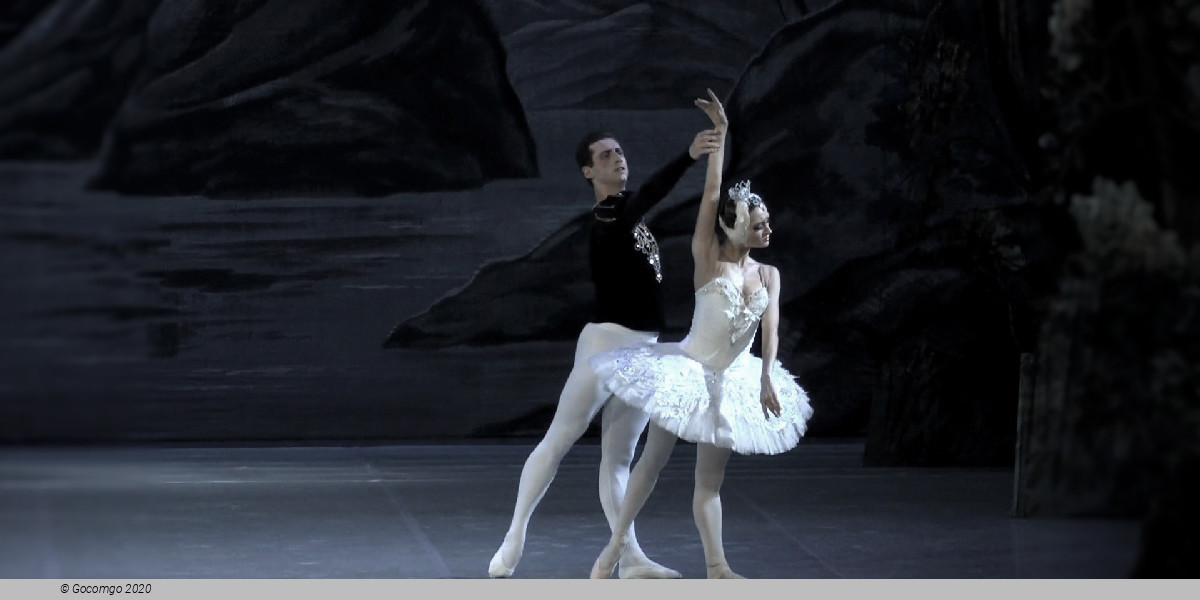
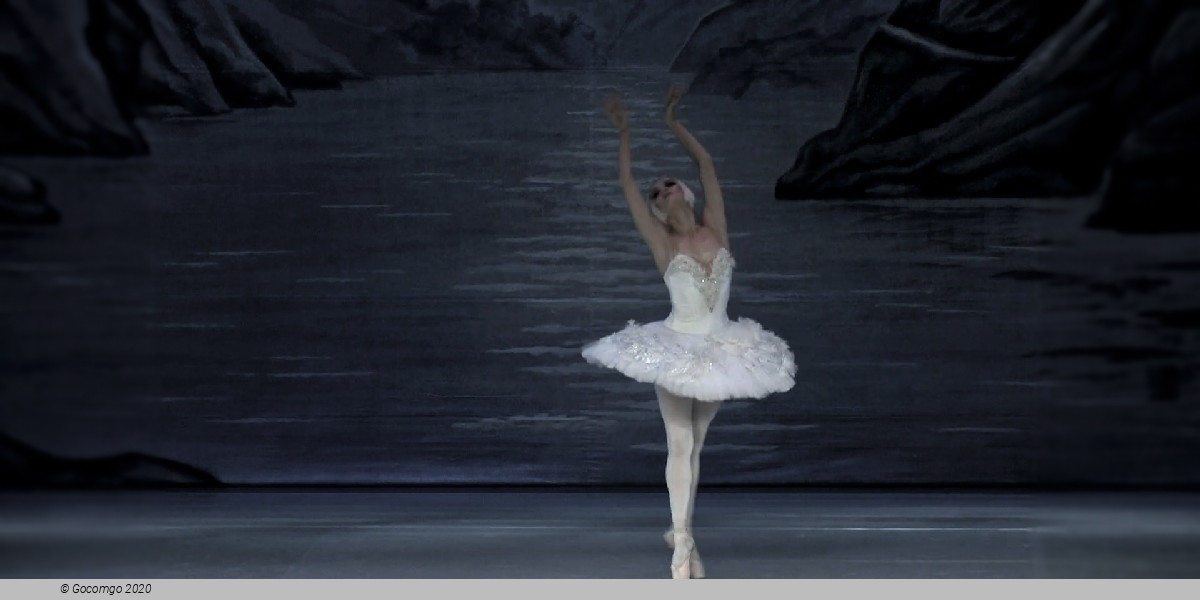
National Opera and Ballet of Bulgaria: Swan Lake Tickets | Event Dates & Schedule | GoComGo.com

Swan Lake Tickets

National Opera and Ballet of Bulgaria, Sofia, Bulgaria
Important Info
Type: Ballet
City: Sofia, Bulgaria
Acts: 4

E-tickets: Print at home or at the box office of the event if so specified. You will find more information in your booking confirmation email.

You can only select the category, and not the exact seats.
If you order 2 or 3 tickets: your seats will be next to each other.
If you order 4 or more tickets: your seats will be next to each other, or, if this is not possible, we will provide a combination of groups of seats (at least in pairs, for example 2+2 or 2+3).

Cast
Performers
Choose the date to see the peformers
Overview

Although Swan Lake is presented in many different versions, most ballet companies base their stagings both choreographically and musically on the 1895 revival of Marius Petipa and Lev Ivanov, first staged for the Imperial Ballet on 15 January 1895, at the Mariinsky Theatre in St. Petersburg. For this revival, Tchaikovsky's score was revised by the St. Petersburg Imperial Theatre's chief conductor and composer Riccardo Drigo.

During the late 1880s and early 1890s, Petipa and Vsevolozhsky discussed with Tchaikovsky the possibility of reviving Swan Lake. However, Tchaikovsky died on 6 November 1893, just when plans to revive Swan Lake were beginning to come to fruition. It remains uncertain whether Tchaikovsky was prepared to revise the music for this revival. Whatever the case, as a result of Tchaikovsky's death, Drigo was forced to revise the score himself, after receiving approval from Tchaikovsky's younger brother, Modest. There are major differences between Drigo's and Tchaikovsky's Swan Lake score. Today, it is Riccardo Drigo's revision of Tchaikovsky's score, and not Tchaikovsky's original score of 1877, that most ballet companies use.

In February 1894, two memorial concerts planned by Vsevolozhsky were given in honor of Tchaikovsky. The production included the second act of Swan Lake, choreographed by Lev Ivanov, Second Balletmaster to the Imperial Ballet. Ivanov's choreography for the memorial concert was unanimously hailed as wonderful.

The revival of Swan Lake was planned for Pierina Legnani's benefit performance in the 1894–1895 season. The death of Tsar Alexander III on 1 November 1894 and the ensuing period of official mourning brought all ballet performances and rehearsals to a close for some time, and as a result all efforts could be concentrated on the pre-production of the full revival of Swan Lake. Ivanov and Petipa collaborated on the production, with Ivanov retaining his dances for the second act while choreographing the fourth, with Petipa staging the first and third acts.

Modest Tchaikovsky was called upon to make changes to the ballet's libretto, including the character of Odette changing from a fairy swan-maiden into a cursed mortal woman, the ballet's villain changing from Odette's stepmother to the magician von Rothbart, and the ballet's finale: instead of the lovers simply drowning at the hand of Odette's stepmother as in the original 1877 scenario, Odette commits suicide by drowning herself, with Prince Siegfried choosing to die as well, rather than live without her, and soon the lovers' spirits are reunited in an apotheosis. Aside from the revision of the libretto the ballet was changed from four acts to three—with act 2 becoming act 1, scene 2.

All was ready by the beginning of 1895 and the ballet had its première on Friday, 27 January. Pierina Legnani danced Odette/Odile, with Pavel Gerdt as Prince Siegfried, Alexei Bulgakov as Rothbart, and Alexander Oblakov as Benno. Most of the reviews in the St. Petersburg newspapers were positive.

History
Premiere of this production: 04 March 1877, Bolshoi Theatre, Moscow

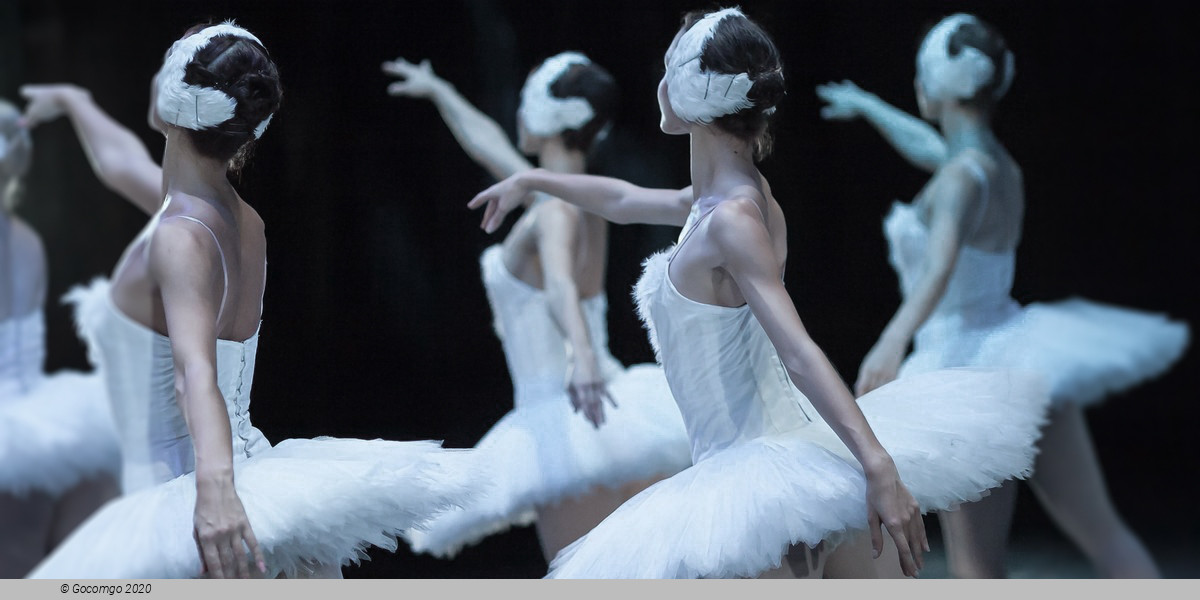
Swan Lake is a ballet composed by Pyotr Ilyich Tchaikovsky in 1875–76. Despite its initial failure, it is now one of the most popular of all ballets. Swan Lake is the ballet which embodies the soul of Russian art. The combination of brilliant music and choreography creates a special kind of magic; what the great 20th century choreographer George Balanchine had in mind when he famously said, “One should call every ballet Swan Lake because then people would come.”

Synopsis

Swan Lake is generally presented in either four acts, four scenes (primarily outside Russia and Eastern Europe) or three acts, four scenes (primarily in Russia and Eastern Europe). The biggest difference of productions all over the world is that the ending, originally tragic, is now sometimes altered to a happy ending.

Prologue
Some productions include a prologue that shows how Odette first meets Rothbart, who turns Odette into a swan.

Act 1

A magnificent park before a palace

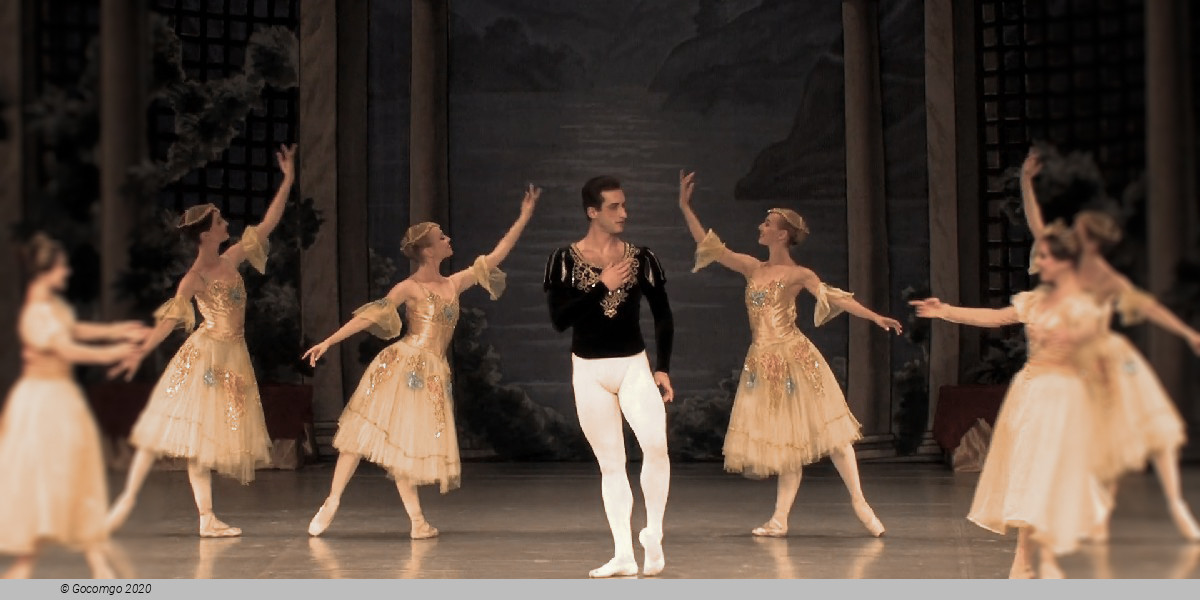
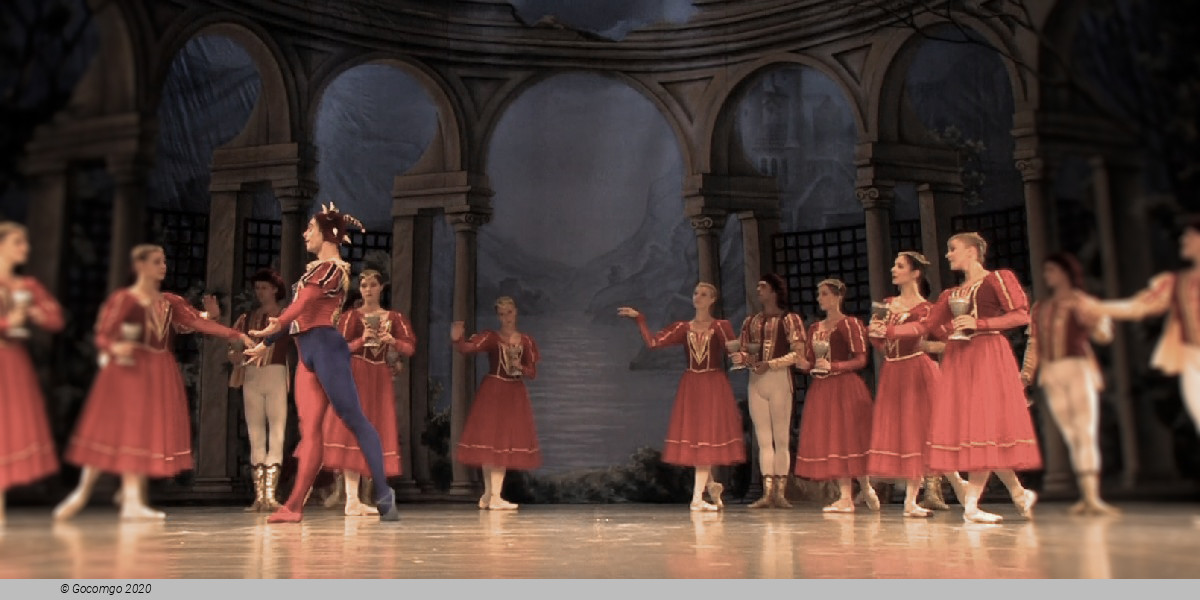
[Scène: Allegro giusto] Prince Siegfried is celebrating his birthday with his tutor, friends and peasants [Waltz]. The revelries are interrupted by Siegfried's mother, the Queen [Scène: Allegro moderato], who is concerned about her son's carefree lifestyle. She tells him that he must choose a bride at the royal ball the following evening (some productions include the presentation of some possible candidates). Siegfried is upset that he cannot marry for love. His friend Benno and the tutor try to lift his troubled mood. As evening falls [Sujet], Benno sees a flock of swans flying overhead and suggests they go on a hunt [Finale I]. Siegfried and his friends take their crossbows and set off in pursuit of the swans.

Act 2

A lakeside clearing in a forest by the ruins of a chapel. A moonlit night.

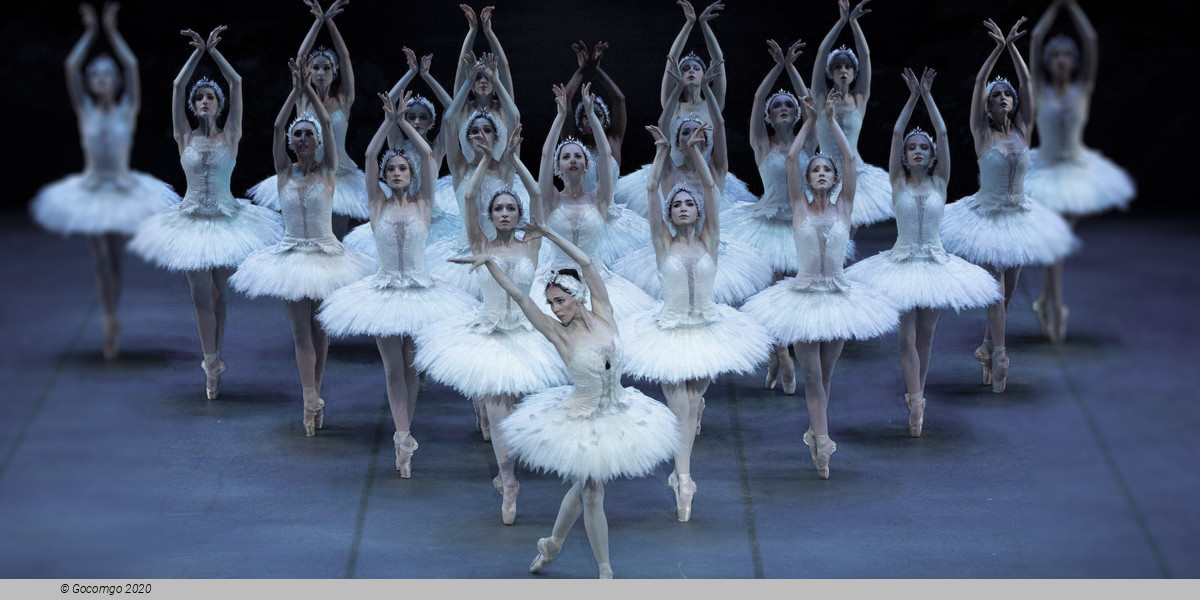
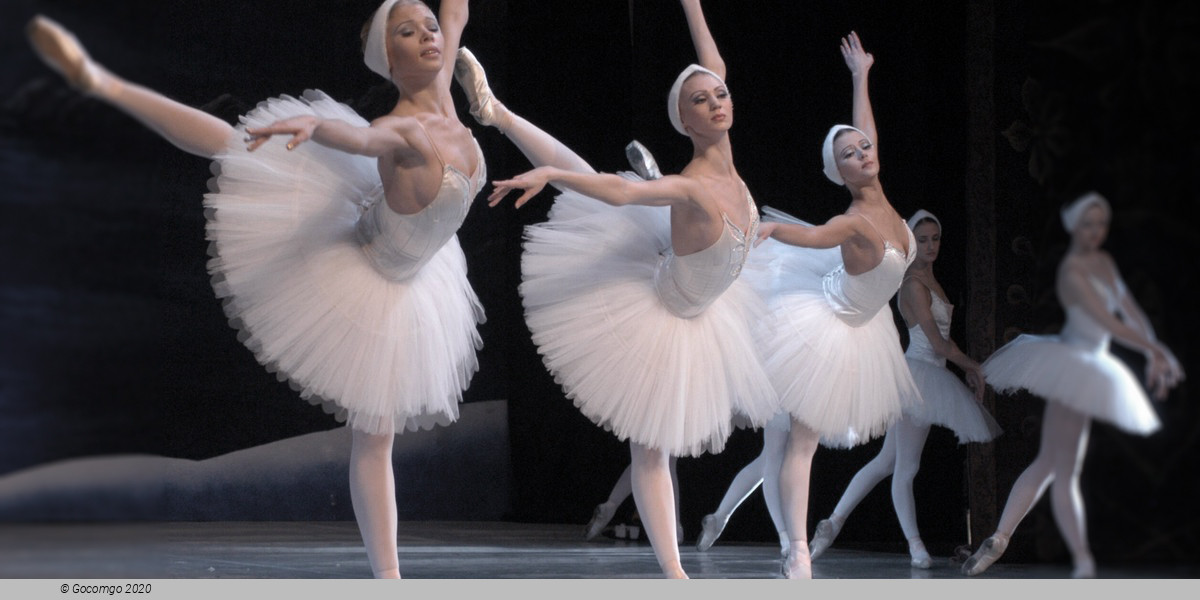
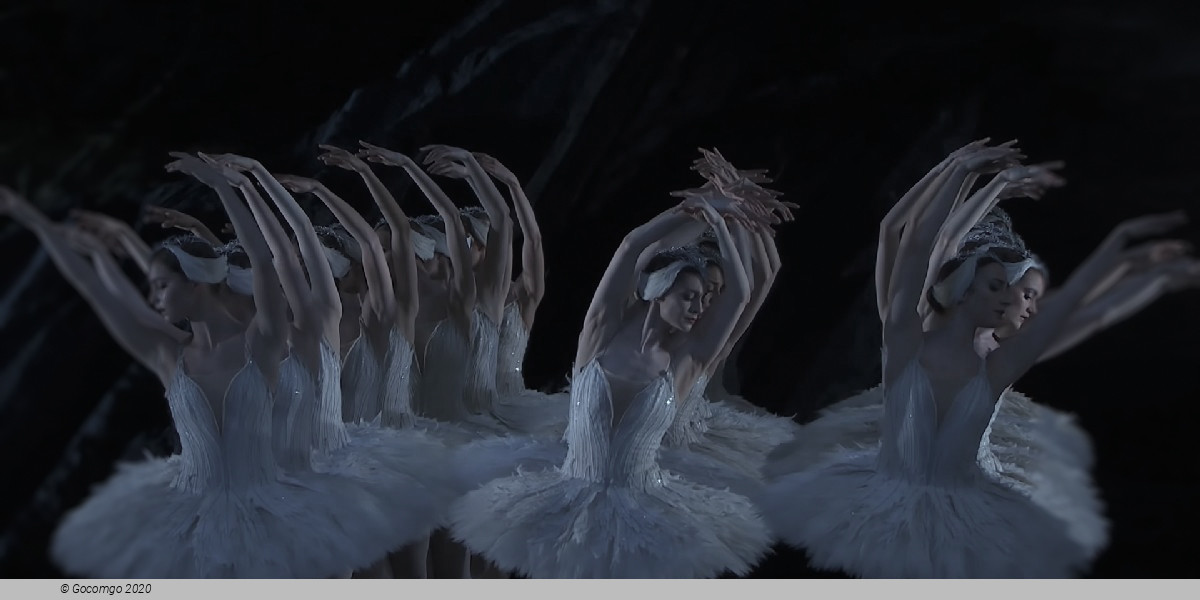
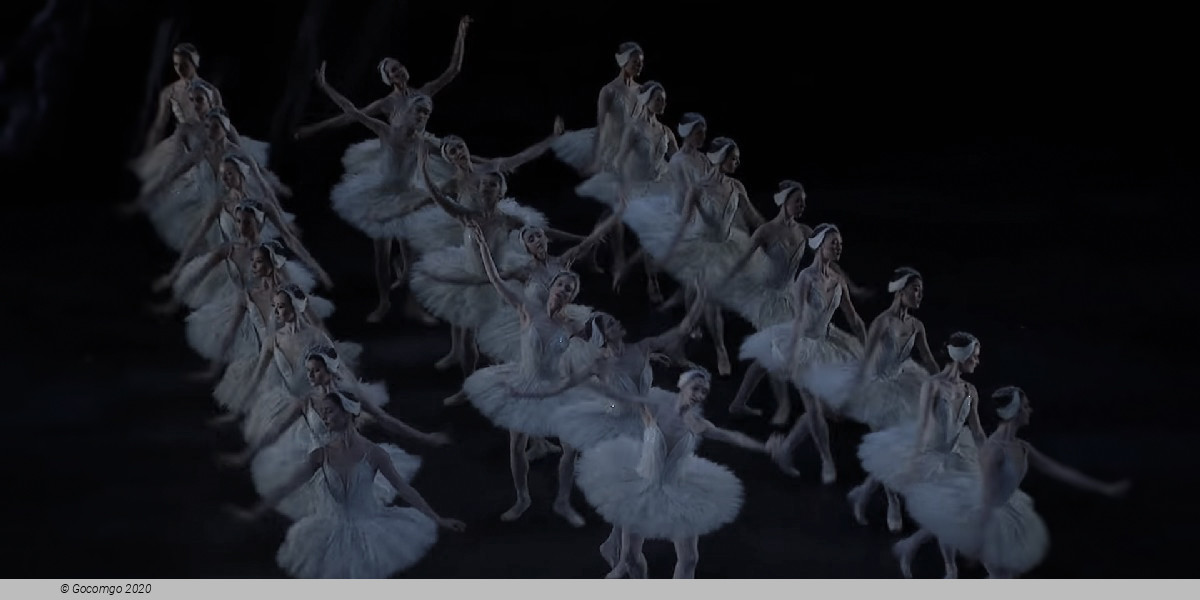
The "Valse des cygnes" from act 2 of the Ivanov/Petipa edition of Swan Lake
Siegfried has become separated from his friends. He arrives at the lakeside clearing, just as a flock of swans land [Scène. Moderato]. He aims his crossbow [Scène. Allegro moderato], but freezes when one of them transforms into a beautiful maiden, Odette [Scène. Moderato]. At first, she is terrified of Siegfried. When he promises not to harm her, she explains she and her companions are victims of a spell cast by the evil owl-like sorcerer Rothbart. By day they are turned into swans and only at night, by the side of the enchanted lake – created from the tears of Odette's mother – do they return to human form. The spell can only be broken if one who has never loved before swears to love Odette forever. Rothbart suddenly appears [Scène. Allegro vivo]. Siegfried threatens to kill him but Odette intercedes – if Rothbart dies before the spell is broken, it can never be undone.

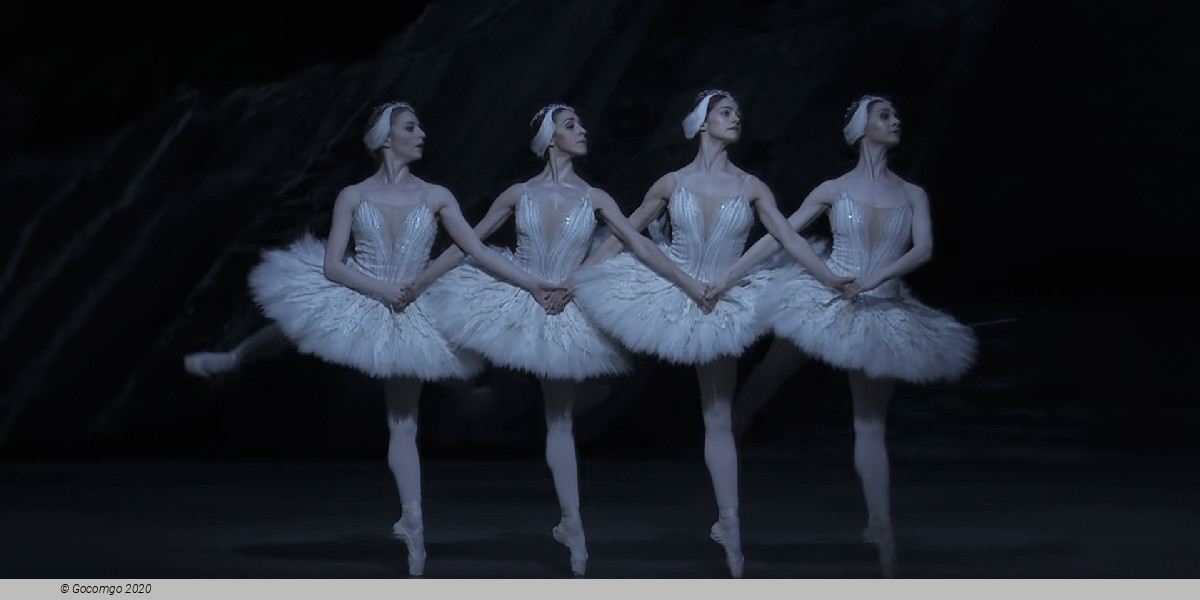
As Rothbart disappears, the swan maidens fill the clearing [Scène: Allegro, Moderato assai quasi andante]. Siegfried breaks his crossbow, and sets about winning Odette's trust as the two fall in love. But as dawn arrives, the evil spell draws Odette and her companions back to the lake and they are turned into swans again.

Act 3

An opulent hall in the palace

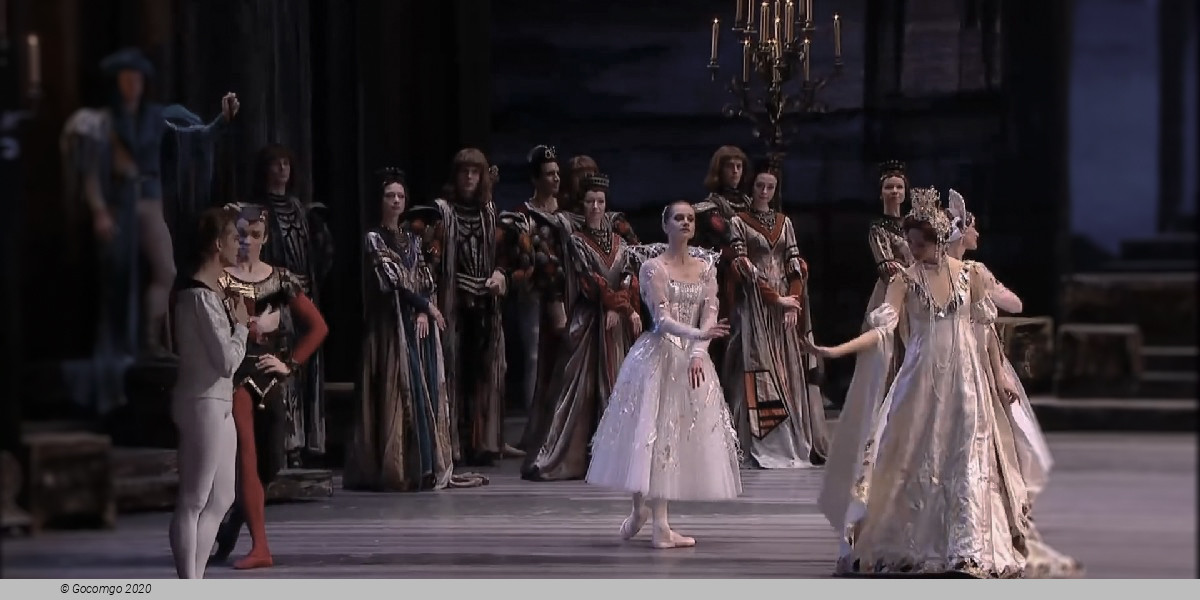
Guests arrive at the palace for a costume ball. Six princesses are presented to the prince [Entrance of the Guests and Waltz], as candidates for marriage. Rothbart arrives in disguise [Scène: Allegro, Allegro giusto] with his daughter, Odile, who is transformed to look like Odette. Though the princesses try to attract the prince with their dances [Pas de six], Siegfried has eyes only for Odile. [Scène: Allegro, Tempo di valse, Allegro vivo] Odette appears (usually at the castle window) and attempts to warn Siegfried, but he does not see her. He then proclaims to the court that he will marry "Odette" (Odile) before Rothbart shows him a magical vision of Odette. Grief-stricken and realizing his mistake, Siegfried hurries back to the lake.

Act 4

By the lakeside

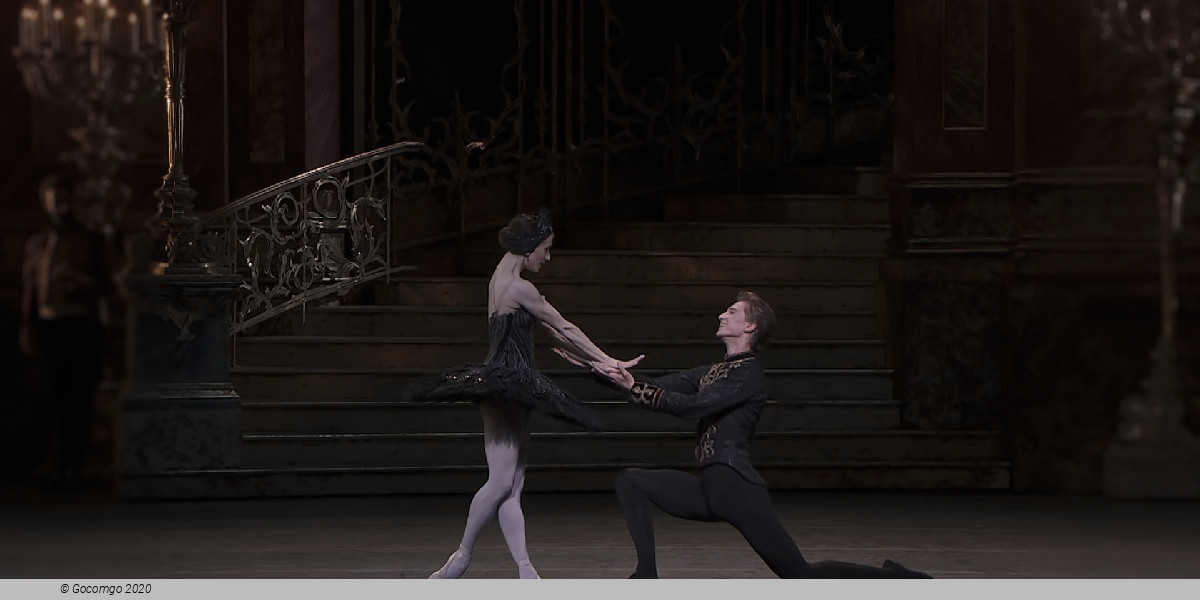
Odette is distraught. The swan-maidens try to comfort her. Siegfried returns to the lake and makes a passionate apology. She forgives him, but his betrayal cannot be undone. Rather than remain a swan forever, Odette chooses to die. Siegfried chooses to die with her and they leap into the lake. This breaks Rothbart's spell over the swan maidens, causing him to lose his power over them and he dies. In an apotheosis, the swan maidens watch as Siegfried and Odette ascend into the Heavens together, forever united in love.

Venue Info

National Opera and Ballet of Bulgaria - Sofia
Location   bul. Kniaz Aleksandar Dondukov 30

The National Opera and Ballet is a national cultural institution in Bulgaria that covers opera and ballet. It is based in an imposing building in Sofia, the capital of Bulgaria. The first opera company in Bulgaria was founded in 1890 as part of the Capital Opera and Drama Company. The two sections split in 1891 to form the Salza i Smyah theatrical company and the Capital Bulgarian Opera. It was, however, disbanded the next year due to lack of government funding and financial difficulties.

The Bulgarian Opera Society was established in 1908 and staged its first test performance. The first full opera was performed in 1909 — Pagliacci by Leoncavallo. The first Bulgarian opera works were also presented in the period, including Siromahkinya by Emanuil Manolov, Kamen i Tsena by Ivan Ivanov and Václav Kaucký, Borislav by Georgi Atanasov and Tahir Begovitsa by Dimitar Hadzhigeorgiev.

As the company evolved under the ensemble system and style, the permanent troupe of soloists, choir, orchestra, ballet, technical and production teams produced up to 10 opera and ballet premieres a year, in addition to concert programs. Gradually, the basic repertory of world opera classics was established at the same time as the theatre began to attract Bulgarian composers who created new national works. 20th Century performers such as Nicolai Ghiaurov, Nicola Ghiuselev, and Ghena Dimitrova began their careers within the structure of the National Opera, as did later singers such as Irena Petkova and Kiril Manolov.

The institution became a national one in 1922 and changed its name to National Opera. A ballet company was established and gave its first performance in 1928. The opera ceased its activity for a while after the 1944 bombing of Sofia, but was restored shortly afterward with a significant increase of government funding.

The National Opera and Ballet's building was designed in 1921 and built for the most part between 1947 and its opening in 1953.

In 2000, the company co-organized the Boris Christoff Twelfth International Competition for Young Opera Singers with the idea of attracting a younger audience and supporting young and upcoming singers.

The repertoire historically tended to favour the Italian and French repertoire with little Wagnerian tradition, although since 2010, the artistic director of the opera company Plamen Kartaloff began a Ring Cycle with entirely Bulgarian casts. Following the entry of Parsifal and Tristan und Isolde into the repertoire, the complete cycle was performed both in Moscow and Sofia during 2018.

Important Info
Type: Ballet
City: Sofia, Bulgaria
Acts: 4

E-tickets: Print at home or at the box office of the event if so specified. You will find more information in your booking confirmation email.

You can only select the category, and not the exact seats.
If you order 2 or 3 tickets: your seats will be next to each other.
If you order 4 or more tickets: your seats will be next to each other, or, if this is not possible, we will provide a combination of groups of seats (at least in pairs, for example 2+2 or 2+3).

Top of page