
Hungarian State Opera House: Crème brûlée Tickets | Event Dates & Schedule | GoComGo.com

Crème brûlée Tickets

Hungarian State Opera House, Budapest, Hungary
Important Info
Type: Modern Ballet
City: Budapest, Hungary
Duration: 2h 35min with 2 intervals
Acts: 3
Intervals: 2

E-tickets: Print at home or at the box office of the event if so specified. You will find more information in your booking confirmation email.

You can only select the category, and not the exact seats.
If you order 2 or 3 tickets: your seats will be next to each other.
If you order 4 or more tickets: your seats will be next to each other, or, if this is not possible, we will provide a combination of groups of seats (at least in pairs, for example 2+2 or 2+3).

Cast
Performers
Choose the date to see the peformers
Overview

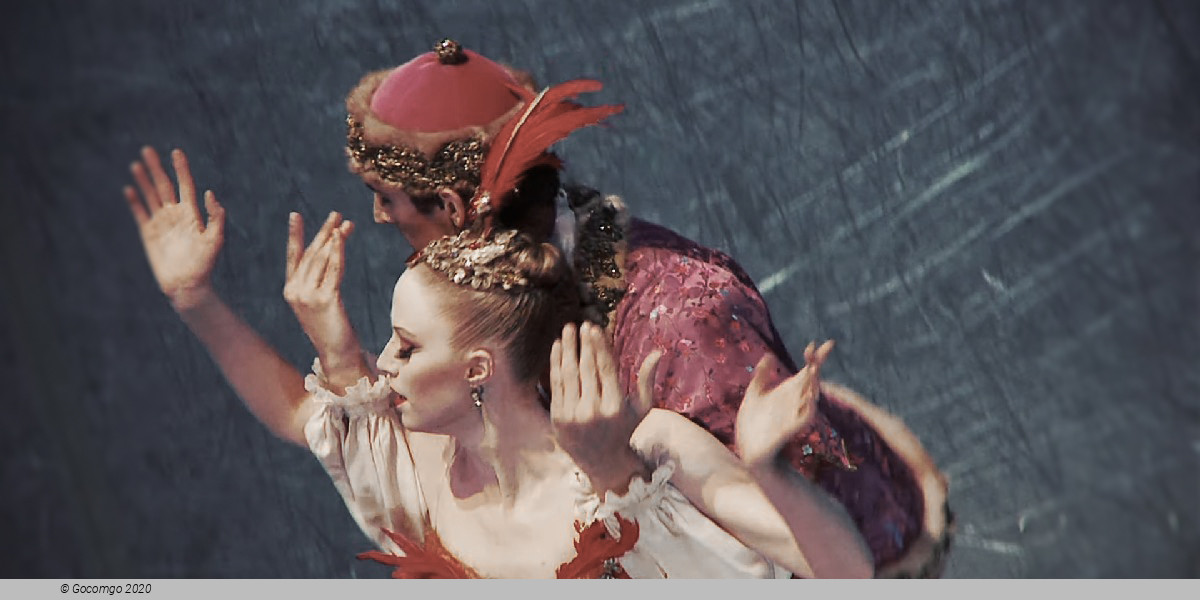
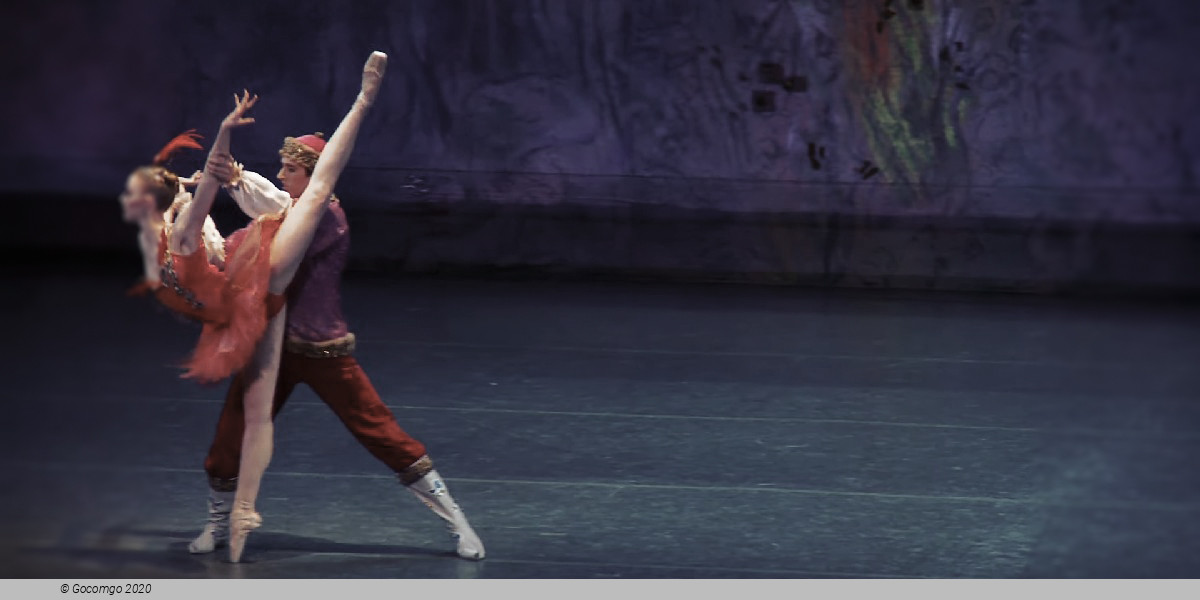
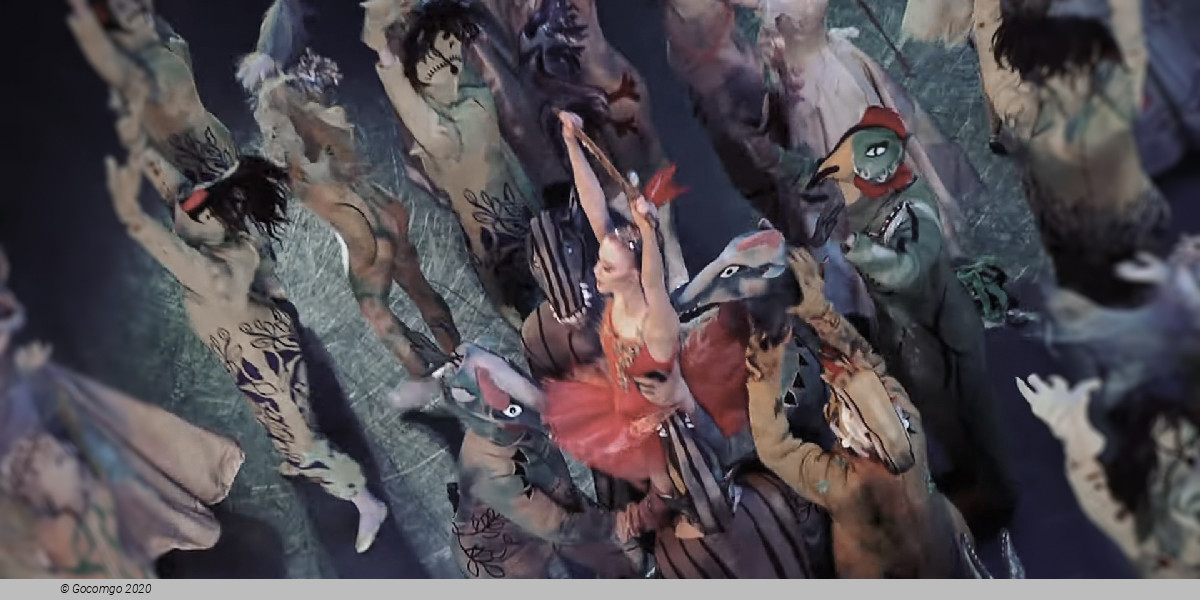
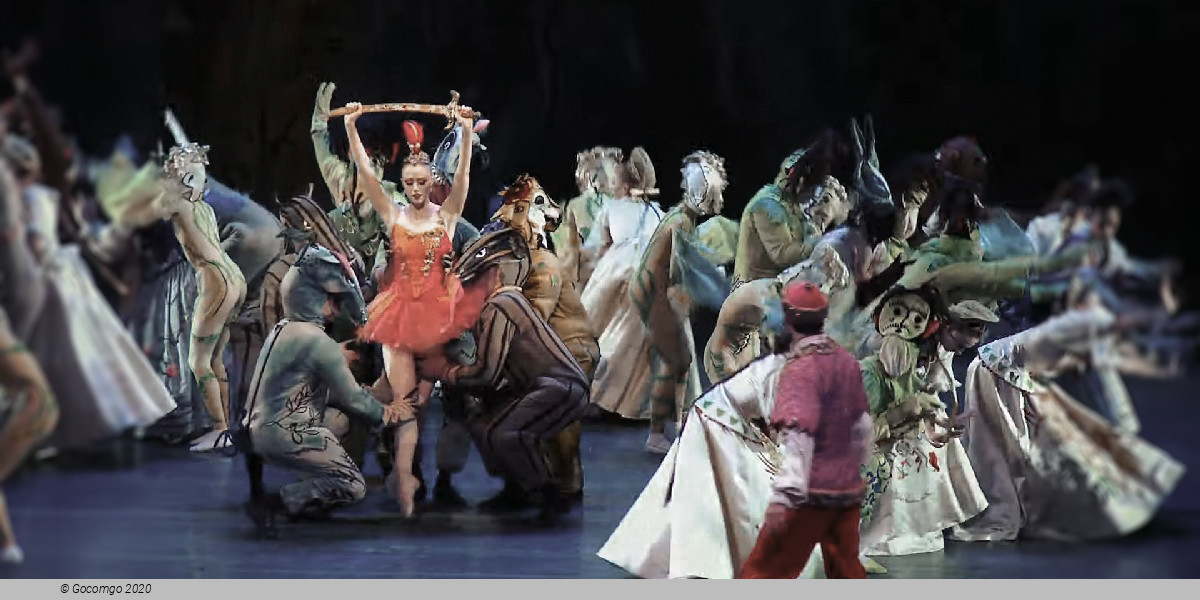
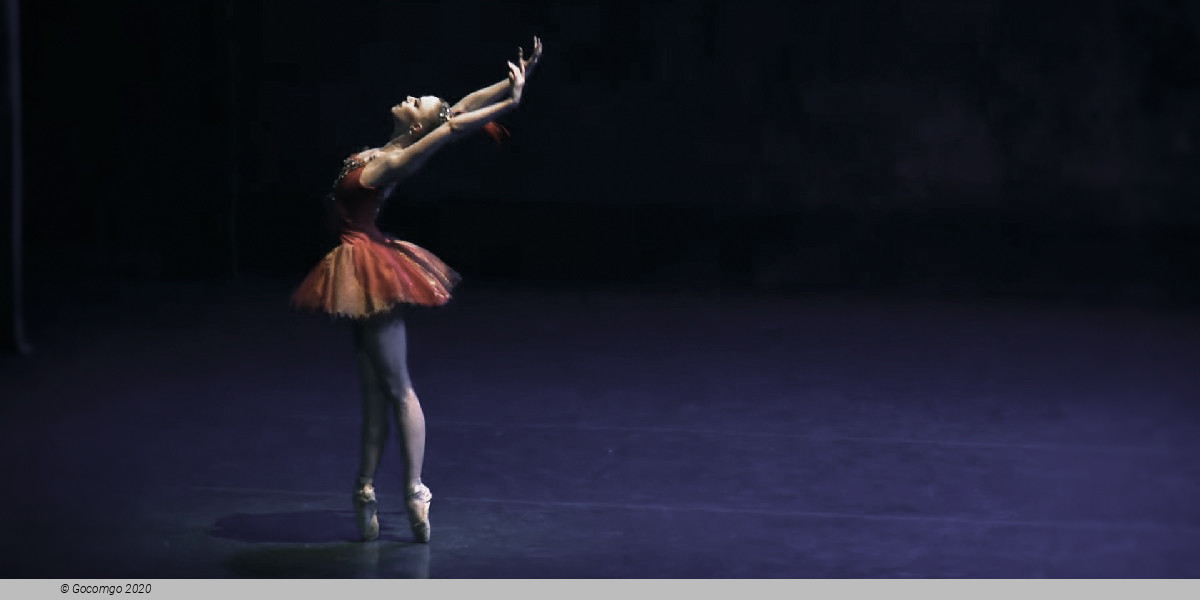
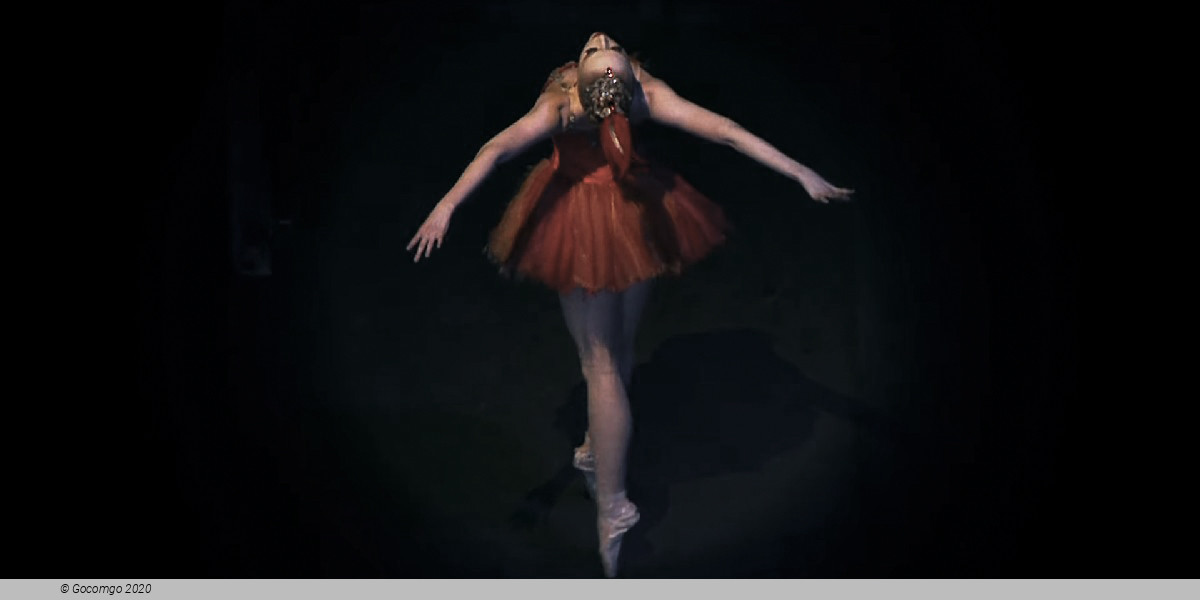
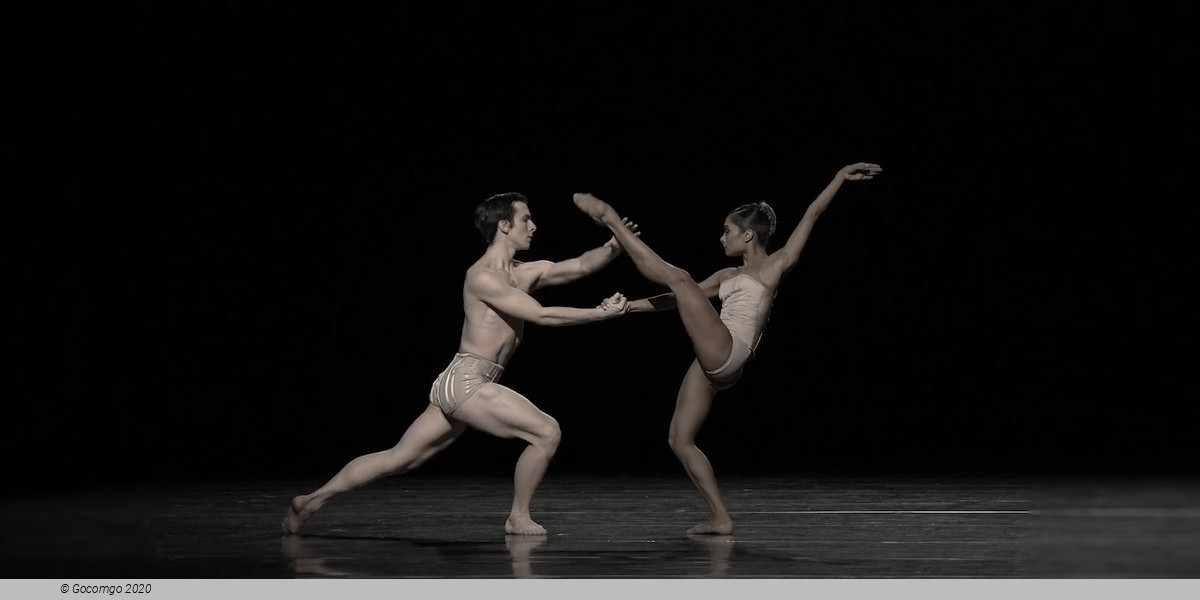
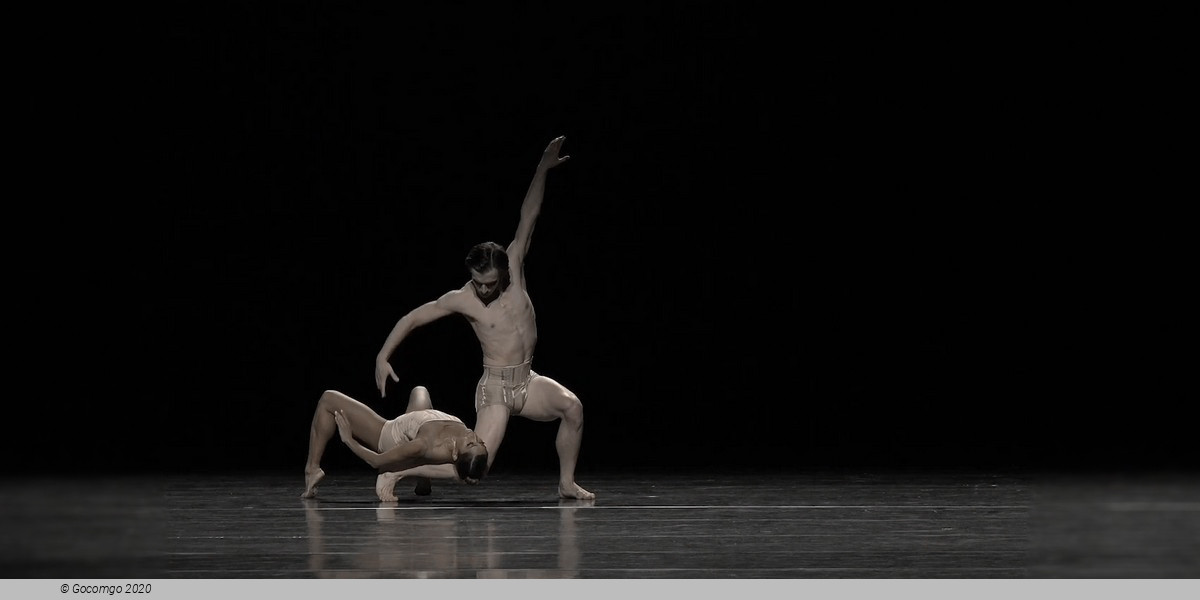
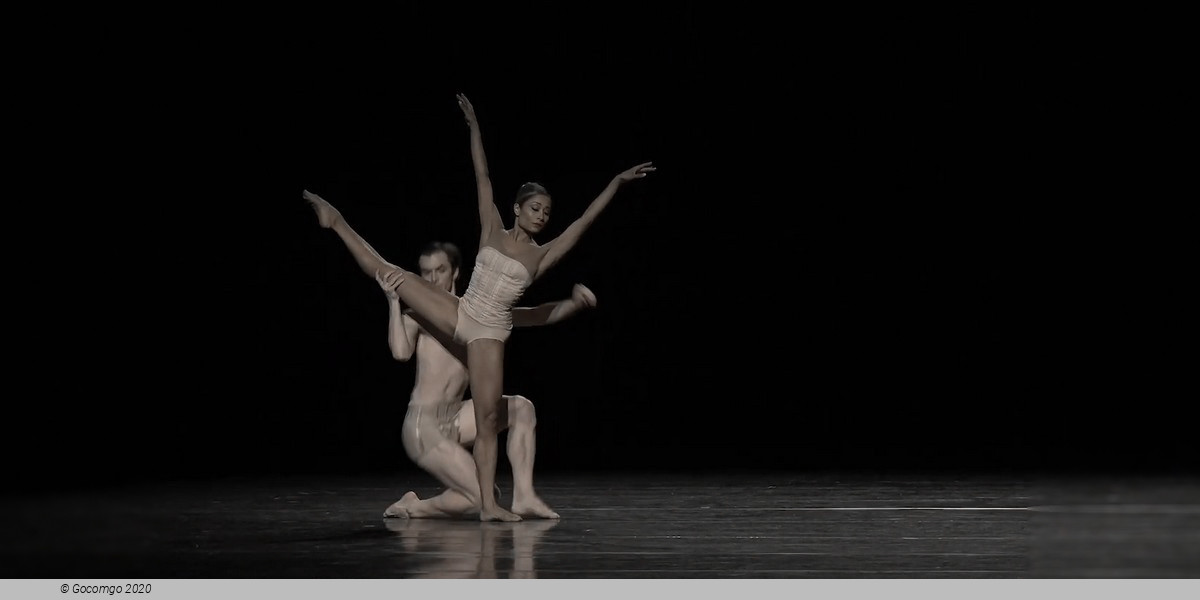
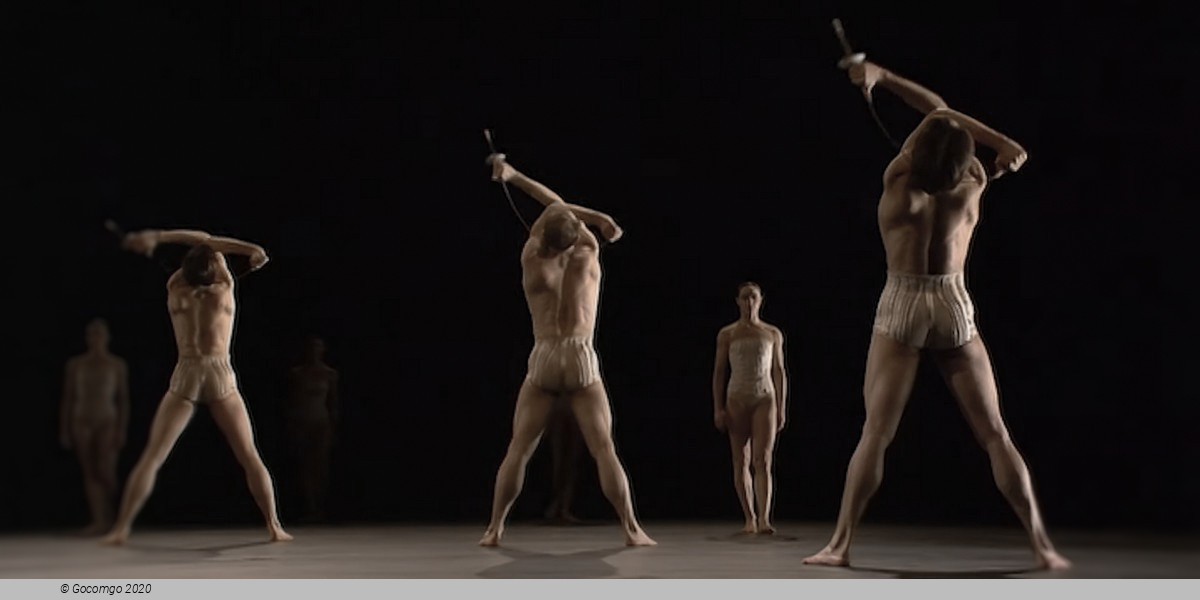
Stravinsky, Gluck, Mozart… Three influential composers meet through choreographies created to their music in this programme for fans of classical music and ballet. Firebirds is a new production focusing on female instincts with an ironic, grotesque undertone created to the music of Stravinsky by Marianna Venekei. Thierry Malandain’s Don Juan with music by Gluck is presented in Hungary for the first time, whereas two audience favourites, Petite mort and Six Dances by Jiří Kylián accompanied by Mozart’s melodies also return to the stage.

History
Premiere of this production: 25 June 1910, Théâtre de l´Opéra, Paris

The Firebird is a ballet and orchestral concert work by the Russian composer Igor Stravinsky. It was written for the 1910 Paris season of Sergei Diaghilev's Ballets Russes company; the original choreography was by Michel Fokine, with a scenario by Alexandre Benois and Fokine based on the Russian fairy tales of the Firebird and the blessing and curse it possesses for its owner.

Premiere of this production: 17 October 1761, Theater am Kärntnertor

Don Juan ou Le Festin de Pierre (Don Juan, or the Stone Guest's Banquet) is a ballet with a libretto by Ranieri de' Calzabigi, music by Christoph Willibald von Gluck, and choreography by Gasparo Angiolini. The ballet's first performance was in Vienna, Austria on Saturday, 17 October 1761, at the Theater am Kärntnertor. Its innovation in the history of ballet, coming a year before Gluck's radical reform of opera seria with his Orfeo ed Euridice (1762), was its coherent narrative element, though the series of conventional divertissement dances in the second act lies within the well-established ballet tradition of an entr'acte effecting a pause in the story-telling. The ballet follows the legend of Don Juan and his descent into Hell after killing his inamorata's father in a duel.

Drawing from the abundance of his dancing imagination, Jiří Kylián has kept audiences and experts in suspense with his choreographies for decades. One of his most performed works is Petite Mort. This work is based on the extremely popular Adagio movements from Wolfgang Amadeus Mozart's Piano Concertos No. 21 and 23. The beguiling intensity of these slow musical movements forms the counterpoint to an energetic display of male and female attributes that allude elegantly and ambiguously to the sexual ritual of aggression, energy and vulnerability, to the "little death".

The delightfully absurd Six Dances (1986) is based on Wolfgang Amadeus Mozart’s Sechs Tänze, this work for eight dancers is bewigged entertainment full of self-deprecating humour that culminates in sheer buffoonery. In the face of conflict and unrest, Kylián’s virtuosic burlesque is, as it were, the last refuge of the doomed.

Venue Info

Hungarian State Opera House - Budapest
Location   Andrássy út 22

The Hungarian State Opera House (Hungarian: Magyar Állami Operaház) is a neo-Renaissance opera house located in central Budapest, on Andrássy út. The Hungarian State Opera House is the main opera house of the country and the second largest opera house in Budapest and in Hungary. Today, the opera house is home to the Budapest Opera Ball, a society event dating back to 1886. The Theatre was designed by Miklós Ybl, a major figure of 19th-century Hungarian architecture.

Construction began in 1875, funded by the city of Budapest and by Emperor Franz Joseph I of Austria-Hungary, and the new house opened to the public on the 27 September 1884. Before the closure of the "Népszínház" in Budapest, it was the third largest opera building in the city; today it is the second largest opera house in Budapest and in Hungary.

Touring groups had performed operas in the city from the early 19th century, but as Legány notes, "a new epoch began after 1835 when part of the Kasa National Opera and Theatrical Troupe arrived in Buda". They took over the Castle Theatre and, in 1835, were joined by another part of the troupe, after which performances of operas were given under conductor Ferenc Erkel. By 1837 they had established themselves at the Magyar Színház (Hungarian Theatre) and by 1840, it had become the "Nemzeti Színház" (National Theatre). Upon its completion, the opera section moved into the Hungarian Royal Opera House, with performances quickly gaining a reputation for excellence in a repertory of about 45 to 50 operas and about 130 annual performances. 

Many important artists were guests here including the composer Gustav Mahler, who was director in Budapest from 1888 to 1891 and Otto Klemperer, who was music director for three years from 1947 to 1950.

It is a richly decorated building and is considered one of the architect's masterpieces. It was built in neo-Renaissance style, with elements of Baroque. Ornamentation includes paintings and sculptures by leading figures of Hungarian art including Bertalan Székely, Mór Than, and Károly Lotz. Although in size and capacity it is not among the greatest, in beauty and the quality of acoustics the Budapest Opera House is considered to be amongst the finest opera houses in the world.

The auditorium holds 1,261 people. It is horseshoe-shaped and – according to measurements done in the 1970s by a group of international engineers – has the third best acoustics in Europe after La Scala in Milan and the Palais Garnier in Paris. Although many opera houses have been built since the Budapest Opera House is still among the best in terms of acoustics.

In front of the building are statues of Ferenc Erkel and Franz Liszt. Liszt is the best-known Hungarian composer. Erkel composed the Hungarian national anthem, and was the first music director of the Opera House; he was also the founder of the Budapest Philharmonic Orchestra.

Each year the season lasts from September to the end of June and, in addition to opera performances, the House is home to the Hungarian National Ballet.

There are guided tours of the building in six languages (English, German, Spanish, French, Italian, and Hungarian) almost every day.

Important Info
Type: Modern Ballet
City: Budapest, Hungary
Duration: 2h 35min with 2 intervals
Acts: 3
Intervals: 2

E-tickets: Print at home or at the box office of the event if so specified. You will find more information in your booking confirmation email.

You can only select the category, and not the exact seats.
If you order 2 or 3 tickets: your seats will be next to each other.
If you order 4 or more tickets: your seats will be next to each other, or, if this is not possible, we will provide a combination of groups of seats (at least in pairs, for example 2+2 or 2+3).

Top of page