
Beijing National Grand Theater (NCPA) tickets 20 February 2026 - Swan Lake Performed by Shanghai Ballet | GoComGo.com

Swan Lake Performed by Shanghai Ballet

Beijing National Grand Theater (NCPA), Opera House, Beijing, China
All photos (12)
Select date and time
7 PM
From
US$ 84

E-tickets: Print at home or at the box office of the event if so specified. You will find more information in your booking confirmation email.

You can only select the category, and not the exact seats.
If you order 2 or 3 tickets: your seats will be next to each other.
If you order 4 or more tickets: your seats will be next to each other, or, if this is not possible, we will provide a combination of groups of seats (at least in pairs, for example 2+2 or 2+3).

Important Info
Type: Ballet
City: Beijing, China
Starts at: 19:00
Duration: 2h 30min

E-tickets: Print at home or at the box office of the event if so specified. You will find more information in your booking confirmation email.

You can only select the category, and not the exact seats.
If you order 2 or 3 tickets: your seats will be next to each other.
If you order 4 or more tickets: your seats will be next to each other, or, if this is not possible, we will provide a combination of groups of seats (at least in pairs, for example 2+2 or 2+3).

Cast
Performers
Ballet company: Shanghai Ballet
Creators
Composer: Pyotr Tchaikovsky
Choreographer: Derek Dean
Choreography: Marius Petipa
Overview

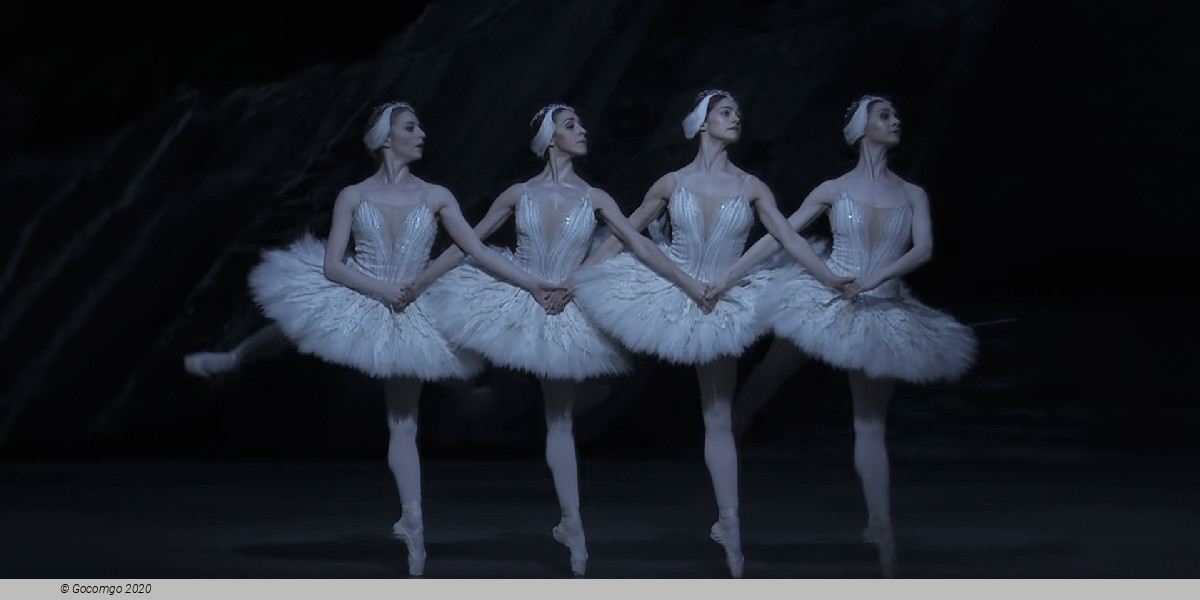
Since 1895 till date, Swan Lake has won its accolade in the world's ballet scene for over 120 years. It exudes an air of purity, with stunning ballet techniques that keep it in the top tier of the classical ballet repertoire.

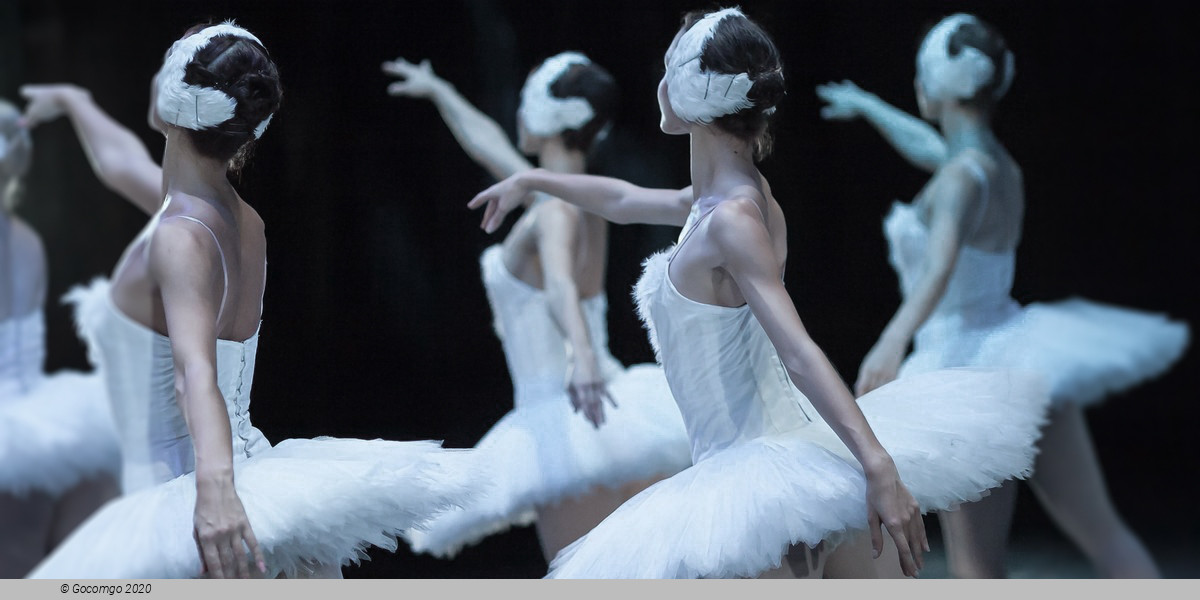
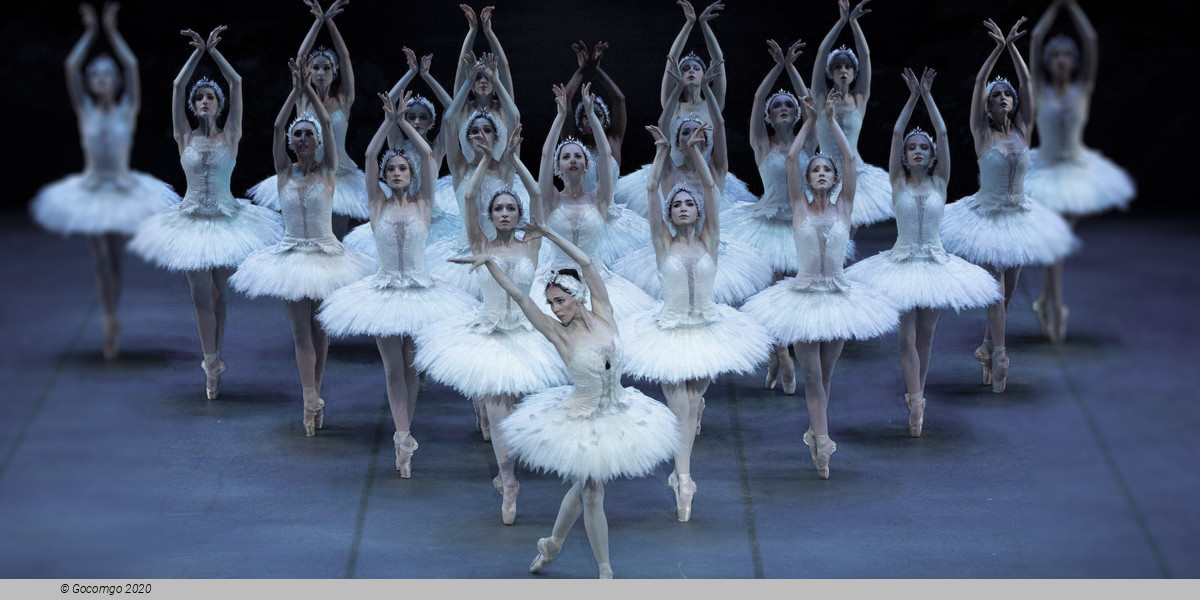
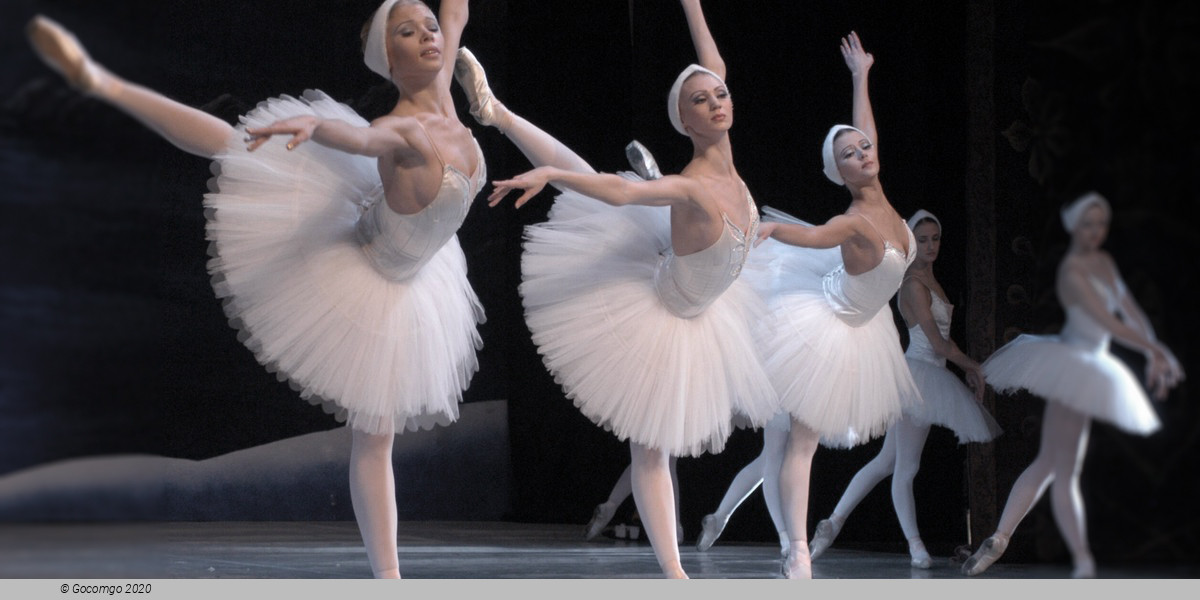
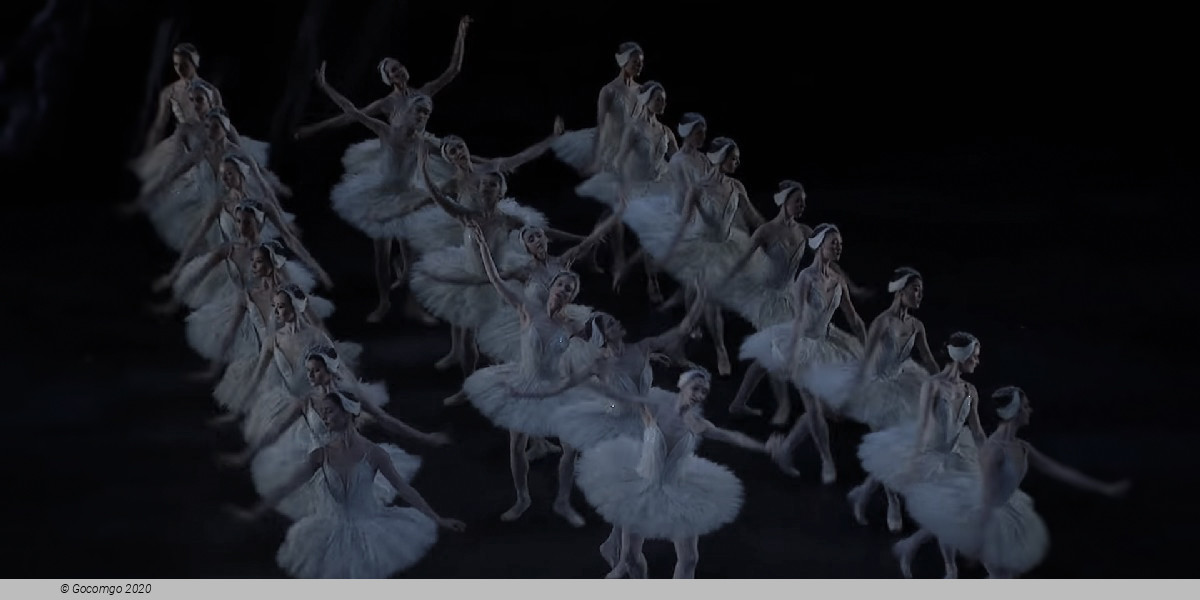
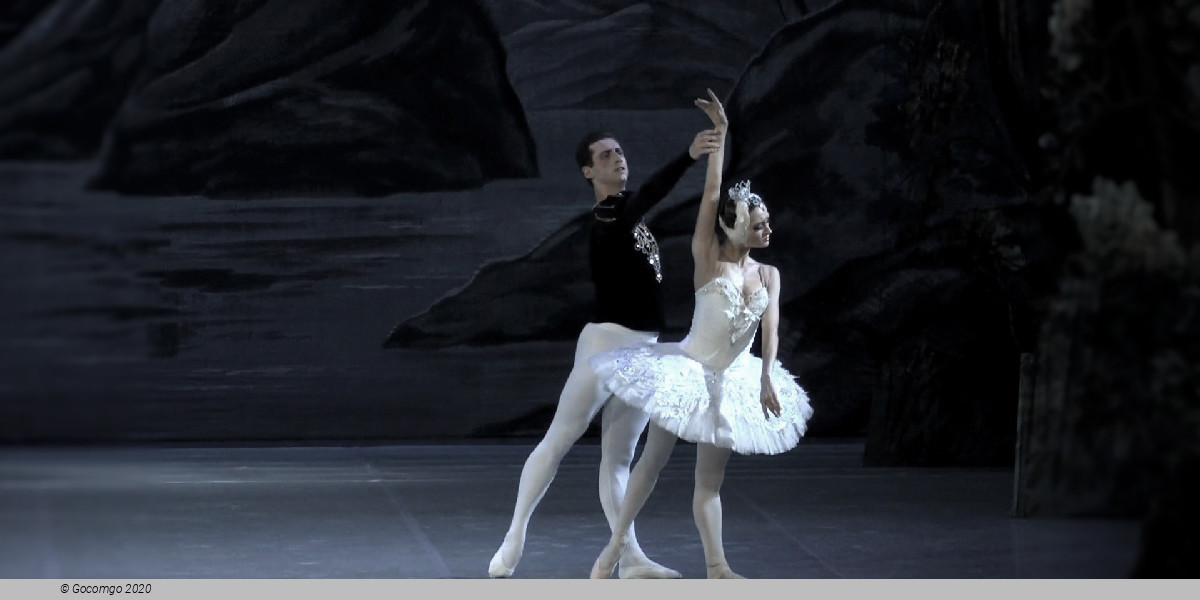
Shanghai Ballet invited Derek Deane, former Artistic Director at English National Ballet, as Choreographer of the Grand Version of Swan Lake, who puts together an ocean of swans which is unprecedented in the ballet world. The most charismatic star dancers, the largest corp de ballet, accompanied by the magnificent live orchestra, will be a perfect combination attributed to the 123 years old classic masterpiece.

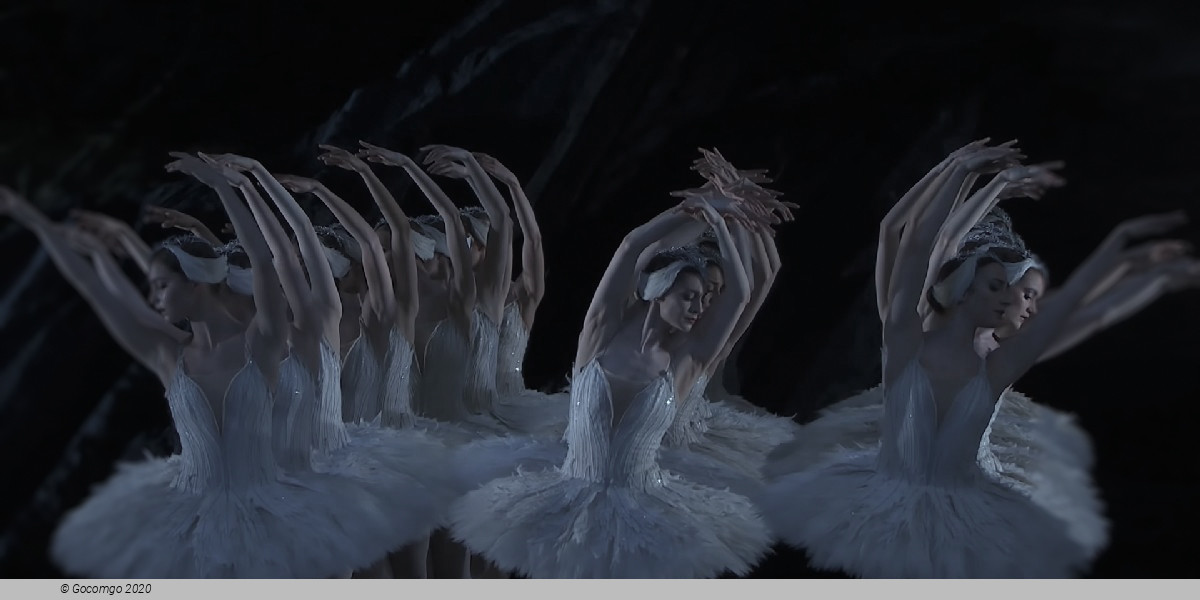
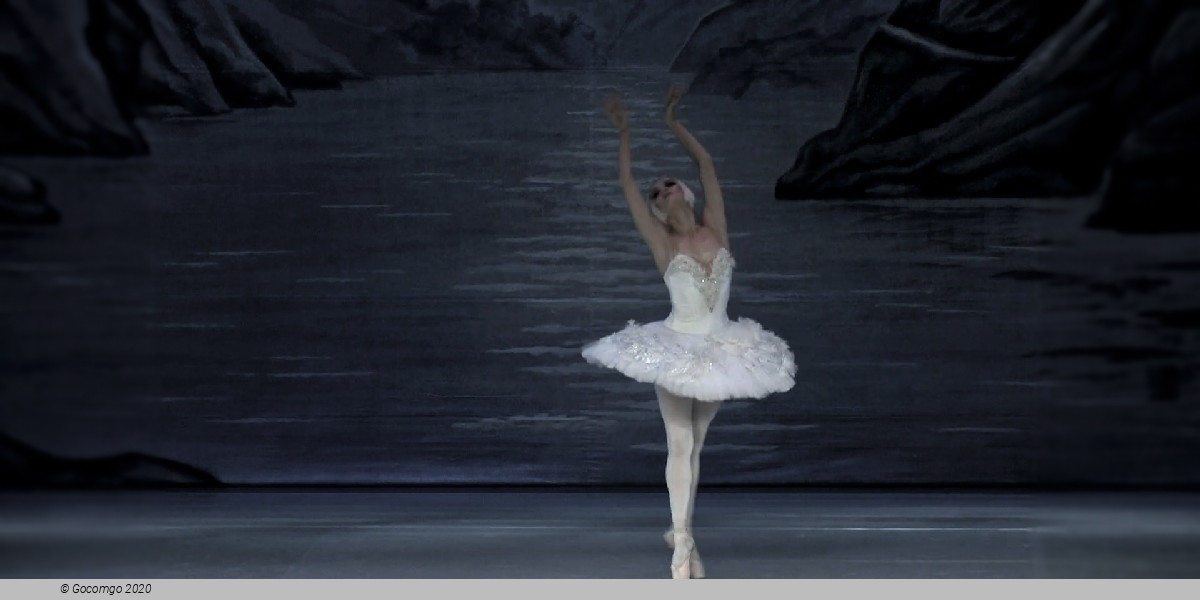
Shanghai Ballet’s acclaimed Swan Lake returns, bringing its breathtaking spectacle to the stage. Choreographed by Derek Deane, this version features an unprecedented 48-swans formation—a stunning "sea of swans" that took the ballet world by storm. The grand scale, exquisite set design, and Tchaikovsky’s timeless score create a performance of sheer elegance and artistry.

Since its debut in 2015, this Swan Lake has captivated audiences in China and abroad, including Europe, Australia, and the United States’ Lincoln Center. It’s a romantic and visually stunning masterpiece that showcases the charm of Shanghai Ballet and its dancers' precision, grace, and beauty.

History
Premiere of this production: 04 March 1877, Bolshoi Theatre, Moscow

Swan Lake is a ballet composed by Pyotr Ilyich Tchaikovsky in 1875–76. Despite its initial failure, it is now one of the most popular of all ballets. Swan Lake is the ballet which embodies the soul of Russian art. The combination of brilliant music and choreography creates a special kind of magic; what the great 20th century choreographer George Balanchine had in mind when he famously said, “One should call every ballet Swan Lake because then people would come.”

Synopsis

Swan Lake is generally presented in either four acts, four scenes (primarily outside Russia and Eastern Europe) or three acts, four scenes (primarily in Russia and Eastern Europe). The biggest difference of productions all over the world is that the ending, originally tragic, is now sometimes altered to a happy ending.

Prologue
Some productions include a prologue that shows how Odette first meets Rothbart, who turns Odette into a swan.

Act 1

A magnificent park before a palace

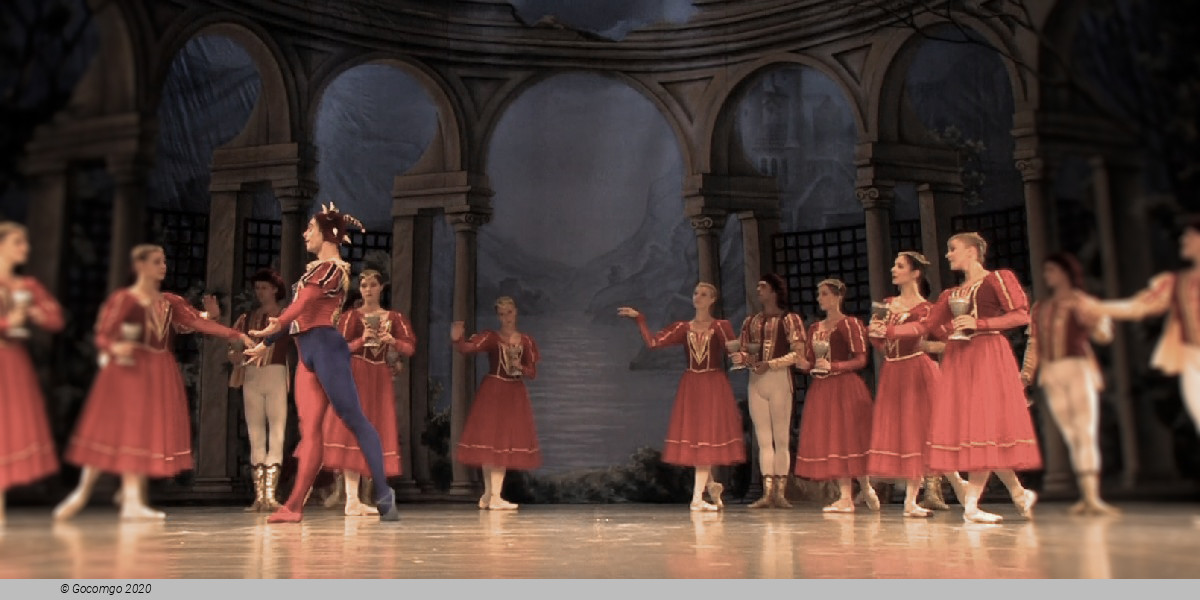
[Scène: Allegro giusto] Prince Siegfried is celebrating his birthday with his tutor, friends and peasants [Waltz]. The revelries are interrupted by Siegfried's mother, the Queen [Scène: Allegro moderato], who is concerned about her son's carefree lifestyle. She tells him that he must choose a bride at the royal ball the following evening (some productions include the presentation of some possible candidates). Siegfried is upset that he cannot marry for love. His friend Benno and the tutor try to lift his troubled mood. As evening falls [Sujet], Benno sees a flock of swans flying overhead and suggests they go on a hunt [Finale I]. Siegfried and his friends take their crossbows and set off in pursuit of the swans.

Act 2

A lakeside clearing in a forest by the ruins of a chapel. A moonlit night.

The "Valse des cygnes" from act 2 of the Ivanov/Petipa edition of Swan Lake
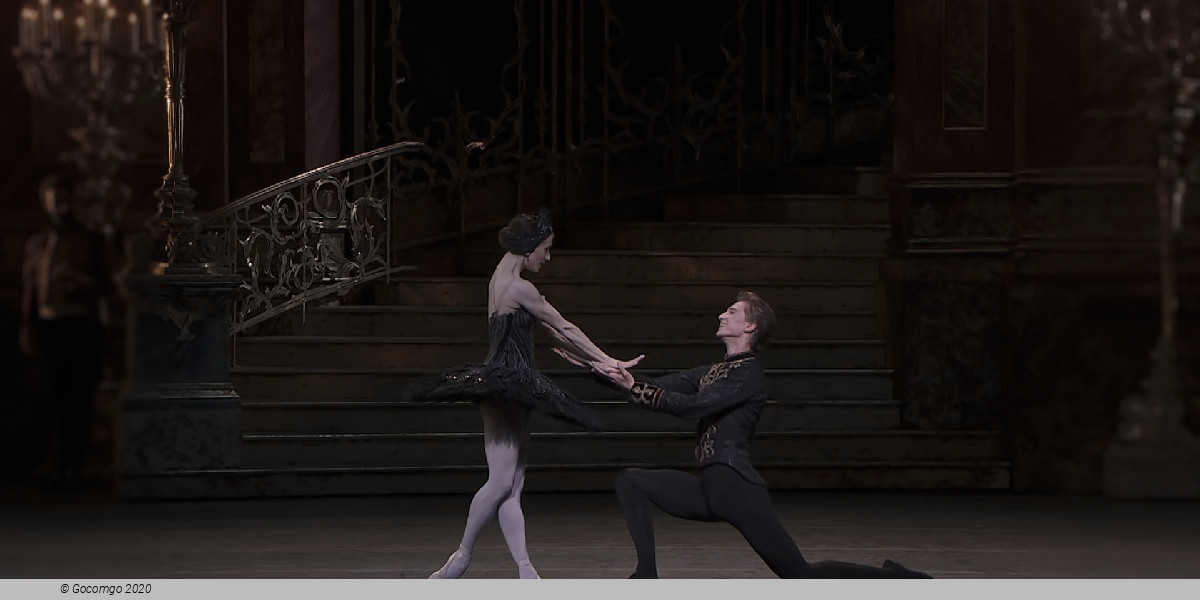
Siegfried has become separated from his friends. He arrives at the lakeside clearing, just as a flock of swans land [Scène. Moderato]. He aims his crossbow [Scène. Allegro moderato], but freezes when one of them transforms into a beautiful maiden, Odette [Scène. Moderato]. At first, she is terrified of Siegfried. When he promises not to harm her, she explains she and her companions are victims of a spell cast by the evil owl-like sorcerer Rothbart. By day they are turned into swans and only at night, by the side of the enchanted lake – created from the tears of Odette's mother – do they return to human form. The spell can only be broken if one who has never loved before swears to love Odette forever. Rothbart suddenly appears [Scène. Allegro vivo]. Siegfried threatens to kill him but Odette intercedes – if Rothbart dies before the spell is broken, it can never be undone.

As Rothbart disappears, the swan maidens fill the clearing [Scène: Allegro, Moderato assai quasi andante]. Siegfried breaks his crossbow, and sets about winning Odette's trust as the two fall in love. But as dawn arrives, the evil spell draws Odette and her companions back to the lake and they are turned into swans again.

Act 3

An opulent hall in the palace

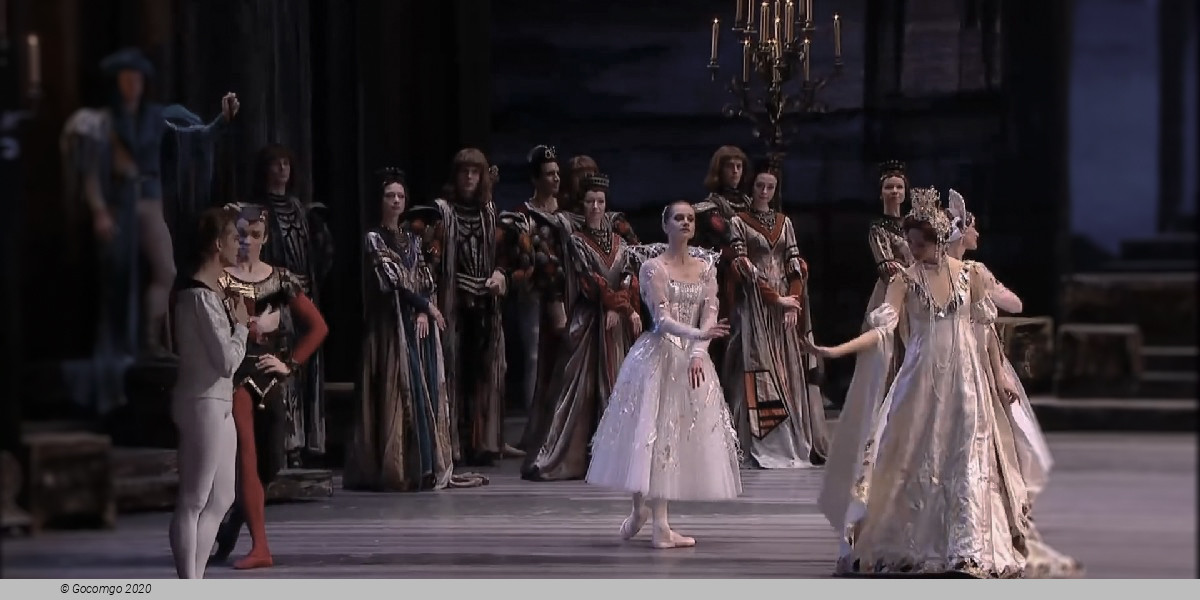
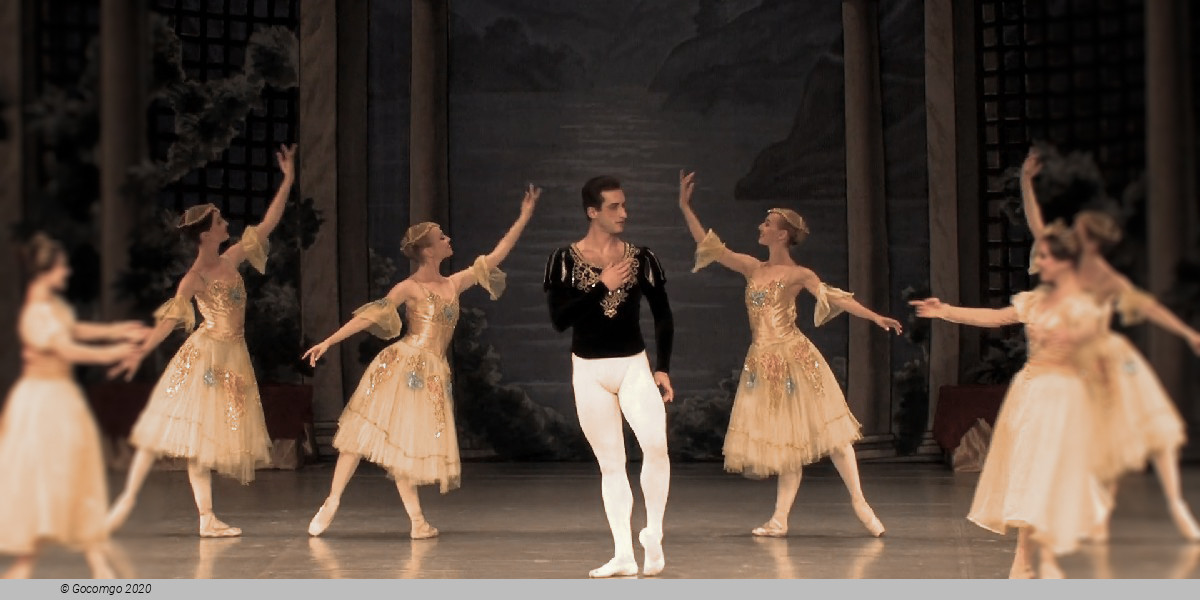
Guests arrive at the palace for a costume ball. Six princesses are presented to the prince [Entrance of the Guests and Waltz], as candidates for marriage. Rothbart arrives in disguise [Scène: Allegro, Allegro giusto] with his daughter, Odile, who is transformed to look like Odette. Though the princesses try to attract the prince with their dances [Pas de six], Siegfried has eyes only for Odile. [Scène: Allegro, Tempo di valse, Allegro vivo] Odette appears (usually at the castle window) and attempts to warn Siegfried, but he does not see her. He then proclaims to the court that he will marry "Odette" (Odile) before Rothbart shows him a magical vision of Odette. Grief-stricken and realizing his mistake, Siegfried hurries back to the lake.

Act 4

By the lakeside

Odette is distraught. The swan-maidens try to comfort her. Siegfried returns to the lake and makes a passionate apology. She forgives him, but his betrayal cannot be undone. Rather than remain a swan forever, Odette chooses to die. Siegfried chooses to die with her and they leap into the lake. This breaks Rothbart's spell over the swan maidens, causing him to lose his power over them and he dies. In an apotheosis, the swan maidens watch as Siegfried and Odette ascend into the Heavens together, forever united in love.

Venue Info

Beijing National Grand Theater (NCPA) - Beijing
Location   2 W Chang'an Ave

The National Centre for the Performing Arts (NCPA) is an arts centre containing an opera house in Beijing, People's Republic of China. The Centre, an ellipsoid dome of titanium and glass surrounded by an artificial lake, seats 5,452 people in three halls and is almost 12,000 m² in size. It was designed by French architect Paul Andreu. Construction started in December 2001 and the inaugural concert was held in December 2007.

The exterior of the theater is a titanium-accented glass dome that is completely surrounded by a man-made lake. It is said to look like an egg floating on water, or a water drop. It was designed as an iconic feature, something that would be immediately recognizable.

The dome measures 212 meters in east–west direction, 144 meters in north–south direction, and is 46 meters high. The main entrance is at the north side. Guests arrive in the building after walking through a hallway that goes underneath the lake. The titanium shell is broken by a glass curtain in north–south direction that gradually widens from top to bottom.

The location, immediately to the west of Tiananmen Square and the Great Hall of the People, and near the Forbidden City, combined with the theatre's futuristic design, created considerable controversy. Paul Andreu countered that although there is indeed value in ancient traditional Chinese architecture, Beijing must also include modern architecture, as the capital of the country and an international city of great importance. His design, with large open space, water, trees, was specially designed to complement the red walls of ancient buildings and the Great Hall of the People, in order to melt into the surroundings as opposed to standing out against them.

Internally, there are three major performance halls:

The Opera Hall is used for operas, ballet, and dances and seats 2,416 people.
The Music Hall is used for concerts and recitals and seats 2,017 people.
The Theatre Hall is used for plays and the Beijing opera. It has 1,040 seats.
The NCPA also distributes filmed and recorded performances of its concerts, plays and operas through the in-house label NCPA Classics, established in 2016.

The initial planned cost of the theatre was 2.688 billion yuan. When the construction had completed, the total cost rose to more than CNY3.2 billion. The major cause of the cost increase was a delay for reevaluation and subsequent minor changes as a precaution after a Paris airport terminal building collapsed. The cost has been a major source of controversy because many believed that it is nearly impossible to recover the investment. When the cost is averaged out, each seat is worth about half a million CNY. The Chinese government answered that the theater is not a for profit venture.

The government sanctioned study completed in 2004 by the Research Academy of Economic & Social Development of the Dongbei University of Finance and Economics, of the upkeep costs of the building were publicized in domestic Chinese media:

The water and electricity bills and the cleaning cost for the external surface would be at least tens of millions CNY, and with another maintenance cost, the total could easily exceed one billion CNY. Therefore, at least 80 percent of the annual operational costs must be subsidized by the government for at least the first three years after the opening, and for the rest of its operational life, at least 60 percent of the annual operational cost must be subsidized by the government.

The director of the art committee of the National Centre for the Performing Arts and the standing committee member of the Standing Committee of the Chinese People's Political Consultative Conference, Mr Wu Zuqiang (吴祖强) and the publicist / deputy director of the National Centre for the Performing Arts Mr Deng (邓一江) have announced that 70 percent of the tickets would be sold at low price for ordinary citizens, while 10% of the tickets would be sold at relatively expensive prices for separate market segments, and the 60% of annual operating cost needed to be subsidized by the government would be divided between the central government and the Beijing municipal government.

Important Info
Type: Ballet
City: Beijing, China
Starts at: 19:00
Duration: 2h 30min
Top of page