








Beijing National Grand Theater (NCPA) tickets 6 December 2026 - Eifman Ballet of St. Petersburg – Eugene Onegin | GoComGo.com

Eifman Ballet of St. Petersburg – Eugene Onegin

Beijing National Grand Theater (NCPA), Opera House, Beijing, China
All photos (10)
Select date and time
2 PM
From
US$ 80

E-tickets: Print at home or at the box office of the event if so specified. You will find more information in your booking confirmation email.

You can only select the category, and not the exact seats.
If you order 2 or 3 tickets: your seats will be next to each other.
If you order 4 or more tickets: your seats will be next to each other, or, if this is not possible, we will provide a combination of groups of seats (at least in pairs, for example 2+2 or 2+3).

Important Info
Type: Ballet
City: Beijing, China
Starts at: 14:00
Acts: 2
Intervals: 1
Duration: 2h 30min

E-tickets: Print at home or at the box office of the event if so specified. You will find more information in your booking confirmation email.

You can only select the category, and not the exact seats.
If you order 2 or 3 tickets: your seats will be next to each other.
If you order 4 or more tickets: your seats will be next to each other, or, if this is not possible, we will provide a combination of groups of seats (at least in pairs, for example 2+2 or 2+3).

Cast
Performers
Creators
Composer: Pyotr Tchaikovsky
Composer: Alexander Sitkovetsky
Choreographer: Boris Eifman
Poet: Alexander Pushkin
Overview

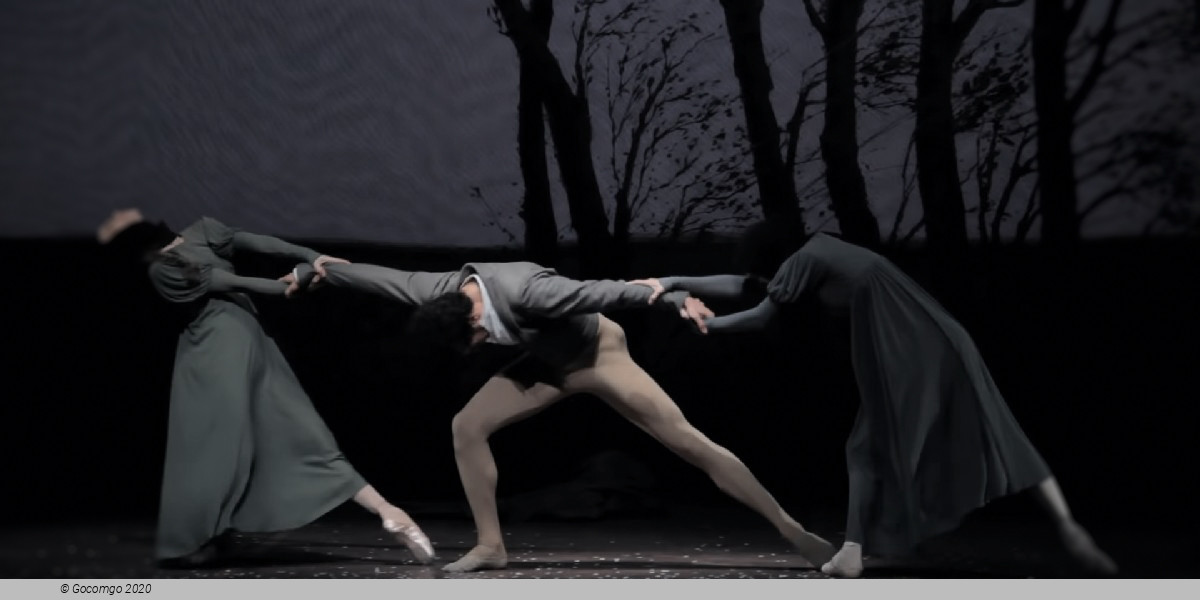
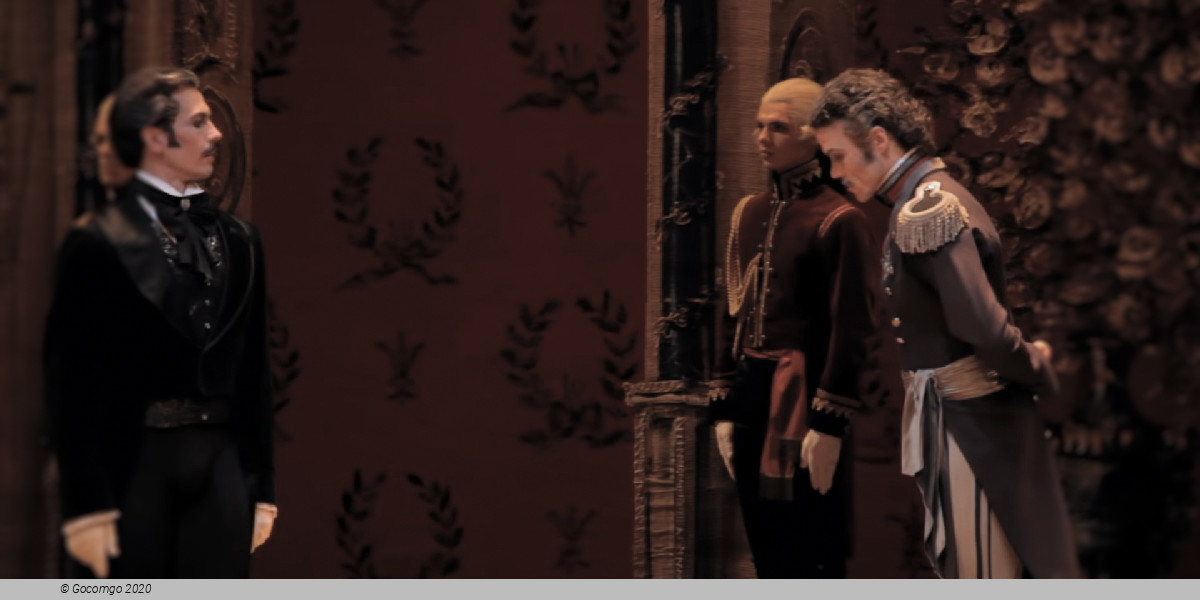
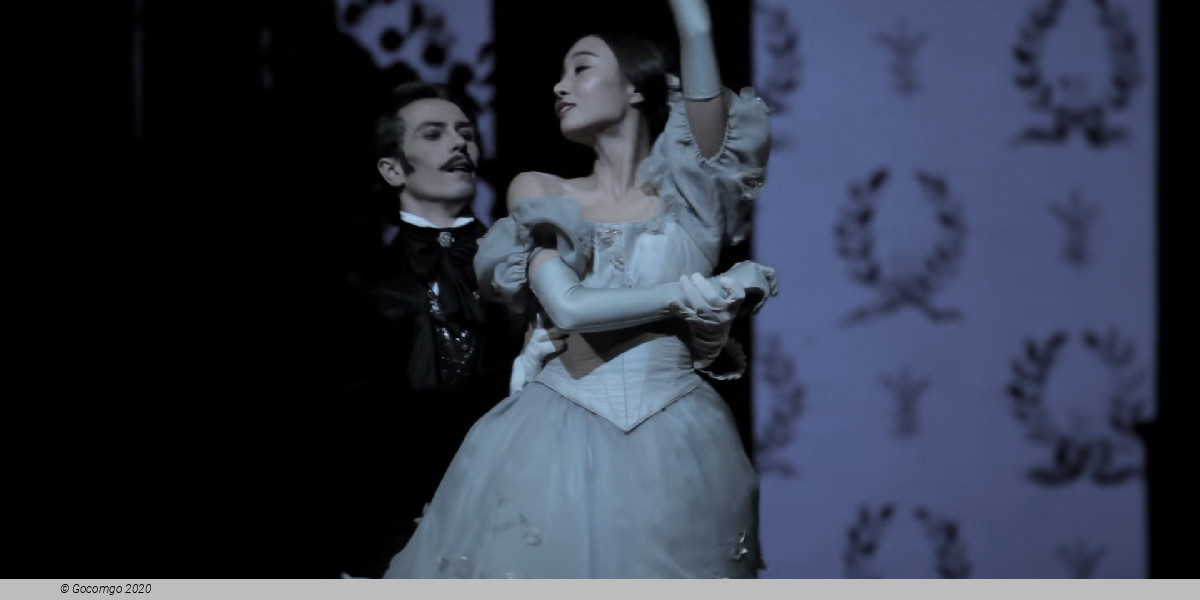
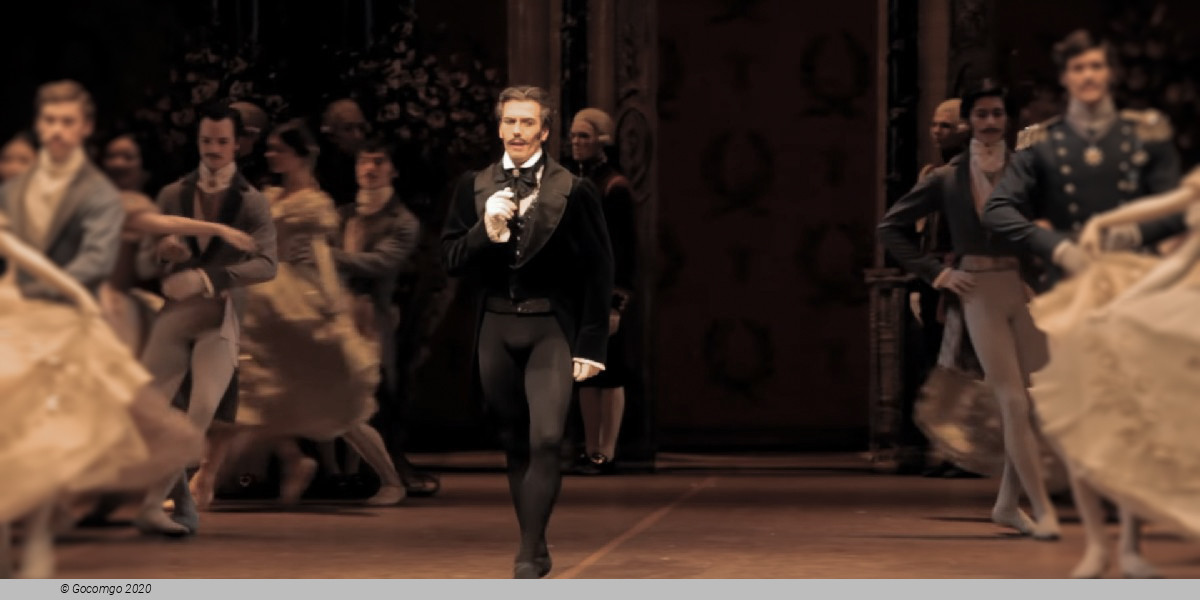
Boris Eifman's original psychological ballet based on Alexander Pushkin's verse novel "Eugene Onegin." Eifman transports Pushkin's heroes to the modern era and combines Tchaikovsky's classical music with the rock music of Alexander Sitkovetsky.

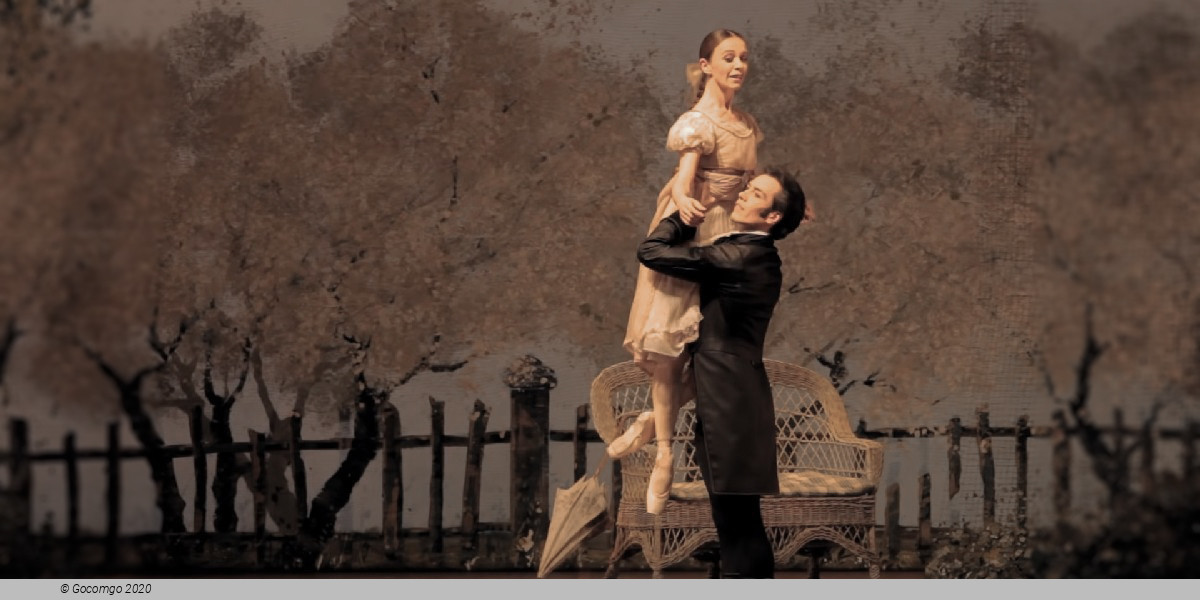
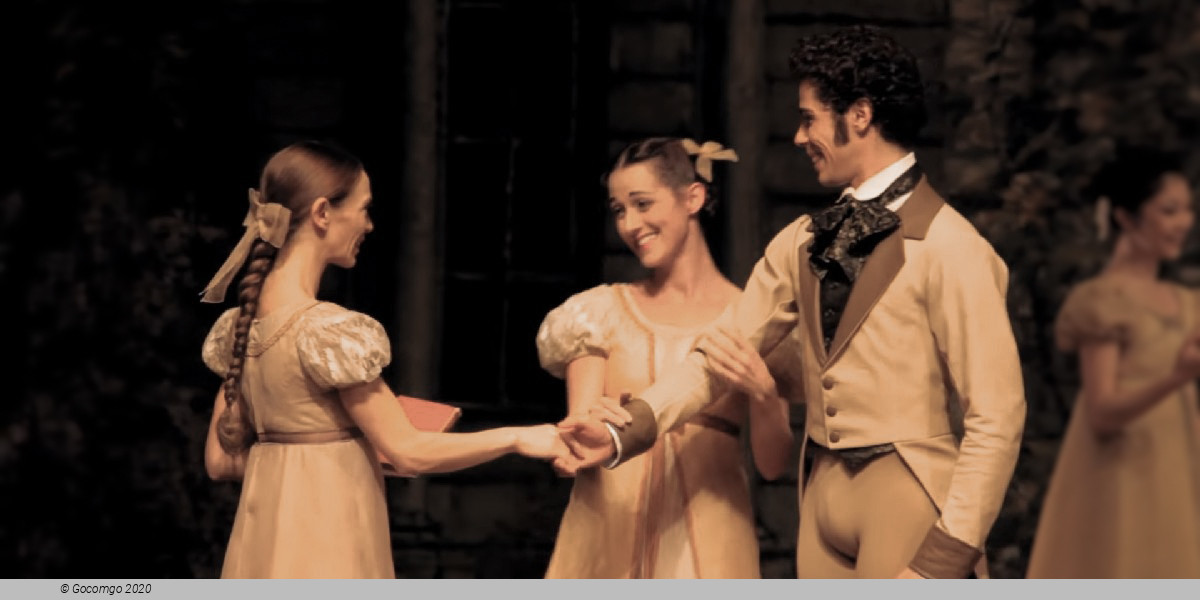
"Eugene Onegin" is a choreographic interpretation of Pushkin's novel, in which Boris Eifman combines elements of classical ballet and contemporary choreography. The action is set in the modern world, and familiar characters—Onegin, Tatyana, Lensky, and Olga—are presented as men and women of an era of social change.
The musical composition is unusual: alongside works by Pyotr Tchaikovsky, it features rock music by Alexander Sitkovetsky. The ballet premiered on March 3, 2009.

Boris Eifman’s name is usually linked to the most innovative artistic experiments and interpretations or stage renditions of classical works of literature. The choreographer constantly revitalizes and enriches the form and content of contemporary ballet.

Eugene Onegin – is a dance version of Eugene Onegin novel in verse by Alexander Pushkin. Here Eifman combines classics and modernity. Pushkin's heroes impersonalize men and women of today in a symbolic way: they are those who have gone through a drastic social change, who are living in the time of crisis, at the turn of the century. An unexpected combination of classical music by Pyotr Tchaikovsky and of rock music by Alexander Sitkovetsky is something that surprisingly helps the viewers get inspired by the original creative concept of Boris Eifman.

Eugene Onegin ballet is a unique opportunity to see the paradigmatic, textbook literary plot through the eyes of the modern man.

History
Premiere of this production: 13 April 1965, Staatstheater Stuttgart

Onegin is a ballet created by John Cranko for the Stuttgart Ballet in 1965. It was restaged for the Royal Ballet at the Royal Opera House in 2001 and remains in that company's repertoire as of 2015. The ballet is being revived in January 2020.

Synopsis

Act 1

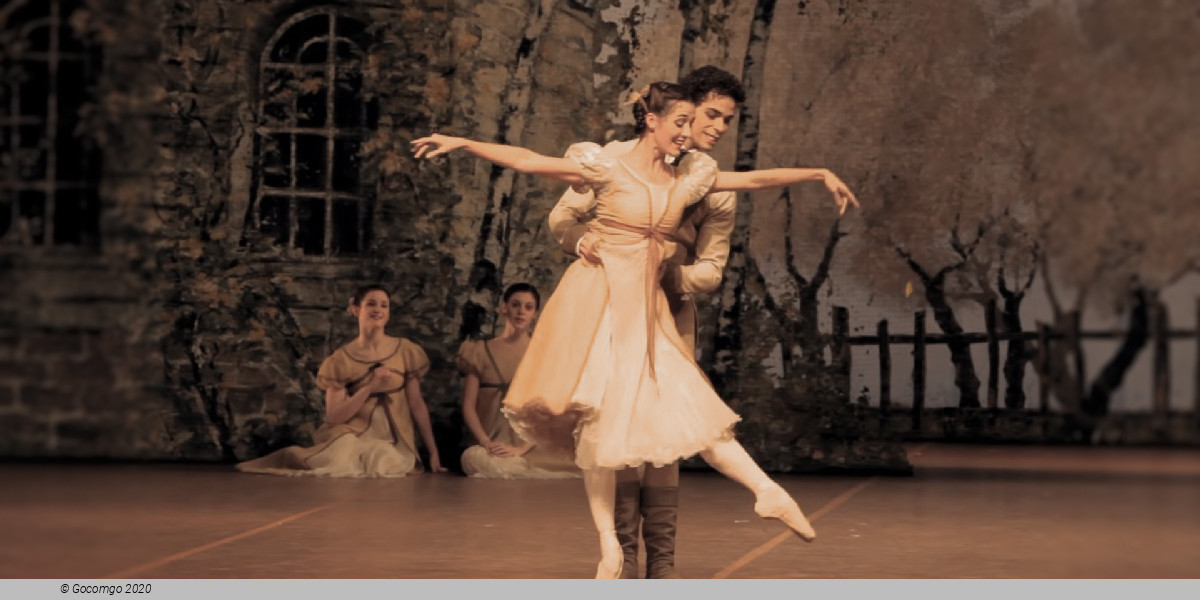
Madame Larina's garden

In the garden, Madame Larina, her daughters Olga and Tatiana, and the nurse are finishing party dresses and discussing Tatiana's upcoming birthday celebrations. They think about the future, and the local girls play an old folk game: whoever looks into the mirror will see her beloved. Lensky, a young poet engaged to Olga, arrives with a friend from Saint Petersburg. He introduces Eugene Onegin, who has come to the country to see if it can offer him any distraction from city life. Tatiana falls in love with the handsome stranger, who seems so different from the country people she knows, while Onegin only sees a naive, romantic girl.

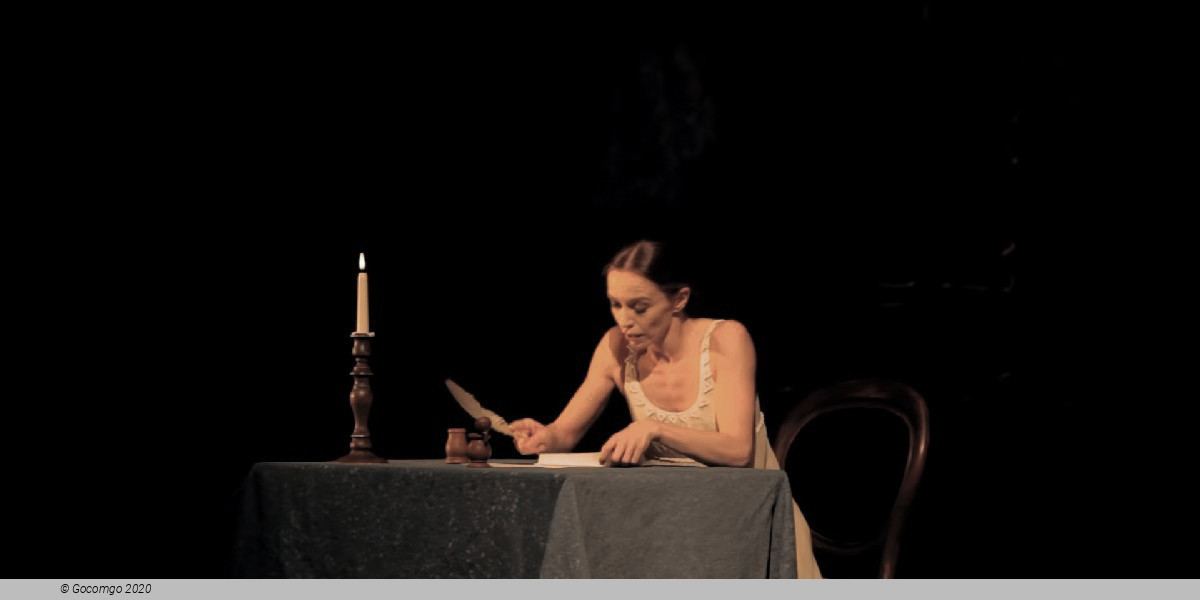
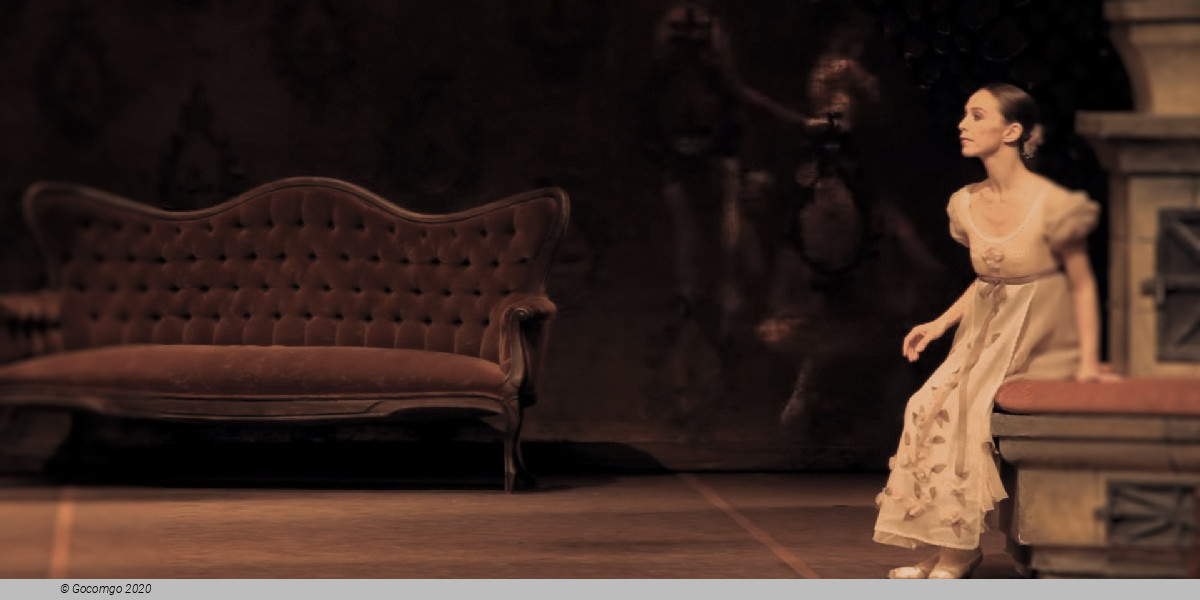
Tatiana's bedroom

That night, Tatiana dreams of Onegin, her first love. She writes him a passionate love letter, which she asks her nurse to deliver.

Act 2

Tatiana's birthday

The local gentry have all arrived to celebrate Tatiana's birthday. Onegin finds the company boring and is struggling to be polite. He is also annoyed by Tatiana's letter, which he thinks is just an outburst of adolescent love. He seeks Tatiana out and tears up her letter, telling her that he cannot love her. Prince Gremin, a distant relative of Tatiana who is in love with her, appears. Madame Larina hopes they will make a good match, but Tatiana hardly notices him as she is so distressed. Onegin decides to provoke Lensky by flirting with Olga, hoping it will relieve his boredom. Olga joins in with the joke, but Lensky takes it seriously and challenges Onegin to a duel.

The duel

Tatiana and Olga try to reason with Lensky but he insists the duel must go ahead. Onegin kills his friend.

Act 3

St Petersburg

Years later, Onegin returns to St. Petersburg after travelling the world. He goes to a ball at the palace of Prince Gremin. Onegin is surprised when he recognises the beautiful Princess Tatiana as the country girl he once turned away. He realises how much he lost through his previous actions.

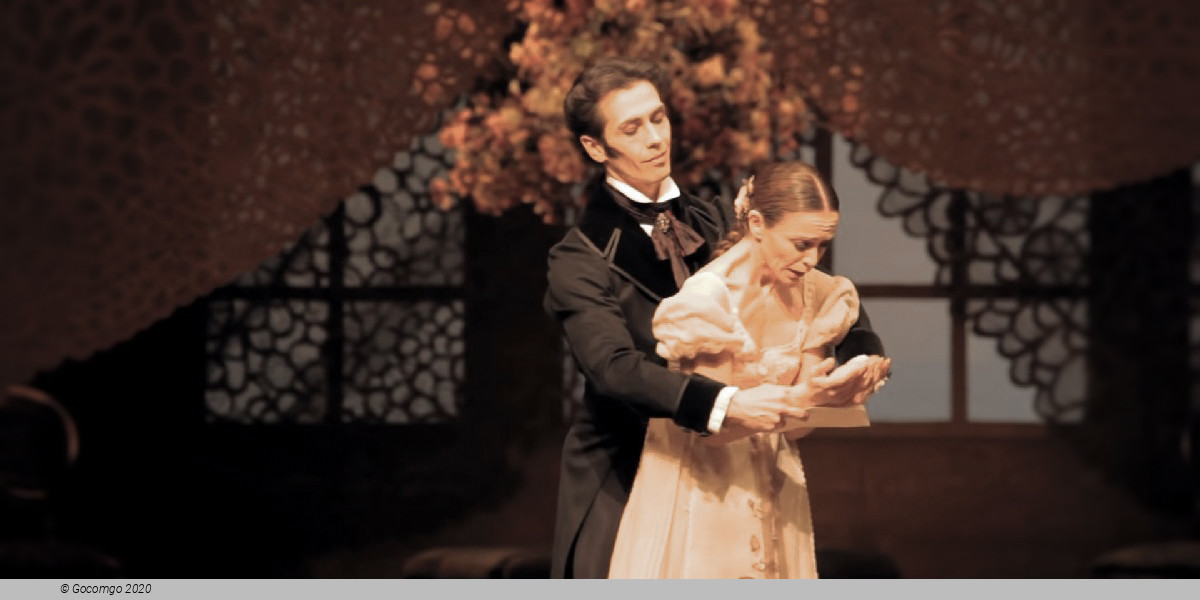
Tatiana's boudoir

Onegin writes to Tatiana and reveals his love. He asks to see her but she does not wish to see him. She pleads with her husband not to leave her alone that evening. Onegin comes and declares his love for her. Tatiana feels Onegin's change of heart has come too late. And even if she still loves him she has now a new life with Prince Gremin and also after having killed Lensky she would never want Onegin again. She tears up his letter and orders him to leave her forever.

Venue Info

Beijing National Grand Theater (NCPA) - Beijing
Location   2 W Chang'an Ave

The National Centre for the Performing Arts (NCPA) is an arts centre containing an opera house in Beijing, People's Republic of China. The Centre, an ellipsoid dome of titanium and glass surrounded by an artificial lake, seats 5,452 people in three halls and is almost 12,000 m² in size. It was designed by French architect Paul Andreu. Construction started in December 2001 and the inaugural concert was held in December 2007.

The exterior of the theater is a titanium-accented glass dome that is completely surrounded by a man-made lake. It is said to look like an egg floating on water, or a water drop. It was designed as an iconic feature, something that would be immediately recognizable.

The dome measures 212 meters in east–west direction, 144 meters in north–south direction, and is 46 meters high. The main entrance is at the north side. Guests arrive in the building after walking through a hallway that goes underneath the lake. The titanium shell is broken by a glass curtain in north–south direction that gradually widens from top to bottom.

The location, immediately to the west of Tiananmen Square and the Great Hall of the People, and near the Forbidden City, combined with the theatre's futuristic design, created considerable controversy. Paul Andreu countered that although there is indeed value in ancient traditional Chinese architecture, Beijing must also include modern architecture, as the capital of the country and an international city of great importance. His design, with large open space, water, trees, was specially designed to complement the red walls of ancient buildings and the Great Hall of the People, in order to melt into the surroundings as opposed to standing out against them.

Internally, there are three major performance halls:

The Opera Hall is used for operas, ballet, and dances and seats 2,416 people.
The Music Hall is used for concerts and recitals and seats 2,017 people.
The Theatre Hall is used for plays and the Beijing opera. It has 1,040 seats.
The NCPA also distributes filmed and recorded performances of its concerts, plays and operas through the in-house label NCPA Classics, established in 2016.

The initial planned cost of the theatre was 2.688 billion yuan. When the construction had completed, the total cost rose to more than CNY3.2 billion. The major cause of the cost increase was a delay for reevaluation and subsequent minor changes as a precaution after a Paris airport terminal building collapsed. The cost has been a major source of controversy because many believed that it is nearly impossible to recover the investment. When the cost is averaged out, each seat is worth about half a million CNY. The Chinese government answered that the theater is not a for profit venture.

The government sanctioned study completed in 2004 by the Research Academy of Economic & Social Development of the Dongbei University of Finance and Economics, of the upkeep costs of the building were publicized in domestic Chinese media:

The water and electricity bills and the cleaning cost for the external surface would be at least tens of millions CNY, and with another maintenance cost, the total could easily exceed one billion CNY. Therefore, at least 80 percent of the annual operational costs must be subsidized by the government for at least the first three years after the opening, and for the rest of its operational life, at least 60 percent of the annual operational cost must be subsidized by the government.

The director of the art committee of the National Centre for the Performing Arts and the standing committee member of the Standing Committee of the Chinese People's Political Consultative Conference, Mr Wu Zuqiang (吴祖强) and the publicist / deputy director of the National Centre for the Performing Arts Mr Deng (邓一江) have announced that 70 percent of the tickets would be sold at low price for ordinary citizens, while 10% of the tickets would be sold at relatively expensive prices for separate market segments, and the 60% of annual operating cost needed to be subsidized by the government would be divided between the central government and the Beijing municipal government.

Important Info
Type: Ballet
City: Beijing, China
Starts at: 14:00
Acts: 2
Intervals: 1
Duration: 2h 30min
Top of page