









Beijing National Grand Theater (NCPA) 14 September 2023 - Lakmé | GoComGo.com

Lakmé

Beijing National Grand Theater (NCPA), Opera House, Beijing, China
All photos (10)
Select date and time
7 PM

E-tickets: Print at home or at the box office of the event if so specified. You will find more information in your booking confirmation email.

You can only select the category, and not the exact seats.
If you order 2 or 3 tickets: your seats will be next to each other.
If you order 4 or more tickets: your seats will be next to each other, or, if this is not possible, we will provide a combination of groups of seats (at least in pairs, for example 2+2 or 2+3).

Important Info
Type: Opera
City: Beijing, China
Starts at: 19:00
Acts: 3

E-tickets: Print at home or at the box office of the event if so specified. You will find more information in your booking confirmation email.

You can only select the category, and not the exact seats.
If you order 2 or 3 tickets: your seats will be next to each other.
If you order 4 or more tickets: your seats will be next to each other, or, if this is not possible, we will provide a combination of groups of seats (at least in pairs, for example 2+2 or 2+3).

Overview

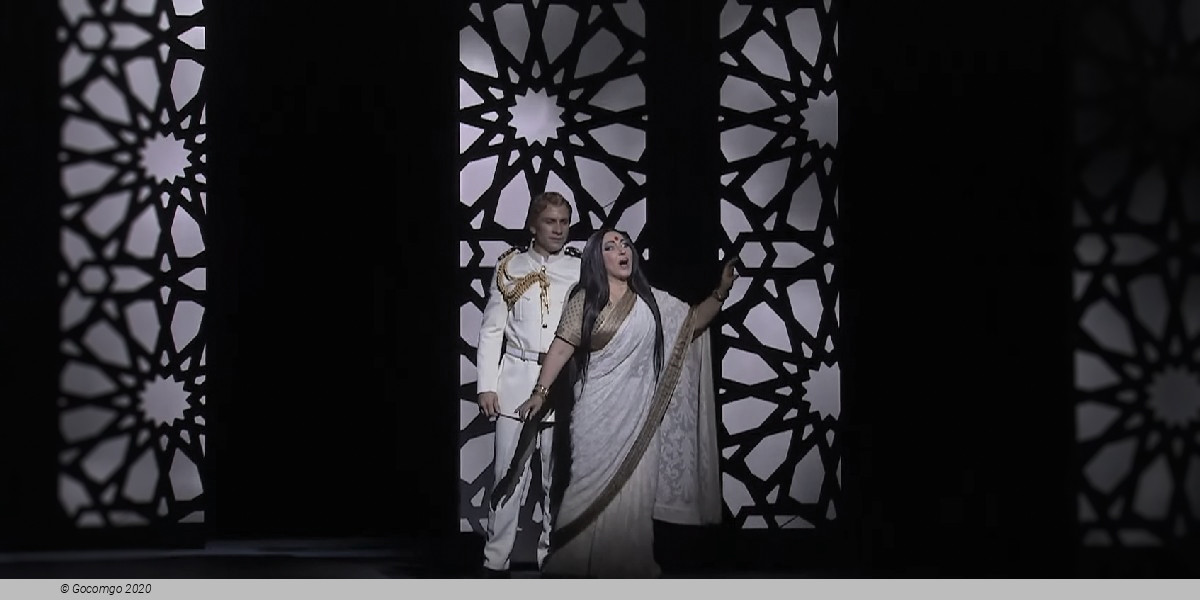
The three-act opera "Lakme" was co-written by Edmond Gondinet and Philippe Gilles, and composed by French composer Léo Delibes. There are many similarities between this play and "Aida" and "Madame Butterfly", both of which have an oriental color. After its premiere at the Paris Opera House on April 14, 1883, the opera soon began to be staged in major European theaters and spread to Britain and the United States.

History
Premiere of this production: 14 April 1883, Opéra-Comique, Paris

Lakmé is an opera in three acts by Léo Delibes to a French libretto by Edmond Gondinet and Philippe Gille. Set in British India in the mid-19th century, Lakmé is based on Théodore Pavie's story "Les babouches du Brahmane" and novel Le Mariage de Loti by Pierre Loti. Gondinet proposed it as a vehicle for the American soprano Marie van Zandt.

Synopsis

Place: India
Time: Late nineteenth century, during the British Raj.

Act 1
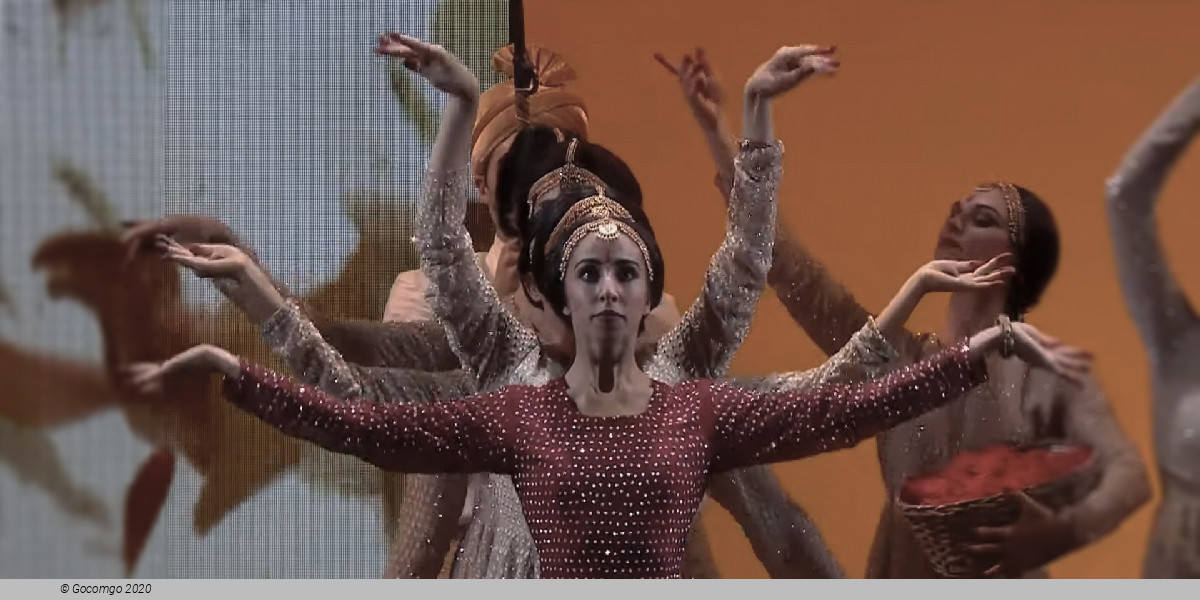
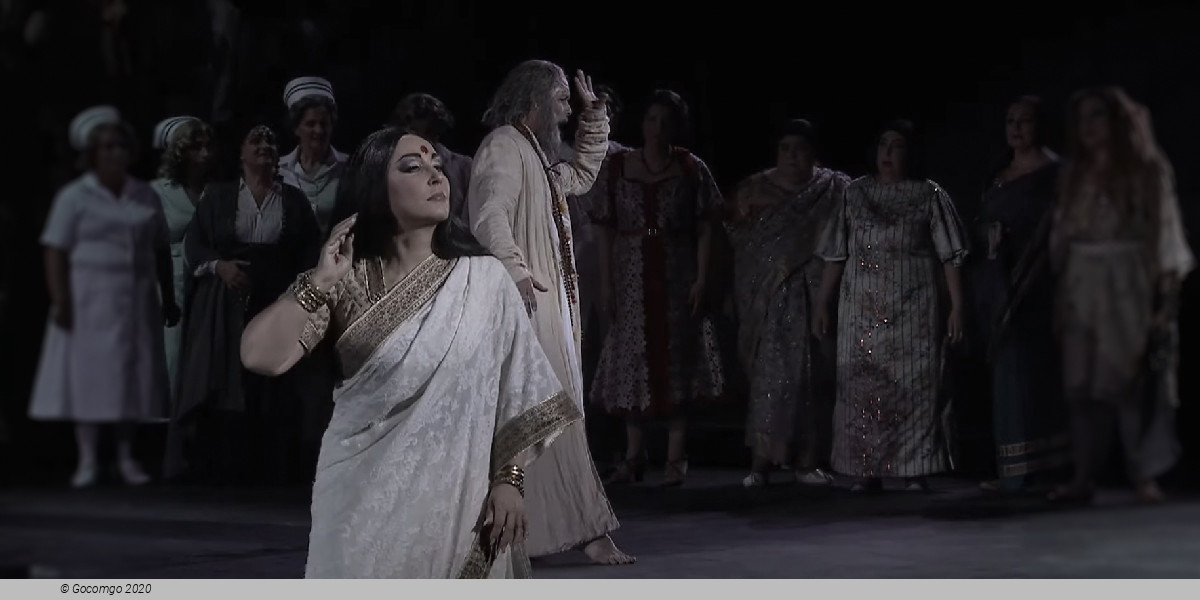
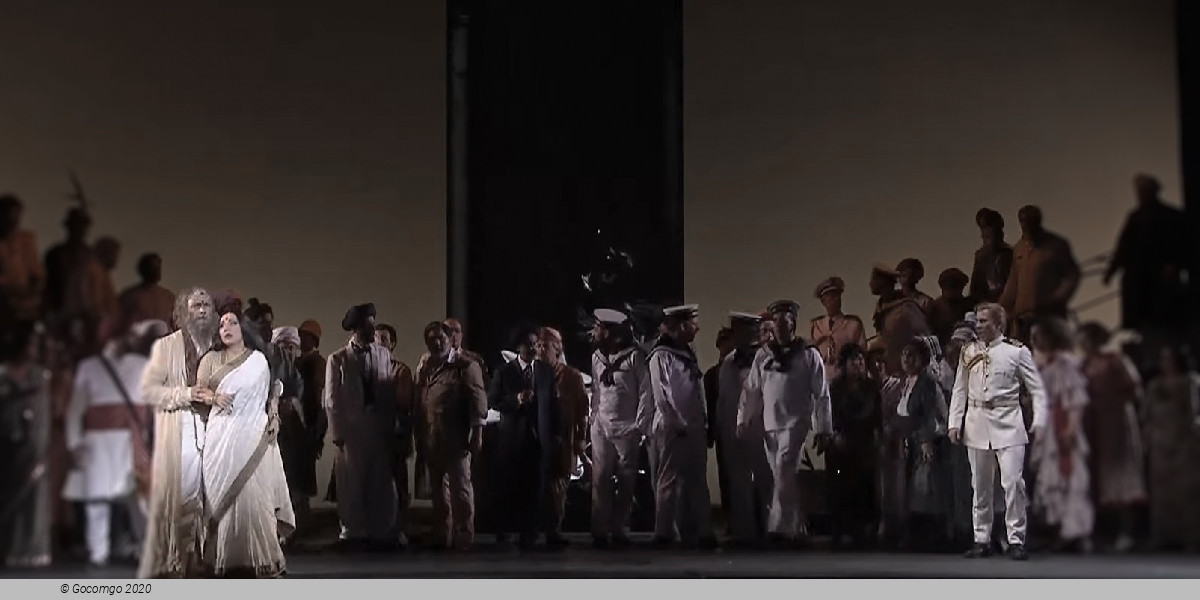
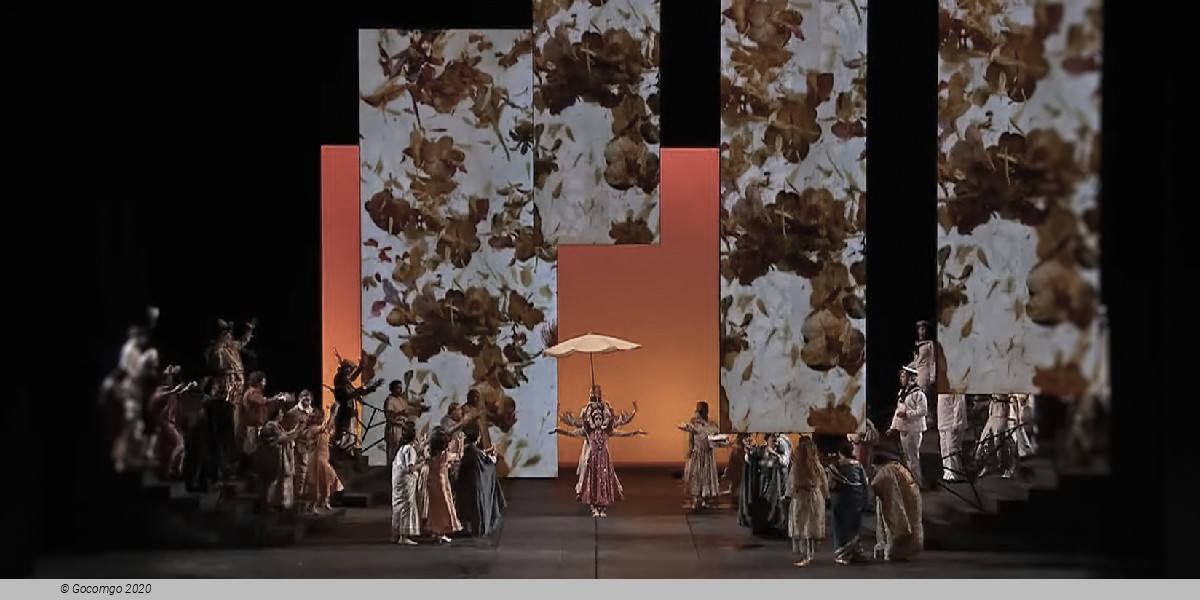
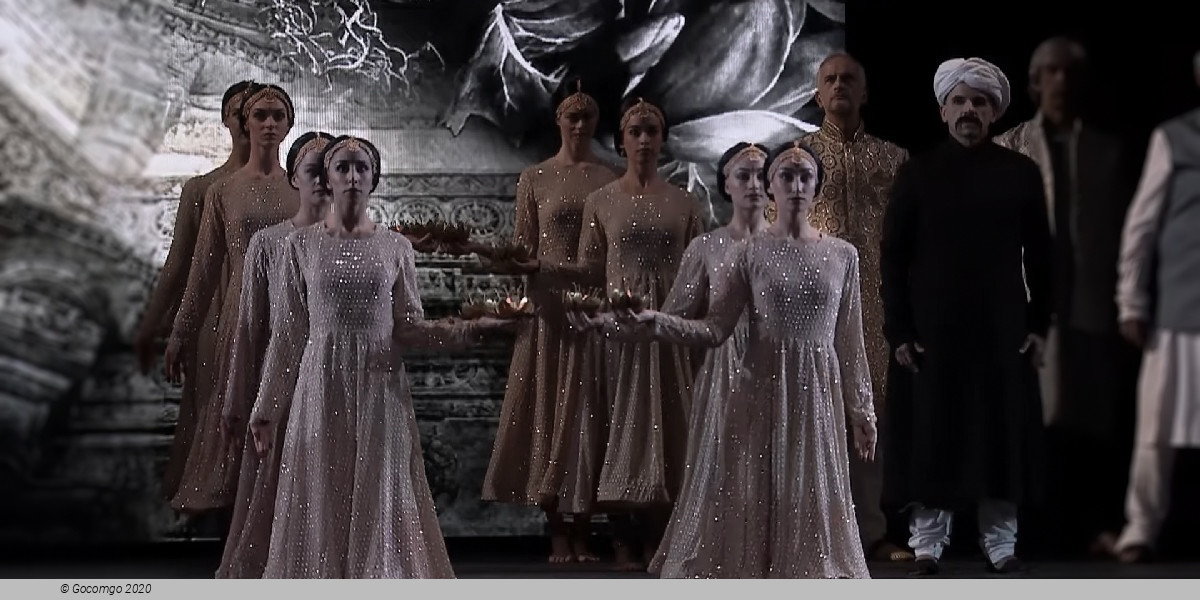
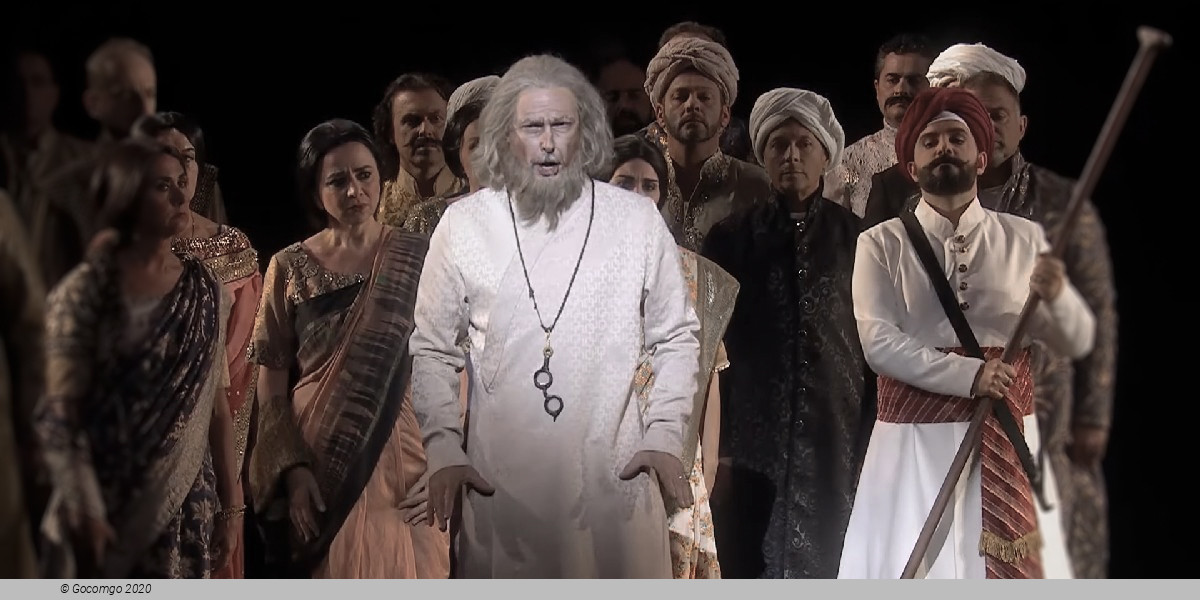
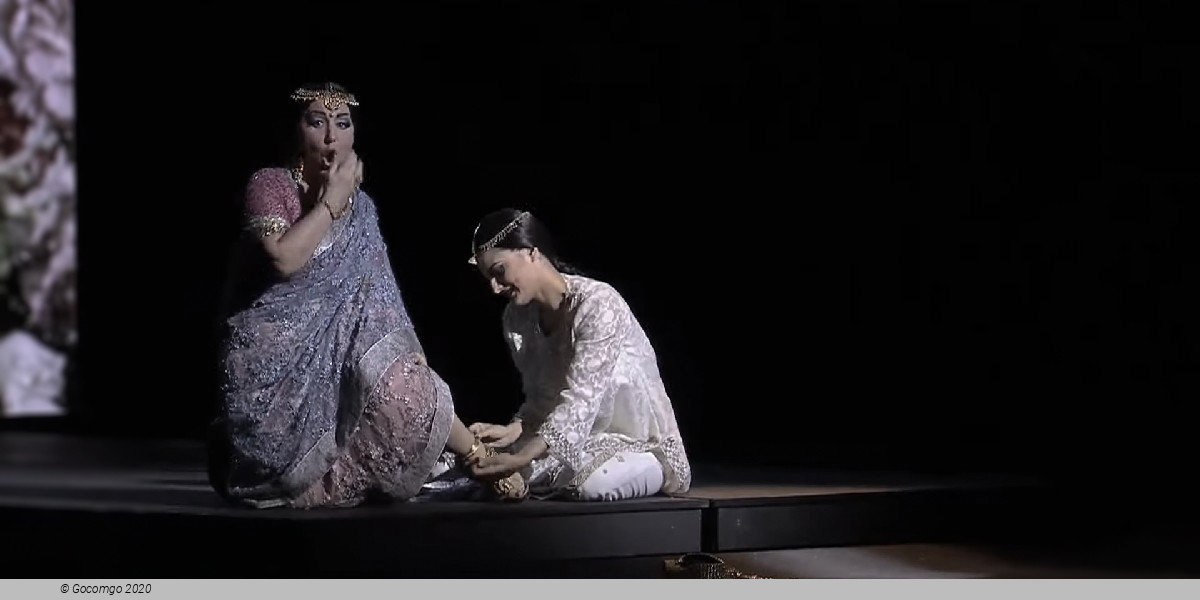
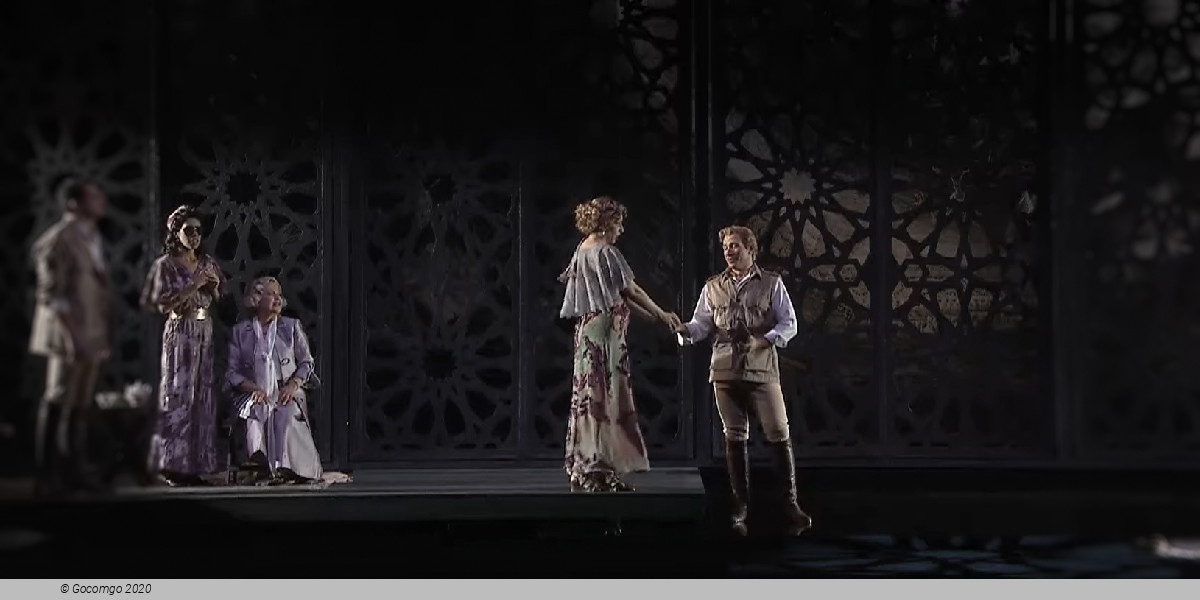
The Hindus go to perform their rites in a sacred Brahmin temple under the high priest, Nilakantha. Nilakantha's daughter Lakmé (which derives from the Sanskrit Lakshmi), and her servant Mallika, are left behind and go down to the river to gather flowers where they sing together the Flower Duet. As they approach the water at the river bank, Lakmé removes her jewellery and places it on a bench. Two British officers, Frederic and Gérald (Delibes uses Frenchified versions of the then common English names Frederick and Gerald), arrive nearby on a picnic with two British girls and their governess. The British girls see the jewellery and, impressed with it, request sketches of it; Gérald volunteers to stay and make sketches of the jewellery. He spots Lakmé and Mallika returning and hides. Mallika leaves Lakmé for a while; while alone Lakmé sees Gérald and, frightened by the foreigner's incursion, cries out for help. However, simultaneously, she is also intrigued by him and so she sends away those who had responded to her call for help when they come to her aid. Lakmé and Gérald begin to fall in love with each other. Nilakantha returns and learns of the British officer's trespassing, vowing revenge on him for what he assumes to be an affront to Lakmé's honour.

Act 2
At a busy bazaar, Nilakantha forces Lakmé to sing (the Bell Song) in order to lure the trespasser into identifying himself. When Gérald steps forward, Lakmé faints, thus giving him away. Nilakantha stabs Gérald, wounding him. Lakmé takes Gérald to a secret hideout in the forest, where she lovingly nurses him back to health.

Act 3
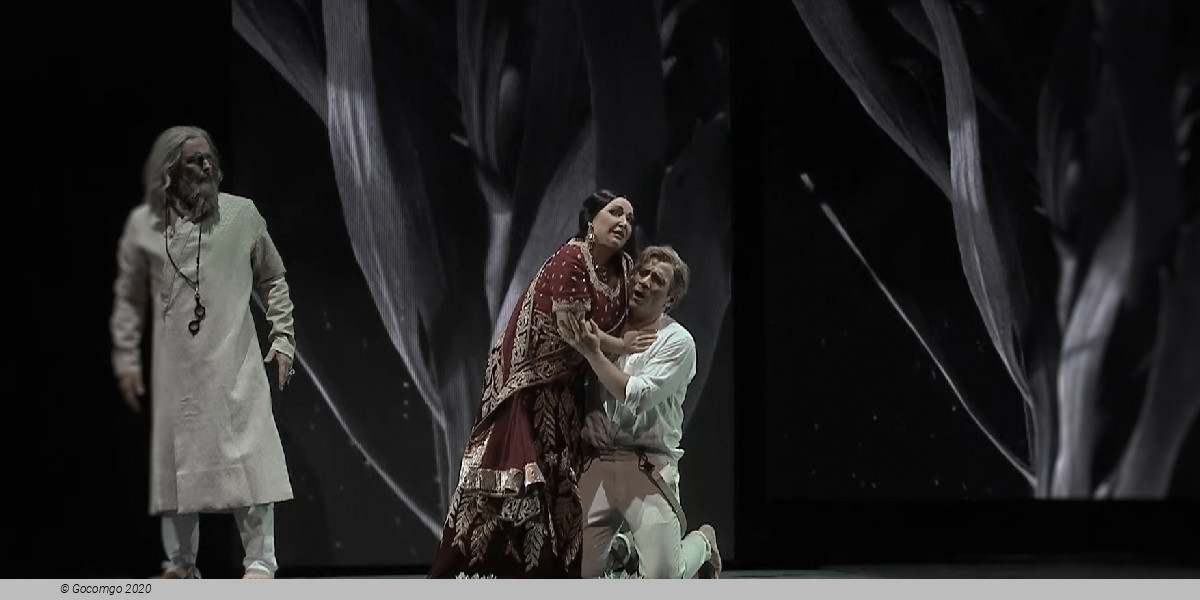
While Lakmé fetches sacred water that will confirm the vows of the lovers, Fréderic, Gérald's fellow British officer, appears before Gérald and reminds him of his military duty to his regiment. Gérald sadly accepts that his colleague is correct. After Lakmé returns, she senses the change in Gérald and realises that she has lost him. She dies with honour, rather than live with dishonour, killing herself by eating the poisonous datura leaf.

Venue Info

Beijing National Grand Theater (NCPA) - Beijing
Location   2 W Chang'an Ave

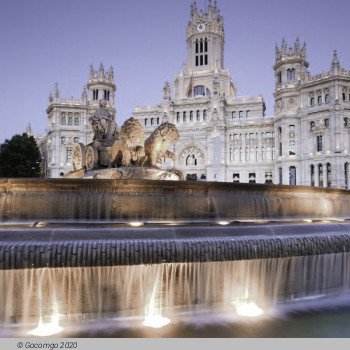
The National Centre for the Performing Arts (NCPA) is an arts centre containing an opera house in Beijing, People's Republic of China. The Centre, an ellipsoid dome of titanium and glass surrounded by an artificial lake, seats 5,452 people in three halls and is almost 12,000 m² in size. It was designed by French architect Paul Andreu. Construction started in December 2001 and the inaugural concert was held in December 2007.

The exterior of the theater is a titanium-accented glass dome that is completely surrounded by a man-made lake. It is said to look like an egg floating on water, or a water drop. It was designed as an iconic feature, something that would be immediately recognizable.

The dome measures 212 meters in east–west direction, 144 meters in north–south direction, and is 46 meters high. The main entrance is at the north side. Guests arrive in the building after walking through a hallway that goes underneath the lake. The titanium shell is broken by a glass curtain in north–south direction that gradually widens from top to bottom.

The location, immediately to the west of Tiananmen Square and the Great Hall of the People, and near the Forbidden City, combined with the theatre's futuristic design, created considerable controversy. Paul Andreu countered that although there is indeed value in ancient traditional Chinese architecture, Beijing must also include modern architecture, as the capital of the country and an international city of great importance. His design, with large open space, water, trees, was specially designed to complement the red walls of ancient buildings and the Great Hall of the People, in order to melt into the surroundings as opposed to standing out against them.

Internally, there are three major performance halls:

The Opera Hall is used for operas, ballet, and dances and seats 2,416 people.
The Music Hall is used for concerts and recitals and seats 2,017 people.
The Theatre Hall is used for plays and the Beijing opera. It has 1,040 seats.
The NCPA also distributes filmed and recorded performances of its concerts, plays and operas through the in-house label NCPA Classics, established in 2016.

The initial planned cost of the theatre was 2.688 billion yuan. When the construction had completed, the total cost rose to more than CNY3.2 billion. The major cause of the cost increase was a delay for reevaluation and subsequent minor changes as a precaution after a Paris airport terminal building collapsed. The cost has been a major source of controversy because many believed that it is nearly impossible to recover the investment. When the cost is averaged out, each seat is worth about half a million CNY. The Chinese government answered that the theater is not a for profit venture.

The government sanctioned study completed in 2004 by the Research Academy of Economic & Social Development of the Dongbei University of Finance and Economics, of the upkeep costs of the building were publicized in domestic Chinese media:

The water and electricity bills and the cleaning cost for the external surface would be at least tens of millions CNY, and with another maintenance cost, the total could easily exceed one billion CNY. Therefore, at least 80 percent of the annual operational costs must be subsidized by the government for at least the first three years after the opening, and for the rest of its operational life, at least 60 percent of the annual operational cost must be subsidized by the government.

The director of the art committee of the National Centre for the Performing Arts and the standing committee member of the Standing Committee of the Chinese People's Political Consultative Conference, Mr Wu Zuqiang (吴祖强) and the publicist / deputy director of the National Centre for the Performing Arts Mr Deng (邓一江) have announced that 70 percent of the tickets would be sold at low price for ordinary citizens, while 10% of the tickets would be sold at relatively expensive prices for separate market segments, and the 60% of annual operating cost needed to be subsidized by the government would be divided between the central government and the Beijing municipal government.

Important Info
Type: Opera
City: Beijing, China
Starts at: 19:00
Acts: 3
Top of page