
Beijing National Grand Theater (NCPA) 1 December 2019 - The Mariinsky Ballet Triple Bill | GoComGo.com

The Mariinsky Ballet Triple Bill

Beijing National Grand Theater (NCPA), Opera House, Beijing, China
All photos (21)
Select date and time
7:30 PM
Request for Tickets
Important Info
Type: Ballet
City: Beijing, China
Starts at: 19:30
Duration:

E-tickets: Print at home or at the box office of the event if so specified. You will find more information in your booking confirmation email.

You can only select the category, and not the exact seats.
If you order 2 or 3 tickets: your seats will be next to each other.
If you order 4 or more tickets: your seats will be next to each other, or, if this is not possible, we will provide a combination of groups of seats (at least in pairs, for example 2+2 or 2+3).

Overview

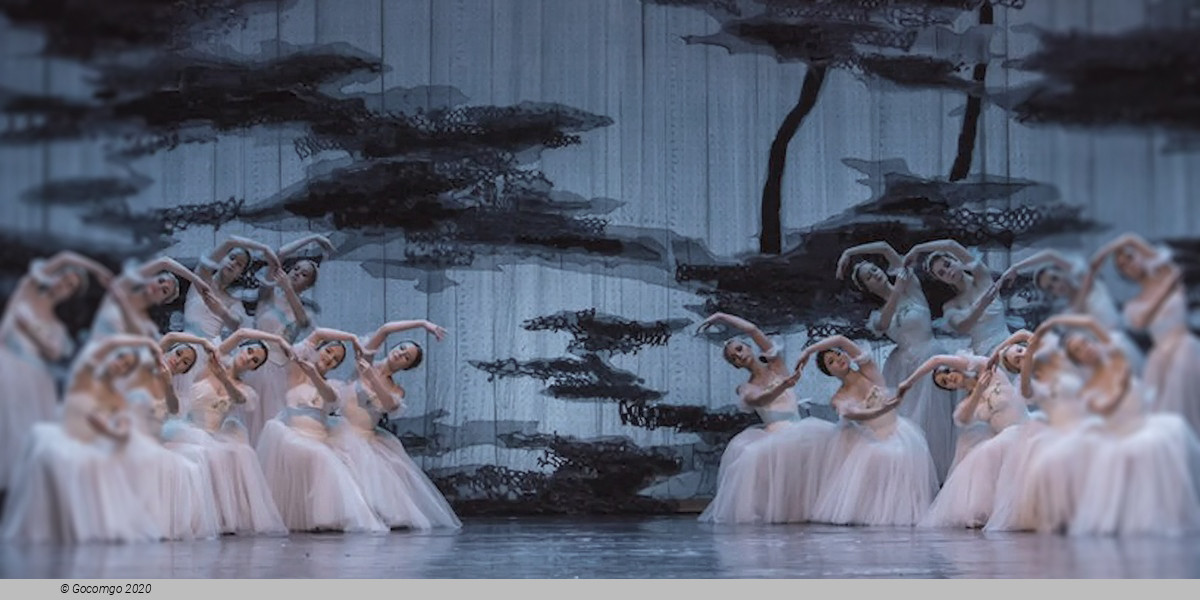
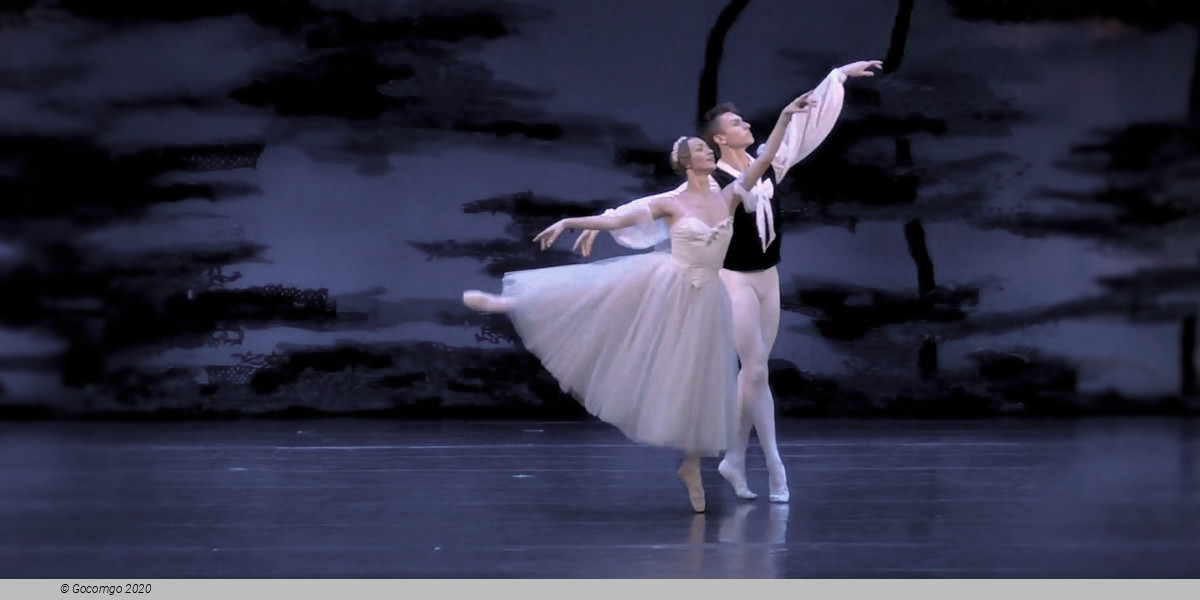
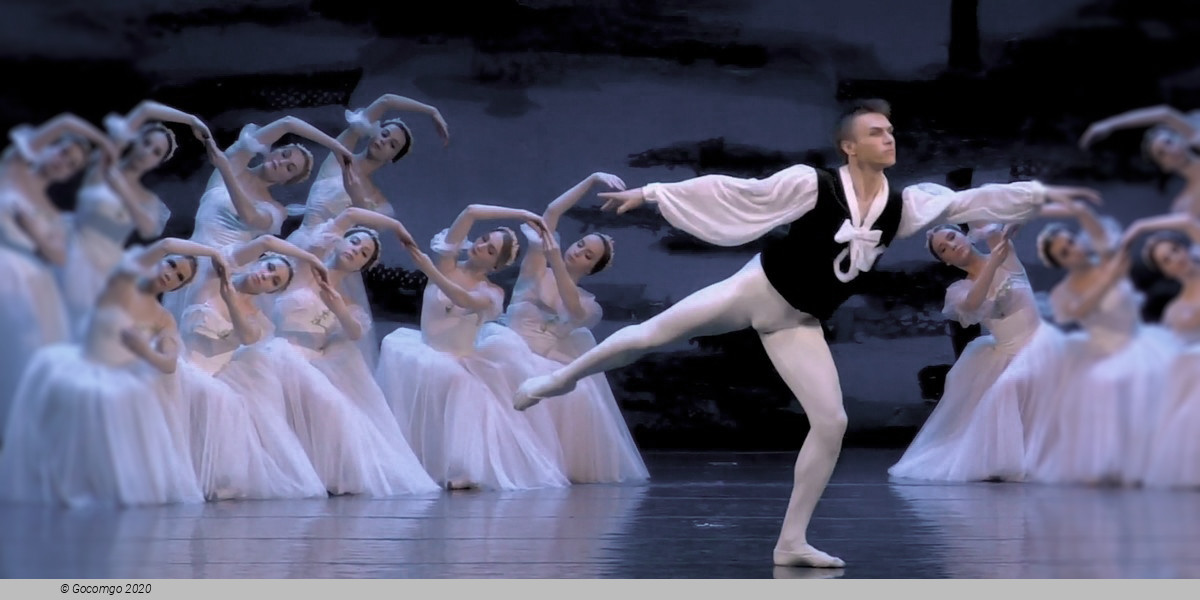
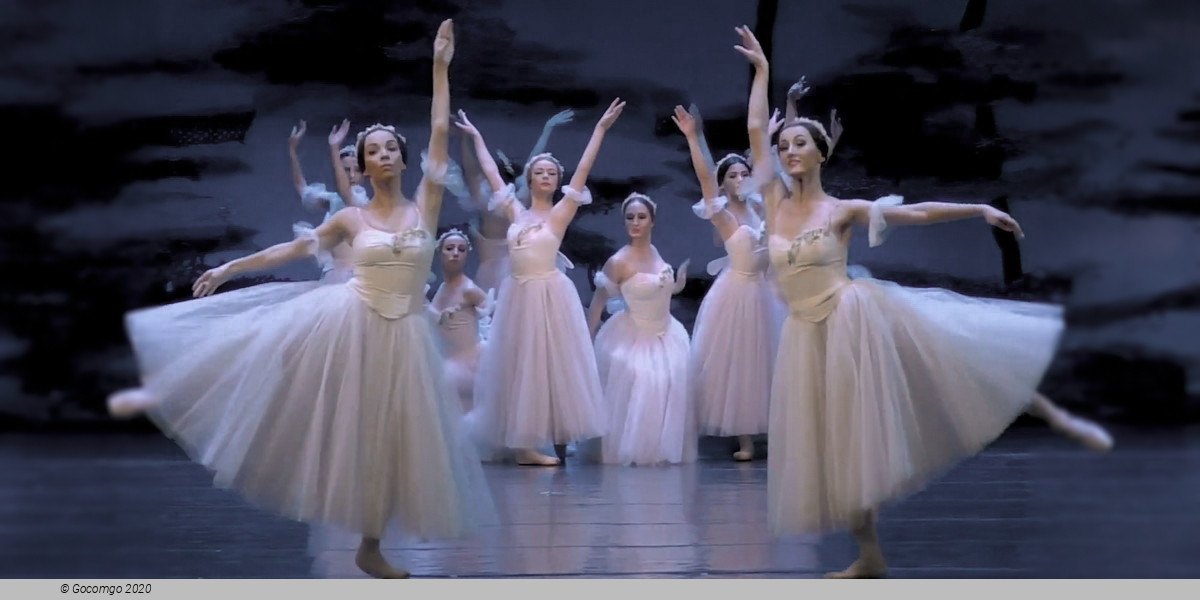
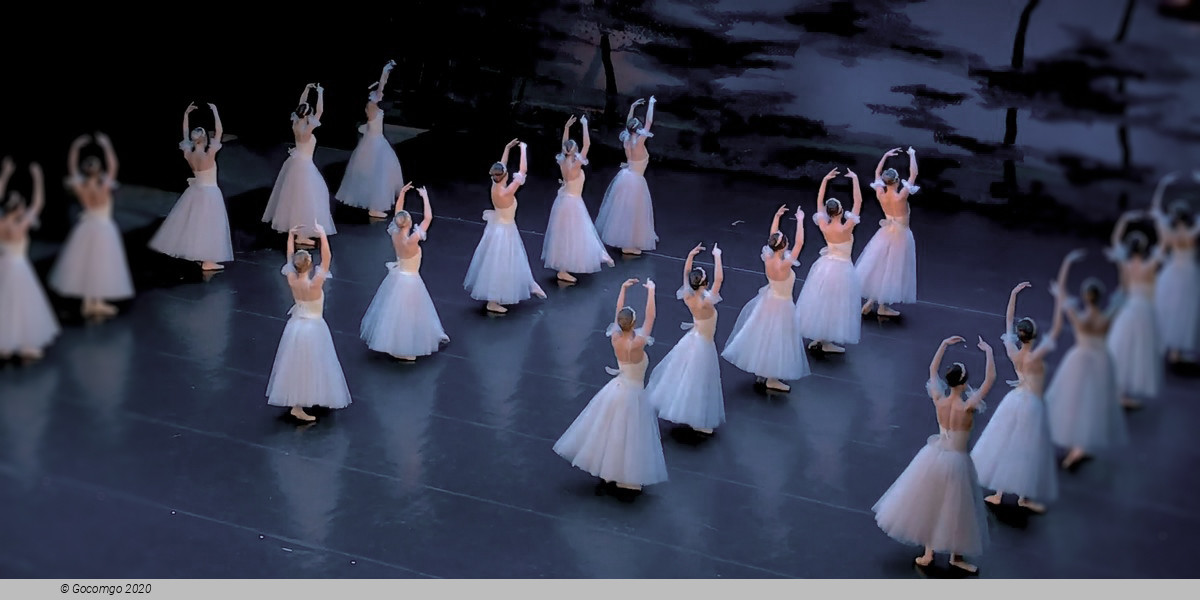
Chopiniana, staged by Fokine, had a different musical composition. Also, Chopiniana was originally a compilation of dramatic or character dances set to Chopin's piano music. The Glazunov suite upon which this original version was based had only four Chopin pieces; Fokine wanted to use a waltz as an addition to the suite and was able to get Glazunov to orchestrate this to create his ballet, also called Chopiniana.

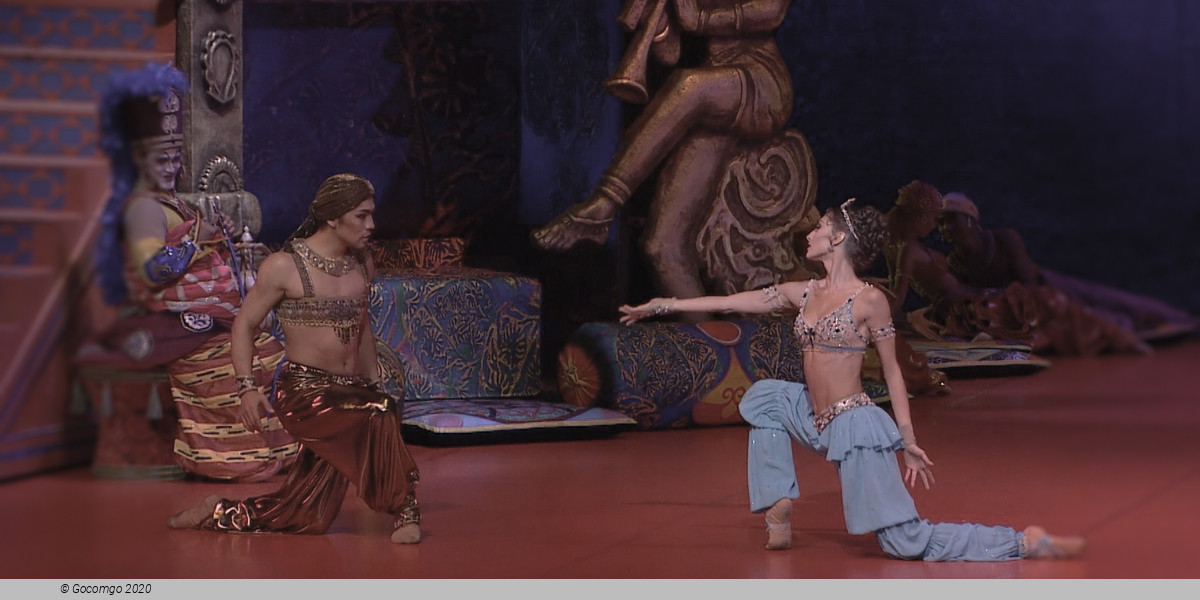
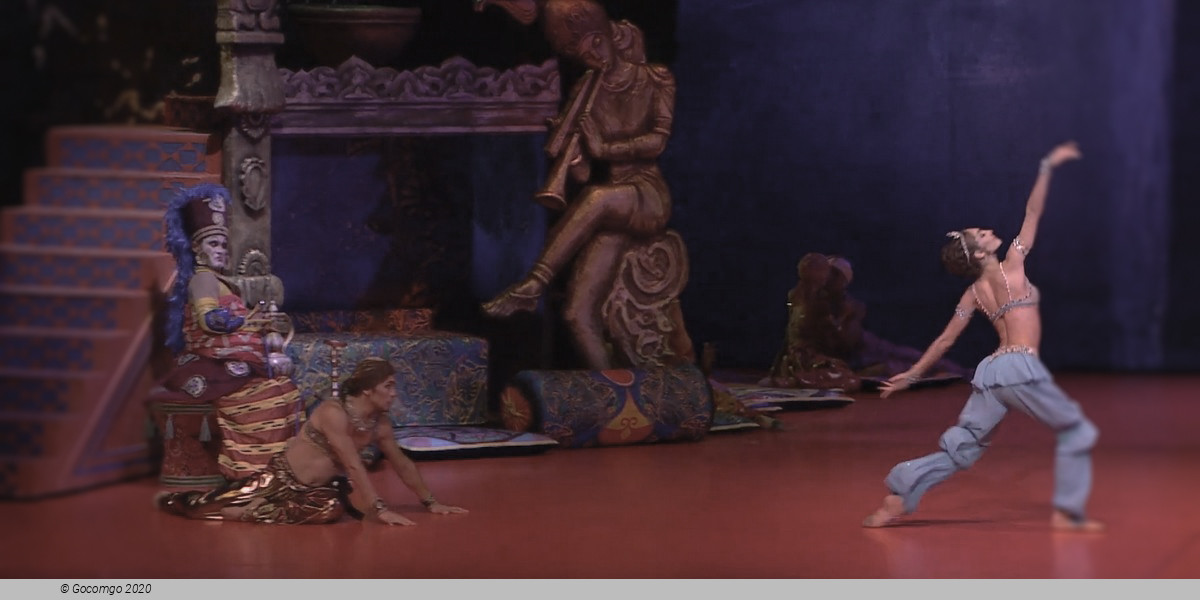
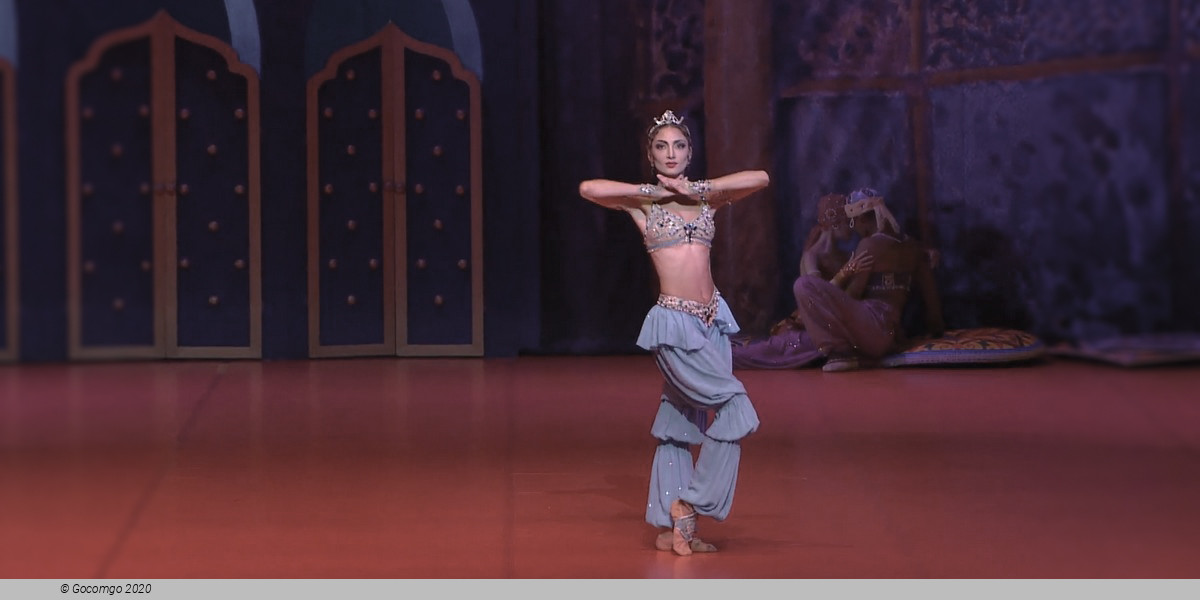
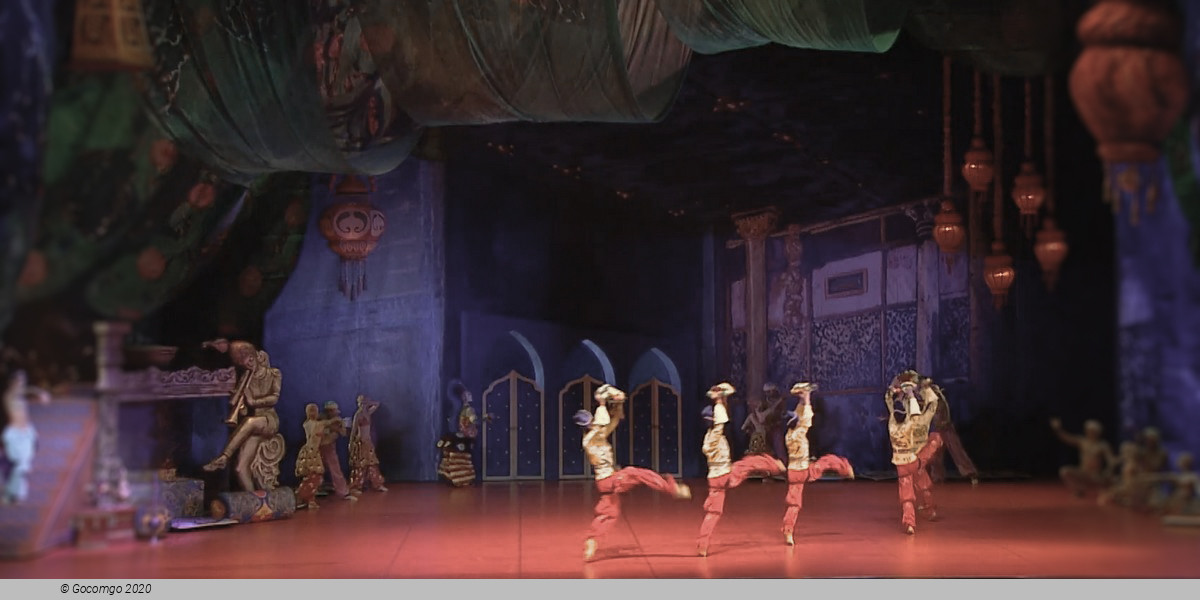
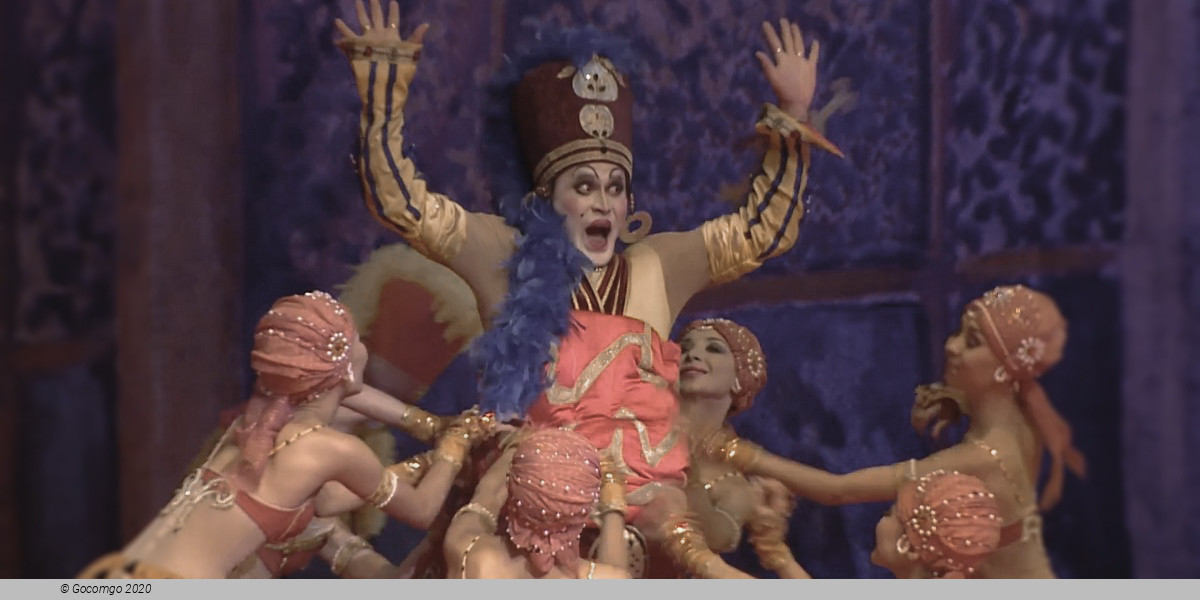
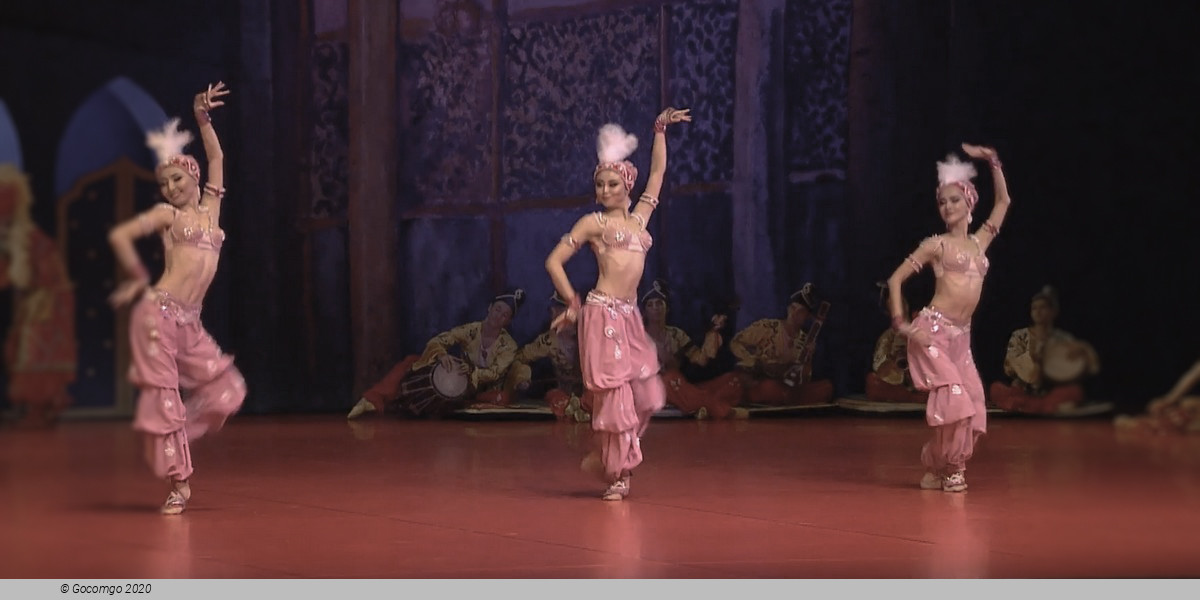
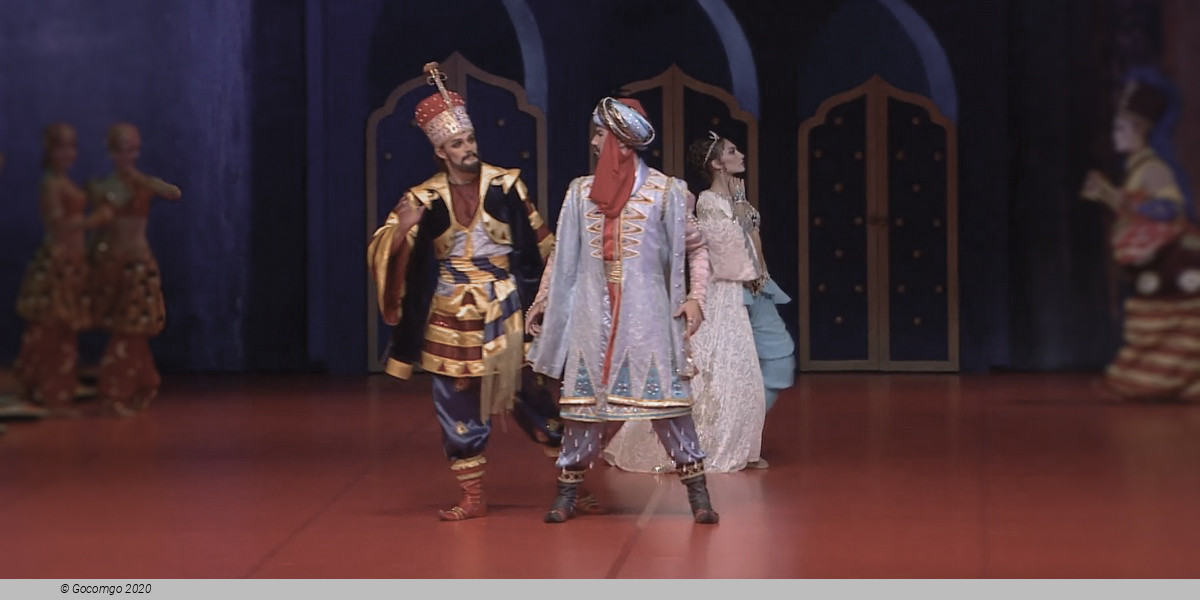
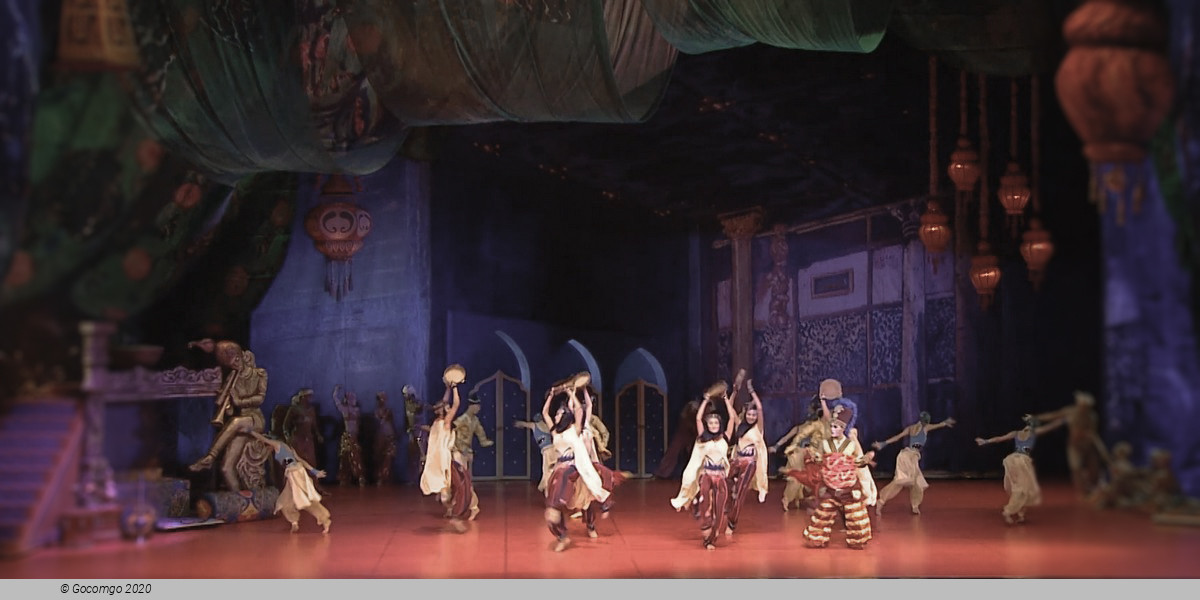
The ballet was staged by Mikhail Fokin to the music of the symphonic suite of Nikolai Andreevich Rimsky-Korsakov "Scheherazade."
 

The premiere took place on June 4, 1910 at the Grand Opera, and the play was created in the "Russian Seasons" by Sergey Diaghilev.

The scenery and costumes were performed by the artist Lev Bakst, the curtain was made in the workshops according to the sketches of the artist V. A. Serov, and the artist was B. I. Anisfeld. Conductor N. N. Cherepnin. The first performer of Zobeida was Ida Rubinstein, the servant of Zobeida was performed by Vaclav Nizhinsky, in the part of Shakhriyar - A.D. Bulgakov.

Sketches of stage costumes for Scheherazade were also created by the French artist Georges Barbier

The melodic and melodious oriental themes of Rimsky-Korsakov pass through the entire ballet. In the music you hear the sound of the sea surf, a fun holiday in Baghdad and a cantilen, the word itself is the story of Scheherazade, a melody. The music itself tells an oriental tale and has a rhomboid shape.

On June 14, 1911 in New York, the choreographer F. M. Kozlov transferred the Fokin ballet to the artists of the Russian imperial ballet Winter Garden, but with other sets made by artists G. I. Golov, V. V. Dyachkov, I. Naujokaitis , O. Lebedeva, and costumes M. de Möll.

The last time Ida Rubinstein danced Zobeide on May 4, 1919 at the Grand Opera at a charity evening in favor of Russian refugees who suffered from the Bolsheviks.

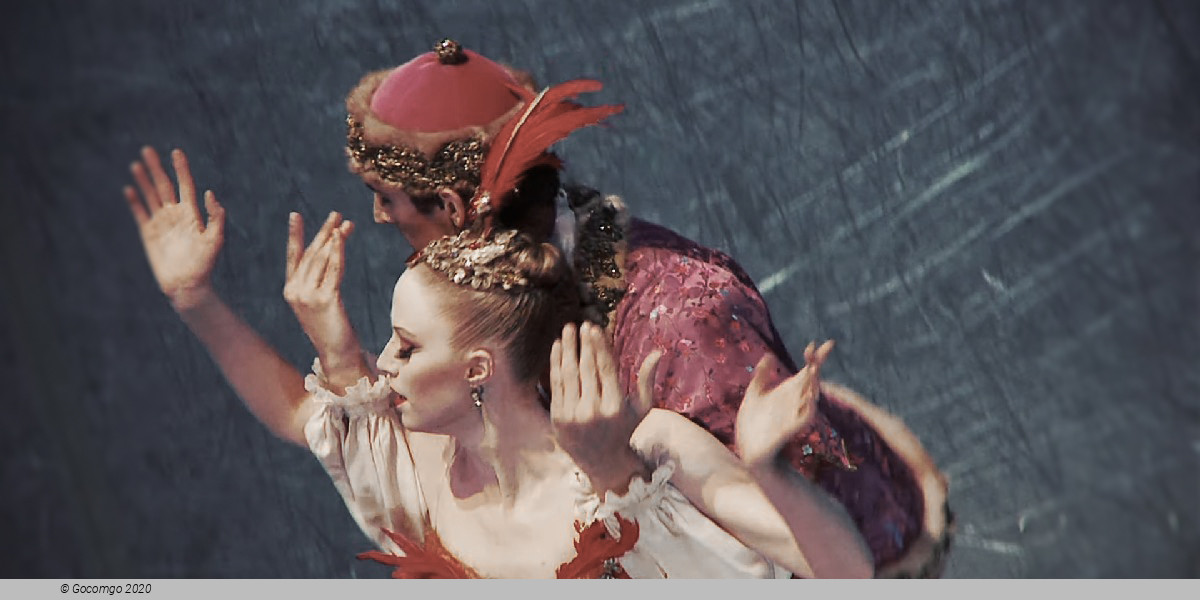
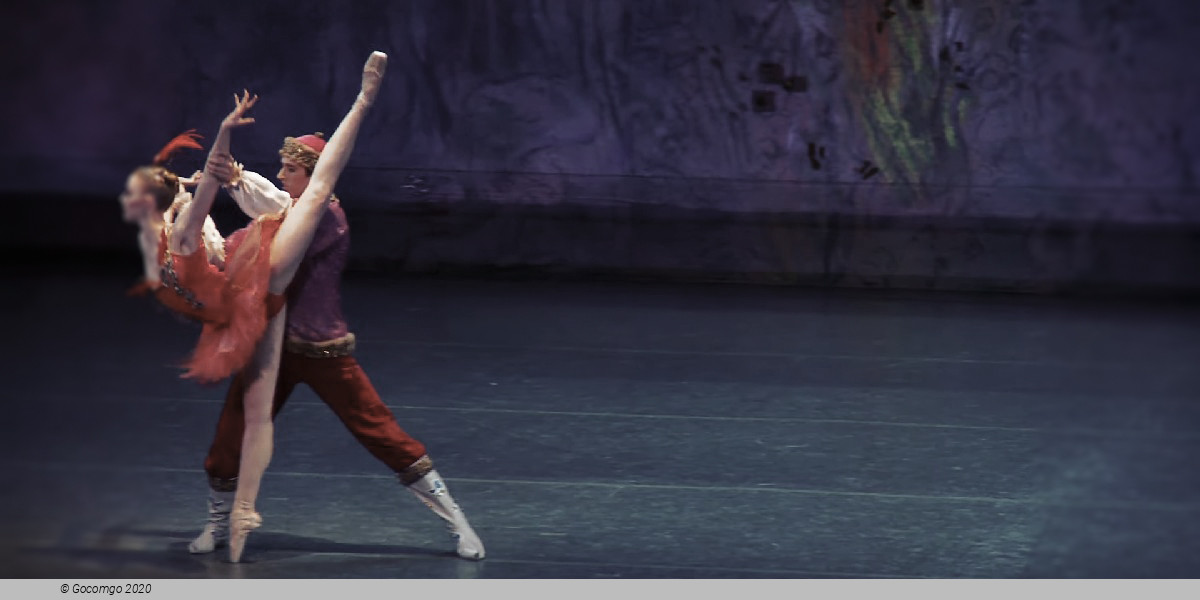
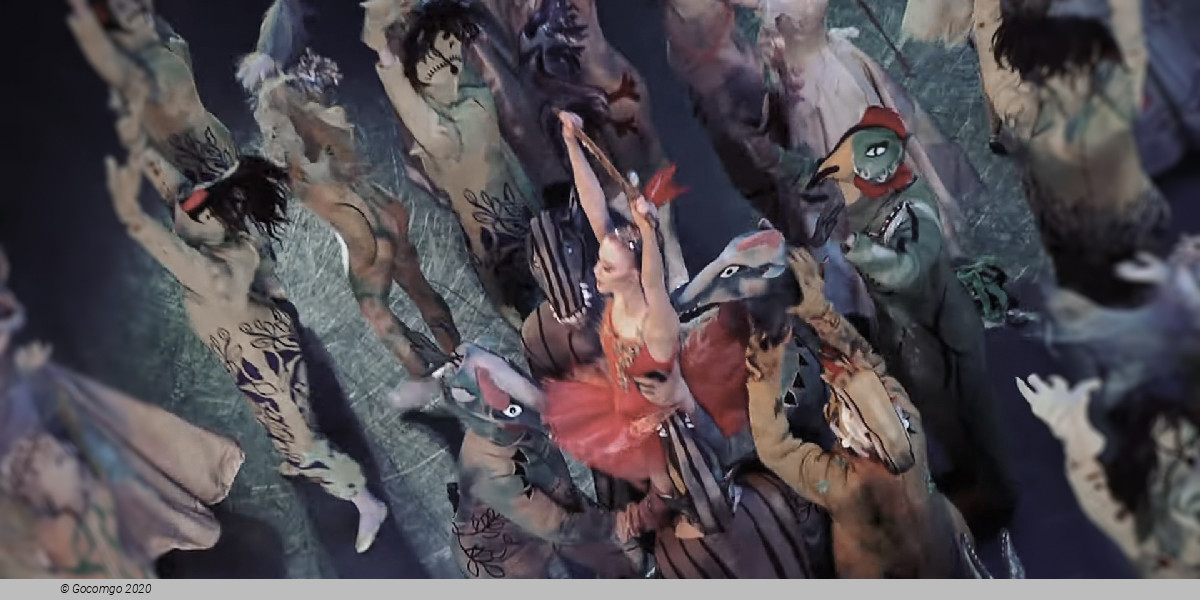
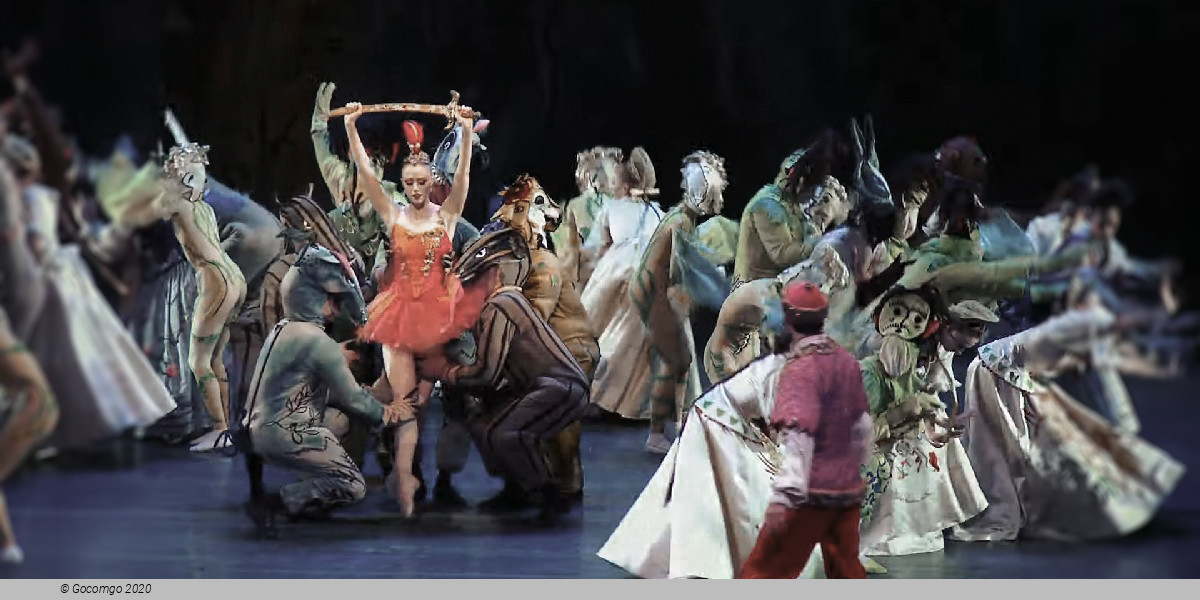
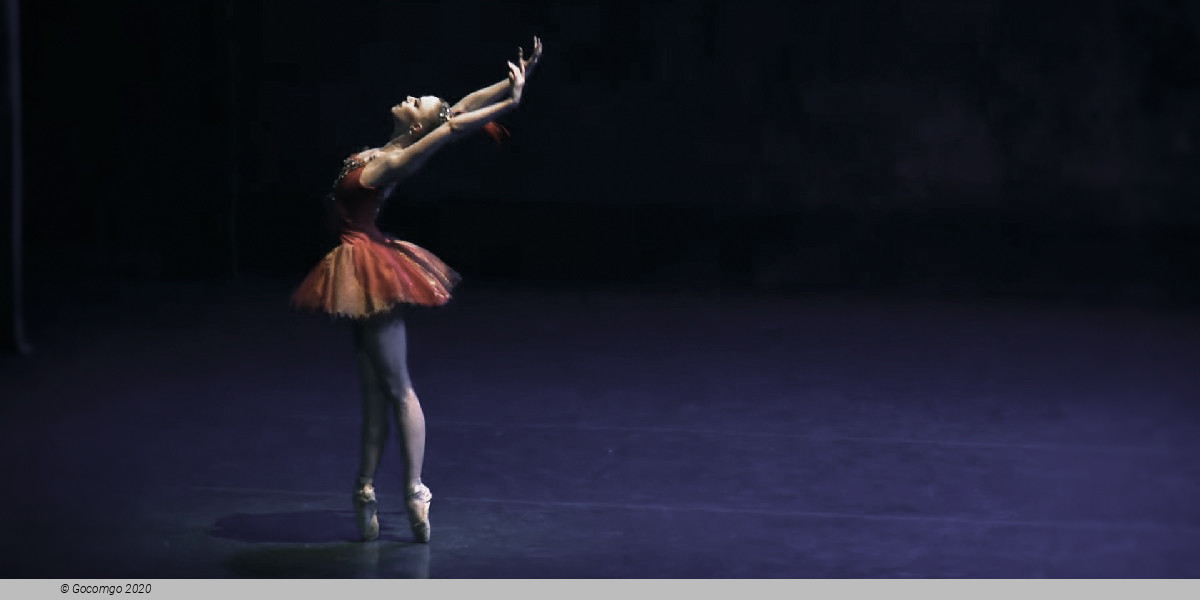
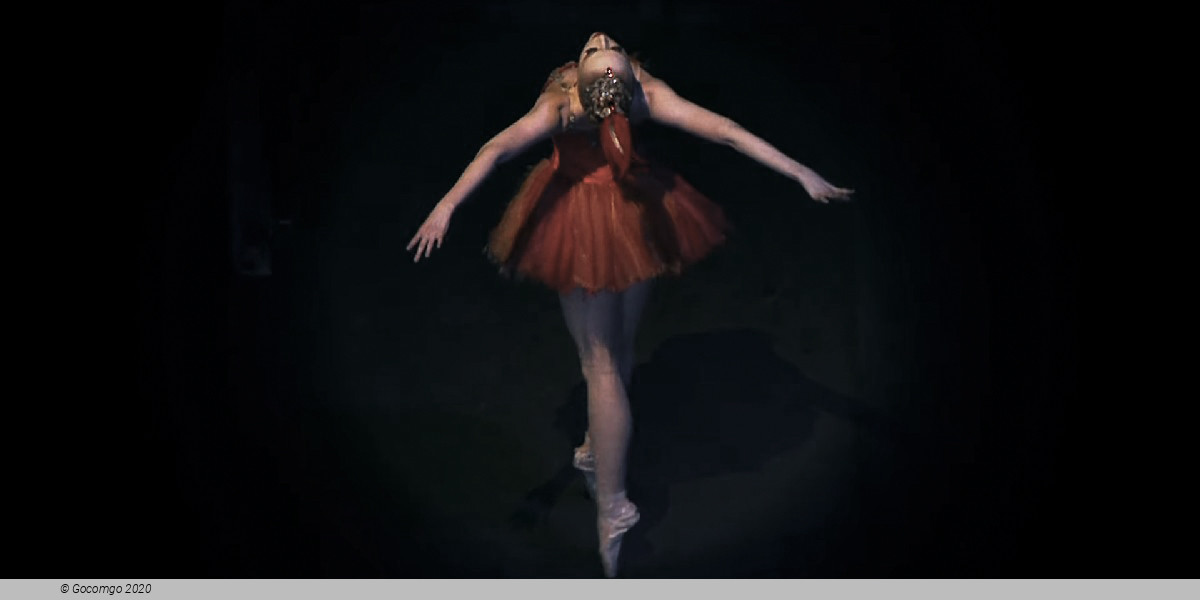
Both Stravinsky's score and Mikhail Fokine's choreography were ground breaking. Fokine shifted from classical ballet towards a more realist and folk-derived style of movement, while Stravinsky incorporated elements of folksong into his music. The role of the Firebird is challenging to dance and mesmerizing to watch - she enters the stage in a flash of movement, and her steps are bold and full of a powerful energy. The strange characters that accompany Kostcheï transform the stage into a spectacular blaze of colour and folkloric detail, and this unique ballet ends with tableau that is as vivid as it is distinctly Russian.

History
Premiere of this production: 30 November 1906, Mariinsky Theatre, Saint Petersburg, Russia

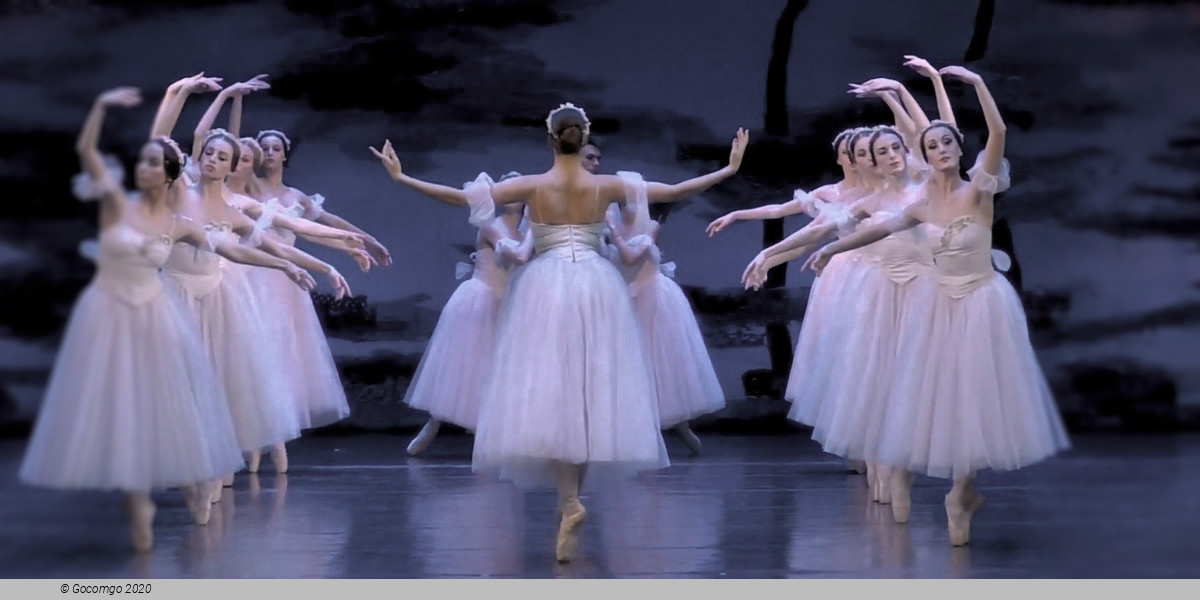
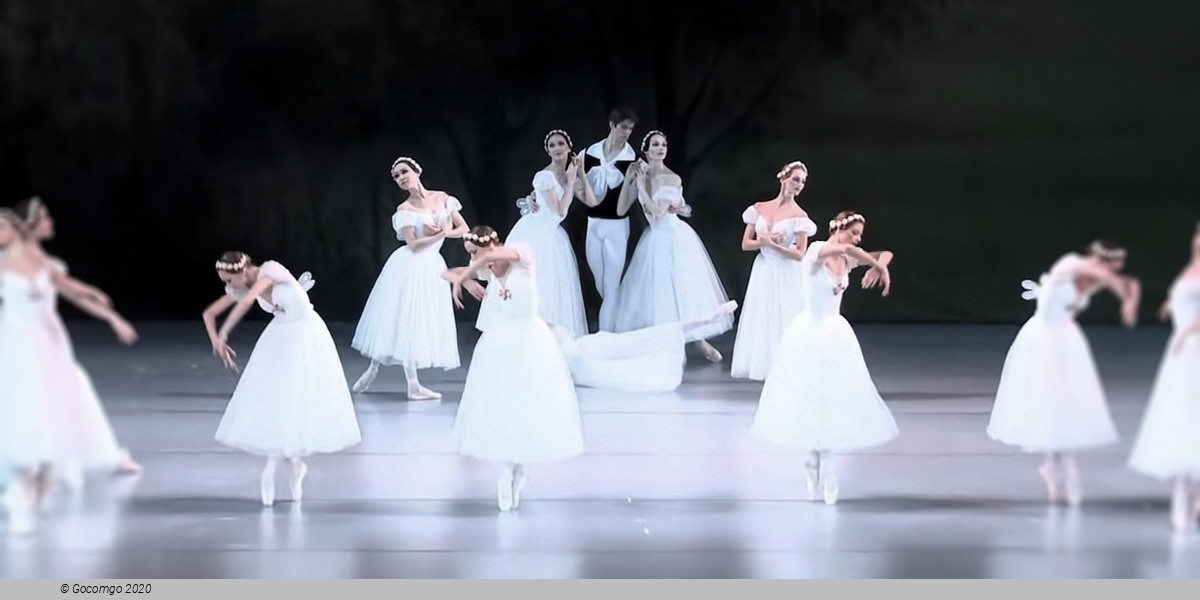
Chopiniana (Les Sylphides) is a short, non-narrative ballet blanc to piano music by Frédéric Chopin, selected and orchestrated by Alexander Glazunov.

Premiere of this production: 04 June 1910, Opéra Garnier in Paris

Scheherazade, also commonly Sheherazade, is a symphonic suite composed by Nikolai Rimsky-Korsakov in 1888 and based on One Thousand and One Nights (also known as The Arabian Nights). The name "Scheherazade" refers to the main character Shahrazad of the One Thousand and One Nights. It is considered Rimsky-Korsakov's most popular work.

Premiere of this production: 25 June 1910, Théâtre de l´Opéra, Paris

The Firebird is a ballet and orchestral concert work by the Russian composer Igor Stravinsky. It was written for the 1910 Paris season of Sergei Diaghilev's Ballets Russes company; the original choreography was by Michel Fokine, with a scenario by Alexandre Benois and Fokine based on the Russian fairy tales of the Firebird and the blessing and curse it possesses for its owner.

Synopsis

The ballet centers on the journey of its hero, Prince Ivan. While hunting in the forest, he strays into the magical realm of Koschei the Immortal, whose immortality is preserved by keeping his soul in a magic egg hidden in a casket. Ivan chases and captures the Firebird and is about to kill her; she begs for her life and he spares her. As a token of thanks, she offers him an enchanted feather that he can use to summon her should he be in dire need.

Prince Ivan then meets thirteen princesses who are under the spell of Koschei and falls in love with one of them. The next day, Ivan confronts the magician and eventually they begin quarrelling. When Koschei sends his minions after Ivan, he summons the Firebird. She intervenes, bewitching the monsters and making them dance an elaborate, energetic dance (the "Infernal Dance").

The creatures and Koschei then fall into a deep sleep. While they sleep, the Firebird directs Ivan to a tree stump where the casket with the egg containing Koschei's soul is hidden. Ivan destroys the egg and with the spell broken, the magical creatures that Koschei held captive are freed and the palace disappears. All of the "real" beings, including the princesses, awaken and with one final hint of the Firebird's music (though in Fokine's choreography she makes no appearance in that final scene on-stage), celebrate their victory.

Venue Info

Beijing National Grand Theater (NCPA) - Beijing
Location   2 W Chang'an Ave

The National Centre for the Performing Arts (NCPA) is an arts centre containing an opera house in Beijing, People's Republic of China. The Centre, an ellipsoid dome of titanium and glass surrounded by an artificial lake, seats 5,452 people in three halls and is almost 12,000 m² in size. It was designed by French architect Paul Andreu. Construction started in December 2001 and the inaugural concert was held in December 2007.

The exterior of the theater is a titanium-accented glass dome that is completely surrounded by a man-made lake. It is said to look like an egg floating on water, or a water drop. It was designed as an iconic feature, something that would be immediately recognizable.

The dome measures 212 meters in east–west direction, 144 meters in north–south direction, and is 46 meters high. The main entrance is at the north side. Guests arrive in the building after walking through a hallway that goes underneath the lake. The titanium shell is broken by a glass curtain in north–south direction that gradually widens from top to bottom.

The location, immediately to the west of Tiananmen Square and the Great Hall of the People, and near the Forbidden City, combined with the theatre's futuristic design, created considerable controversy. Paul Andreu countered that although there is indeed value in ancient traditional Chinese architecture, Beijing must also include modern architecture, as the capital of the country and an international city of great importance. His design, with large open space, water, trees, was specially designed to complement the red walls of ancient buildings and the Great Hall of the People, in order to melt into the surroundings as opposed to standing out against them.

Internally, there are three major performance halls:

The Opera Hall is used for operas, ballet, and dances and seats 2,416 people.
The Music Hall is used for concerts and recitals and seats 2,017 people.
The Theatre Hall is used for plays and the Beijing opera. It has 1,040 seats.
The NCPA also distributes filmed and recorded performances of its concerts, plays and operas through the in-house label NCPA Classics, established in 2016.

The initial planned cost of the theatre was 2.688 billion yuan. When the construction had completed, the total cost rose to more than CNY3.2 billion. The major cause of the cost increase was a delay for reevaluation and subsequent minor changes as a precaution after a Paris airport terminal building collapsed. The cost has been a major source of controversy because many believed that it is nearly impossible to recover the investment. When the cost is averaged out, each seat is worth about half a million CNY. The Chinese government answered that the theater is not a for profit venture.

The government sanctioned study completed in 2004 by the Research Academy of Economic & Social Development of the Dongbei University of Finance and Economics, of the upkeep costs of the building were publicized in domestic Chinese media:

The water and electricity bills and the cleaning cost for the external surface would be at least tens of millions CNY, and with another maintenance cost, the total could easily exceed one billion CNY. Therefore, at least 80 percent of the annual operational costs must be subsidized by the government for at least the first three years after the opening, and for the rest of its operational life, at least 60 percent of the annual operational cost must be subsidized by the government.

The director of the art committee of the National Centre for the Performing Arts and the standing committee member of the Standing Committee of the Chinese People's Political Consultative Conference, Mr Wu Zuqiang (吴祖强) and the publicist / deputy director of the National Centre for the Performing Arts Mr Deng (邓一江) have announced that 70 percent of the tickets would be sold at low price for ordinary citizens, while 10% of the tickets would be sold at relatively expensive prices for separate market segments, and the 60% of annual operating cost needed to be subsidized by the government would be divided between the central government and the Beijing municipal government.

Important Info
Type: Ballet
City: Beijing, China
Starts at: 19:30
Duration:
Top of page