Prologue
A long time ago, Marie’s father Kruschina came to an agreement with the rich Tobias Micha that Marie must marry his son. Micha has two sons: Wenzel is the child from Micha’s second marriage and a little naive. His older half-brother, Hans, whose mother died young, is regarded as being missing. Neither Marie’s parents nor Marie have ever met both brothers.
First Act
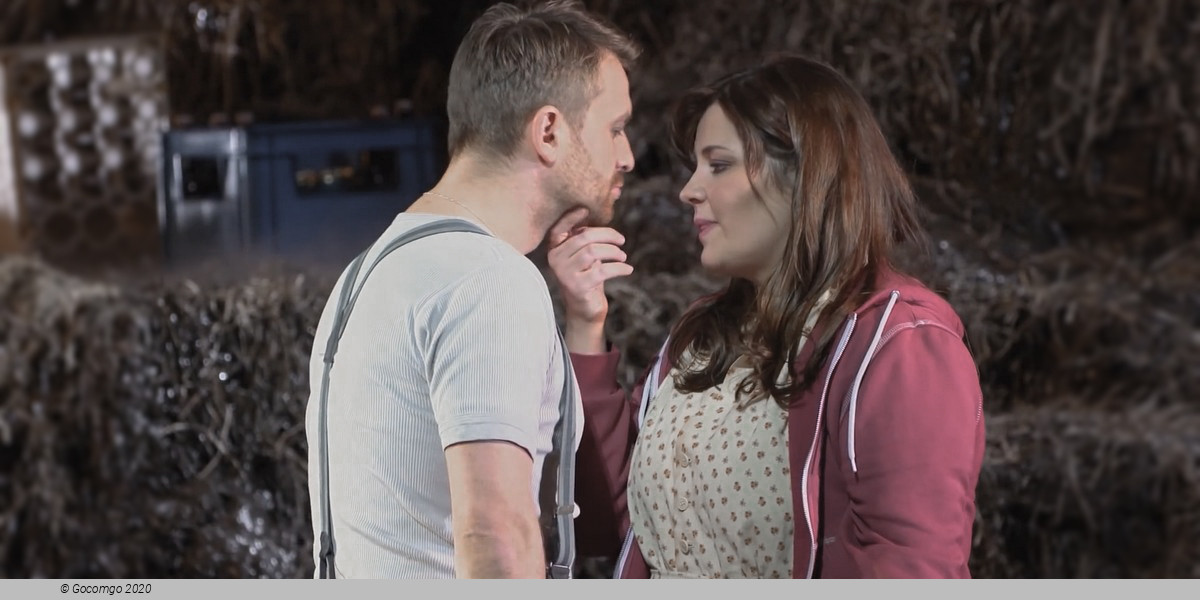
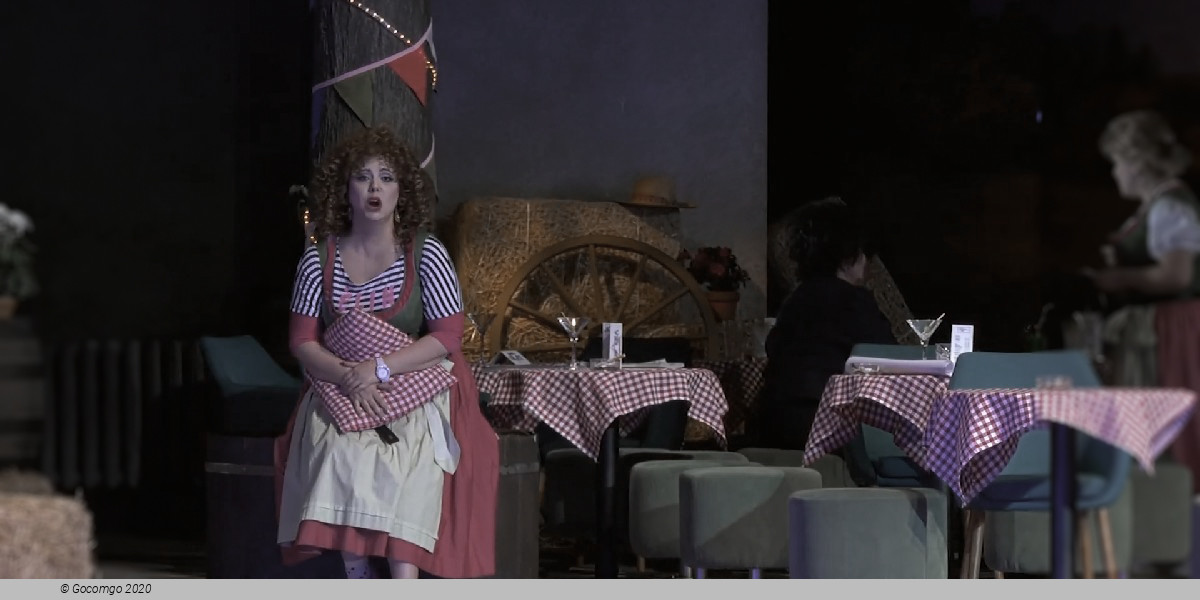
Marie loves Hans – Hans loves Marie. Hans is a stranger in town; no one knows anything about him and Marie has just learned that she has to marry the son of Tobias Micha. She is distraught and it appears as though Hans is hiding something from her. The marriage broker Kezal is negotiating the contract for the imminent marriage of Wenzel and Marie with the bride’s parents. Marie strongly rejects her parents’ request but Kezal insists the contract be finalised. However, the celebratory mood of the guests puts an end to the negotiations for now and everyone starts dancing.
Second Act
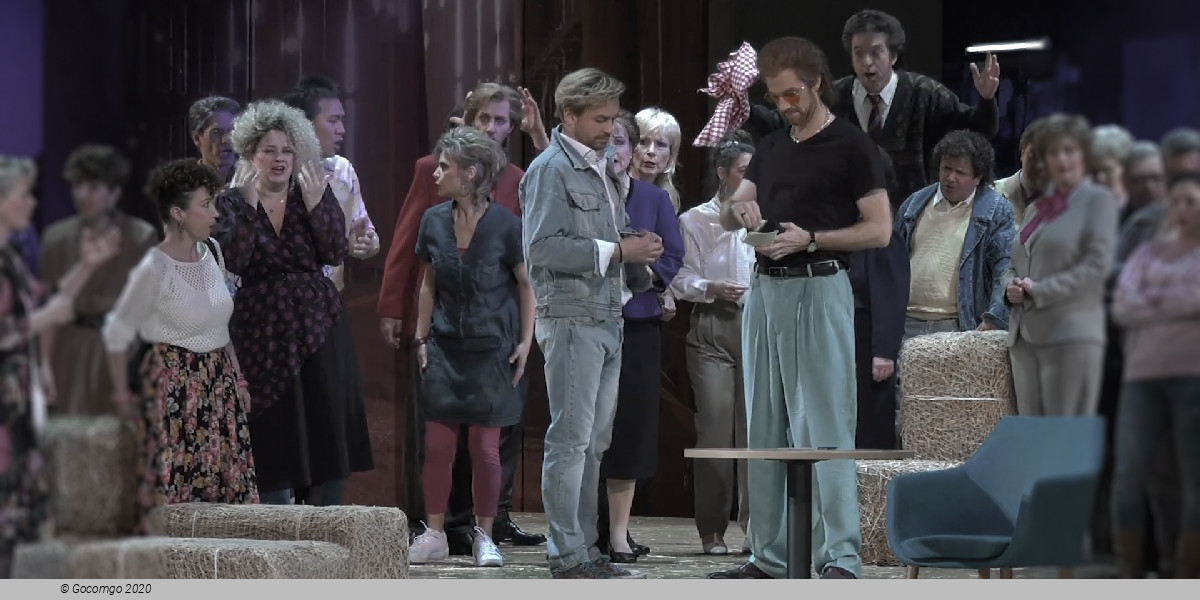
Marie and Wenzel meet by chance. When Marie realises who is standing in front of her, she makes the unsuspecting young man swear that he will never want to marry Marie. At the same time, Kezal talks to Hans and hopes to persuade him with the offer of another, wealthy bride if he gives up Marie. Hans eventually agrees to give up Marie on the condition that he receives a payment of 300 guilders and the assurance that ›only the son of Micha‹ is allowed to marry Marie. Kezal thinks he has nearly achieved what he wanted although this is exactly what old Micha wanted. When he announces the agreement with Hans, everyone is dismayed about the young man who sells his bride. Hans signs the contract.
Third Act
A circus director and his troop present themselves and their show. Wenzel falls head over heels in love with the pretty performer Esmeralda and lets her talk him into getting into a bear costume that night instead of the totally drunk performer. In return, she promises her love. Marie doesn’t want to believe that Hans betrayed her until Kezal shows her the contract Hans signed. Stunned by this, Marie decides to get revenge on Hans and to now marry Wenzel out of defiance. Hans’s request to her, that she should trust him, is ignored by an incensed Marie. However, when Tobias Micha and his wife suddenly appear and see in Hans the son of Micha’s first marriage who was deemed as missing, Marie finally realises her lover’s plan and forgives him. As usual, it is Wenzel who remains clueless – he happily gets out of his bear costume and is totally surprised when his mother scolds him and takes him with her. Hans makes amends with his father and the couple gets his blessing.
Act 1
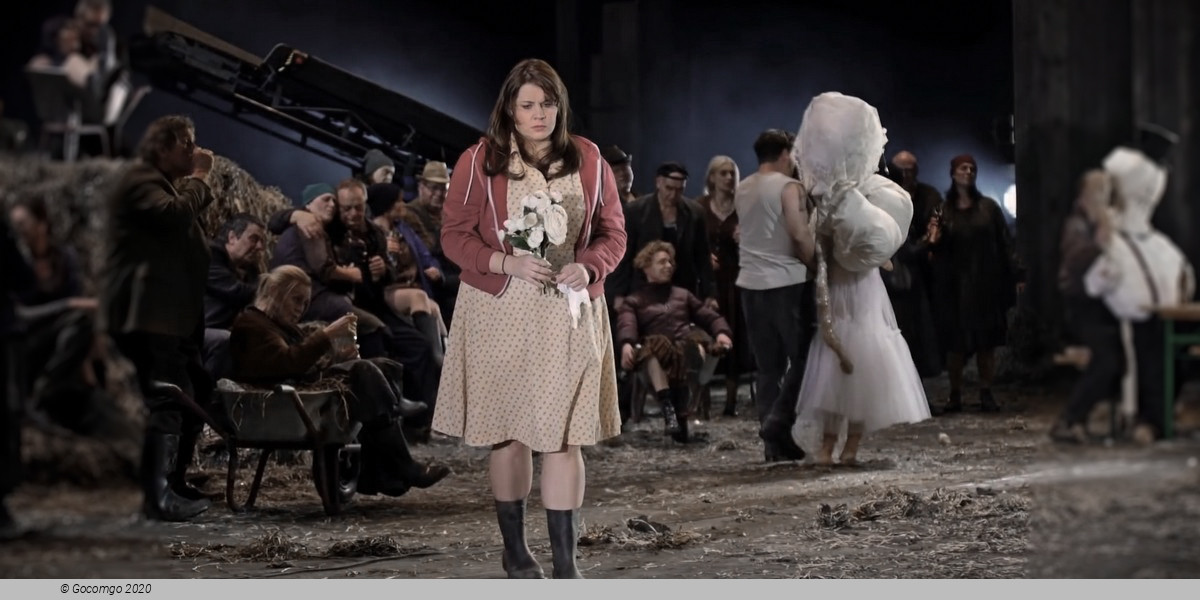
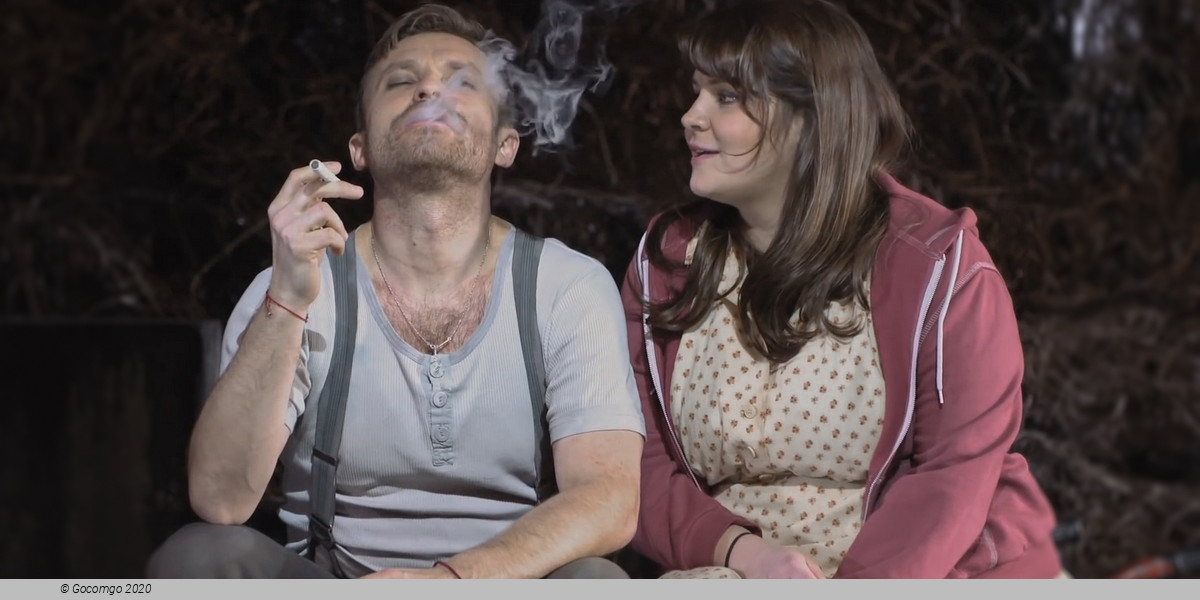
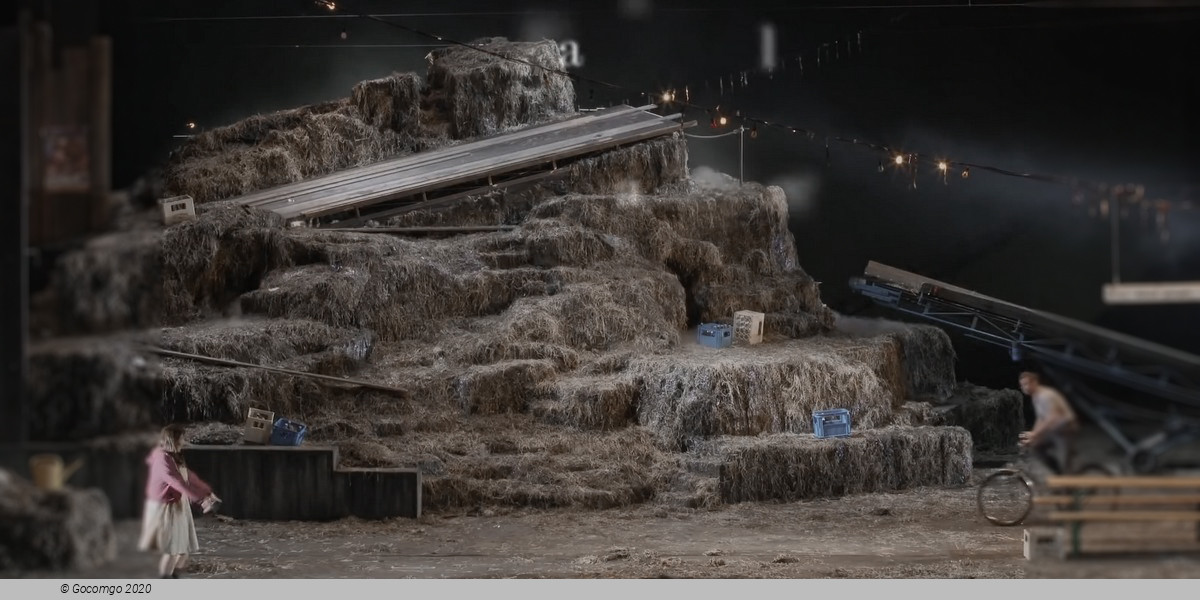
A crowd of villagers is celebrating at the church fair ("Let's rejoice and be merry"). Among them are Mařenka and Jeník. Mařenka is unhappy because her parents want her to marry someone she has never met. They will try to force her into this, she says. Her desires are for Jeník even though, as she explains in her aria "If I should ever learn", she knows nothing of his background. The couple then declare their feelings for each other in a passionate love duet ("Faithful love can't be marred").
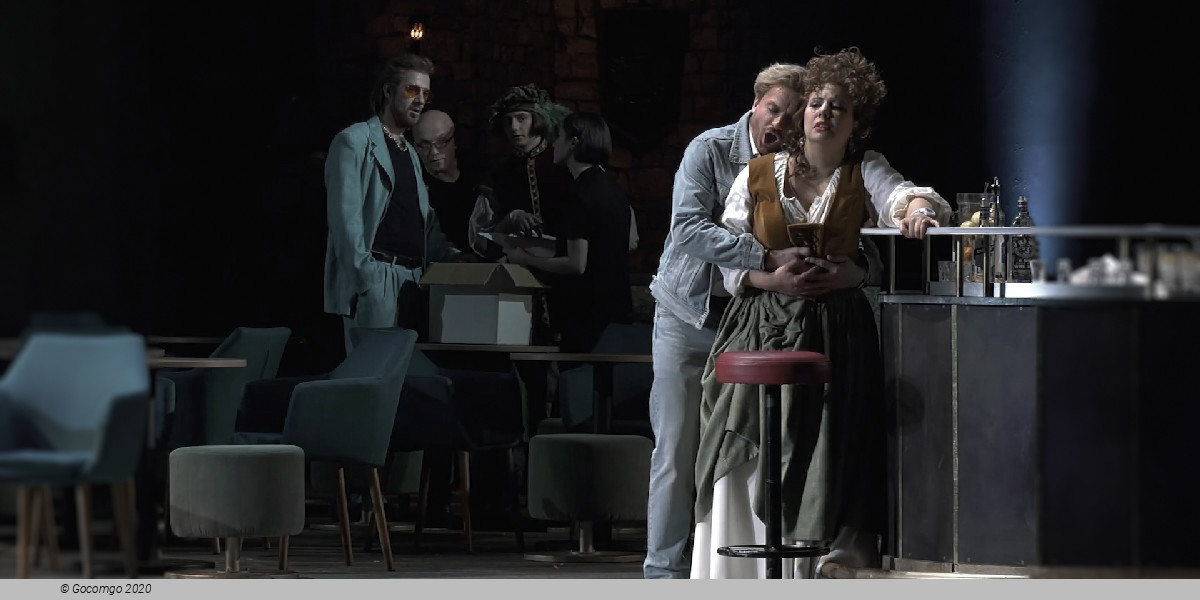
As the pair leave separately, Mařenka's parents, Ludmila and Krušina, enter with the marriage broker Kecal. After some discussion, Kecal announces that he has found a groom for Mařenka – Vašek, younger son of Tobiáš Mícha, a wealthy landowner; the older son, he explains, is a worthless good-for-nothing. Kecal extols the virtues of Vašek ("He's a nice boy, well brought up"), as Mařenka re-enters. In the subsequent quartet she responds by saying that she already has a chosen lover. Send him packing, orders Kecal. The four argue, but little is resolved. Kecal decides he must convince Jeník to give up Mařenka, as the villagers return, singing and dancing a festive polka.
Act 2
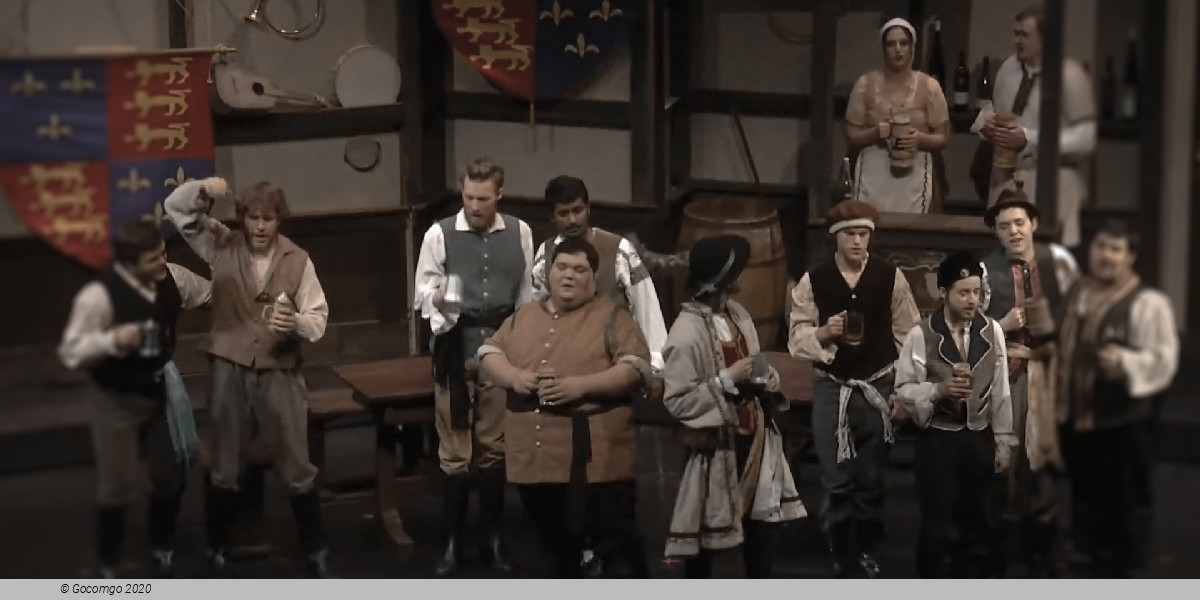
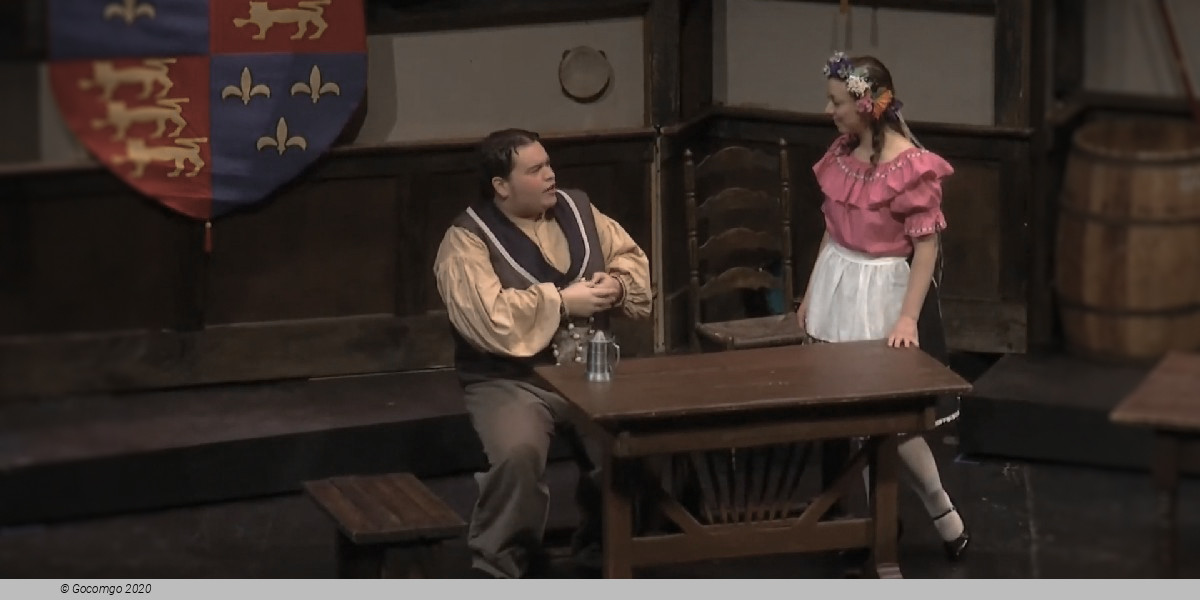
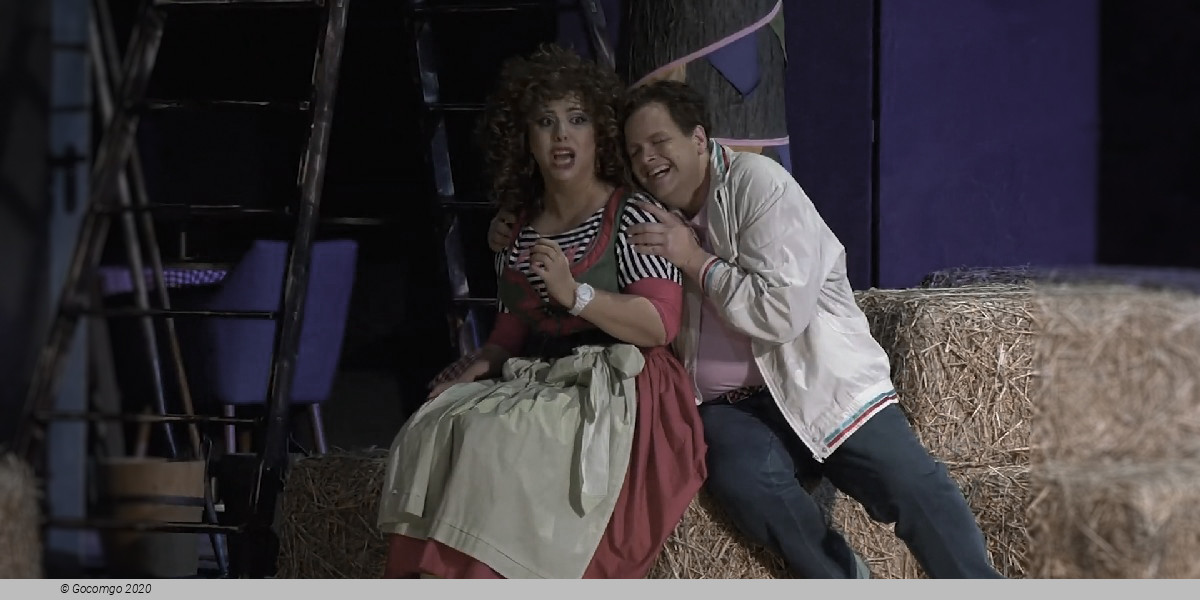
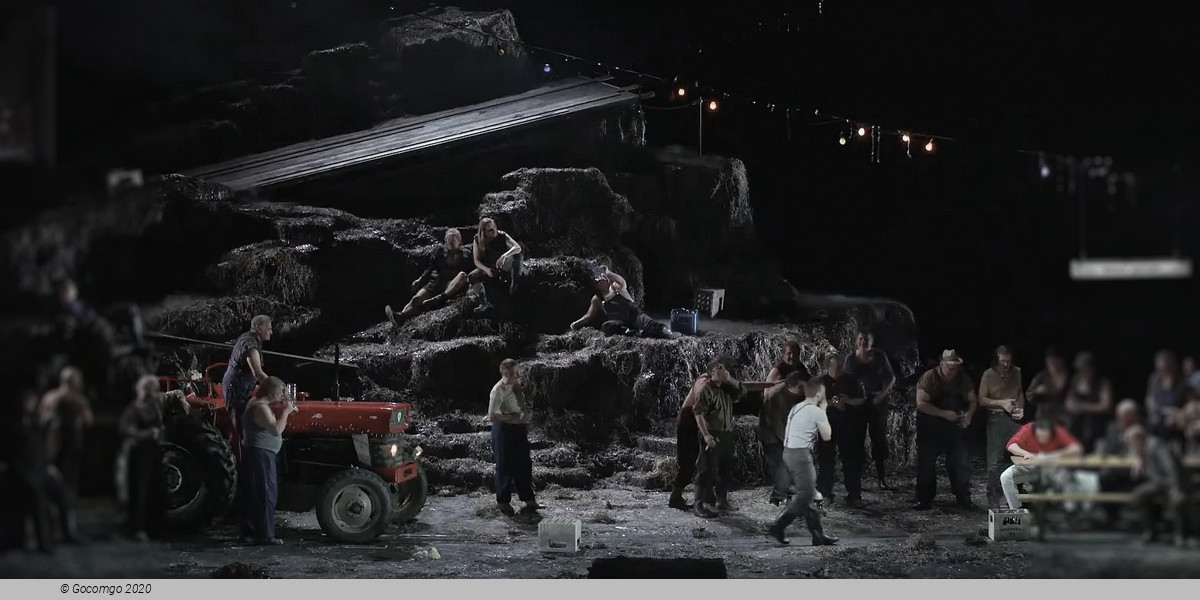
The men of the village join in a rousing drinking song ("To beer!"), while Jeník and Kecal argue the merits, respectively, of love and money over beer. The women enter, and the whole group joins in dancing a furiant. Away from the jollity the nervous Vašek muses over his forthcoming marriage in a stuttering song ("My-my-my mother said to me"). Mařenka appears, and guesses immediately who he is, but does not reveal her own identity. Pretending to be someone else, she paints a picture of "Mařenka" as a treacherous deceiver. Vašek is easily fooled, and when Mařenka, in her false guise, pretends to woo him ("I know of a maiden fair"), he falls for her charms and swears to give Mařenka up.
Meanwhile, Kecal is attempting to buy Jeník off, and after some verbal fencing makes a straight cash offer: a hundred florins if Jeník will renounce Mařenka. Not enough, is the reply. When Kecal increases the offer to 300 florins, Jeník pretends to accept, but imposes a condition – no one but Mícha's son will be allowed to wed Mařenka. Kecal agrees, and rushes off to prepare the contract. Alone, Jeník ponders the deal he has apparently made to barter his beloved ("When you discover whom you've bought"), wondering how anyone could believe that he would really do this, and finally expressing his love for Mařenka.
Kecal summons the villagers to witness the contract he has made ("Come inside and listen to me"). He reads the terms: Mařenka is to marry no one but Mícha's son. Krušina and the crowd marvel at Jeník's apparent self-denial, but the mood changes when they learn that he has been paid off. The act ends with Jenik being denounced by Krušina and the rest of the assembly as a rascal.
Act 3
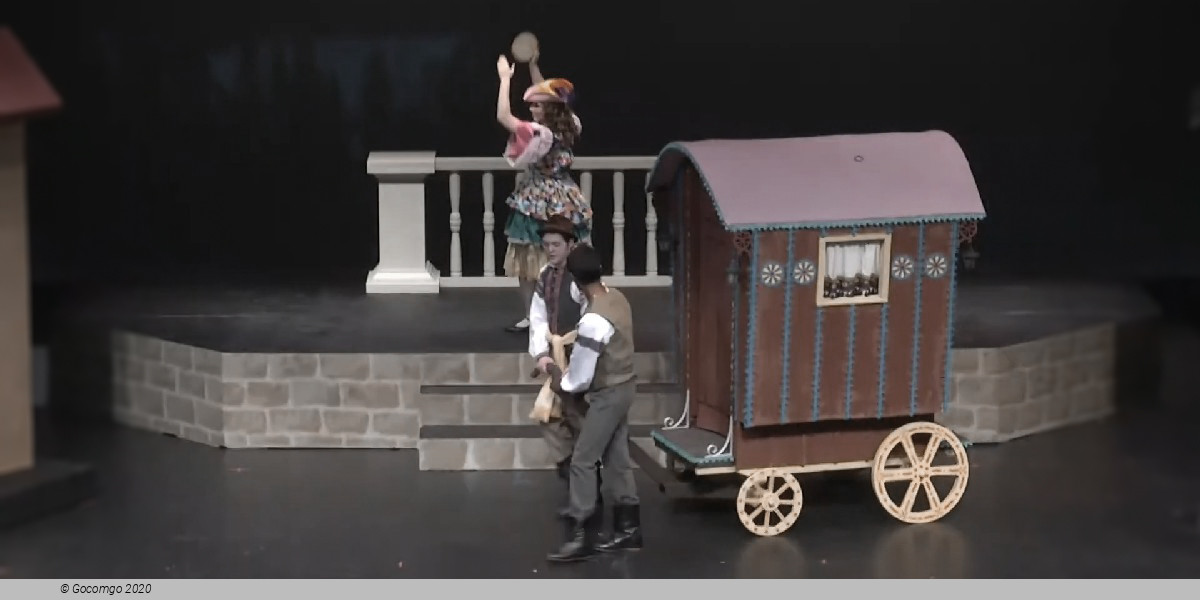
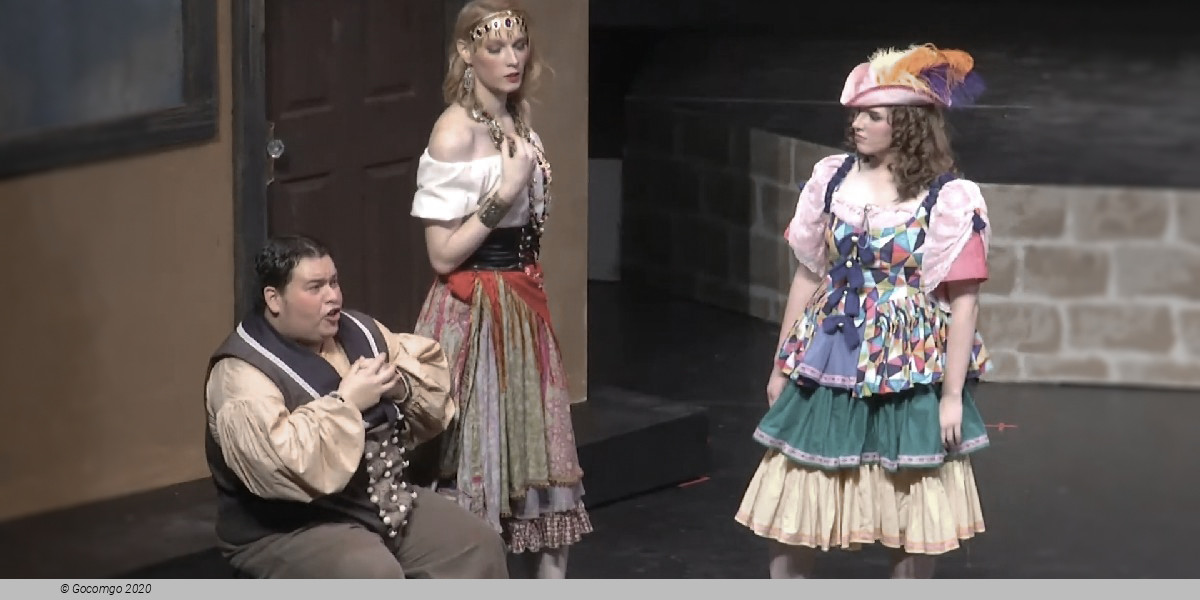
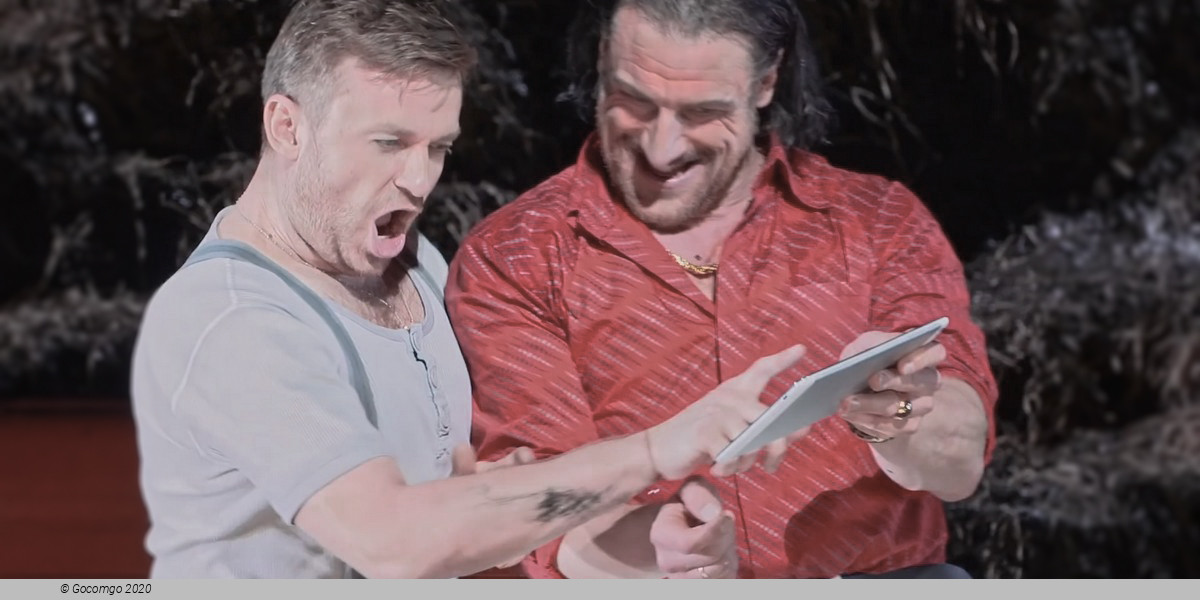
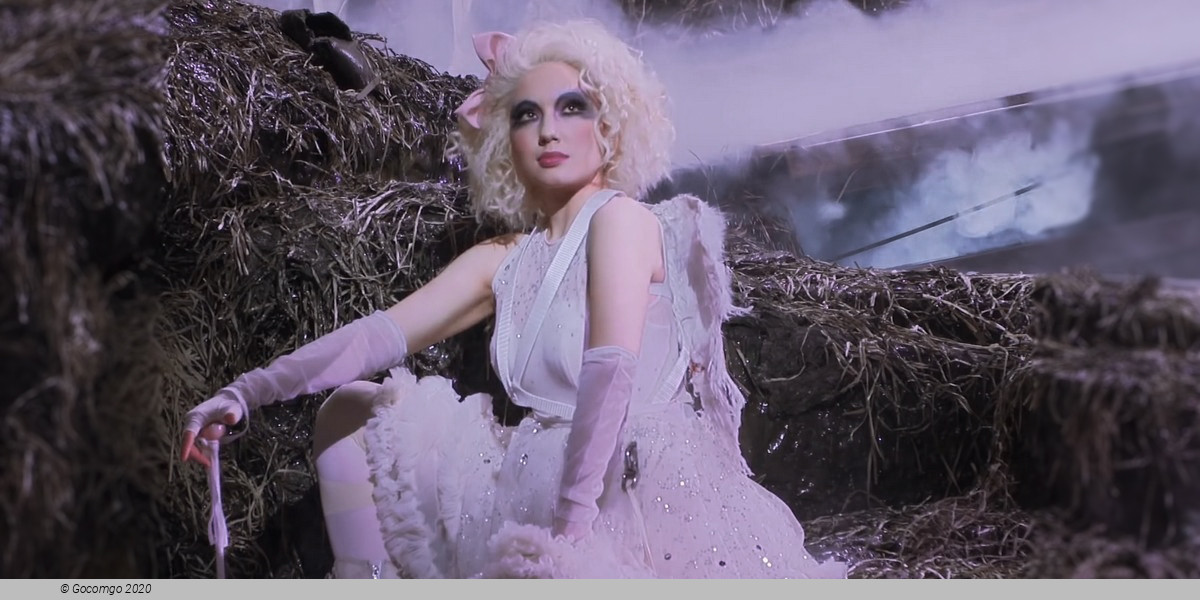
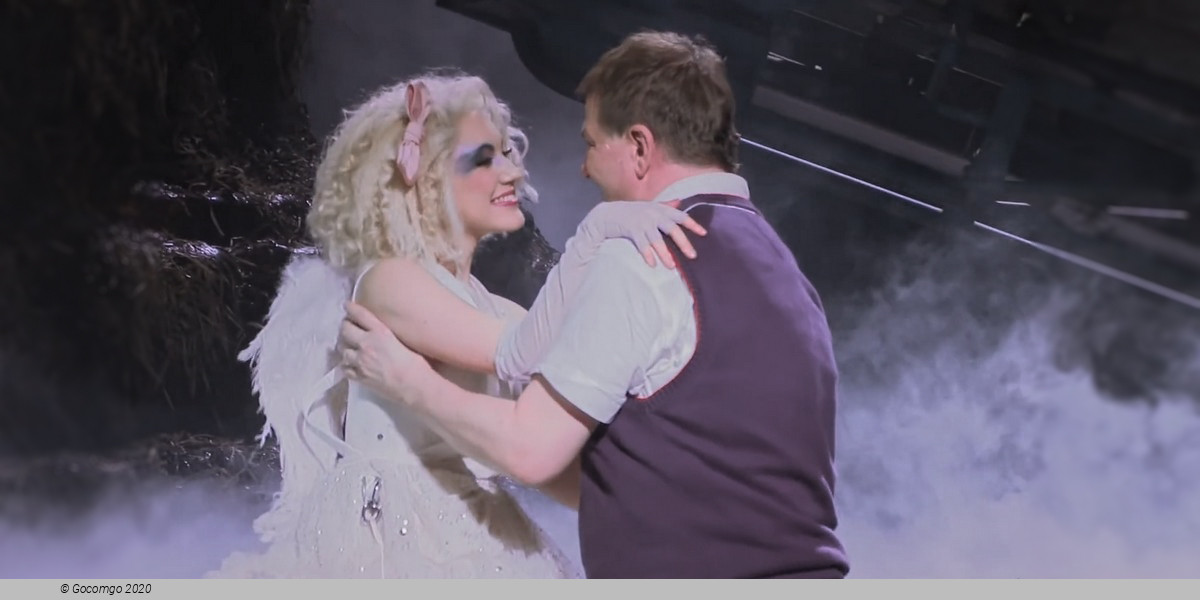
Vašek expresses his confusions in a short, sad song ("I can't get it out of my head"), but is interrupted by the arrival of a travelling circus. The Ringmaster introduces the star attractions: Esmeralda, the Spanish dancer, a "real Indian" sword swallower, and a dancing bear. A rapid folk-dance, the skočná, follows. Vašek is entranced by Esmeralda, but his timid advances are interrupted when the "Indian" rushes in, announcing that the "bear" has collapsed in a drunken stupor. A replacement is required. Vašek is soon persuaded to take the job, egged on by Esmeralda's flattering words ("We'll make a pretty thing out of you").
The circus folk leave. Vasek's parents – Mícha and Háta – arrive, with Kecal. Vašek tells them that he no longer wants to marry Mařenka, having learned her true nature from a beautiful, strange girl. They are horrified ("He does not want her – what has happened?"). Vašek runs off, and moments later Mařenka arrives with her parents. She has just learned of Jeník's deal with Kecal, and a lively ensemble ("No, no, I don't believe it") ensues. Matters are further complicated when Vašek returns, recognises Mařenka as his "strange girl", and says that he will happily marry her. In the sextet which follows ("Make your mind up, Mařenka"), Mařenka is urged to think things over. They all depart, leaving her alone.
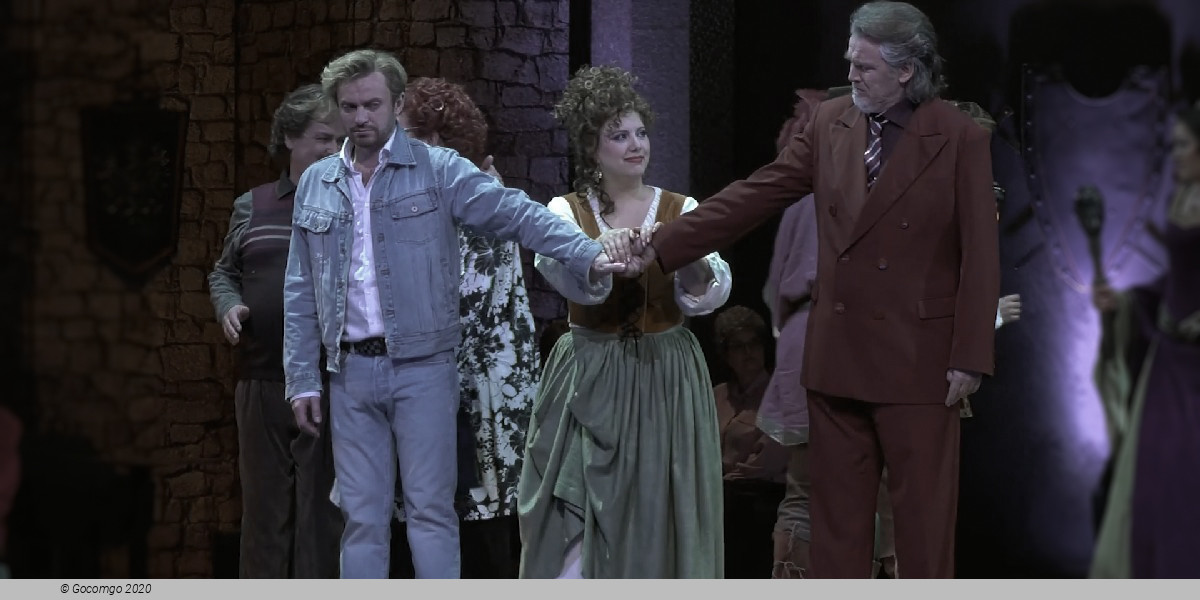
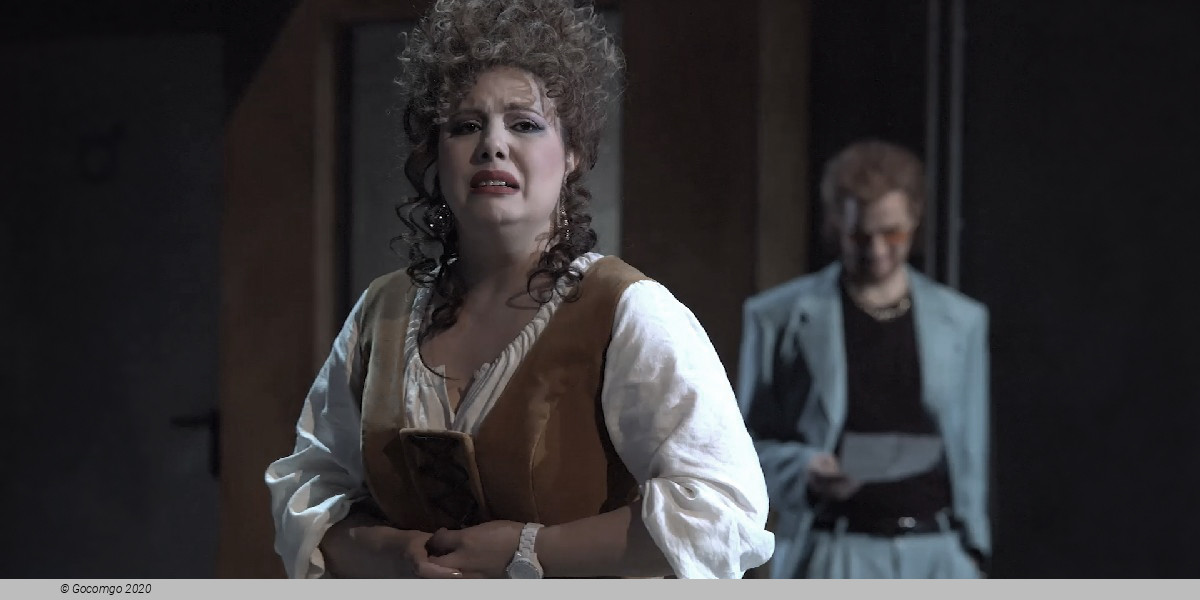
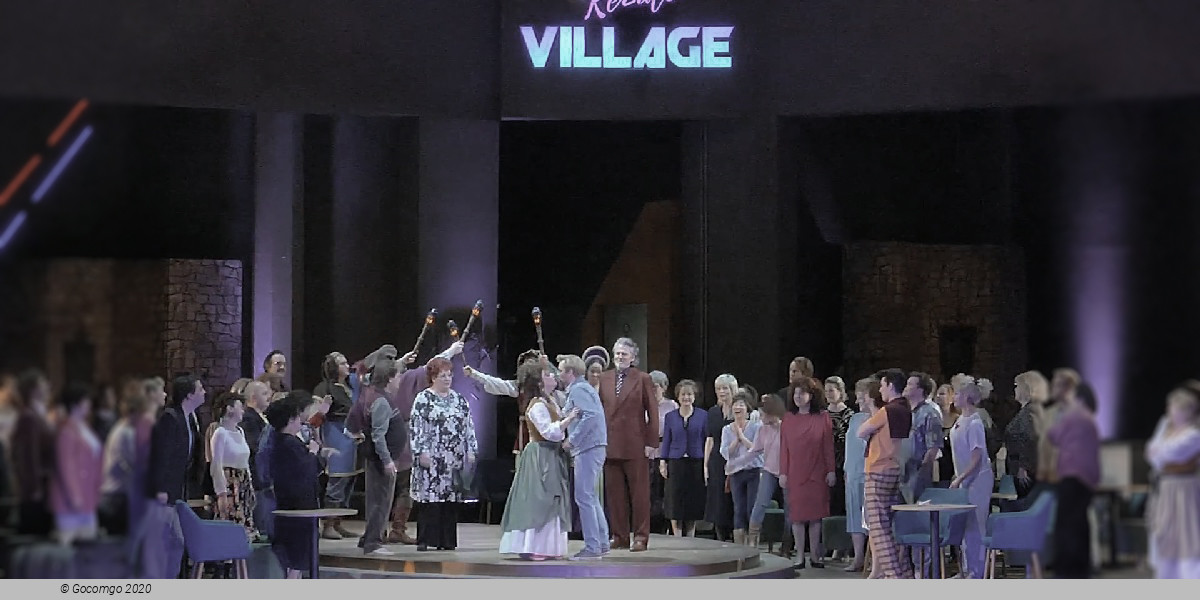
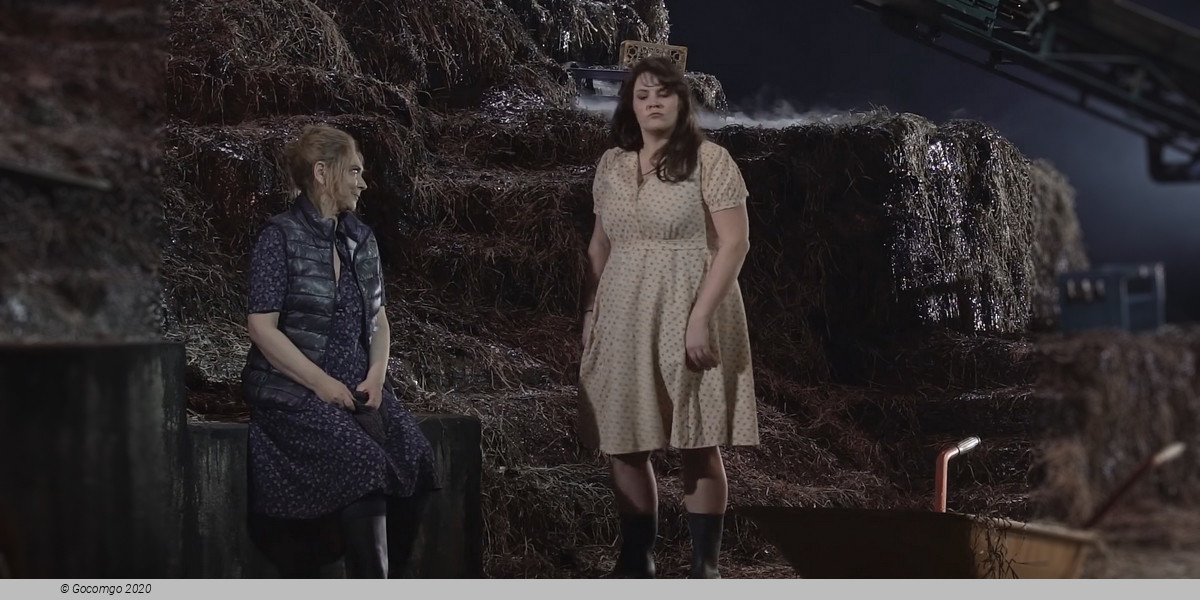
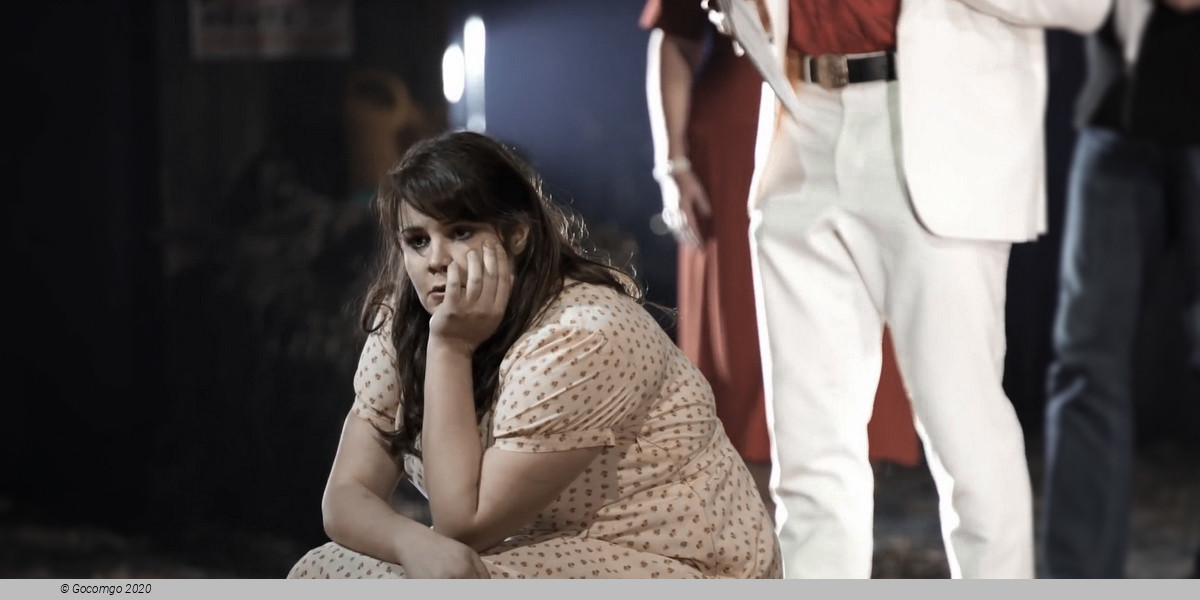
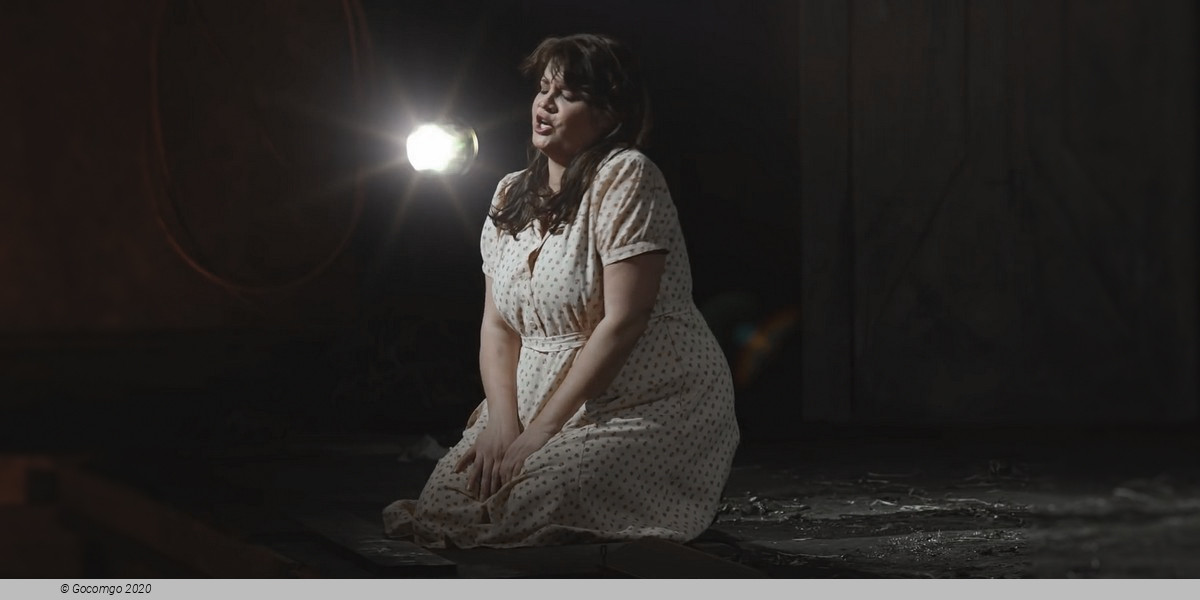
In her aria ("Oh what grief"), Mařenka sings of her betrayal. When Jeník appears, she rebuffs him angrily, and declares that she will marry Vašek. Kecal arrives, and is amused by Jeník's attempts to pacify Mařenka, who orders her former lover to go. The villagers then enter, with both sets of parents, wanting to know Mařenka's decision ("What have you decided, Mařenka?"). As she confirms that she will marry Vašek, Jeník returns, and to great consternation addresses Mícha as "father". In a surprise identity revelation it emerges that Jeník is Mícha's elder son, by a former marriage – the "worthless good-for-nothing" earlier dismissed by Kecal – who had in fact been driven away by his jealous stepmother, Háta. As Mícha's son he is, by the terms of the contract, entitled to marry Mařenka; when this becomes clear, Mařenka understands his actions and embraces him. Offstage shouting interrupts the proceedings; it seems that a bear has escaped from the circus and is heading for the village. This creature appears, but is soon revealed to be Vašek in the bear's costume ("Don't be afraid!"). His antics convince his parents that he is unready for marriage, and he is marched away. Mícha then blesses the marriage between Mařenka and Jeník, and all ends in a celebratory chorus.


 Theaterplatz 2