
Oper Frankfurt: Orlando Tickets | Event Dates & Schedule | GoComGo.com

Orlando Tickets

Oper Frankfurt, Frankfurt am Main, Germany
Important Info
Type: Opera
City: Frankfurt am Main, Germany
Duration: 2h 45min with 1 interval
Acts: 3
Intervals: 1
Sung in: Italian
Titles in: English,German

E-tickets: Print at home or at the box office of the event if so specified. You will find more information in your booking confirmation email.

You can only select the category, and not the exact seats.
If you order 2 or 3 tickets: your seats will be next to each other.
If you order 4 or more tickets: your seats will be next to each other, or, if this is not possible, we will provide a combination of groups of seats (at least in pairs, for example 2+2 or 2+3).

Cast
Performers
Choose the date to see the peformers
Overview

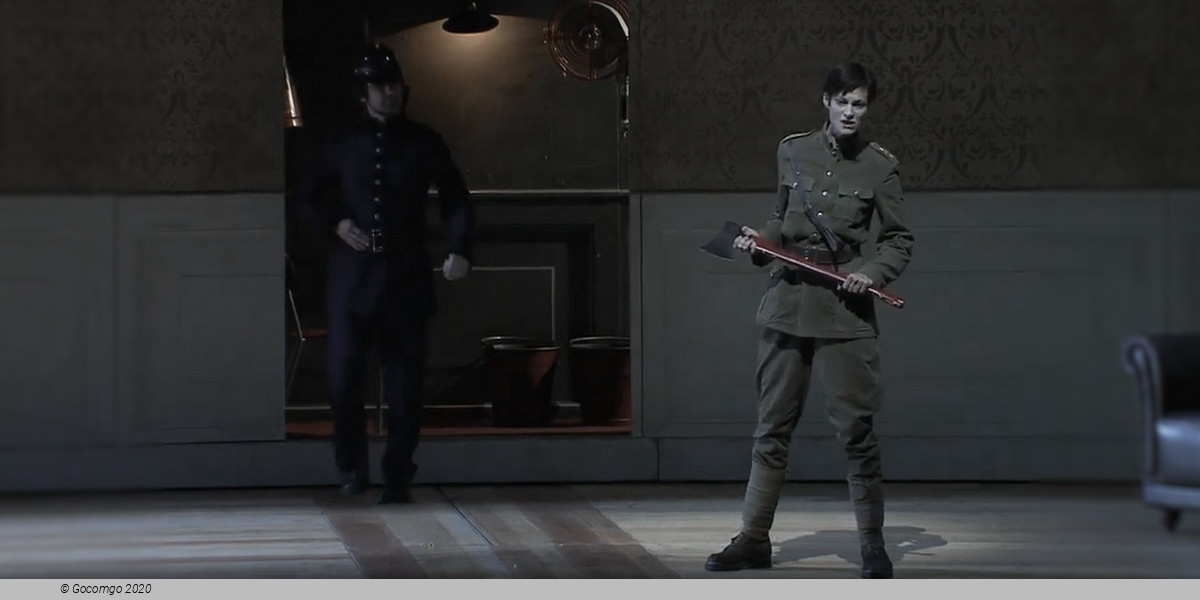
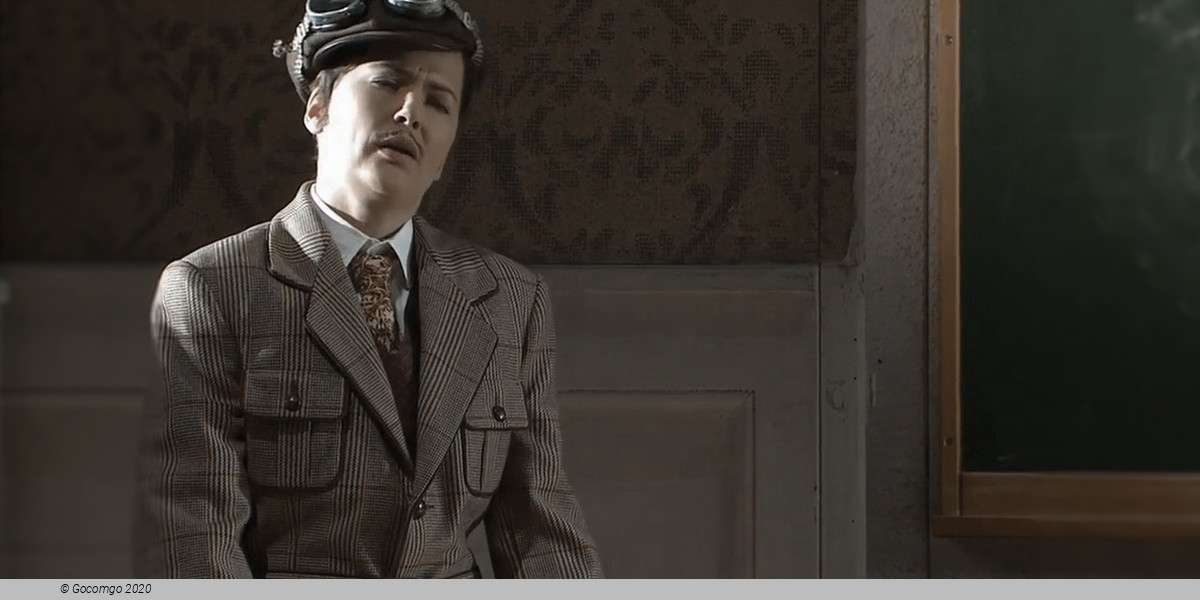
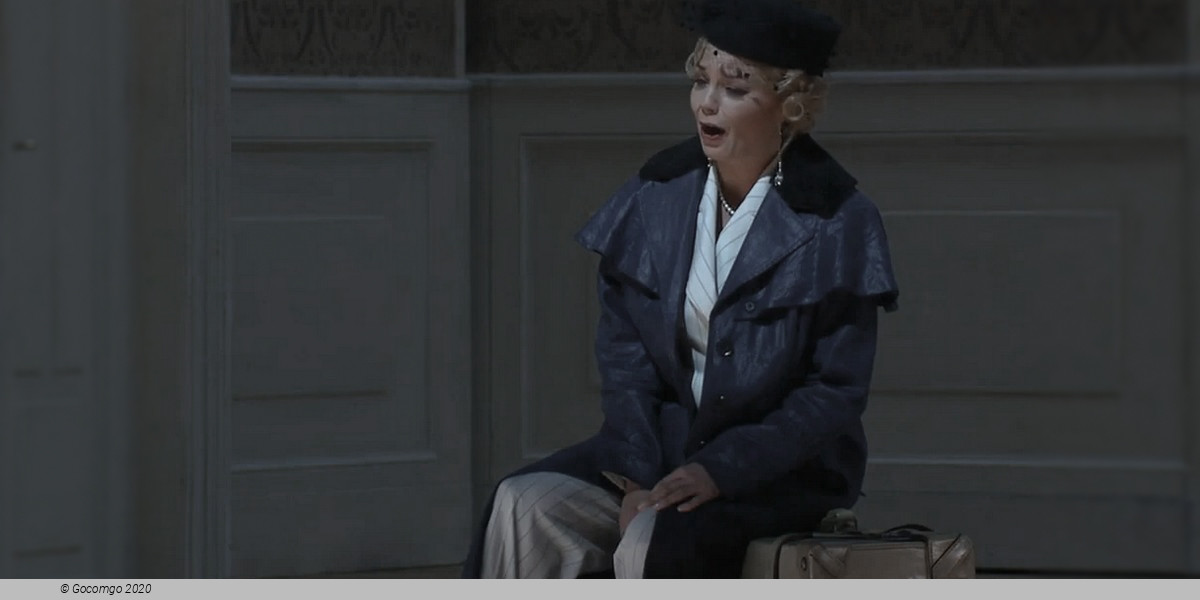
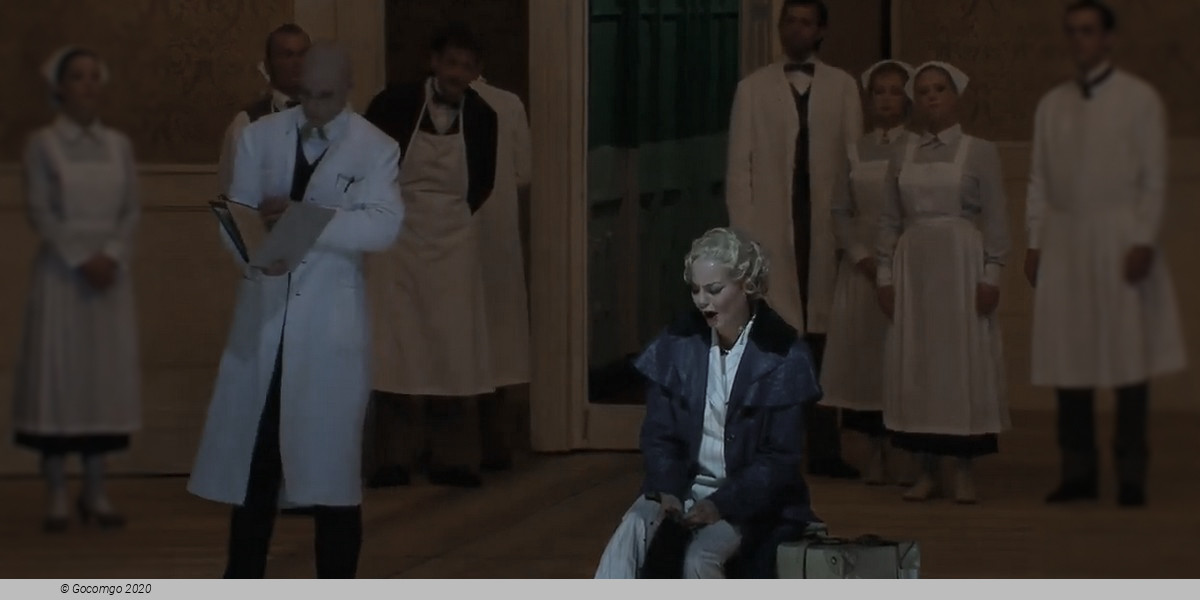
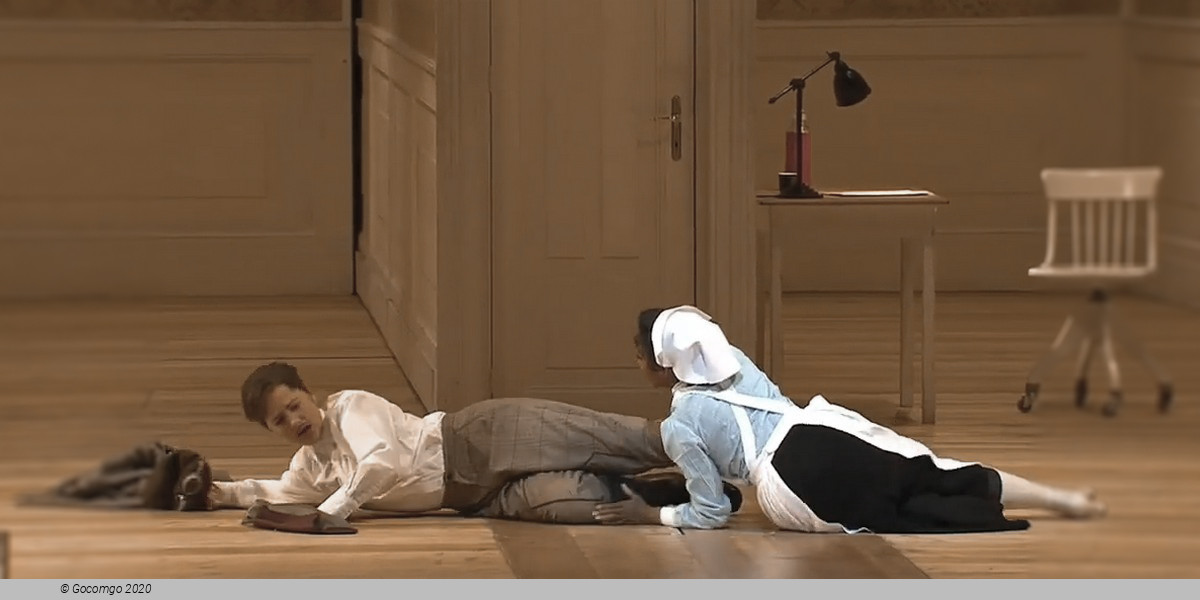
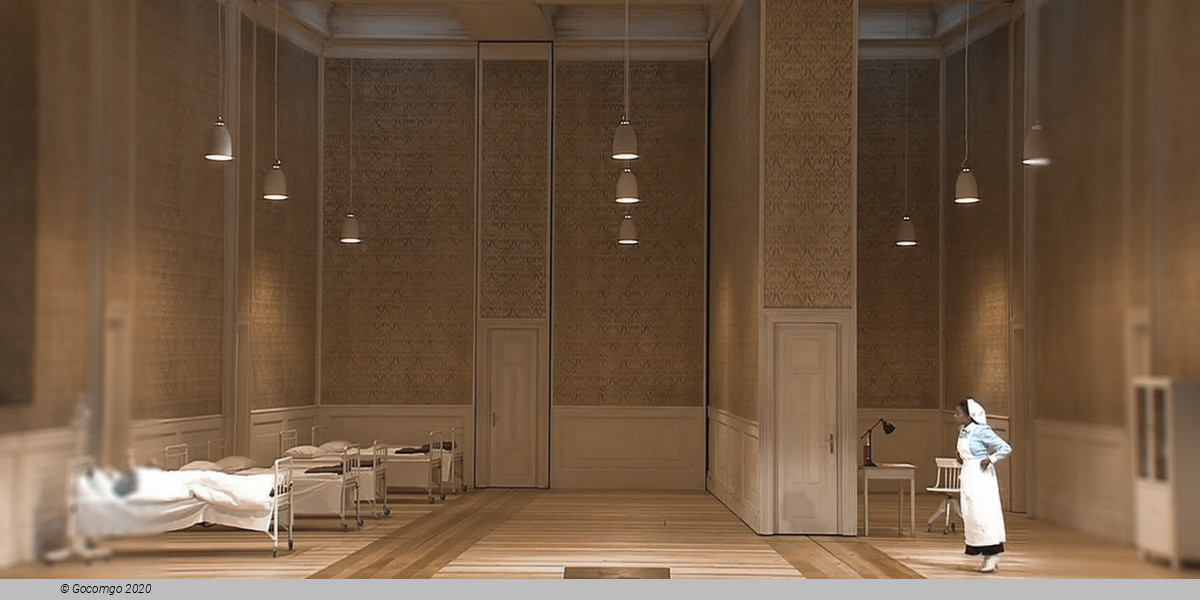
In Ludovico Ariosto‘s Orlando furioso Handel found a promising story about the tortuous (mis)guided path of passions. The title hero’s madness gave him the chance to move away from conventions in music too: his innovative score throwing the form of opera seria out of kilter.

A man in a state of emergency: did a »wind« called love really turn the glorious super hero Orlando’s head and catapult his »sanity to the moon«?

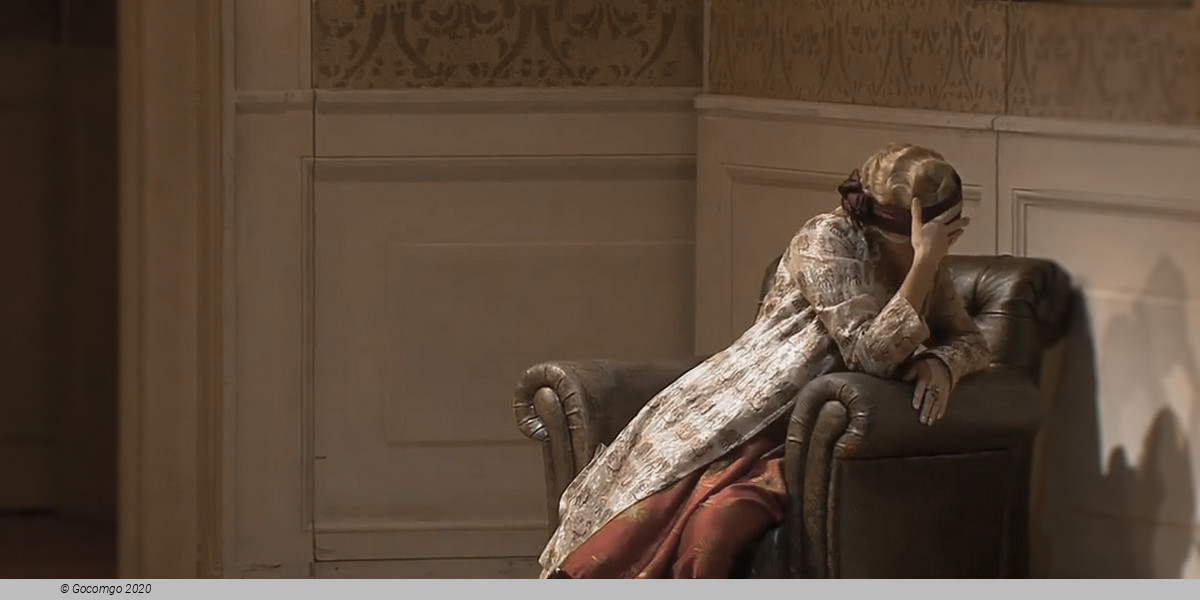
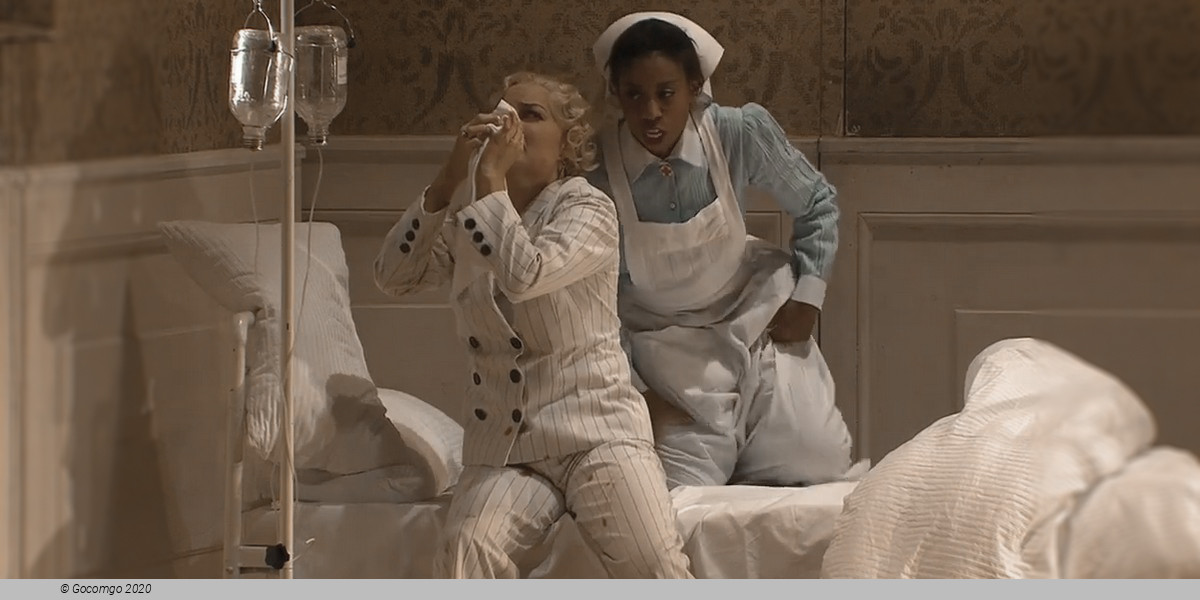
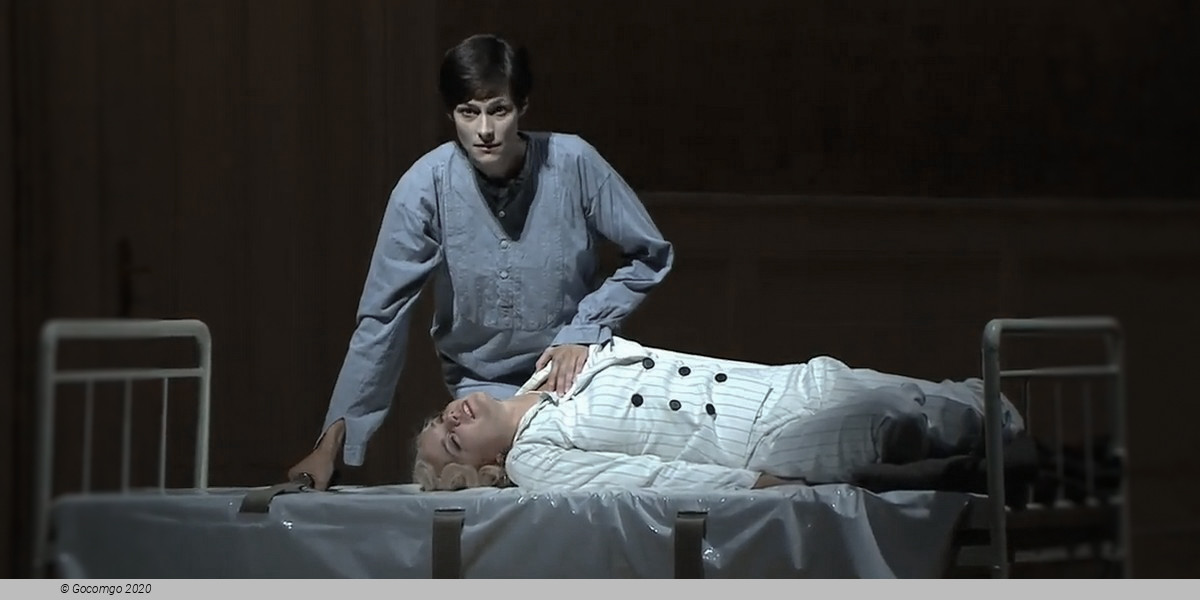
Zoroastro warns Orlando to control his tantrums and tries to bring him back to his senses, which proves an extremely difficult task. An emotional cocktail of jealousy and hate, mistrust and misjudged self-assuredness has turned Orlando into a shadow of himself. The reason, his unrequited love for Angelica, who’s involved with Medoro, who lusts after Dorinda, whose lovesickness assumes less abnormal extremes. Orlando rants, fumes and rages; revealing himself in his violent fantasies as a deeply unhappy person, who has completely lost control.

When Orlando starts hallucinating in the underworld and completely loses touch with reality, Handel invented radical, »crazy« musical ideas. Senesino, the star castrato in the world premiere, found the role very unconventional and couldn’t shake the feeling off that Handel was trying to make a fool of him. In addition to all kinds of virtuoso gems and touching portraits of characters, magical Orlando captivates with an ambiguity that manages to milk comic potential from tragic love madness.

History
Premiere of this production: 27 January 1733, King s Theatre in London

Orlando is an opera seria in three acts by George Frideric Handel written for the King's Theatre in London in 1733. The Italian-language libretto was adapted from Carlo Sigismondo Capece's L'Orlando after Ludovico Ariosto's Orlando Furioso, which was also the source of Handel's operas Alcina and Ariodante. More an artistic than a popular success at its first performances, Orlando is today recognised as a masterpiece.

Synopsis

Orlando (Roland), a great soldier in Charlemagne's army, falls desperately in love with the pagan princess Angelica, who is in turn in love with another man, Medoro. Orlando cannot accept this and he is driven to madness, prevented from causing absolute carnage only by the magician Zoroastro (who eventually restores his sanity).

Act 1
On the summit of a mountain, at night - The wizard Zoroastro scans the heavens and sees signs in the stars that the warrior Orlando will once more turn to deeds of valour and recover from his passion for the princess of Cathay, Angelica. Orlando himself appears, torn between love and duty. With a wave of his wand, the magician conjures up disturbing visions of the great heroes of antiquity asleep at Cupid's feet. Zoroastro urges Orlando to forget Venus, the goddess of love, and once more follow Mars, god of war.(Aria:Lascia Amor). Orlando is at first shamed by Zoroastro's words but then decides love and duty do not necessarily conflict, reflecting that Hercules was not robbed of his status as a hero by his affair with Queen Omphale,or Achilles by disguising himself for a time as a woman (Aria:Non fu già men forte).

In a grove with shepherds' huts - The shepherdess Dorinda reflects on the beauties of nature, which however do not fill her with tranquility as they used to, which she feels may be a sign that she is falling in love. Orlando rushes across the scene with a princess, Isabella, that he has just rescued from danger, and Dorinda thinks he may be in love too. (Aria:Ho un certo rossore). Dorinda has been sheltering princess Angelica in her hut, as Angelica had found the wounded Moorish warrior Medoro near death and fallen desperately in love with him and brought him to recuperate in the shepherdess's hut with her. Dorinda is upset that Medoro and Angelica are in love, as she has fallen in love with Medoro herself, but Medoro tells Dorinda that Angelica is a relative of his and assures Dorinda that he will never forget her kindness to him (Aria:Se il cor mai ti dira). Dorinda knows Medoro is not telling the truth, but finds him utterly charming anyway (Aria:O care parolette).

Zoroastro tells Angelica he knows that she is in love with Medoro and warns her that Orlando's jealousy when he discovers this will lead to unpredictable and possibly dangerous results. When Angelica meets Orlando, she pretends to be jealous of his rescue of Princess Isabella, telling him he cannot expect her to love a man who may not be faithful to her (Aria: Se fedel vuoi ch’io ti creda). Orlando protests that he could never love anyone but her, and offers to do anything to prove it, including fighting fierce monsters (Aria:Fammi combattere).

As Orlando leaves, Medoro enters and asks Angelica who she was with. She explains that Orlando is a mighty warrior and besotted with her and advises that they should retreat to her kingdom in the east to escape his wrath. Dorinda is upset to see them embrace, but the lovers tell her not to be downhearted; one day she too will find love. Angelica presents Dorinda with a jewelled bracelet in gratitude for her hospitality (Trio:Consolati o bella).

Act 2
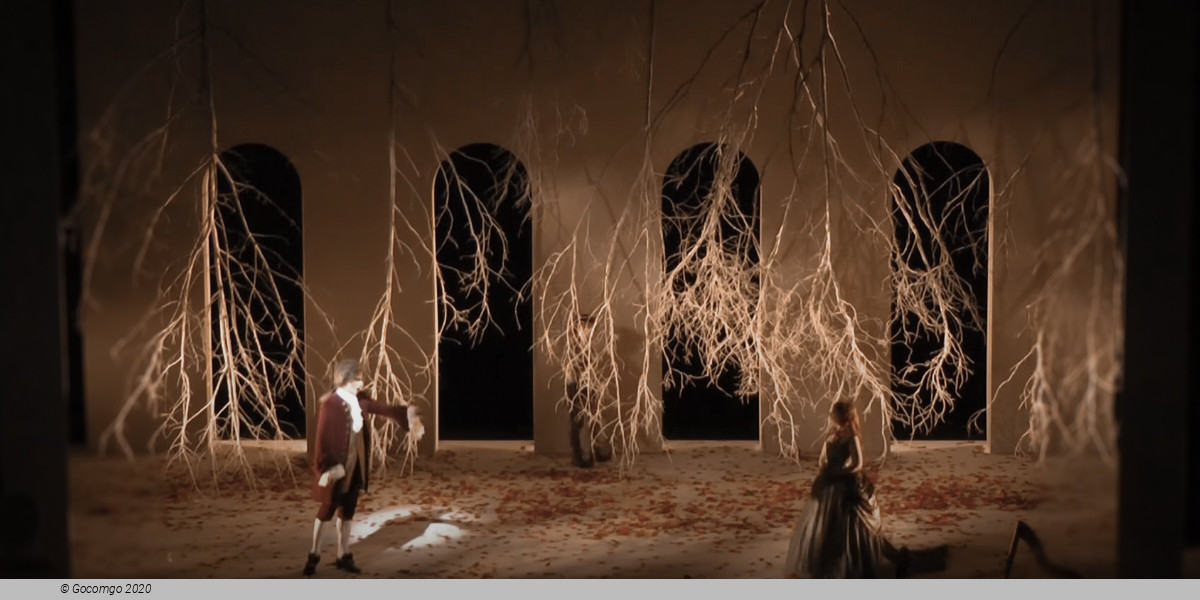
In a forest - Dorinda, inconsolable over the loss of Medoro, listens to the melancholy song of the nightingale and finds it chimes with her mood (Arioso:Quando spieghi tuoi tormenti). Orlando demands to know why Dorinda has been telling people he is in love with Isabella. Dorinda denies this and says she was speaking not of him but of Medoro and Angelica's love. She shows him the bracelet she claims Medoro gave her and says she sees his face in every brook and flower (Aria:Se mi rivolgo al prato). Orlando recognises the bracelet as one he had given Angelica and is furious at her betrayal. He vows to kill her, then himself, and pursue her in Hell itself (Aria:Cielo! se tu il consenti).

On one side, a grove of laurel trees, on the other, the entrance to a cave - Zoroastro advises Medoro and Angelica to flee Orlando's wrath and promises to protect them on their journey, advising them that they should always be guided by reason (Aria:Tra caligini profonde). Angelica and Medoro are saddened at having to leave the woods where they fell in love and Medoro carves their names into the trees as a memento (Aria:Verdi allori). Angelica is grateful to Orlando for having saved her life once and feels guilty for having lied to him, but tells herself that he will come to understand her love for Medoro, being in love himself (Aria:Non potrà dirmi ingrata). She takes a sad farewell of the beautiful grove where she first fell in love (Aria:Verdi piante).

Orlando rushes in and attempts to murder Angelica, who calls in vain for Medoro to rescue her. Zoroastro conjures up some spirits to whisk Angelica away in a cloud. Orlando begins to lose his reason: he imagines himself to be dead and sees himself entering Hades. He experiences a vision of his hated rival in the embrace of Proserpina, queen of the underworld, but then notices that Proserpina is crying and feels pity for her.(Accompagnato:Ah! Stigie larve). Becoming infuriated again, Orlando rushes into the cave, but it splits open, revealing Zoroastro in a flying chariot. He puts Orlando into it and carries him away.

Act 3
In a grove with palm trees - Medoro became separated from Angelica in the confusion and has returned to Dorinda's hut to seek refuge once more. He tells her he would love her if he could, but his heart is not his to give (Aria:Vorrei poterti amar). Dorinda comments on the whirlwind of passions caused by love (Aria:Amore è qual vento). Orlando appears and, addressing Dorinda as Venus, declares his love for her. Dorinda can see Orlando is still out of his senses, and this is even more apparent when he confuses her with a male enemy he had fought with previously.

Zoroastro appears and orders his attendant spirits to transform the grove to a dark cave, where he will try to restore Orlando to sanity. He knows that tempests eventually recede, and calm will return (Aria:Sorge infausta una procella).

Angelica finds Dorinda weeping and she explains that Orlando in his madness has burnt her cottage to the ground, killing Medoro in the process. Angelica is devastated and when Orlando appears she begs him to kill her too (Duet:: Finché prendi ancora il sangue).

Orlando hurls Angelica into the cave and, imagining he has rid the world of all its monsters, lies down to rest. Zoroastro declares the time has come for Orlando's mind to be healed; a magical bird descends with a golden phial, the contents of which the sorcerer sprinkles on Orlando's sleeping face. As Orlando begins to feel the effects of the magic potion, he sings the aria, Gia l'ebro mia ciglio. Orlando awakes, restored to reason, but is horrified to learn that he has killed both Medoro and Angelica and begs for death himself. Zoroastro has saved Angelica and Medoro however; Orlando is overjoyed to see them and wishes them a happy life together. Dorinda will forget her sorrow and invites everyone to her cottage to celebrate (Chorus: Con un diverso ardor, gia che ciascun e pago).

Venue Info

Oper Frankfurt - Frankfurt am Main
Location   Untermainanlage 11

The Oper Frankfurt (Frankfurt Opera) is one of the leading opera companies in Europe, and voted best "Opera house of the year" several times since 1996.

Opera in Frankfurt am Main has a long tradition, with many world premieres such as Franz Schreker's Der ferne Klang in 1912, Fennimore und Gerda by Frederick Delius in 1919, and Carl Orff's Carmina Burana in 1937. Frankfurt's international recognition began in the Gielen Era, 1977 to 1987, when Michael Gielen and stage directors such as Ruth Berghaus collaborated.

A historic opera house from 1880 was destroyed in World War II, and reconstructed as a concert hall, Alte Oper. The present opera house, built in 1963, is under one roof with the stage for drama. The opera orchestra is called Frankfurter Opern- und Museumsorchester. Today's venue for Baroque and contemporary opera is the Bockenheimer Depot, a former tram depot.

Oper Frankfurt is part of the Städtische Bühnen Frankfurt.

Frankfurt's first opera was Johann Theile's Adam und Eva, performed in 1698 by Johann Velten's touring company. The young Goethe's first operas in his home town of Frankfurt were productions by Theobald Marchand's company.

1782 – 1880
Opened in 1782, the Comoedienhaus was the first permanent venue of the Frankfurt Theater (drama and opera). In 1878 German violinist Willy Hess took up the leadership of the Oper Frankfurt. He resigned from that post in 1886 to take up a professorship in the Rotterdam Conservatorium voor Muziek.

1880 – 1944
The first representative opera house of the city was inaugurated in Frankfurt in 1880 at Opernplatz. Under the direction of the first Intendant Emil Claar and the first Kapellmeister Felix Otto Dessoff, the house was opened with Mozart's opera Don Giovanni.

During the 1920s, the opera in Frankfurt had more prominent Jewish singers than any other company in Germany, including the tenor Hermann Schramm, bass Hans Erl (the first King in Schreker's Der Schatzgräber), baritone Richard Breitenfeld and contralto Magda Spiegel, who also toured with Frankfurt Opera performing Wagner in the Netherlands. These singers were forced to leave the opera in June 1933. Orff's Carmina Burana was premiered at Oper Frankfurt in 1937. Jewish members of the opera company among those rounded up at 9 November 1938 at the Festhalle Frankfurt, where Erl sang In diesen Heilgen Hallen, from the Magic Flute for the deportees. Members of Frankfurt Opera were sent to Auschwitz and other camps where they perished.

1945 – 1970s
The opera house was damaged in an air raid in January 1944, and then almost completely destroyed in March. A new house for opera and play was built, completed in 1963 at the Theaterplatz (now Willy-Brandt-Platz). In 1952, Georg Solti became Generalmusikdirektor (GMD) and Intendant of the Oper Frankfurt, where he remained in charge for nine years.

The Gielen Era
From 1977 to 1987, Frankfurt Opera was led by Michael Gielen. This decade became known as the "Gielen Era", notable for the music of a conductor who was also a composer, and directors including Ruth Berghaus and Hans Neuenfels, whose productions of standard works such as Verdi's Aida and Wagner's Ring Cycle were thought-provoking. Operas which received their world premieres at the house were also performed again, including Franz Schreker's Die Gezeichneten.

1987 – present
The stage of the opera house was destroyed by a fire in November 1987. The opera house was rebuilt and opened in April 1991. Many famous singers started their career with the company, including Franz Völker, Edda Moser, Cheryl Studer and Diana Damrau, and many established artists have been engaged there in recent seasons including Christian Gerhaher, whose roles here have included Monteverdi's L'Orfeo and his first Wolfram in Wagner's Tannhäuser, Piotr Beczała in Massenet's Werther and Jan-Hendrik Rootering in Wagner's Parsifal.

Since 2002, Bernd Loebe has served as Intendant of the company. The company's current GMD is Sebastian Weigle, since 2008. Weigle has made commercial recordings of opera with the company for the OEHMS Classics label. He is scheduled to stand down as GMD of Oper Frankfurt at the close of the 2022–2023 season. In October 2021, the company announced the appointment of Thomas Guggeis as the next GMD of the company, effective with the 2023–2024 season, with an initial contract of 5 years.

Oper Frankfurt was voted 1996, 2003, 2015, 2018 and 2020 "Opera House of the Year" by the magazine Opernwelt.

Important Info
Type: Opera
City: Frankfurt am Main, Germany
Duration: 2h 45min with 1 interval
Acts: 3
Intervals: 1
Sung in: Italian
Titles in: English,German

E-tickets: Print at home or at the box office of the event if so specified. You will find more information in your booking confirmation email.

You can only select the category, and not the exact seats.
If you order 2 or 3 tickets: your seats will be next to each other.
If you order 4 or more tickets: your seats will be next to each other, or, if this is not possible, we will provide a combination of groups of seats (at least in pairs, for example 2+2 or 2+3).

Top of page