
Warsaw Grand Theatre - Polish National Opera (Teatr Wielki): Pinocchio Tickets | Event Dates & Schedule | GoComGo.com

Pinocchio Tickets

Warsaw Grand Theatre - Polish National Opera (Teatr Wielki), Warsaw, Poland
Important Info
Type: Ballet
City: Warsaw, Poland
Acts: 2

E-tickets: Print at home or at the box office of the event if so specified. You will find more information in your booking confirmation email.

You can only select the category, and not the exact seats.
If you order 2 or 3 tickets: your seats will be next to each other.
If you order 4 or more tickets: your seats will be next to each other, or, if this is not possible, we will provide a combination of groups of seats (at least in pairs, for example 2+2 or 2+3).

Cast
Performers
Choose the date to see the peformers
Overview

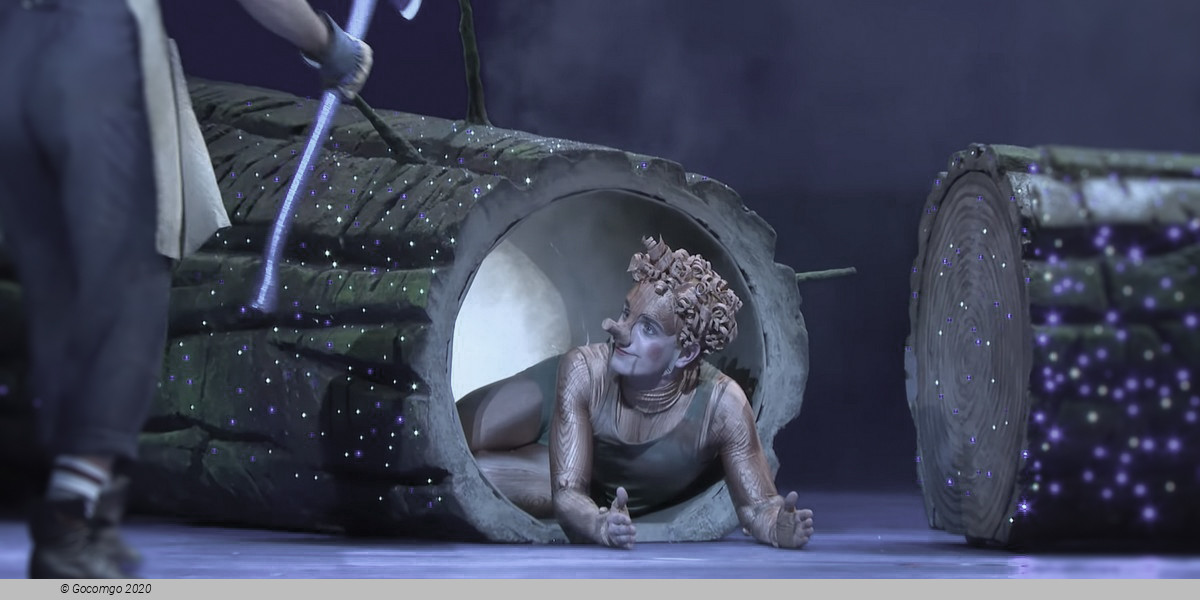
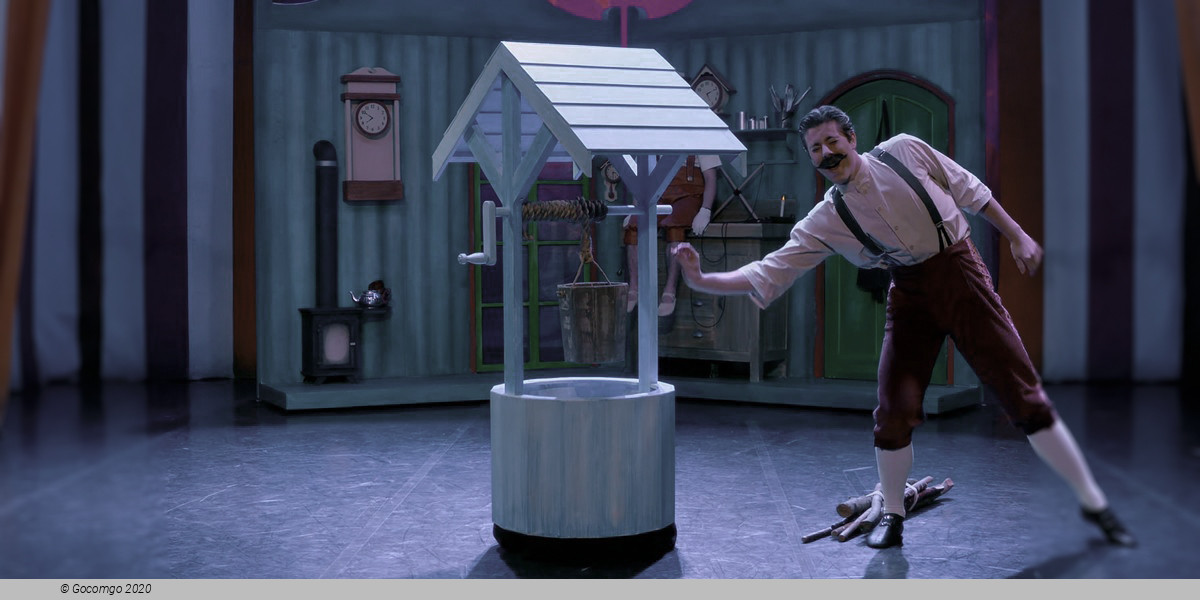
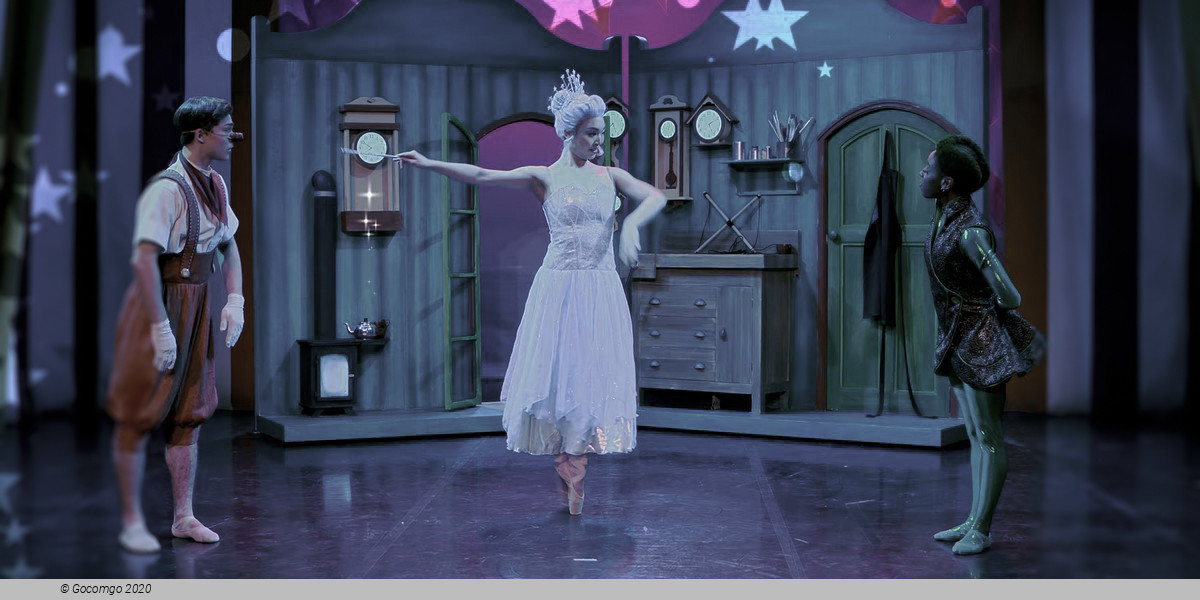
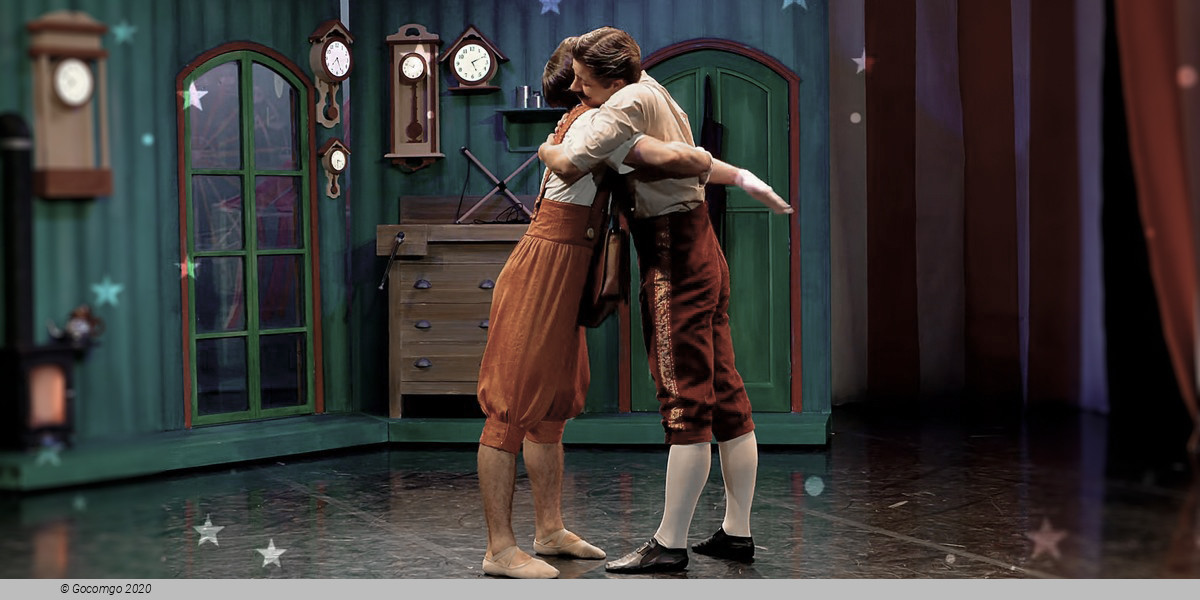
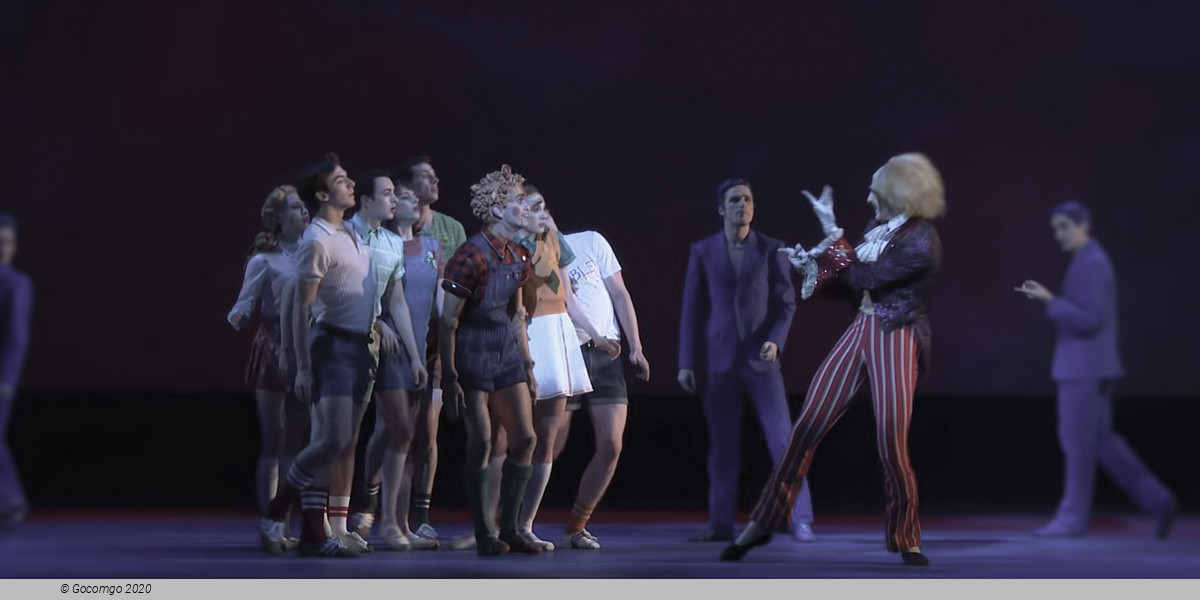
Pinocchio is a family ballet: greatly enjoyed by children and admired by grown-ups. All thanks to Weinberg’s playful music, the beauty of dance, the magic of  theatrical imagery, and the deeply meaningful story about the triumph of vulnerability over violence, the pursuit of freedom, and the necessity to sometimes lose one’s way in to grow as a person.

The growing interest in Weinberg, a fascinating composer tapping into Polish, Jewish, and Russian culture, means that his music, which up until recently was mainly confined to recordings and philharmonic concerts, is making its way into theatre programmes. While his operatic pieces have already gained considerable recognition (a good point in case is the memorable Passenger shown on our stage for a few seasons), now the time has come to shine a light on Weinberg’s ballet, The Golden Key.

Every child knows the tale of Pinocchio, a wooden puppet that becomes a real boy. While the character was originally conceived by Carlo Collodi, it is important to note that every era has its version of the story. Weinberg’s ballet is based on a reworking of the original tale, Alexei Tolstoy’s book Buratino. Tolstoy, a distant cousin of the famous writer, drew heavily on Collodi yet took the liberty of making some far-reaching changes to the plot.

Weinberg’s ballet is inspired by commedia dell’arte: burattino is Italian for ‘marionette’ and the name of a character of those improvised comedies. In the early 20th century, Igor Stravinsky chose a closely connected protagonist for his Petrushka. While his work was intended for adult audiences, Weinberg’s piece was meant for children, despite including allusions to the oppressive Soviet realities that only grown-ups could infer. The ballet was written between 1954 and 1955; the revised version was composed between 1961 and 1962. You can sense the spirit of Dimitri Shostakovich in The Golden Key: while Weinberg was friends with the composer, his ballet music is thoroughly original. It is a vibrant, multicoloured story full of humour, lyricism, and references to popular dances (waltz, tarantella).

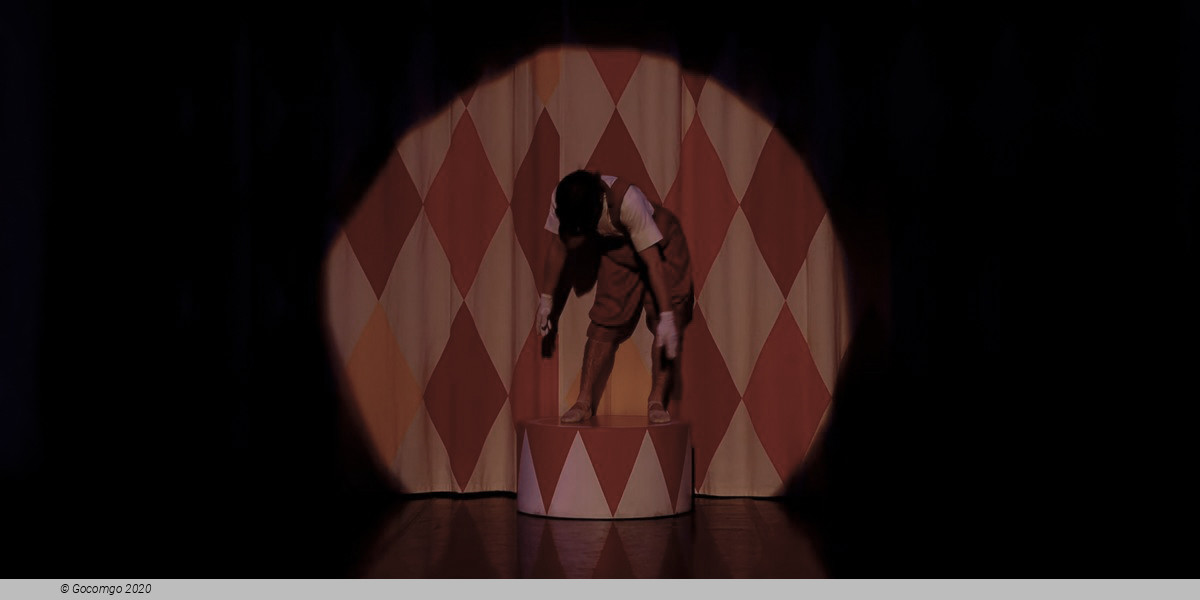
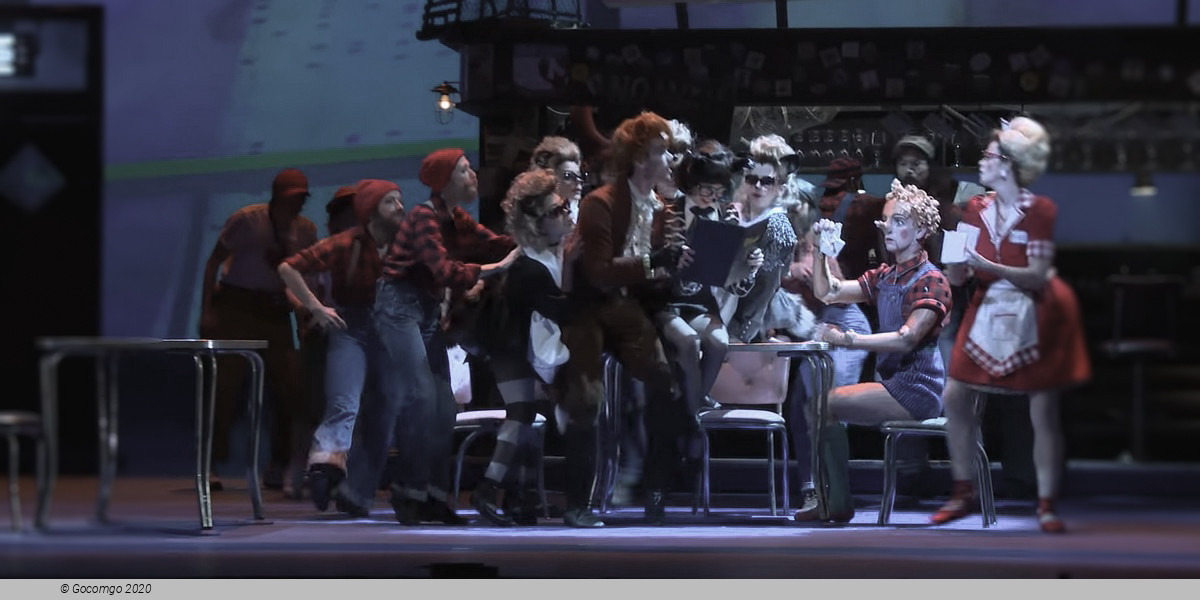
Drawing inspiration from Collodi, Anna Hop weaves an original story fit for the modern age. One thing remains the same: the universal message about the hardships of growing up. The production is also a wonderful opportunity to showcase the magic of stagecraft as we follow the fairy tale adventures of a boy who roams different worlds to eventually return home and face his past.

History
Premiere of this production: 21 April 2024, Polish National Ballet, Warsaw
Venue Info

Warsaw Grand Theatre - Polish National Opera (Teatr Wielki) - Warsaw
Location   plac Teatralny 1

The Grand Theatre in Warsaw is a theatre and opera complex situated on the historic Theatre Square in central Warsaw. The Warsaw Grand Theatre is home to the Polish National Ballet and is one of the largest theatrical venues in the world.

The Theatre was built on Theatre Square between 1825 and 1833, replacing the former building of Marywil, from Polish classicist designs by the Italian architect Antonio Corazzi of Livorno, to provide a new performance venue for existing opera, ballet and drama companies active in Warsaw. The building was remodeled several times and, in the period of Poland's political eclipse from 1795 to 1918, it performed an important cultural and political role in producing many works by Polish composers and choreographers.

It was in the new theatre that Stanisław Moniuszko's two best-known operas received their premieres: the complete version of Halka (1858), and The Haunted Manor (1865). After Frédéric Chopin, Moniuszko was the greatest figure in 19th-century Polish music, for in addition to producing his own works, he was director of the Warsaw Opera from 1858 until his death in 1872.

While director of the Grand Theatre, Moniuszko composed The Countess, Verbum Nobile, The Haunted Manor and Paria, and many songs that make up 12 Polish Songbooks.

Also, under Moniuszko's direction, the wooden Summer Theatre was built close by in the Saxon Garden. Summer performances were given annually, from the repertories of the Grand and Variety (Rozmaitości) theatres. Józef Szczublewski writes that during this time, even though the country had been partitioned out of political existence by its neighbors, the theatre flourished: "the ballet roused the admiration of foreign visitors; there was no equal troupe of comedians to be found between Warsaw and Paris, and Modrzejewska was an inspiration to drama."

The theatre presented operas by Władysław Żeleński, Ignacy Jan Paderewski, Karol Szymanowski and other Polish composers, as well as ballet productions designed by such choreographers as Roman Turczynowicz, Piotr Zajlich and Feliks Parnell. At the same time, the repertoire included major world opera and ballet classics, performed by the most prominent Polish and foreign singers and dancers. It was also here that the Italian choreographer Virgilius Calori produced Pan Twardowski (1874), which (in the musical arrangement first of Adolf Sonnenfeld and then of Ludomir Różycki) has for years been part of the ballet company's repertoire.

During the 1939 battle of Warsaw, the Grand Theatre was bombed and almost completely destroyed, with only the classical façade surviving. During the Warsaw Uprising of 1944 the Germans shot civilians in the burnt-out ruins. The plaque to the right of the main entrance commemorates the suffering and heroism of the victims of fascism.

Important Info
Type: Ballet
City: Warsaw, Poland
Acts: 2

E-tickets: Print at home or at the box office of the event if so specified. You will find more information in your booking confirmation email.

You can only select the category, and not the exact seats.
If you order 2 or 3 tickets: your seats will be next to each other.
If you order 4 or more tickets: your seats will be next to each other, or, if this is not possible, we will provide a combination of groups of seats (at least in pairs, for example 2+2 or 2+3).

Top of page